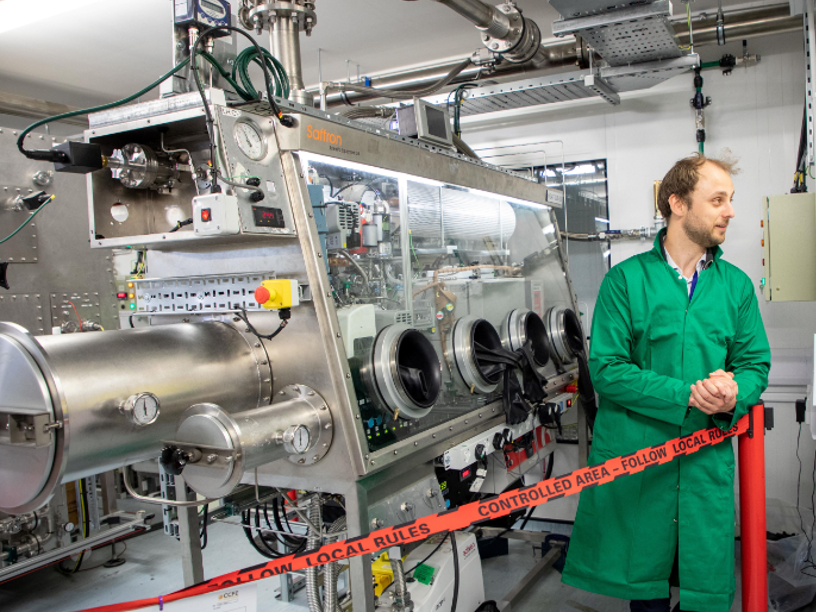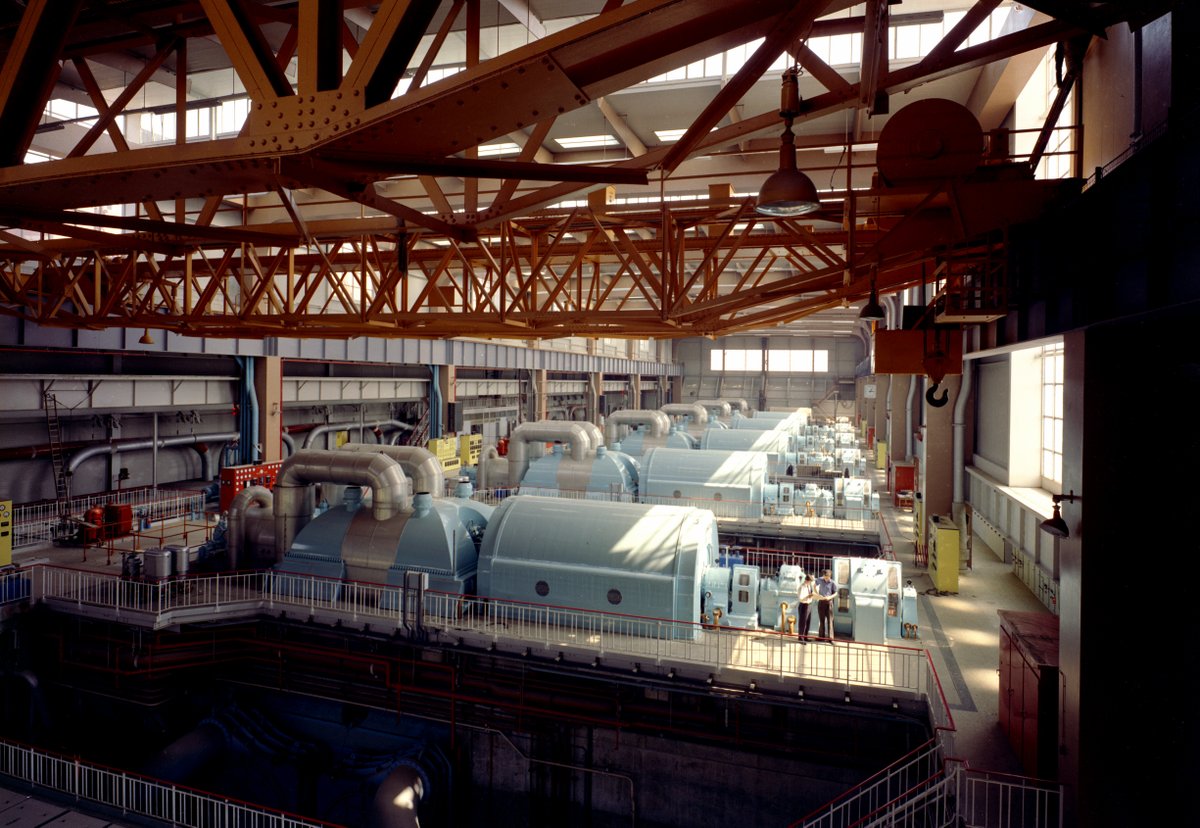
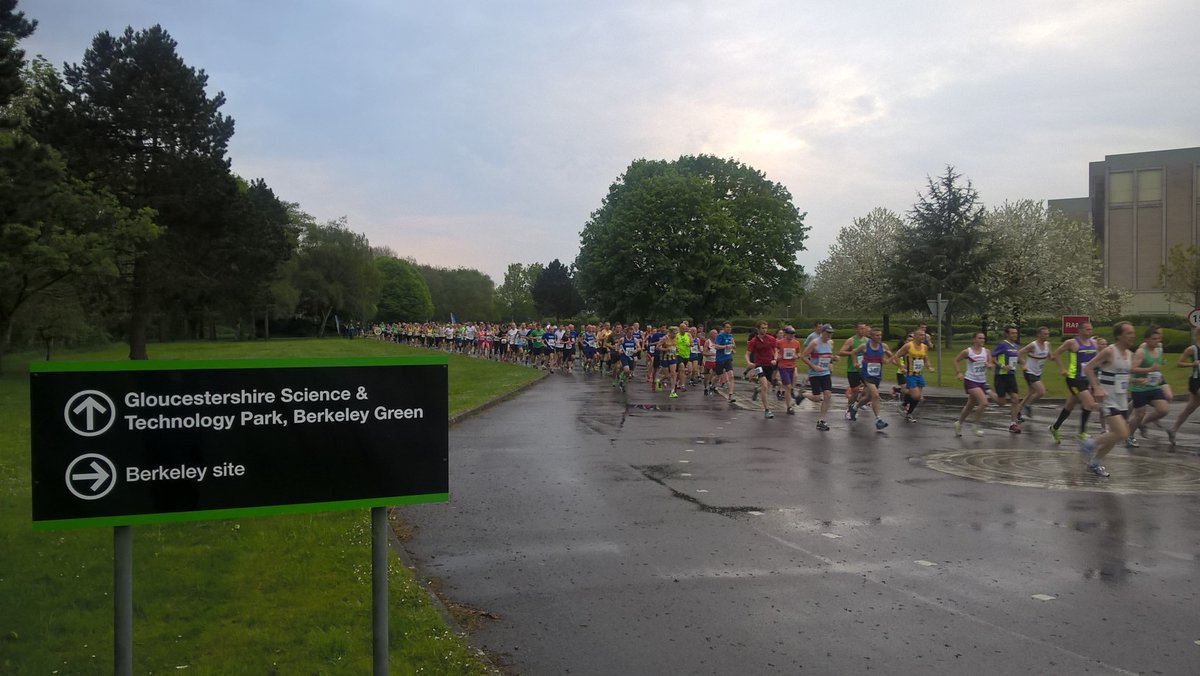
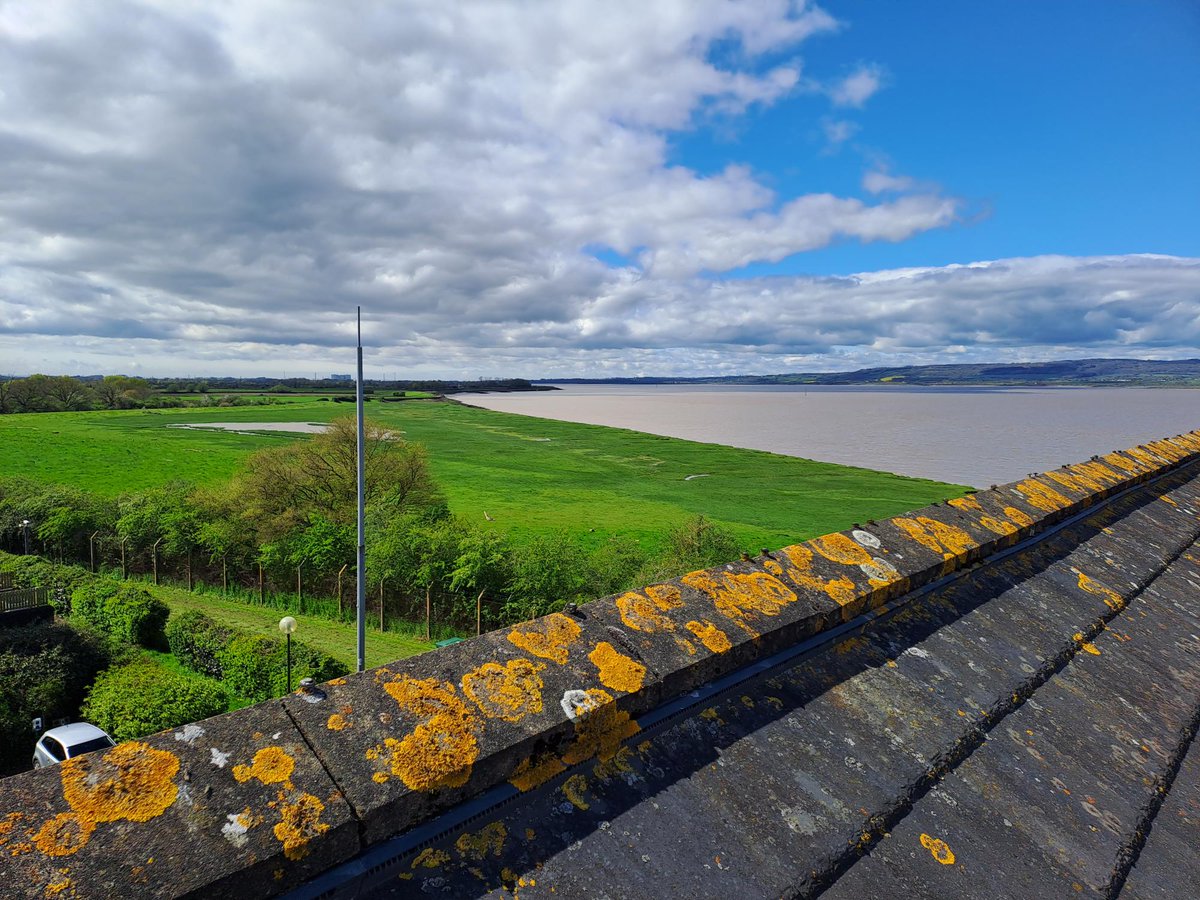
Situated on the banks of the Severn near Bristol, GSTP is a lively, engaging and sustainable business community focused around skills, technology and research.
- Tweets 5,323
- Following 351
- Followers 637
- Likes 9,101





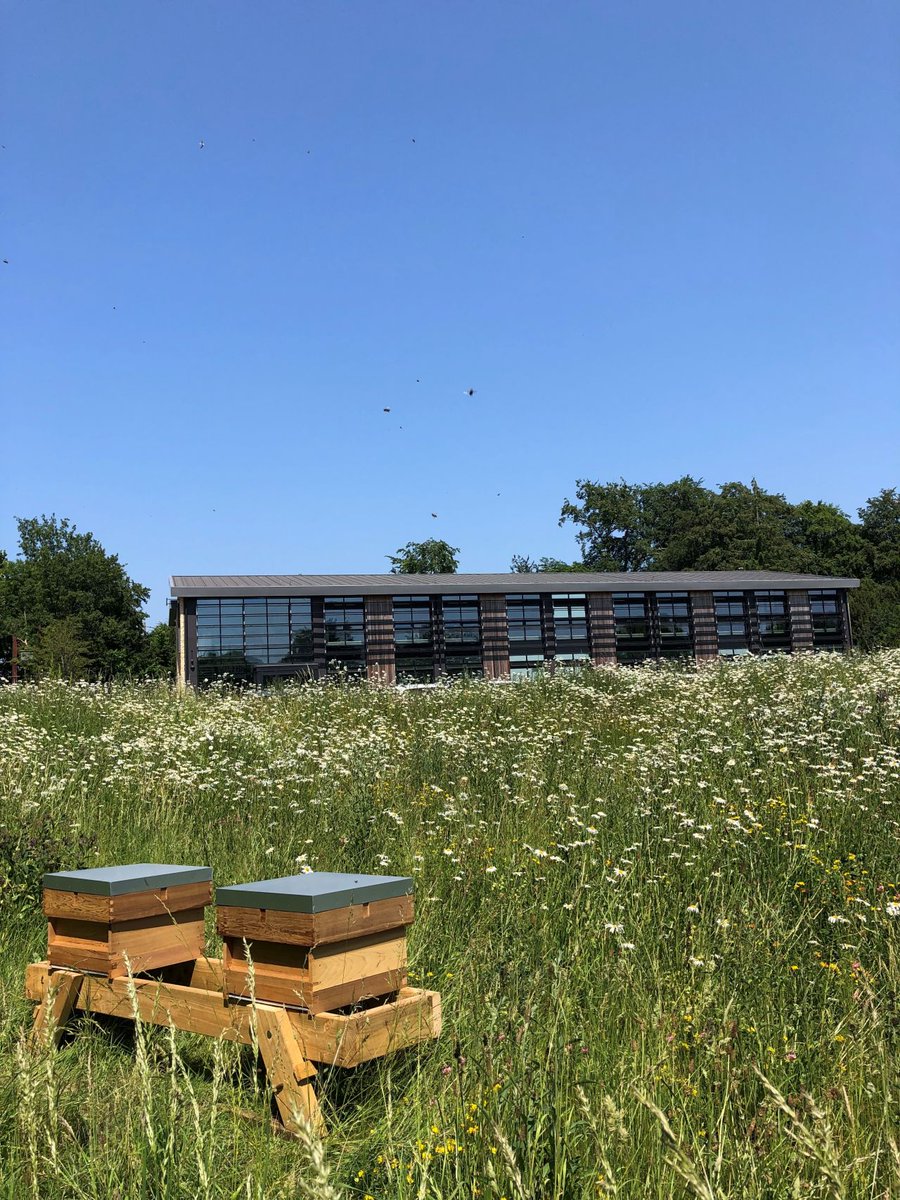
ALT New beehives at the Alliston Centre. Image copyright: The Growth Hub Cirencester. Image shows two boxes/beehives among wildflowers and at the back the Alliston Centre building can be seen.






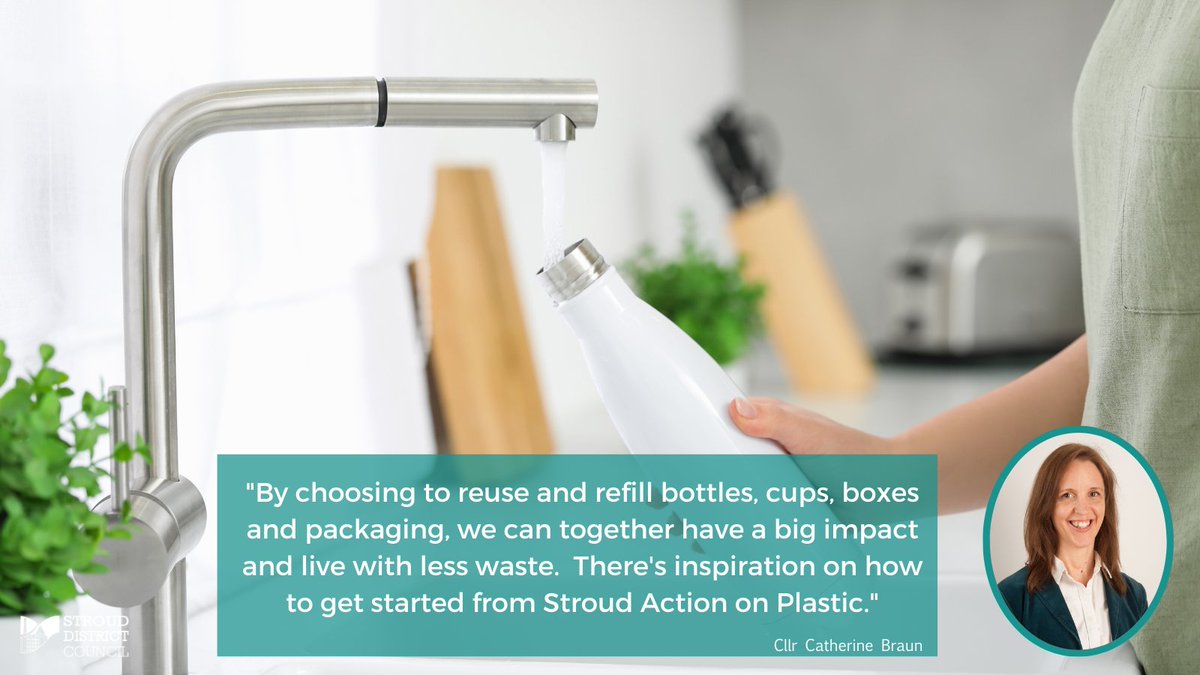
ALT Main photo shows a person refilling a white water bottle at a kitchen tap. Smaller photo shows Stroud District Council leader Catherine Braun. Text reads "By choosing to reuse and refill bottles, cups, boxes and packaging, we can together have a big impact and live with less waste. There's inspiration on how to get started from Stroud Action on Plastic." Cllr Catherine Braun




ALT Westward Road is partially reopen