
Ageless.
Joined July 2022
- Tweets 620
- Following 219
- Followers 969
- Likes 8,783
71 Photos and videos

Pinned Tweet
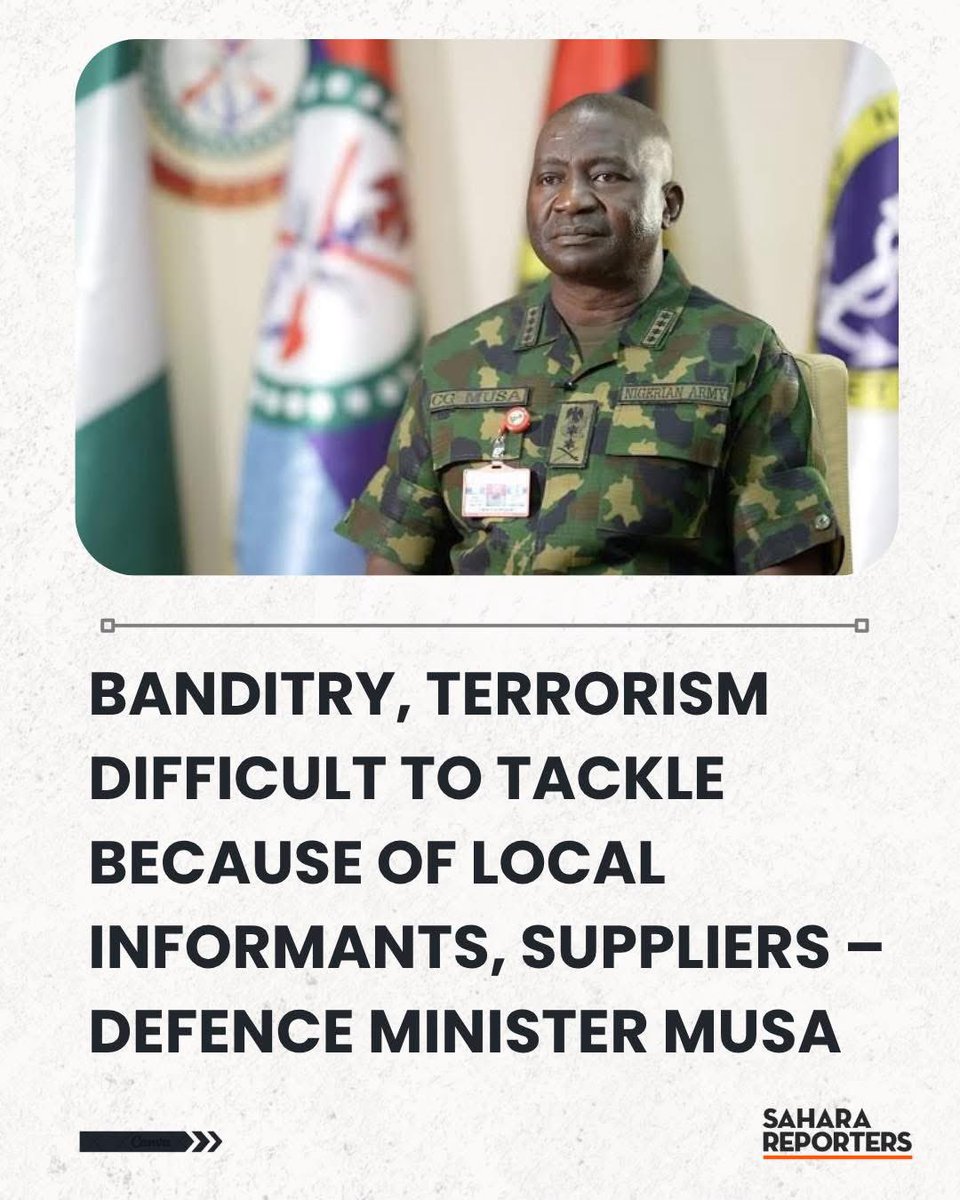
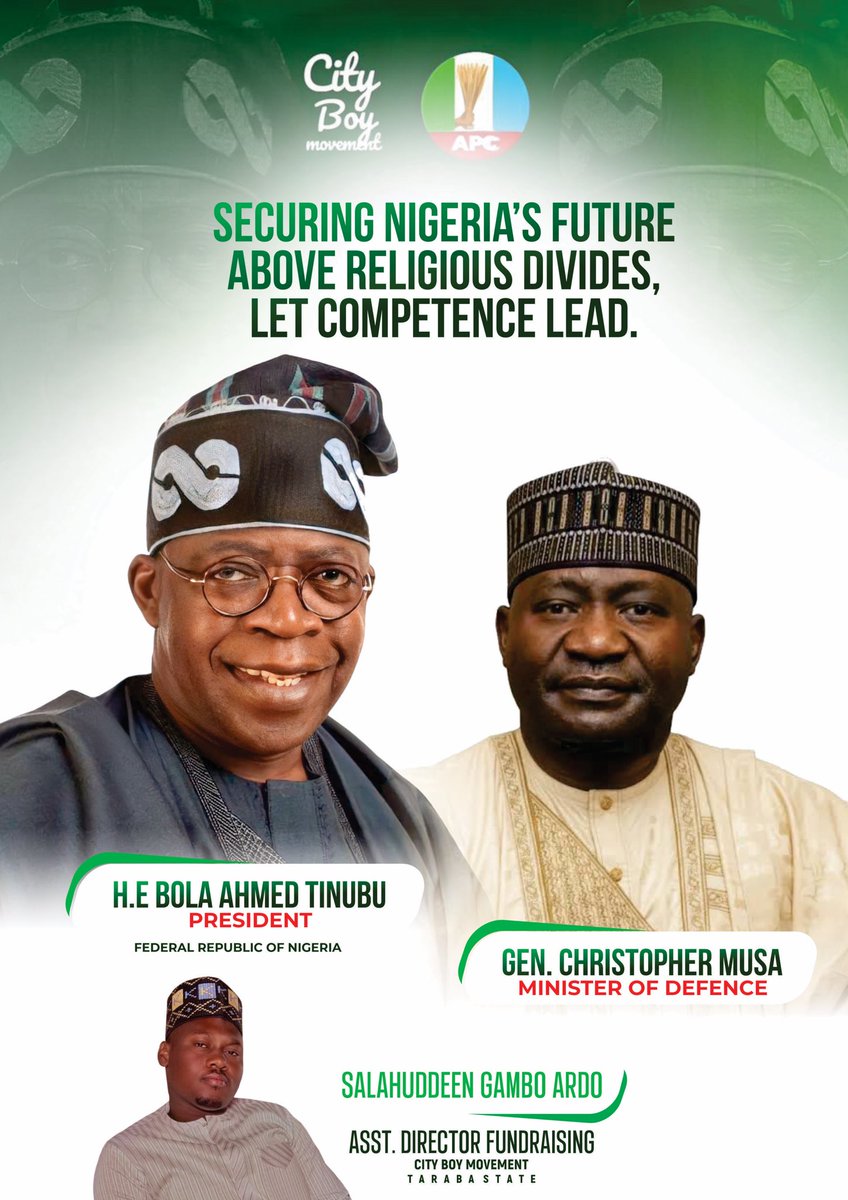
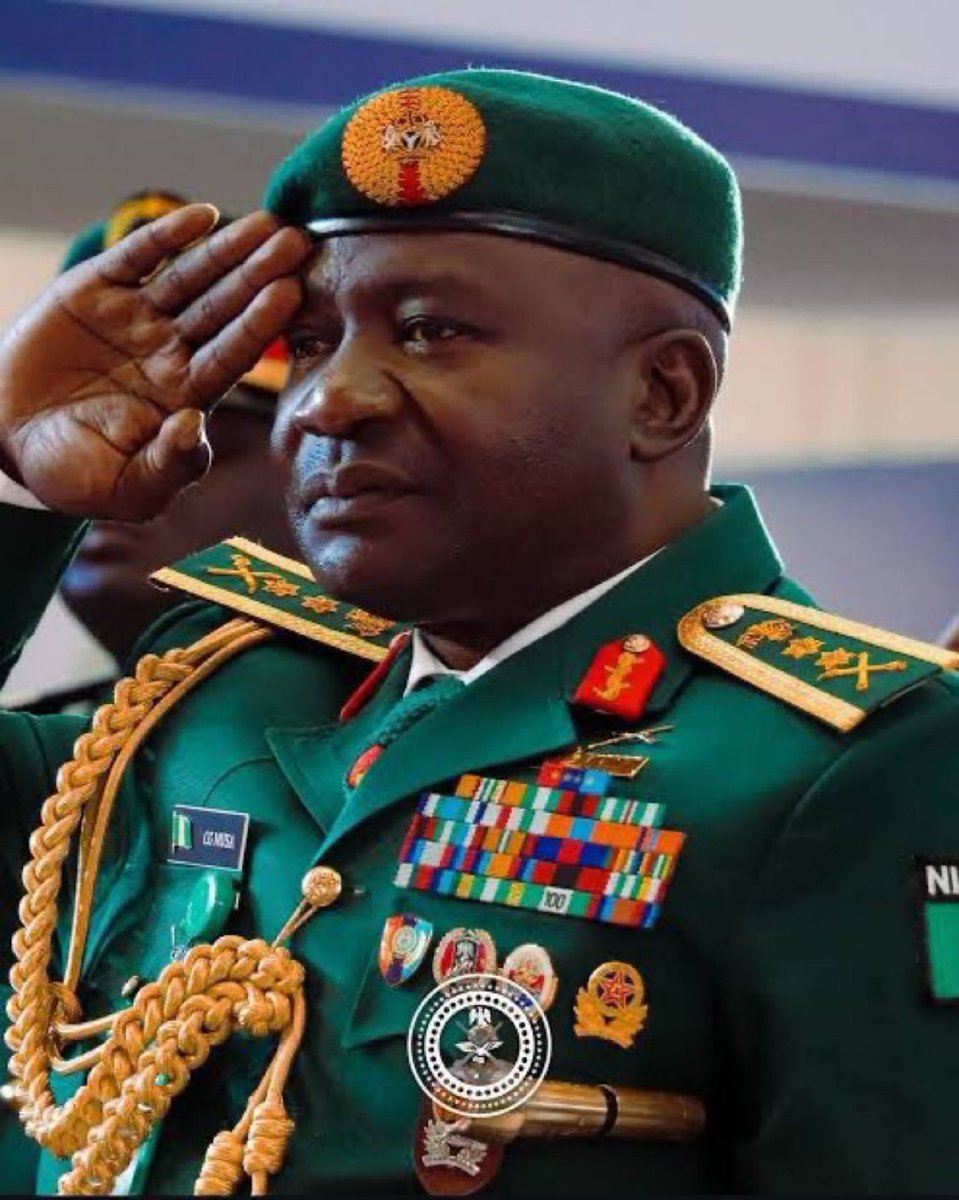
If Gen. CG Musa is not the APC Vice Presidential candidate in 2027, then na your papa will occupy the seat? It’s time we set religious differences aside and focus strictly on what will move this nation forward.
19
115
116
2,879
SALAHUDDEEN ⁉️ retweeted

Okay. Unfortunately, your father is not worth much to you reason why you had Nuhu Ribadu and his SA on your wall and profile.
Useless child.

Mallam Nasiru El-Rufai will remain in detention till eternity, Insha Allah. Write it down, screenshot this tweet, bookmark it. His political career is officially over.
1
2
123
SALAHUDDEEN ⁉️ retweeted

Wai eternity just hear yourself please!!.
Wayasan gaibu banda Allah
Mallam Nasiru El-Rufai will remain in detention till eternity, Insha Allah. Write it down, screenshot this tweet, bookmark it. His political career is officially over.
1
1
1
69
SALAHUDDEEN ⁉️ retweeted

Lol. If Mallam will die today, you may never achieve 1/10th of what he achieved.
Mallam is a prisoner of conscience, and he is just starting. Sai dai bakin ciki ya kasheku
Mallam Nasiru El-Rufai will remain in detention till eternity, Insha Allah. Write it down, screenshot this tweet, bookmark it. His political career is officially over.
1
1
2
142
SALAHUDDEEN ⁉️ retweeted

No be only dey call on Allah SWT you shall be shamed in sha Allah
Mallam Nasiru El-Rufai will remain in detention till eternity, Insha Allah. Write it down, screenshot this tweet, bookmark it. His political career is officially over.
1
1
1
149
SALAHUDDEEN ⁉️ retweeted

Me yayi zafi?!
Mallam Nasiru El-Rufai will remain in detention till eternity, Insha Allah. Write it down, screenshot this tweet, bookmark it. His political career is officially over.
1
1
1
144
SALAHUDDEEN ⁉️ retweeted

You are wrong
Mallam Nasiru Elrufai will be out insha Allah in good health and will surely make a good change to the Nation.
Mallam Nasiru El-Rufai will remain in detention till eternity, Insha Allah. Write it down, screenshot this tweet, bookmark it. His political career is officially over.
2
2
2
164
SALAHUDDEEN ⁉️ retweeted

How does that benefit you in anyway?
Mallam Nasiru El-Rufai will remain in detention till eternity, Insha Allah. Write it down, screenshot this tweet, bookmark it. His political career is officially over.
2
1
3
1,051
SALAHUDDEEN ⁉️ retweeted

He is so.ebody father. Why wish him that bad
Mallam Nasiru El-Rufai will remain in detention till eternity, Insha Allah. Write it down, screenshot this tweet, bookmark it. His political career is officially over.
1
1
1
56
SALAHUDDEEN ⁉️ retweeted

Kaji wata maganar banza.
Mallam Nasiru El-Rufai will remain in detention till eternity, Insha Allah. Write it down, screenshot this tweet, bookmark it. His political career is officially over.
1
1
1
255
SALAHUDDEEN ⁉️ retweeted

Saboda kaine Allah ba,meyanke hukunci akan Rayuwar bawansa ba 😏
Mallam Nasiru El-Rufai will remain in detention till eternity, Insha Allah. Write it down, screenshot this tweet, bookmark it. His political career is officially over.
1
1
1
95

Mun ga Major Almustapha ma
Mallam Nasiru El-Rufai will remain in detention till eternity, Insha Allah. Write it down, screenshot this tweet, bookmark it. His political career is officially over.
1
1
1
62
SALAHUDDEEN ⁉️ retweeted

If you really believe his political career is over, then why are scared of him to your bone marrow?
They keep detaining him illegally because they know his freedom is a threat to them.
Mallam Nasiru El-Rufai will remain in detention till eternity, Insha Allah. Write it down, screenshot this tweet, bookmark it. His political career is officially over.
1
1
1
53
SALAHUDDEEN ⁉️ retweeted

I love the tears under this post 😭😭😂😂
Mallam Nasiru El-Rufai will remain in detention till eternity, Insha Allah. Write it down, screenshot this tweet, bookmark it. His political career is officially over.
1
1
1
224
SALAHUDDEEN ⁉️ retweeted

10h
Band!ts will start targeting ministers, senators and even state governors. When a general falls into the hands of non state actors, it signals a serious erosion of tactical deterrence.
If this trend continues unchecked, the next target may not be soldiers or civilians alone, they could include ministers, senators and even state governors.
Band!ts now operate with sophisticated intelligence capabilities, heavy weaponry and a level of audacity that increasingly challenges state authority.
We must stop negotiating with criminals groups and advocate for a comprehensive military and intelligence offensive against terror!st and band!t network.
✍️: former chief of army staff Gen. Tyler Yusuf burutai.
14
16
18
660
Mallam Nasiru El-Rufai will remain in detention till eternity, Insha Allah. Write it down, screenshot this tweet, bookmark it. His political career is officially over.
58
140
159
13,988



Jun 14
Whole of society approach: The only credible path to a modern security ecosystem
By Salahuddeen Gambo Ardo
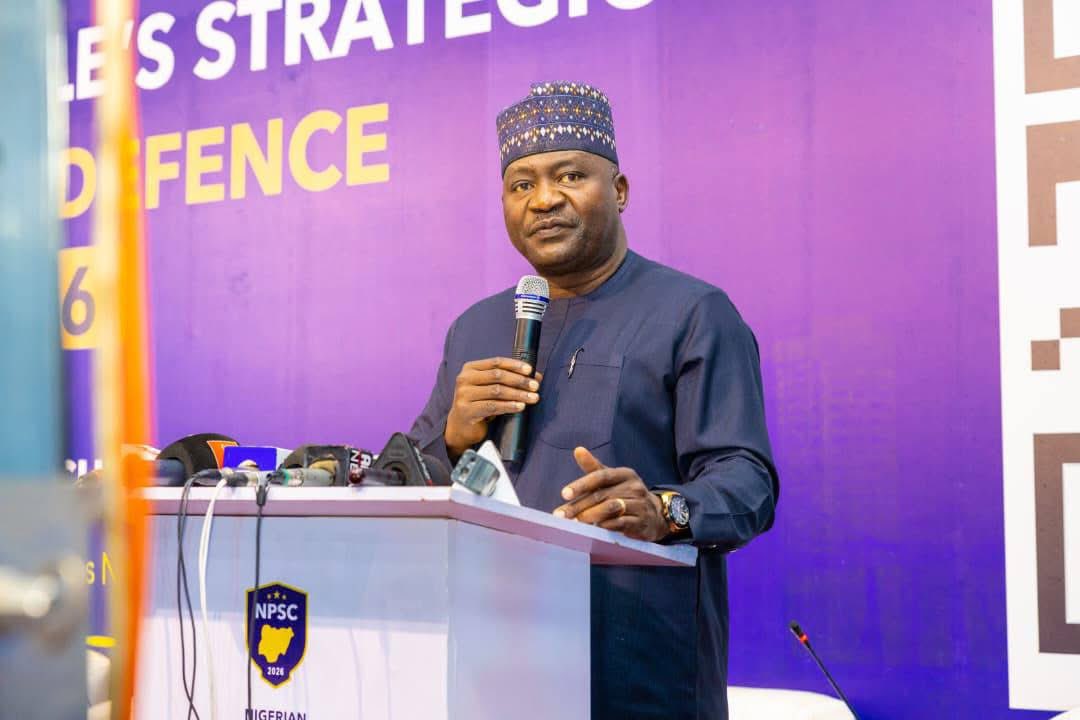
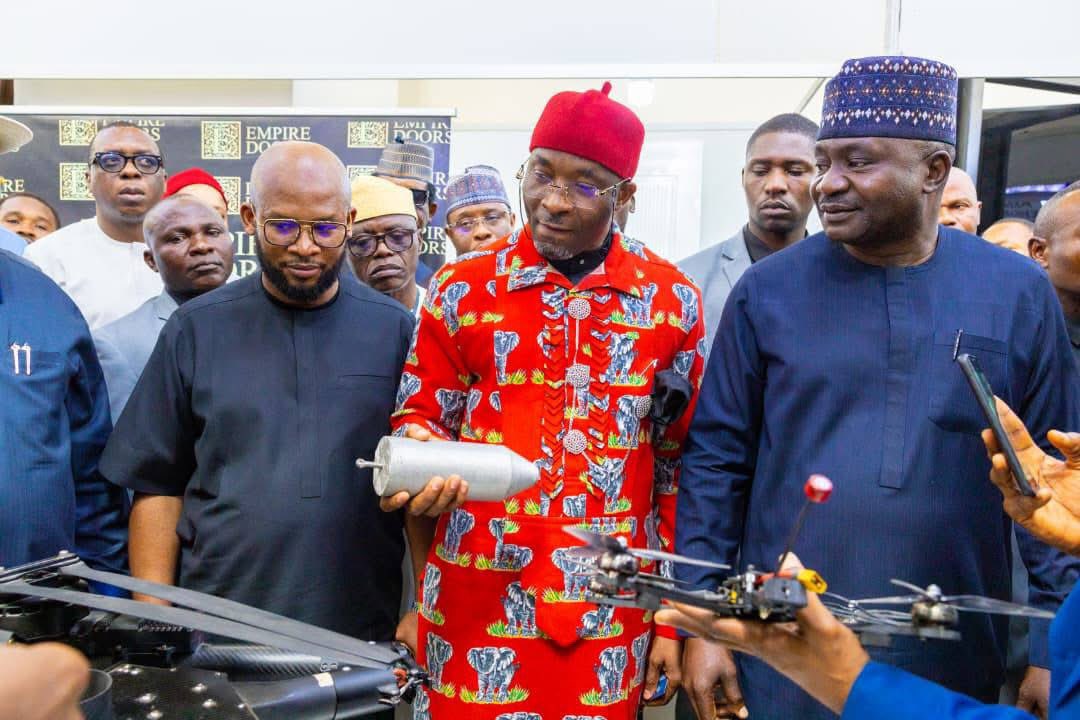
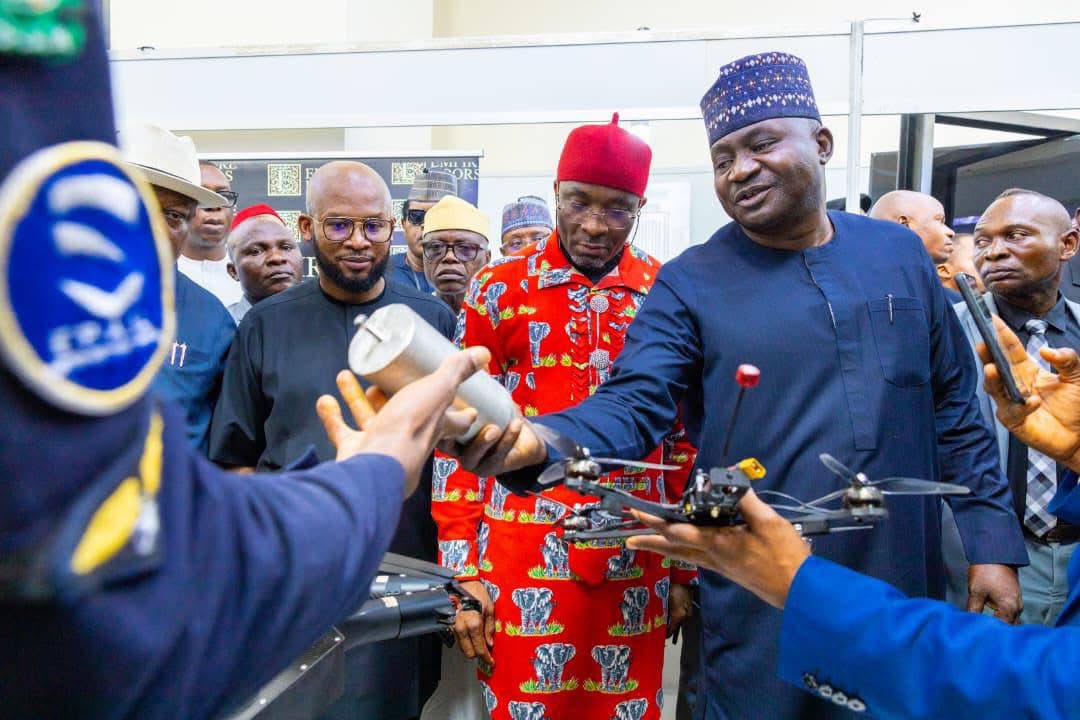
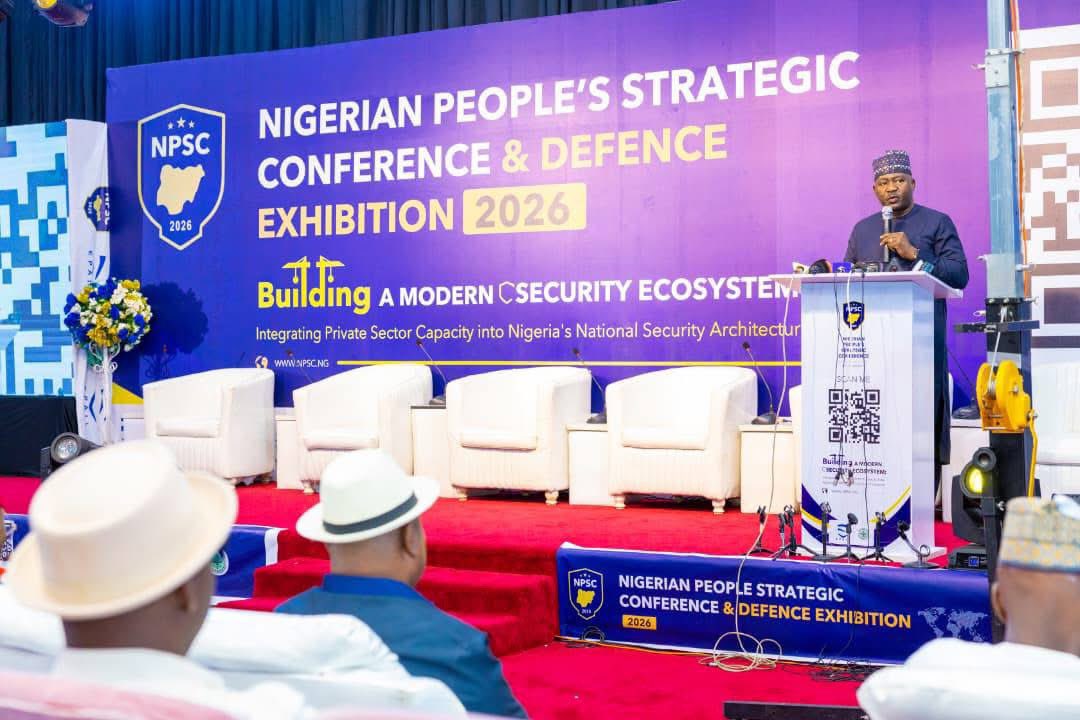
It is insightful that the address delivered by the Honourable Minister of Defence of the Federal Republic of Nigeria, General Christopher Gwabin Musa (Rtd), OFR, at the Nigerian People’s Strategic Conference and Defence Exhibition 2026, which took place on Saturday the 13th of June 2026 at the NAF Conference Centre, Abuja, is nothing but the strategic crystallisation of what every credible security architecture in the contemporary world has long recognised as the irreducible minimum for achieving sustainable peace, that no nation in the history of modern statecraft has ever secured itself through the barrel of a gun alone, without the active and deliberate participation of every segment of its society in all ramifications.
The Honourable Minister, in his characteristic candour that has distinguished him from farhand beside every public servant saddled with the responsibility of security in the history of democratic Nigeria, called for a unified, whole of society approach to addressing Nigeria’s evolving security challenges. He observed that contemporary threats, including terrorism, banditry, cybercrime, and infrastructure vandalism, are increasingly complex, technology driven, and often sustained by local support networks, and therefore emphasised the critical role of citizens in providing timely intelligence and denying criminal elements safe havens. This submission avails the substance of that call and sequences it alongside the broader trajectory of the Honourable Minister’s stewardship at the Ministry of Defence, a trajectory whose significance cannot be over emphasize in all ramifications of life.
Recalled that the Honourable Minister has since his assumption of office in December 2025 consistently demonstrated that his approach to national security is neither kinetic nor myopic. His articulation of three key pillars of a modern security ecosystem, comprising effective government leadership and coordination, sustained investment in local defence innovation and industrial capacity, and strengthened community partnerships built on trust and accountability, is the product of a mind that has not merely studied insecurity from textbooks but has commanded in its theatre, bled in its trenches, and negotiated in its diplomatic corridors across the Lake Chad Basin and the North-East of Nigeria. Thus, to tell you that what was delivered at the NAF Conference Centre was not a speech, it was a doctrine.
It is material that the Honourable Minister’s identification of five priority areas, namely strengthening legal and policy frameworks, establishing secure information sharing platforms, promoting local defence manufacturing, investing in training and professional development, and deepening community engagement, represents a security architecture that is sequential to the realities of the twenty-first century battlefield where the most dangerous weapon is no longer the rocket propelled grenade but the informant, the logistics supplier, the financier, and the community that looks away. His advocacy for structured and regulated public private partnerships to enhance intelligence gathering, safeguard critical infrastructure, and improve rapid response capabilities, while ensuring strict adherence to national laws and standards, is the calibre of thinking Nigeria has been yearning for across the nooks and crannies of its six geopolitical zones.
1/2
1
79
84
1,126
Jun 14
It is also commendable that both the Deputy Speaker of the House of Representatives, Rt. Hon. Benjamin Okezie Kalu, and Senator Osita Izunaso aligned themselves with the thrust of the Honourable Minister’s position, underscoring that the passage of the State Police Bill in the House of Representatives is a consequential step toward decentralising Nigeria’s security architecture, and that military action alone cannot guarantee lasting peace without addressing the root causes of insecurity such as poverty, unemployment, and weak governance. This convergence of executive, legislative, and security voices on a single platform is itself the whole of society approach in practical demonstration.
The Honourable Minister’s reaffirmation that sustainable security remains a collective responsibility is not rhetoric. It is the verdict of a decorated soldier who won the Colin Powell Award for Soldiering in 2012, commanded Sector 3 of the Multinational Joint Task Force in the Lake Chad region, served as Theatre Commander of Operation Hadin Kai, and who since assuming the civilian mantle of Minister of Defence has overseen the neutralisation of no fewer than fifteen high-profile bandit commanders and ISWAP leaders, including the historic joint U.S.-Nigeria elimination of Abu-Bilal al-Minuki, the Director of Global Operations for ISIS and second-in-command of ISIS globally, on Nigerian soil. These are the records of a leader par excellent whose quality, and sincerity of purpose cannot be measure.
Finally, as 2027 remains at the door, it is in the record of this submission that Northern Nigeria and well-meaning Nigerians across all sectional parts of the country continue to rally in one voice that His Excellency, President Bola Ahmed Tinubu, should consider the Honourable Minister of Defence, General Christopher Gwabin Musa (Rtd), OFR, as his running mate in the forthcoming 2027 general election. The whole of society approach the Honourable Minister preached at the NAF Conference Centre is the same philosophy Nigeria needs at the highest level of its executive governance, a philosophy that unites the military and the civilian, the North and the South, the Muslim and the Christian, in the singular pursuit of a safer, more resilient, and prosperous Nigeria. Mr. President, the evidence is before you. The nation awaits your wisdom.
14th June, 2026
Written in Jalingo, Taraba State.
For Public Consumption.
2/2
111
Jun 13
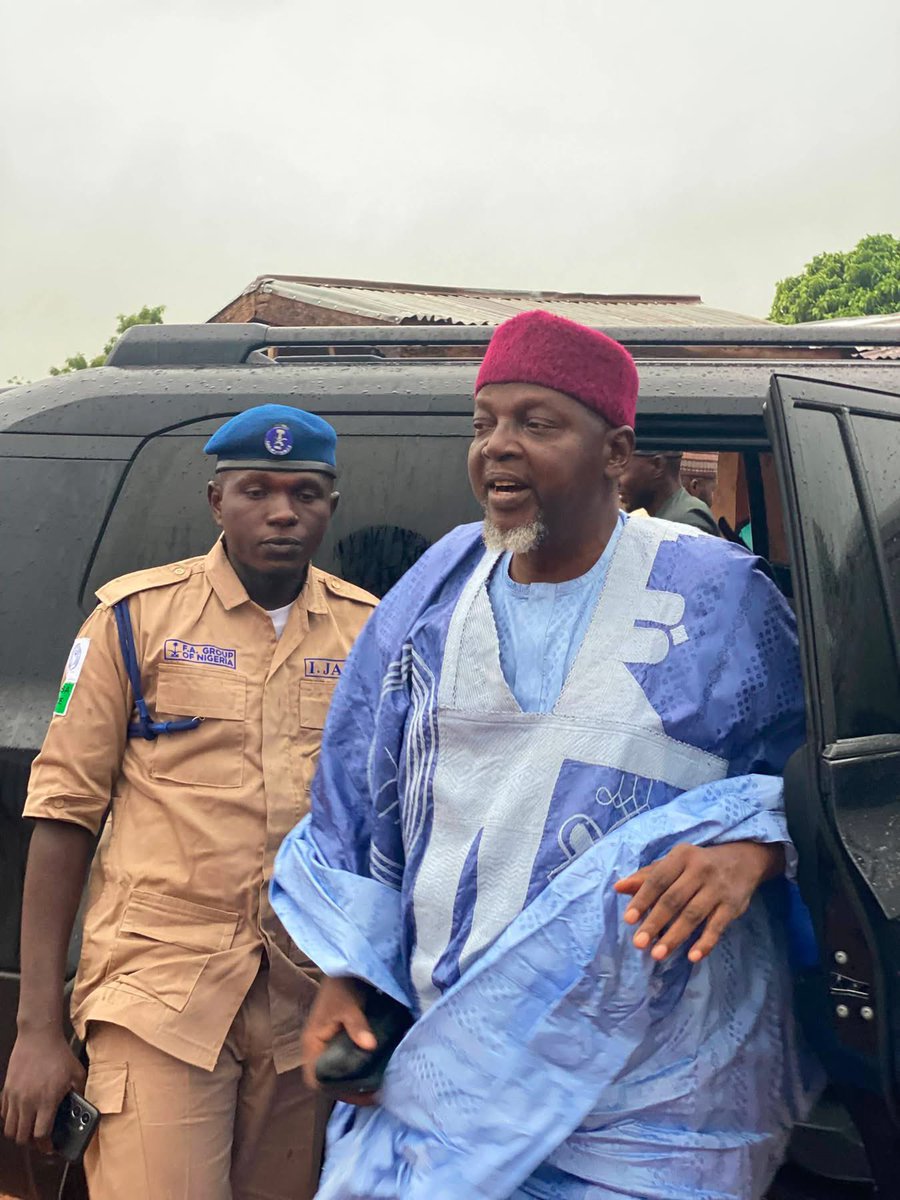
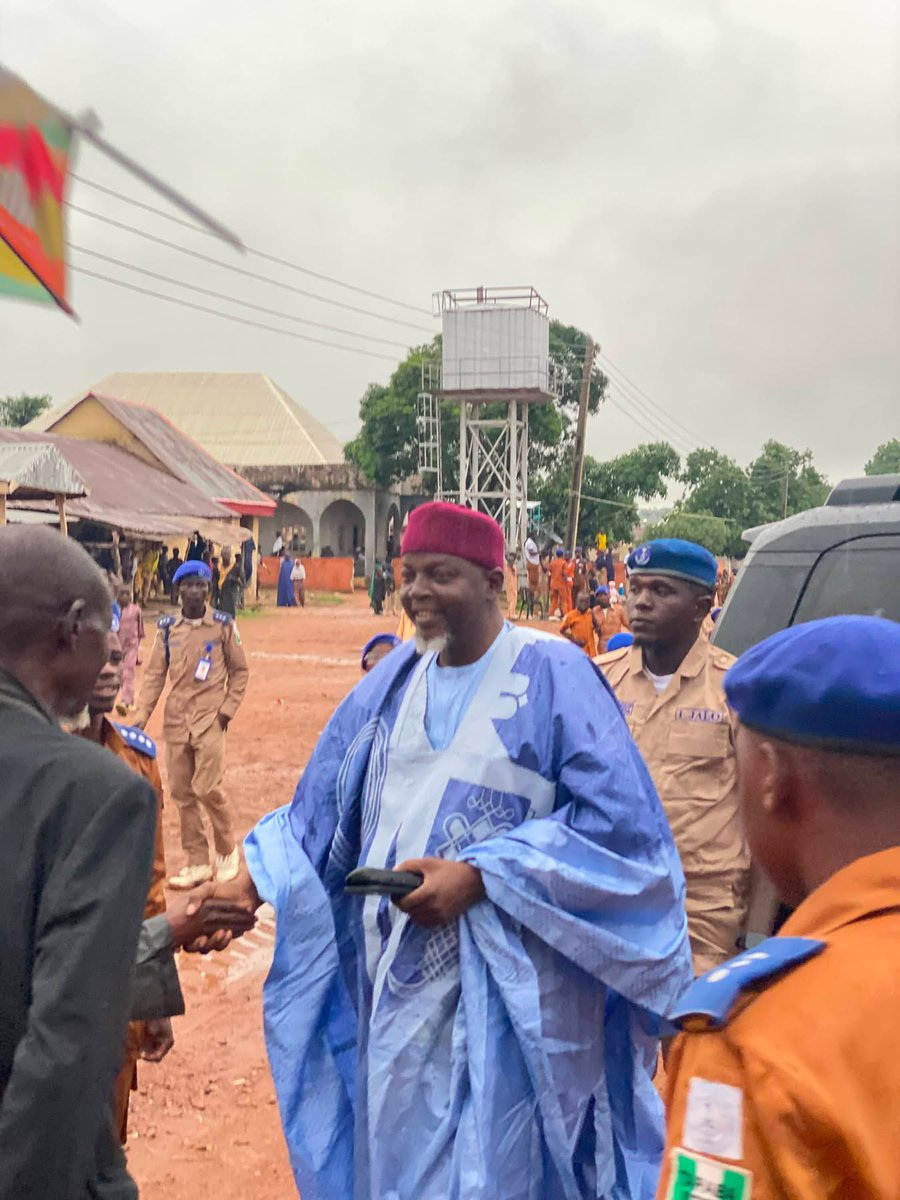
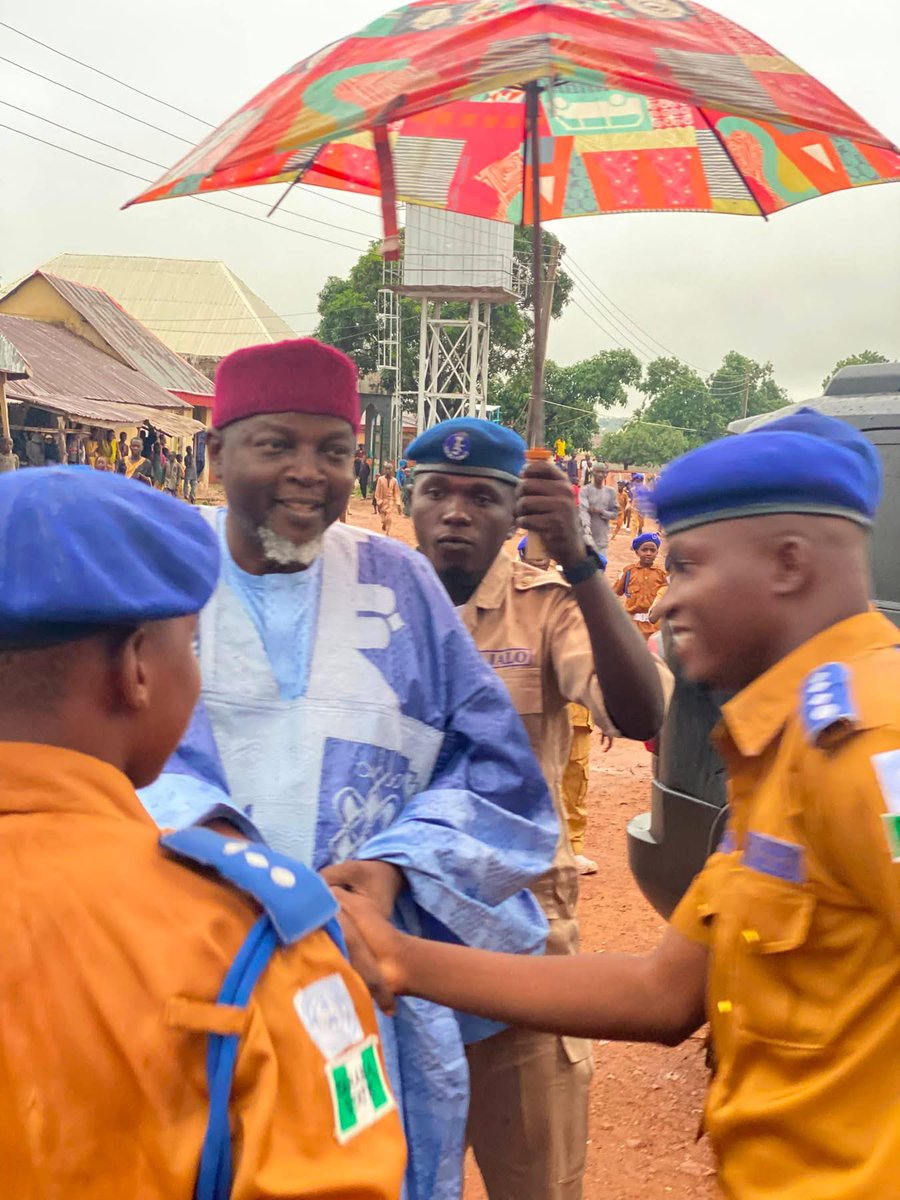
The arrival of the National Chairman of the Council of Scholars JIBWIS NIGERIA, Sheikh Dr. Ibrahim Jalo Jalingo, at Gunduma town in Gassol LGA for the Special Sallah Preaching. Welcome, Sheikh!
1
178