
Established in 2005 as a student-centric global campus of @Georgetown University with the support of @QF, GU-Q prepares future leaders for a changing world.
Joined January 2010
- Tweets 7,102
- Following 368
- Followers 17,750
- Likes 1,253
1,391 Photos and videos



In @AlShabaka’s latest roundtable, GU-Q Practitioner-in-Residence @DianaButtu discusses how the regional war is reshaping US–Israel–Gulf ties:
“The issue is no longer normalization, but creating a regional order that compels these countries to deal with the Zionist state—because the only way to reach the U.S. is through it.”
She argues the priority is now regional dominance—not just military, but economic and political supremacy, including weakening Gulf influence.
Read more: al-shabaka.org/roundtables/t…
102
Global energy supply chains have become active battlefields. From the Black Sea to Malta, drone warfare is colliding directly with Russia’s massive sanctions evasion program.
Prof. @RoryDavidMiller breaks down how this is redefining maritime security: gulf-times.com/article/72724…
76
Who writes the rules for the Arctic’s future?
As US dominance declines relative to others, Russia, China, and key European actors are challenging the status quo in the Frozen North.
Read Dr. @RoryDavidMiller's brilliant breakdown here: gulf-times.com/article/72684…
1
2
114

Geopolitics, finance, and security are officially fused. The US Dept. of War just built a critical-minerals team of bankers and traders to fight the rare-earths war. China has a multi-decade head start, but Washington is finally waking up. Read the full article in @GulfTimes_QATAR by Prof. @RoryDavidMiller to learn more:
gulf-times.com/article/72632…
1
1
218
On this auspicious occasion of Eid al-Adha, we wish you a day filled with meaningful reflection, unity, and blessings. Eid Mubarak.
1
2
153

Six African Leadership Academy graduates from Nigeria, South Africa, Zambia, Uganda, Senegal and Cameroon chose @GUQatar over more traditional paths. At Education City, their journeys spanned music, diplomacy, fieldwork, legal studies, and student leadership. The Class of 2026 also mentored the eight ALA students who followed in their footsteps, building a growing bridge between #Africa and #Doha. Tap the link in bio to read their stories.
Read more: dohanews.co/african-leadersh…
3
5
1,041
Georgetown University in Qatar retweeted

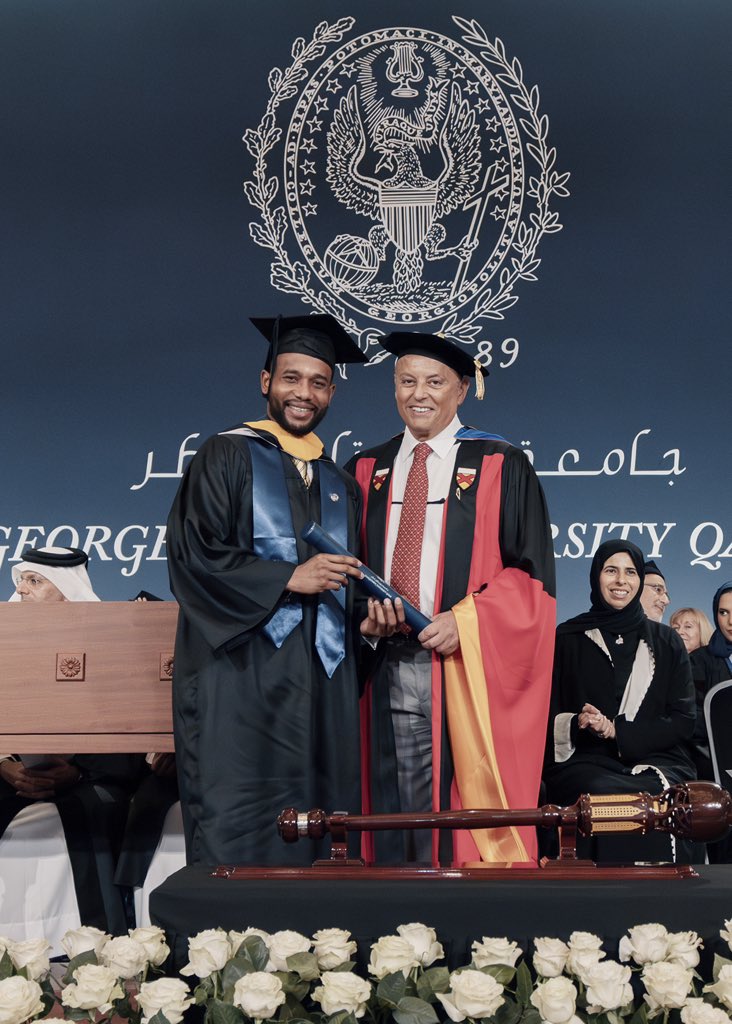
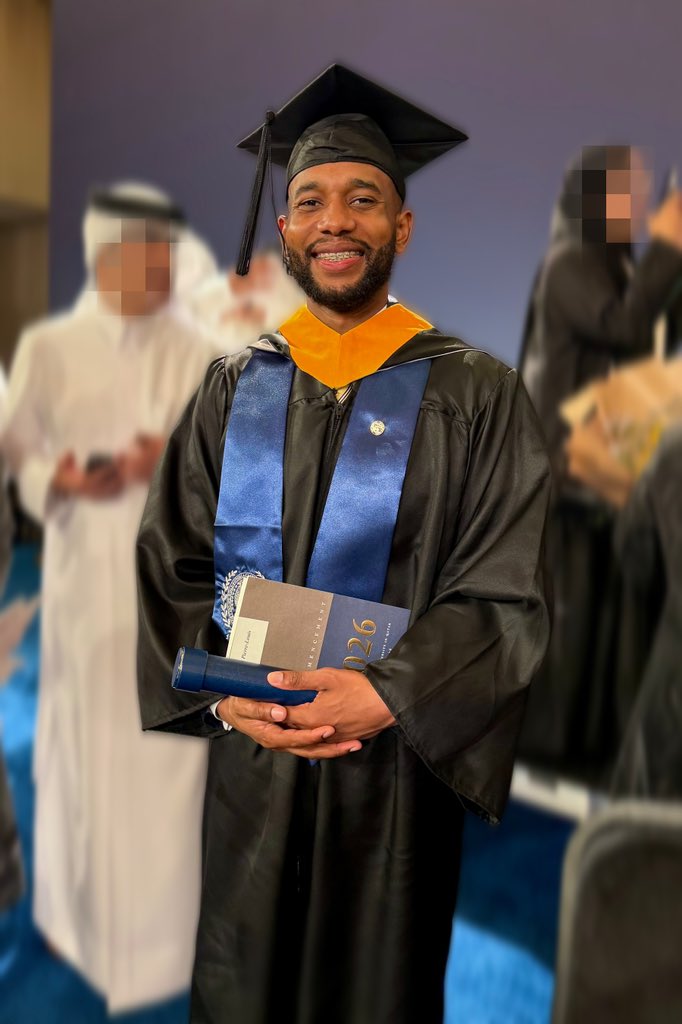
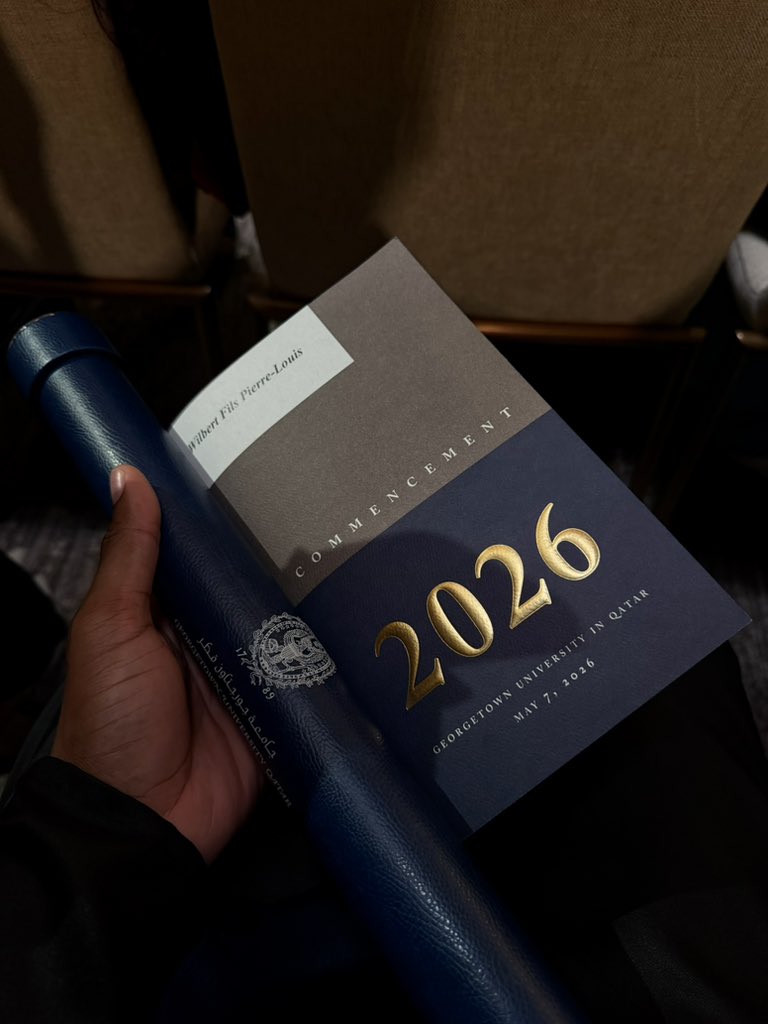
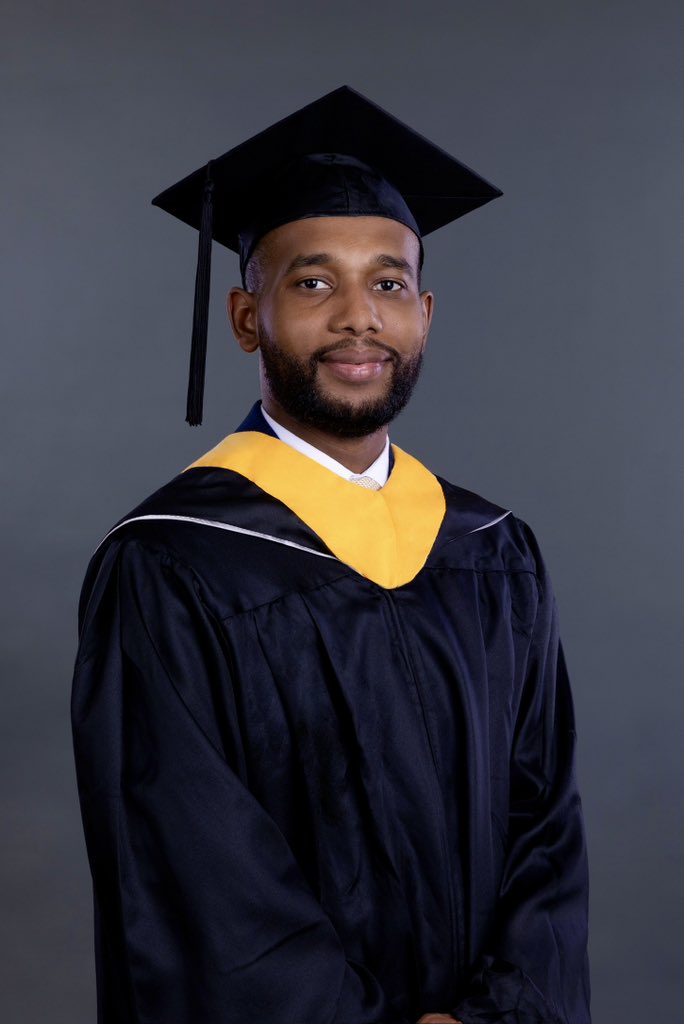
Elated to announce that I have earned a B.S. in Foreign Service from @Georgetown’s School of Foreign Service in Qatar, @GUQatar🎓
Grateful to God, my family, friends, professors, and the @HTembassyQatar for their support throughout this journey.
Excited for the next chapter!
3
3
21
689
Georgetown University in Qatar retweeted

May 21
In recent years, #Gulf states have worked hard to turn their home region into a hub for #digital innovation and investment in AI, cloud computing and clean-tech.
gulf-times.com/article/72595…
3
6
6
1,151
Georgetown University in Qatar retweeted

May 21
“It's not for you to decide. It's for the people who are resisting to decide.” —@dianabuttu, practitioner-in-residence, @GUQatar
This week on the Doha Debates Podcast, Diana Buttu argues we should shift the focus from whether resistance is legitimate to why people are resisting.
1
6
4
2,375
Georgetown University in Qatar retweeted

May 21
May 21

In recent years, #Gulf states have worked hard to turn their home region into a hub for #digital innovation and investment in AI, cloud computing and clean-tech.
gulf-times.com/article/72595…
3
2
564
Georgetown University in Qatar retweeted
May 20
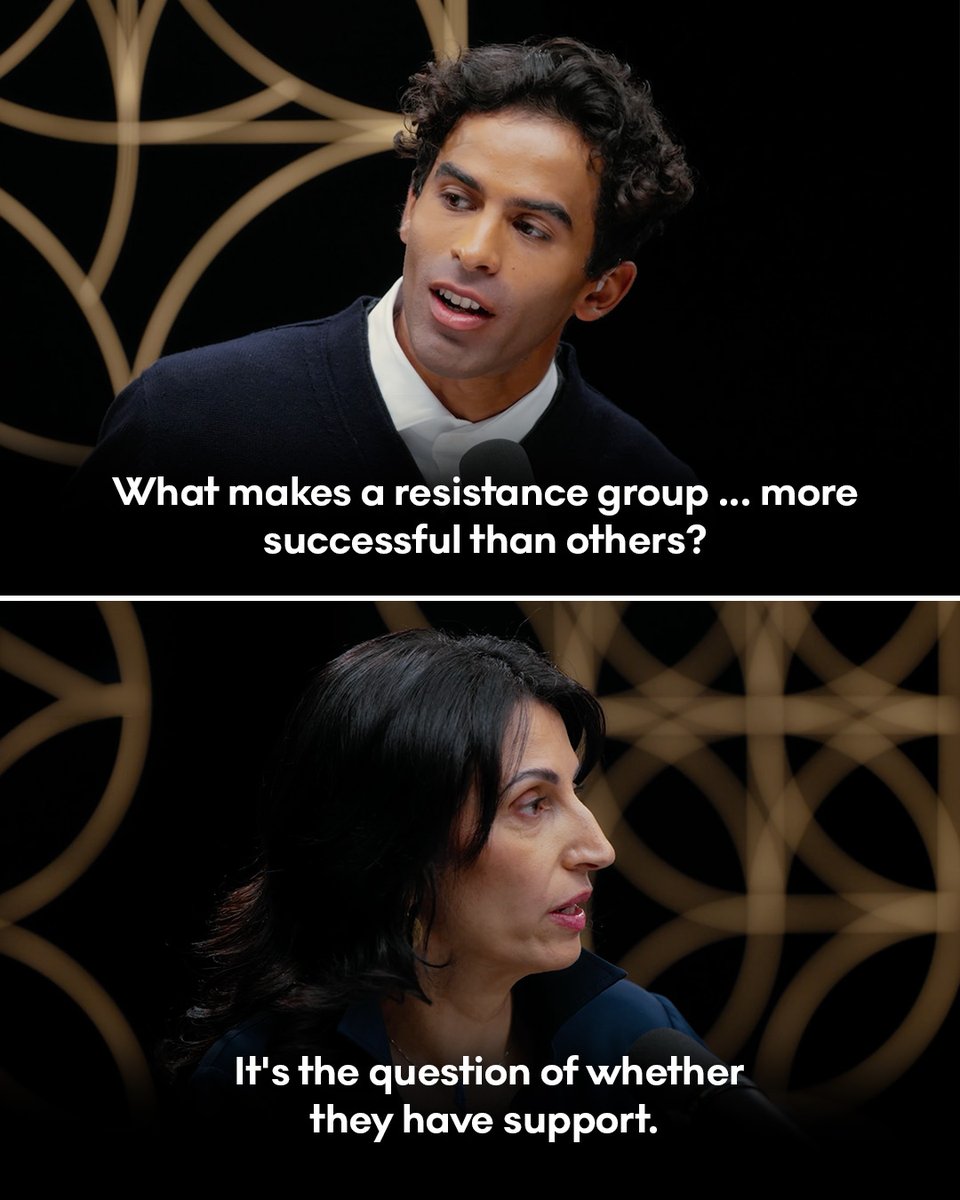
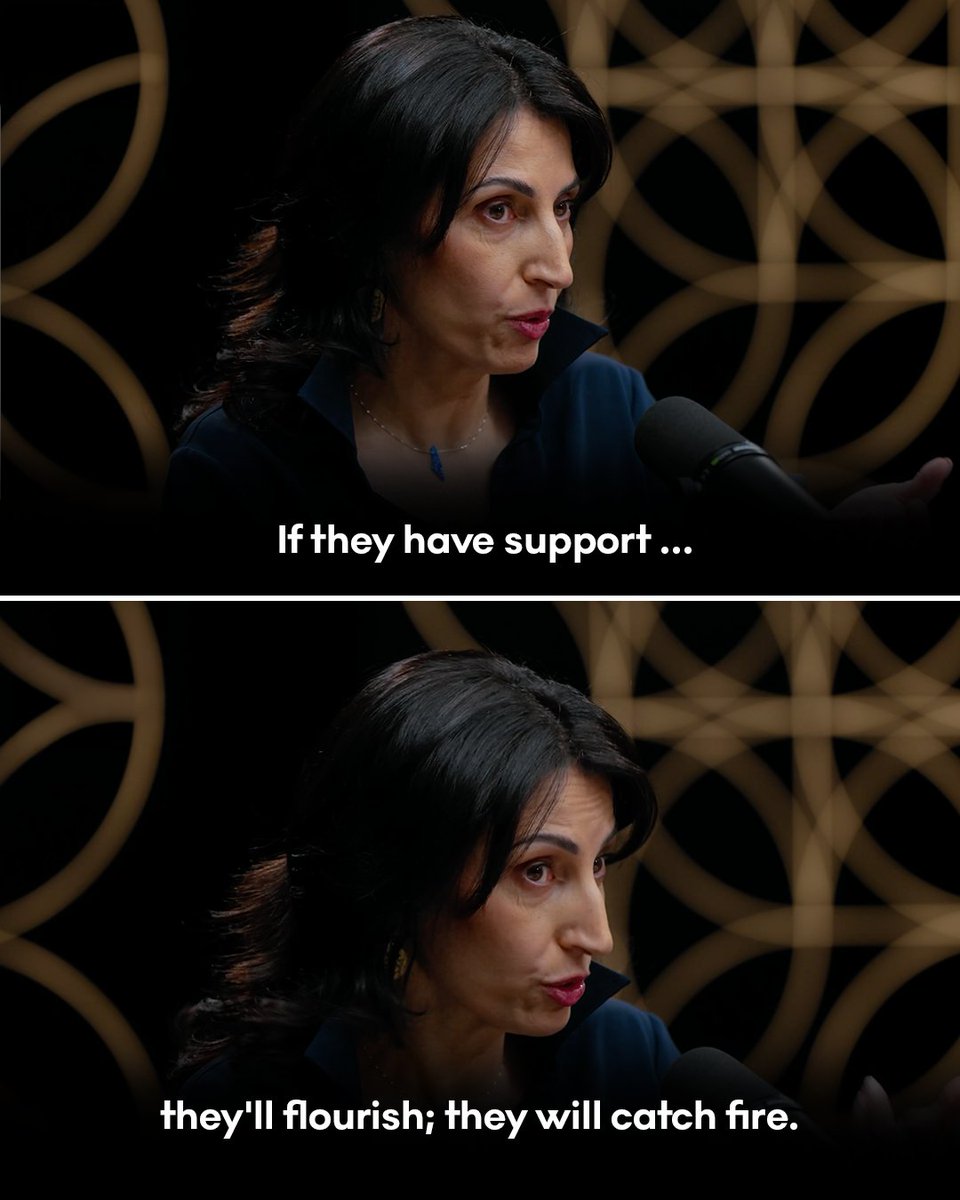
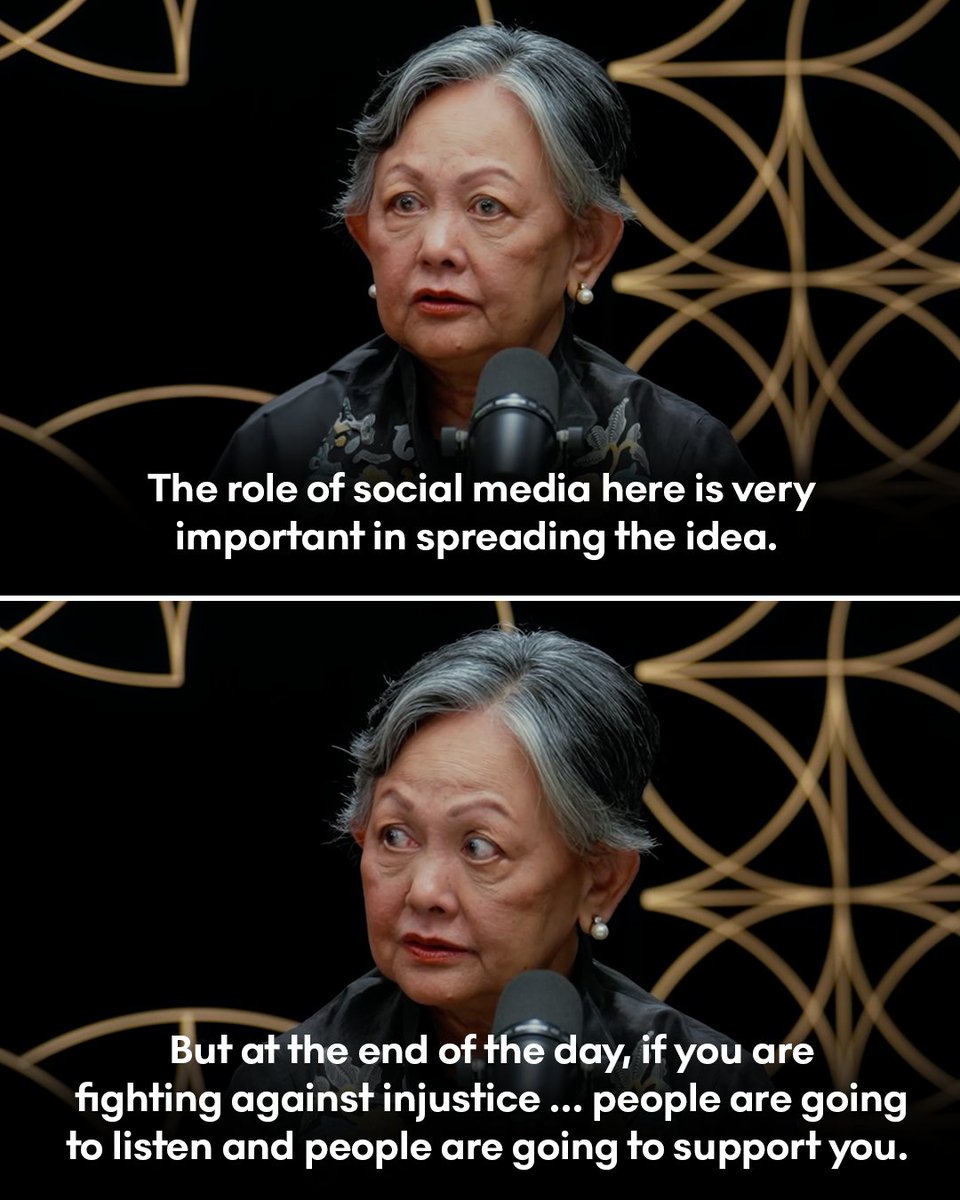
What makes a resistance group successful? This week on the Doha Debates Podcast, experts @dianabuttu (practitioner-in-residence, @guqatar) and @aminarasul (president, @PCIDupdates) weigh in.
1
3
4
1,476
GU-Q Professor @LyndaIroulo joined the #NextPagePod to talk about how African actors are shaping global institutions and influencing how international governance develops.
Listen on:
▶️ Apple: lnkd.in/emA_SXNV
▶️ Spotify: lnkd.in/eE9t_yWi
▶️ YouTube: lnkd.in/e-messqK
▶️ Online: lnkd.in/e-CsfXTB
1
1
137
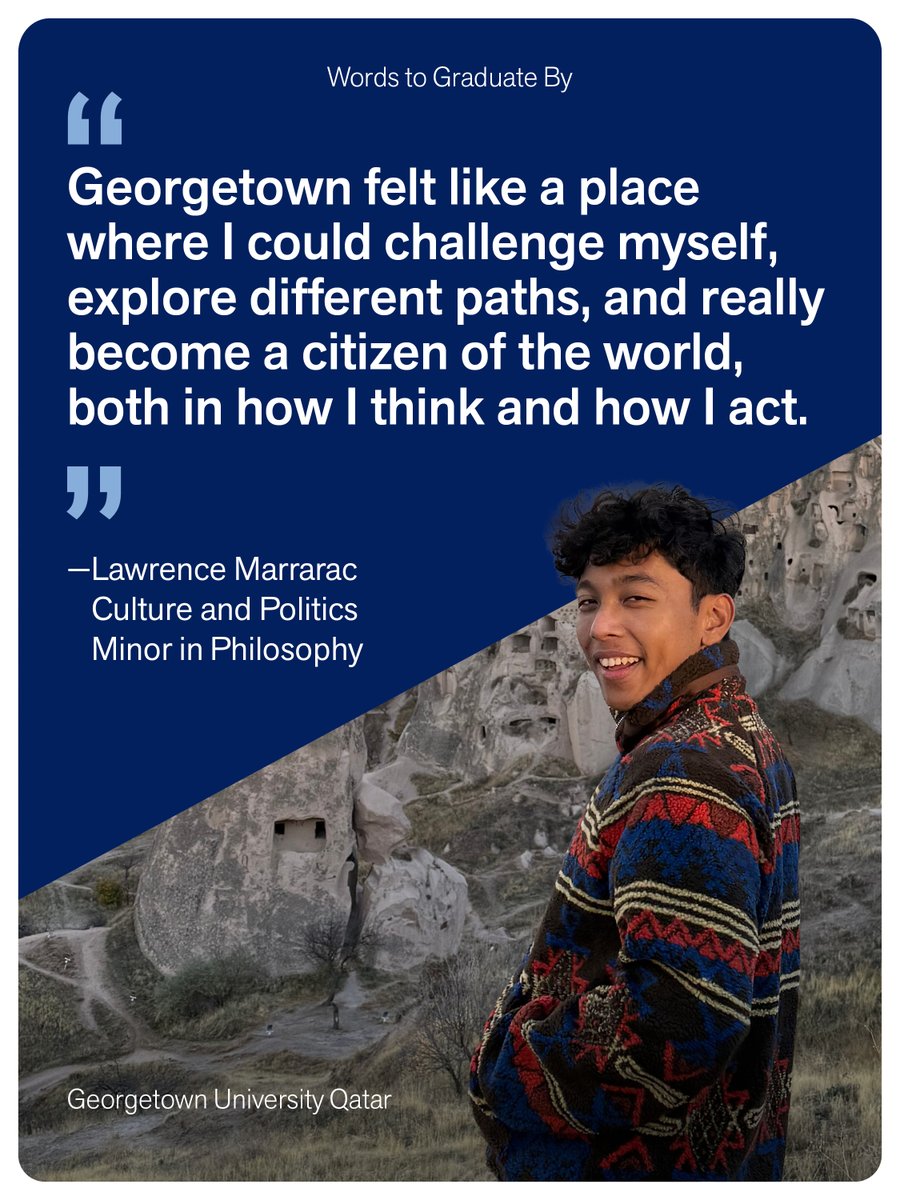
Qatari students have played a meaningful role in shaping GU-Q’s Class of 2026. Two examples are Noor Mohamed Al Thani and Moza Al Hajri.
Noor, who studied Culture and Politics, focused on storytelling and building community spaces. She co-founded Aswatna, the university’s first bilingual Arabic-English literary anthology, led the Al Liwan Qatari Society, and contributed to mentorship and storytelling initiatives, alongside her role in the Student Government Association.
Moza, who studied International Economics, engaged directly in high-level public dialogue. She moderated sessions at the Doha Forum and the World Innovation Summit for Education, and hosted conversations with global figures including the President of the World Bank, the former President of Lithuania, and UN General Assembly President Annalena Baerbock. During one of these events, a student walkout created visible tension in the room. Her response was to acknowledge what was unfolding and continue the conversation with clarity and composure.
Different areas of focus, shared commitment to engagement and impact. Together, they reflect a class that has extended its learning well beyond the classroom.
Read more here: qatar.georgetown.edu/the-qat…
2
539
Episode 2 of The CIRS Long View is out now.
The Invisible Human Cost of the Strait of Hormuz crisis reveals the seafarers stranded at sea and the hidden labor behind global trade.
Watch now youtube.com/watch?v=SX9iRmNX…
1
259
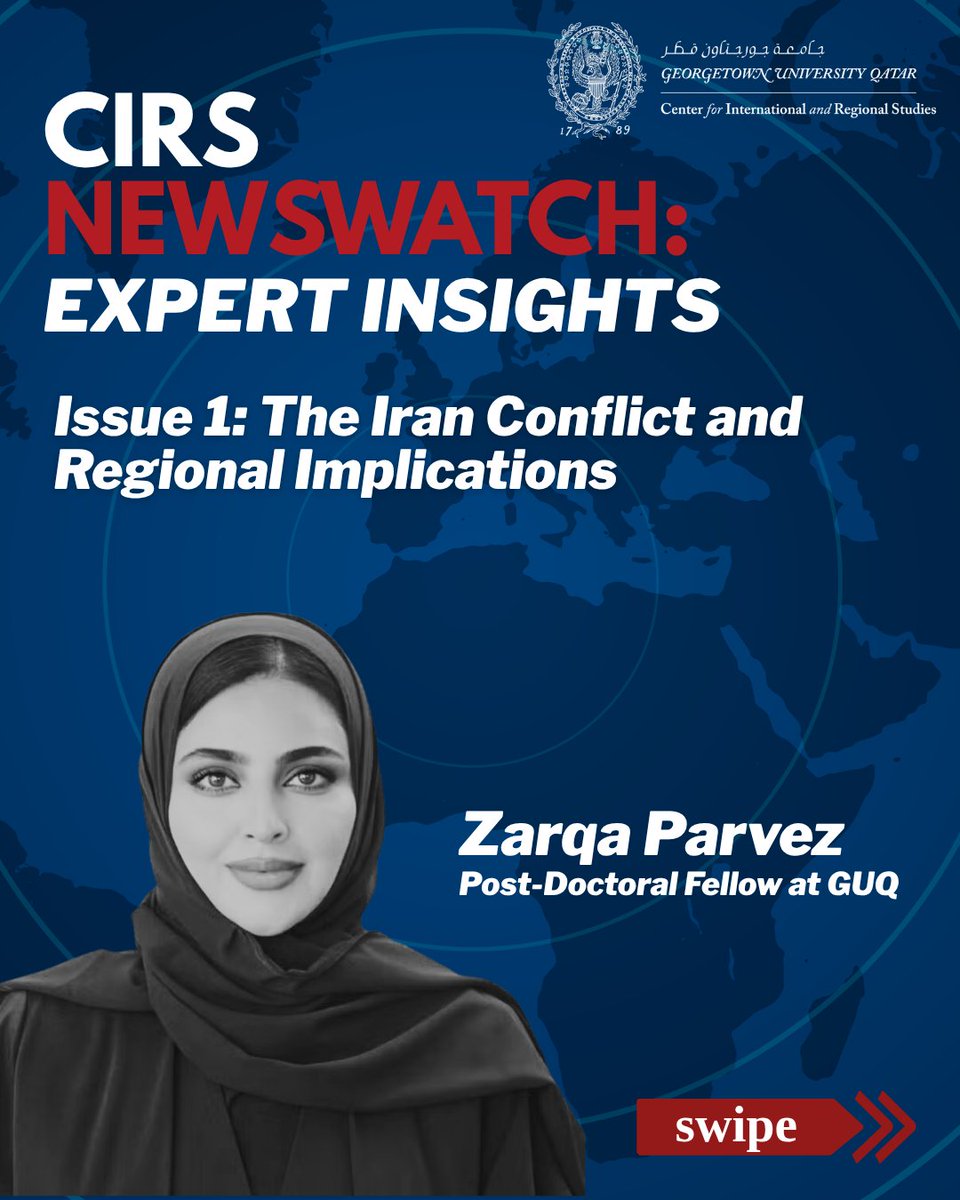
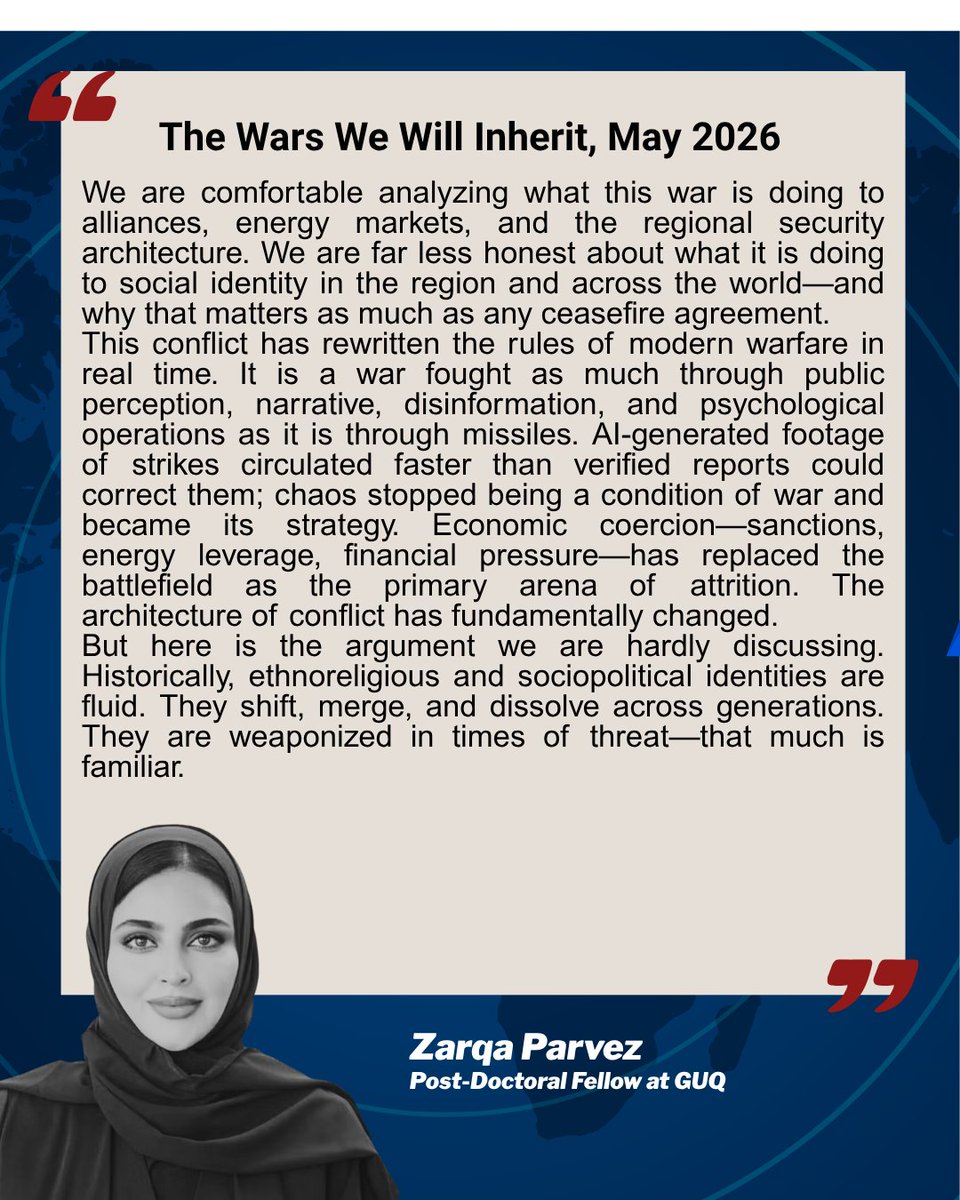
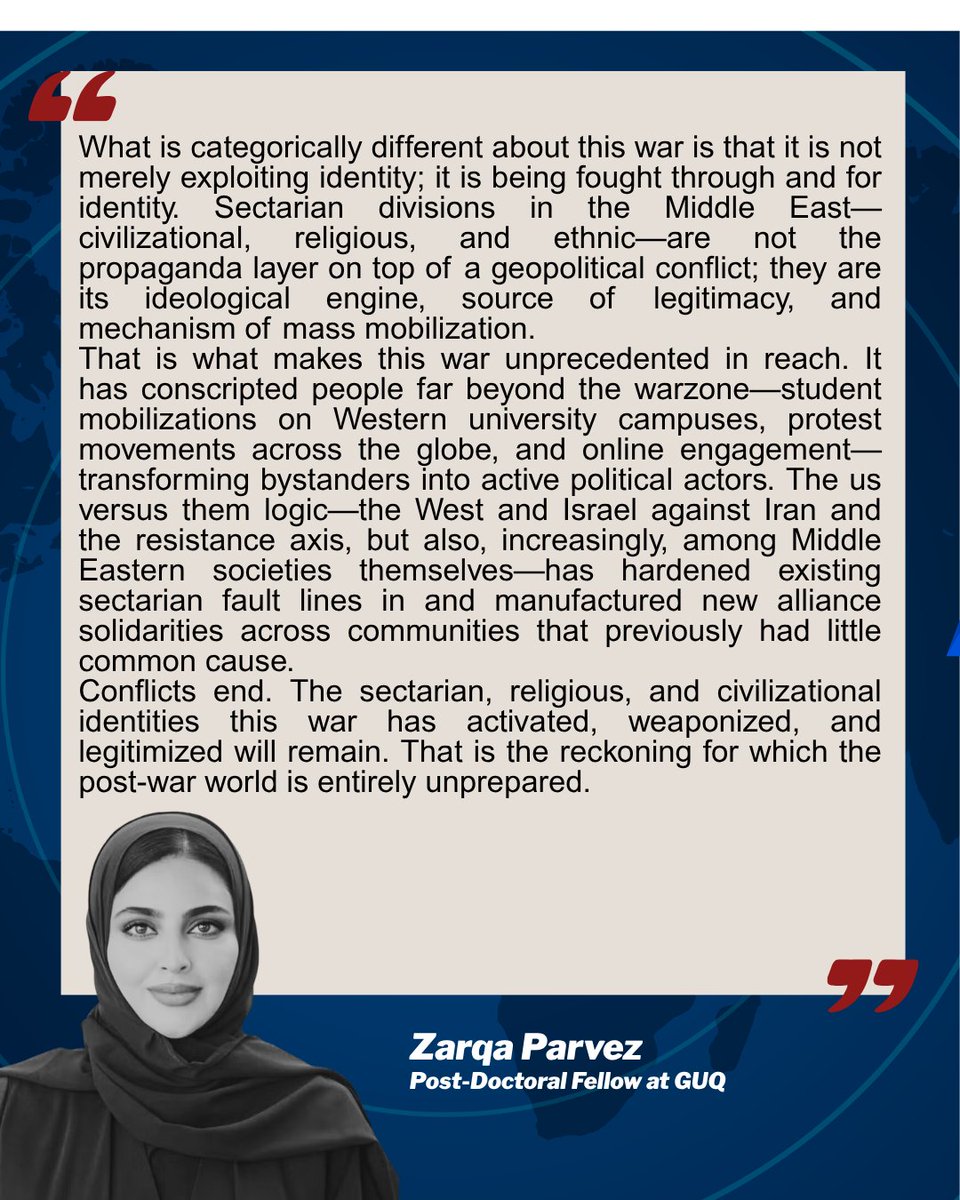
In our May Issue of CIRS NewsWatch Hear what GU-Q Experts are saying about the Current War.
For the full issue, click the link in the bio.
cirs.qatar.georgetown.edu/ci…
#CIRSNewsWatch #IsraelIranWar #InternationalLaw
1
2
106
In a piece for @jacobin , Georgetown University in Qatar Associate Professor Gábor Scheiring examines Hungary’s political turning point following Viktor Orbán’s fall, outlining the challenges facing the incoming government under Péter Magyar.
Scheiring points to what he calls three core “traps”—economic, political, and cultural—that could shape whether the country’s transition leads to a sustainable democratic path or another cycle of instability.
Read more at the link here: jacobin.com/2026/05/hungary-…
1
1
136
Georgetown University in Qatar Associate Professor of History Edward Kolla weighed in on reports that the State Department is finalizing plans to place President Trump’s image on U.S. passports, calling the idea “wacky” in remarks to @BulwarkOnline.
As Kolla noted, no modern U.S. passport has ever featured a sitting president, and passports globally do not depict a country’s head of state—making the proposal a clear break from longstanding international norms.
Read more at the link here: thebulwark.com/p/exclusive-s…
1
2
197
Georgetown University in Qatar retweeted

May 13
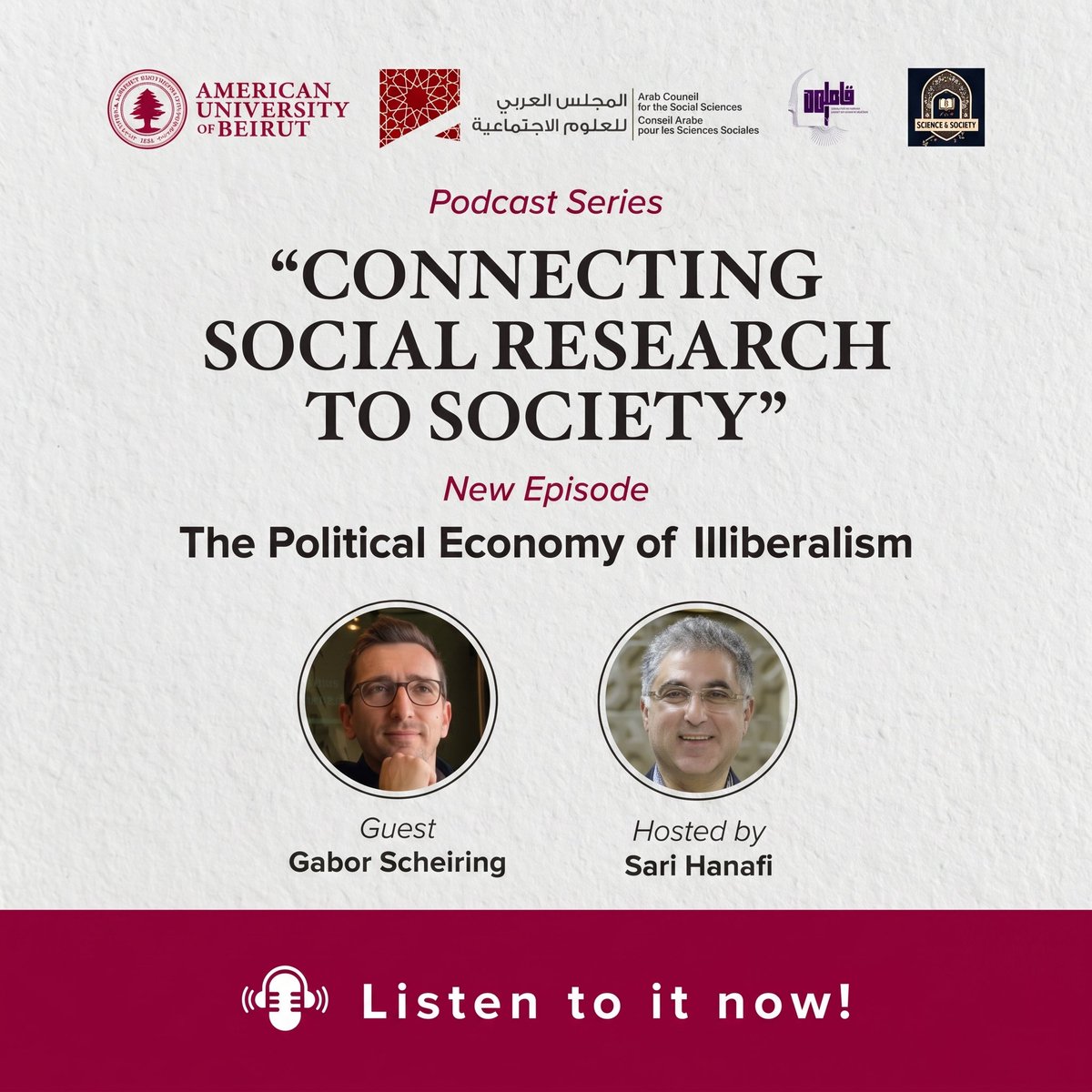
I was honored and excited to join @hanafi1962 on his podcast Connecting Social Research to Society, hosted by the @AUB_Lebanon and the Arab Council for the Social Sciences (ACSS). An ambitious discussion series that maps the 𝐬𝐨𝐜𝐢𝐚𝐥 𝐢𝐦𝐩𝐚𝐜𝐭 𝐨𝐟 𝐬𝐜𝐢𝐞𝐧𝐭𝐢𝐟𝐢𝐜 𝐫𝐞𝐬𝐞𝐚𝐫𝐜𝐡 by 𝐬𝐜𝐡𝐨𝐥𝐚𝐫𝐬 𝐰𝐨𝐫𝐤𝐢𝐧𝐠 𝐢𝐧 𝐚𝐧𝐝 𝐨𝐧 𝐭𝐡𝐞 𝐀𝐫𝐚𝐛 𝐰𝐨𝐫𝐥𝐝. A few weeks after I had the pleasure of hosting Sari at Georgetown for a public forum on his new book, the conversation continued, this time with him in the host's chair.
This podcast turned into a more 𝐩𝐞𝐫𝐬𝐨𝐧𝐚𝐥 𝐜𝐨𝐧𝐯𝐞𝐫𝐬𝐚𝐭𝐢𝐨𝐧 this time, talking through the trajectory that took me from Budapest's working-class outskirts through the Hungarian parliament to comparative politics and political economy at GU-Q.
We started where my thinking actually started. Coming of age in the 𝐭𝐮𝐦𝐮𝐥𝐭𝐮𝐨𝐮𝐬 𝐲𝐞𝐚𝐫𝐬 𝐚𝐟𝐭𝐞𝐫 𝟏𝟗𝟖𝟗, watching the regime transformation up close, sensing early on that something was off in the official story. A generation of workers told their lives were the 𝐩𝐫𝐢𝐜𝐞 𝐨𝐟 𝐩𝐫𝐨𝐠𝐫𝐞𝐬𝐬. The human casualties of that process were systematically underestimated, and the 𝐝𝐢𝐬𝐜𝐨𝐧𝐧𝐞𝐜𝐭 𝐛𝐞𝐭𝐰𝐞𝐞𝐧 𝐞𝐥𝐢𝐭𝐞 𝐨𝐩𝐭𝐢𝐦𝐢𝐬𝐦 𝐚𝐧𝐝 𝐦𝐚𝐬𝐬 𝐝𝐢𝐬𝐥𝐨𝐜𝐚𝐭𝐢𝐨𝐧 is what eventually paved the way for Orbán. And how similar dislocations came to be the undoing of Orbán's regime.
The 𝐩𝐚𝐭𝐡 𝐰𝐚𝐬 𝐧𝐞𝐯𝐞𝐫 𝐥𝐢𝐧𝐞𝐚𝐫 by conventional academic benchmarks. Years of activism after college in green and progressive movements. Four years as an opposition MP between 2010 and 2014, watching Orbán dismantle Hungarian democracy from inside the parliament. A doctorate in sociology at Cambridge to work out, with some analytical distance, what I had lived through, followed by four years of post-doc creative precarity. And now Doha, where Georgetown gives me ground to stand on, space to grow, and a vantage point that makes it impossible not to recognize the 𝐩𝐚𝐫𝐨𝐜𝐡𝐢𝐚𝐥𝐢𝐬𝐦 𝐨𝐟 𝐬𝐨𝐦𝐞 𝐄𝐮𝐫𝐨𝐩𝐞𝐚𝐧 𝐝𝐞𝐛𝐚𝐭𝐞𝐬.
Sari and I also talked about how much more 𝐜𝐨𝐧𝐧𝐞𝐜𝐭𝐬 𝐄𝐮𝐫𝐨𝐩𝐞'𝐬 𝐄𝐚𝐬𝐭𝐞𝐫𝐧 𝐚𝐧𝐝 𝐍𝐨𝐫𝐭𝐡 𝐀𝐟𝐫𝐢𝐜𝐚𝐧 𝐩𝐞𝐫𝐢𝐩𝐡𝐞𝐫𝐢𝐞𝐬 than the standard area-studies maps suggest. The exhaustion of statist development projects in 𝐓𝐮𝐧𝐢𝐬𝐢𝐚 𝐚𝐧𝐝 𝐇𝐮𝐧𝐠𝐚𝐫𝐲. The social costs of neoliberalization in both. The fragility of shallow formal democracies that arrived without the underlying social contract to sustain them. These stories point toward a bigger question: 𝐰𝐡𝐚𝐭 𝐬𝐮𝐬𝐭𝐚𝐢𝐧𝐚𝐛𝐥𝐞 𝐝𝐞𝐦𝐨𝐜𝐫𝐚𝐭𝐢𝐳𝐚𝐭𝐢𝐨𝐧 𝐫𝐞𝐪𝐮𝐢𝐫𝐞𝐬, anywhere in the world. Much to unpack in the future.
Grateful to Sari for being such a generous interlocutor, and to the Arab Council for the Social Sciences, AUB, and the Science & Society initiative for the invitation.
🎧 YouTube: youtube.com/watch?v=oqTQDeXy…
🎧 Spotify: open.spotify.com/episode/3XC…
🎧 Apple: podcasts.apple.com/us/podcas…
📡 Full series: feeds.captivate.fm/science-a…
#academiclife #research #impact #democracy @GUQatar
1
6
341
#Qatar’s Diplomatic Institute at the Ministry of Foreign Affairs (@MofaQatar_EN) has graduated 13 diplomats from its fifth cohort of the Executive Master’s #Programme in Diplomacy and International Affairs for the 2025–2026 academic year, in partnership with @GUQatar.
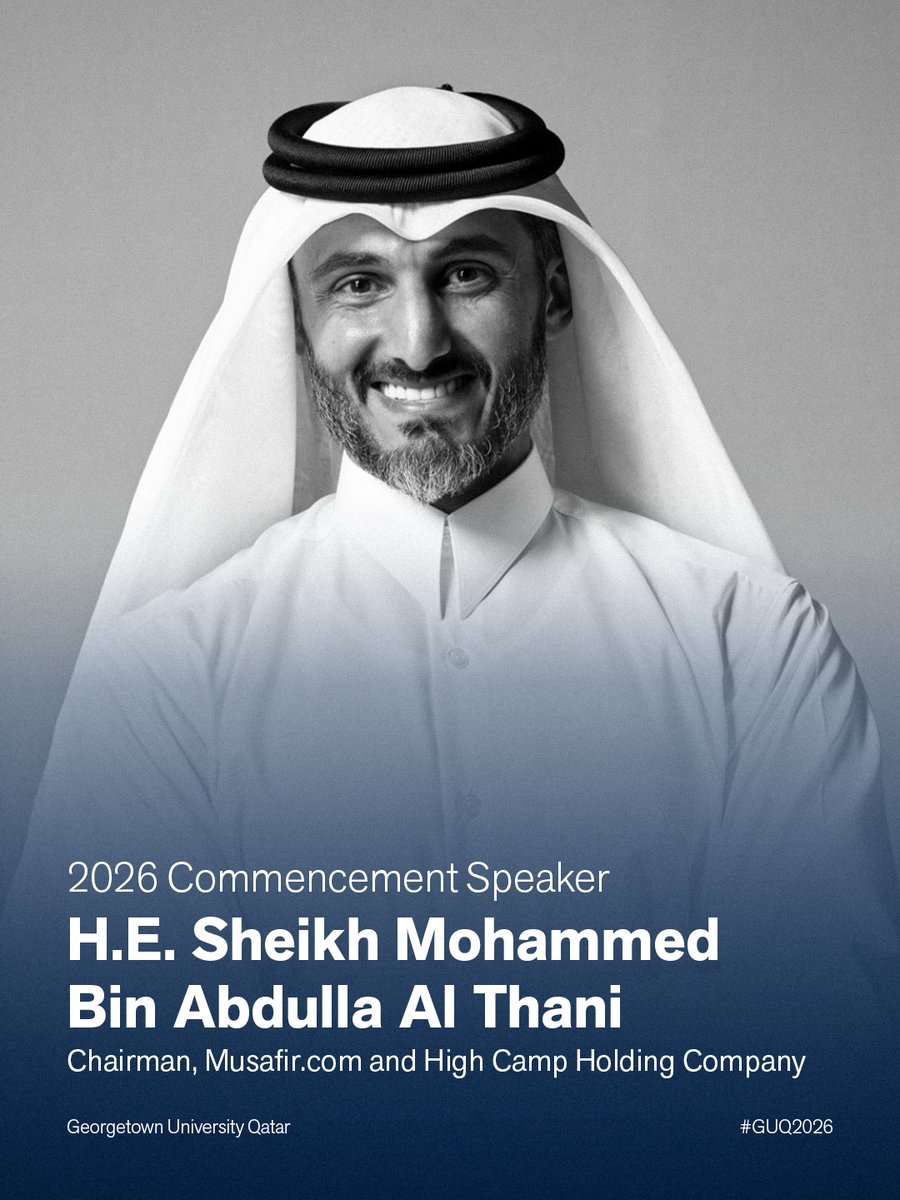
The graduation #ceremony, held alongside Georgetown University Qatar’s 2026 commencement #events, marked the completion of specialised academic and practical training in #diplomacy and international relations for officials from the ministry.
1
1
7
2,172