Genomic Technologies Group // The Garvan Institute of Medical Research // Australia's leading long-read sequencing service // Enquiries: longread@garvan.org.au
Joined August 2020
- Tweets 288
- Following 266
- Followers 663
- Likes 232
15 Photos and videos

Genomic Technologies Group retweeted
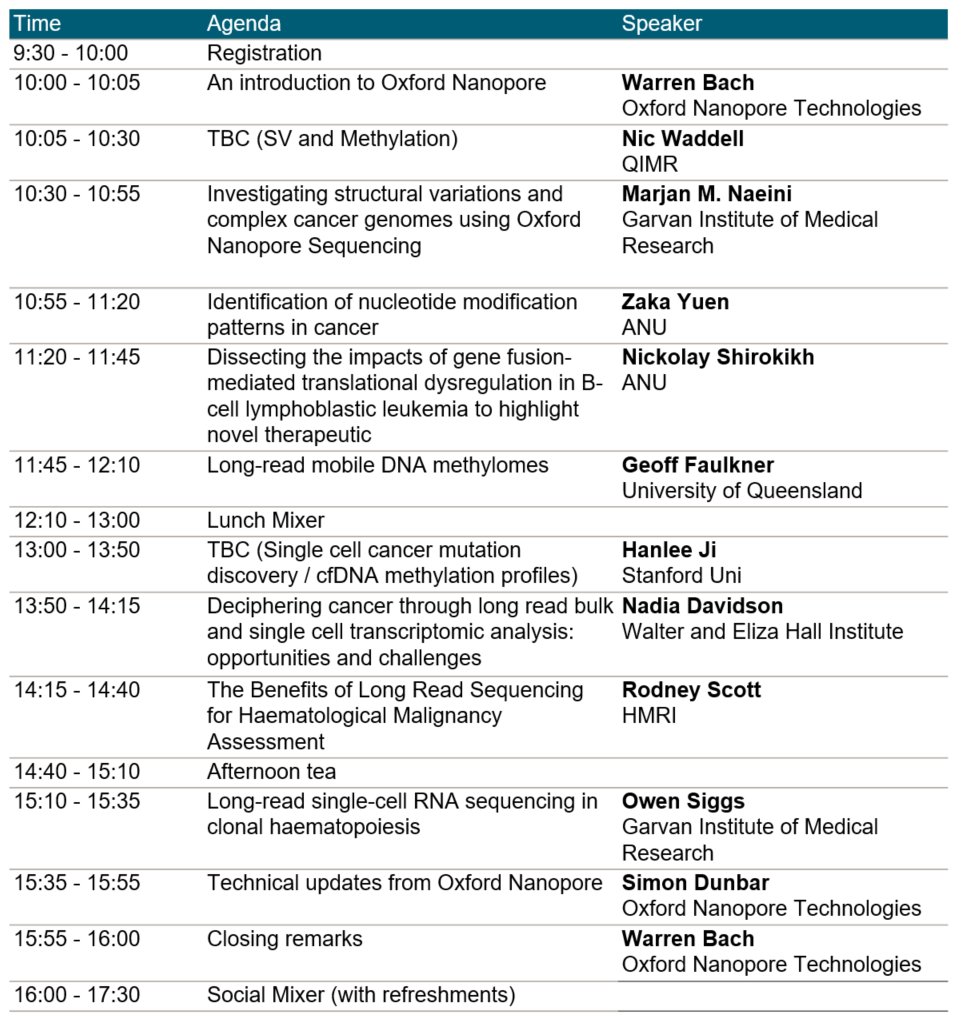
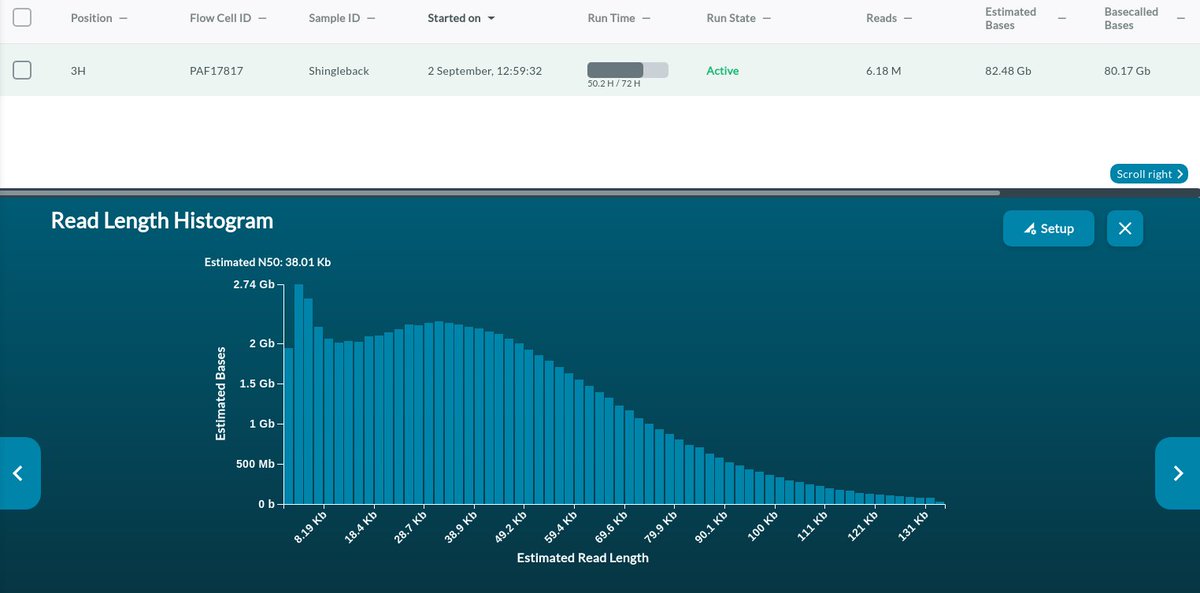
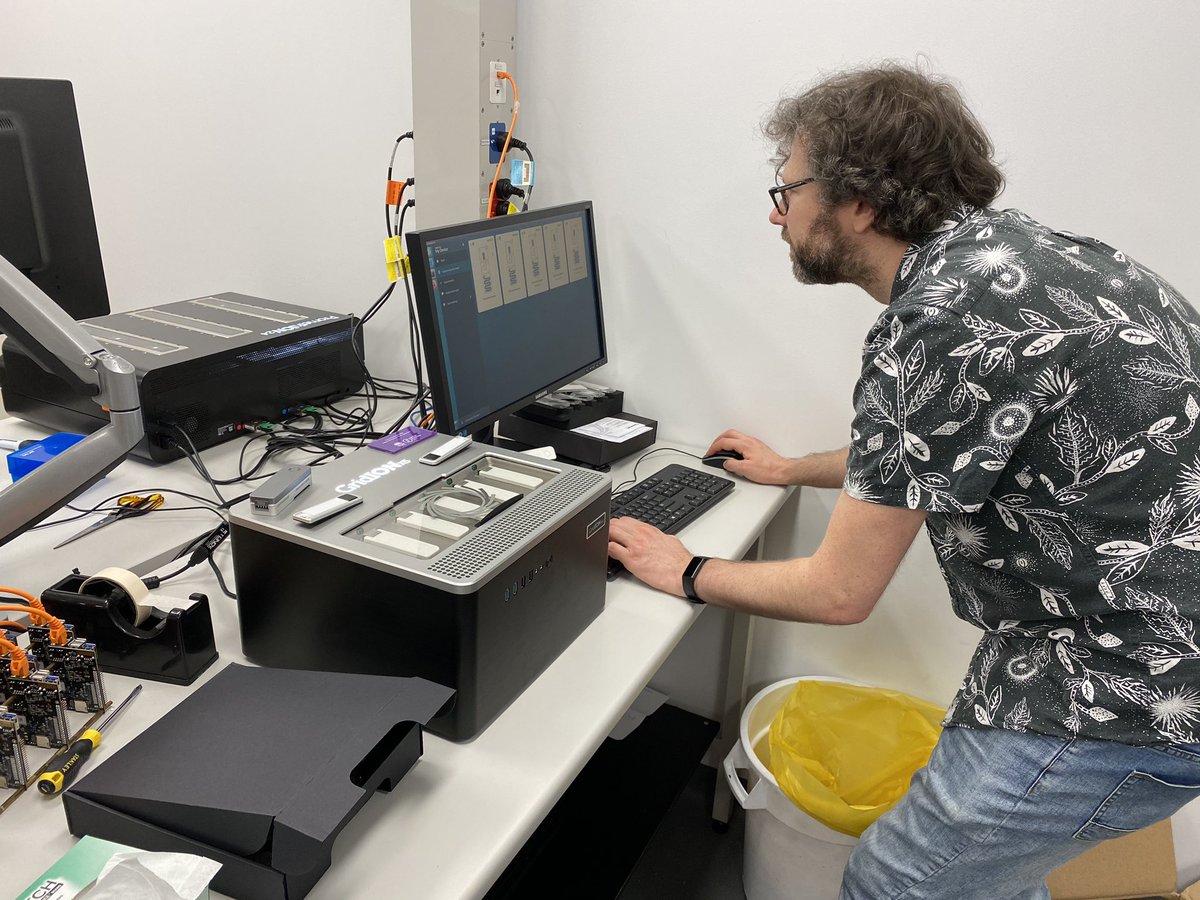
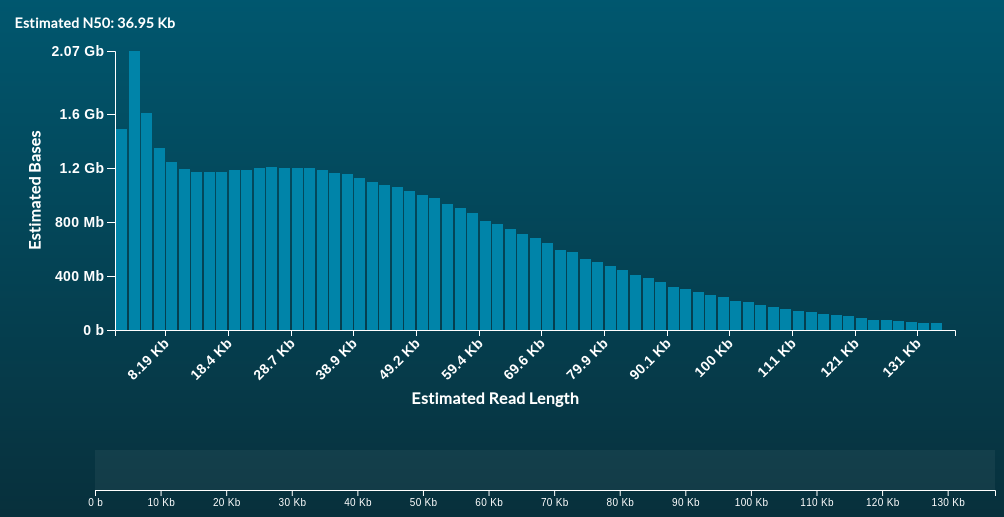
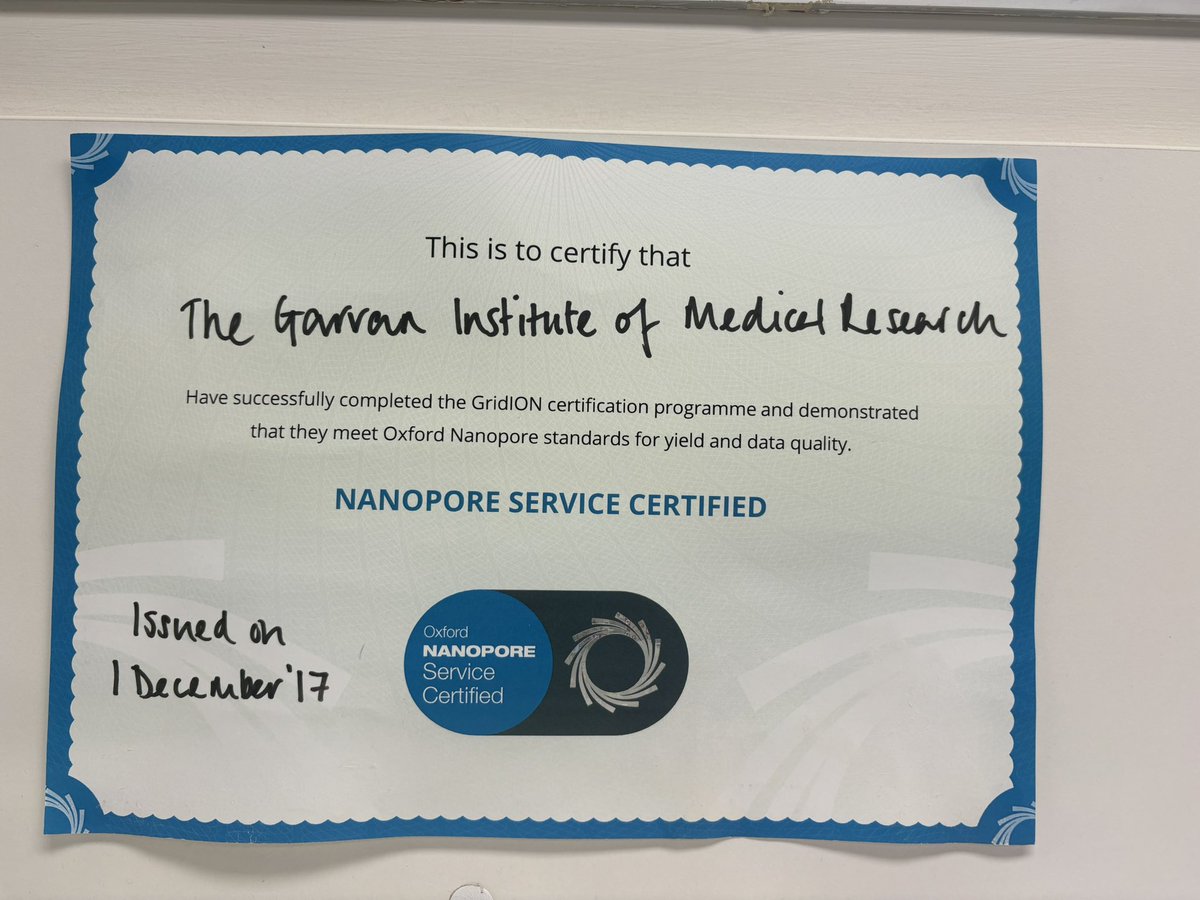
What a throwback!! Our lab has been doing @nanopore since 2017 🤓🤓
1
3
9
1,728
Genomic Technologies Group retweeted

4 Dec 2025
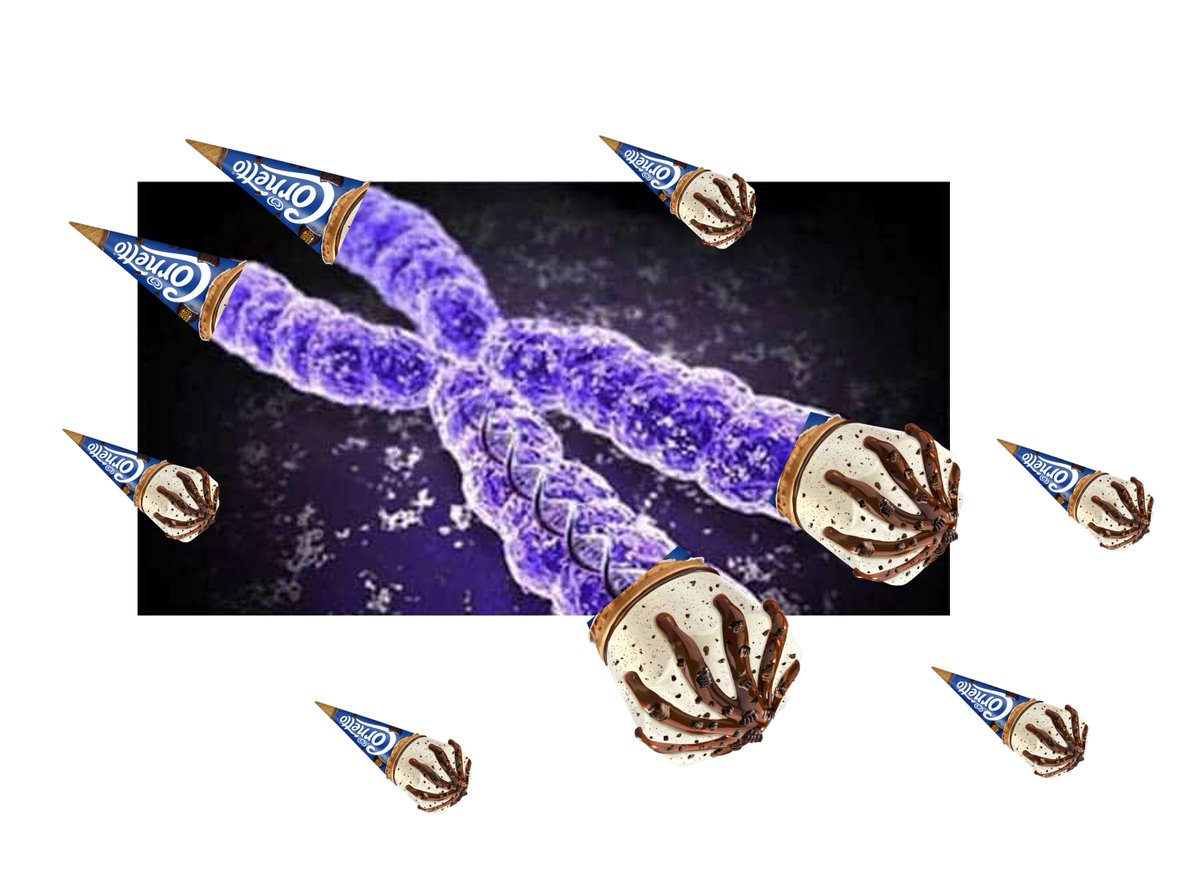
Cornetto v0.2.0 is now released for using programmable selective nanopore sequencing for genome assembly.
GitHub: github.com/hasindu2008/corne…
Paper: nature.com/articles/s41467-0…
Datasets: hasindu2008.github.io/cornet…
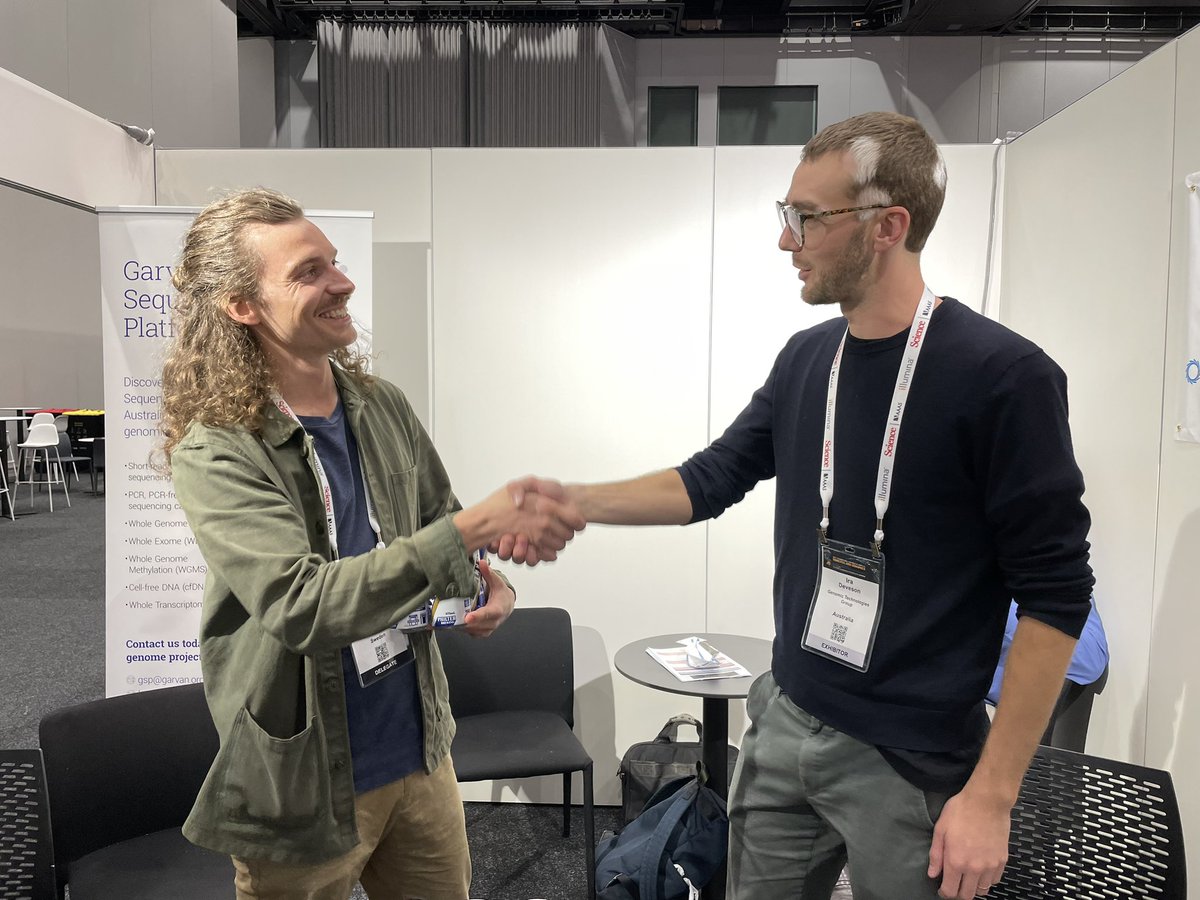
... and a banner made by Ira @GenTechGp referring to ‘no boring bits’.
26 Nov 2025

Our cornetto work is now published at nature.com/articles/s41467-0…
Cornetto can do near-T2T assembly using @nanopore adaptive sampling (readfish by @mattloose) & hifiasm by @ChengChhy
- with less 💸
- reference agnostic, so works for non-humans
- not just blood, even saliva
1
14
38
4,501

27 Oct 2025
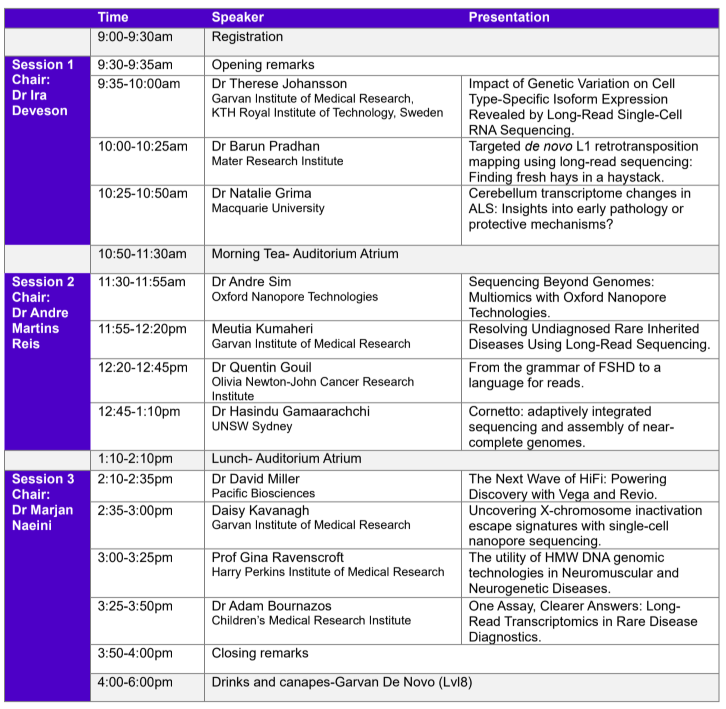
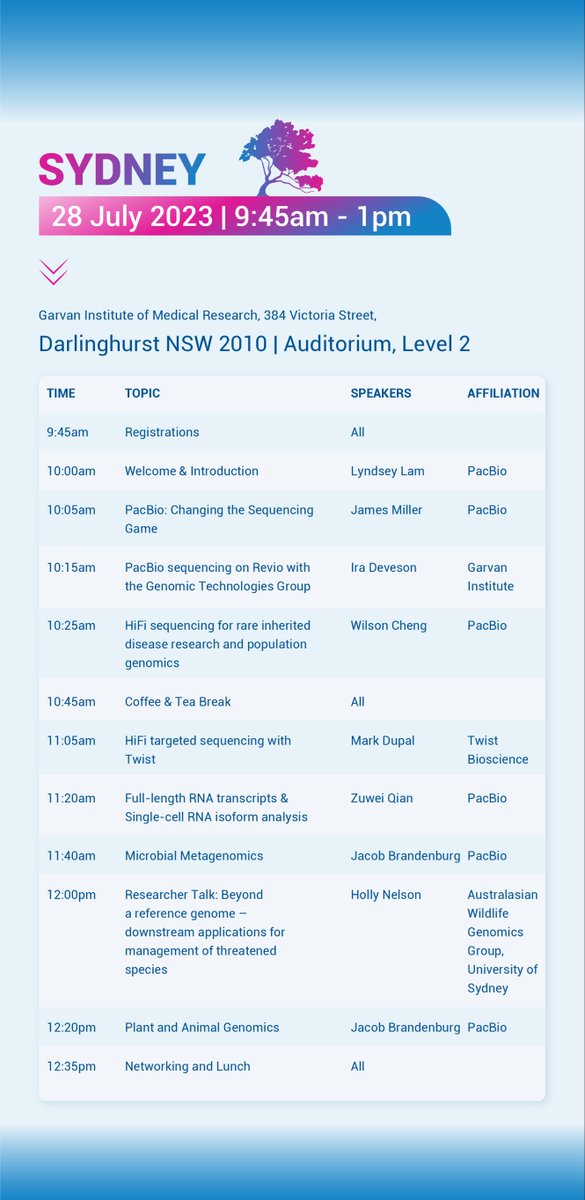
Not long now until our Long-Read Research Symposium on November 13th. See below the amazing line-up of speakers and talks. It's not too late to register for this free event - click the link --> eventbrite.com.au/e/garvan-l…
2
3
535
Genomic Technologies Group retweeted

15 Aug 2025
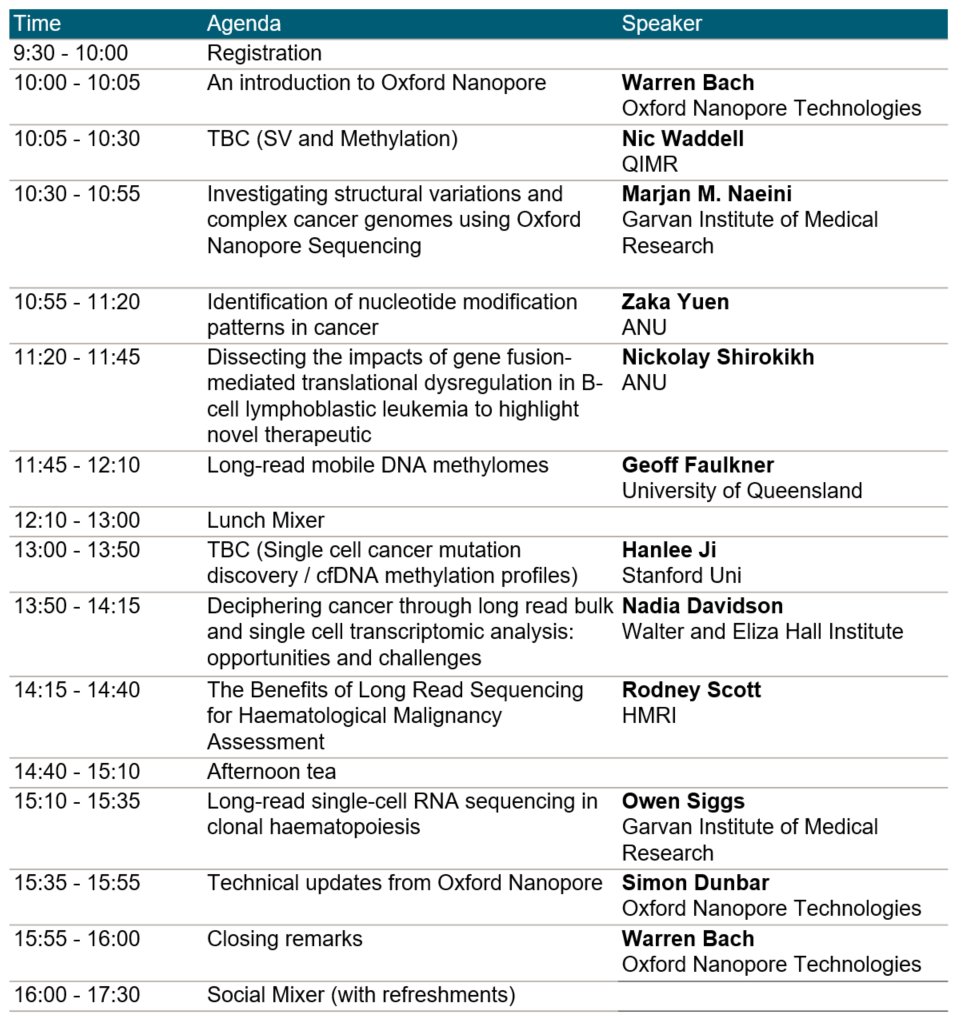
Join us for a day (Nov 13) of fascinating talks and discussions on the latest in long-read sequencing tech and related research in genomics, transcriptomics, and epigenetics. A great opportunity to network and hear from leading experts from around Aus.
eventbrite.com.au/e/garvan-l…
5
12
1,657
Genomic Technologies Group retweeted

15 Aug 2025
Tha Garvan long read research symposium is BACK! Sponsored by @nanopore and @PacBio this event is FREE to join. Learn all about the fun you can have with long reads 🤓
register below
eventbrite.com.au/e/garvan-l…
1
3
8
1,083
18 Aug 2025
Come join us this November 13th for the Garvan Long-Read Research Symposium! You'll hear about the wonderful things you can do with @nanopore and @PacBio long reads from a great line-up of speakers. FREE to attend. Register below
eventbrite.com.au/e/garvan-l…
6
8
1,076
7 Jul 2025
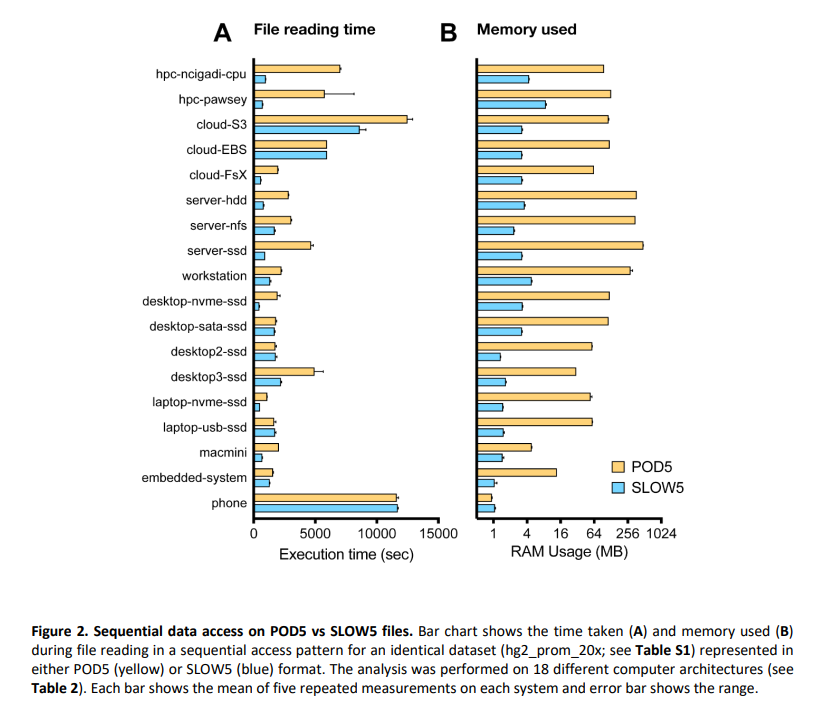
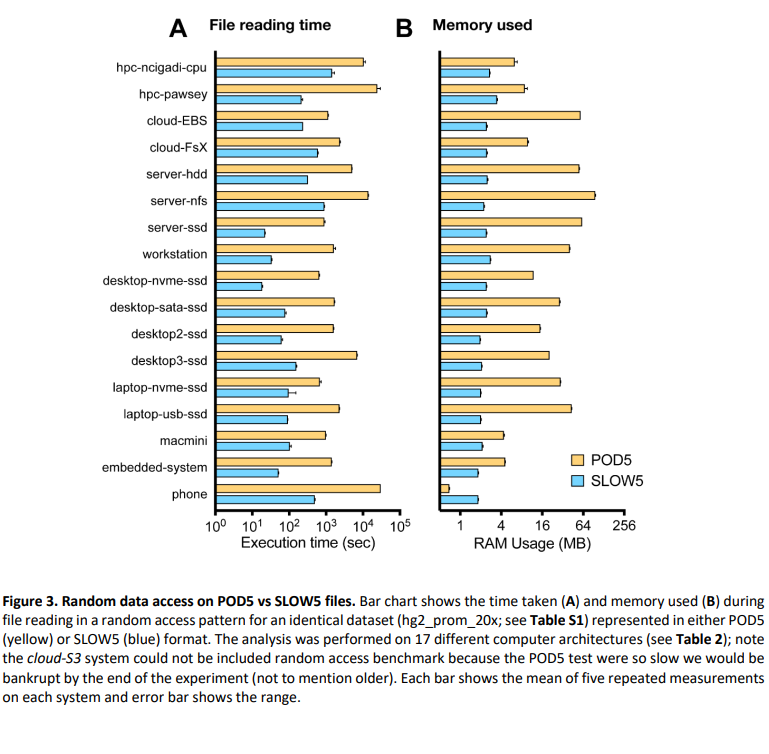
Check out our detailed evaluation of SLOW5 vs POD5 format for raw Nanopore data. TLDR: SLOW5 still the best nanopore data format.
5 Jul 2025
For many of those who were asking on BLOW5 vs POD5 for nanopore signal data, here is a finally detailed benchmark we did:
biorxiv.org/content/10.1101/…
Summary: performance of BLOW5 is >= POD5 (from ~= to 100X, see below), with benefit of having ~3 dependencies instead of >50.

3
6
586
24 Oct 2024
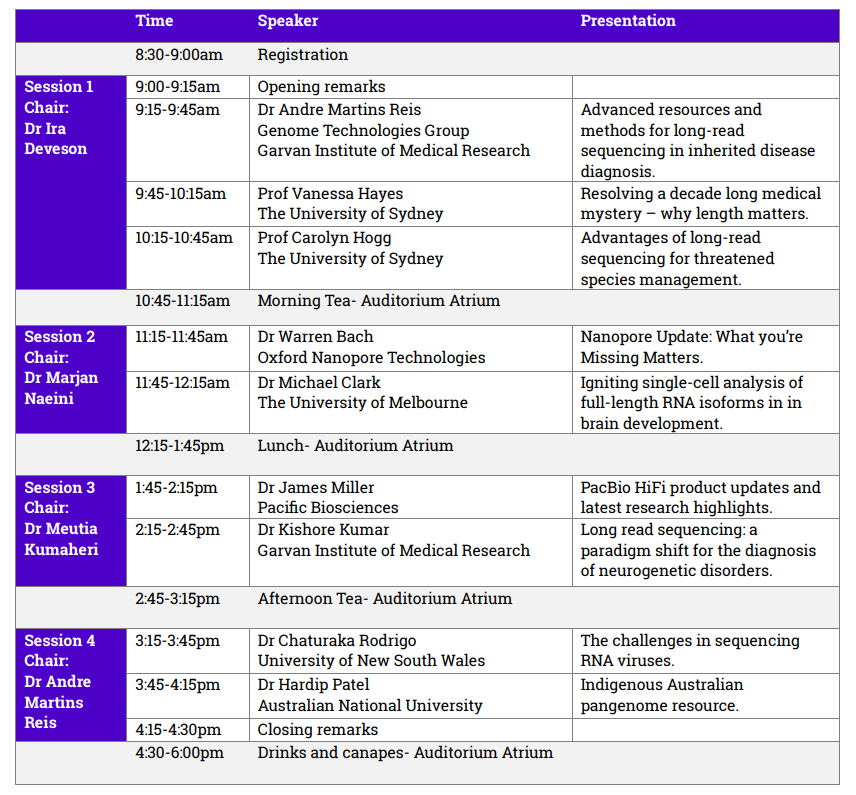
Check out the excellent line-up of speakers we have for the @GarvanInstitute Long Read Research Symposium day
It is FREE to come along - this November 7th. Reserve your spot eventbrite.com.au/e/garvan-l…
2
2
661
22 Oct 2024
Not long now until the @GarvanInstitute Long Read Research Symposium on November 7th. We will have talented speakers covering the advantages of both @nanopore and @PacBio data
Only a few spots left - don't miss out! 💃
eventbrite.com.au/e/garvan-l…
6
9
777
4 Oct 2024
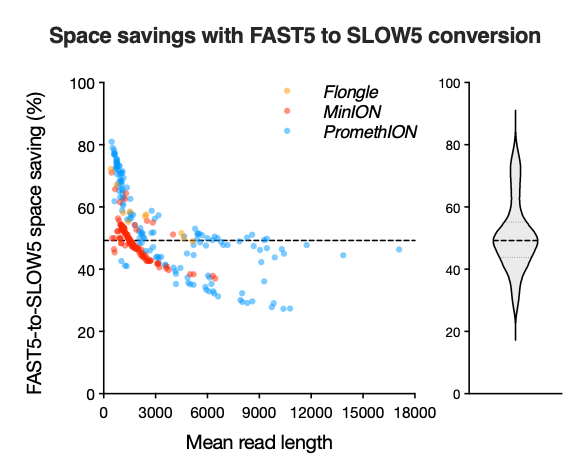
Cut your Nanopore raw data files in half with our new compression method ex-zd. Thanks @Hasindu2008 for leading this project 🧬
4 Oct 2024
Introducing ex-zd, a lossless lossy signal compression for @nanopore signal data. While lossless can only save about 1-3% over vbz, lossy can cut the file sizes by almost half with no noticeable impact on basecalling or methylation calling accuracy.
biorxiv.org/cgi/content/shor…
3
4
682
6 Sep 2024
We are hosting a Long Read Research Symposium at @GarvanInstitute ! Our talented speakers will cover the advantages of both @nanopore and @PacBio data.
Join us to find out what long reads could do for you 🧬
eventbrite.com.au/e/garvan-l…
14
22
2,129
Genomic Technologies Group retweeted
16 Apr 2024
Our #slow5curl paper is out! academic.oup.com/gigascience…
Big projects storing hundreds/thousands of @nanopore signal datasets on cloud storage like @awscloud #s3 will be able to save 💸,⏲️ and bandwidth while improving the accessibility of datasets to those with limited computing ..
2
17
51
6,060
Genomic Technologies Group retweeted

20 Mar 2024
Excited to share our latest work on somatic mutations in celiac disease! We discover expanded T cell clones with somatic driver mutations in individuals that don't respond to a gluten-free diet. With @FabioItaus, Chris Goodow and many others! Check it out: medrxiv.org/content/10.1101/…
10
38
3,586
Genomic Technologies Group retweeted

19 Mar 2024
Super excited to share our work on #celiac disease. We discovered T cells carrying somatic mutations which may explain chronic autoimmune disease
medrxiv.org/content/10.1101/… . Great team work led by @Manu___Singh. Thank you to all authors!
4
23
79
15,252
Genomic Technologies Group retweeted

6 Mar 2024
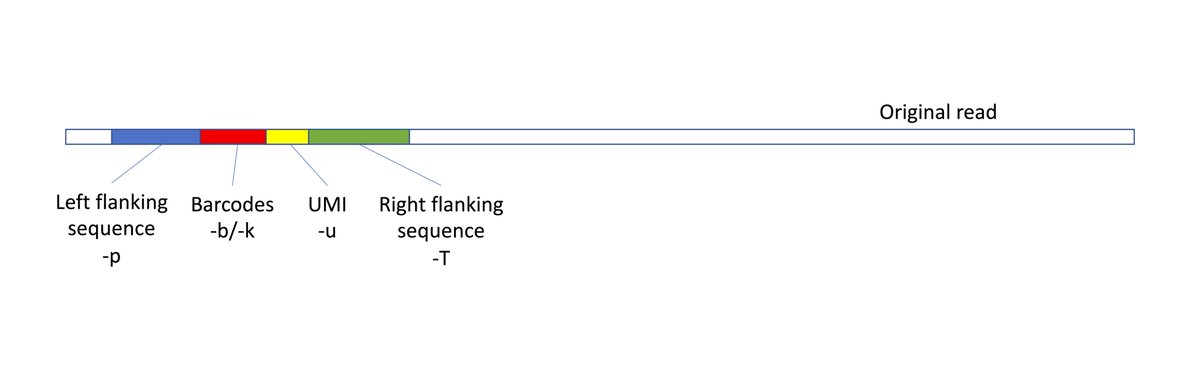
Want an easy to use and fast error/SNP tolerate grep-like tool? Have complex barcodes or indices to demultiplex from raw `omics data? Flexiplex is now published, 🥳academic.oup.com/bioinformat…, with some great software updates for even more flexibility, github.com/DavidsonGroup/fle… 1/3

22 Aug 2023

Pleased to report the very first paper from my research group at WEHI is now up on bioRxiv. Flexiplex is a new tool for raw sequencing data that allowed you to identify and error correct barcodes, and can even be used as a general "grep-like" search tool.
4
25
69
7,885
Genomic Technologies Group retweeted

4 Mar 2024
Final version of our lamprey epigenome
remodeling paper is now out in @NatureComms nature.com/articles/s41467-0…
16
57
195
34,930
Genomic Technologies Group retweeted

22 Feb 2024
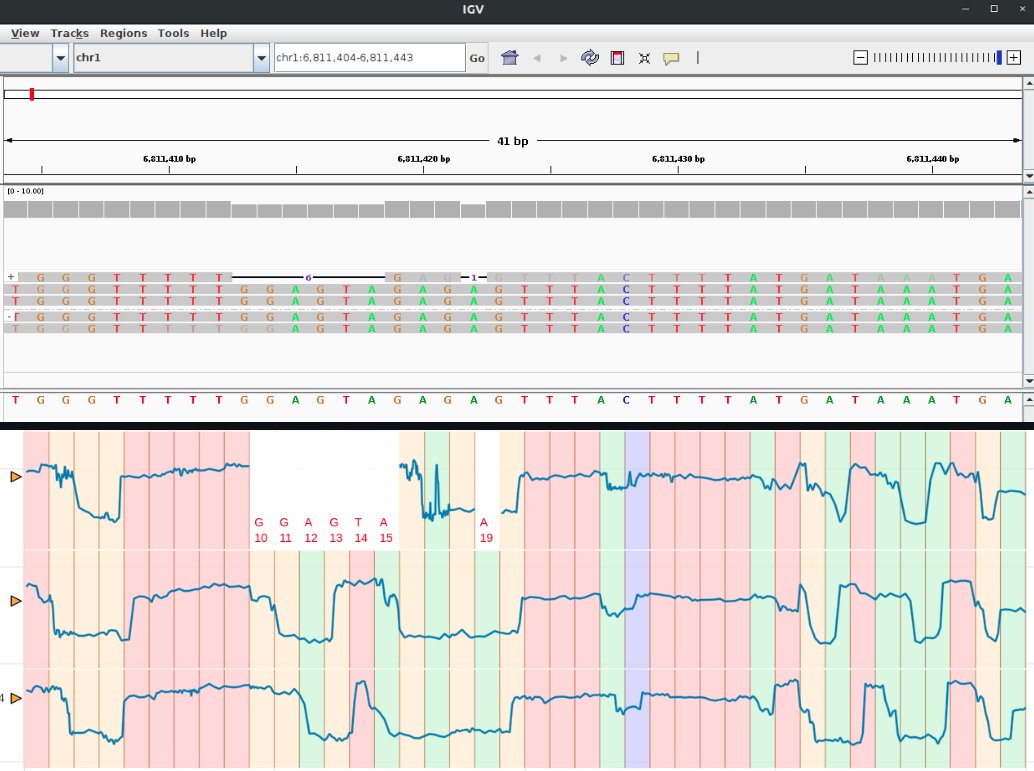
Squigualiser preprint with a bunch of usecases is now available 🔥. Your feedback is appreciated.
biorxiv.org/content/10.1101/…
16 Jun 2023

squigualiser has become more powerful 🚀. This signal pileup view of @nanopore r10 DNA signals will deepen your read analysis on IGV. github.com/hiruna72/squigual…
6
22
1,393
22 Feb 2024
Take a break from worrying about the AllOfUs Umap and check out Squigualiser- our new tool for @nanopore signal data exploration. Great engineering by @hiruna72 and @Hasindu2008 as always 🔥🔥biorxiv.org/content/10.1101/…
1
10
31
5,631
17 Feb 2024
Nice to play a small part in this. Fantastic work by @htanudisastro & @hdashnow 🧬🧬🧬
16 Feb 2024

Our review article on sequencing & characterising short tandem repeats (STRs) is out in @NatureRevGenet! We delve into short read & long read STR genotyping tools and applications in rare disease & population genetics🧬 go.nature.com/48pWZix @GenTechGp @hdashnow @dgmacarthur
1
10
3,065
Genomic Technologies Group retweeted
15 Dec 2023
Bioinformatics behind: this is an example big project where we used S/BLOW5 ecosystem to efficiently, economically (saving compute, time, energy & money), consistently process & reliably archive 141 nanopore signal datasets (~100TB) on Australia's NCI-Gadi @NCInews supercomputer.
13 Dec 2023

Happy & humbled to see our work on structural variation in Indigenous Australians out in @Nature. Deep gratitude to the Aboriginal communities whose leadership & engagement made it possible, & to our @NCIG2013 collabs @hardiprpatel @azure_peacock 🪃🧬🪃
nature.com/articles/s41586-0…
1
10
32
3,192