
@MSCActions project exploring Catholic social movements, gender, digital media. Researcher: @giuliaevolvi, at @Unibo & @CUBoulder_CMRC
Joined December 2023
- Tweets 913
- Following 617
- Followers 307
- Likes 269
212 Photos and videos


Pinned Tweet

21 Jul 2025
MERGE project: the what, why, who, where, when, and how of a project studying Catholic social movements and gender discourses on social media #Catholicism #MarieCurie #MSCActions #MSCA #gender #SocialMedia
👇
1
1
5
203
“In conservative Evangelical and Catholic communities throughout the world, ‘gender’ is taken as a code for a political agenda that seeks not only to destroy the traditional family but also to prohibit any reference to ‘mother’ and ‘father’ in favor of a genderless future.”
1
24
Judith Butler, “Who’s Afraid of Gender?” 2024
Quoting Judith Butler reminds myself that she writes extensively about the Vatican's role in spreading anti-gender ideas, which is very useful for my work.
29
Can you be LGBTQ & Catholic?
While several European countries are making progresses towards the inclusion of LGBTQ people, the Catholic Church continues to consider marriage as between a man and a woman.
1
29
However, the last to Pope made some progresses in saying that LGBTQ people need to be included, and there are several groups of LGBTQ Catholics that advocate for a change in the church.
And with this, happy pride month!
26
MERGE quote:
“In different contexts, many courageous and generous women have also stood out, including Saint Laura Montoya, Saint Teresa of Calcutta, Dorothy Day, Marie Skłodowska-Curie, Maria Montessori, Elisabeth Elliot, Wangari Maathai, Benazir Bhutto and countless others”
1
39
I promise I'll stop talking about the Encyclical, but Pope Leo XIV mentioned some very interesting women!
Do you know all of them?
1
22
Do we need a new Social Doctrine of the Church?
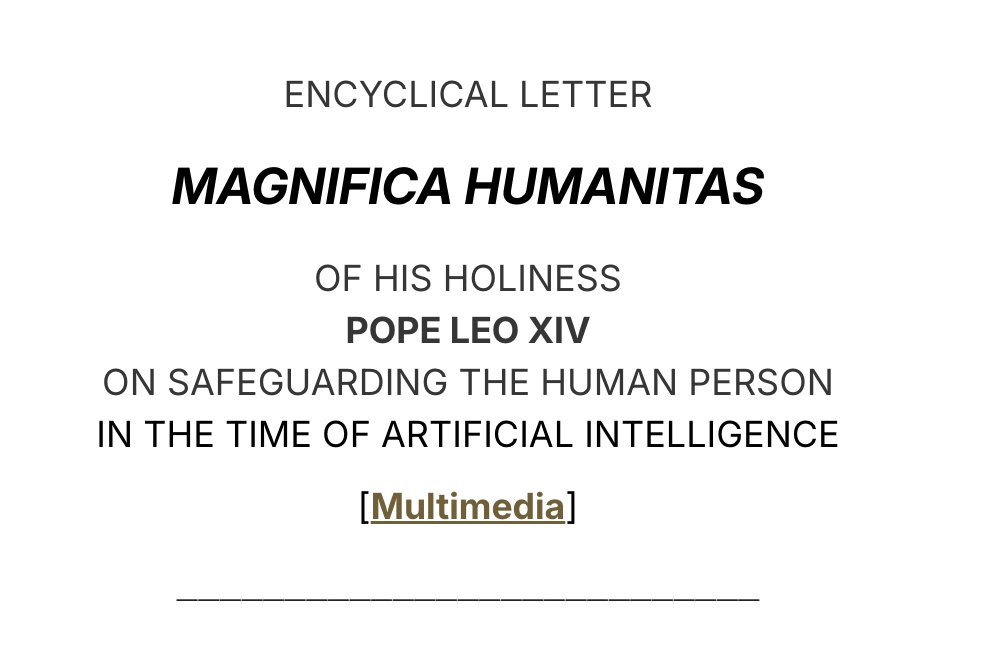
The Pope's Encyclical Magnifica Humanitas is interesting, and not only because it cites Tolkien.
1
24
He goes back to Pope's Leo XIII's (his namesake) Encyclical Rerum Novarum, written at the time of the Industrial Revolution, where the Social Doctrine of the Church was written to address the care of the marginalized when new technologies were coming into being.
1
23
If you think about it, it's exactly what's happening now with AI. So, technology is not necessarily bad, but needs to be used in a way that centers the human being. Here's the link of the Encyclical: vatican.va/content/leo-xiv/e…
13
In his first Encyclical, Pope Leo XIV writes:
"The power and prevalence of emerging technologies are interwoven into the fabric of daily life, shaping decision-making processes and deeply affecting the collective imagination"
1
19
This reading suggestion might be somewhat expected, but people studying technology, media and religion need to read this text this week!
16
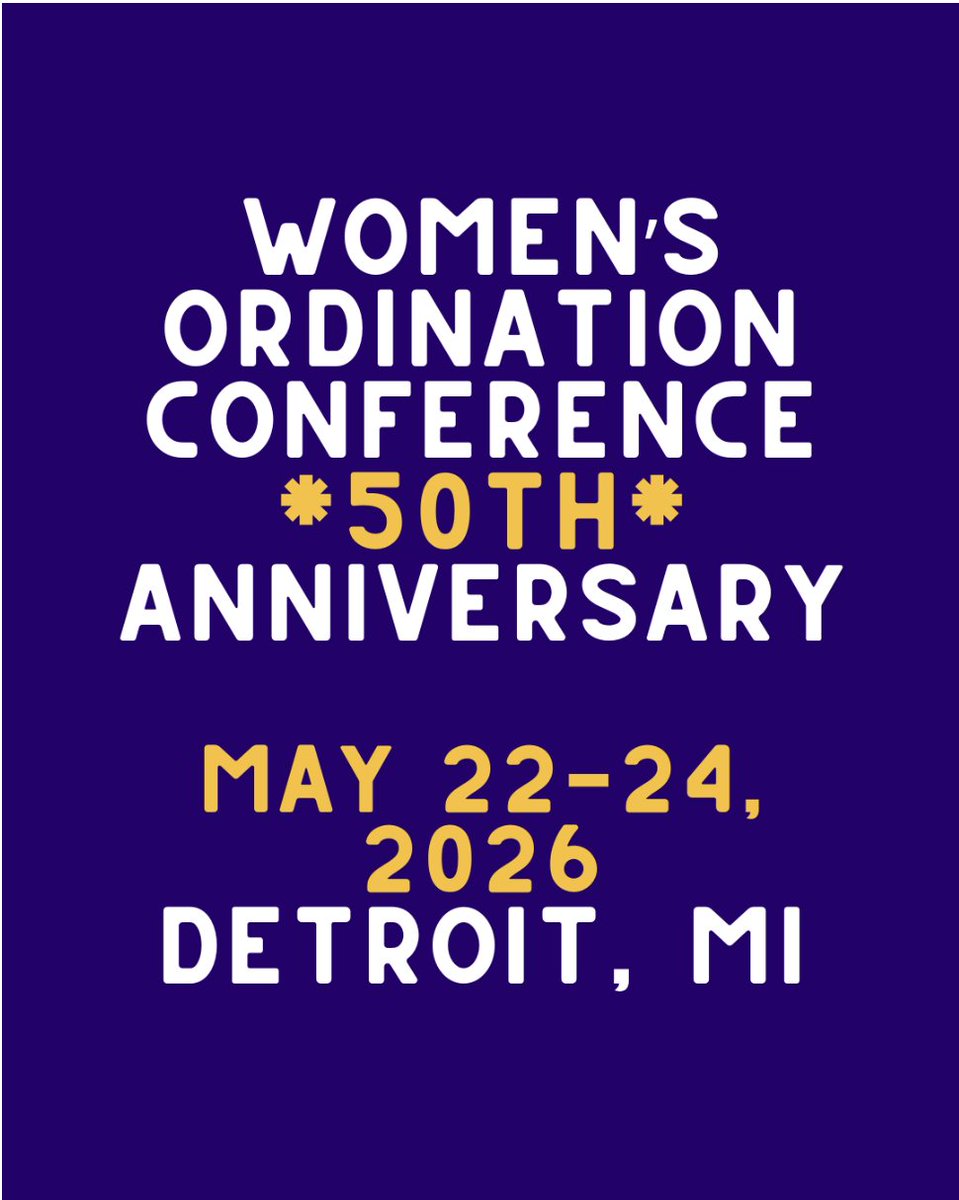
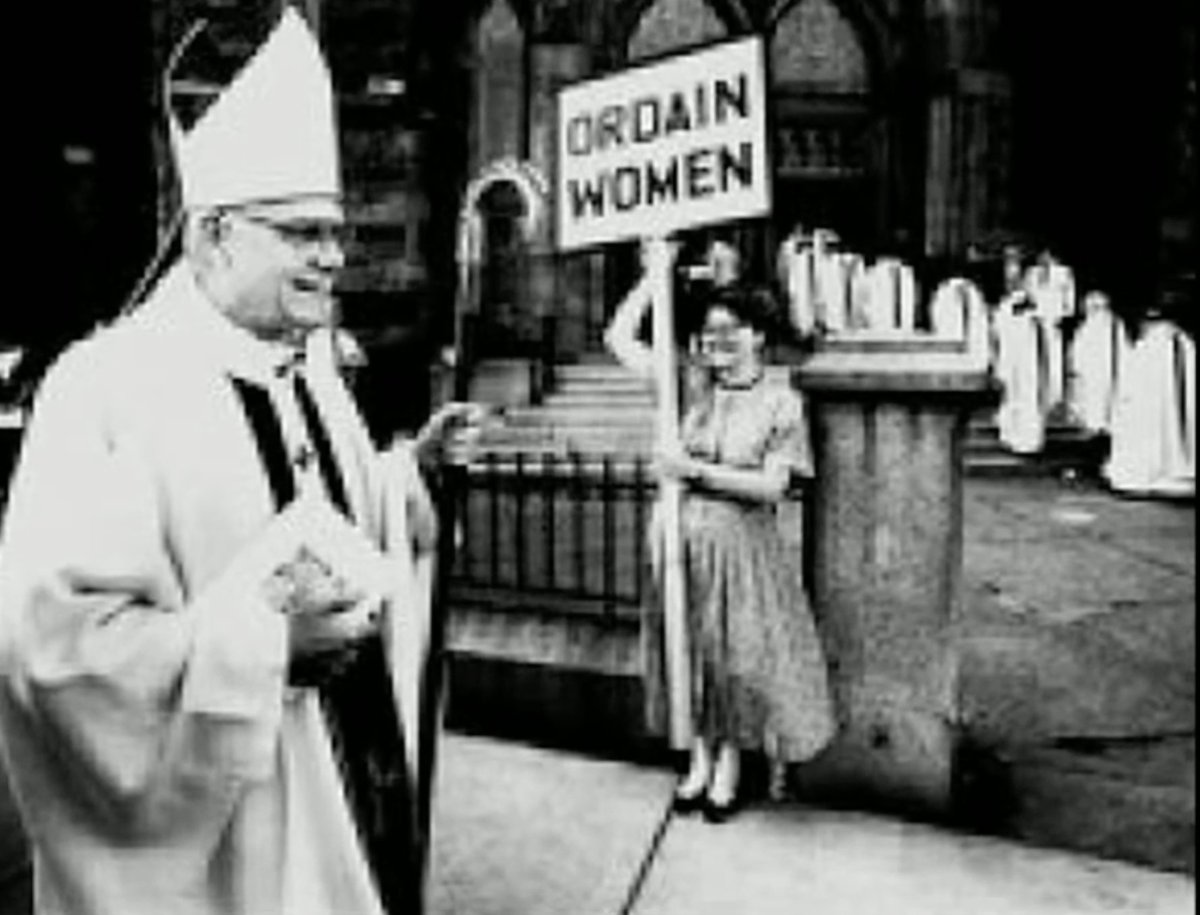
In 1975, Catholic women started to ask to be ordained as priests.
The context made them hopeful: second-wave feminist women were demanding more rights, and several other congregations (like the Episcopal Church) started ordaining women.
1
9
However, 50 years after the first Women's Ordination Conference in Detroit, the Catholic Church still hasn't implemented women's ordination.
A suggested reading: Chaves, M. (1999). Ordaining Women: Culture and Conflict in Religious Organizations Harvard University Press.
12
What makes you proud?
I've asked this question to several women who had incredible lives with amazing achievements.
Swipe to read some of the things that make them proud.
This is the second part, look at oldest posts for the first one.
1
4
“ I'm proud in a very humble way of the women that I've ordained.”
1
1
“I loved being a priest. And also being a wife and mother and grandmother. It prepared me for ministry in a way thata single person, celibate person, might not be prepared.”
4
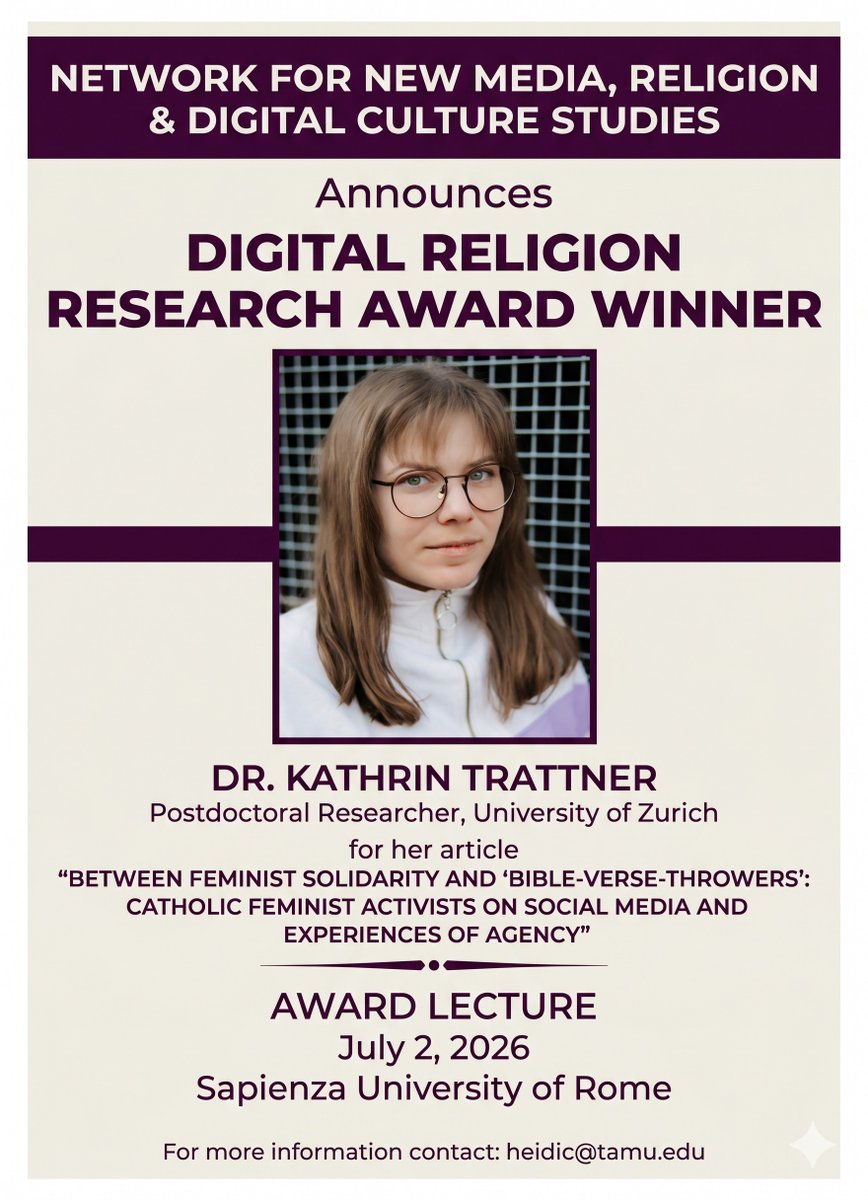
For people in Rome & people attending the EUARE conference, please come to Dr. Trattner's lecture for the Digital Religion Research Award
5
1
103