Joined November 2008
- Tweets 1,384
- Following 1,278
- Followers 590
- Likes 4,659
287 Photos and videos


7 Nov 2025
How can mediators raise their game? We'd like to know. @leejayb, @anasambold, and @MediateToo and I have developed a quick survey where we are asking attorneys primarily, but also mediators, to help us understand how attorneys and mediation participants select mediators, the factors that influence decisions, and how mediators can improve their practices. Please let us know, and thank you in advance! forms.gle/TZth9Lvx411opTPz7
4
59
31 Oct 2025
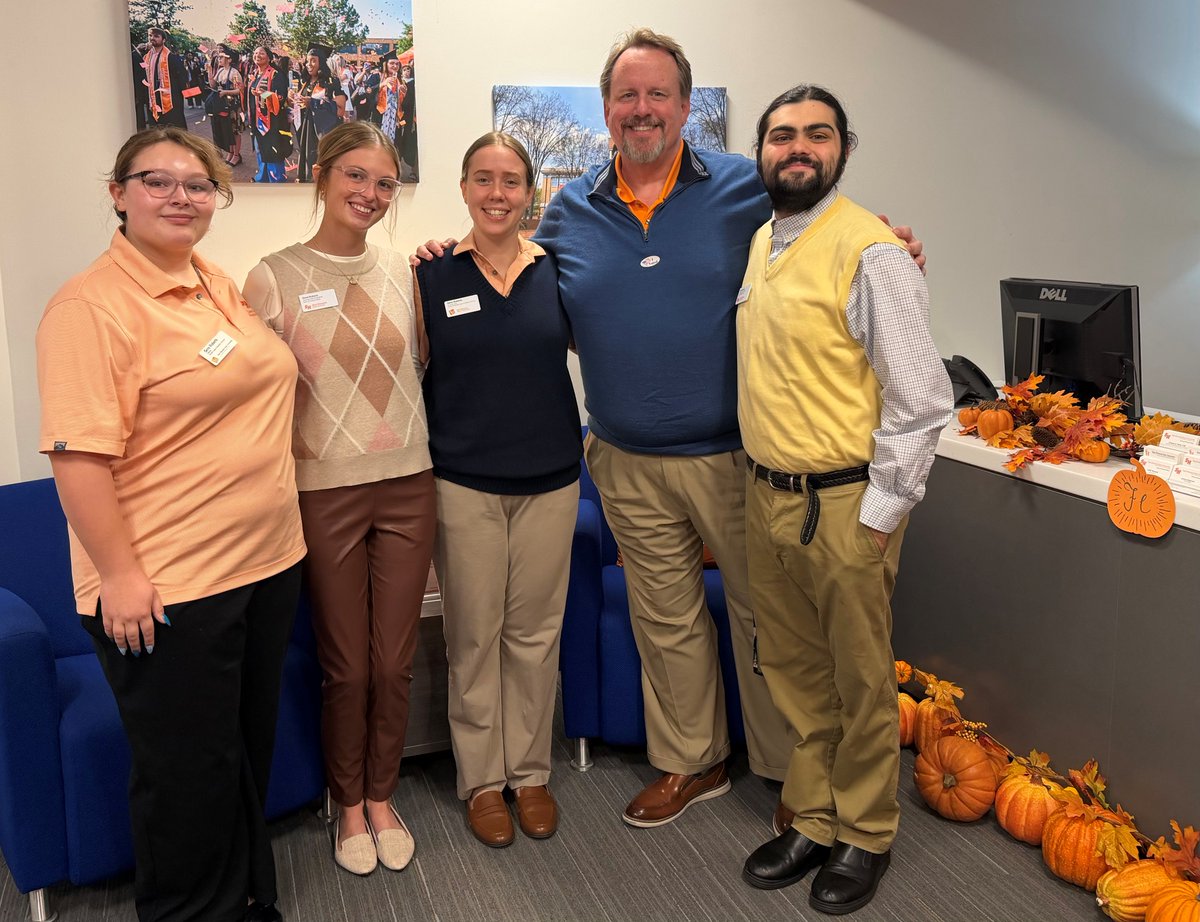
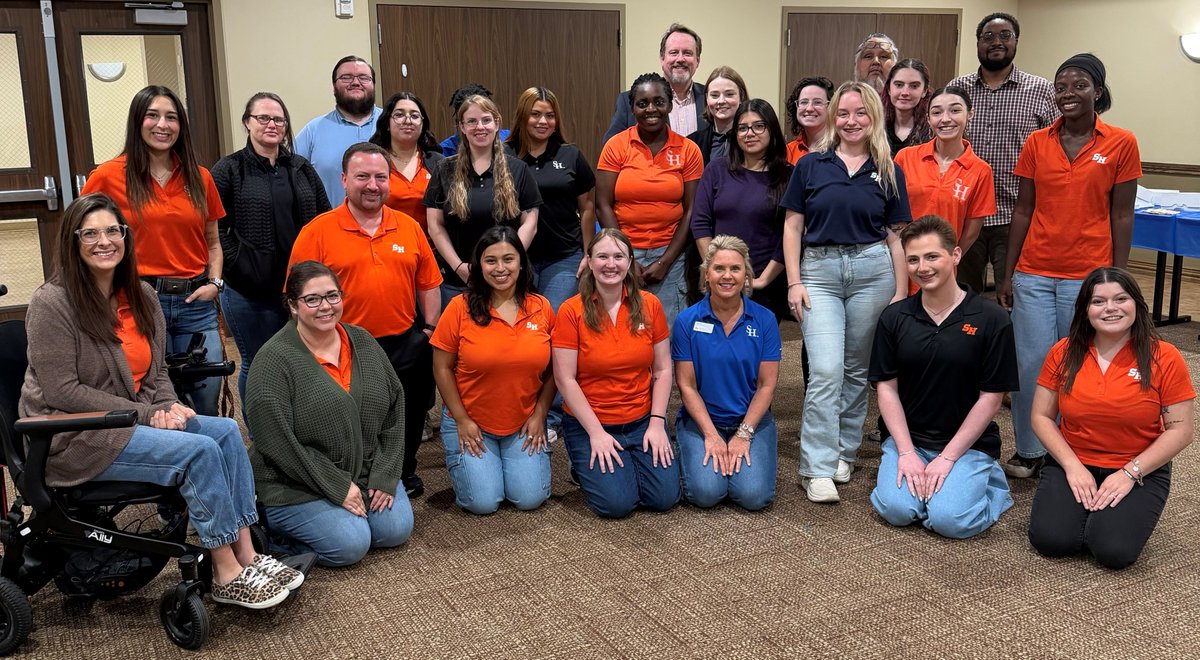
Happy Halloween! The crew @SHSUSLMS surprised me by dressing up as...me! I thought this was brilliant, with an excellent selection of sweaters, slacks, and SHSU nametags. They are all of my Eras! Great job!!
4
45
31 Oct 2025
What an incredible October! As we wrap up our 13th Annual Conflict Resolution Month, I am so thankful for the team @shsuslms for their extraordinary work and the impact of this year’s eight educational webinars.
Throughout October, we hosted academics and practitioners from across the country with participants joining from all over Texas and beyond. The feedback has been outstanding: participants shared that they gained new knowledge, stated that the presentations exceeded expectations, and felt more connected to our university.
A heartfelt thank-you to our fantastic presenters for sharing their expertise, to every participant who joined the conversations (and who make their parts of the world more peaceful), and to our dedicated office staff who worked tirelessly to make this month a success. A special thanks to @drcmci for its collaboration and sponsorship of legal and educational credits. Thank you all!
We carry out this difficult work to help better understand the causes of conflict and how to create peace so that lives improve and at a core level, we try to help people better live with each other. We also do our part to elevate the university’s visibility and reputation and to expand our service to the state and beyond. We energetically strive to ensure that our work aligns beautifully with our university’s strategic priorities.
Looking forward to seeing everyone next October for our 14th Annual Conflict Resolution Month! Until then, Peace!
2
68
23 Oct 2025
This was a great week for the state and beyond as part of our Conflict Resolution Month. Thanks to Julie Higgins-Stanwood and Deborah Sweet from Boston, Massachusetts who shared their expertise Monday on Trauma Informed De-Escalation Techniques for Children (and thanks to Michael Aspland with @SamHoustonState's Institute for Homeland Security for the connection) on Monday. Nancy Welsh, Professor @TAMULawSchool and Director of the top-ranked Aggie Dispute Resolution Program provided a thoughtful webinar Tuesday on Drive By Mediations and Opportunistic Distortions of the Process, and then Wednesday evening, Ana Sambold, Esq., based in San Diego provided a presentation on Transforming Law and Mediation with AI that left the audience with many insights, reminding us of our ethical duties.
Interestingly, both Nancy and Ana are past chairs of the @ABAesq Section of Dispute Resolution!
On Wednesday, October 29, please join us as our university's ombuds, Falguni Mukherjee provides her expertise on the role of the ombuds! Register here (no charge as part of our service to the state and beyond): shsu.zoom.us/meeting/registe…
1
46
16 Oct 2025
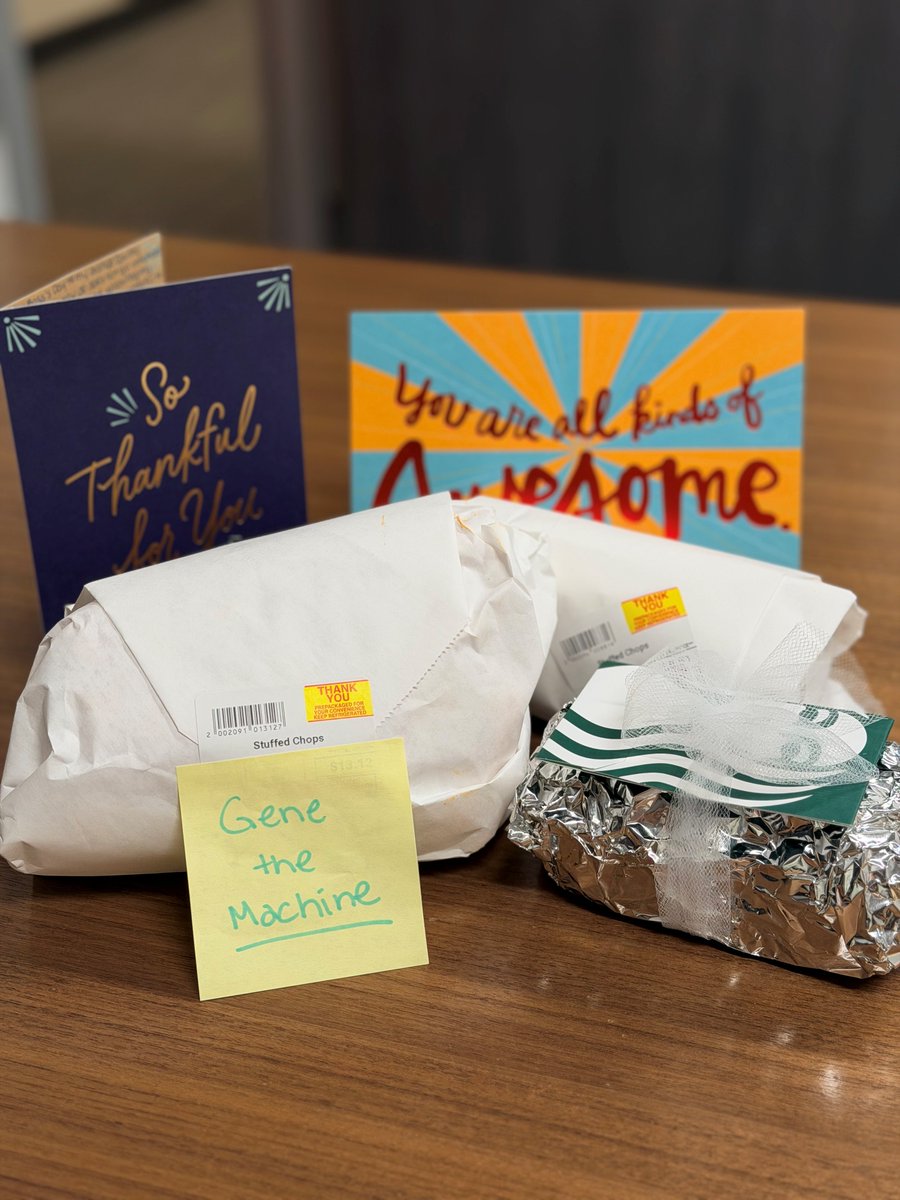
I'm not the best boss, but I do have the best colleagues! They really blessed me on Boss's Day today. Nice cards. Homemade banana bread. And some stuffed pork chops from the great folks at Tallent's! Thank you, thank you!
37
16 Oct 2025
Have I mentioned how thankful I am for the DRC - Montgomery County?
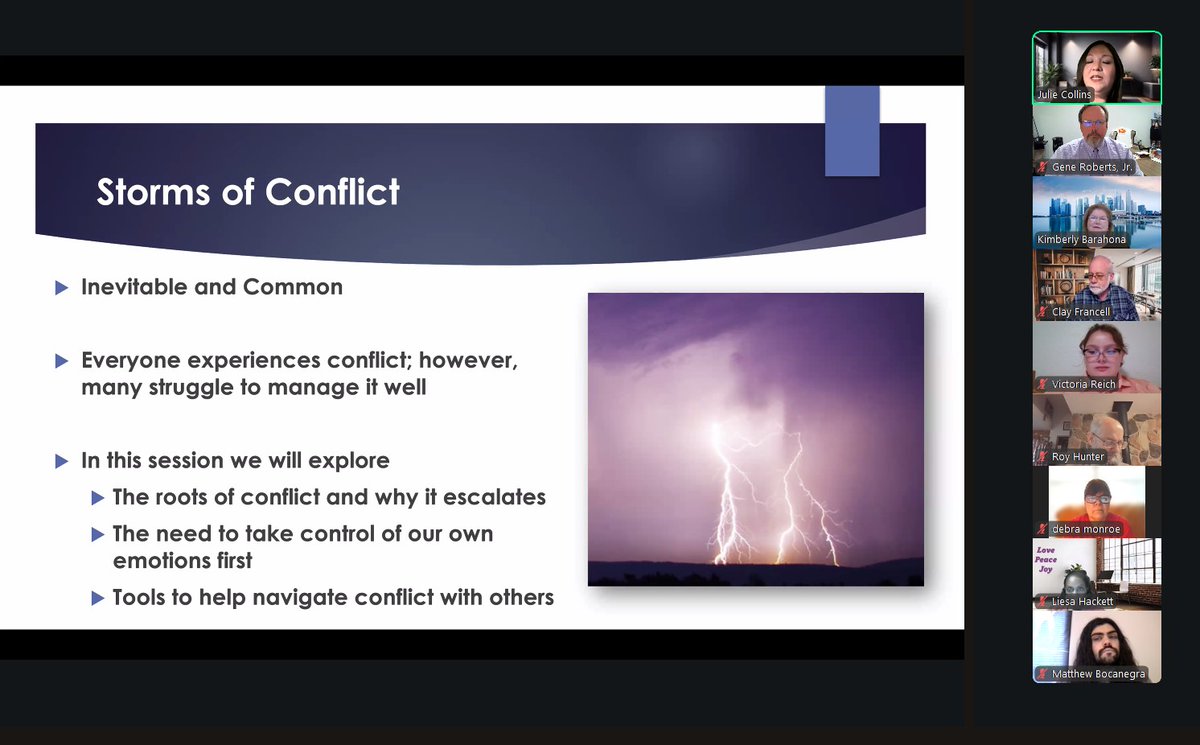
As is typical, the DRC was a-typical in its service to others...always going above and beyond with *excellence*. When one of our Conflict Resolution Month speakers had to postpone their presentation because of extrinsic events, I asked if the DRC could step in this gap-with about 24 hours' notice. They did. Julie Collins and Kimberly Barahona provided a *spectacular* webinar for us. So thankful for their help and the outstanding perspectives they provided...including an incredibly powerful discussion with our participants. Thank you, thank you, thank you!
Please join us on October 20, 21, 22, and 29 for world-class speakers. Register here (no cost as our service to the state and beyond): shsu.edu/dept/student-affair…
1
1
46
13 Oct 2025
We are still moving forward with our Conflict Resolution Month webinar on Tuesday, October 14, 2025. Our original speaker is unable to join us, unfortunately. Thankfully, Kimberly Barahona and Julie Collins with the DRC - Montgomery County are stepping up and presenting on "It was a dark and stormy night: Navigating conflict with calm, compassion, and clarity." Please join us by Zoom at 6:00 PM Central (no cost as our service to the state and beyond). Unfortunately because of timing, no MCLE hours will be available through the State Bar of Texas, but CPE hours will be available. Register here: shsu.edu/dept/student-affair…
1
36
10 Oct 2025
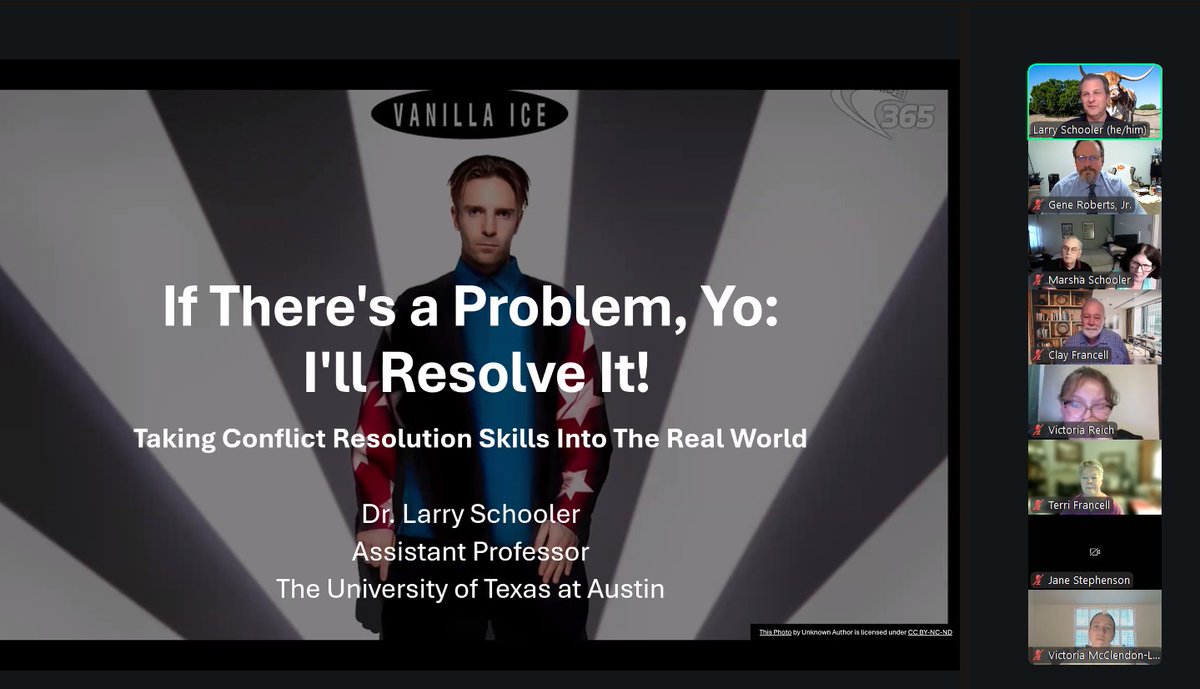
Austin. Baton Rouge. Conroe. Corsicana. Dallas. Greenville. Houston. Huntsville. Katy. Lewisville. Pflugerville. San Antonio. Weatherford. Willis. Just some of the cities represented in tonight's outstanding Conflict Resolution Month webinar's audience with Dr. Larry Schooler of UT-Austin. Thanks to the nationally recognized SHSU Pre-Law Society for joining us! Visit shsu.edu/slms to register (no cost as our service) for future programming in October!
1
186
3 Oct 2025
Many times, organizations create strategic plans that are eventually placed on a proverbial bookshelf to collect dust. Not here.
At the request of our university’s Registrar’s Office, I recently led a workshop on “Top 10 Tips to De-escalate Communications.” Kari Zella, the university’s Registrar, consistently inspires me with her commitment to invest in her staff by encouraging professional growth and taking care of them. This spreads a culture of care that benefits their office, the university, and the students we all serve.
The Registrar’s Office was intentional about building up these critical skills and for taking this training seriously. When staff members make the initiative to strengthen their ability to connect, listen, and resolve conflicts productively, everyone wins, perhaps most importantly, our students. This commitment echoes our university’s strategic priorities, which emphasize student success and access and embodying a culture of excellence.
Professional development and strategic priorities aren’t boxes to check. They should be a pathway to stronger teams, empowered individuals, and a supportive campus culture. Thank you, Kari and your crew, for this opportunity to collaborate and continue learning together!
2
36
2 Oct 2025
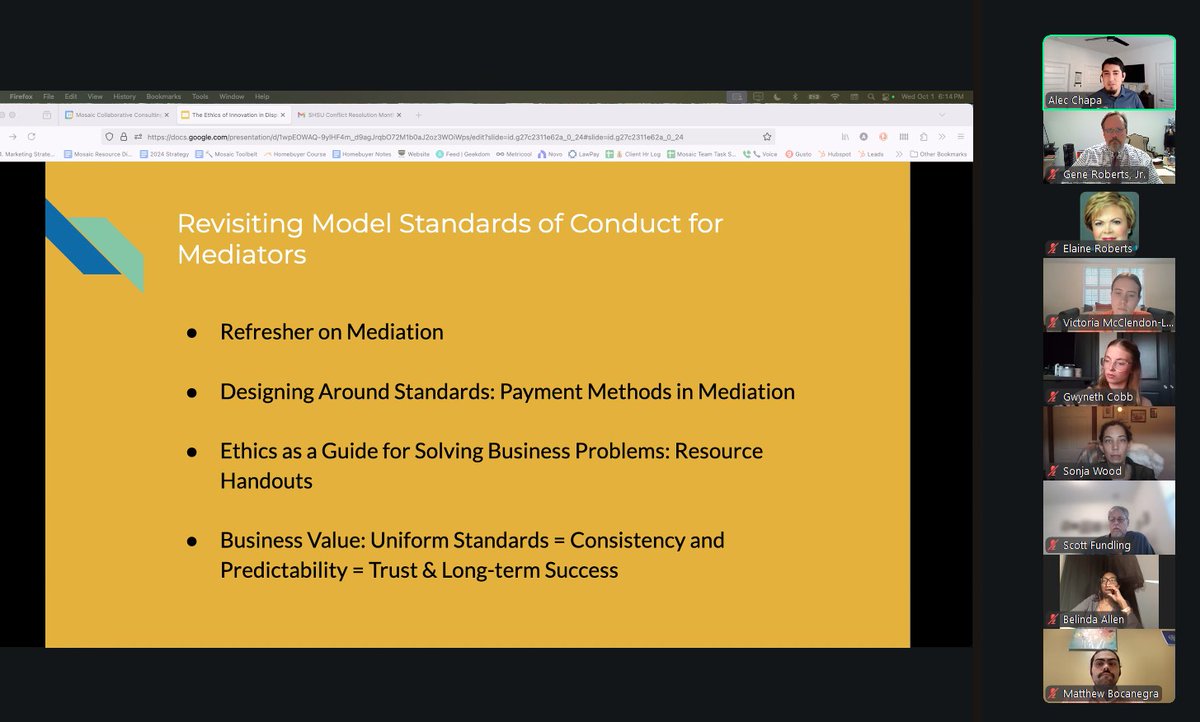
Mixed metaphors: We kicked off Conflict Resolution Month with our leadoff batter, Alec Chapa, founder and principal at Mosaic Collaborative Consulting, who wowed our audience with insights on ethics and innovation. Our audience--from across the State of Texas--walked away with a lot to think about. Thank you, Alec for a thoughtful, cutting-edge presentation!
We'll keep this momentum going next week with webinars from Mac Pierre-Louis, JD., M.Ed. (Oct. 6) and Dr. Larry Schooler (Oct 9). Both are at 6:00 PM Central.
Don't miss out! Join us this month and be part of these critical conversations. Register (no cost; our service to the state and beyond) here: shsu.edu/dept/student-affair…
1
39
1 Oct 2025
October 1 marks the beginning of Conflict Resolution Month! @SHSUSLMS is honored to host our webinars this month by world-class speakers. Thank you @drcmci for being our continuing legal education sponsor! Webinars are no cost as our service to the state and beyond. The schedule and speakers are here: shsu.edu/dept/student-affair…
2
20
26 Sep 2025
Excited to share that one of our Conflict Resolution Month speakers, Dr. Larry Schooler, was recently quoted in @TIME in an outstanding article on neighbor-to-neighbor conflicts. You can hear directly from Dr. Schooler in his October 9 webinar, offered as part of our service to the state and beyond. Don't miss this opportunity to learn from a nationally-recognized leader in resolving conflicts. Register (no cost) here: shsu.edu/dept/student-affair…
22
25 Sep 2025
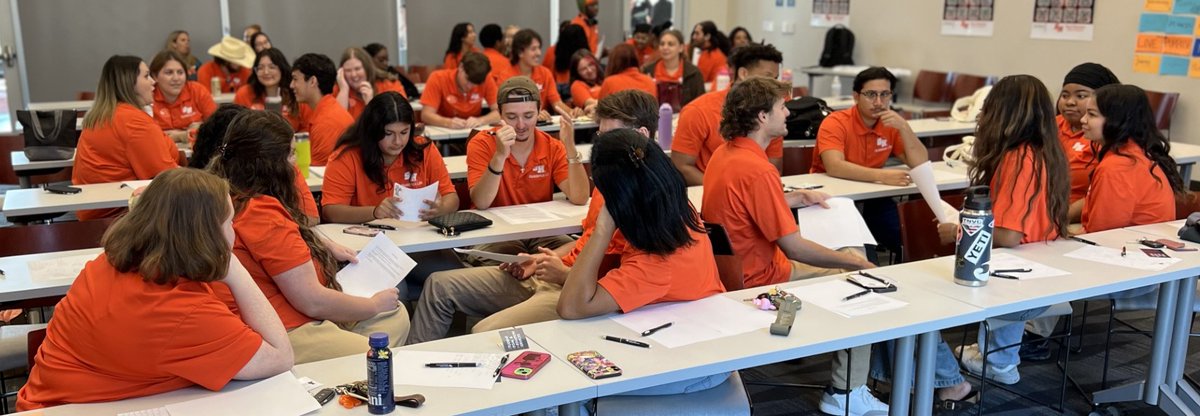
Our university has an innovative and challenging program for exceptional first-year students who have displayed leadership in their high school careers, have high academic grades, and want to continue their leadership at the university. The program is the Freshmen Leadership Program.
I was asked to speak with them about the intersection of leadership and conflict resolution skills. The presentation was titled, “My Way or Our Way.” My view of much of the leadership literature is about how “the” leader implements “their” vision on the organization. In my mind, that can create an automatic me-versus-we conflict very early in the leader's time.
After exploring data from US and global sources about how businesses and organizations understand the need for improved conflict resolution skills, we also discussed the need for "leadership humility," that leaders themselves can be a source of unproductive conflict but with humility, leaders can encourage team alignment to “our” shared vision instead of “my” vision.
These student-leaders were energized and engaging. They discussed some challenges that they faced with openness and curiosity. They are a great source of positive energy.
I invite you to join us during Conflict Resolution Month in October as we continue these types of conversations with webinars from world-class experts who can help all of us strengthen our skill set in our communities, families, and beyond. Registration (no-cost as our service to the state and beyond) is here: shsu.edu/dept/student-affair…
1
23
19 Sep 2025
Leadership development is vital for higher education’s future, and I’m glad to be part of the conversation.
Yesterday, at the request of Dr. Matt Fuller, I presented to the Texas Academic Leadership Academy, a year-long program that develops aspiring academic leaders from across Texas with support from the Texas Council of Chief Academic Officers and Sam Houston State University. TALA Fellows are guided by senior academic leaders and mentors.
My session focused on conflict management—sharing ways leaders can navigate challenging conversations, build trust, and strengthen teams. About 40 participants from higher education institutions across Texas joined the discussion. I appreciated the invitation and everyone’s thoughtful engagement!
32
16 Sep 2025
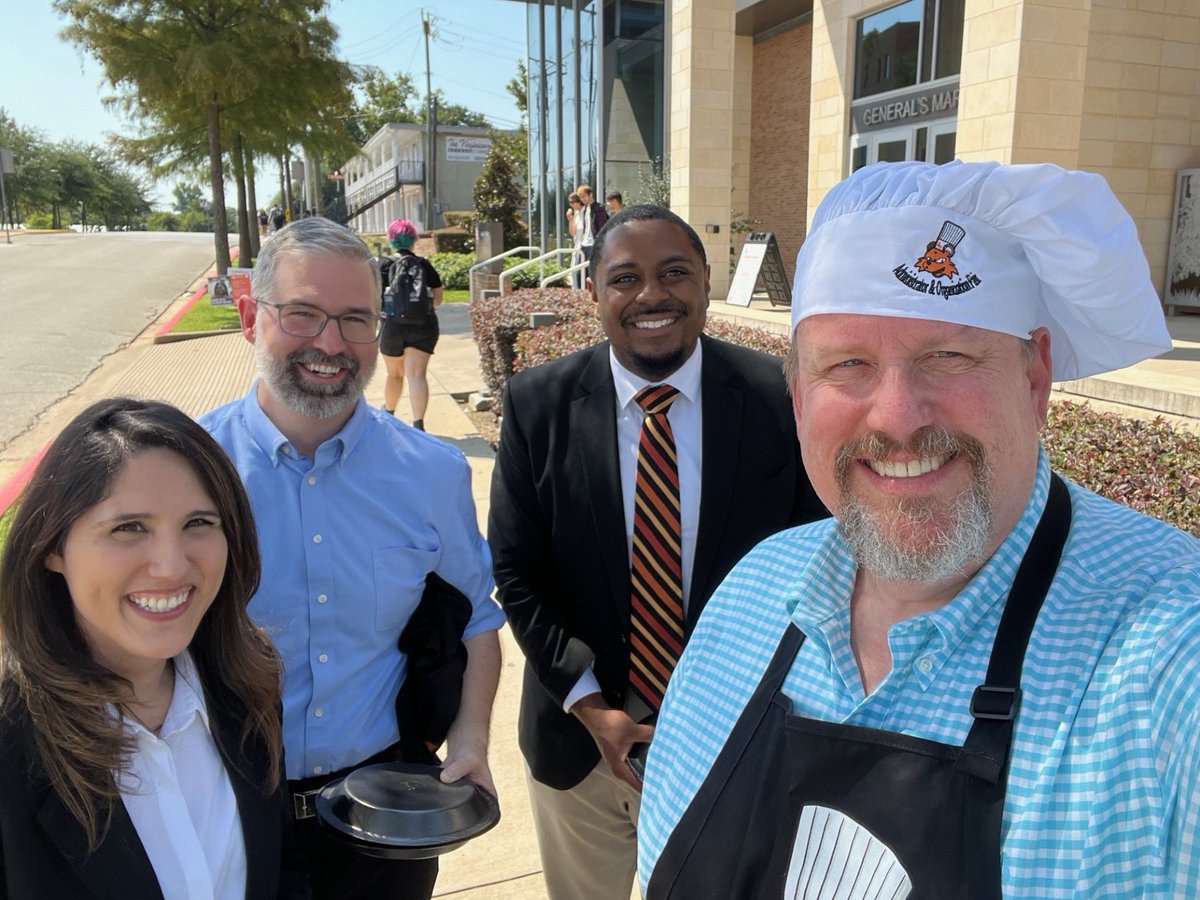
Today I traded my office chair and conference room for a chef's hat at the brick-oven pizza station in one of our dining halls. I served students a slice of fun! With some wonderful colleagues (and pizza chef Jazz!), we stepped out of offices to connect with students in a different way. One student asked me, "Are you here all of the time?"
Building community and creating approachable opportunities are important, just like overseeing policies and procedures. Leadership is about rolling up your sleeves, getting out, and getting into the mix. Thanks to all who organized this fun and meaningful event!
2
29
5 Sep 2025
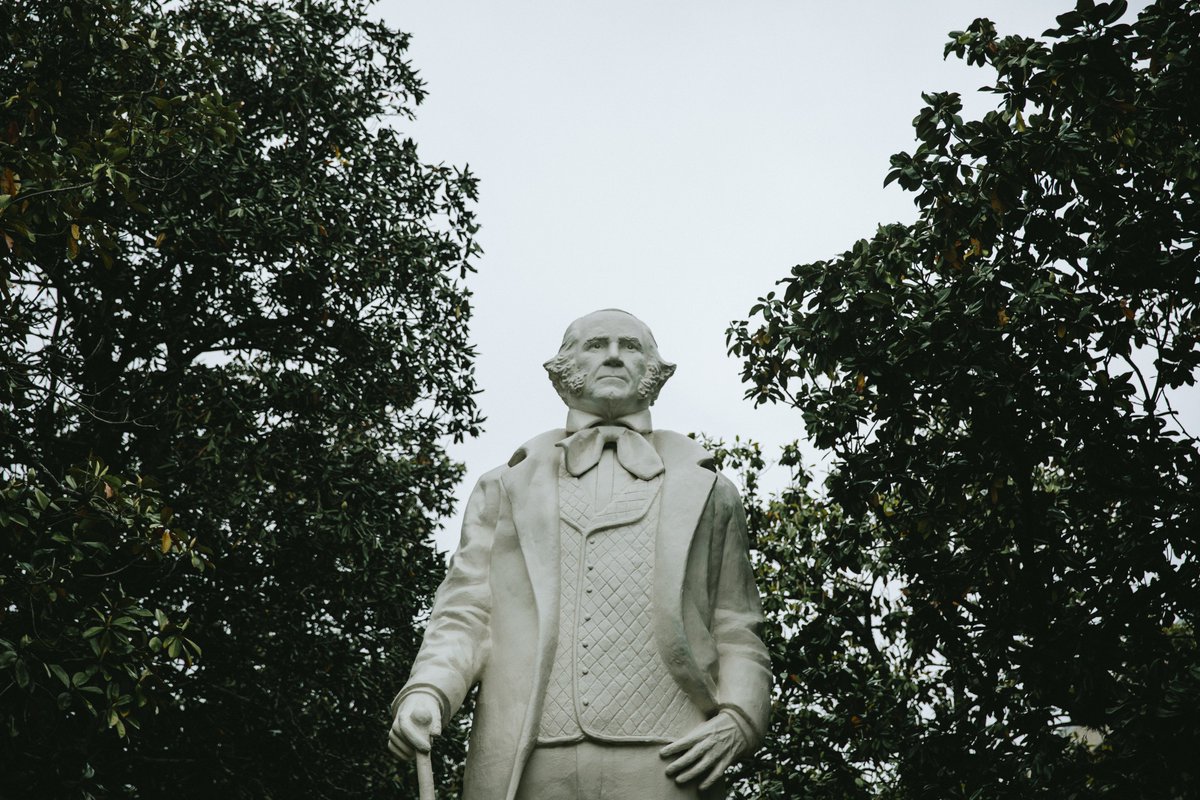
On September 5, 1836—189 years ago—Sam Houston, our university’s namesake, was elected the first president of the Republic of Texas. He once said, “Texas will again lift its head and stand among the nations…. No country upon the globe can compare with it in natural advantages.” Nearly two centuries later his strong legacy of leadership, vision, and service continue.
1
36
3 Sep 2025
How Do You Brush Your Teeth?
This morning, I caught a conversation between Max Lucado and Greg Laurie, where Lucado described how our brains form "ruts" or habits. Think of how, every morning, most of us brush our teeth the same way, starting in the same spot, using the same hand. It's automatic, effortless, and rarely questioned.
It made me wonder: When conflict arises, do we fall into the same patterns, reacting the same way we always have? Are we stuck in "conflict ruts"? Or do we approach each situation with the fresh perspective it may deserve?
Shaking up our habits is difficult, requiring a lot of time and intentional energy (think New Year’s resolutions that don’t stick). Just as we can shake up our habits—tomorrow, try brushing your teeth with your non-dominant hand, or begin on the bottom right instead of the top left side—perhaps we can experiment with how we can better resolve conflicts.
Our brains build habits through repeated actions; these routines can be helpful (saving time and energy, for example), but sometimes they lock us into automatic, unproductive, and unhelpful responses.
Our approaches to conflict (like avoidance, escalation, or defensiveness) might be automatic, but research shows reframing and conscious intervention can break these patterns and lead to more productive outcomes.
Effective conflict resolution can become a "higher-order habit:" intentionally choosing empathy, curiosity, or active listening instead of reflexive reactions. Luke Archer with @AikidoVerbal has helped me with this. When I’m in a conflict situation, I *try* to take a moment to pause, stabilize, and think, “Thank you for providing me with this opportunity to practice my skills.” This helps me shift my mindset, breaking my unhelpful habits.
Here are two ways to rethink conflict:
Reframe a Conflict as an Opportunity
View disagreements as openings for growth, understanding, and collaboration rather than threats. This shift in mindset can defuse tension and allow for creative problem-solving. This shift is difficult because it's not automatic. Maybe start by saying to yourself “thank you for this opportunity.”
Practice Small Habit Tweaks
Next time you're in a challenging discussion, start with a different-than-usual response—actively listen, repeat back what the other person said, or simply pause for a moment. Also, ask yourself, "How have I usually dealt with this before? What would happen if I tried something different this time?"
Using a new approach to brushing our teeth may feel awkward; however, rerouting patterns can teach us something about our routines. Experimenting with new conflict-resolution strategies might feel uncomfortable, but it may also reveal surprising opportunities for growth and understanding.
Tomorrow, try switching things up—both when you brush your teeth and when a conflict comes your way!
1
24
29 Aug 2025
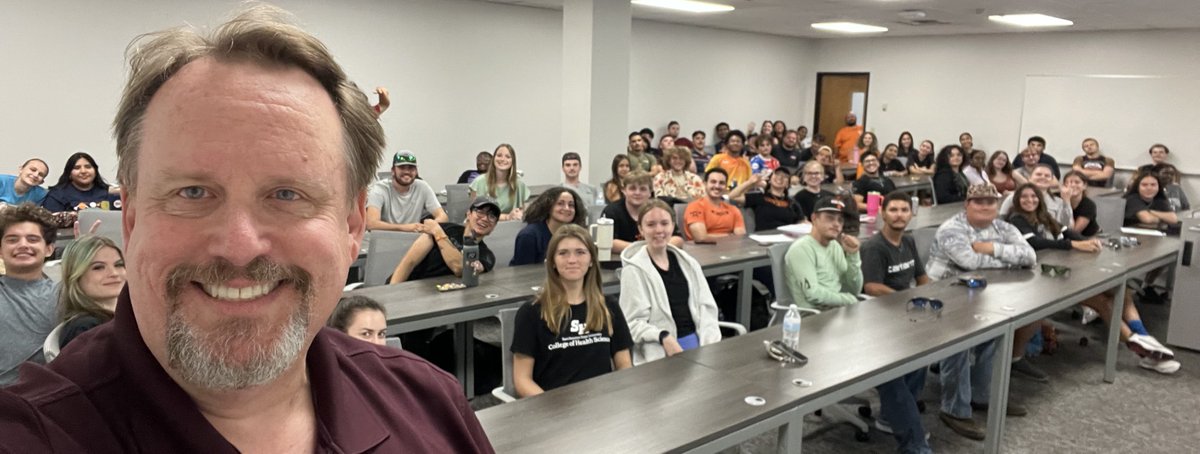
Last night, I talked to @SHSUCampusRec's club sports officers about the Student Code of Conduct and hazing prevention. While "compliance" is sometimes framed as a checklist of what not to do, our discussion centered on how these policies are really about caring for one another and creating a positive environment for every team member.
These student leaders embraced real-life scenarios and shared thoughtful ideas for building teams grounded in respect, trust, and camaraderie--how inspiring! Their willingness to engage and reflect is a testament to how club sports not only foster athletic growth but also build future leaders dedicated to the well-being of their communities.
I'm thankful to work with such outstanding student leaders who are leveling up—on and off the field—by leading with empathy, caring, and purpose.
1
3
34
21 Aug 2025
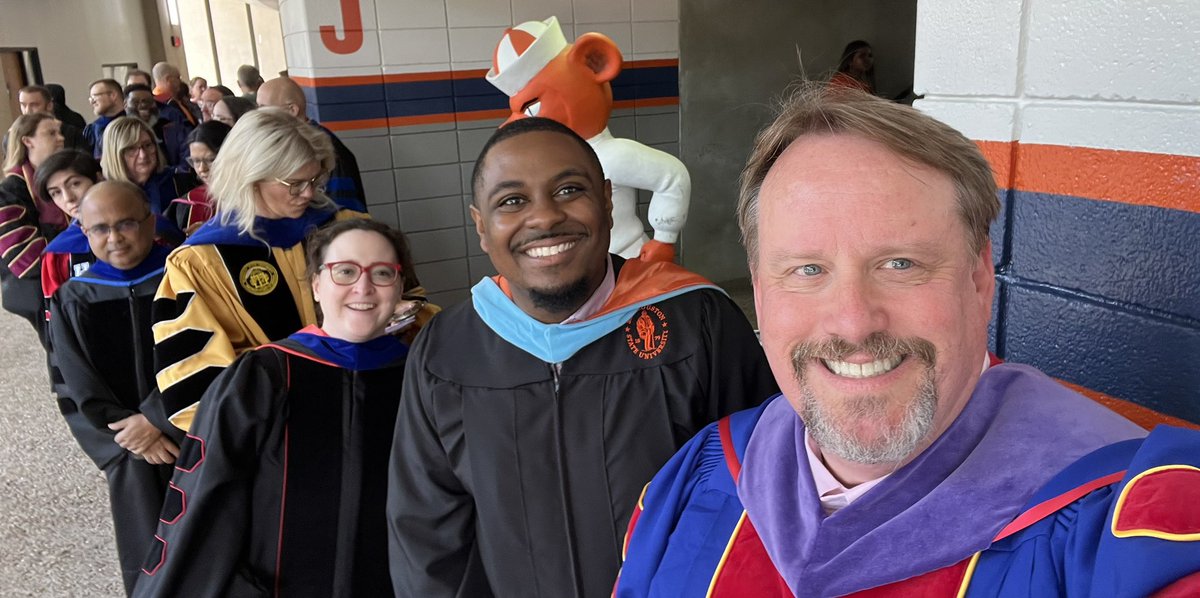
Convocation: the intersection of tradition and new beginnings! Surrounded by colleagues in regalia (no hats but a Bearkat cameo), we welcomed students, celebrated academic expectations, and officially opened the journey ahead.
2
7
53