
Father & husband. Providing Big Ten information and news.
Joined July 2008
- Tweets 52,295
- Following 1,349
- Followers 18,307
- Likes 136
3,557 Photos and videos






Pinned Tweet

Big Ten Conference Internal Growth: A catolog of models built, revenue projections and growing revenue, and moderinizing the conference.
All posts will be saved below. This will be a long series of posts and topics
Goal: Help The Big Ten Conference Reach Its True Potential
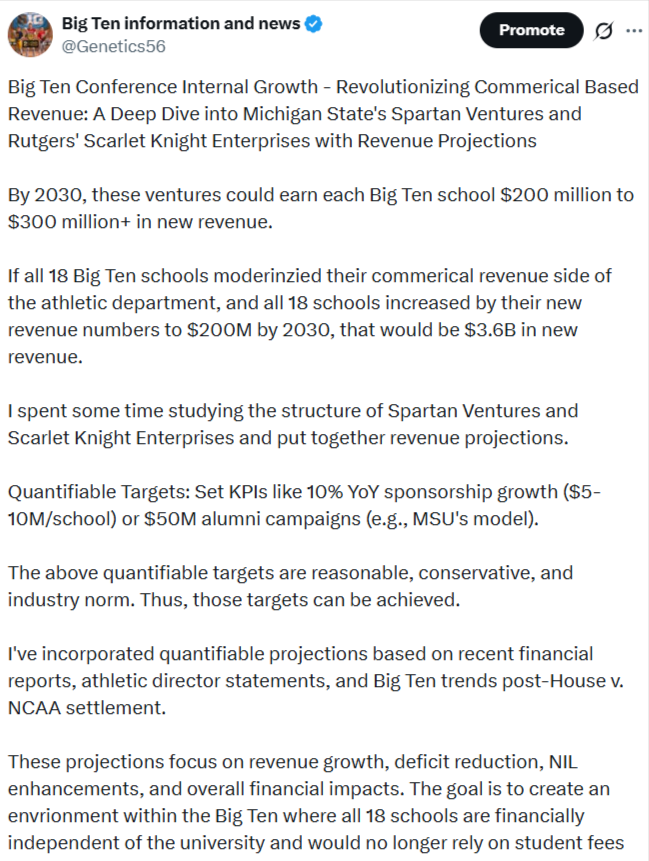
Big Ten Conference Internal Growth - Revolutionizing Commerical Based Revenue: A Deep Dive into Michigan State's Spartan Ventures and Rutgers' Scarlet Knight Enterprises with Revenue Projections
x.com/twitter/status/2028987…
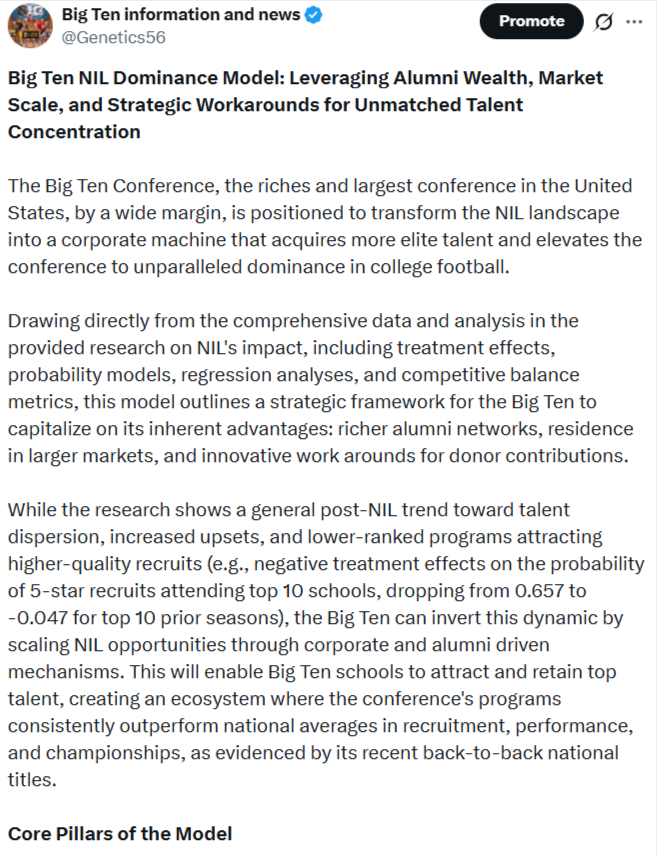
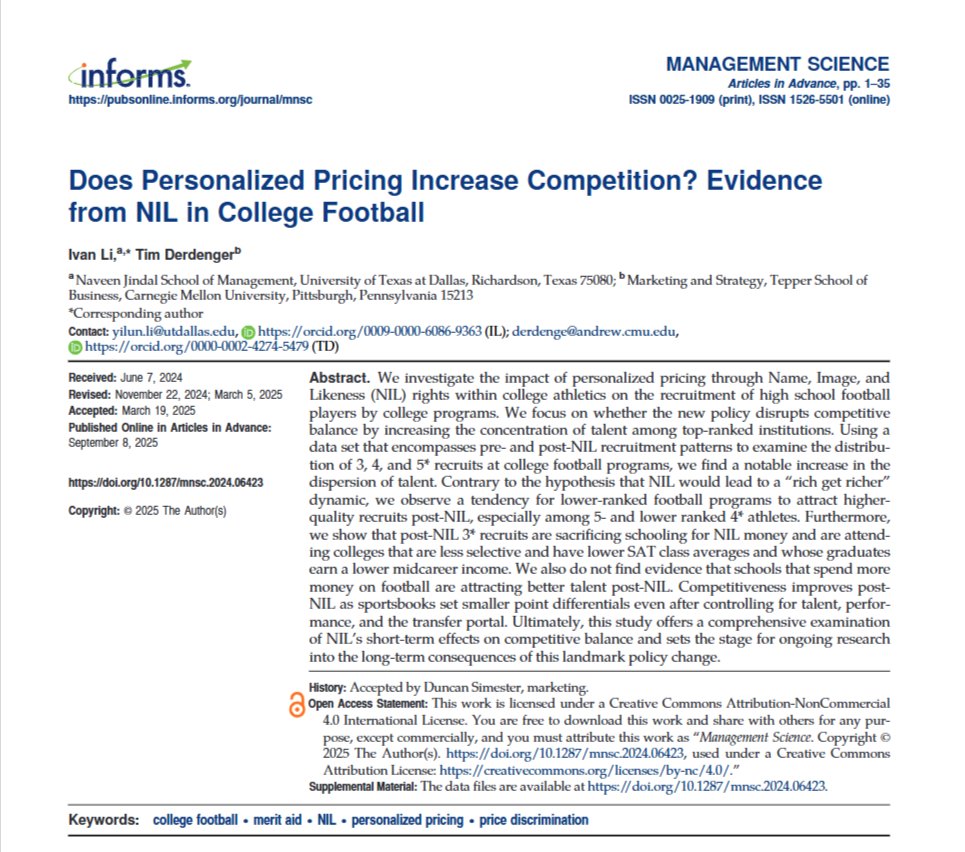
Big Ten NIL Dominance Model: Leveraging Alumni Wealth, Market Scale, and Strategic Workarounds for Unmatched Talent Concentration
x.com/Genetics56/status/1983…
28 Oct 2025

Big Ten NIL Dominance Model: Leveraging Alumni Wealth, Market Scale, and Strategic Workarounds for Unmatched Talent Concentration
The Big Ten Conference, the riches and largest conference in the United States, by a wide margin, is positioned to transform the NIL landscape into a corporate machine that acquires more elite talent and elevates the conference to unparalleled dominance in college football.
Drawing directly from the comprehensive data and analysis in the provided research on NIL's impact, including treatment effects, probability models, regression analyses, and competitive balance metrics, this model outlines a strategic framework for the Big Ten to capitalize on its inherent advantages: richer alumni networks, residence in larger markets, and innovative work arounds for donor contributions.
While the research shows a general post-NIL trend toward talent dispersion, increased upsets, and lower-ranked programs attracting higher-quality recruits (e.g., negative treatment effects on the probability of 5-star recruits attending top 10 schools, dropping from 0.657 to -0.047 for top 10 prior seasons), the Big Ten can invert this dynamic by scaling NIL opportunities through corporate and alumni driven mechanisms. This will enable Big Ten schools to attract and retain top talent, creating an ecosystem where the conference's programs consistently outperform national averages in recruitment, performance, and championships, as evidenced by its recent back-to-back national titles.
Core Pillars of the Model
The model is structured around four interconnected pillars, each grounded in the research's findings. These pillars use the Big Ten's alumni depth (e.g., Illinois, Indiana, Penn State, UCLA, and more who can provide 8- and 9-figure wealth) and market advantages to create a self-reinforcing NIL machine.
The research's data on increased talent dispersion (e.g., Gini coefficients rising from 0.501 to 0.536 for 5-star recruits post-NIL) and more competitive point spreads (e.g., reduced by 1.32 points after controlling for talent and transfers) indicate that NIL empowers broader recruitment, but Big Ten schools can use their superior resources to concentrate talent by offering unmatched personalized pricing and financial incentives, overriding the general trend toward parity.
Alumni-Driven Collective Funding
Network Description: Establish conference-wide collectives funded by anonymous, high-net-worth alumni (e.g., Larry Gies-like donors at Illinois or untapped tech/finance alumni at UCLA, and Northwestern) who provide recurring 5- to 6-million-dollar contributions. These funds would be pooled into a centralized Big Ten NIL corporation, then submitted through NIL GO, distributing resources to prioritize football recruitment while ensuring compliance.
Implementation Steps: Identify and mobilize "sleeping" alumni with deep pockets and activate dormant donors who "no one has ever heard of" but can "drop 9 figures tomorrow."
Use regression models from the research (e.g., Table 6, showing no post-NIL correlation between football spending and talent attraction) to focus on efficient, targeted giving rather than raw expenditure. Instead, emphasize personalized NIL deals that align with recruits' priorities, as 3-star recruits now prioritize NIL over academics (e.g., attending schools with 0.081 lower SAT averages and -0.047 lower midcareer income post-NIL).
Scale through regular, ego-managed donations: ADs and future GMs delicately handle donor relations to avoid appeasement issues, ensuring steady inflows without reliance on a few mega-donors like Phil Knight equivalents.
Reasoning and Evidence for Success: The Big Ten's alumni base resides in larger markets (e.g., Chicago, Los Angeles, Seattle, New York metro via Rutgers/Maryland), enabling higher earning potential and brand partnerships. Research shows post-NIL, lower-ranked programs attract 5- and 4-star talent (e.g., Table 5, negative effects on top 10 attendance probabilities: -0.047 for 5-stars), but Big Ten schools can reverse this by offering superior NIL valuations—leveraging market size to provide deals that smaller programs can't match. For instance, the research's finding that NIL increases dispersion (Figure 1, underdog victory proportion rising to 0.45 post-NIL) can be countered by Big Ten's ability to "buy" talent concentration, as schools with richer alumni (e.g., Stanford's tech billionaires) create a financial moat. This model works because, as the research notes, NIL expands athletes' bargaining power, but Big Ten's alumni wealth ensures its programs offer the highest "personalized pricing," leading to talent inflows despite general trends. Michigan and Ohio State's recent titles demonstrate this edge, with NIL amplifying alumni-driven advantages.
Market-Leveraged Corporate Partnership Ecosystem
Description: Transform Big Ten campuses into corporate powerhouses by forging exclusive partnerships with brands in the conference's massive media markets, creating a multibillion-dollar NIL pipeline that funnels endorsements directly to athletes.
Implementation Steps: Capitalize on the conference's geographic footprint in high-population, high-wealth areas (e.g., Big Ten media deal exposure in top TV markets like LA, NYC, Chicago) to attract brands seeking authentic athlete influencers, from DI stars to non-revenue sports.
Use platforms like Opendorse for analytics-driven matching, projecting NIL growth to $2.5B by 2026 (25-30% CAGR), mirroring influencer marketing's explosion.
Integrate AR/social content for deals, turning athletes into micro-influencers with high ROI, as seen in examples like local pizza endorsements scaling to seven-figure national brands.
Reasoning and Evidence for Success: The research's data on competitiveness (e.g., Table A.3, smaller point spreads post-NIL) shows NIL fosters upsets by dispersing talent, but Big Ten's larger markets allow it to dominate the "NIL boom" narrative, where athletes earn from endorsements in a $500B influencer economy by 2027.
With schools in richer alumni ecosystems (e.g., UCLA Silicon Valley ties, Illinois' untapped alumni), the conference can offer deals that prioritize financial gain over academics, as 3-stars do post-NIL (Table 7, negative effects on school quality metrics). This creates an unmatched machine: while the research finds no direct spending-talent link, Big Ten's market scale ensures higher deal values, concentrating 4- and 5-stars (countering Table 4's dispersion trends). The conference's residence in larger markets than peers amplifies this, making Big Ten programs the preferred choice for maximizing brand potential, as recruits weigh NIL heavily (research assertion: NIL expands choices, benefiting broader schools—but Big Ten's scale tips the balance).
Talent Recruitment and Retention Optimization
Framework Description: Deploy a data-driven recruitment model using the research's econometric tools (e.g., difference-in-differences, probit regressions) to target recruits who value NIL maximization, ensuring Big Ten programs attract elite talent despite national dispersion.
Implementation Steps: Analyze pre- and post-NIL patterns (e.g., Table 1, recruit data from 2018-2023) to prioritize 4- and 5-stars willing to forgo academics for NIL, routing them to Big Ten schools with superior market exposure.
Incorporate transfer portal dynamics (research controls for portals in point spread reductions) to retain talent via escalating NIL deals tied to performance.
Educate athletes on contracts, as recommended, while tracking long-term impacts to refine the model.
Reasoning and Evidence for Success: The research overturns the "rich get richer" myth, showing lower programs gain talent (e.g., Figure 2, composite ratings dispersion), but Big Ten's richer alumni and markets enable it to "rise above" by offering unmatched opportunities. For example, negative treatment effects on top-ranked attendance (Table 5, -0.204 for top 25 5-stars) indicate opportunity for Big Ten mid-tiers (e.g., Purdue, Indiana) to upscale, but the conference's overall wealth concentrates power at flagships like Ohio State and Michigan. With alumni like those at UCLA driving 5-6 million regular gifts, the model ensures talent flows inward, reducing upsets within the conference (countering Figure 1's national trend) and solidifying dominance—backed by the Big Ten's recent titles as proof of NIL's amplifying effect.
Compliant Donor Workaround Integration
Description: Incorporate creative, compliant routing of donor funds to non-revenue sports via football proxies, ensuring all NIL deals align with CSC guidelines while maximizing impact.
Implementation Steps: For donors wishing to support non-revenue athletes (e.g., $25,000 deals), route through football: Have the donor execute a $25,000 NIL deal with football players, then earmark and transfer the equivalent to the target sport via revenue-sharing mechanisms.
This keeps donors happy, maintains compliance, and avoids CSC rejection, as deals under $25,000 for non-revenue rarely approve directly.
Scale "horse trading" across the conference: Pool workaround funds into the central NIL corporation for efficient distribution.
Reasoning and Evidence for Success: The research emphasizes NIL's role in competitive balance (e.g., Table 8, academic sacrifices for NIL), but this workaround directly from the provided example allows Big Ten schools to bypass dispersion by creatively concentrating resources. With richer alumni (e.g., Illinois potential 9-figure drops), this ensures unmatched funding flows, overriding the "no spending-talent link" finding by focusing on innovative routing. It works because, as the research notes, NIL empowers athletes' choices, but Big Ten's workaround machine makes its offers irresistible, fostering a corporate ecosystem where everyone gets paid compliantly ultimately making the conference the most powerful, as its market and alumni advantages compound these strategies.
Why This Model Will Work: Holistic Evidence Synthesis
This model will propel the Big Ten to monster status because it directly addresses the research's findings while leveraging the conference's unique strengths. Post-NIL data shows dispersion (e.g., Gini increases, Table 3) and more upsets (Figure 1, underdog wins up), but Big Ten's larger markets and alumni wealth (e.g., enabling 5-6 million regular gifts from unknown donors at schools like Northwestern, USC, and Purdue) create a financial gravitational pull that concentrates talent. Regressions (Table 10, no money-talent correlation) are overcome by personalized, market-driven deals, while workarounds ensure compliance amid CSC constraints. The conference's recent titles validate this: NIL has already amplified Big Ten success, and scaling this machine will make it unmatched, turning general parity trends into conference-specific dominance through strong, fact-backed innovation.
2
11
18
68,789
I have now been able t o see and live through a New York Knicks championship and Indiana football national championship for the first time in my life.
Oregon football up next?
2
2
9
1,013
Big Ten information and news retweeted

THE 53 YEAR DROUGHT IS OVER!! THE NEW YORK KNICKS ARE BACK ON TOP! 🏆🗽
@ShannonSharpe | @ochocinco | @TheJoeJohnson7 | #NBAFinals | #Nightcap
26
292
1,622
86,652
Big Ten information and news retweeted

For the first time since 1973, the New York Knicks are champions.
284
2,164
15,900
469,411
Kids table conference

DL Joseph Graves’ mom taking an active role during his official visit to Kansas State😂
(via @X2Graves)
on3.com/rivals/joseph-graves…
2
1,344
If the CFP rights were not pooled, then these games are sold outside the entity.
There is no language in the bill mandating CFP rights as part of the pooling, but can be approved/voted to be included.
‘‘(D) MEDIA RIGHTS REQUIREMENT.—A
19 determination of which media rights shall be
20 contributed to the covered entity pursuant to
21 subsection (f) shall require a unanimous vote of
22 the member conferences or member institutions
23 exercising their voting rights.
1
3
1,733
Because the Big Ten and SEC media rights are not sold in the package of games with labels of quarter, semi, championship.
Thus, the SEC and Greg Sankey are correct. The media rights not available, as written in the bill is the NCAA basketball rights. The entity could get approved to sell all football media rights, including CFP. So the Big Ten/SEC woukd have to have their own CFP.
1
3
1,963
Thus, the SEC and Greg Sankey are correct. The media rights not available, as written in the bill is the NCAA basketball rights. The entity could get approved to sell all football media rights, including CFP. So the Big Ten/SEC woukd have to have their own CFP.
‘‘(D) MEDIA RIGHTS REQUIREMENT.—A
19 determination of which media rights shall be
20 contributed to the covered entity pursuant to
21 subsection (f) shall require a unanimous vote of
22 the member conferences or member institutions
23 exercising their voting rights.
2
2
5
4,345
‘‘(D) MEDIA RIGHTS REQUIREMENT.—A
19 determination of which media rights shall be
20 contributed to the covered entity pursuant to
21 subsection (f) shall require a unanimous vote of
22 the member conferences or member institutions
23 exercising their voting rights.
2
4,817
I know of 1 and it isn't MI.

Any B1G ADs on the hot seat?
2
4
2,635
Big Ten information and news retweeted

Damn, Brady’s genes didn’t stand a chance. Her mom’s twin
3
2
162
25,764
As far as I knew a couple of weeks ago, it was still on schedule for July.

Makes me think Spartan Ventures is dead in the water but who knows. J can go do the same vision at UK with an aligned board probably. And everyone seems to think/know the UK CFO is the next president.
2
1
2,495
It is what it is. A couple of years ago our company had our annual meeting in Dallas, a co-worker got an award and did a presentation. The day after we all got back to the office we got the HR email he left the company
lol.
This didn’t age well for me lol
1
2
3,942
Big Ten information and news retweeted

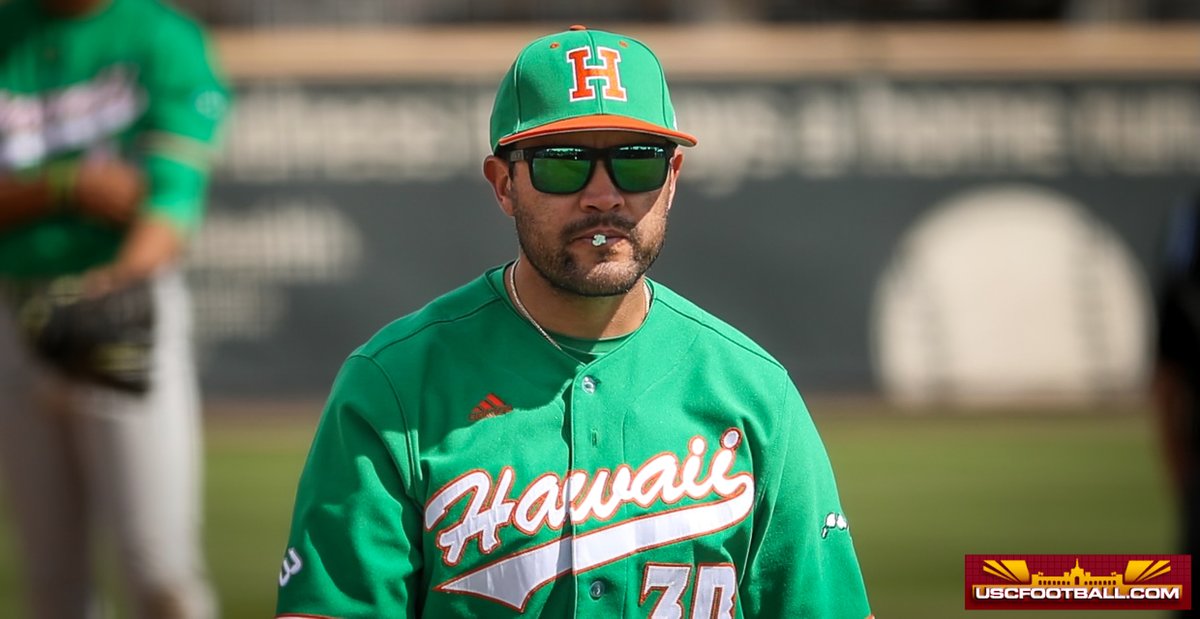
As great a hire as USC could have made to fill the vacancy created by Sean Allen.
Hawaii was one of just four Division I teams to rank among the top 20 nationally in ERA in each of the last three seasons (Zuniga’s entire UH tenure).

SOURCES: #USC baseball hiring rising star Keith Zuniga as new pitching coach
247sports.com/college/usc/ar…
1
8
110
16,468
2nd post, the Michigzn State AD job is in a much better position today than 2 years ago.
Purdue, Wisconsin, Michigan State. Some big time hires could happen.

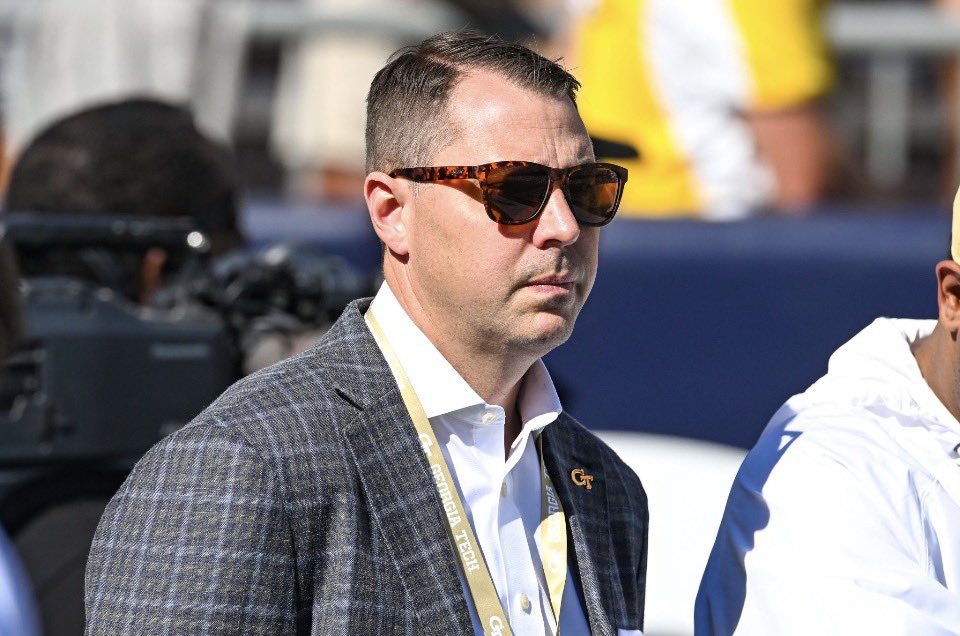
Sources: Michigan State AD J Batt has emerged as the target of Kentucky’s Athletic Director search. The deal is not finalized, but Kentucky is amid a strong push to bring Batt back to the SEC.
4
2
2,180
There was an article yesterday saying he was onboard with things at Michigan State.
SMH, lol. Happens in the business world too though.
Sources: Michigan State AD J Batt has emerged as the target of Kentucky’s Athletic Director search. The deal is not finalized, but Kentucky is amid a strong push to bring Batt back to the SEC.
2
1
1,551
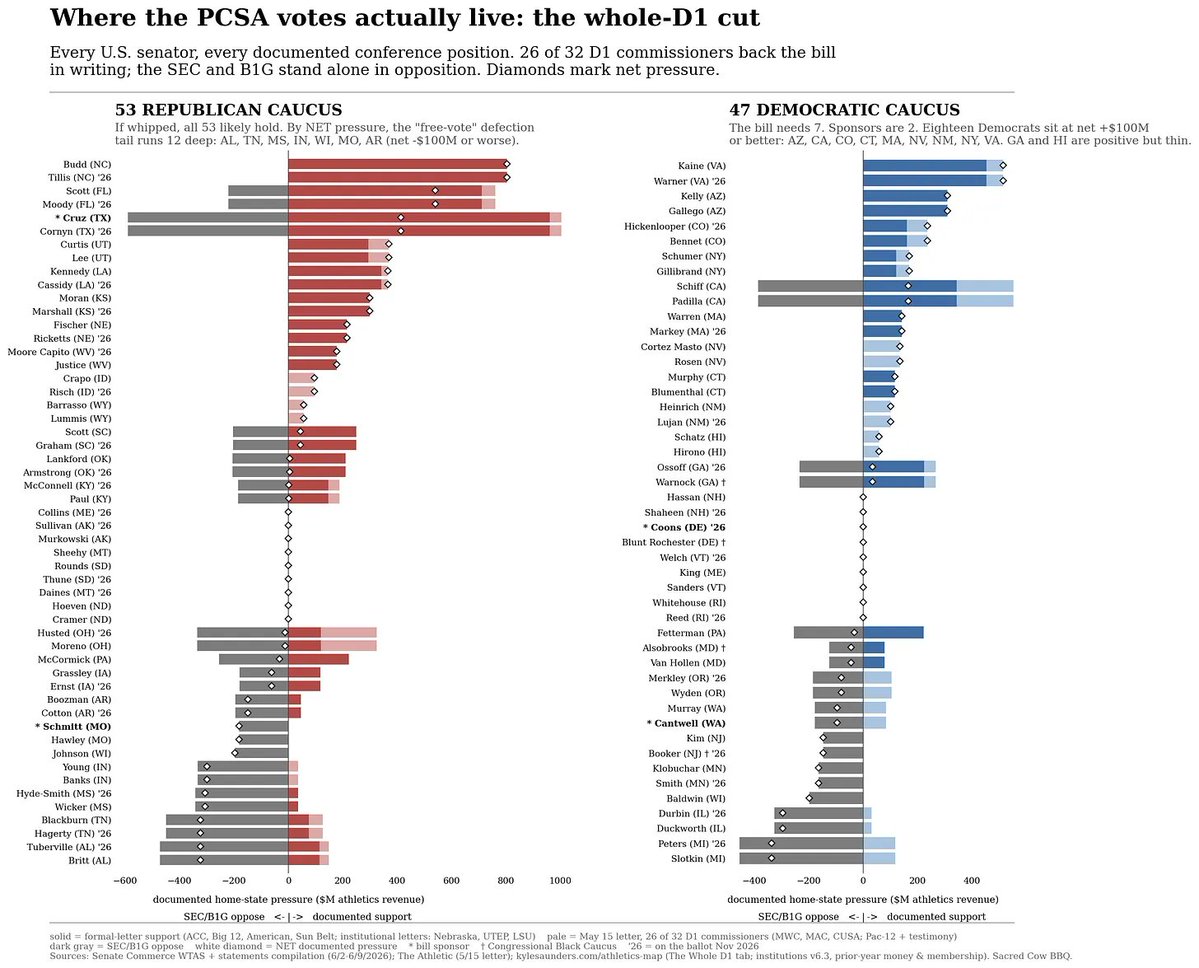
You all may recall i have mentioned many times the Big Ten and SEC view NIL and Rev share in different "lights." The SEC clearly is expressing that they are fully on board with clear caps and strict CSC control, while the Big Ten wants Bird Rights, uncapped, etc.
1
3
5
1,244
I am going to go back to this part of the bill after I am done eating dinner at a restaurant with the kids and do some more analysis on this.

The SEC also warns the postseason scheduling language could push it and the Big Ten to run intraconference postseason tournaments or play only non-pooling leagues, which would effectively replace the CFP.
They want to remove the football scheduling provisions entirely.
1
5
3,274
Folks might remember during the Florida State vs ACC lawsuit that sovereign immunity came up.
The big legal worry: sovereign immunity. The SEC says the bill’s private right of action could effectively waive it for public universities, and that restricting arbitration could void existing athlete deals. Sankey believes this will lead to MORE litigation, not less.
2
1,951
Yep. If regulation is forced on everyone, then it needs to involve the same rules for everyone
The SEC says the bill holds it and the Big Ten to a higher standard than everyone else. It says the feedback is “not about preserving dominance,” but it’s about fairness among all conferences.
4
1,808
In order to get the activation, yes.

It wouldn’t be the against B10 and SEC but rather the lawsuit would be against ND. If all 104 opt in then it’s 75.3%. If it’s only 103 then it’s 74.6%. I agree with you but the lawsuit mechanism I think would be focused at ND.
Also this is assuming ALL 104 choose to pool and I don’t think the ACC is fully behind the proposal.
Just IMO
@Genetics56 @DouglasTS
1
1,567