
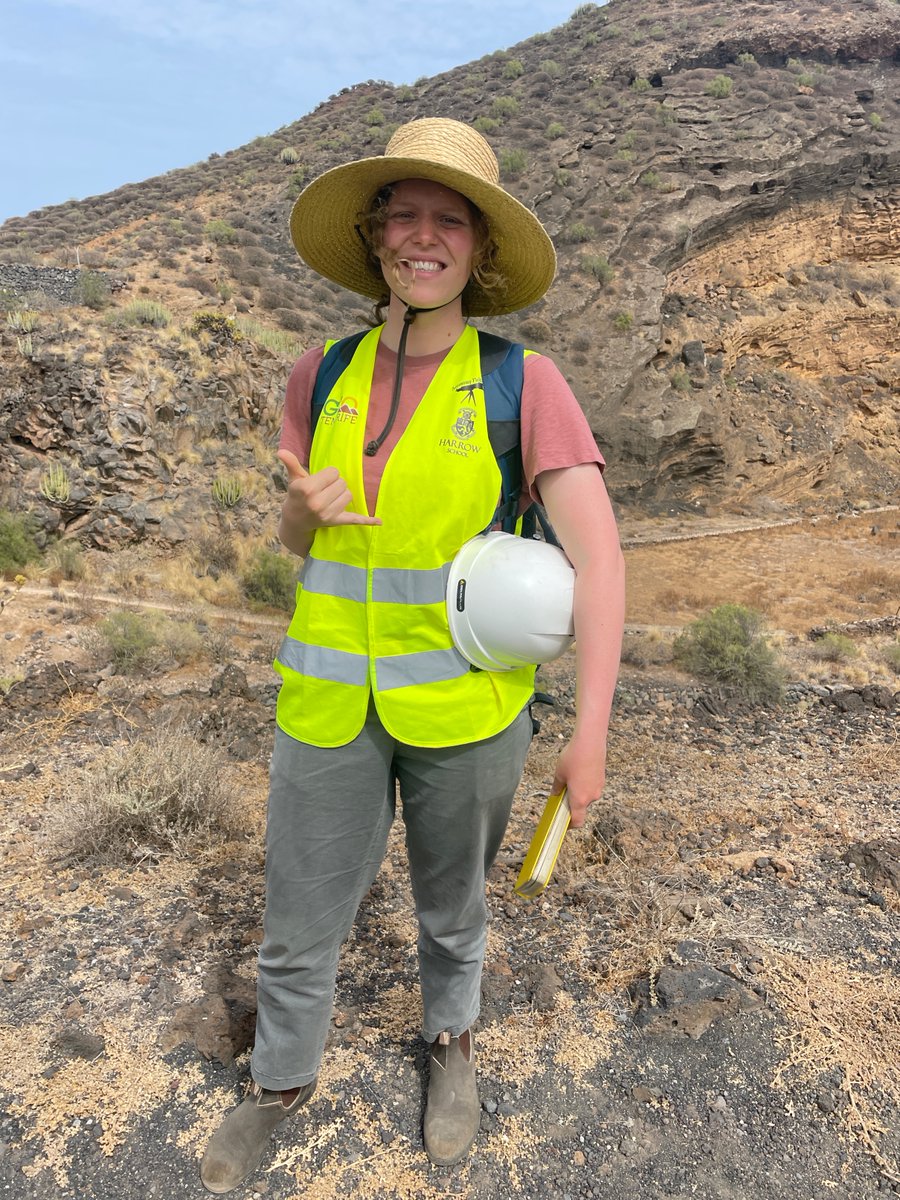
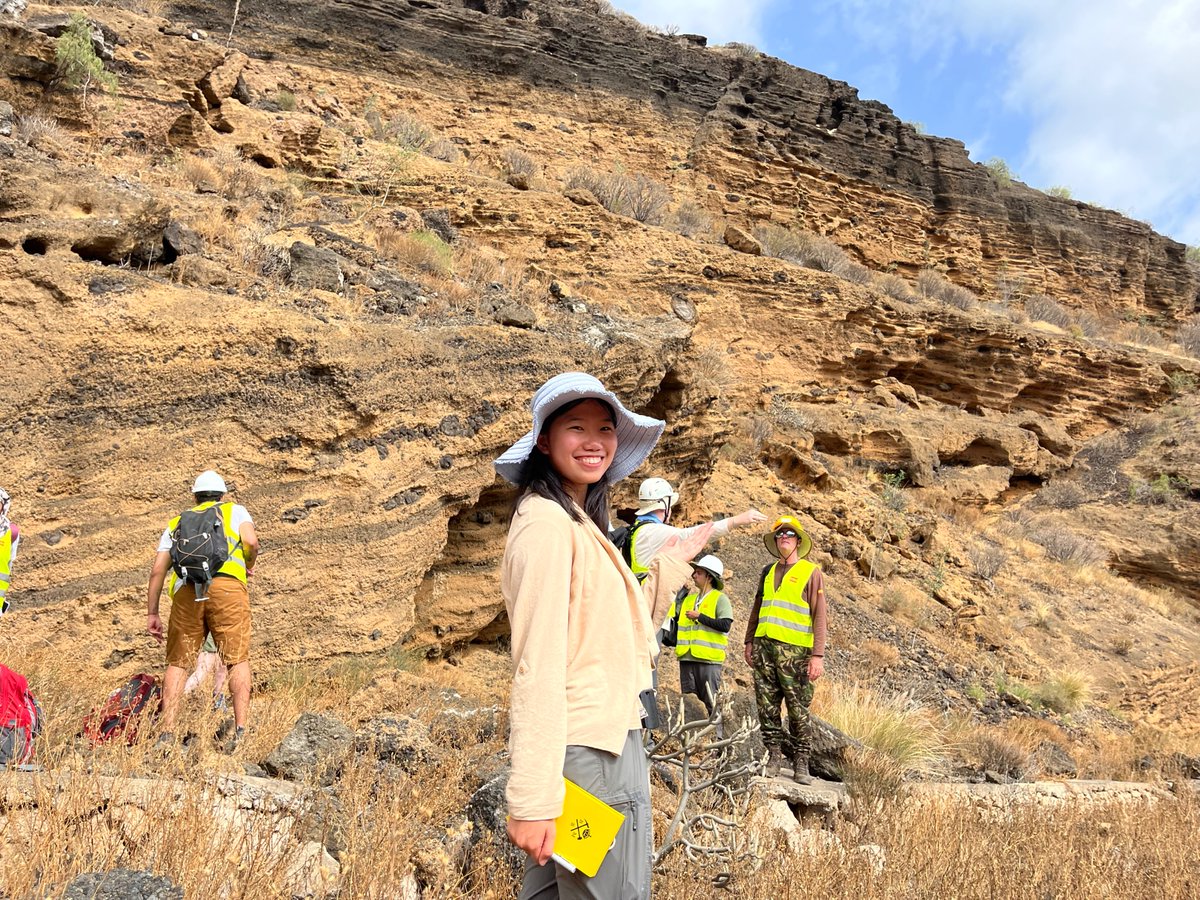
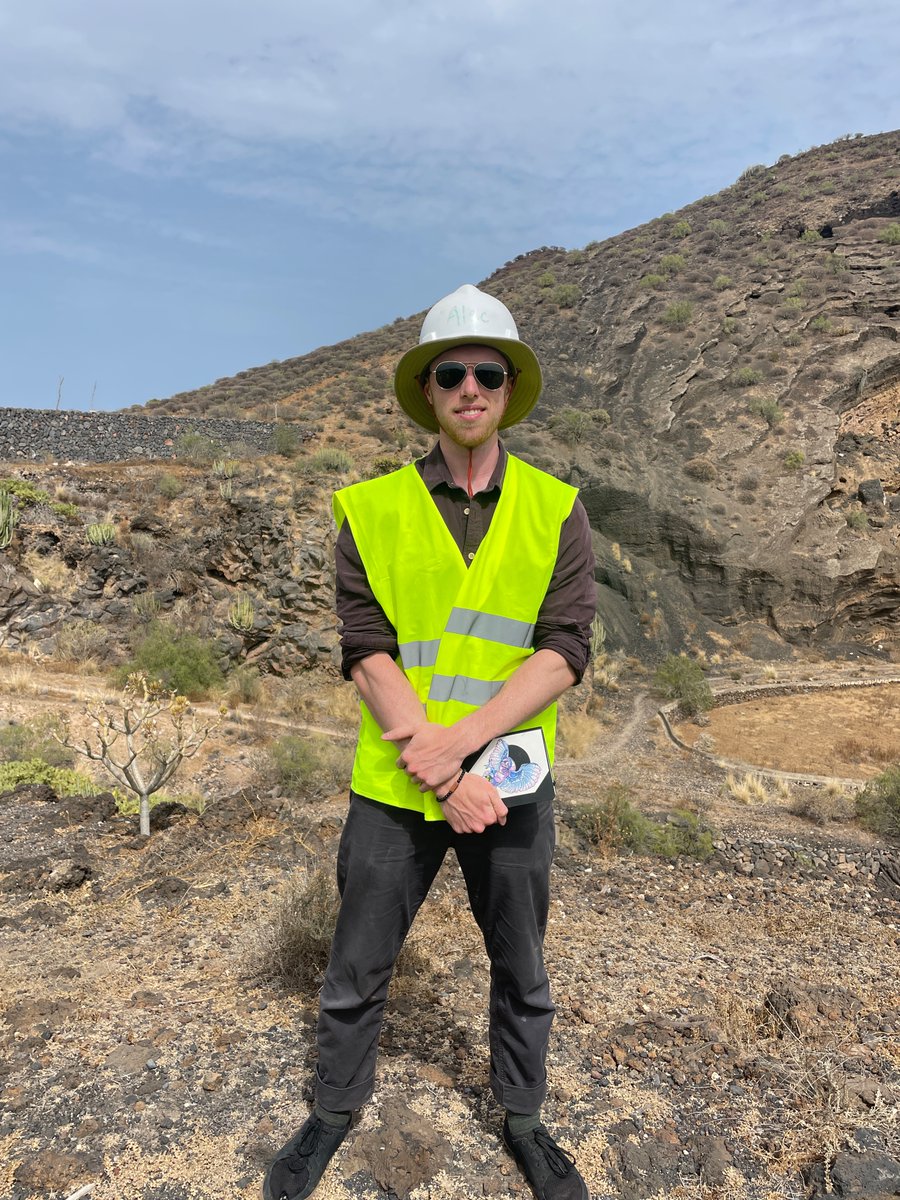
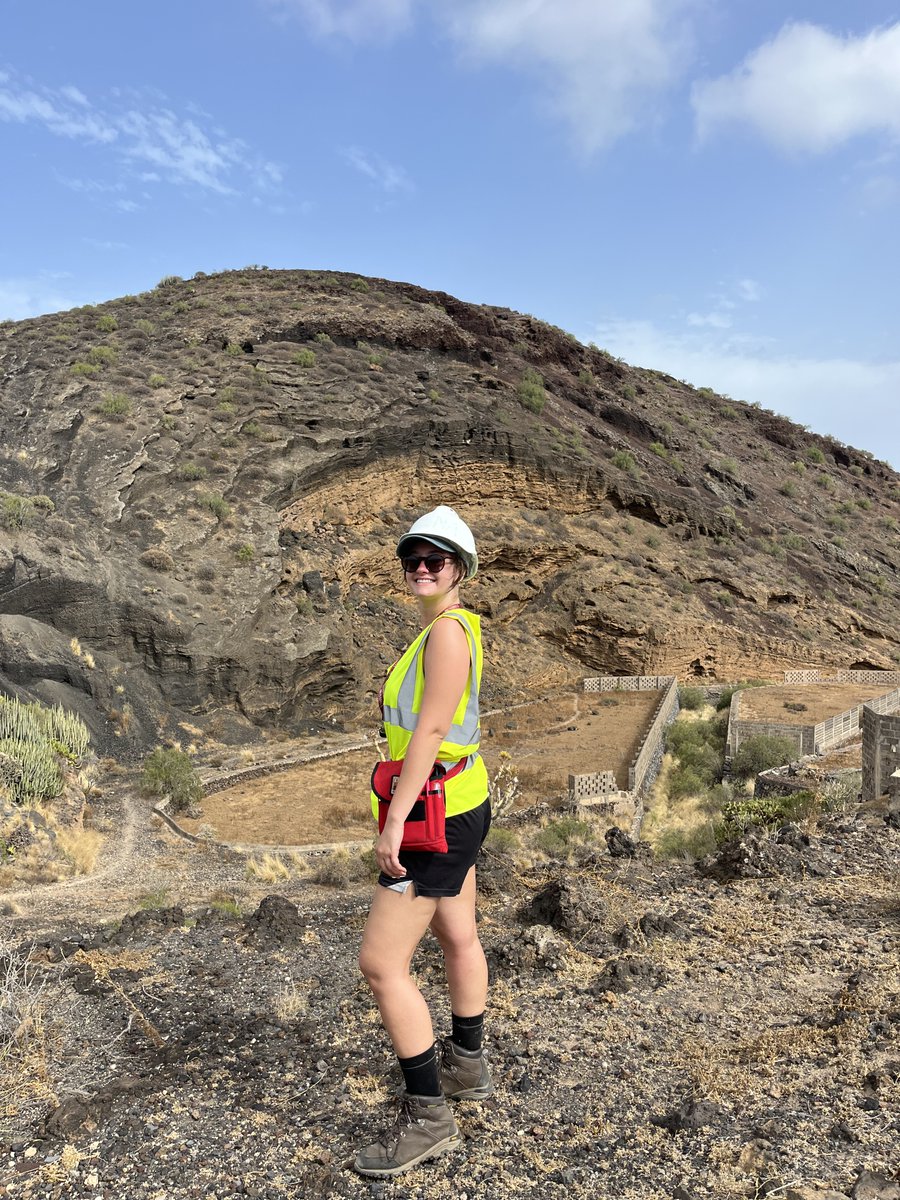
@GeoTenerife summer training programme in the Canary Islands with local, national international experts institutions. Equal access: @GeoTscholar. JULY 2024
Joined April 2017
- Tweets 2,642
- Following 1,242
- Followers 2,001
- Likes 3,562
111 Photos and videos

GeoTenerife Summer Programme retweeted

1 Apr 2025
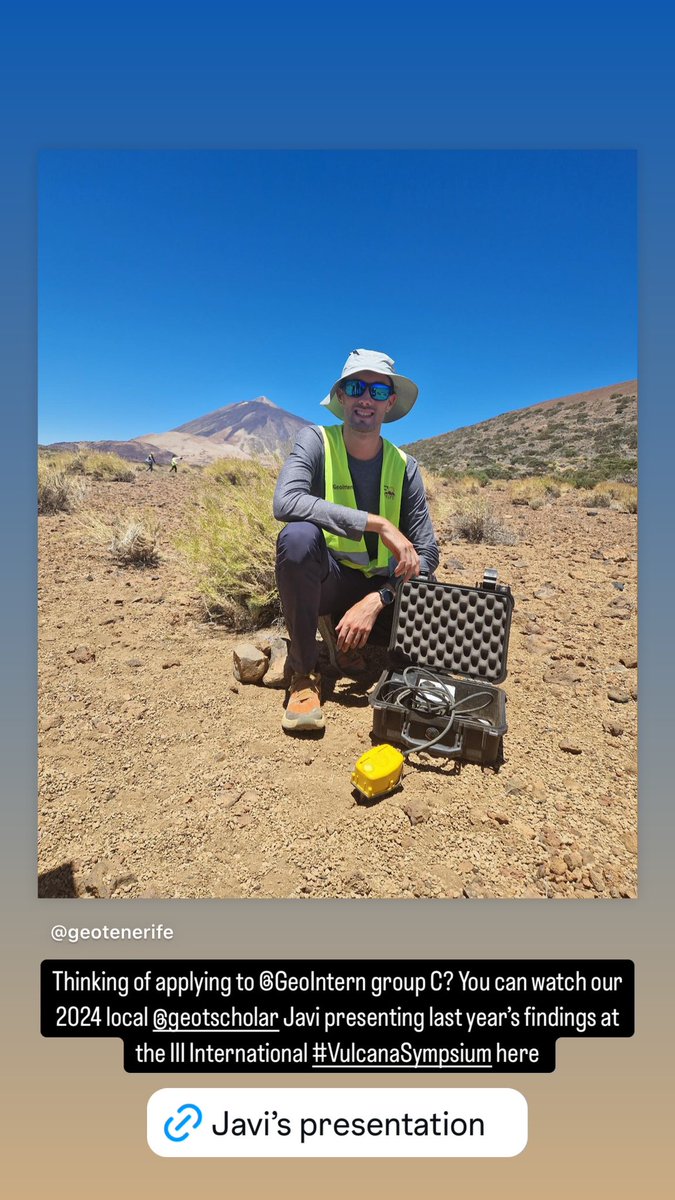
Nuevamente ofrecemos BECAS para estudiantes CANARIOS para el campamento de verano @GeoIntern en Tenerife y La Palma.
¿Quieres participar? ¡Anímate y solicítala!
#geología #volcanología #geografía #hidrología #comunicación
Ver: geotenerife.com/becas-geoint…
Y: geotenerife.com/geointern/
10
13
513
GeoTenerife Summer Programme retweeted

31 Mar 2025
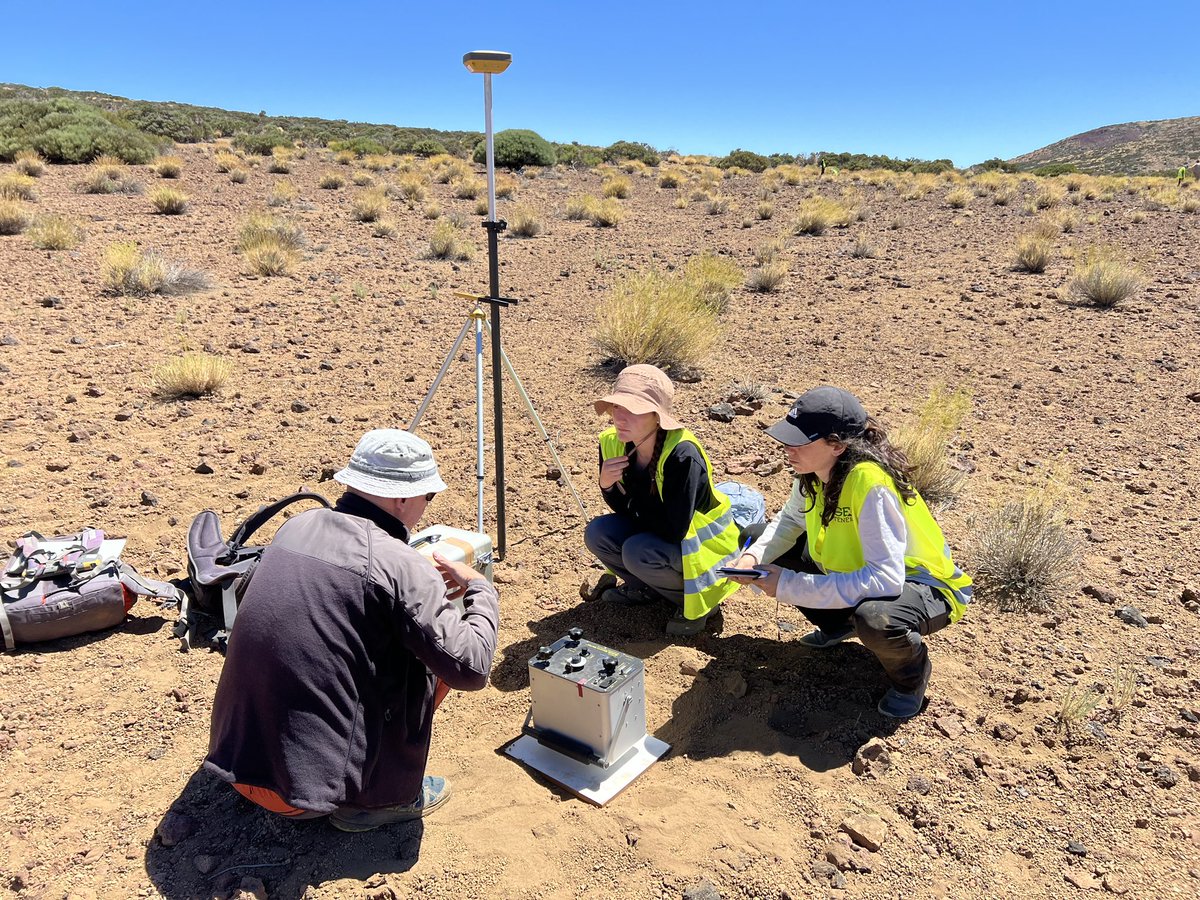
GeoIntern 2025 is OPEN for applications!
- 4 programmes
- 2 international and a local scholarship.
Summer training with field-based research, interdisciplinary collaboration and skill-building.
#volcanology #geology #geography #hydrology #SciComm
geotenerife.com/geointern/
20
21
935
GeoTenerife Summer Programme retweeted
31 Mar 2025
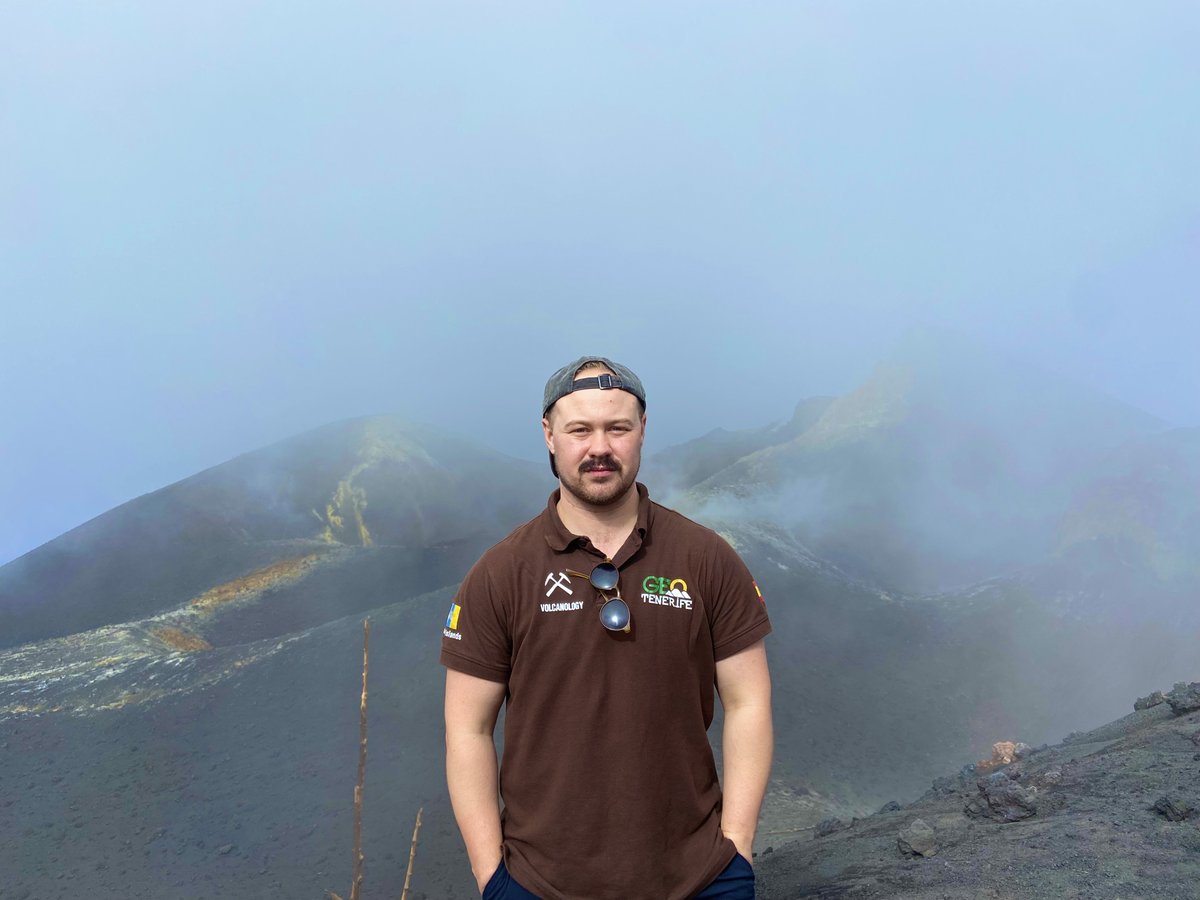
I had intended to apply for a PhD; but through the @GeoIntern programme I realised my true path in science was SciComm. I was hired by @Geotenerife as a science communicator, and I have been working on creating accessible tools and resources to promote science to the public.
1
3
3
152
GeoTenerife Summer Programme retweeted
31 Mar 2025
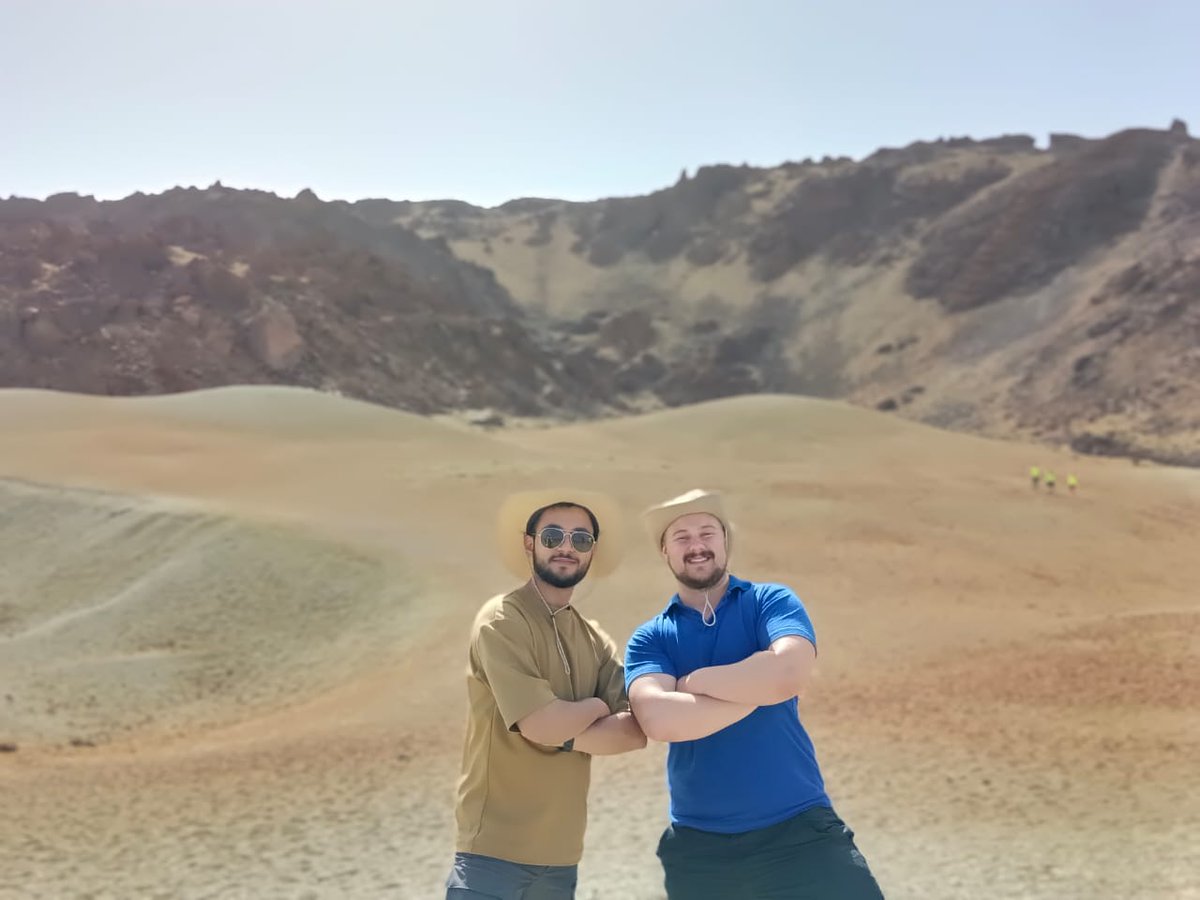
The @GeoIntern programme included field tips with experts, hands-on workshops and collaborative research. But my favourite was meeting amazing people I now call friends, like inspiring inventor @ParasharDivas, who is working on improving EV battery infrastructure in India.
1
2
4
597
GeoTenerife Summer Programme retweeted
31 Mar 2025
Applications for @GeoIntern are OPEN. geotenerife.com/geointern/
WHERE ARE THEY NOW? Ajay Wynne Jones
@AjayWynneJones (GeoIntern 2022) is now part of the GeoTenerife team!
See 🧵below.
#volcanology #geography #hydrology #Tenerife #LaPalma #CanaryIslands
1
9
11
408
GeoTenerife Summer Programme retweeted

Detrás de cualquier libro de geología canaria hay mucho trabajo duro de estudiantes y profesores como el E. Hamilton, @Ethan_H662 d @DurUniEarthSci o su tutor prof. R Brown @Earth_Sci_Richy Ethan participó en el viaje de @NUGeog a Tenerife y luego en @GeoIntern 2022 @GeoTenerife
9
10
323
GeoTenerife Summer Programme retweeted

9 Jul 2024
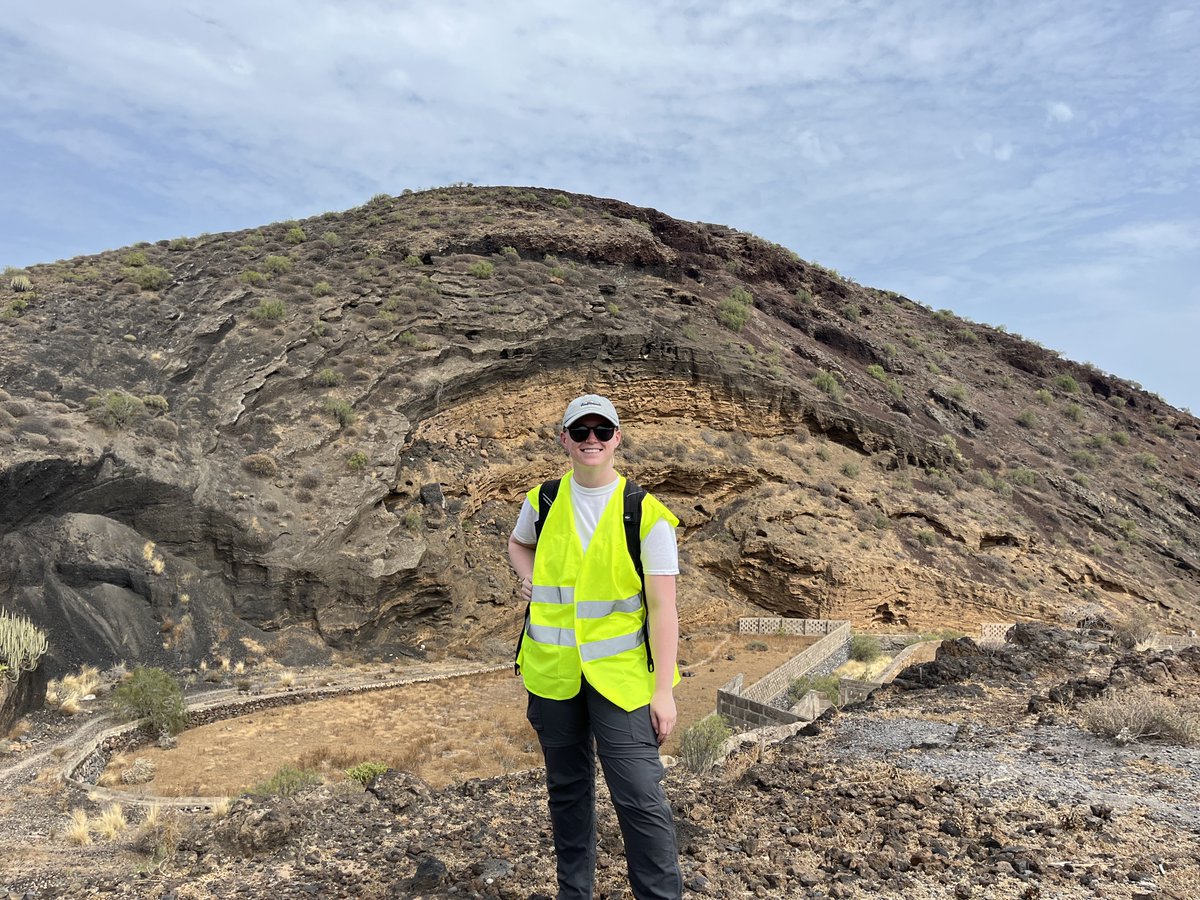
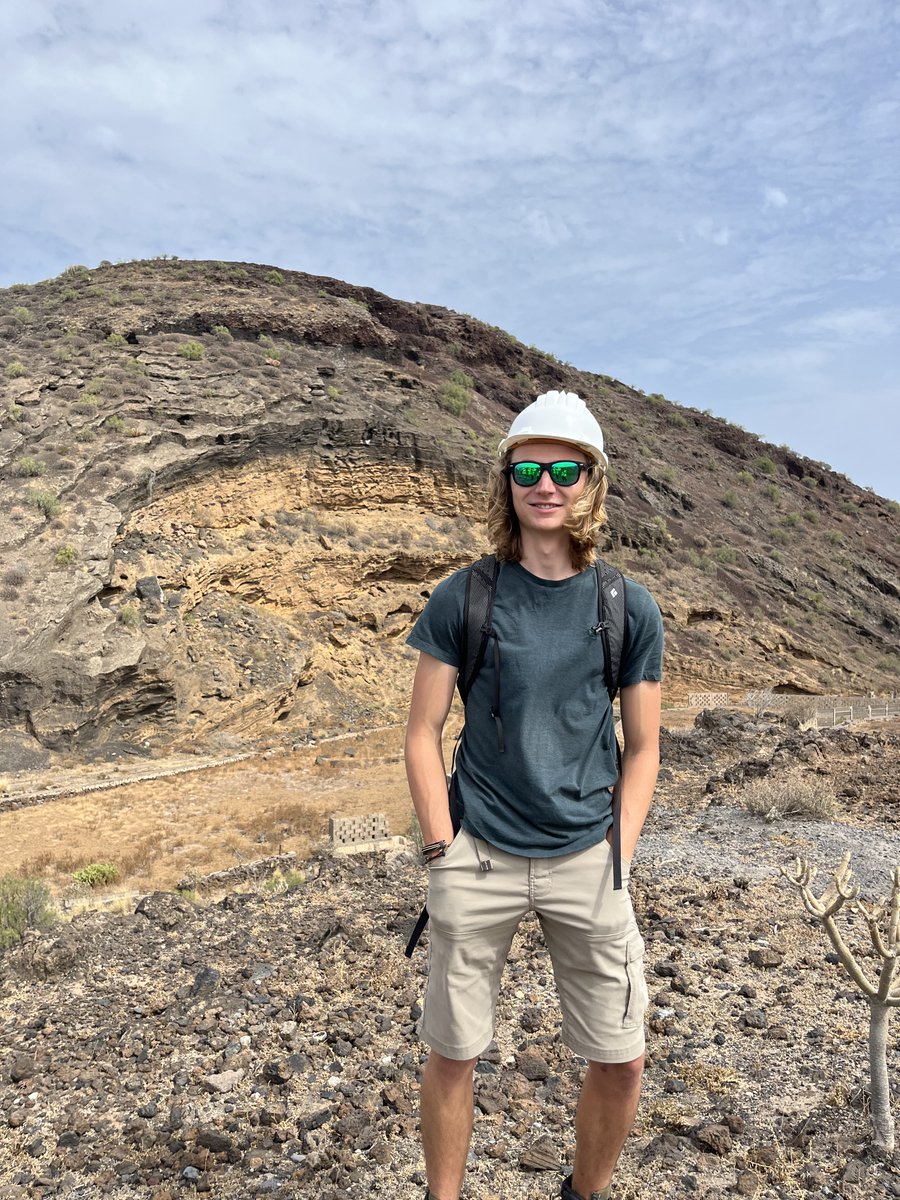
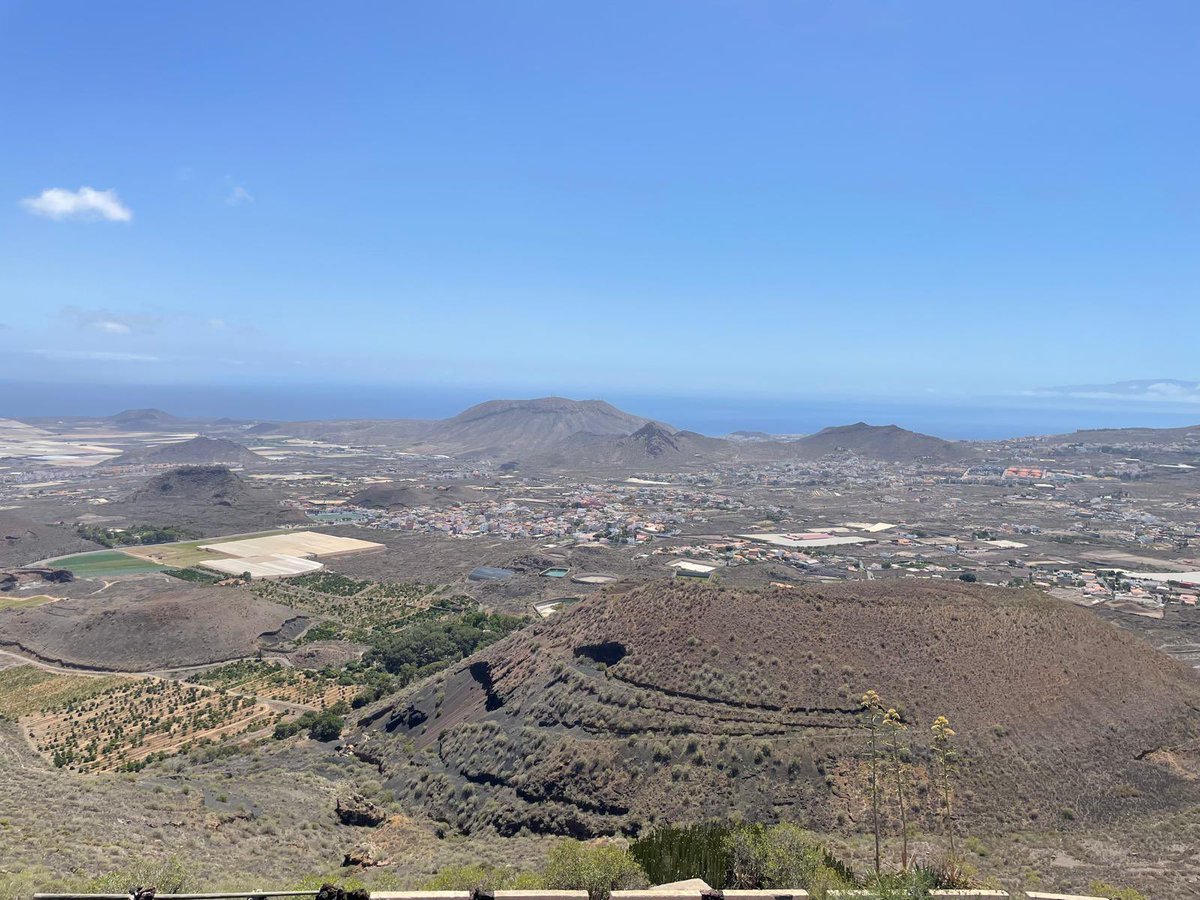
Last week with GeoIntern, we visited Mirador de La Centinela. From this high vantage point, we enjoyed breathtaking almost 360° views of southern Tenerife, just as the native Guanches once did to watch over their land and guard against pirates 🌊🗺️
#GeoIntern2024 #Tenerife
1
6
319
GeoTenerife Summer Programme retweeted
18 Jul 2024
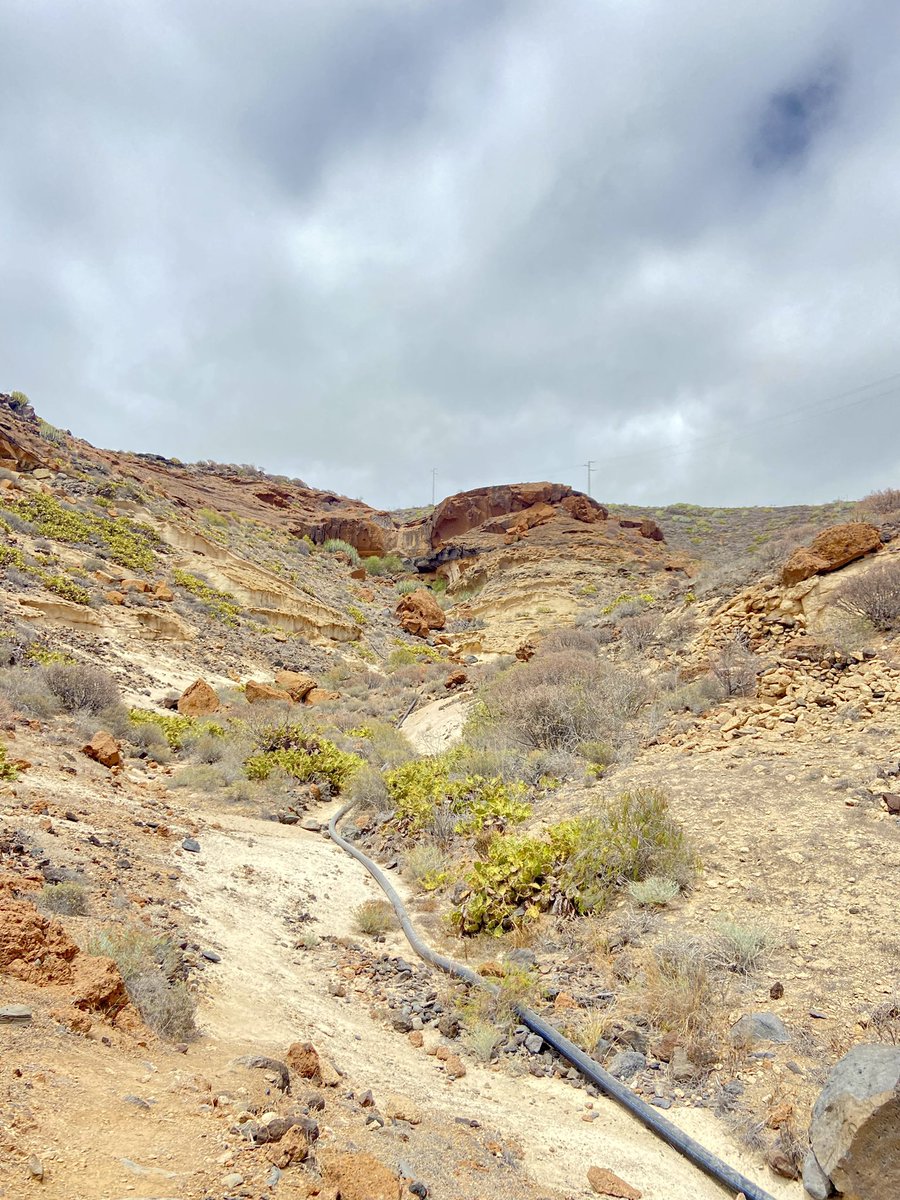
These past few days we’ve been taking quadrats (think like a frame you lay on the ground to visualize a section) to survey vegetation and learn about native, non-native and invasive species. We are navigating some rocky terrain but what a beautiful barranco!
1
5
278
GeoTenerife Summer Programme retweeted

3 Jul 2024
Hi, I’m Luis Padilla, an Environmental Engineering graduate with a passion for water and geological risk issues. 🌊🌋
Currently studying volcanology and sustainable tourism in Tenerife, Spain.🇮🇨
Follow me on my journey.
1
6
293
GeoTenerife Summer Programme retweeted
16 Jul 2024
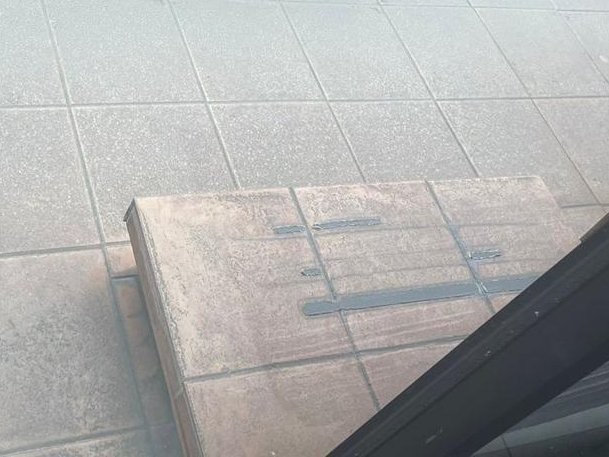
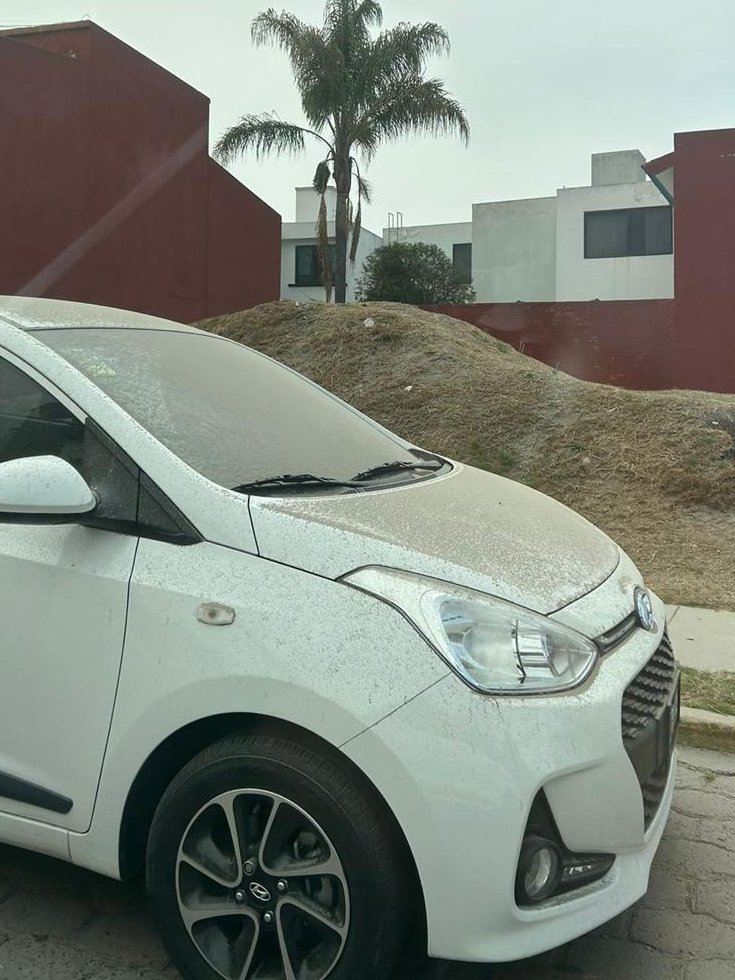
Volcanic ash is a common hazard related to volcanoes, made of tiny particles of rock, minerals, and volcanic glass expelled during eruptions. These photos show its impact in Puebla, Mexico, from Popocatépetl volcano.
3
7
363
GeoTenerife Summer Programme retweeted
11 Jul 2024
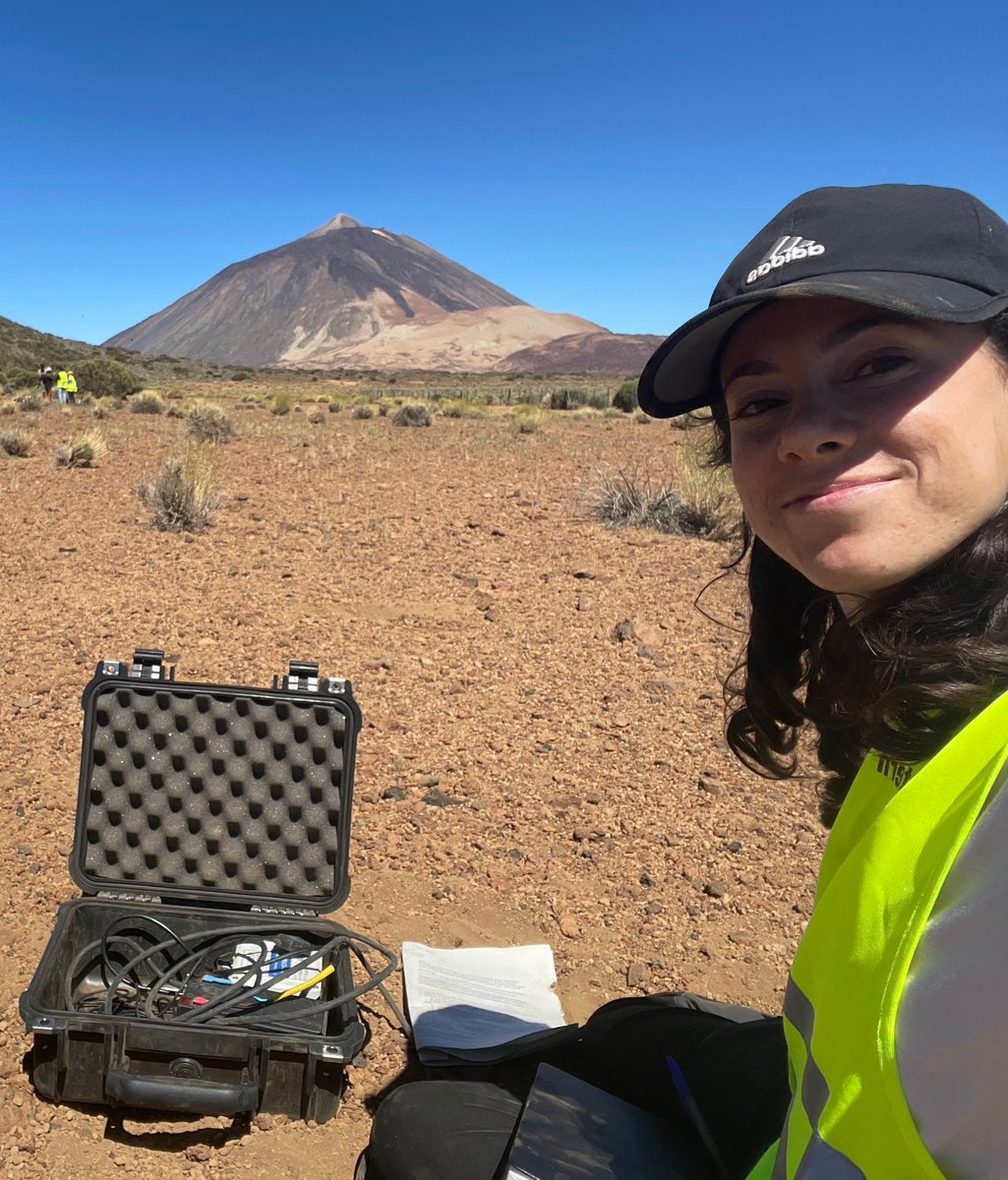
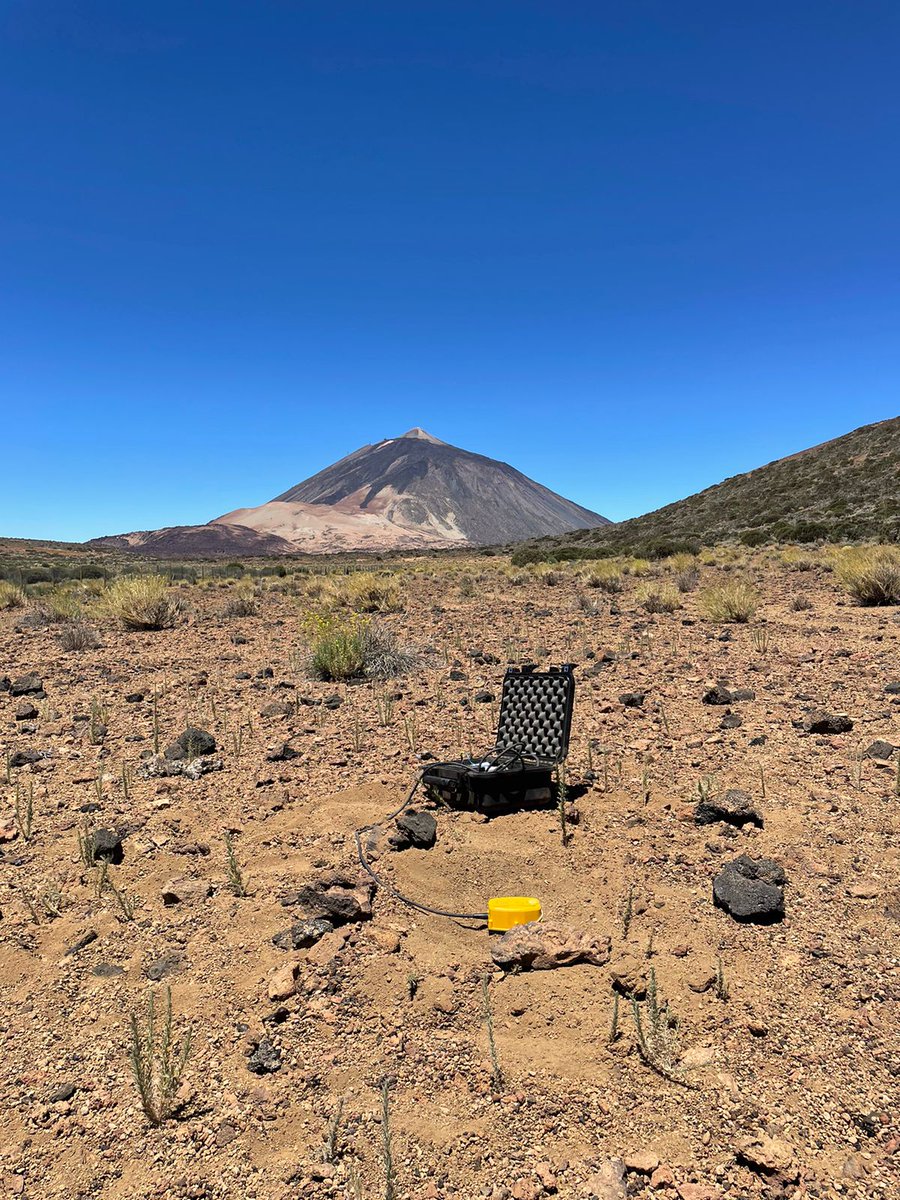
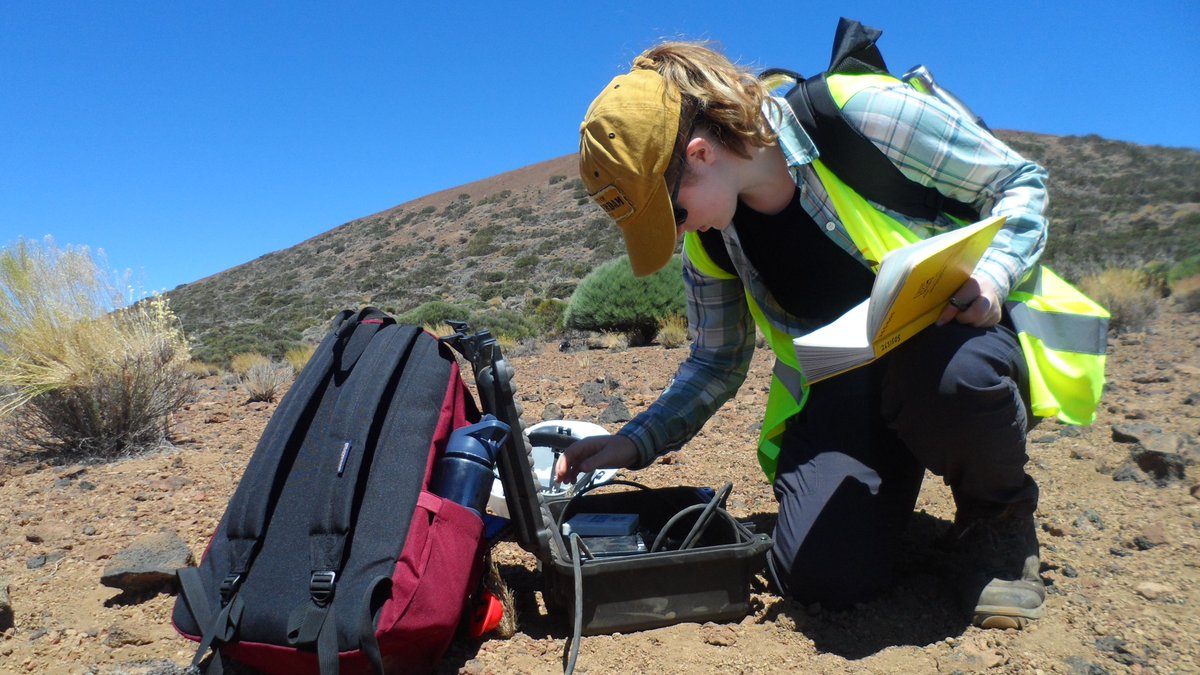
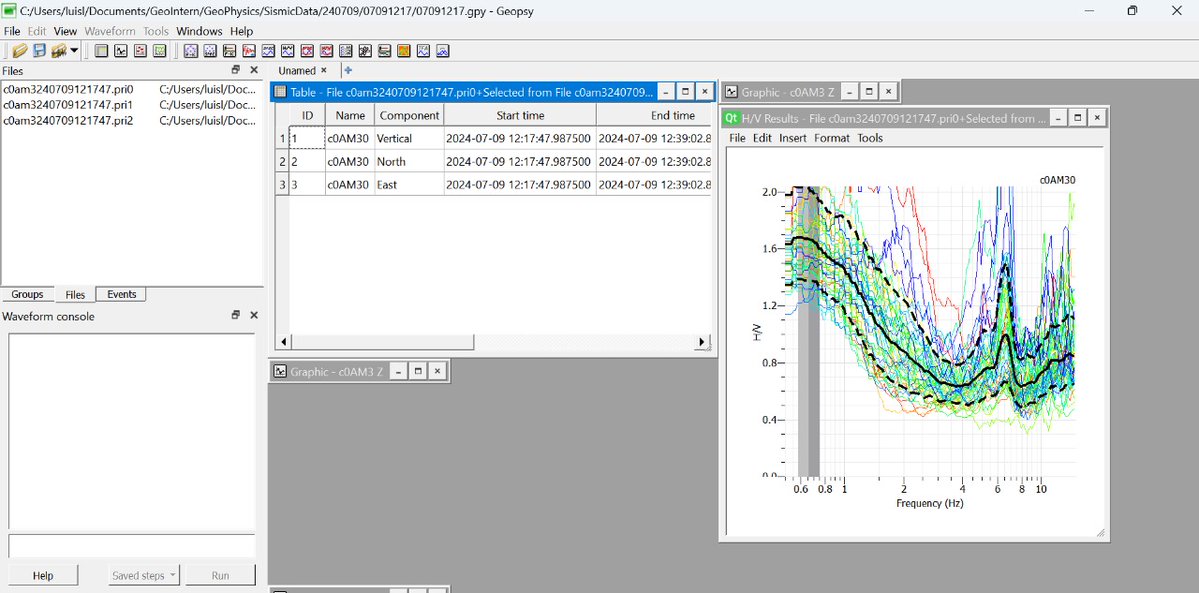
Not a bad view while working on micro-seismicity and gravimetric survey in collaboration with @CSIC . From on field sample collection to data analysis. My time as a geointern with @GeoTenerife has been both rewarding and insightful.
2
9
228
GeoTenerife Summer Programme retweeted
8 Jul 2024
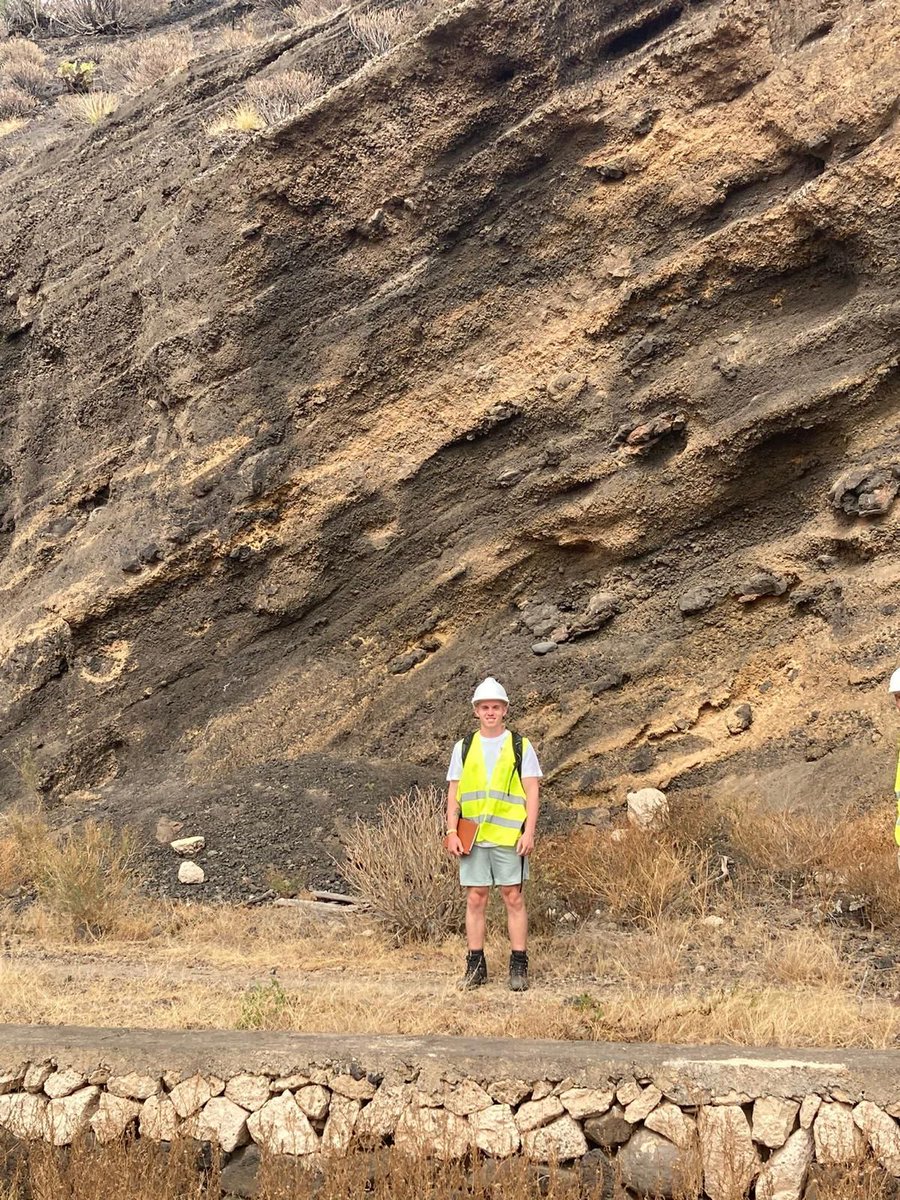
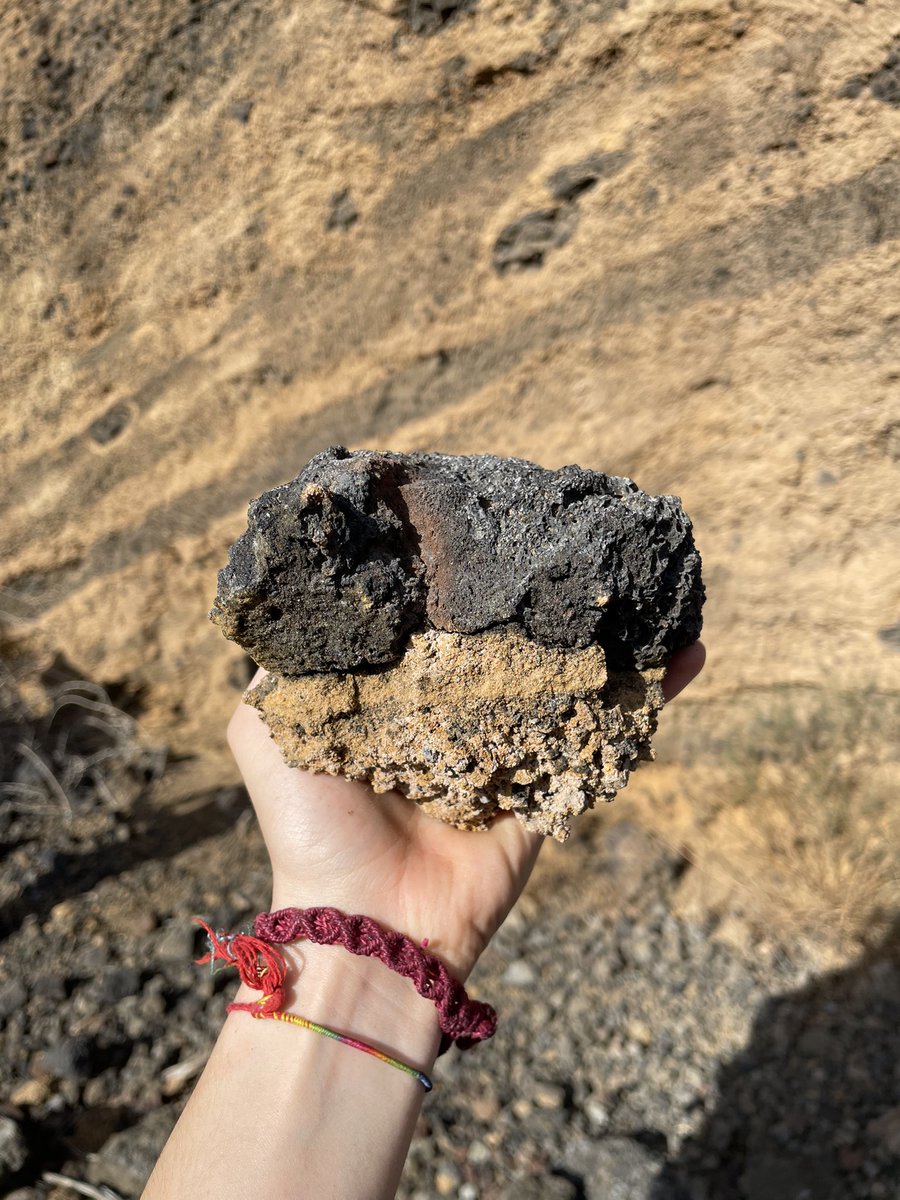
Ever wondered why volcanic rocks vary in color? In this eruption, we see three colors: grey from basaltic magma, yellow from magma's contact with water, and red from weathering caused by magmatic gases, mainly water vapor.
3
5
243
GeoTenerife Summer Programme retweeted
8 Jul 2024
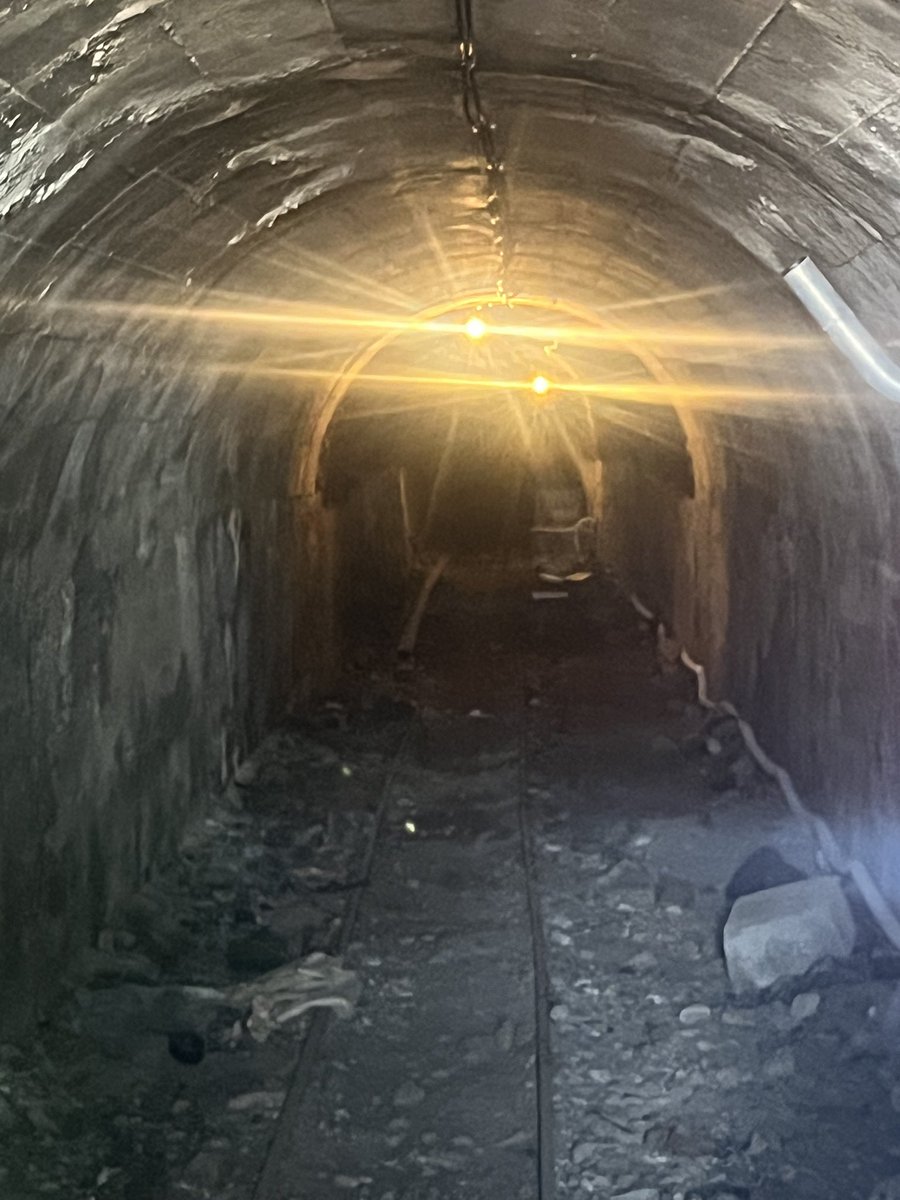
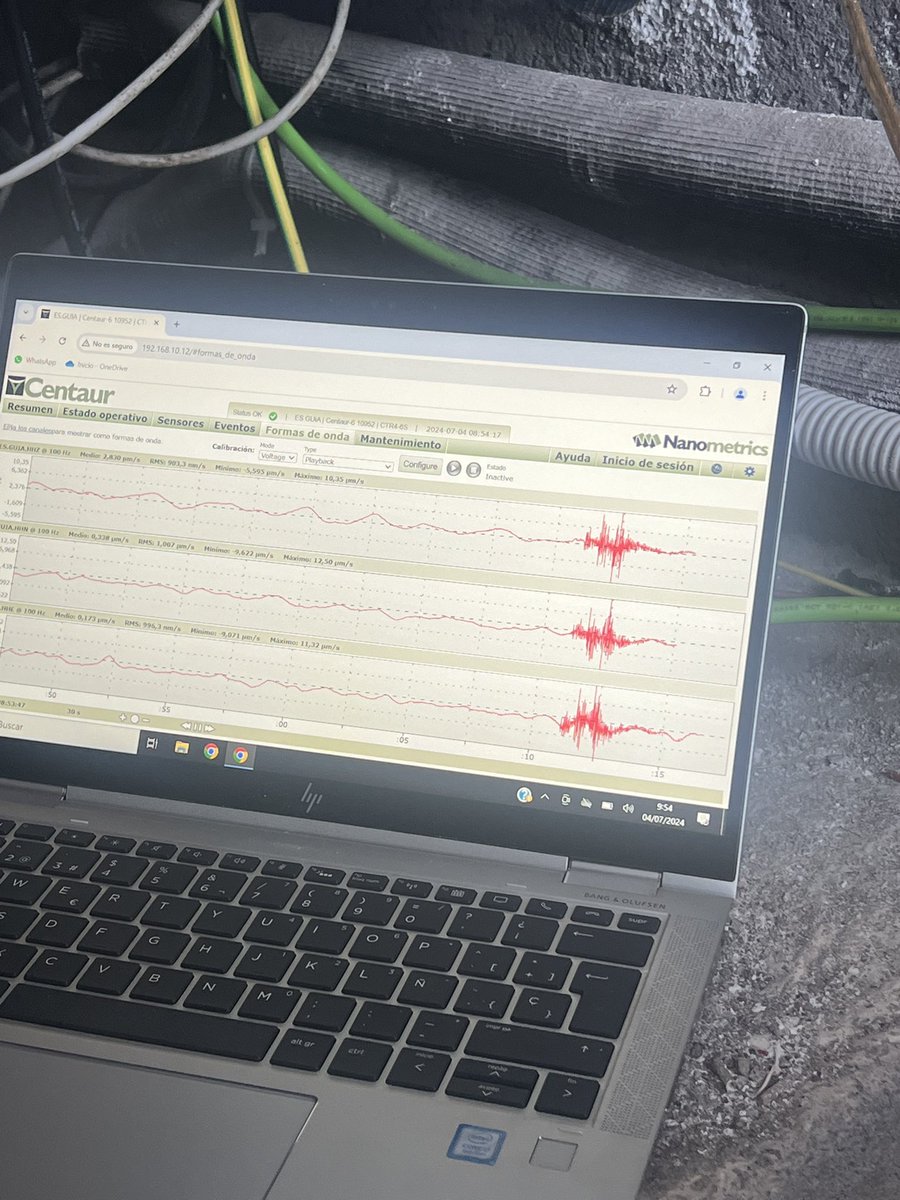
Seismic and tiltmeter monitoring. The equipment is stored in an old water gallery to protect it from temperature fluctuations.
1
2
168
GeoTenerife Summer Programme retweeted
4 Jul 2024
Heading today towards a volcanic monitoring station along side the Spanish National Geographic Institute. 🇮🇨🌋
Come along for the experience!
2
1
3
196
GeoTenerife Summer Programme retweeted
8 Jul 2024
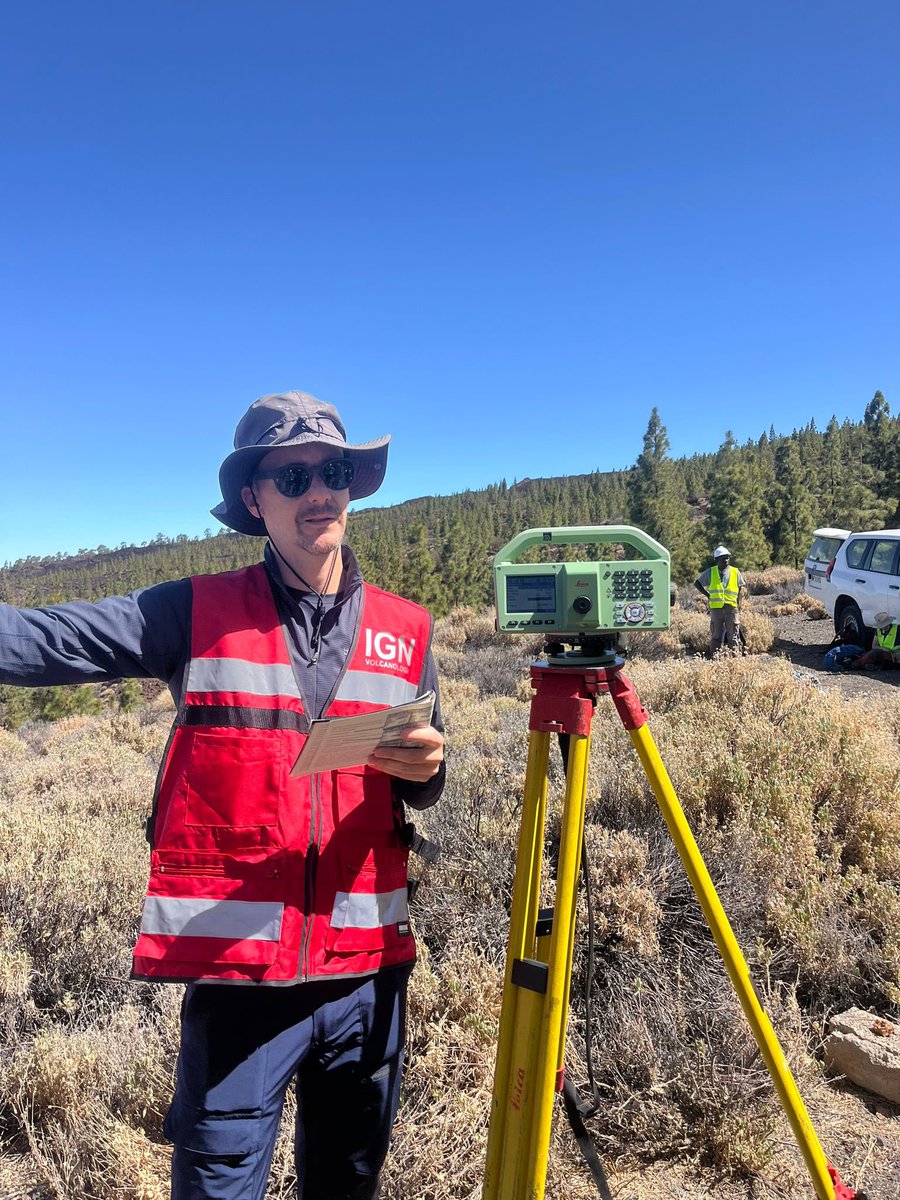
Ground deformation analysis using a laser-pointed level
1
2
158
GeoTenerife Summer Programme retweeted

17 Jul 2024
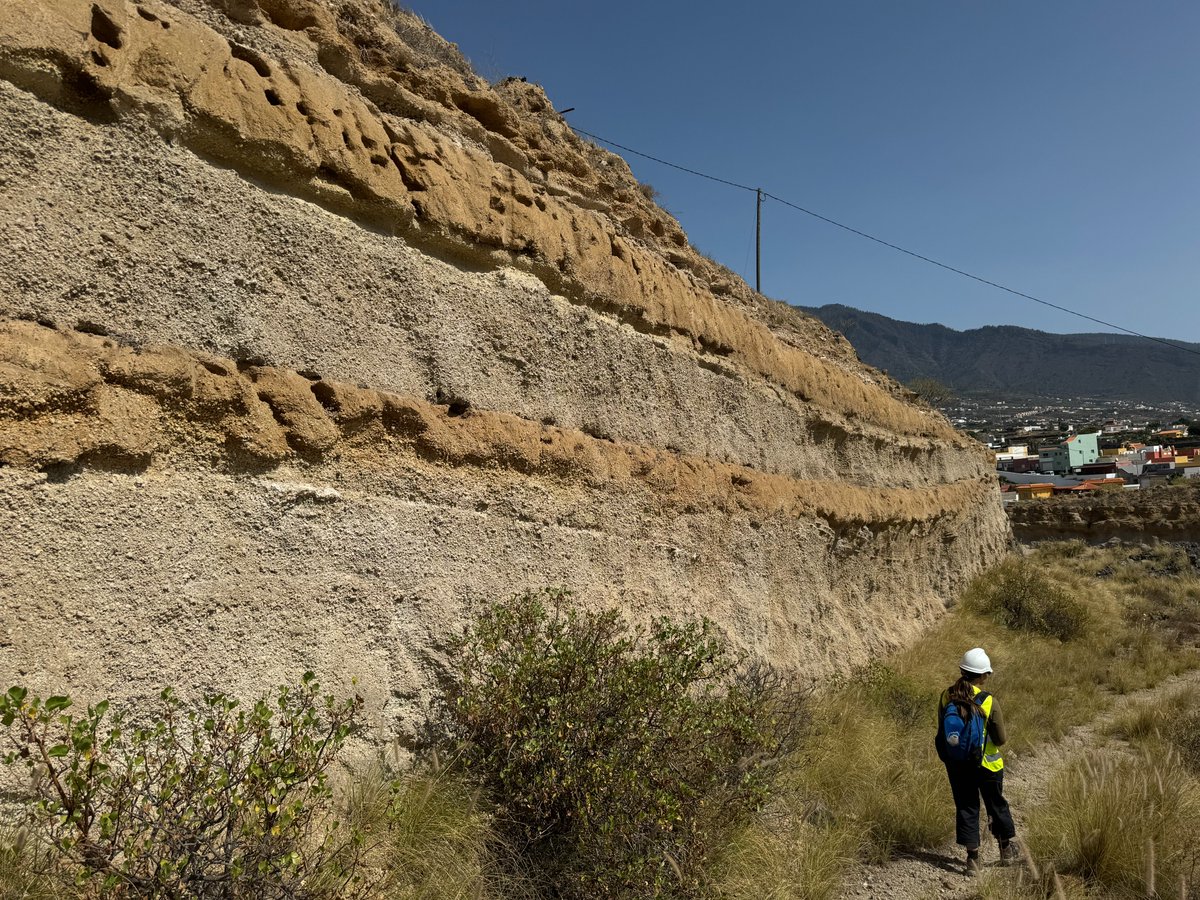
Day 2: Do the white pumice fall layers in the picture look the same? Actually, they are all different. Each pumice fall layer contains its distinct features (grain size, color, etc.), like its fingerprint. By looking into these features is how we identify different eruptions.
1
4
133
GeoTenerife Summer Programme retweeted

25 Jul 2024
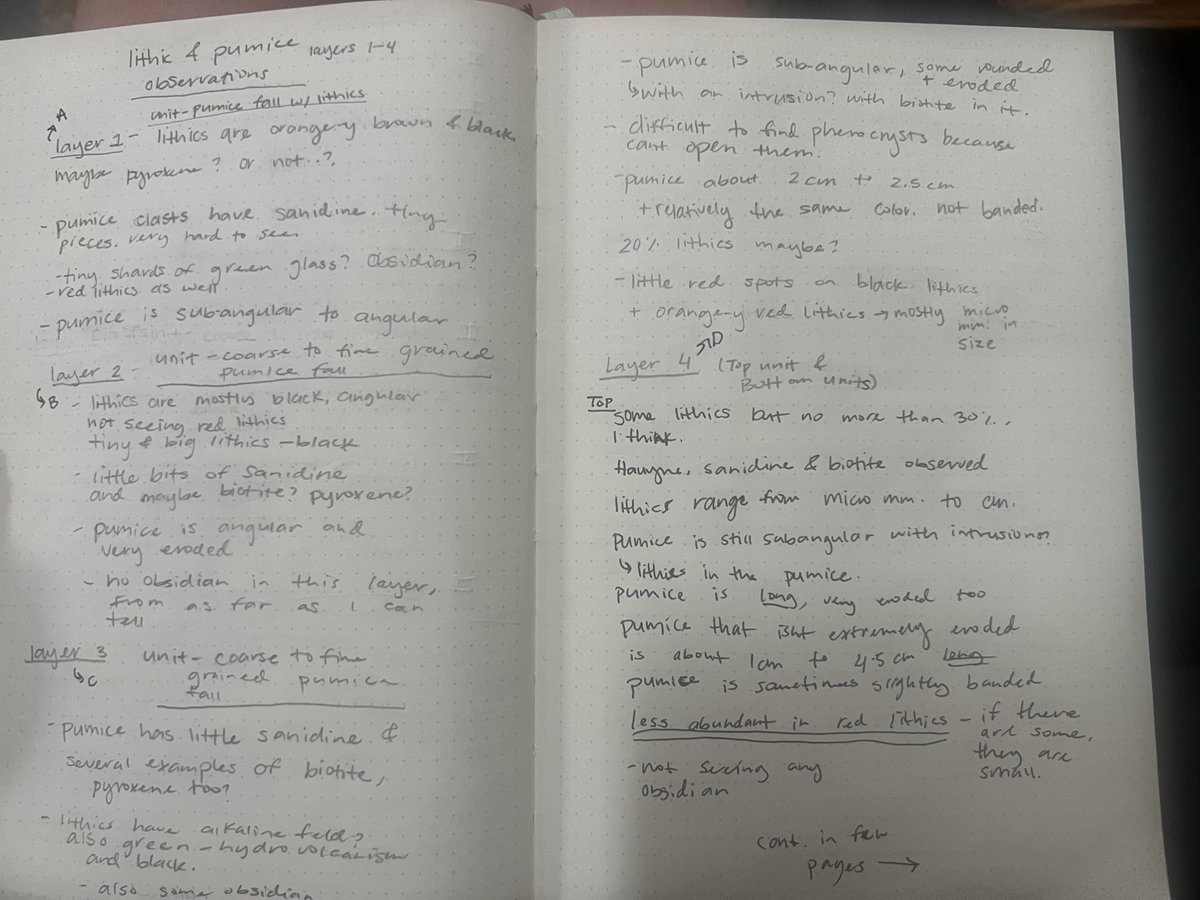
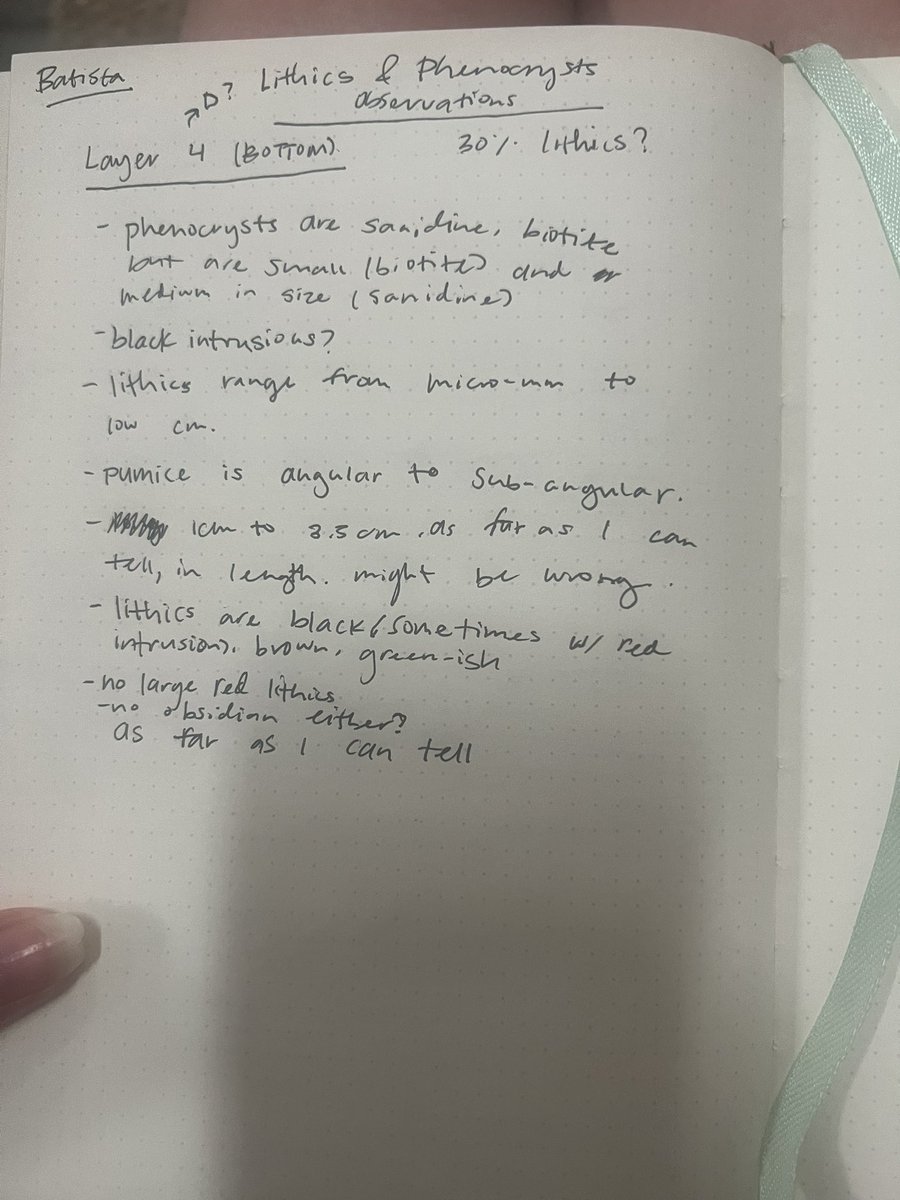
I always make sure to notate every detail I find as it can be very important for future research of an outcrop and it will help in correlating different outcrops throughout Tenerife.
1
2
130
GeoTenerife Summer Programme retweeted
25 Jul 2024
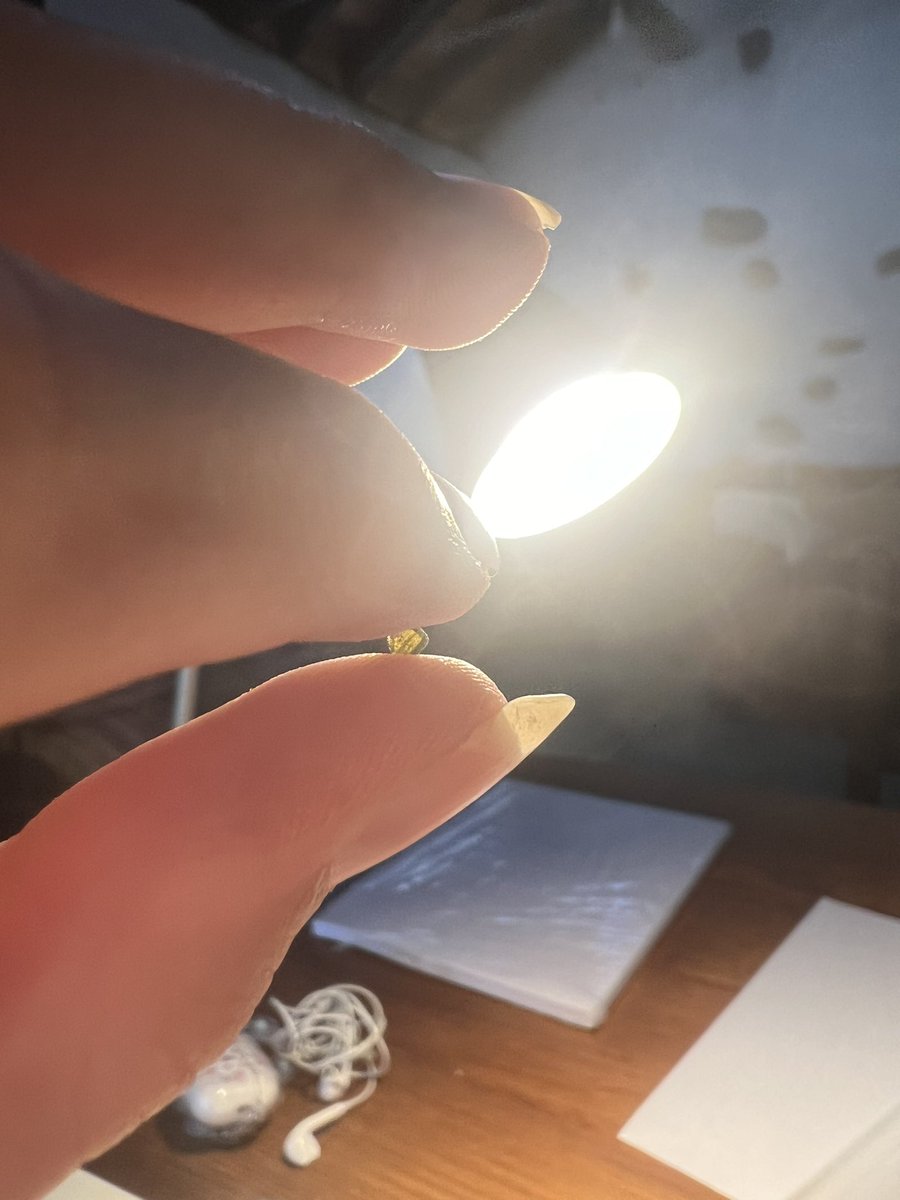
Here is a piece of obsidian I found in the lithic content in one of my Batista samples! The pieces of obsidian that I’ve found have all been very tiny and they are usually around the size of the one in the photo.
1
1
2
151
GeoTenerife Summer Programme retweeted
25 Jul 2024
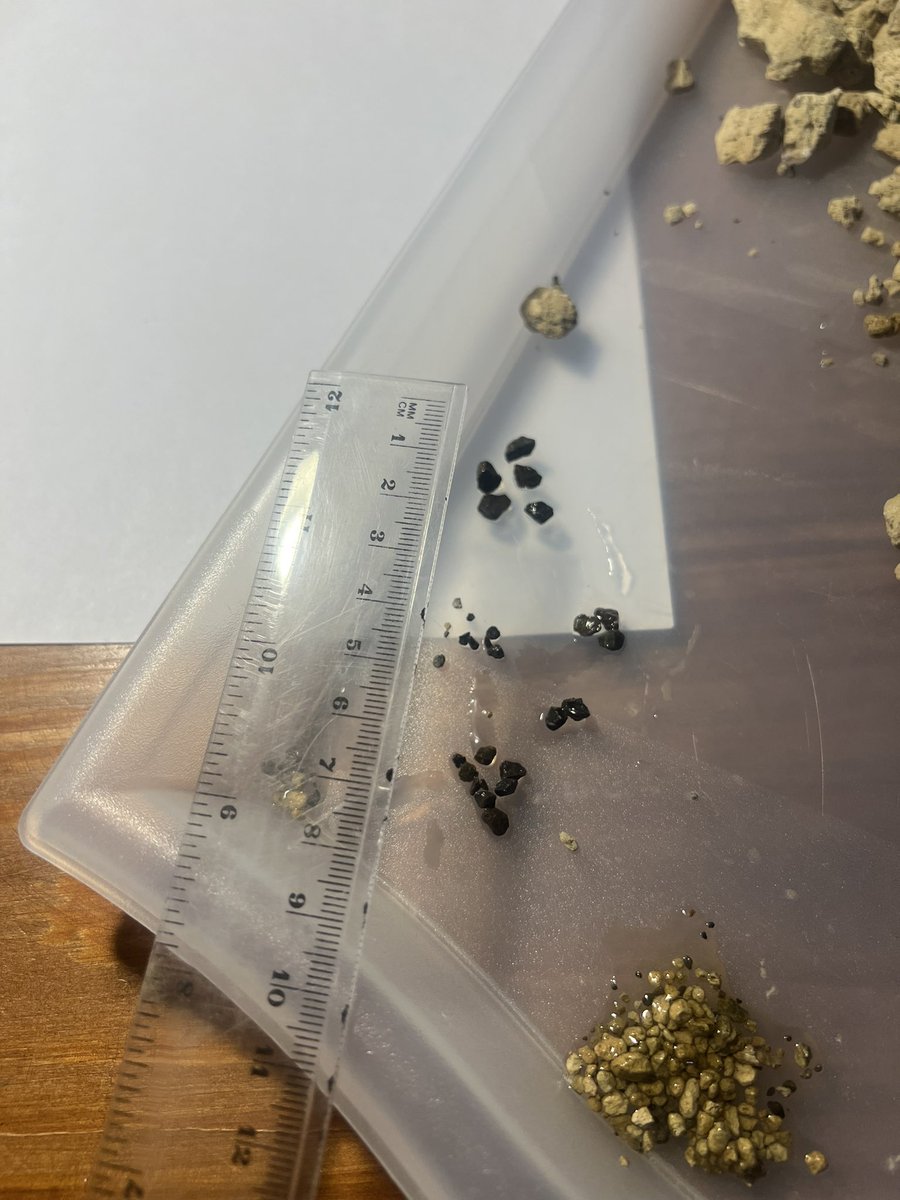
After that, I take a look at the the lithic content of my samples from every layer of the outcrops I visit so see if I can notice a difference throughout the layers. This further helps my group correlate eruptions throughout the coast all the way up to the Las Cañadas Caldera.
1
3
4
321
GeoTenerife Summer Programme retweeted
25 Jul 2024
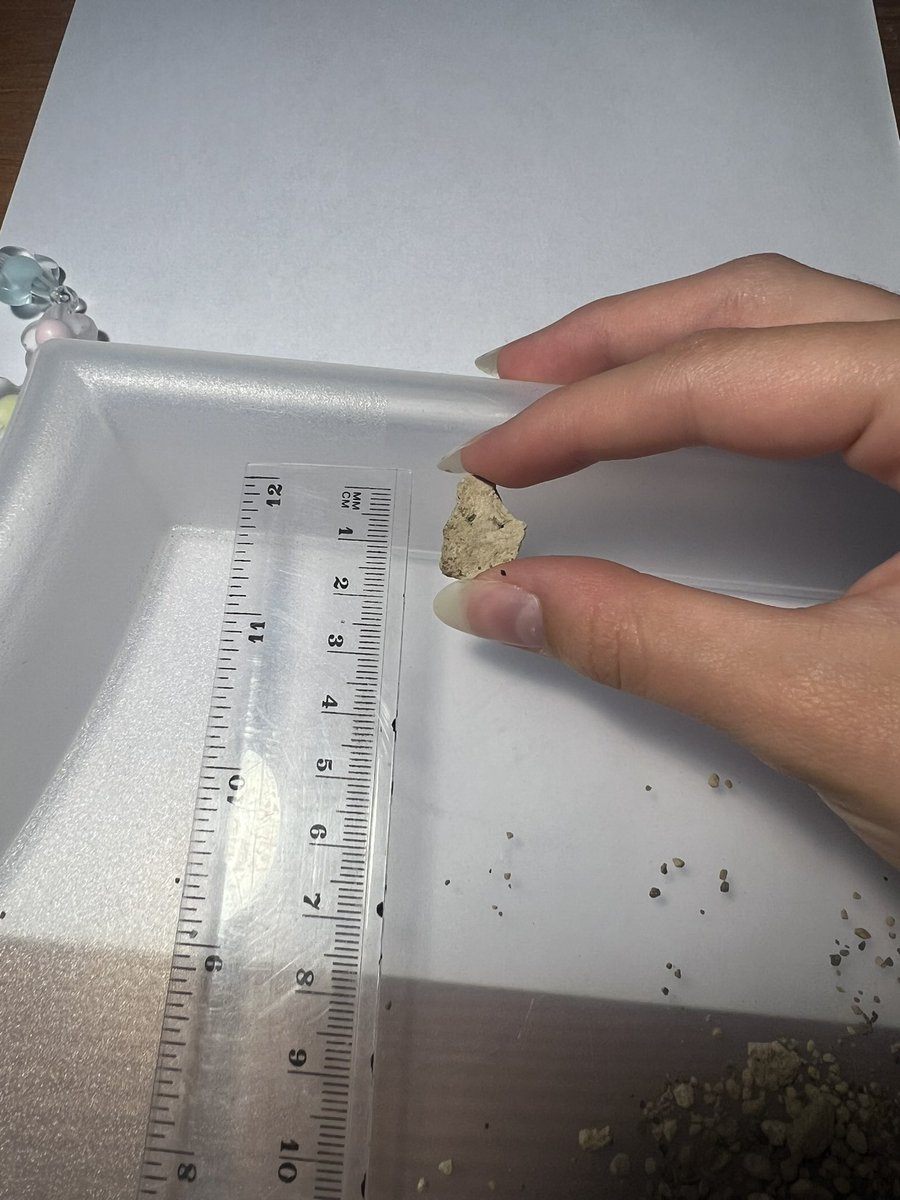
After I collect samples at an outcrop, I look at the individual pieces of pumice to see if I can identify the phenocrysts inside. I also make sure to measure the pieces of pumice and describe them in great detail. @GeoTenerife #scicomm #mineralogy
1
2
4
247