cuenta dedicada a promocionar los resultados del grupo GeoGebra de la UCPEJV y la creación de otros investigadores y grupos nacionales e internacionales
Joined January 2021
- Tweets 1,552
- Following 165
- Followers 161
- Likes 4,561
40 Photos and videos



GeoGebra Varona retweeted

May 27
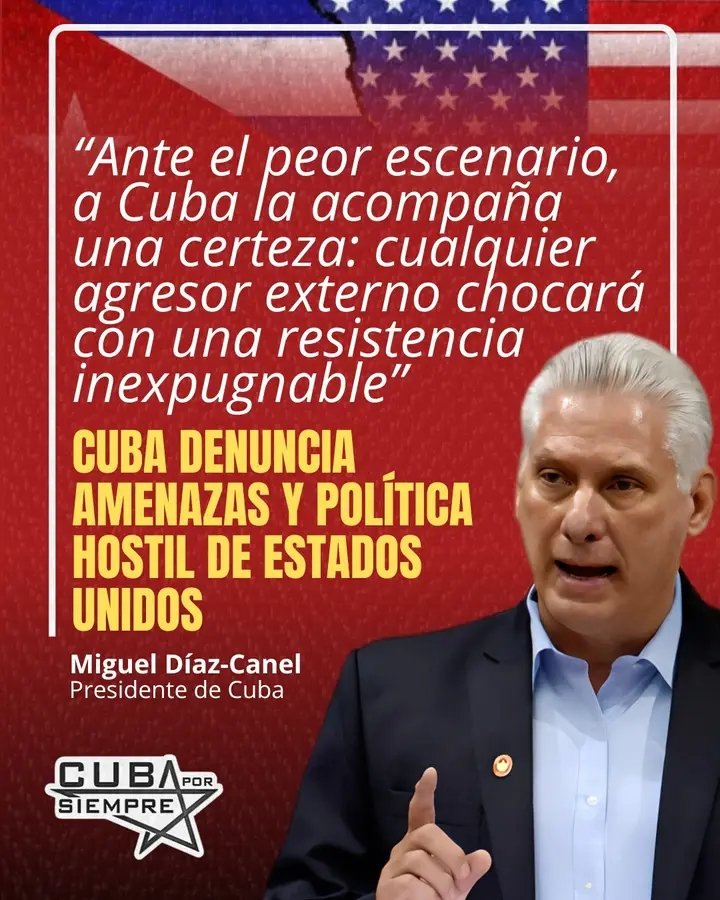
Mientras Cuba busca vencer el cáncer, el gobierno de EE.UU. busca destruir Cuba.
Mi país 🇨🇺 ha presentado el candidato a vacuna #HEBERSaVax, una inmunoterapia única en el mundo, contra los tumores malignos. Este producto corta el suministro sanguíneo al tumor y activa la respuesta inmunitaria

725
6,477
9,612
110,863

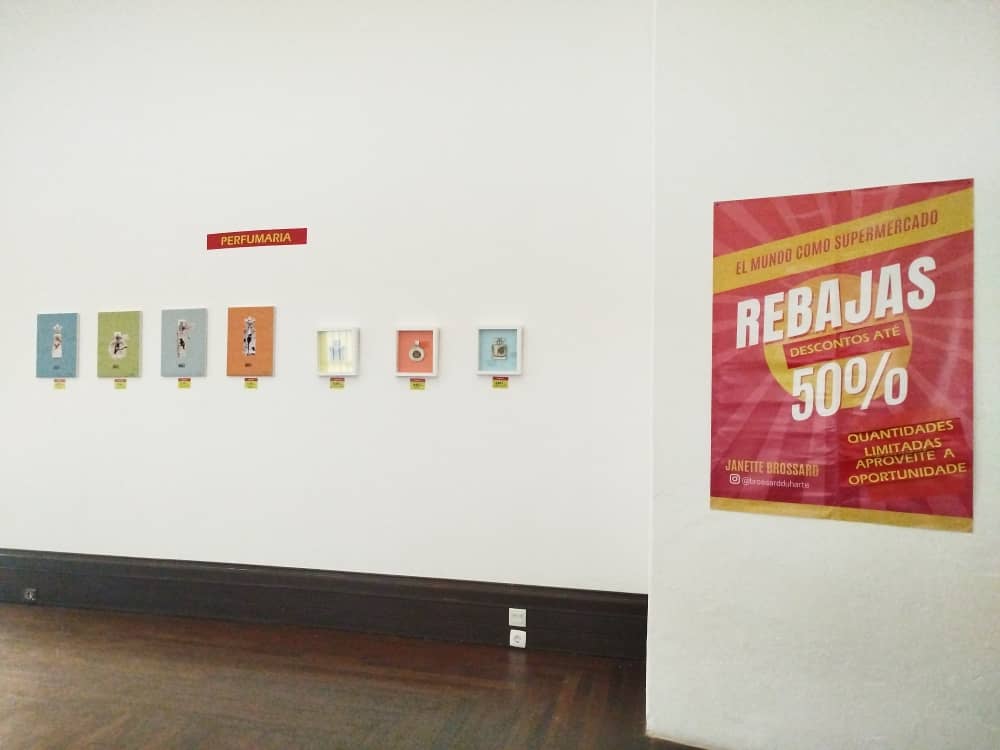
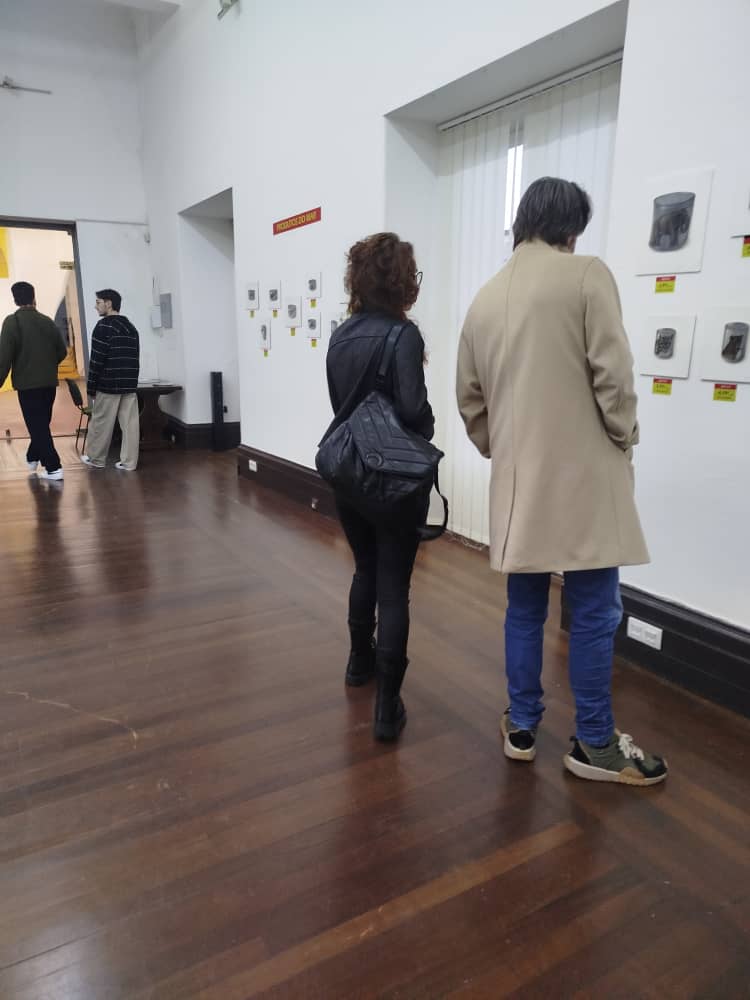
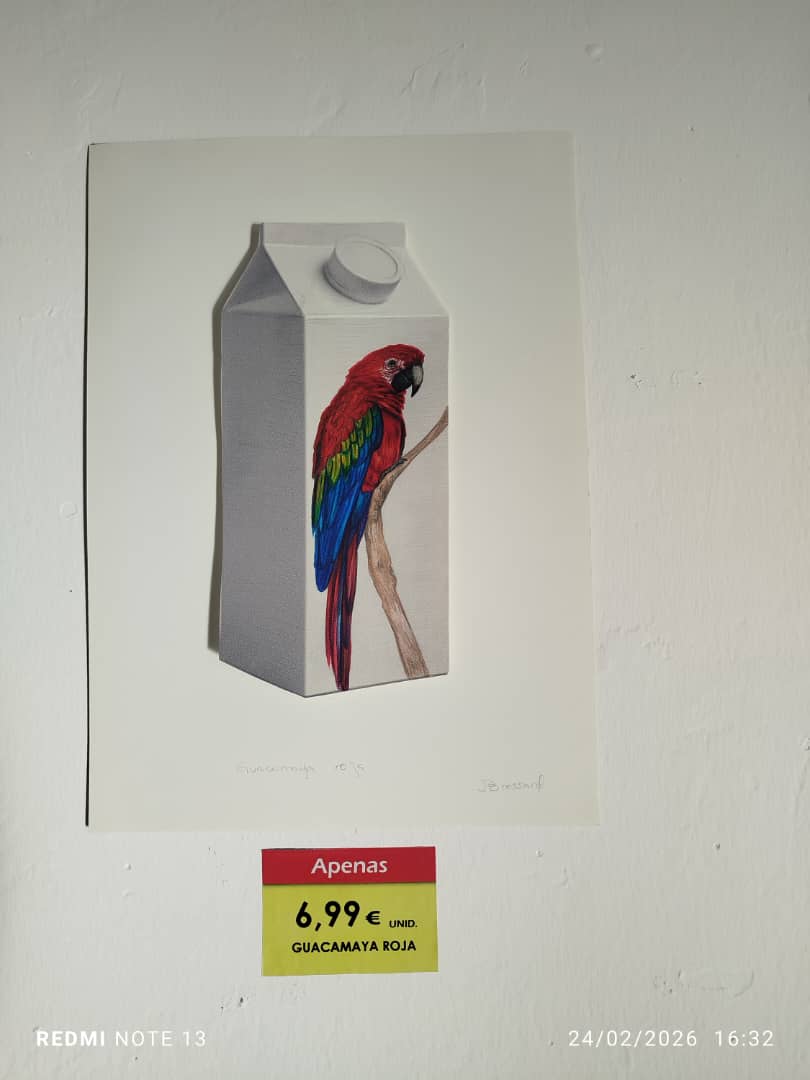
🎨 Momentos de la exposición de la artista cubana Janette Brossard en su muestra “El Mundo como un Supermercado”, en la Casa de la Cultura de Elvas, fruto de la beca de movilidad artística Laç(z)os Artísticos, impulsada por la OEI y la DGARTES de Portugal.

1
3
33
GeoGebra Varona retweeted

Mar 31
Expression of the asymptotes of a function
Visualization| |Animation | Interactive applet
@geogebra
geogebra.org/u/daniel mentra…
#geogebra #math #science #iteachmath #mtbos #visualization #elearning @bancoche #physicsI
2
9
59
3,162
📅 ¡Reserva estas fechas en abril! Del 14 al 16 celebraremos las Jornadas sobre educación, innovación y democracia: “Innovación para construir ciudadanía”.
💻 Participa presencial u online.
🔗 Más información e inscripción: oei.int/eventos

1
3
22
GeoGebra Varona retweeted

Mar 31
Aquí os traemos la solución al problema de las 100 puertas del que nos habló @juliomulero de la @UA_Universidad con motivo del Día Internacional de las Matemáticas
#idm314 #retosRSME
@UAdivulga
9
21
1,283
GeoGebra Varona retweeted
Apr 1
Continuity and limites of a function
Visualization| |Animation | Interactive applet
@geogebra
geogebra.org/u/daniel mentra…
#geogebra #math #science #iteachmath #mtbos #visualization #elearning @bancoche
19
81
3,796
GeoGebra Varona retweeted

Mar 27
🇺🇲🇨🇺 URGENTE: Trump anuncia b•mbas sobre la población cubana sin piedad: "a veces hay que usar poder militar y Cuba es la siguiente".
ALGUIEN TIENE QUE PARAR A HlTLER

2,074
8,110
12,499
176,788
GeoGebra Varona retweeted
Mar 21
9
6
39
1,917
GeoGebra Varona retweeted

Mar 22
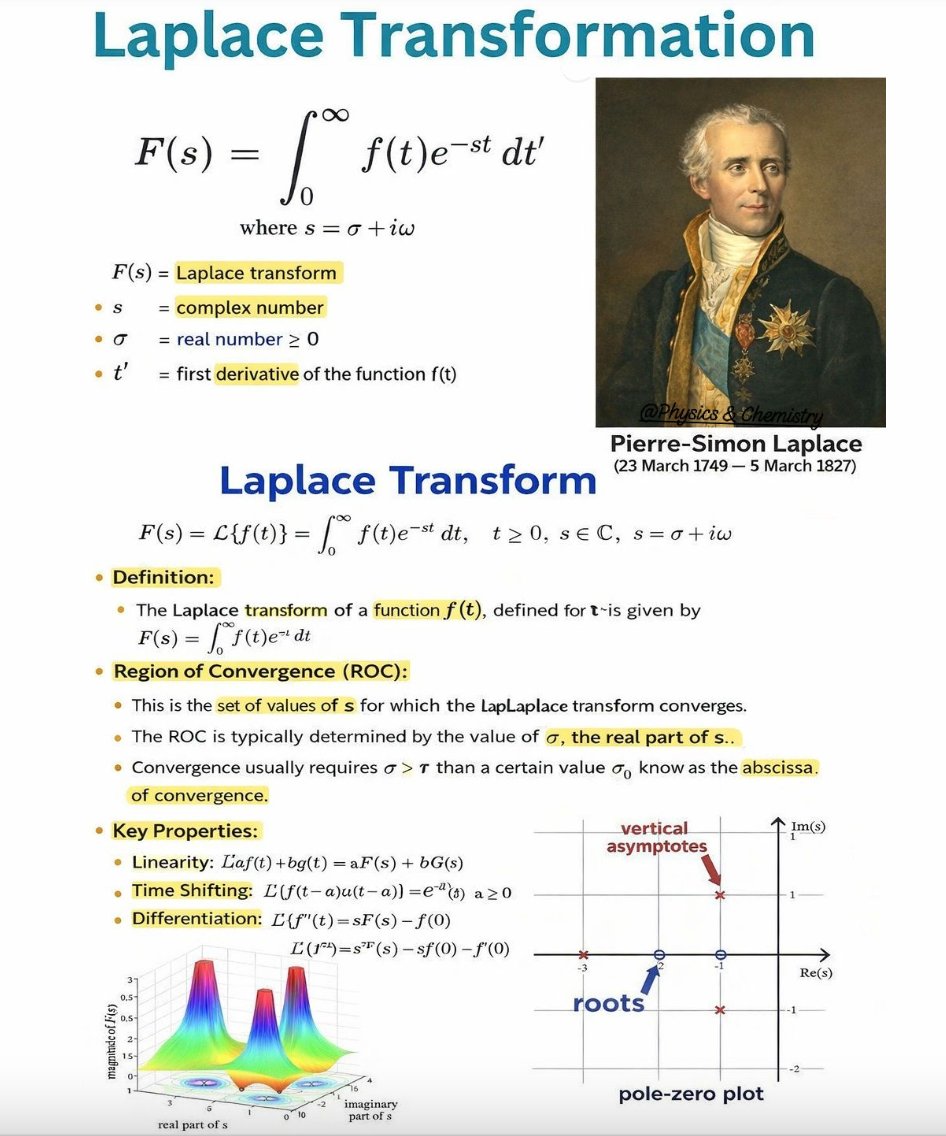
The Laplace Transform is a powerful mathematical tool used to transform functions from the time domain into the complex frequency domain. It is widely applied in engineering, physics, and differential equations.
The concept is named after the French mathematician Pierre-Simon Laplace (1749–1827), who introduced and developed this transformation in the late 18th and early 19th centuries. Laplace used this method as part of his broader work in probability theory and celestial mechanics.
The Laplace Transform is defined as an integral that converts a time-dependent function f(t)f(t)f(t) into a function F(s)F(s)F(s), where sss is a complex number. This transformation simplifies many mathematical problems, especially linear differential equations, by turning them into algebraic equations that are easier to solve.
Although Laplace formalized the method, similar ideas had been explored earlier by mathematicians like Leonhard Euler. However, Laplace was the one who systematically applied it and demonstrated its usefulness in physics and engineering.
In the 19th and 20th centuries, the Laplace Transform became a standard tool in solving problems related to electrical circuits, control systems, and signal processing. Engineers use it to analyze system behavior, especially in systems involving inputs and outputs over time.
11
210
1,148
29,701
GeoGebra Varona retweeted
Mar 22
Domain and range of a function(I)
Visualization| |Animation | Interactive applet
@geogebra
geogebra.org/u/daniel mentra…
#geogebra #math #science #iteachmath #mtbos #visualization #elearning @bancoche #physics
1
48
280
12,800

GeoGebra Varona retweeted
Mar 14
Comenzamos a presentar los #retosrsme de este #idm314 con @juliomulero de la @UA_Universidad abriendo puertas hacia las matemáticas
¿Darás con la solución?
CC @UAdivulga
1
25
52
3,606
GeoGebra Varona retweeted

Mar 14
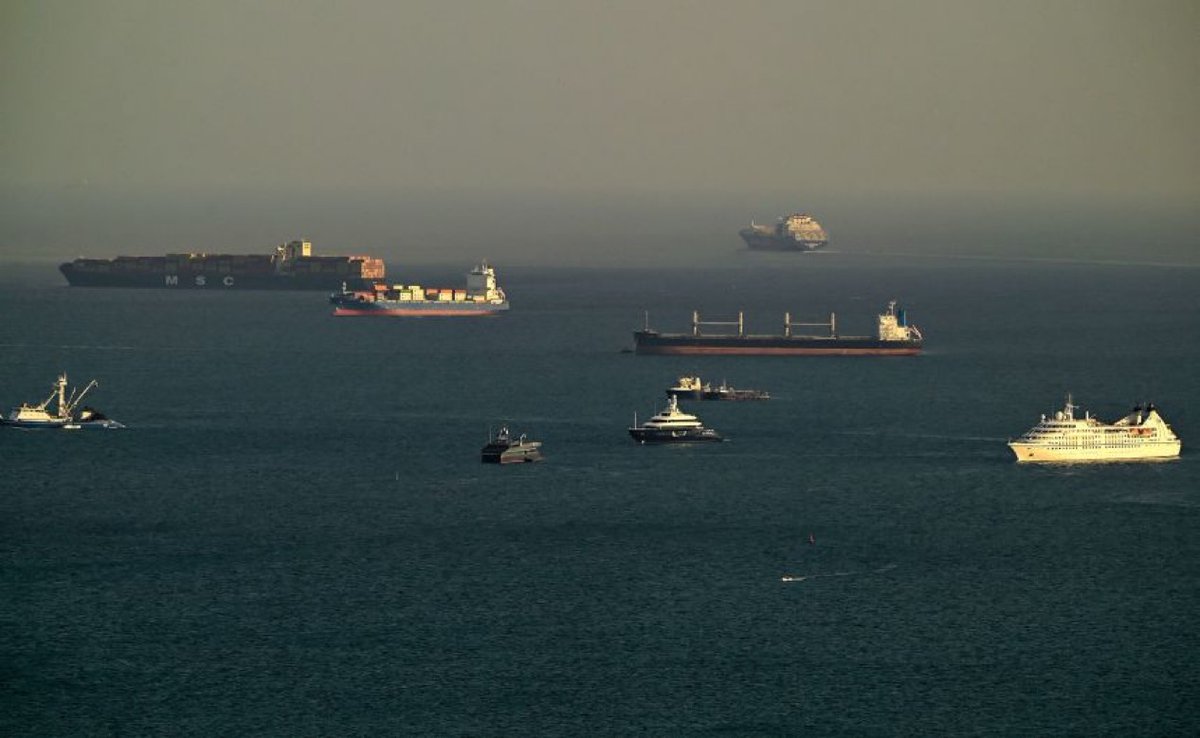
🇮🇷 | Irán está considerando una medida descabellada: permitir el paso de buques petroleros por el estrecho de Ormuz solo si la carga se paga en yuanes chinos, abandonando el dólar estadounidense para la mayoría de las transacciones comerciales.
Esto supondría un cambio enorme, ya que aproximadamente el 80% del petróleo mundial se cotiza y se comercializa en dólares estadounidenses.
Si Irán lo consigue, será una clara provocación al sistema del petrodólar.
Si Irán empieza a exigir yuanes para poder transitar por el punto de estrangulamiento petrolero más crítico del mundo, eso no es solo una guerra económica, sino un intento de reescribir las finanzas globales en plena guerra.
693
5,916
30,916
1,862,805
GeoGebra Varona retweeted
Mar 8
Derivative and limite
Visualization |Animation | Interactive applet
@geogebra
geogebra.org/u/daniel mentra…
#geogebra #math #science #iteachmath #mtbos #visualization #elearning @bancoche #physics
2
109
644
26,197
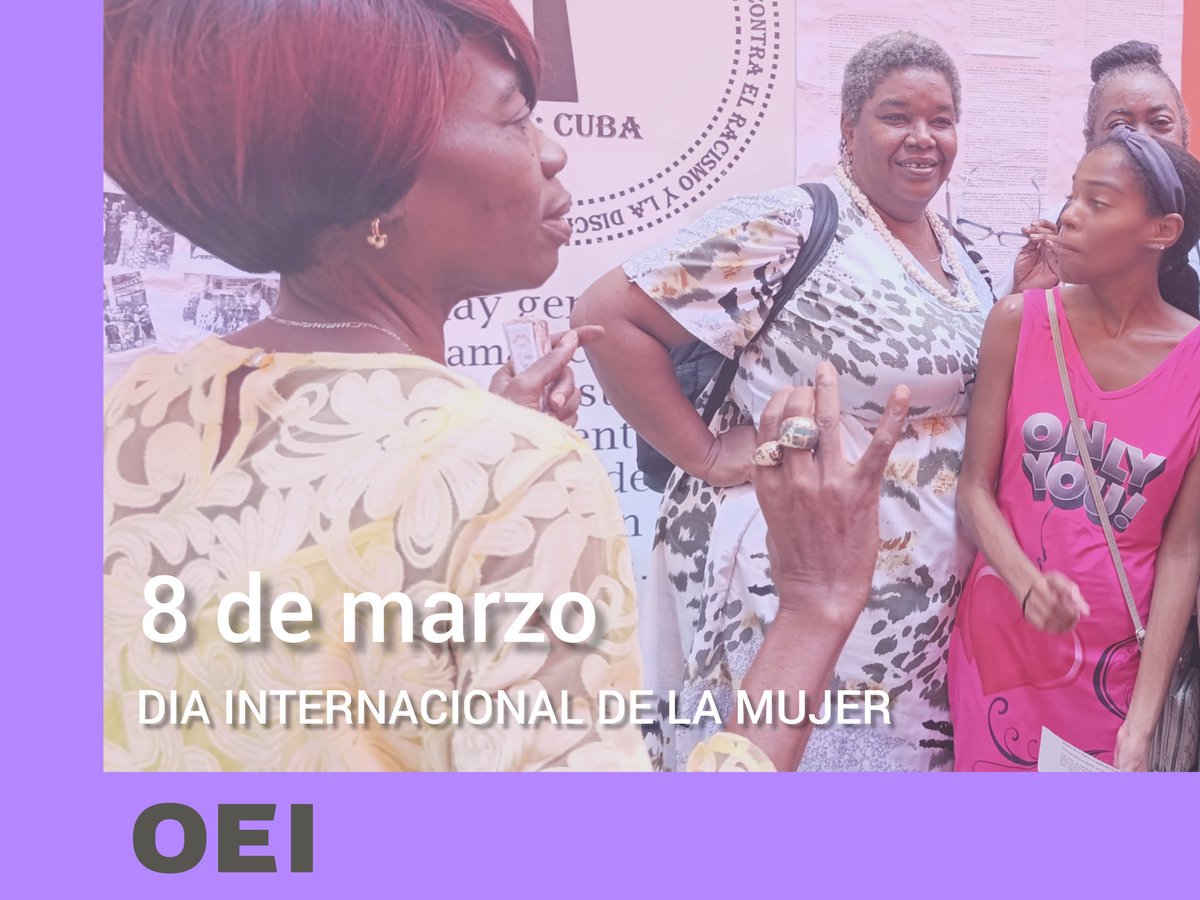
Hoy celebramos a las mujeres que transforman nuestra región e invitamos a seguir trabajando unid@s por un futuro más justo.
💐Muchas Felicidades 💐
#DíaInternacionalDeLaMujer
1
1
59
GeoGebra Varona retweeted

Mar 6
Toda la editorial Mir tuvo libros increíbles que superaban los de occidente durante unos pocos años.
1
1
5
492
GeoGebra Varona retweeted

buenisimo. Muchos se consiguen todavia a un precio muy razonable en ML (el de demidovich (que en su momento, me salvo la vida), el de Kolmogorov-Fomin, el de Golovina). En su momento, se vendian regalados en el stand de la embajada de la URSS en la Feria del Libro.
3
1
28
3,442

GeoGebra Varona retweeted

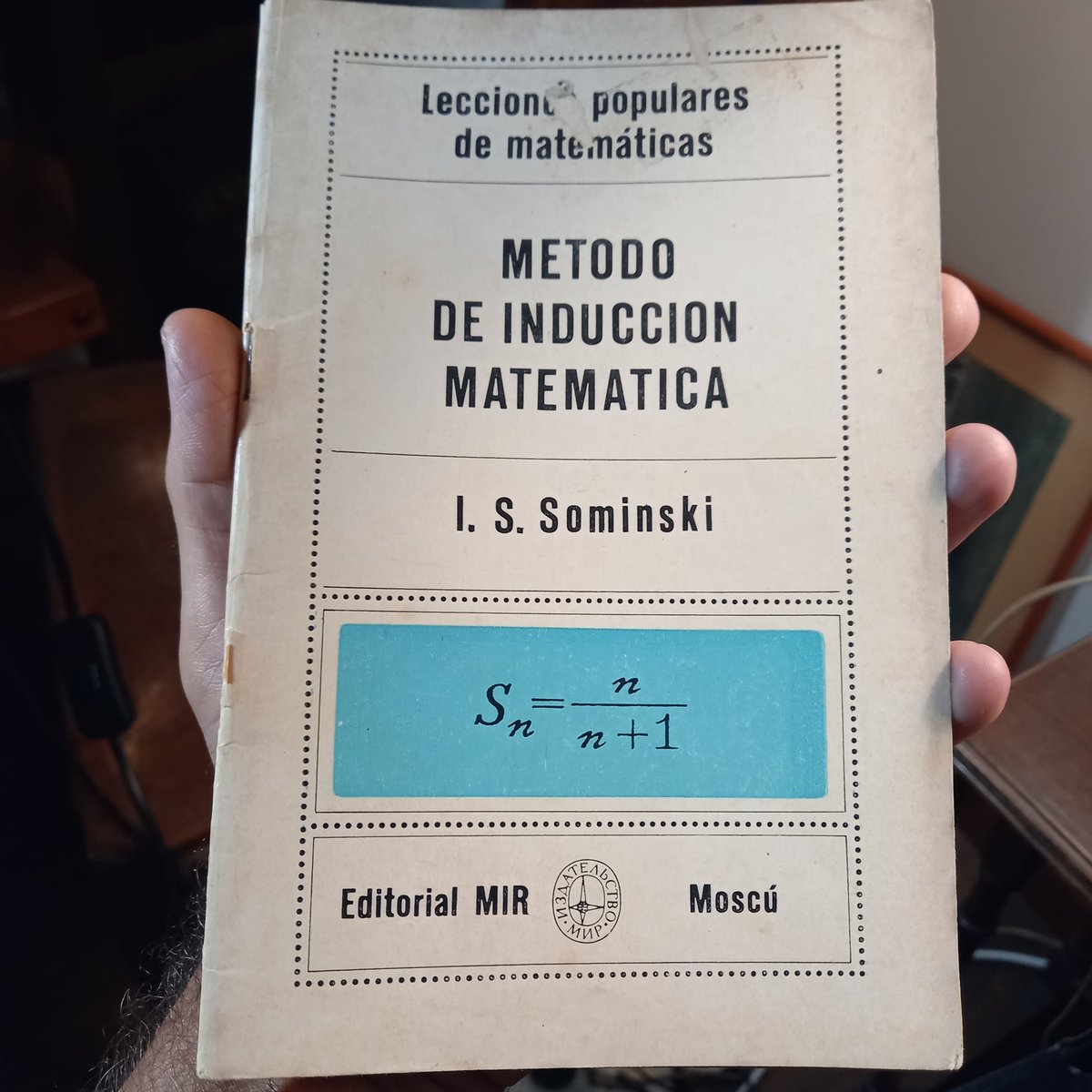
De las pocas cosas rescatables que dejó la Unión Soviética: la serie de Lecciones Populares de Matemática de la editorial Mir 👇🏻
61
156
1,188
59,279
GeoGebra Varona retweeted

En este 8 de Marzo, #DíaInternacionalDeLaMujer,a todas las mujeres amantes de la paz,que entregan amor y bondad, nuestro abrazo.
Queridas compañeras, amigas,valientes mujeres cubanas,continuadoras de la estirpe de Mariana, Vilma y tantas heroinas FELICIDADES
#MujeresEnRevolución

97
1,549
1,467
12,256