
Joined August 2021
- Tweets 84,574
- Following 5,184
- Followers 4,933
- Likes 100,221
1,547 Photos and videos















Pinned Tweet

18 Aug 2021
I'm grateful to see many I was following on my previous account follow me back. Welcome to all my new followers too. Please stay safe and healthy, wear masks. And never forget in these difficult times: things will grow better. Never let go of hope. 🙏❤️
18
25
182
🗽Geor retweeted

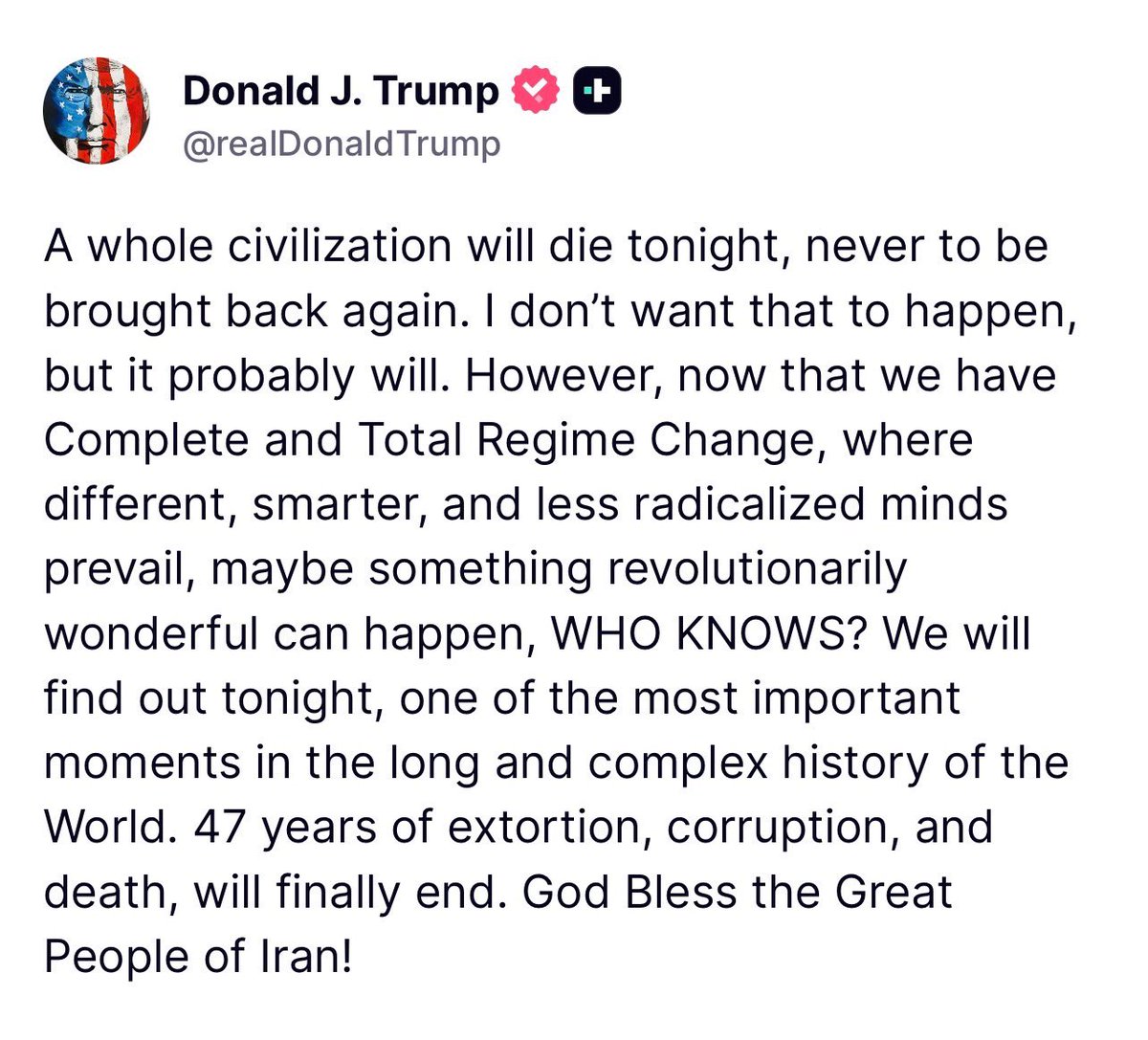
25TH AMENDMENT!!!
Not a single bomb has dropped on America. We cannot kill an entire civilization.
This is evil and madness.
20,920
56,505
310,057
12,728,741




🗽Geor retweeted

Feb 20
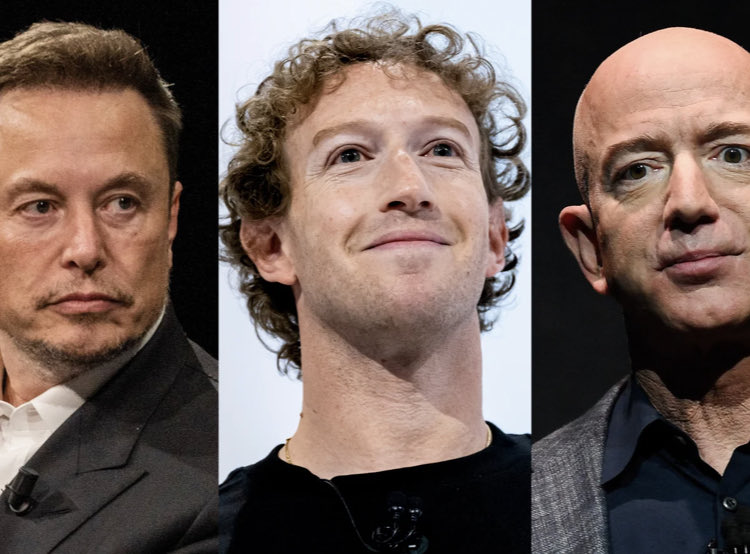
The US has proven that allowing unlimited wealth with little regulation is a direct threat to democracy.
When oligarchs own the media and the algorithms that shape our reality they effectively own the government.
We need strict limits on concentrated power
228
1,967
4,490
45,291
🗽Geor retweeted

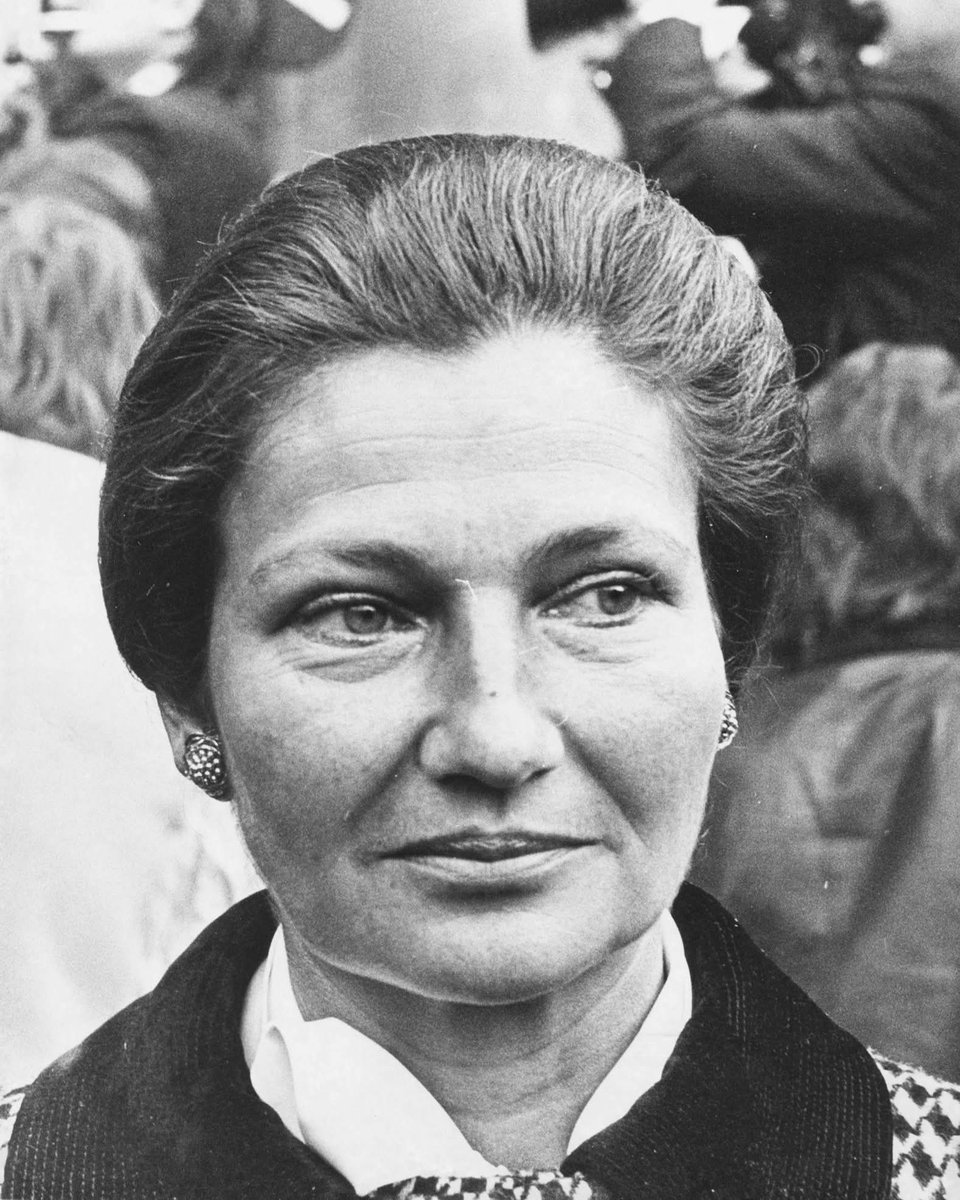
Simone Veil was sixteen when she was deported to Auschwitz-Birkenau. She watched her world collapse—her parents and brother murdered, her adolescence replaced by barbed wire and smoke. She survived multiple camps, starvation, humiliation, and loss. Many would have retreated from public life after that. She chose the opposite.
Returning to France, she studied law, entered the magistracy, and built a life anchored in justice. The memory of what she had seen—what happens when human beings are stripped of rights—never left her. It sharpened her resolve.
In 1974, as health minister under President Valéry Giscard d’Estaing, she stood before a hostile National Assembly to defend a bill that would legalize abortion. The insults were vicious. Some compared the proposed reform to genocide. She did not flinch. Calm, precise, unwavering, she argued that women were already suffering—traveling abroad, risking prison, risking death. In 1975, the “Veil Law” passed. It changed the lives of millions of French women, not through slogans, but through law.
Four years later, she became the first woman elected president of the European Parliament. For someone who had survived a continent at war with itself, European unity was not abstract policy—it was moral necessity. She believed reconciliation between France and Germany was the only honest answer to the past. Peace, she understood, is built deliberately.
In 2018, she was laid to rest in the Panthéon in Paris, one of the few women honored there for her own achievements. But her real monument isn’t marble. It’s every right defended, every law protecting dignity, every Europe that chooses cooperation over hatred.
She survived history’s worst cruelty—and then helped rewrite it.
#archaeohistories
29
592
1,914
36,147

Lisa Phillips, a survivor of Jeffrey Epstein, has called for a "thorough investigation" into the convicted US sex offender's connection with Ireland.
rte.ie/news/2026/0220/155954…
57
105
408
51,150
Feb 20
#LisaPhillips is a very brave woman. On the @RTELateLateShow she clearly suggested Epstein's network is a global sex ring of the rich and powerful that still exists.
No wonder some want talk of Epstein stopped or contained.
43
🗽Geor retweeted

Jan 2
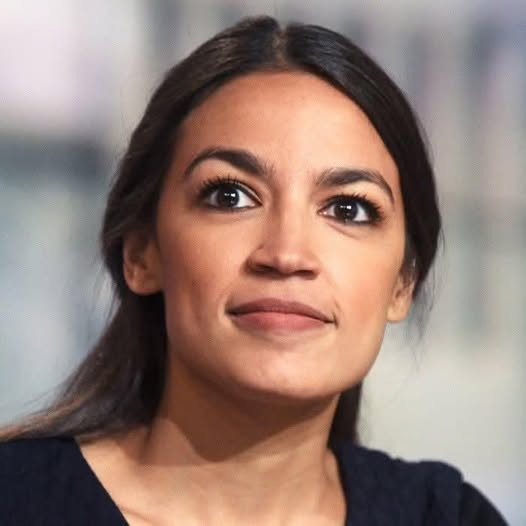
Chris Cuomo asked Alexandria Ocasio-Cortez how we pay for Medicare for All, tuition free college, and the green new deal. It gives people sticker shock. Her answer:
“People talk about the sticker shock of Medicare for All, but they do not talk about the sticker shock of our existing system. In a Koch brothers funded study, it shows that Medicare for All is actually much cheaper than the current system.
Let's not forget that the Supreme Court upheld the Affordable Care Act because they ruled that each of these monthly payments that everyday Americans make is a tax. We pay it every single month. (Or we pay at tax season if we don't buy plans off of the exchange.)
Americans have the sticker shock of healthcare as it is. Why aren't we incorporating the cost of funeral expenses of those who die because they can't afford access to healthcare? That is part of the cost of our system. Or the cost of reduced productivity because of people who need to go on disability or are not able to participate in our economy because they don't have access to the healthcare that they need?
At the end of the day, we see that this is not a pipe dream. Every other developed nation in the world has this. Why can't America? And that is the question we need to ask.
We write blank checks for war. We just wrote a $2 trillion check for the GOP tax cut. And nobody asks how are we going to pay for it.
So my question is why are our pockets only empty when it comes to education and healthcare for our kids? Why are our pockets only empty when we talk about 100% renewable energy that is going to save this planet and allow our children to thrive?
We only have empty pockets when it comes to the morally right things to do. But when it comes to tax cuts for billionaires or unlimited war, we seem to be able to invent that money very easily. To me it belies a lack of moral priorities that people have right now, especially the Republican Party.”
783
6,100
23,902
1,191,369
Feb 14
Nope. It's a matter of trust, Mr Graham...
Lindsey Graham to allies: Get over Greenland - POLITICO share.google/nw874p20pvqmC7f…
20
Feb 14
Well, what about Greenland? And then Marco Rubio in Munich?
Washington pushes back against EU’s bid for tech autonomy – POLITICO share.google/nozyBywyNMANM57…
8
🗽Geor retweeted

BREAKING: Gavin Newsom just delivered a stunning rebuke to Trump’s “wrecking ball” foreign policy in Munich. Newsom reminds world leaders that Trump is temporary and that stability will return. Gavin is filling the massive void of American leadership.
2,397
3,833
18,967
525,709
🗽Geor retweeted

Feb 14
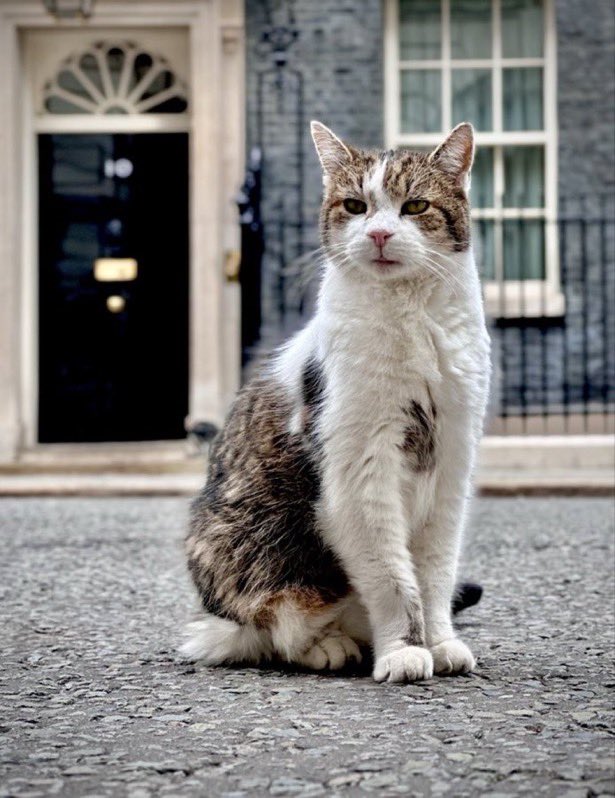
15 years at Downing Street this weekend. My pal @Number10cat deserves a medal and a knighthood for his patience over all that time.
97
609
8,791
65,983
🗽Geor retweeted

Feb 13
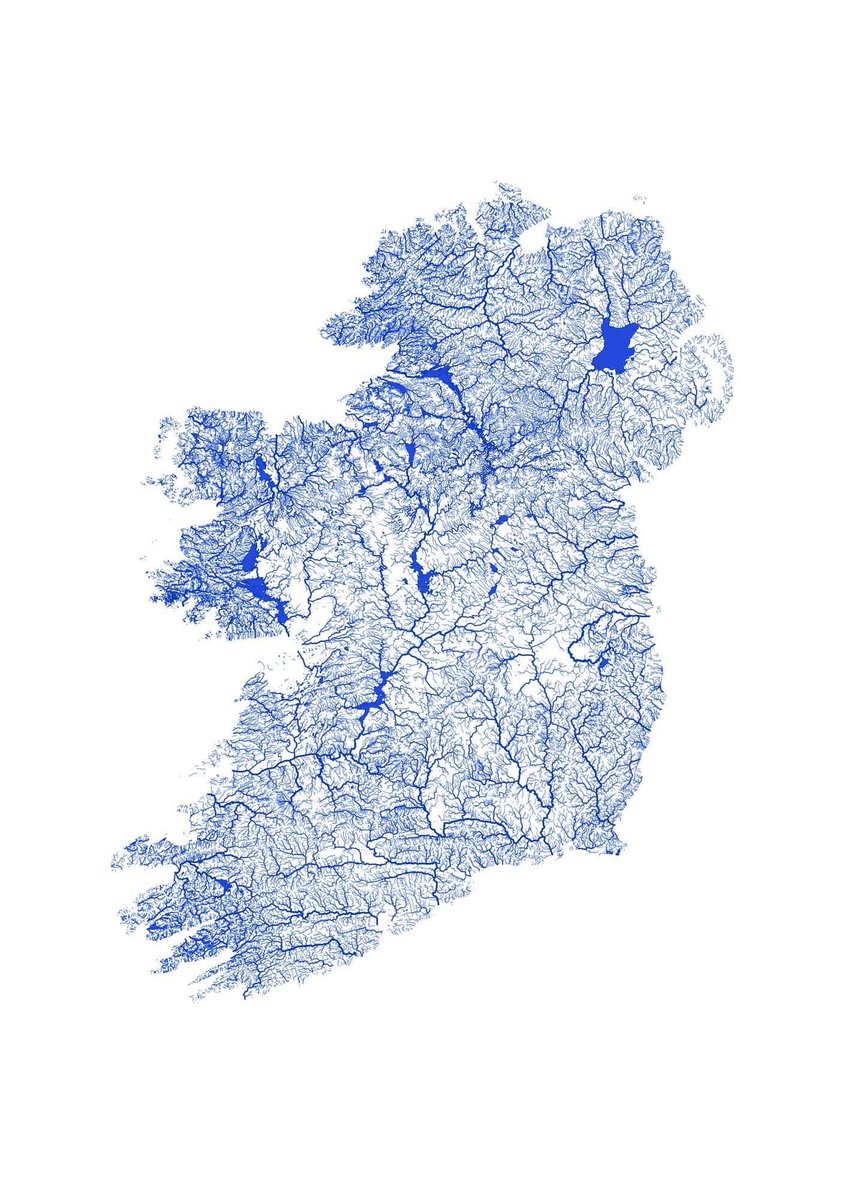
Ireland united by its waterways.
A map showing the beautiful natural patterns of our over 160,000 rivers, streams and loughs.
“Only our rivers run free.”
26
89
681
17,830
🗽Geor retweeted

Feb 13
BREAKING: At the Munich Security Conference, @AOC just delivered an extremely powerful statement:
"In Democracies we have elected leaders, and in massive corporations that begin to consume the public sector, they start to call the shots and we’re starting to see this with some of the billionaire class throwing their weight around. It is of urgent priority that we get our economic houses in order and deliver material gains for the working class or else we will fall to a more isolated world, governed by authoritarians that also do not deliver for the working people."
2,363
4,352
19,207
738,889
🗽Geor retweeted

Feb 14
We're on day 69 of the F1 break. How's everyone holding up? 🙂

24
112
1,792
24,597
🗽Geor retweeted

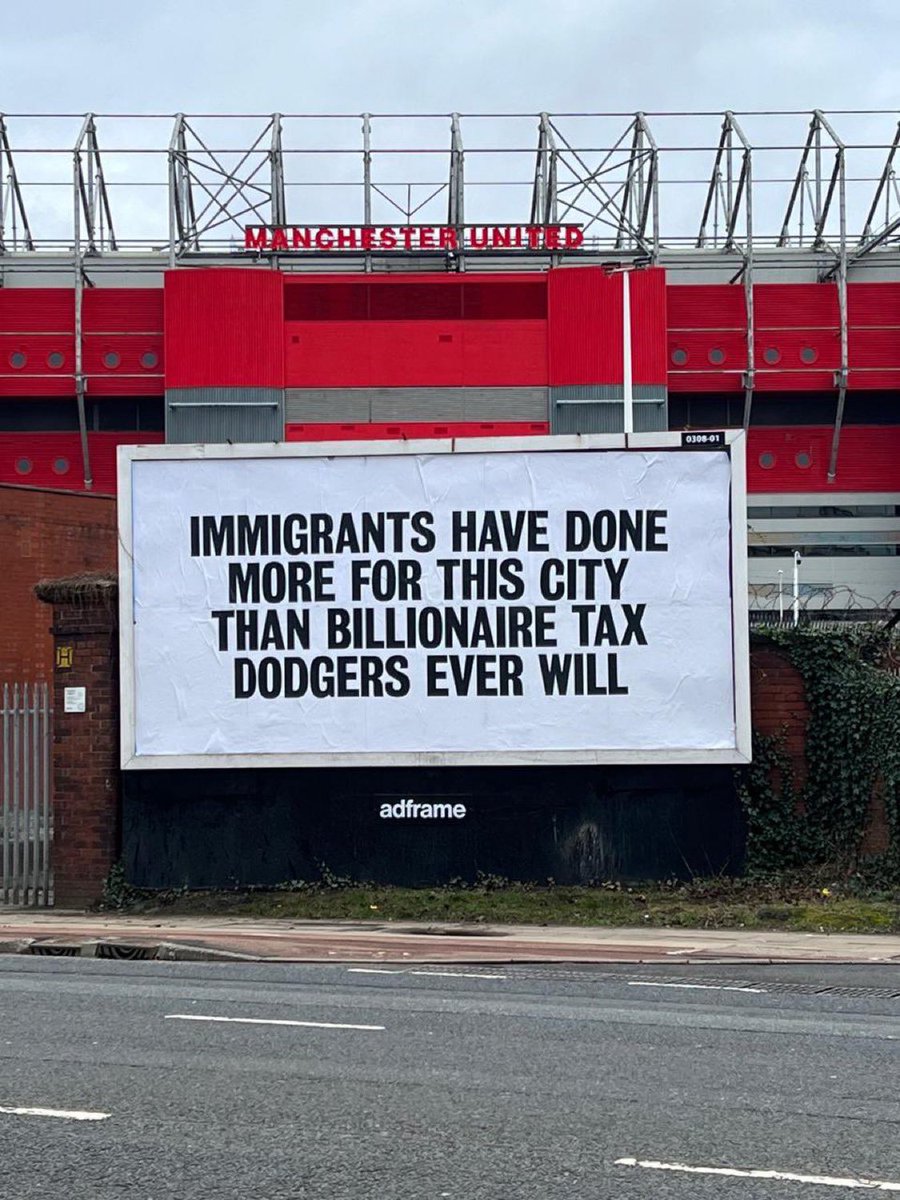
The other day Manchester United’s co-owner Jim Ratcliffe said the UK had been "colonised by immigrants"….today there’s this billboard outside of Old Trafford 🔥….way to go Manchester 💪!
26
378
1,929
25,394
🗽Geor retweeted

So you’d keep us in the failed Brexit quagmire of the last decade?! For what? To save face? Great. 🙄
24
128
1,545
13,433
🗽Geor retweeted

Feb 13
Outrageous.
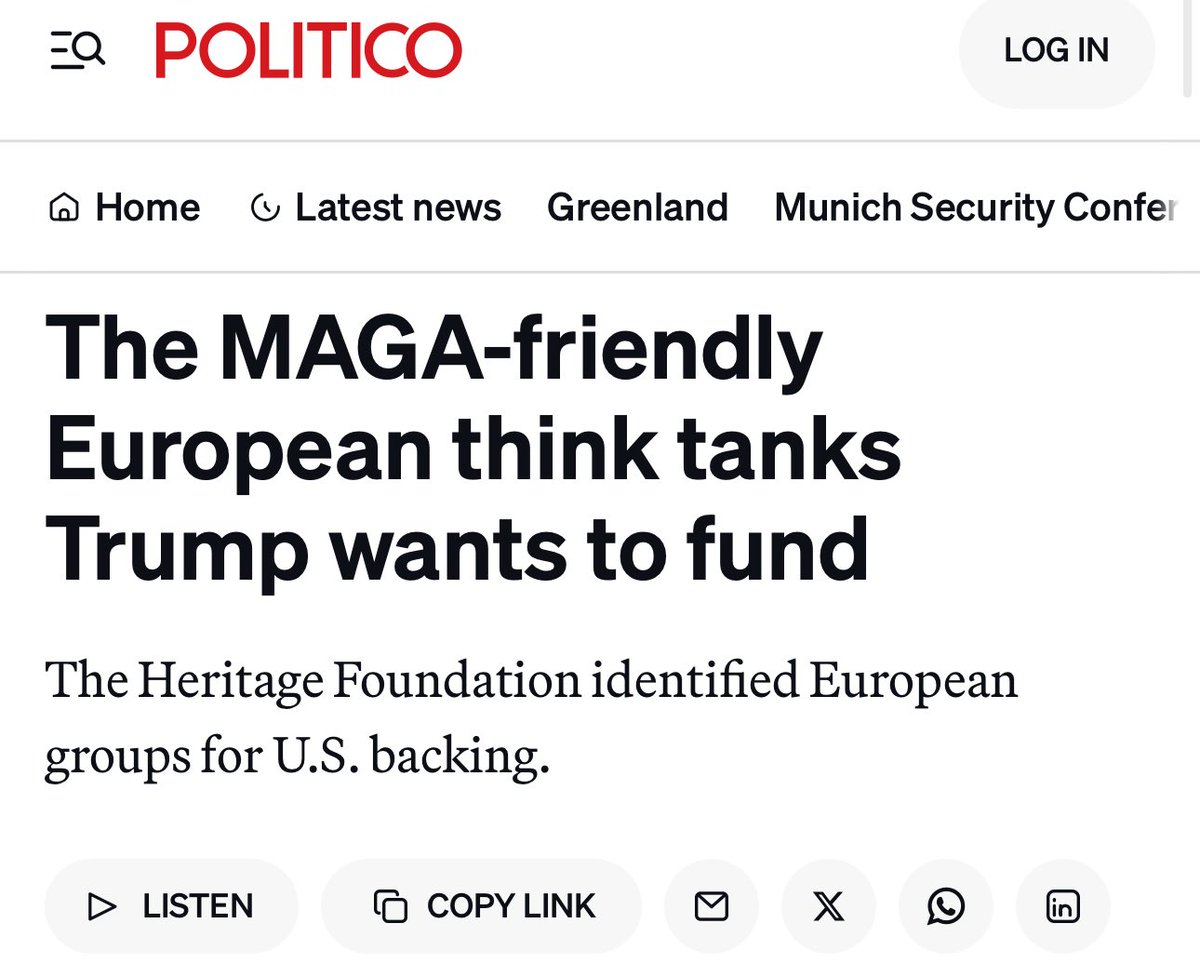
The US right is actively exporting its political model into Europe.
When foreign money funds think tanks and policy networks aimed at reshaping EU regulation and trade, that’s not organic democracy, it’s influence.
Europe must demand full transparency.
politico.eu/article/maga-fri…
64
434
831
12,339
🗽Geor retweeted

Feb 14
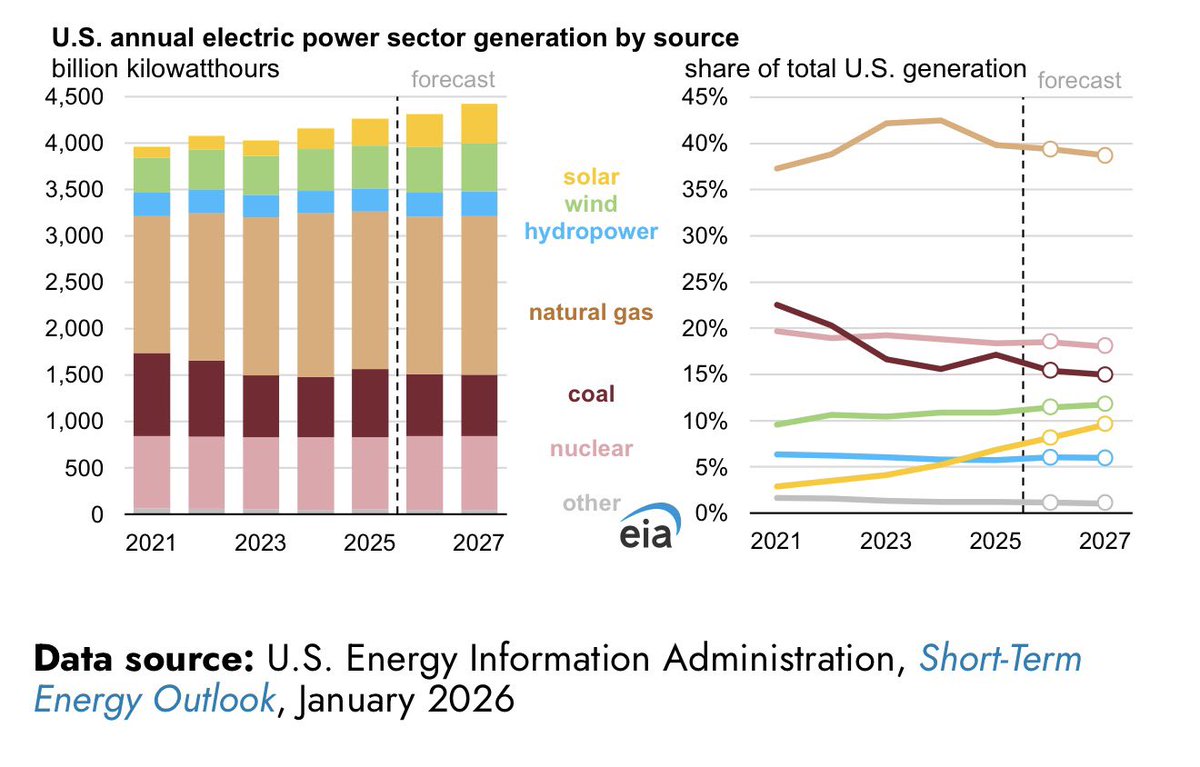
Solar is now the dominant source of new U.S. power capacity and is on track to surpass coal in total installed capacity before the end of 2026.
70 GW of new solar capacity is scheduled to come online in 2026–2027 → a 49% increase in operating solar capacity from the end of 2025.
1,311
825
4,298
20,289,627
🗽Geor retweeted

12 Oct 2025
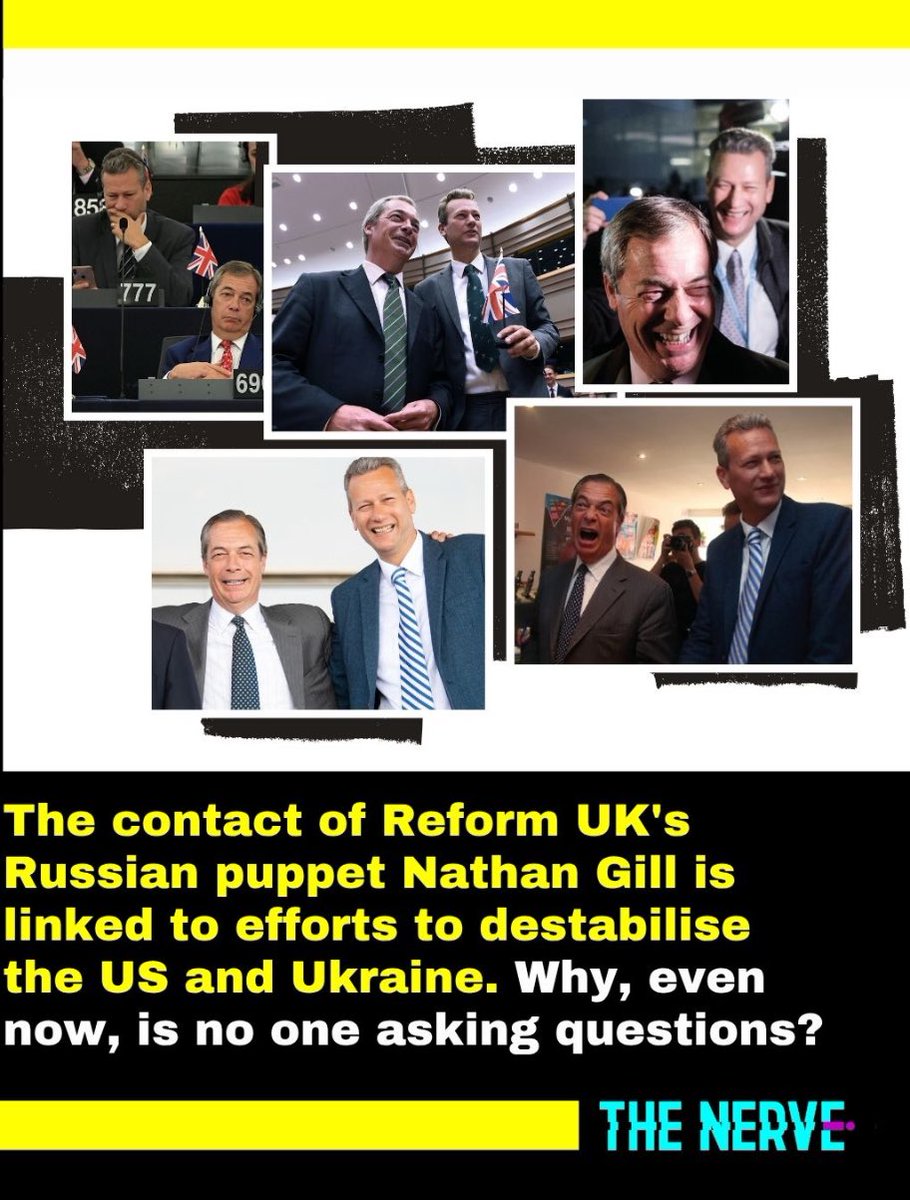
NEW: The British politician, his Russian intelligence handler & a Kremlin plot against the US & Ukraine.
My new piece about Nathan Gill and Nigel Farage for @thenerve_news in which we ask:
Why, even now, is no-one asking questions?
486
8,782
11,196
1,654,988