
192 Photos and videos
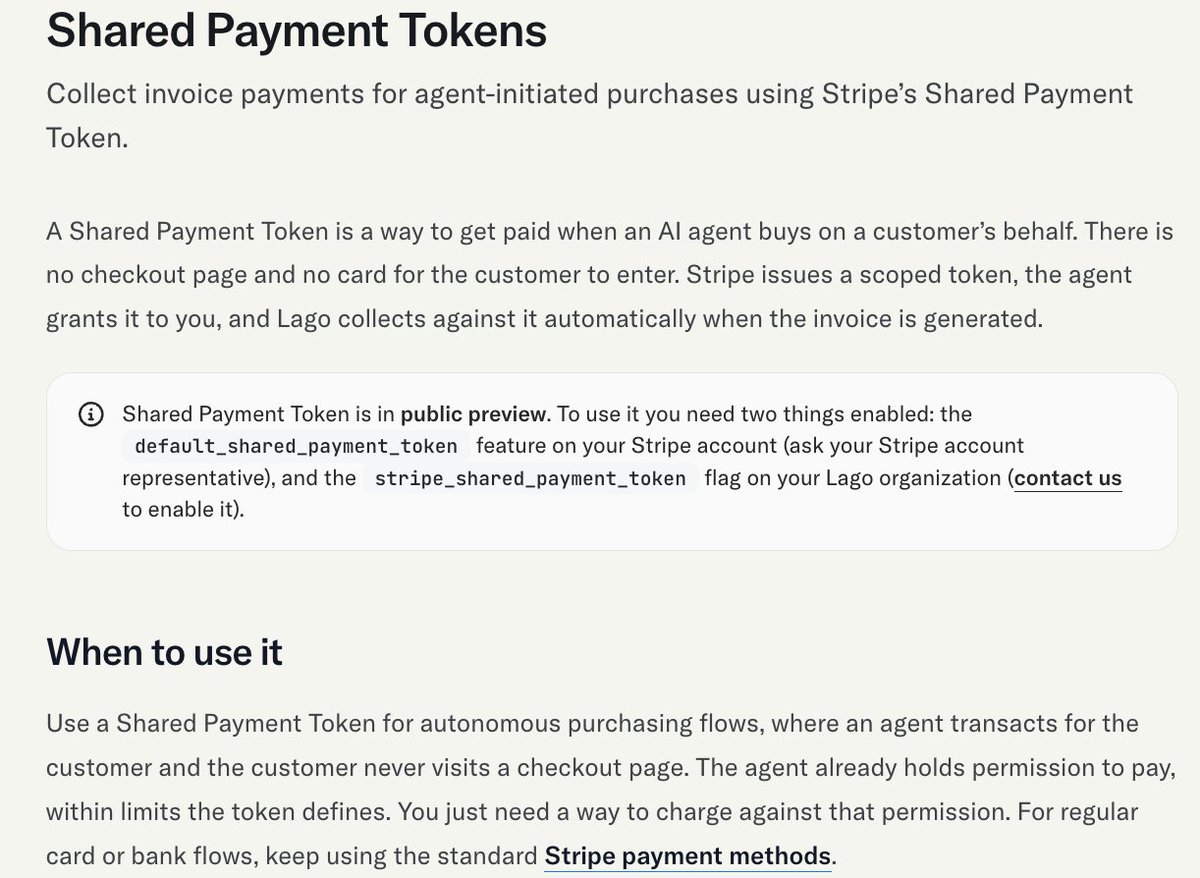

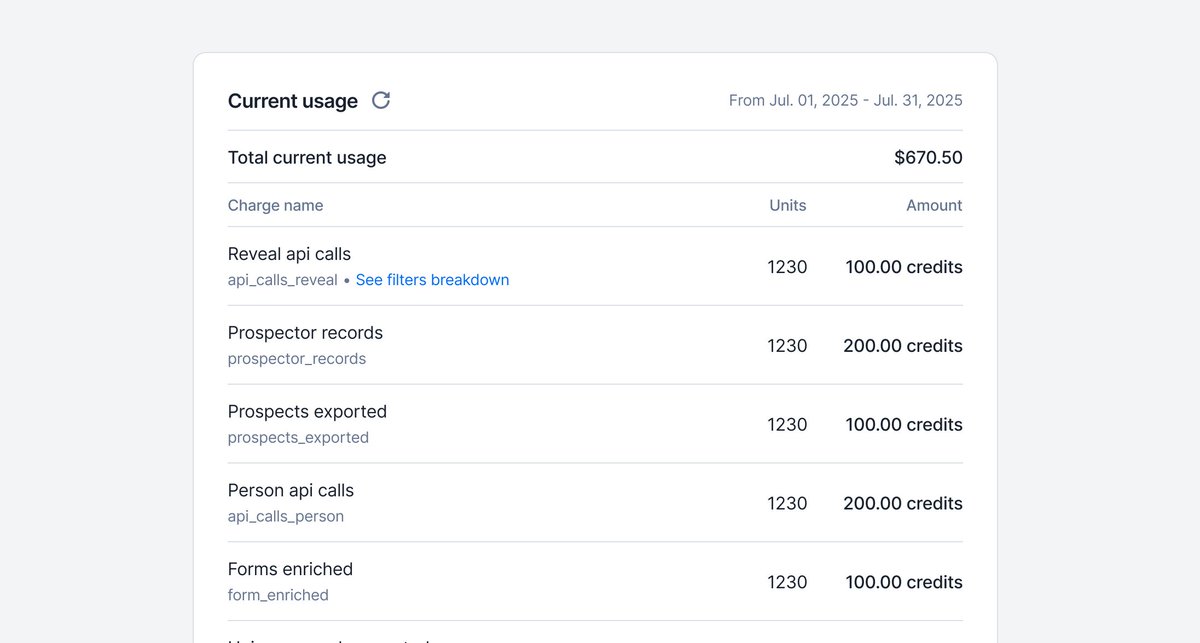
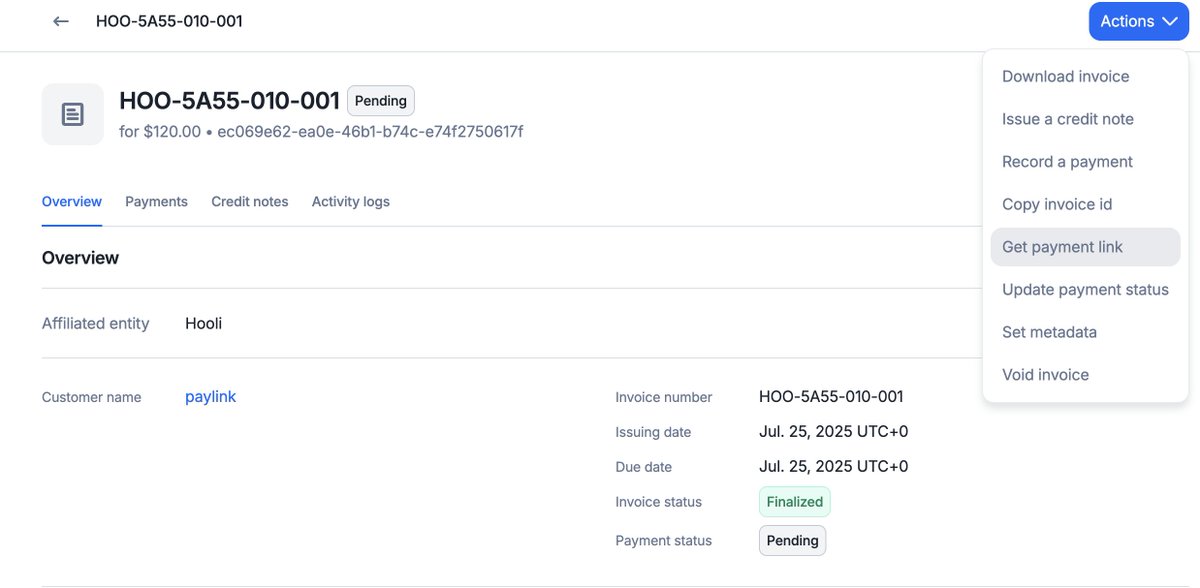
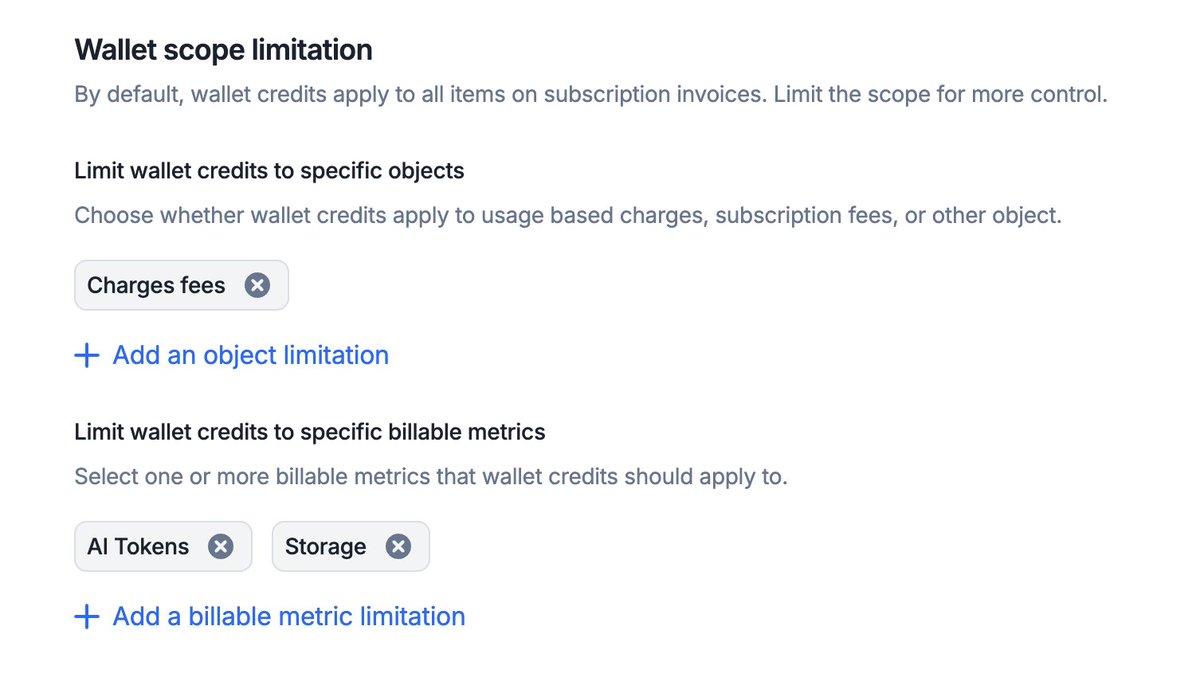
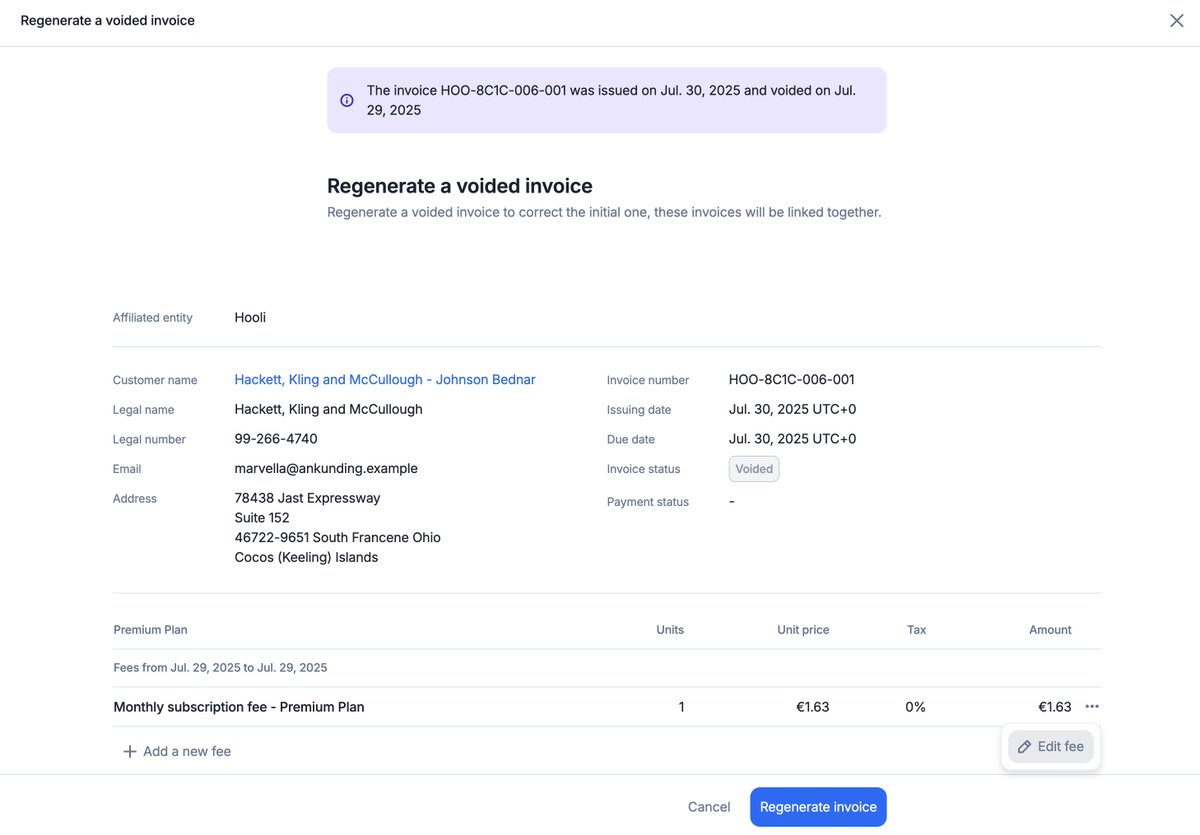
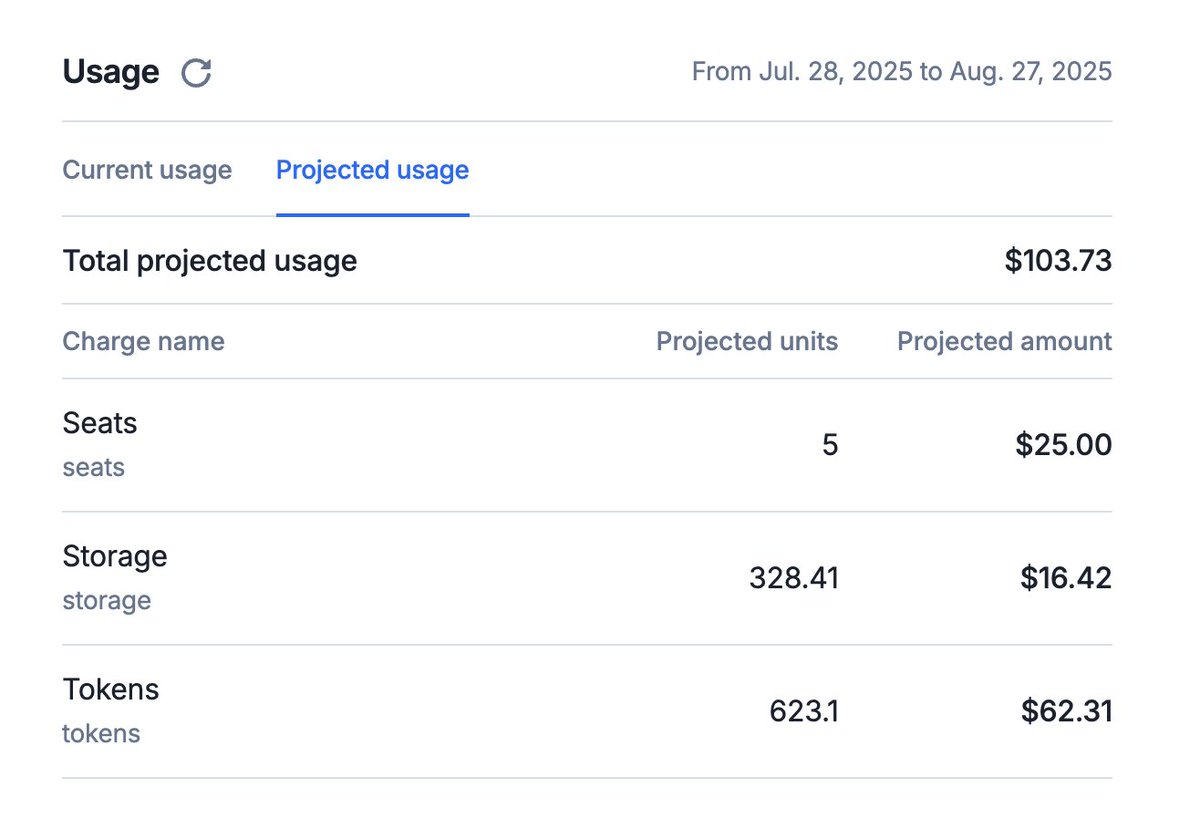


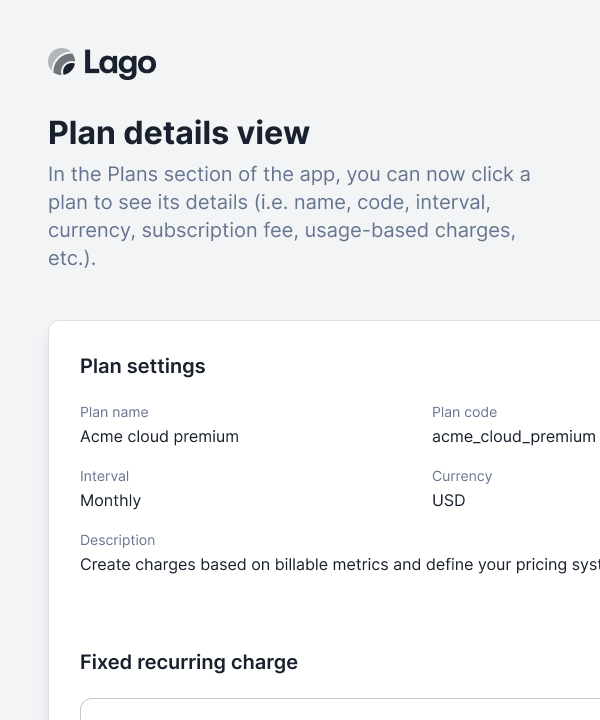

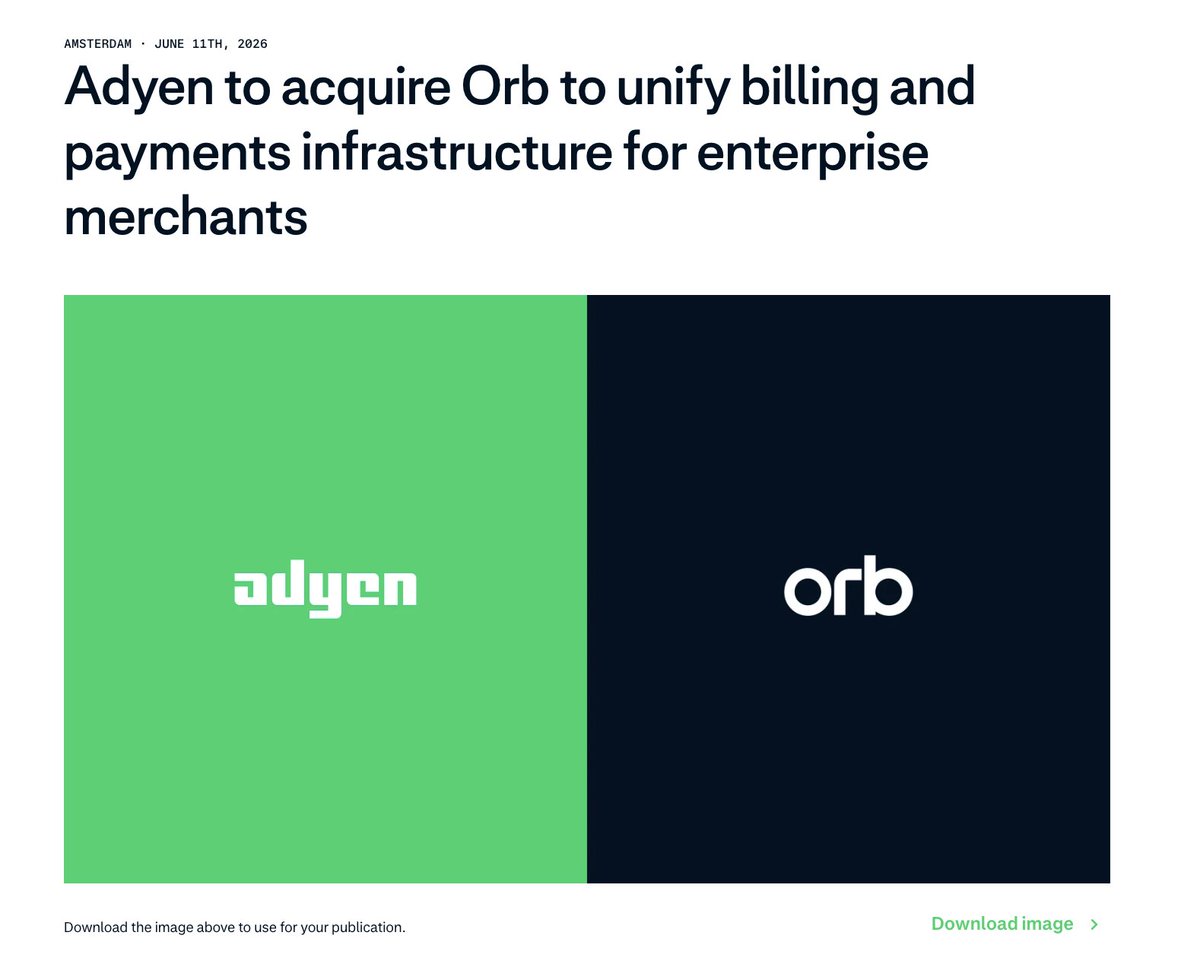

Let AI agents buy your product on your customers' behalf.
@GetLago now supports Agentic Payments through Stripe Payment Tokens.
Thanks @laravelphp for the contribution. Open-Source for the win!
docs.getlago.com/integration…
2
3
121
If you're a B2B SaaS adding AI credits onto seat-based pricing, or an AI-native company,
we've launched the AI Agent SDK.
You can price on top of LLM tokens, without rebuilding the plumbing.
docs.getlago.com/guide/ai-ag…
3
2
4
429
Enterprise companies don't churn because of missing features.
They churn because of unanswered tickets, slow escalations, and the feeling that no one is watching their back.
That's why we're excited to raise the bar and welcome Jon Tanamachi as head of customer support at Lago!
3
6
753
Lago retweeted

Mar 25
We ran thousands of queries trying to break our own AI agent at @GetLago
Some versions executed actions without waiting for confirmation. Others were so detailed they burned through the context window before a single useful response.
This wasn't a side project. Prompt engineering turned into a multi-week engineering effort in its own right — and we're a team that expected the hard part to be the infrastructure.
Here's what we got wrong early: we thought hallucination prevention was a prompt problem.
Write precisely enough, and the model behaves. That's true for a chatbot. It's not true for an agent that can void invoices, retry payments, and apply discounts to your customer base.
In billing, a hallucination isn't a wrong answer. It's a financial incident. Over/undercharging the wrong customer can create big trust issues (and angry Slack DMs from finance).
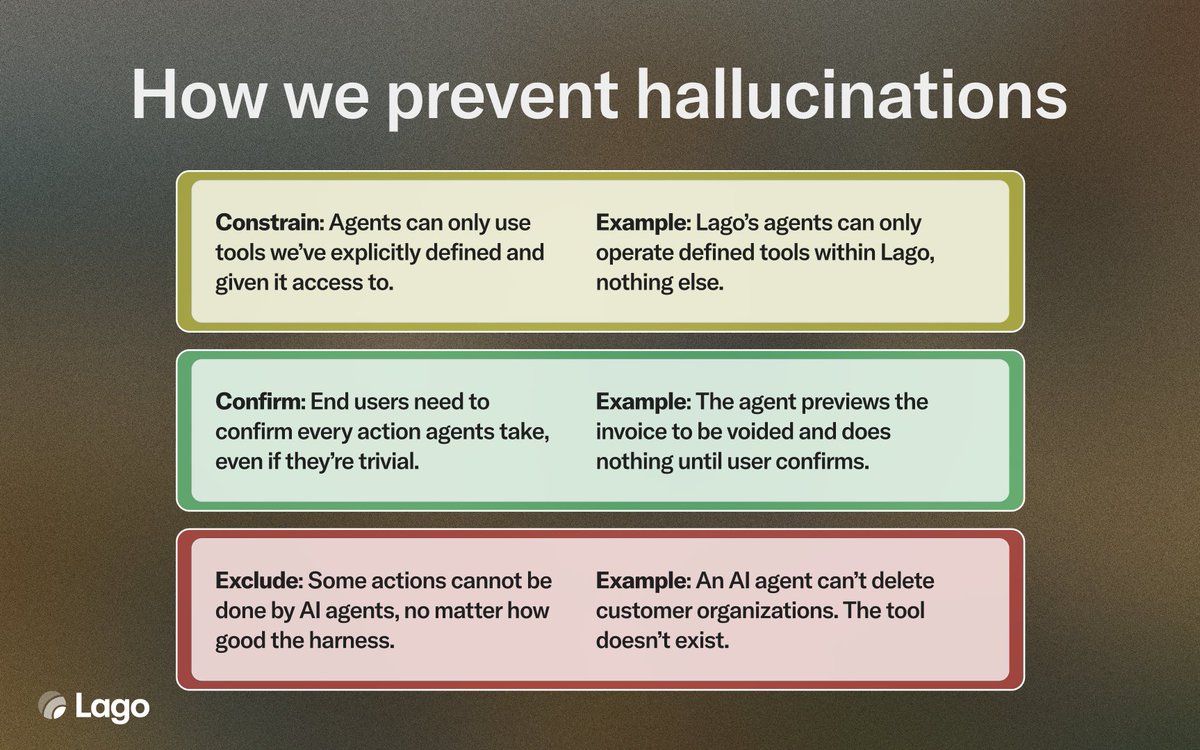
So we rebuilt the approach around three layers:
Constrain.
The agent only calls tools we've explicitly defined. No improvising, no adapting. More hand-holding required — but catastrophic outcomes become structurally impossible.
Confirm.
Before any consequential action — create, update, delete, void, retry — the agent shows a preview and waits for an explicit yes. No "always allow." Not optional.
Exclude.
Some tools we simply didn't build. Org management, API keys, webhook config — manual only. The best guardrail is one that doesn't need to exist.
We also made a call that surprised some people: we built three separate assistants instead of one. A billing assistant that executes. A finance assistant that queries but can't modify. A pricing assistant that only advises.
The reason: a product leader asking "what if we raised prices 20%?" should get strategic advice — not a price change.
A lot went wrong. I wrote up the full picture — architecture, mistakes, and what I'd do differently from day one. Check it out here: getlago.com/blog/building-ai…
1
5
7
1,079
Lago retweeted
Mar 12
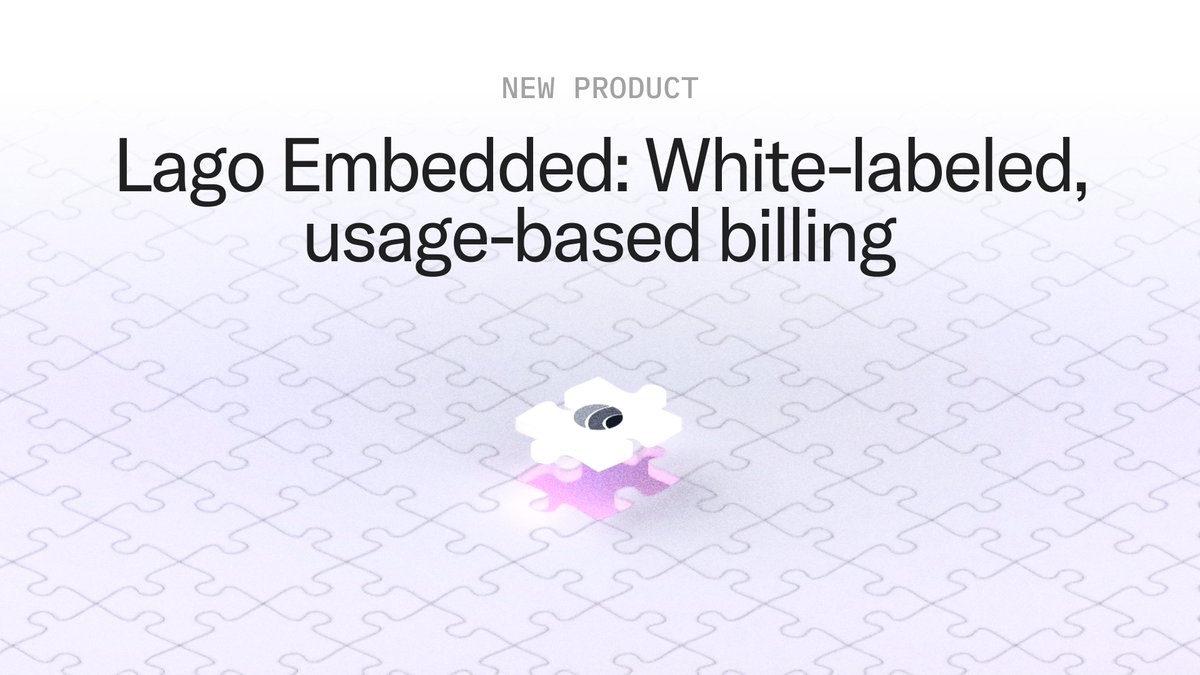
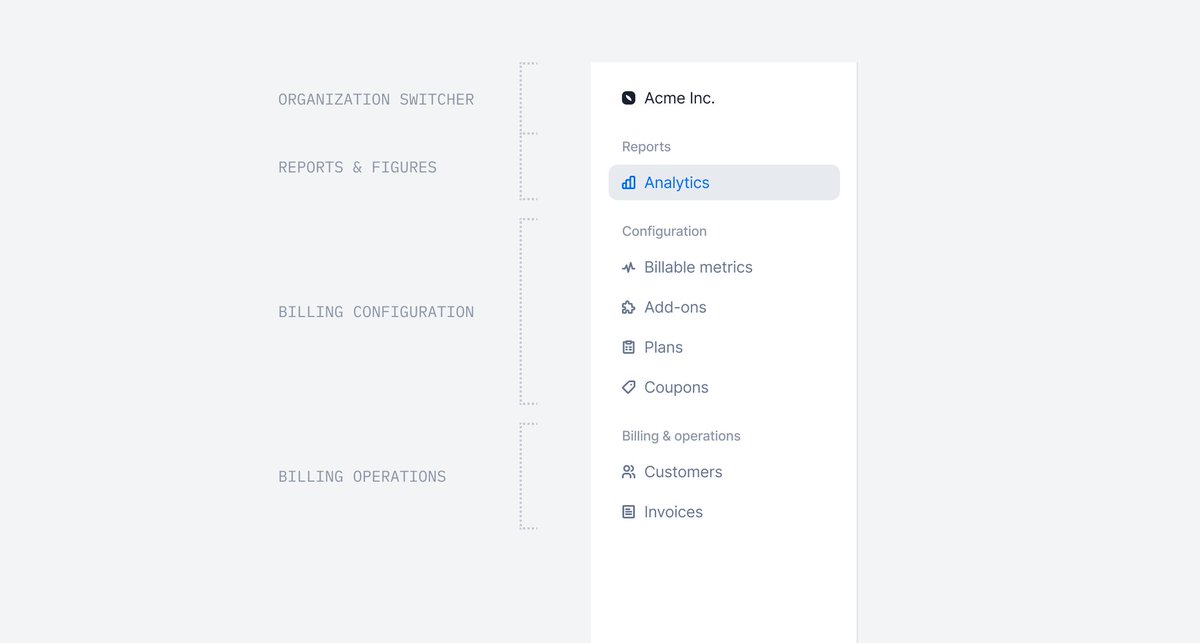
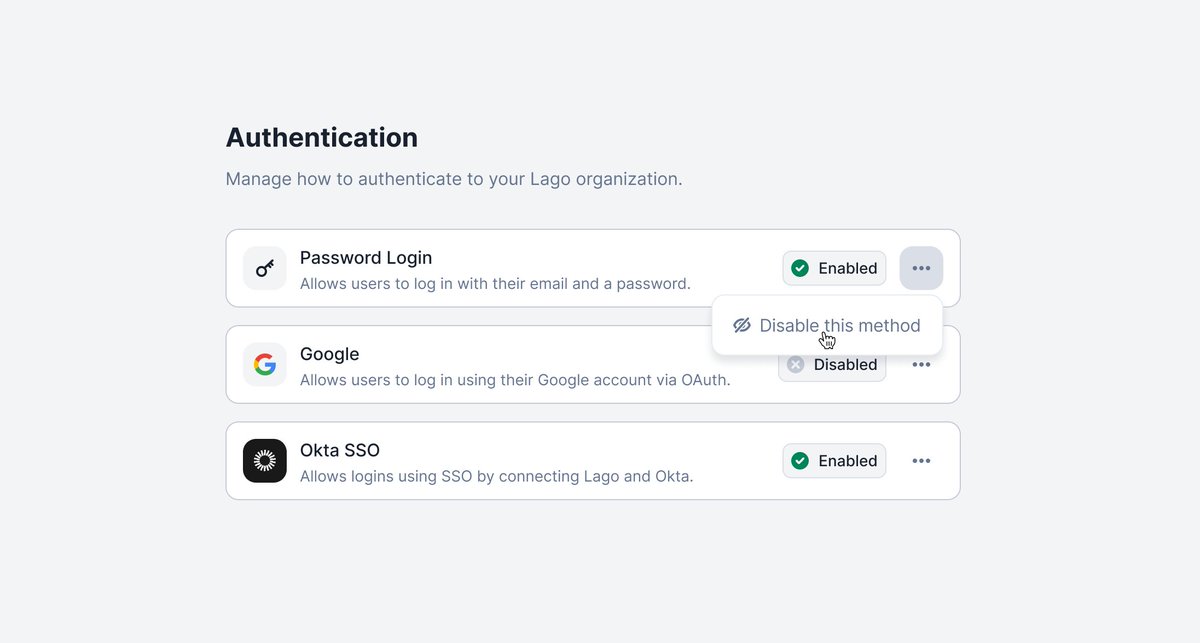
We're launching @GetLago Embedded today. A fully white-labelled billing system you can offer your customers under your own brand (no Lago branding).
For the past year, we kept hearing the same thing from companies: "We've spent months with engineers full-time on billing.
It's not good enough and it's consuming too many resources."
Billing looks simple until you're building it. All the edge cases, pricing models, invoicing regulations… it all has to work together, reliably, at scale.
Lago Embedded is a system that checks those boxes. It’s a fully white-labelled billing system you can drop into your product to ship billing in weeks, not years. It features:
-Full invoicing engine
-Scalable metering
-Native support for subscriptions, credits, usage-based pricing and any hybrid (among others)
-Open-source, so you host it wherever you want, e.g. on your own AWS/GCP/Azure
No customer data ever leaves your environment, and there's zero vendor lock-in.
If your product is adjacent to billing or your users want to monetize what they're building, this is for you. Find out more in @byAnhtho's article:

3
11
2,182
Today we're launching Lago Embedded.
Building billing is a nightmare. Most teams learn this the hard way — months of engineering time, still not happy with the result.
Lago Embedded is a fully white-labelled billing system you can drop into your product. Find out more⬇️
2
5
13
966
Discover Lago Embedded here: getlago.com/blog/lago-embedd…
117
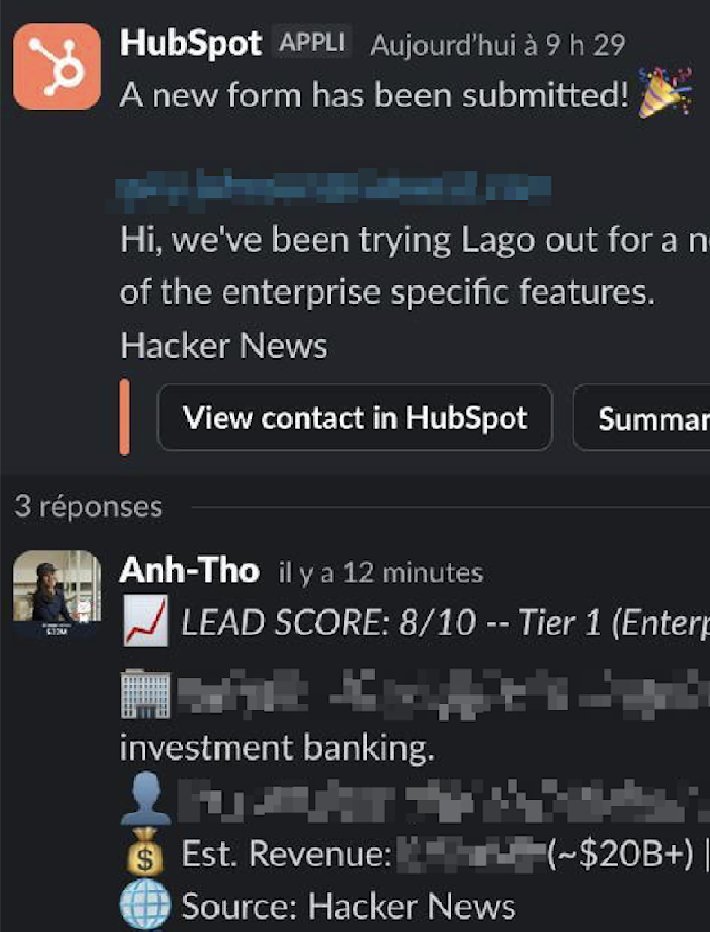
Claude Opus 4.6 writes code and Codex reviews it.
@sarkissianraff1 is still "Chief Quality Officer".
1 week instead of 1 month, to build a Quickbooks integration.
Same high bar for quality.
What's really exciting is that given @GetLago is open-source, any of our users could extend Lago easily as AI has access to our code, and the history on Github.
Pretty amazing!

2
3
9
2,858
Very proud to announce our multi-year partnership with PayPal.
Billing is becoming the system of record that drives revenue strategy. It's moving upstream. Not an afterthought you implement after payments.
Pricing complexity is only growing.
Hybrids, multi-product catalogs, self-serve and enterprise coexisting. AI making it all more complex.
This isn't going anywhere.
When the company synonymous with global payments picks you to power their billing infrastructure, it says a lot about where the market is going.
And about what we've built at @getlago.

12
9
79
81,168