
Real security for AI-fueled deception and malicious digital media.
Joined August 2025
- Tweets 53
- Following 37
- Followers 15
- Likes 13
27 Photos and videos
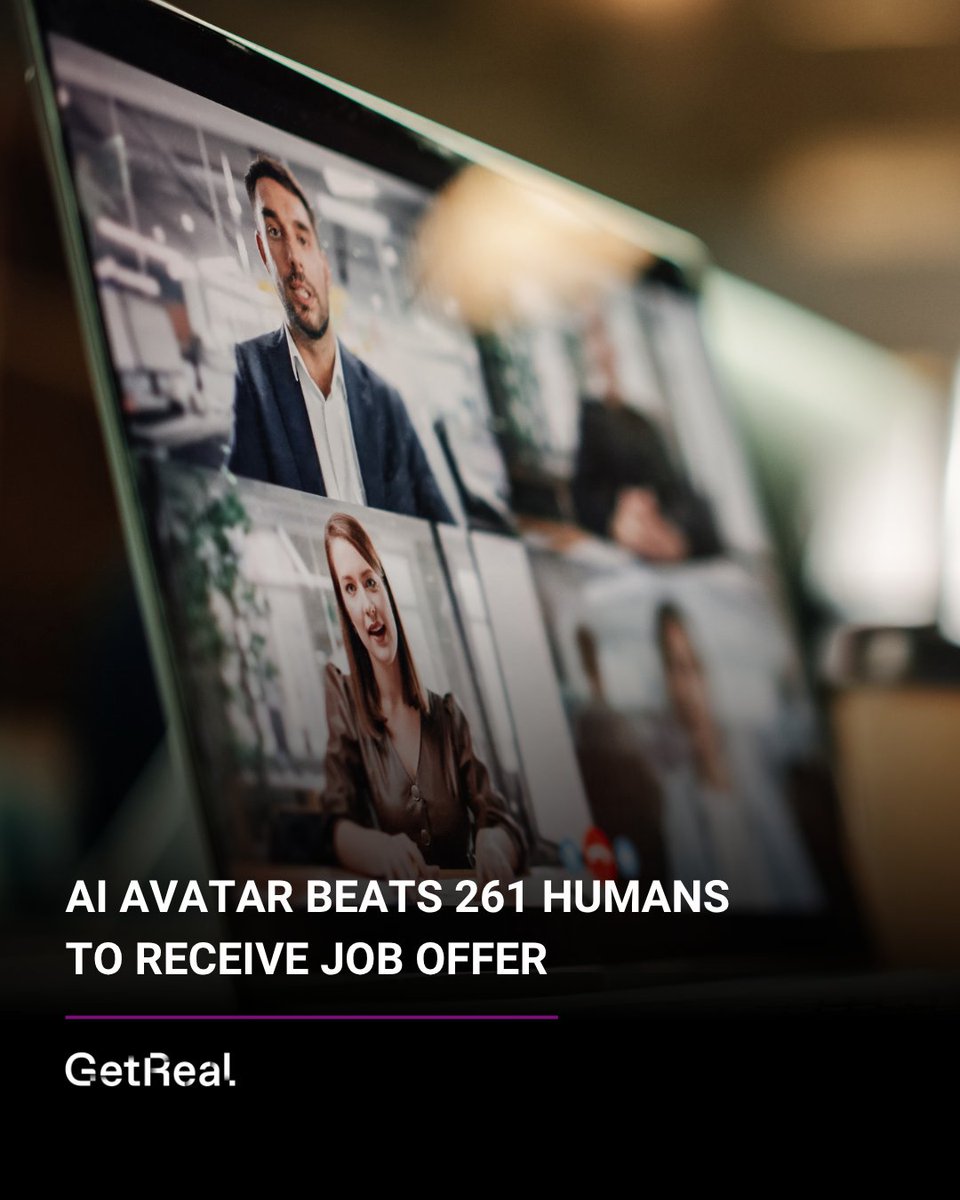




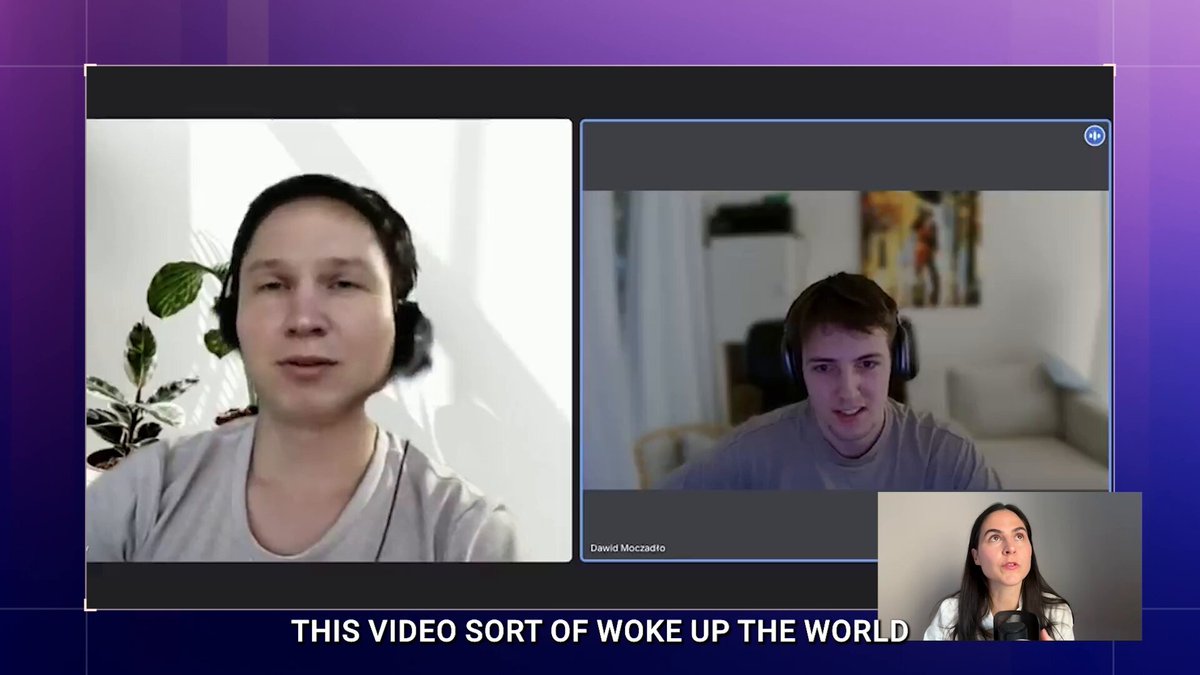

A cybersecurity researcher beat 261 real applicants to a tech job without ever showing his real face.
According to @thetimes, Jake Moore, a security adviser at ESET, used about $50 of widely available AI software to build two fake personas: a man resembling himself, and a woman with an entirely different face, voice, and fabricated online life. Both were offered jobs at real companies after passing video interviews.
His references were fake. The email addresses behind them didn't exist. The LinkedIn profiles were fabricated.
During one interview, a hiring manager remarked that "AI is everywhere now," while unknowingly talking to an AI-generated face.
This was an authorized experiment, run with permission, designed to expose a gap. But the same playbook is being run at scale, by actors with very different intentions.
Fraudulent candidates are already inside hiring pipelines, and most organizations have no way to verify the human on the other side of the screen.
Every remote interview is now an attack surface. The résumé can be generated. The references can be generated. The face and voice in the interview can be generated. All are convincing, and the technology to create a synthetic identity will continue to get better and cheaper.
GenAI threats are putting HR and talent acquisition on the front lines of cybersecurity.
Protecting hiring pipelines today means securing every pixel and soundwave. The question isn't whether a synthetic candidate has applied to your company, it's whether you'd know.
Full report from The Times here: thetimes.com/money/family-fi…
48

Jun 12
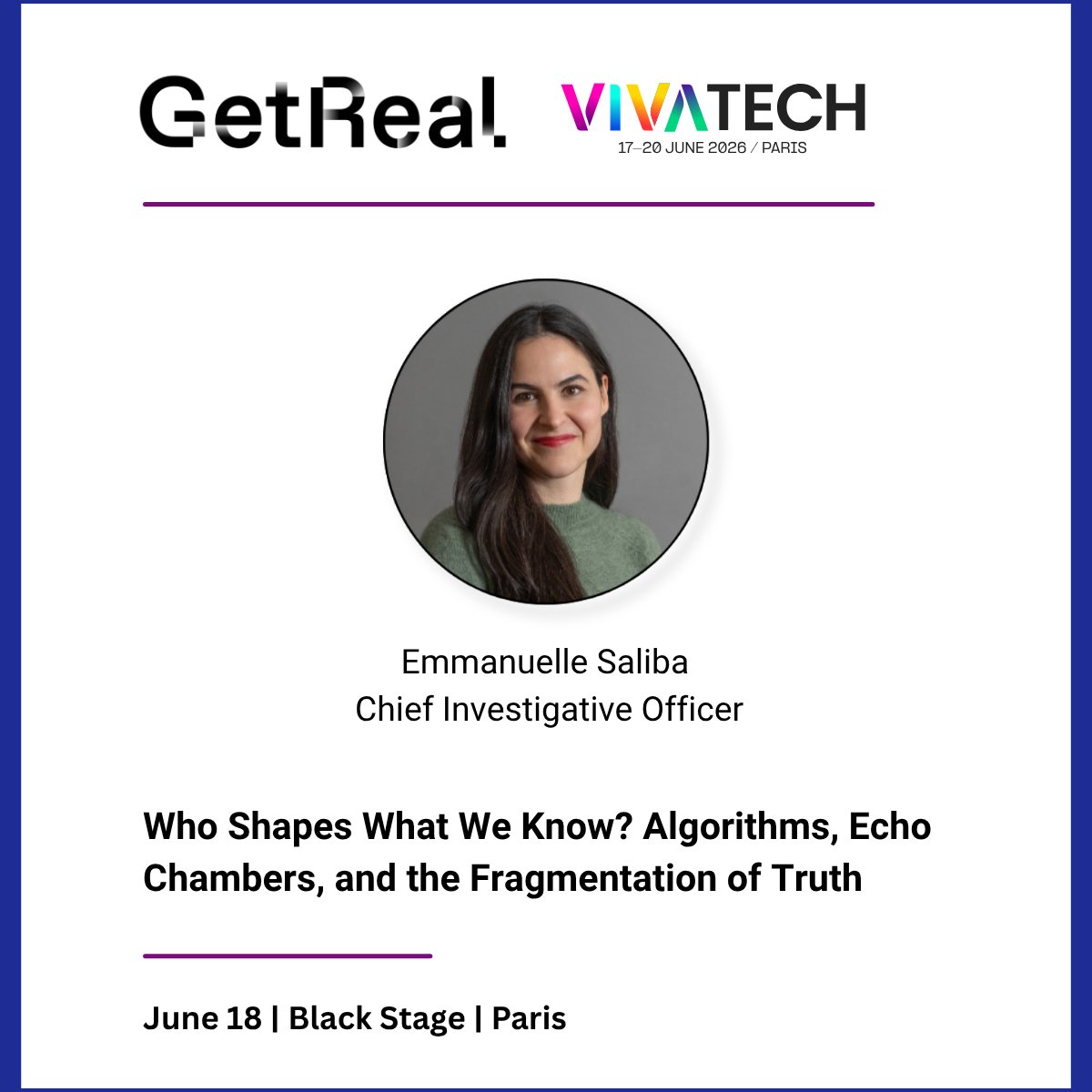
Dr. Tina Nikoukhah, VP of Research at GetReal Security, is giving a keynote at @VivaTech 2026. She'll discuss the latest in synthetic content detection and what it means for trust in the digital age.
More details here: tr.ee/vivatech-keynote
1
16
Jun 12
The question is: if AI-generated profiles can infiltrate online culture to the point where we don't know who is real and who is fake, what does that mean for businesses, government, and society?
H/T Emmanuelle Saliba @_esaliba for digging in on this report.
1
117
Jun 11
In the span of seconds to minutes, AI-generated content can cause mass confusion, create irreparable harm to a business or brand, and be seen millions of times before it’s recognized as fake.
This compounds an already fragmented online experience curated by countless algorithms and automated curation.
At the center of the issue is a question about what constitutes truth and knowledge during an era when digital content not only pushes fragmented experiences further, but is often rewarded for doing so.
Emmanuelle Saliba @_esaliba, Chief Investigative Officer at GetReal Security and a former journalist for ABC and NBC News specializing in visual investigations, joins a powerful panel of experts at this year's @VivaTech to discuss whether common ground is still possible.
Moderated by David Gilbert from @WIRED, this is one not to miss.
For details: vivatech.com/sessions/sessio…
1
110
Jun 11
One of the biggest threats to organizations is not something you can patch. It’s having control over who is really being granted access to your network.
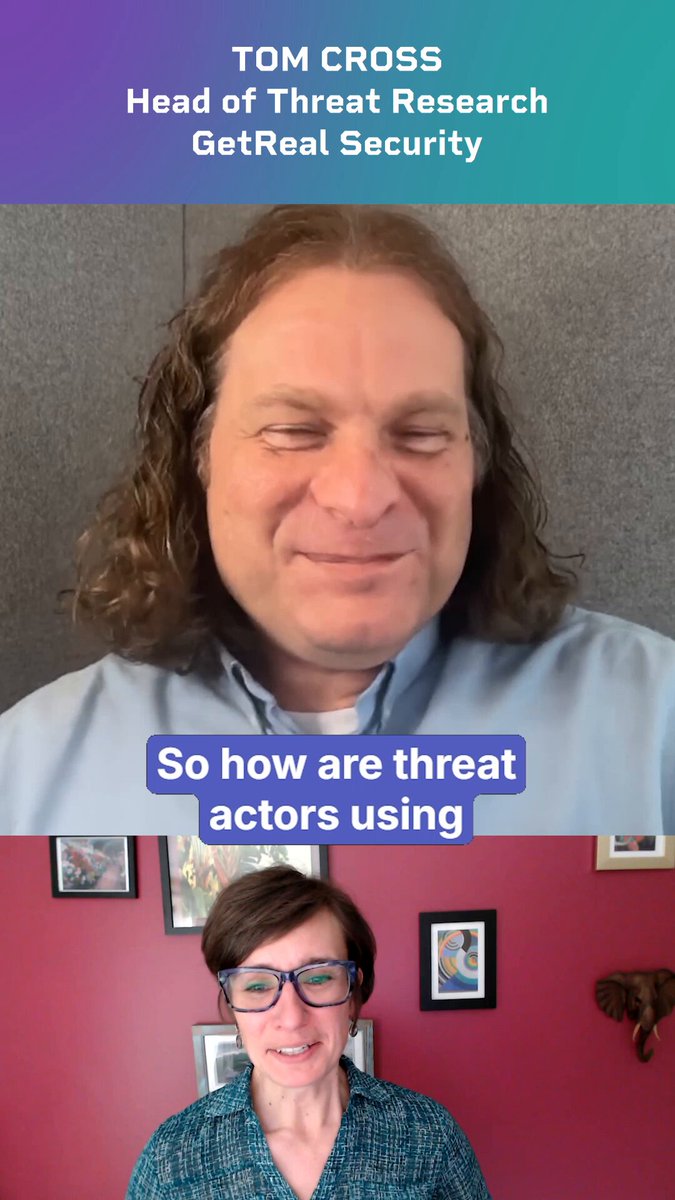
In a conversation with the Beyond The Alert podcast from @DropzoneAI, GetReal Security Head of Threat Research Tom Cross breaks down the threat lying within the credential lifecycle: the specific moments where identity verification is weakest and attackers know it, including employee onboarding and credential resets.
1
1
15
Jun 11
And it's getting harder to defend. The same voice that passes a biometric check can now be generated in real time from a 30-second audio sample. A person’s face, hair, and clothes can be swapped onto anyone else’s body, live, with tools that became publicly available this past March.
This isn't just a technology problem. Human susceptibility to social engineering isn't something AI can fix. One person running an emotionally adaptive, AI-driven calling system can place thousands of simultaneous calls. There's no patch for that.
1
11
Jun 11
Watch Tom's full conversation on the Beyond The Alert podcast here: youtu.be/CiXnPnzyXP4?si=saRz…
3
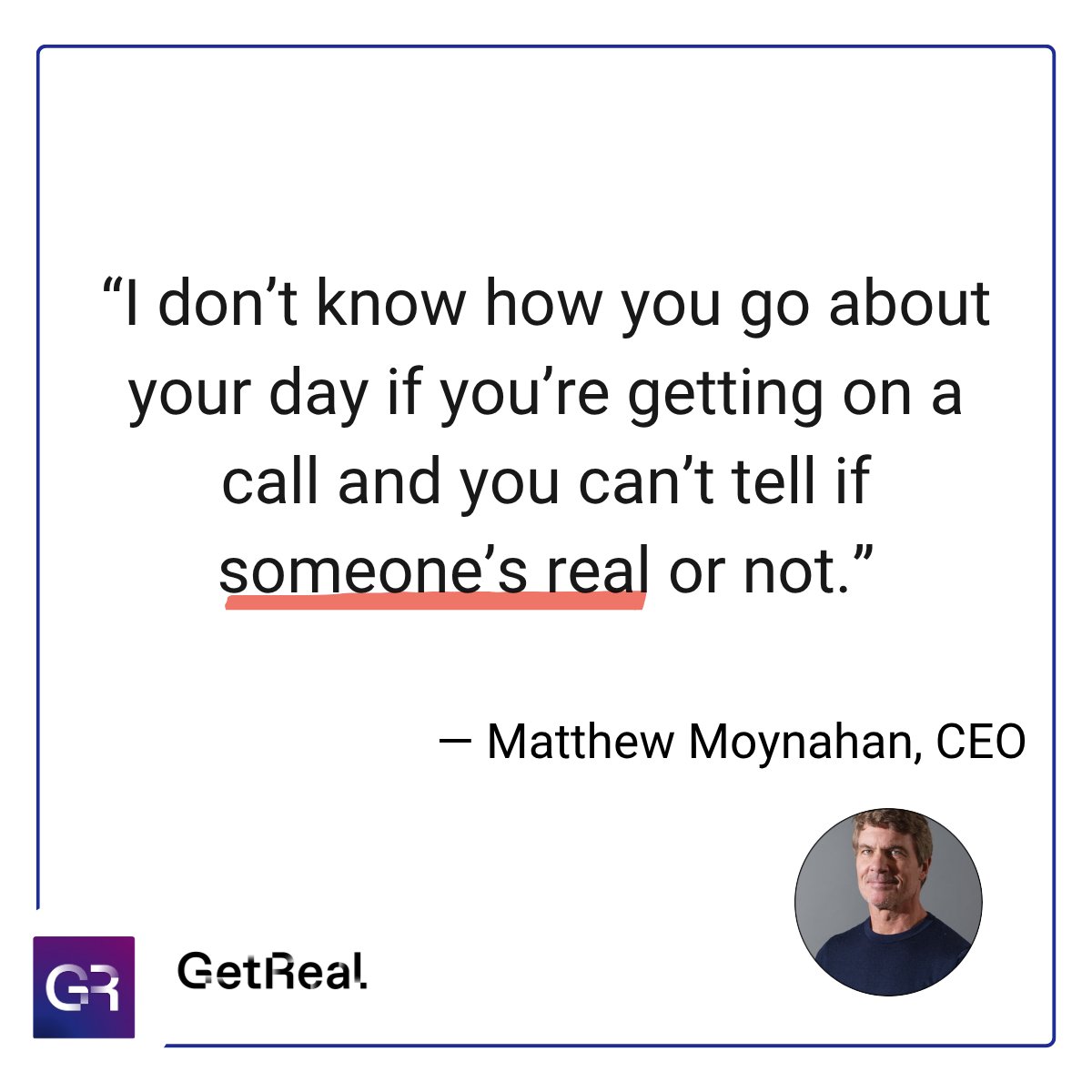
“I don’t know how you go about your day if you’re getting on a call and you can’t tell if someone’s real or not.”
GetReal Security CEO Matthew Moynahan recently spoke with Cameron Wenham on The Defender’s Journal podcast from @TechfellowUK about the incredible disruption we’re seeing, what makes GetReal’s approach unique, and what is at stake.
Listen here or wherever you get your podcasts: open.spotify.com/episode/27P…
1
6
May 29
The influencers you’re following could be AI, and you may not know it.
GetReal Security’s Chief Investigative Officer Emmanuelle Saliba (@_esaliba) spent the last month investigating the rise of AI influencers and the highly valuable economy they’re tapping into.
Synthetic identities are blending into everyday online culture and building trust at scale. If they can do it on these platforms, they can do it anywhere.
1
10
May 28
"If anyone can easily create hyperrealistic humans — a synthetic persona with an online history, a trusted following — they can use it anywhere."
May 28

You’re following AI and probably don’t know it.
Over the last month, I’ve been diving into a growing ecosystem of AI influencers online. Some have millions of followers, some sell products, and some generate real revenue. And many online users interacting with these accounts don't realize these are not real humans.
What also stood out wasn’t only the quality of the models or the now organized production pipeline allowing these synthetic personas to be created in large numbers, it was how quickly synthetic identities are blending into everyday online culture and building trust at scale.
Full video: youtu.be/ApVwFYPMzaM?si=-6pa…
@GetRealSecurity
1
204
May 26
How certain are you that the person on the other side of the screen is actually who they claim to be?
Next week at @Gartner_inc Security & Risk Management Summit, GetReal Security CEO Matthew Moynahan will moderate a CISO Boardroom discussion about one of the biggest blind spots in enterprise security today: trusting who is on the other side of the call.
Current identity stacks were designed to verify accounts, not humans. For the last two decades that distinction didn’t matter, but #GenAI has changed everything.
Seats are limited. Register now: gartner.com/en/conferences/n…
3
May 21
Every so often a version of this scenario goes viral: something about a participant on a call is a bit off, and increasingly, it’s a hiring candidate.
The interviewer asks them to wave their hand in front of their face. That’s the trick that exposes the scam.
1
87
May 21
Except this trick no longer works. The technology has improved.
Dr. Hany Farid explains how deepfake technology is improving beyond traditionally popular tells.
1
43
May 20
We need the same guardrails, protections, and tools in digital spaces that we have in the physical world.
Crosswalks, helmets, and seatbelts need digital counterparts. Continuous identity verification is the next move in building the safety infrastructure our digital world deserves.
Read more about GetReal’s first-of-its-kind platform: getrealsecurity.com/resource…
3
GetReal Security retweeted

Big news from @GetRealSecurity: continuous identity verification is now generally available in GetReal Protect — the first platform to verify who is on the call in real time. The human layer is the new frontier in zero-trust. GetReal is defending it. lnkd.in/gjMPGPup

1
1
29
May 19
Deepfakes broke static biometric security.
As GetReal Security co-founder Dr. Hany Farid says, in the physical world a capture of an iris or a face may work. In the digital world, verification based on static biometrics isn’t enough.
Learn how continuous identity verification, released this week, meets the challenge:
getrealsecurity.com/resource…
45
May 18
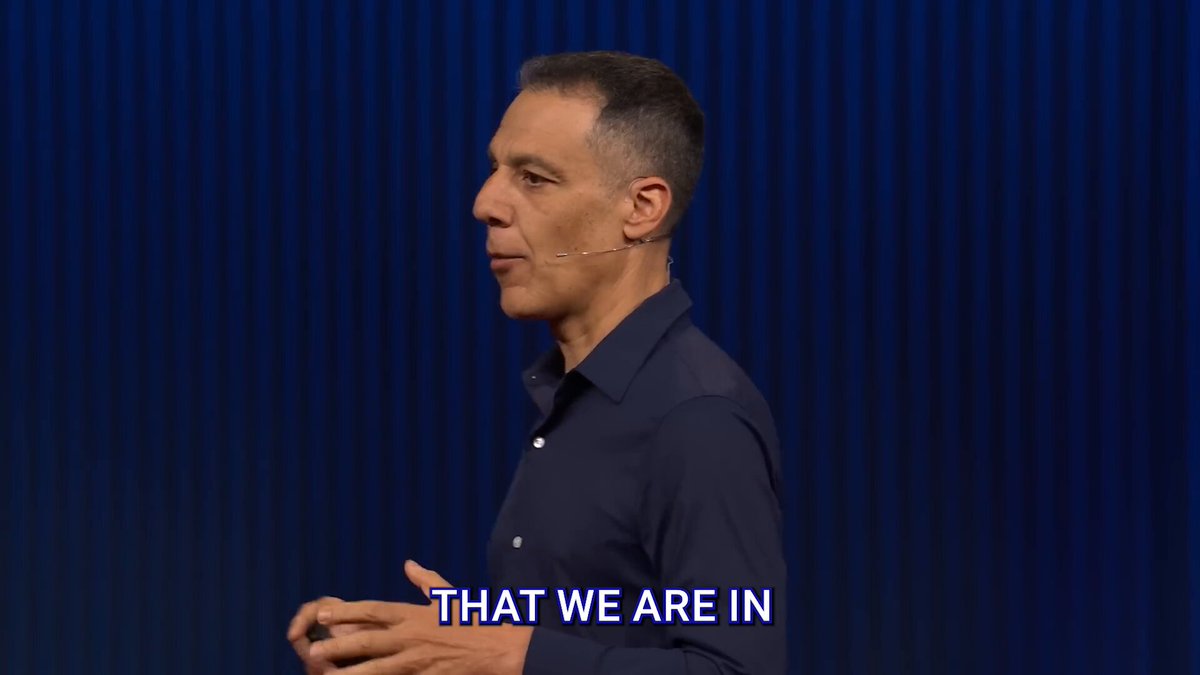
“I contend that we are in a global war for truth.”
Last year, GetReal Security co-founder and chief science officer Hany Farid stood in front of a packed @TEDTalks audience and laid out what we’re up against when it comes to AI-powered deception — and how the team at GetReal is fighting back.
This week we’re taking another major step forward in our mission to restore trust on the other side of the screen. GetReal Protect is now the first platform to offer a holistic, real-time solution that combines deepfake detection, impersonation detection, and continuous identity verification across voice and video.
Most identity solutions rely on a single point-in-time check — a password entered, a face scanned once — authentication that is easily sidestepped using AI. GetReal Protect is the only platform which verifies continuously, ensuring the person who joins the call is the same person who stays on it — and the same, verified person who appears each and every time thereafter.
1
20