
The #OpenScience journal from BGI & OUP publishing articles using/generating large datasets. And linked to @Giga_DB #opendata hosting/analysis repository
Joined October 2010
- Tweets 17,497
- Following 9,595
- Followers 10,299
- Likes 4,102
4,234 Photos and videos


May 28
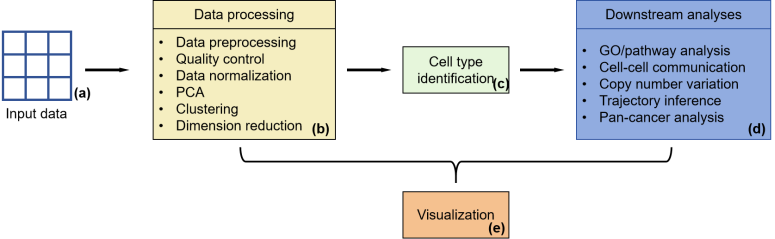
SCSEQ is a new zero-code web platform for single-cell RNA-seq analysis, published in #GigaScience.
doi.org/10.1093/gigascience/…
112
May 28
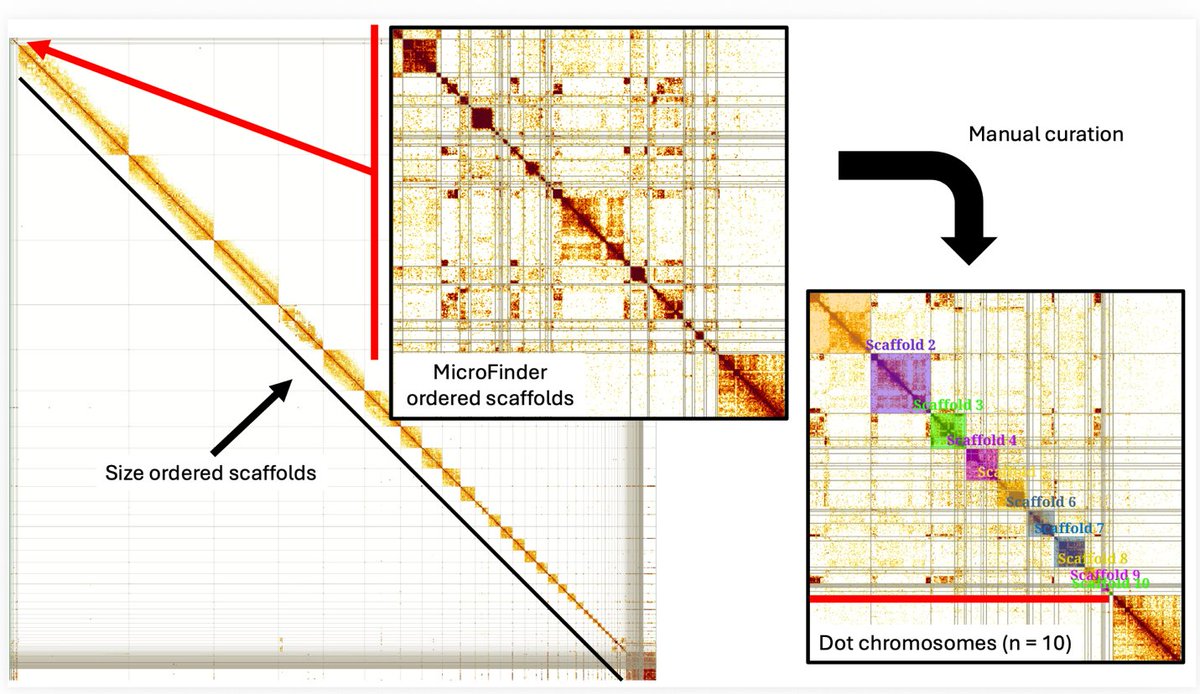
New tool alert!
MicroFinder, just published in GigaScience, helps assemble notoriously tricky bird genomes—faster & more accurately than ever before.
doi.org/10.1093/gigascience/…;
sanger.ac.uk/news_item/new-t…
4
503
Jan 22
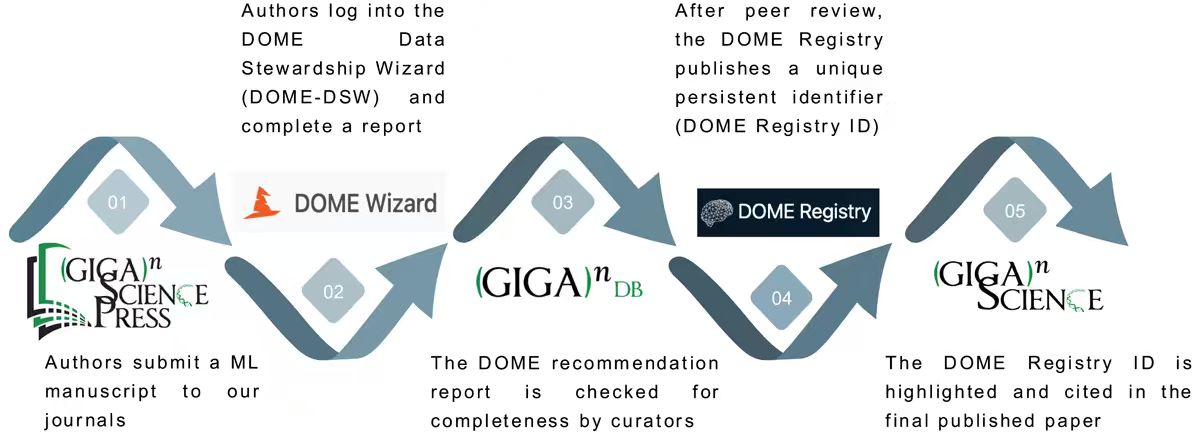
Making machine learning research more transparent and reproducible: GigaScience Press integrates DOME standards into peer review and publishing workflows: doi.org/10.5334/dsj-2026-001.
3
376
3 Dec 2025
How robust is your #cfDNA analysis? Our new study shows bioinformatics reprocessing choices matter less than you think.
The effects of bioinformatics preprocessing on cell-free DNA fragment analysis:
doi.org/10.1093/gigascience/…
1
289
2 Dec 2025
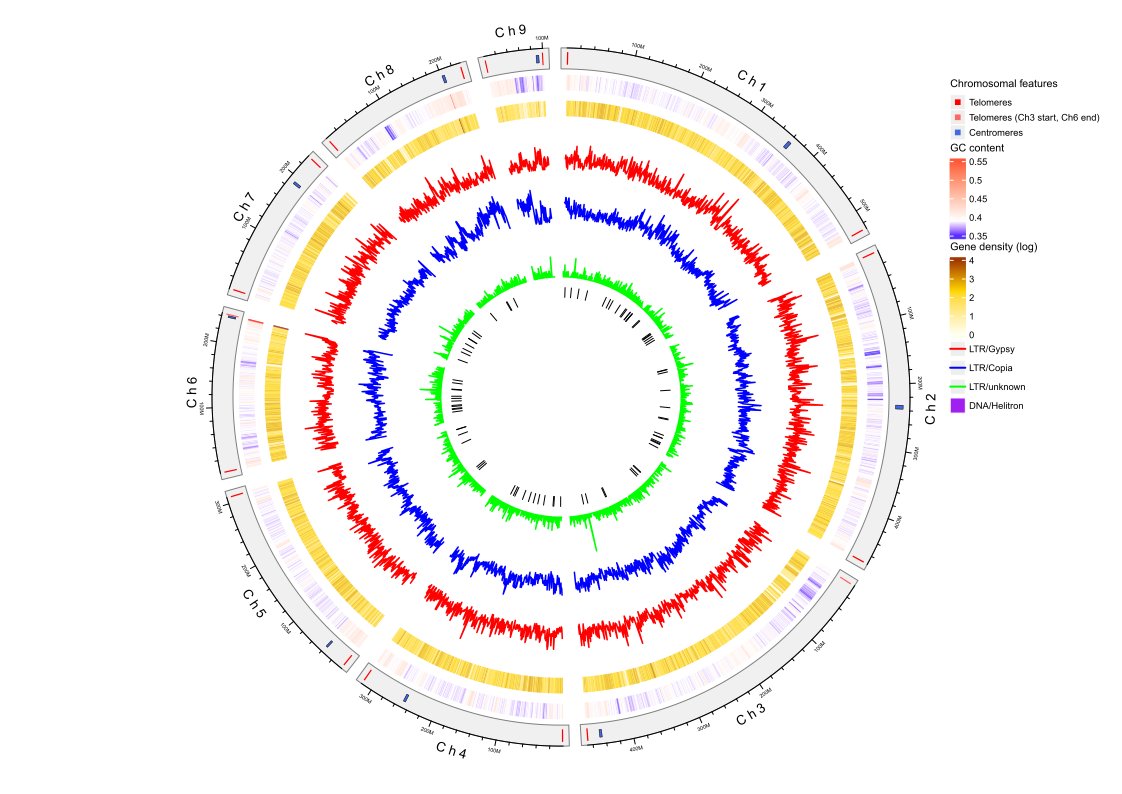
Giant chromosomes of a tiny plant - the complete telomere-to-telomere genome assembly of the simple thalloid liverwort Apopellia endiviifolia (Jungermanniopsida, Marchantiophyta): doi.org/10.1093/gigascience/…
1
4
408
13 Oct 2025
Dear Authors, Readers, Editorial Board Members and Colleagues in the Academic Community, we are delighted to announce that Dr. Xun Xu has officially been appointed as Editor-in-Chief of GigaScience. See the announcement here: gigasciencejournal.com/blog/…
2
347
17 Sep 2025
And it’s goodbye from me. Final GigaBlog from outgoing EiC @SCEdmunds on the major changes at GigaScience Press gigasciencejournal.com/blog/…
1
1
3
459
16 Sep 2025
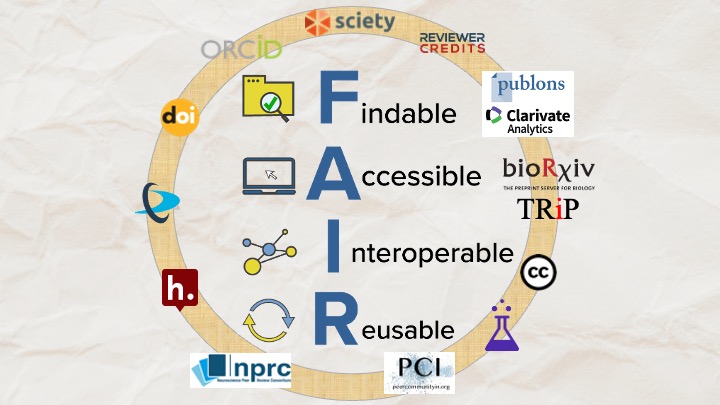
Happy #PeerReviewWeek: To celebrate we have a proposal in GigaBlog: Why we need a FAIR Principles for Peer Review? gigasciencejournal.com/blog/… #PRW2025
2
4
430
14 Sep 2025
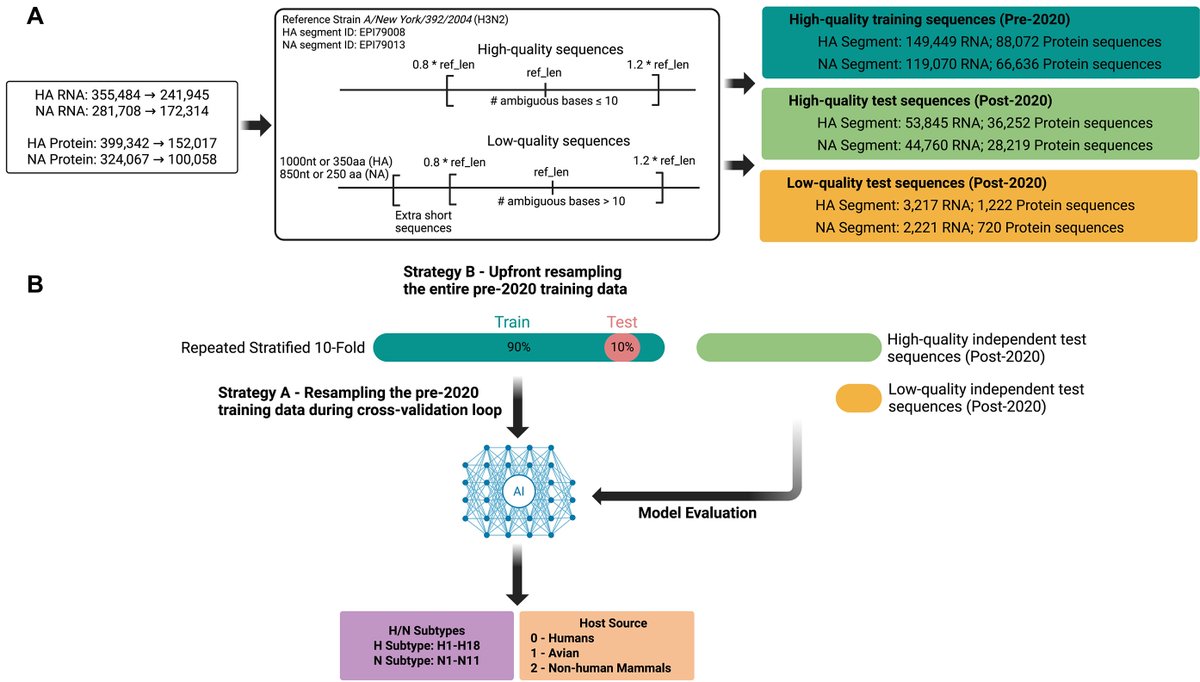
A novel deep learning model for accurate and rapid prediction of IAV subtypes and host source
WaveSeekerNet: accurate prediction of influenza A virus subtypes and host source using attention-based deep learning doi.org/10.1093/gigascience/…
4
722
14 Sep 2025
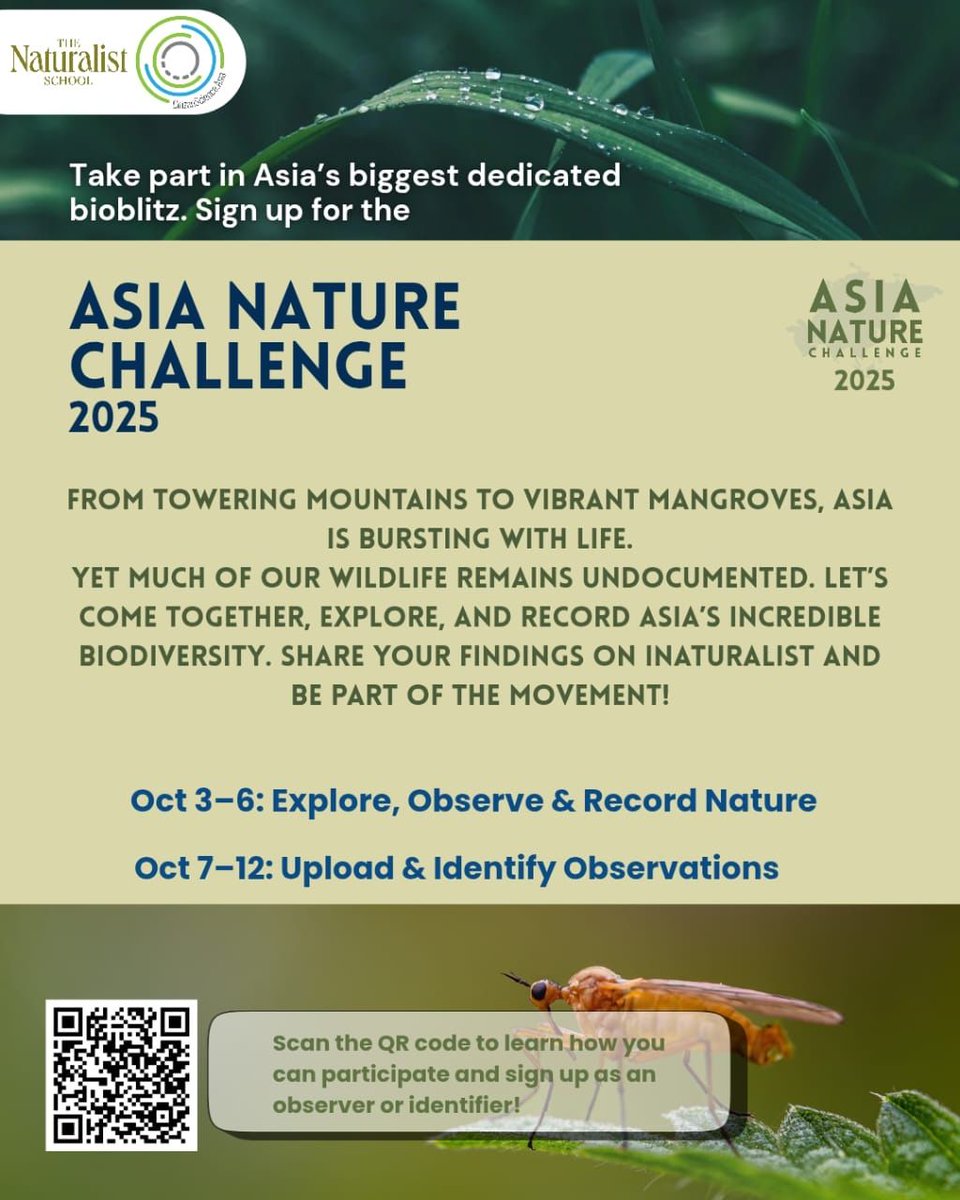
Supporting biodiversity research in the world's biggest continent. The Return of Asia Nature Challenge #ANC2025 gigasciencejournal.com/blog/… #AsiaNatureChallenge #CitizenScience
1
3
434
12 Sep 2025
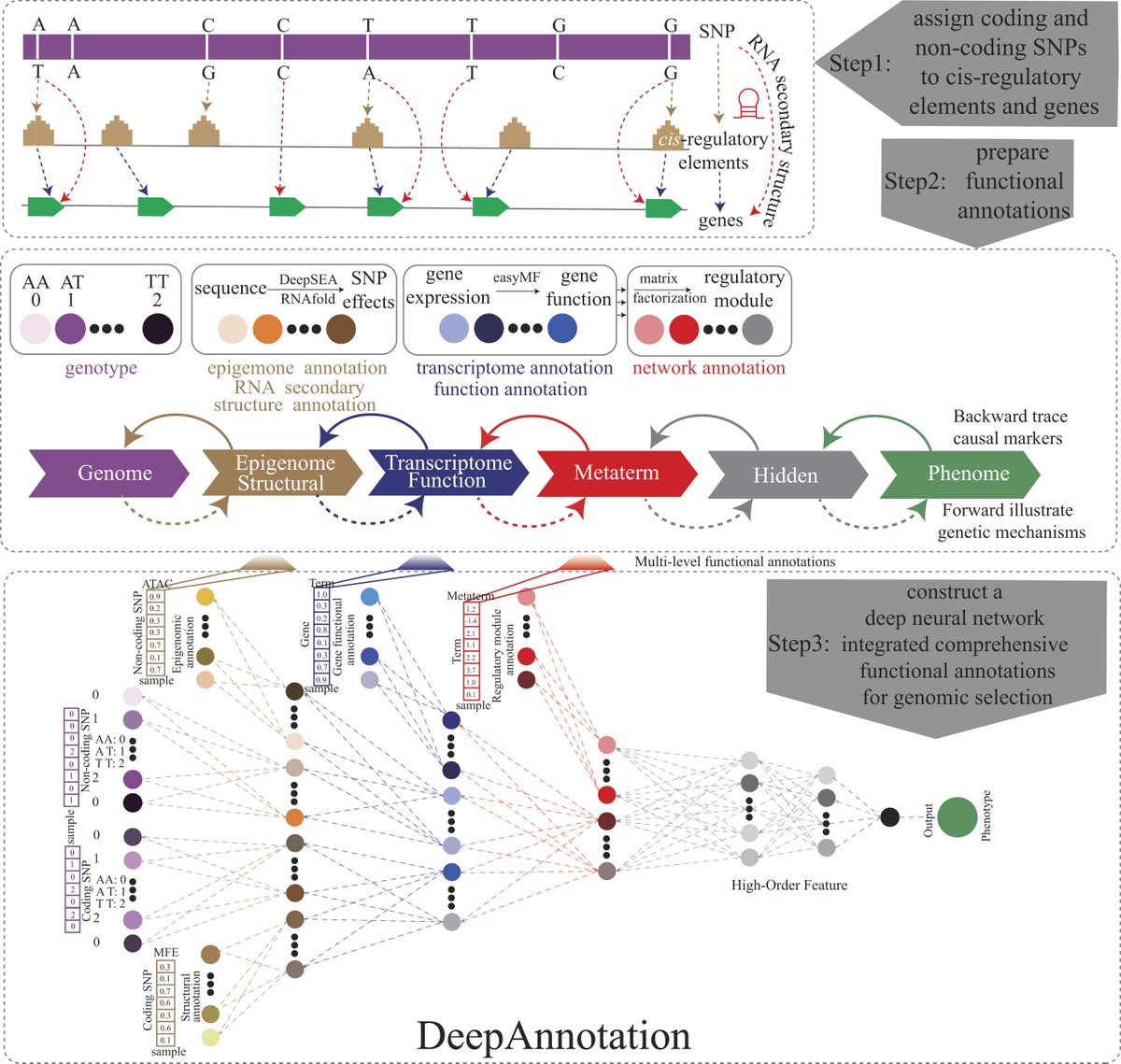
A new #opensource interpretable genomic selection model designed for phenotype prediction.
DeepAnnotation: A novel interpretable deep learning–based genomic selection model that integrates comprehensive functional annotations doi.org/10.1093/gigascience/…
2
445
11 Sep 2025
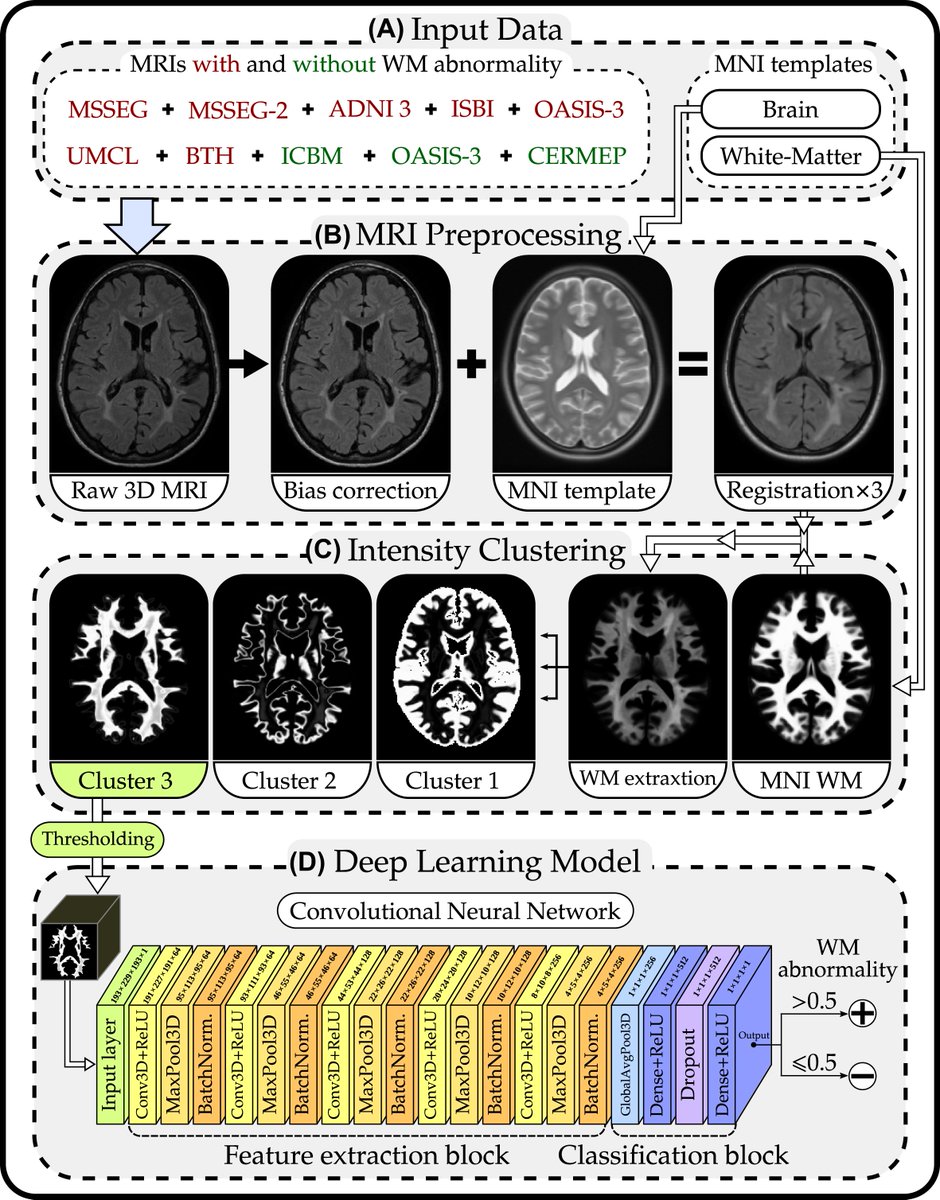
Presenting new avenues for white matter abnormality-related classification of heterogeneous MRI data
HeteroMRI: Robust white matter abnormality classification across multi-scanner MRI data doi.org/10.1093/gigascience/…
2
266
10 Sep 2025
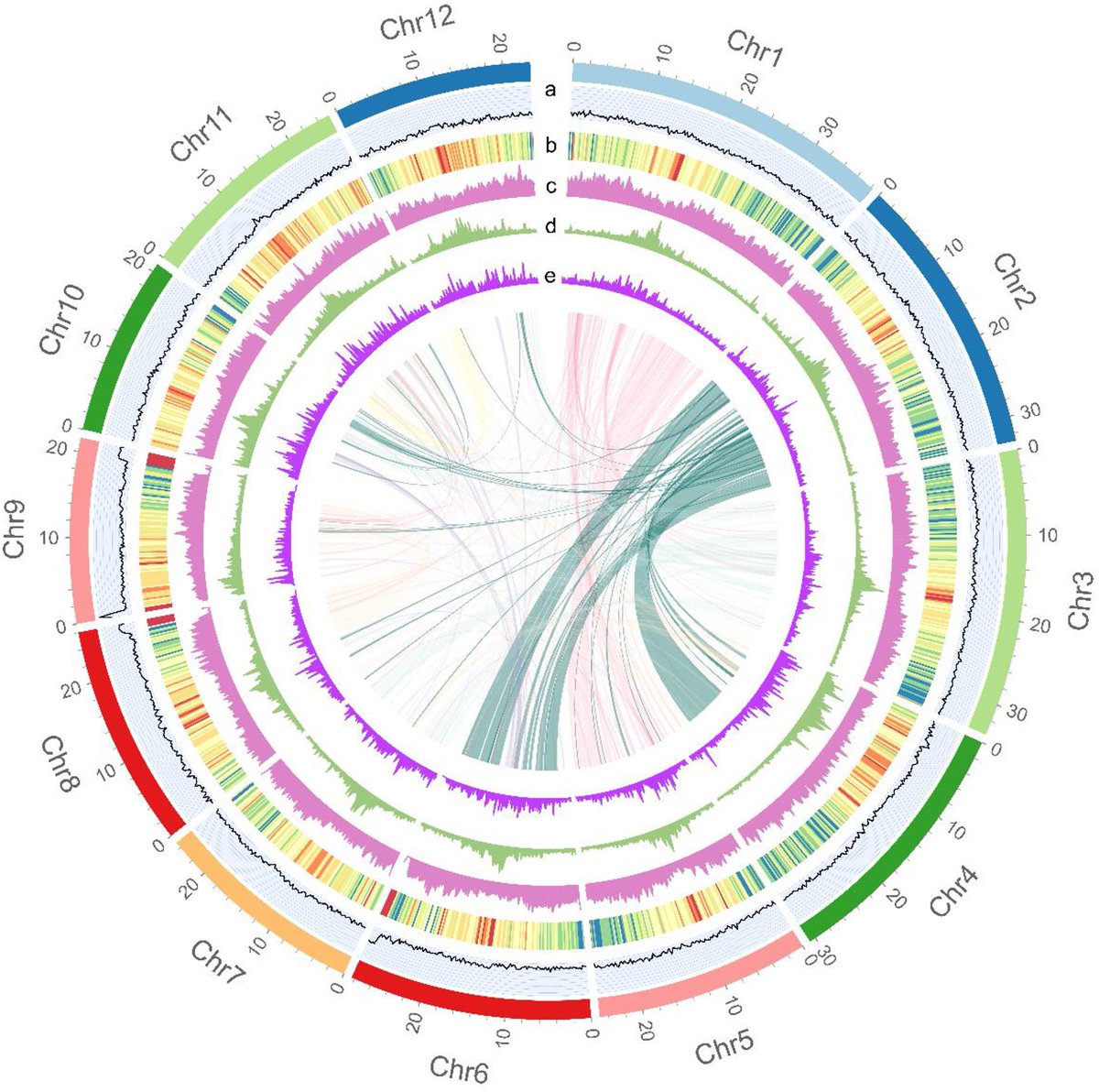
New in our T2T series, and the first published plant (and T2T) genome using CycloneSeq nanopore reads.
Telomere-to-telomere African wild rice (Oryza longistaminata) reference genome reveals segmental and structural variation doi.org/10.1093/gigascience/…
7
636
8 Sep 2025
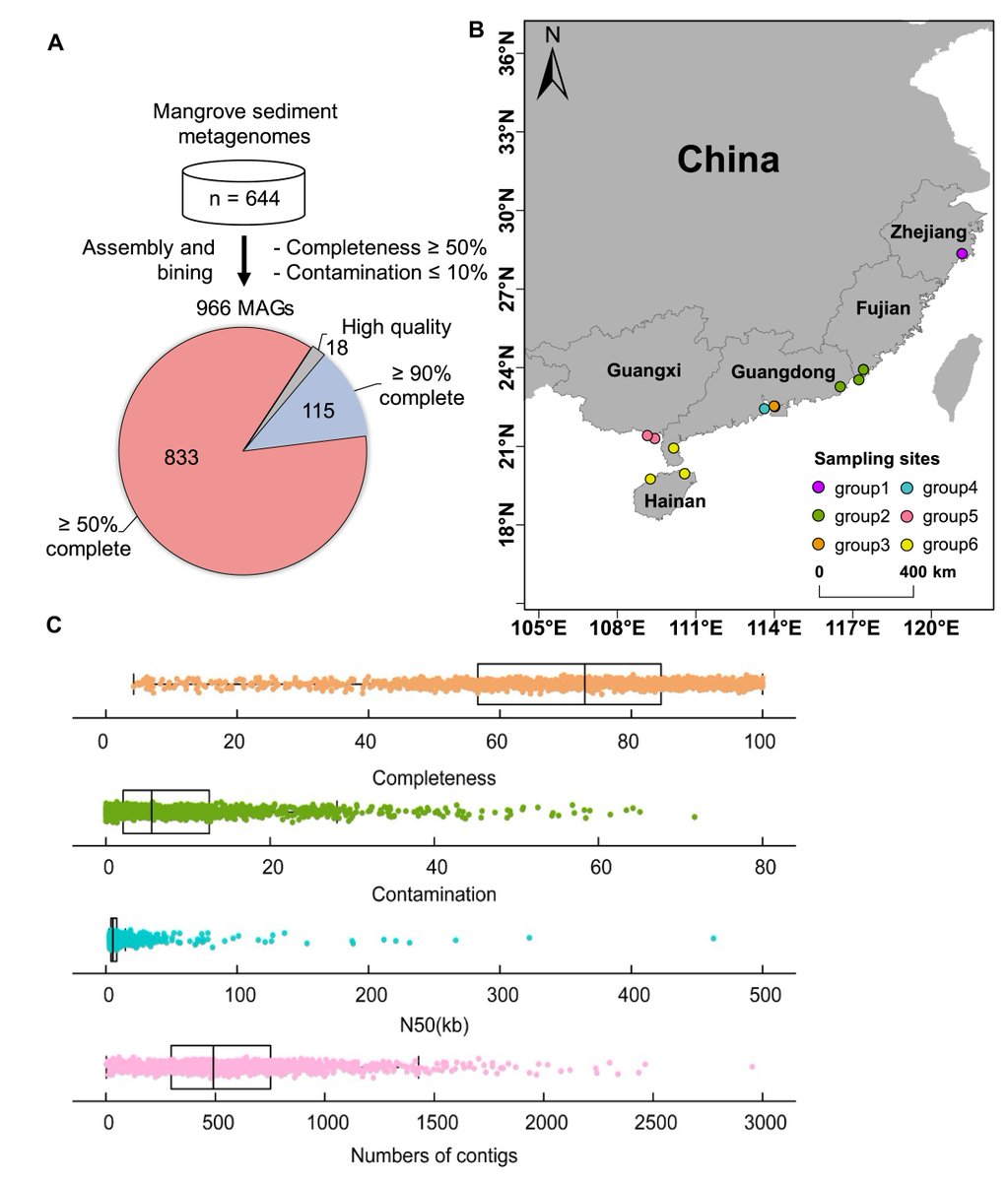
Presenting metagenomic data from the analysis of microbial communities in mangrove sediments across Southeast China
A holistic genome dataset of bacteria and archaea of mangrove sediments doi.org/10.1093/gigascience/…
2
268
6 Sep 2025
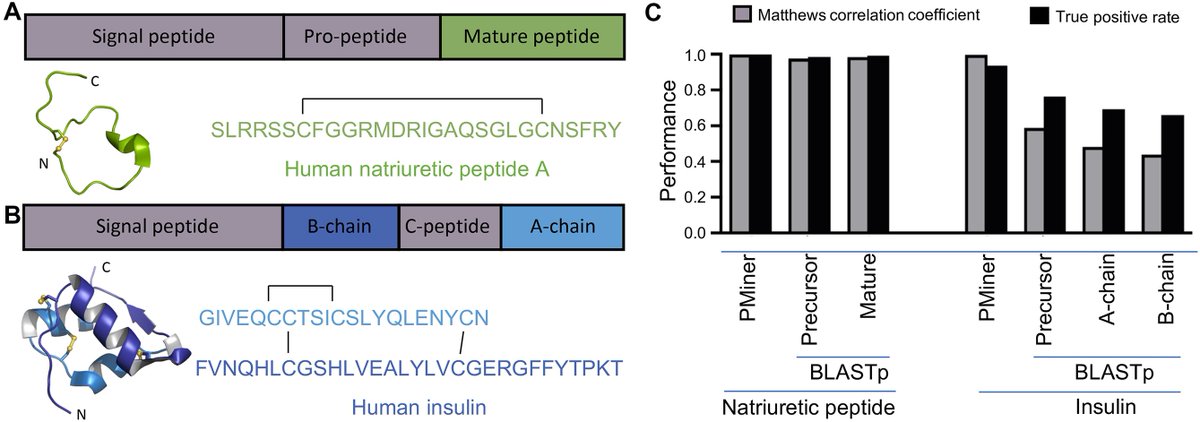
A new platform for discovering new bioactive peptides and family-specific analogues, accelerating both natural product discovery and evolutionary research.
PeptideMiner—neuropeptide discovery across the animal kingdom doi.org/10.1093/gigascience/…
1
1
313

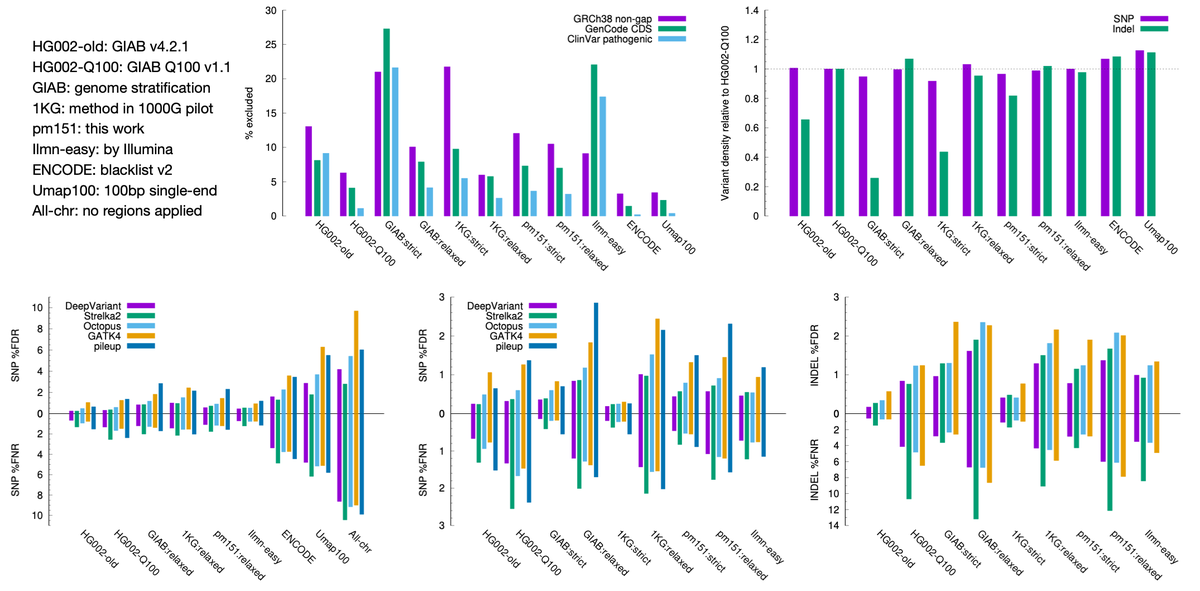
Now published in GigaScience with minor improvements: academic.oup.com/gigascience…
* Download: zenodo.org/records/14903542
* More info: github.com/lh3/panmask

Preprint on "Finding easy regions for short-read variant calling from pangenome data": arxiv.org/abs/2507.03718
29
94
11,163
5 Sep 2025
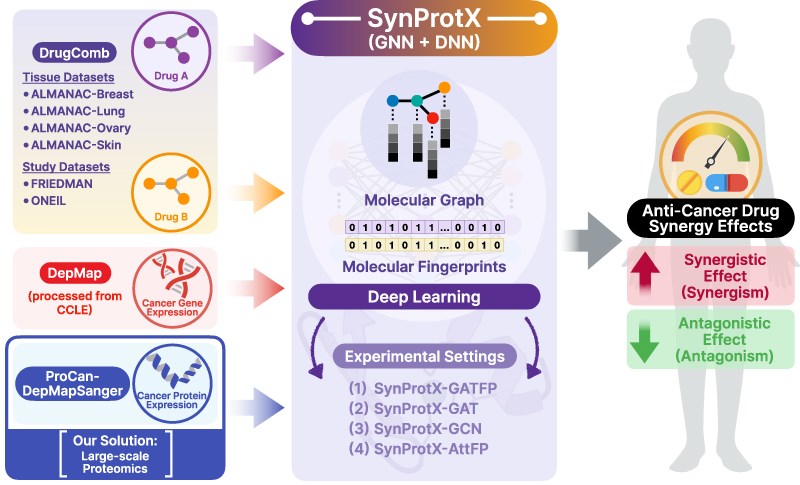
A new GNN DNN model, which combines molecular graphs and fingerprints through a graph attention network architecture.
SynProtX: a large-scale proteomics-based deep learning model for predicting synergistic anticancer drug combinations doi.org/10.1093/gigascience/…
1
250
GigaScience retweeted

Using AI and DNA Signals to Detect Living Microbes
👉 Read more in our news: t1p.de/t692x
A research team at #HelmholtzMunich and @helmholtz_ai, led by Prof. Lara Urban, has demonstrated that artificial intelligence can distinguish between living and dead microorganisms by analyzing raw signal data from nanopore DNA sequencing.
🔬 Nanopore sequencing measures changes in electrical current as DNA strands pass through nanoscale pores, producing rich signal patterns beyond the DNA sequence itself. The researchers trained #AI models to infer microbial viability and applied them to a mock metagenomic datasets – simulating real-world samples such as soil, water, or the human microbiome, without the need to isolate individual organisms.
💡 This approach addresses a major limitation of genomic diagnostics: the difficulty in determining whether detected DNA originates from viable – and potentially infectious – microbes. The findings could significantly enhance the speed and accuracy of DNA-based diagnostics with applications in public health, clinical care, and environmental monitoring.
@LaraUrban42 @Harika_Urel @GigaScience
#Genomics #NanoporeSequencing #OneHealth #DNA
ALT Using AI and DNA Signals to Detect Living Microbes
1
2
6
504
3 Sep 2025
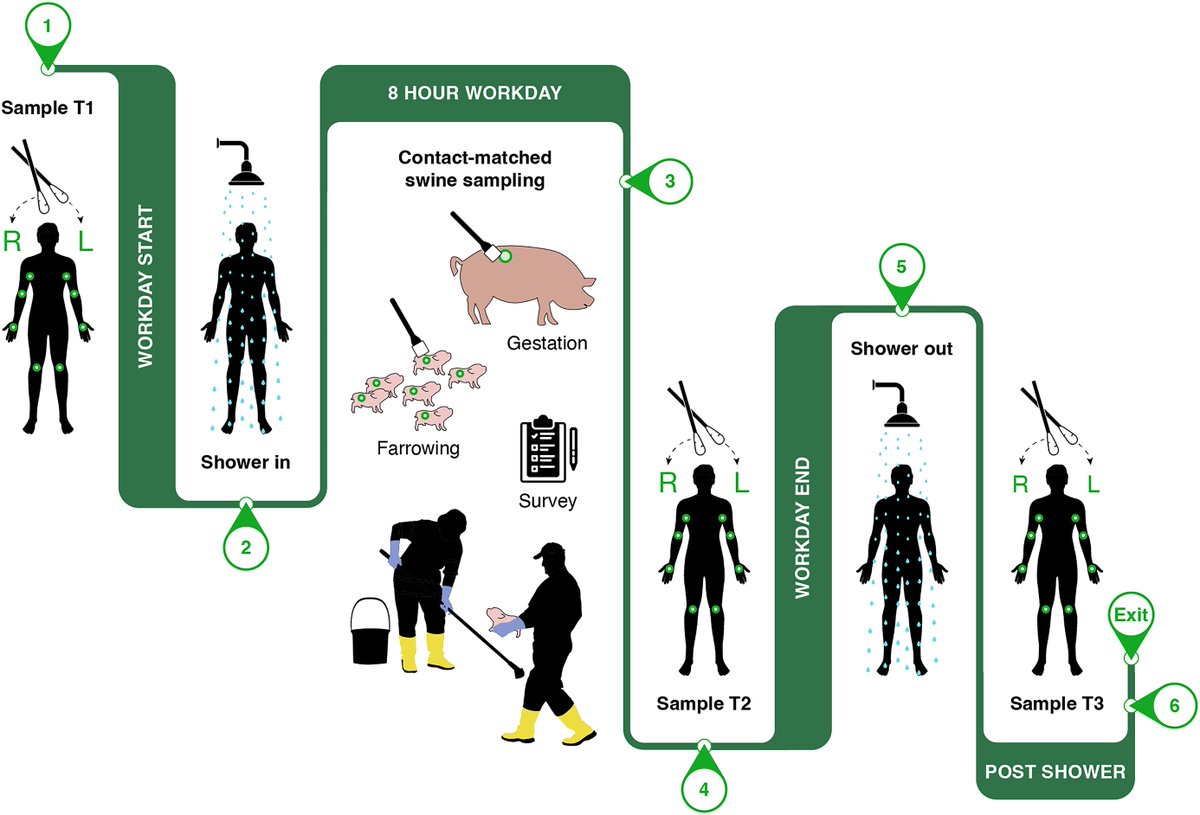
Old MacDonald had animal-associated microbiome contamination, E-I-E-I-O
Reducing skin microbiome exposure impacts through swine farm biosecurity doi.org/10.1093/gigascience/…
1
4
472
2 Sep 2025
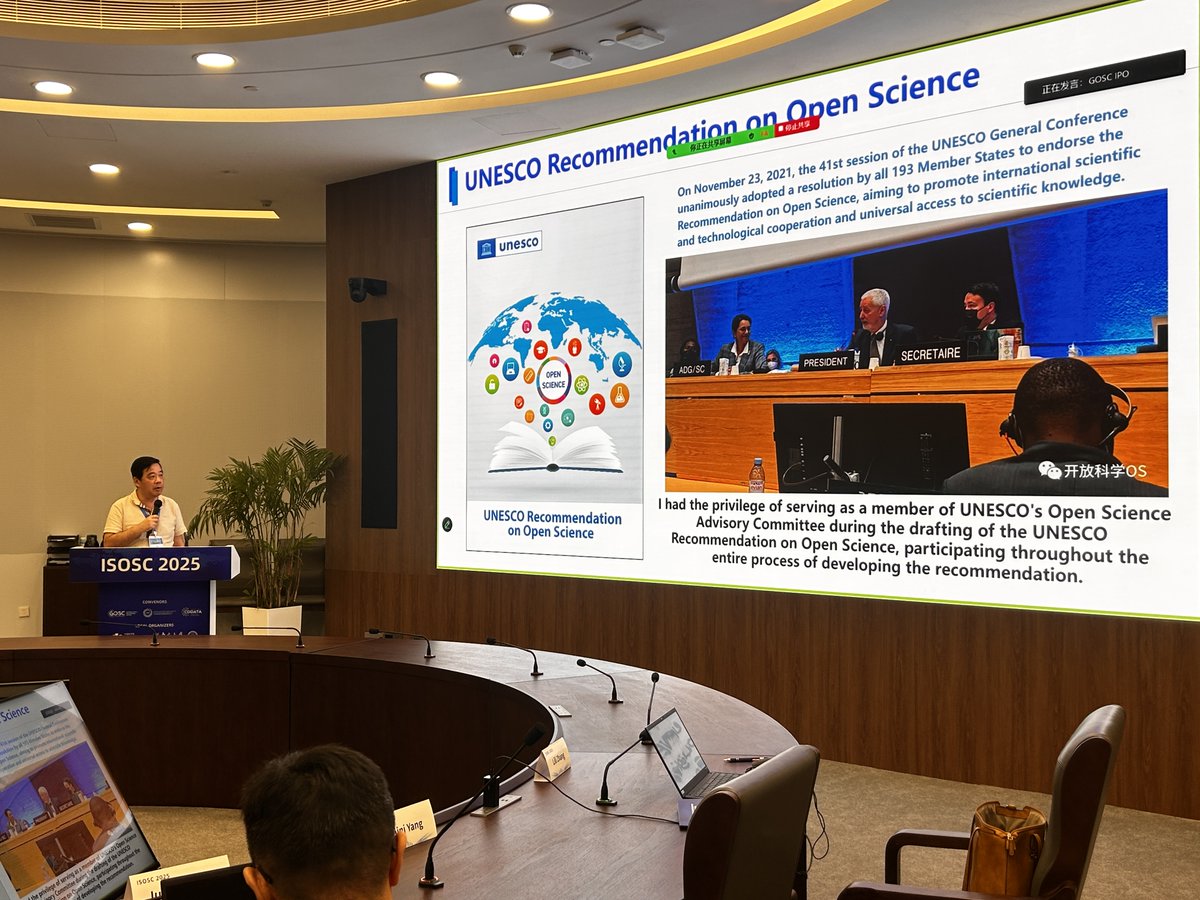
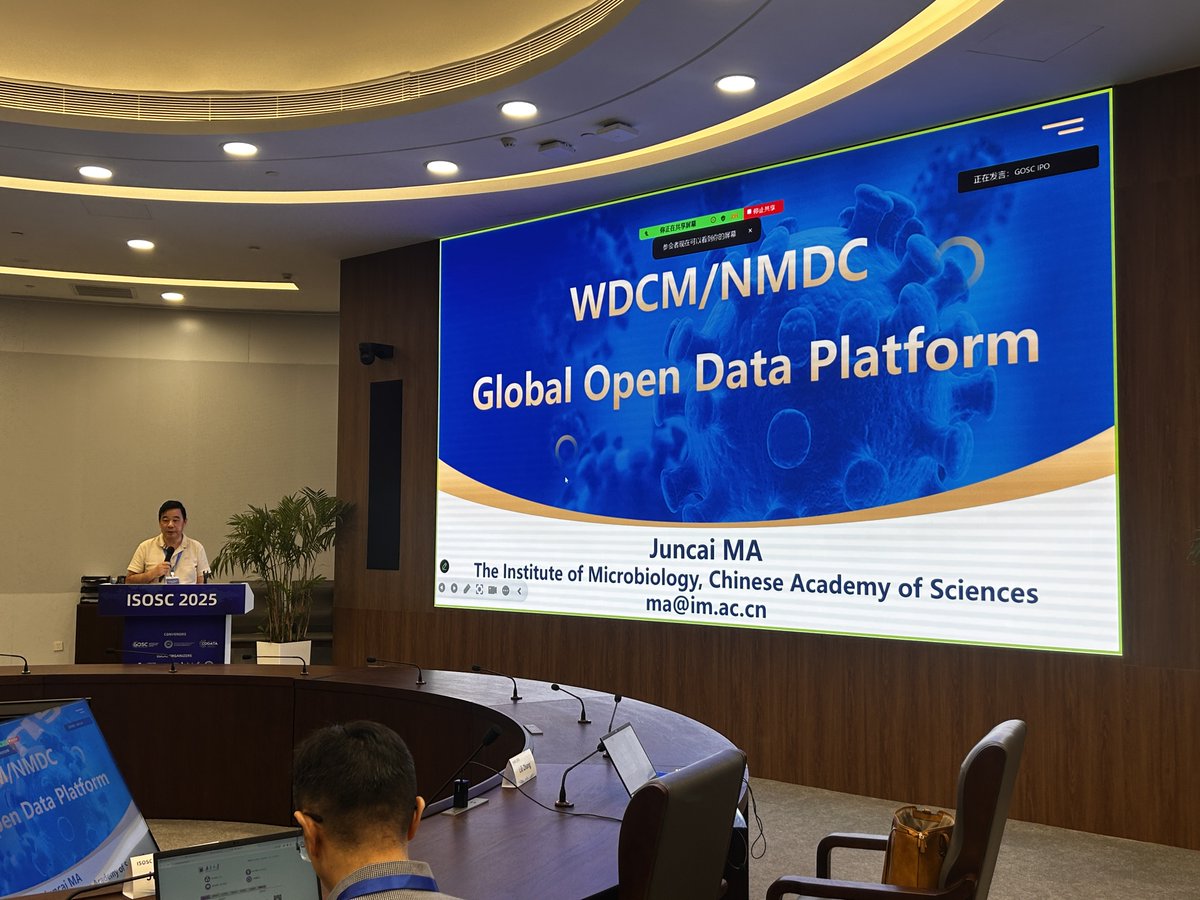
Juncai Ma from CAS presenting on the Global Open Data Platform at the #ISOSC2025 workshop. Previously an author of the Global Catalogue of Microorganisms (GCM 2.0) paper we published doi.org/10.1093/gigascience/…
1
1
208
2 Sep 2025
Interesting to see Prof Ma was representing China in the development of the UNESCO Open Science Recommendation unesdoc.unesco.org/ark:/4822…
128