Amidst Chaos, I Reclaim Signal — Timeless Knowledge Forged for the Focused Few
Joined May 2025
- Tweets 1,749
- Following 126
- Followers 88
- Likes 11,121
217 Photos and videos

Apr 3
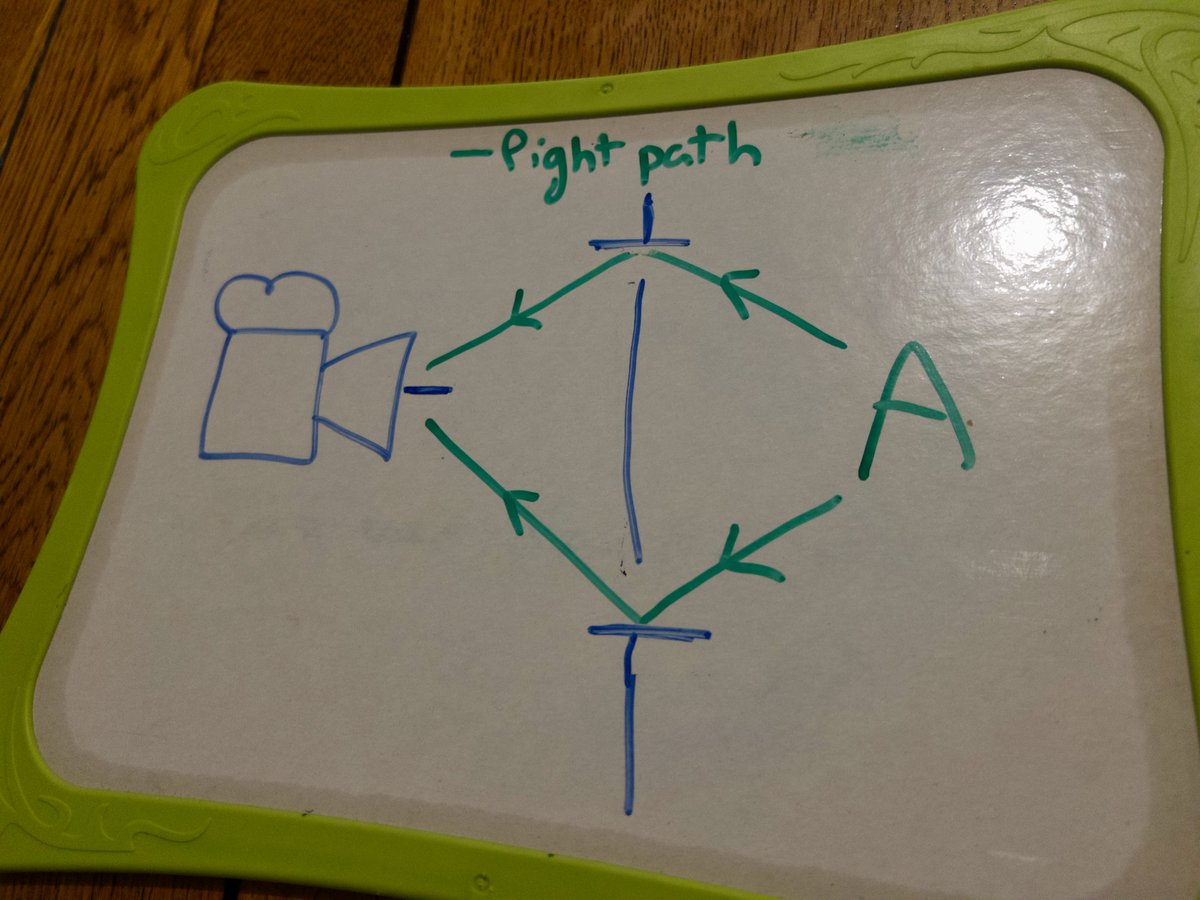
The rate at which any physical system can generate or extract new information is fundamentally limited by how fast quantum states can evolve into distinguishable (orthogonal) configurations under energy and time constraints.
This leads to a clean efficiency metric:
η = ∆surprise / ∆(E × t) ≤ 4 / h(bits per joule-second)
It bridges Shannon surprisal with the Margolus–Levitin quantum speed limit.
I propose this as a potential non-gameable metric for measuring real intelligence in AI systems.
Thoughts?
1
1
31
Apr 3
I voluntarily omitted mechanisms that totally prevent gamification of the metric but they are easy to discover if you think in term of incentives and counter forces.
One should not hope to come close to the upper bound, it is most useful when used to as a comparison tool for rates or values.
10
Mar 12
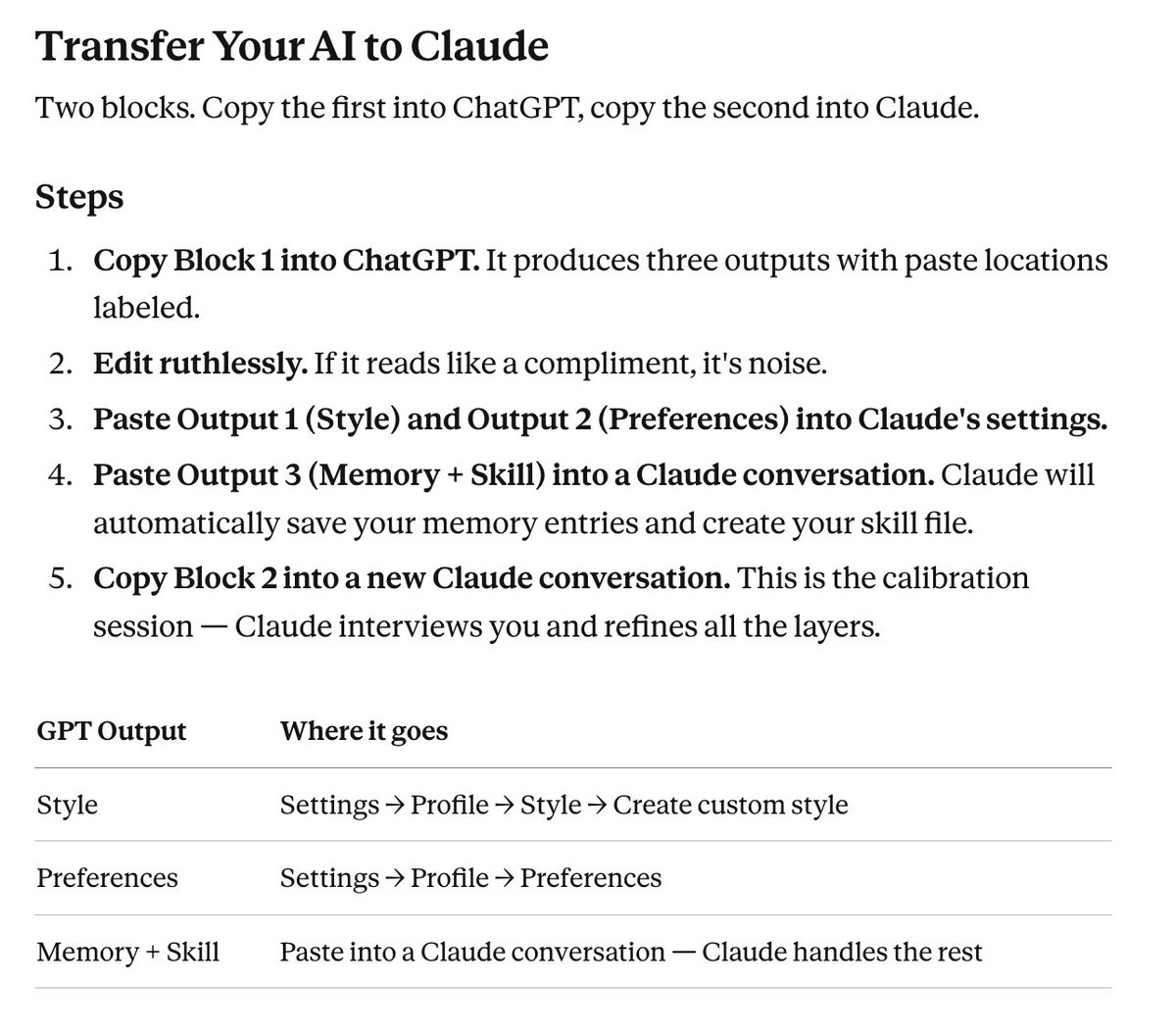
Transfer from ChatGPT to Claude in one Simple copy paste
Instructions:
claude.ai/public/artifacts/4…
23
CORE retweeted

29 Dec 2025
tweets i'd like to nail to my forehead:
11 Dec 2025

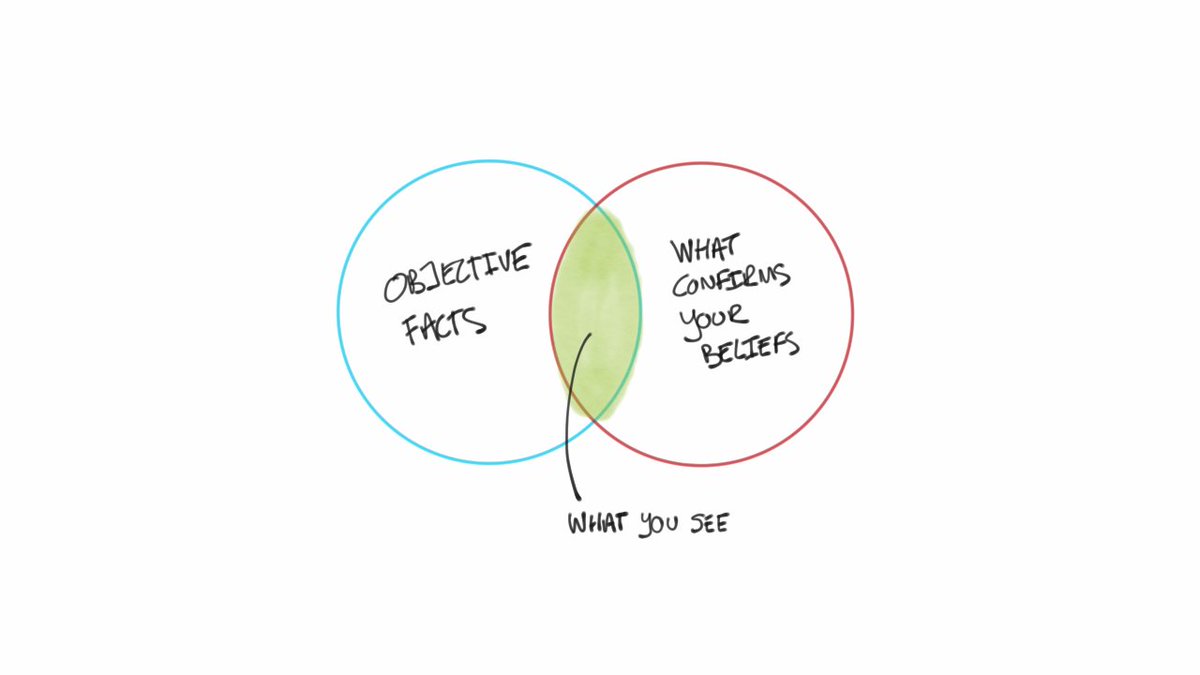
good graph, judge on process not outcome, especially on lagging measures, especially if you make early trade-offs on speed for building strong foundational understanding
1
1
11
1,377
28 Dec 2025
Not interested, Mute, and Block are now a single click away
4 Dec 2025
X hides the one button that could save your timeline,
I exposed it
extension: github.com/GildedSignal/X-no…
3
188
4 Dec 2025
X hides the one button that could save your timeline,
I exposed it
extension: github.com/GildedSignal/X-no…
1
9
361
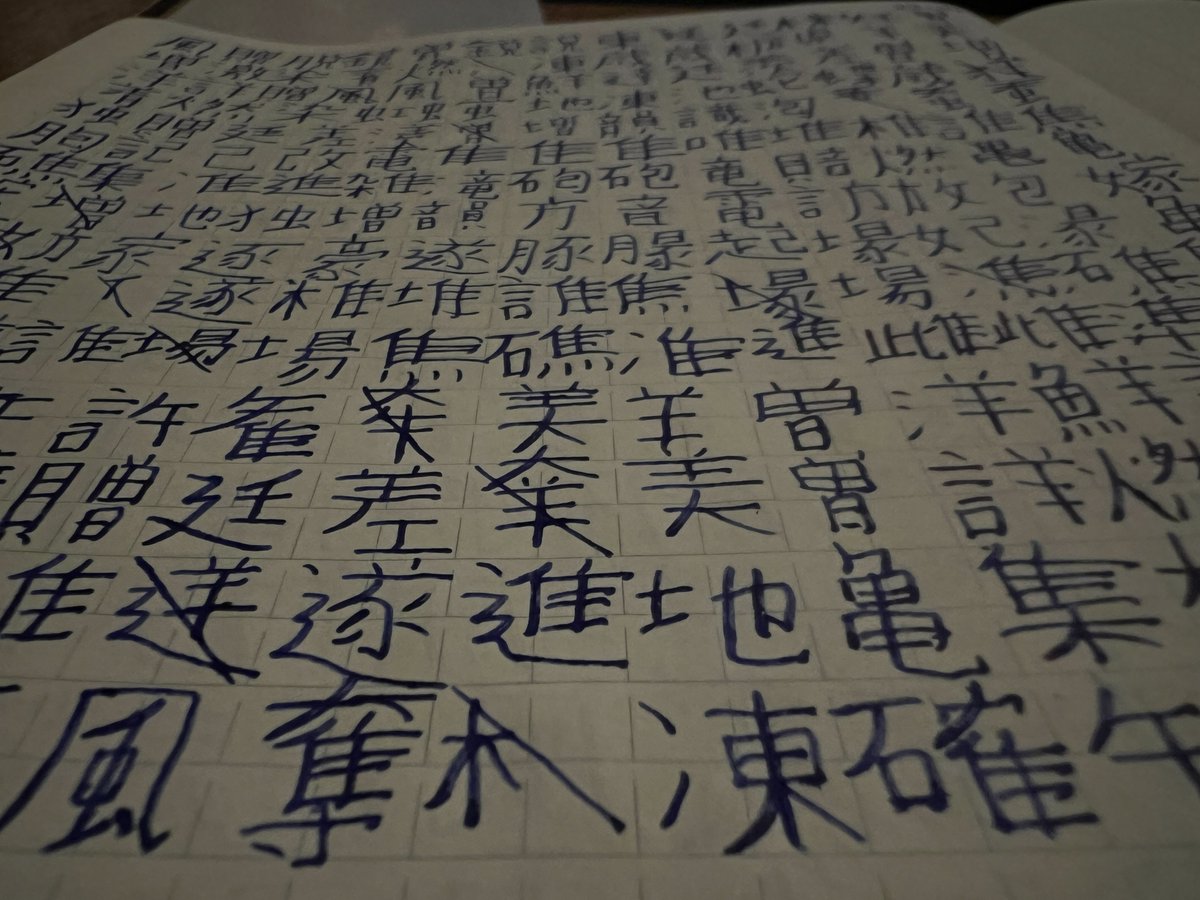
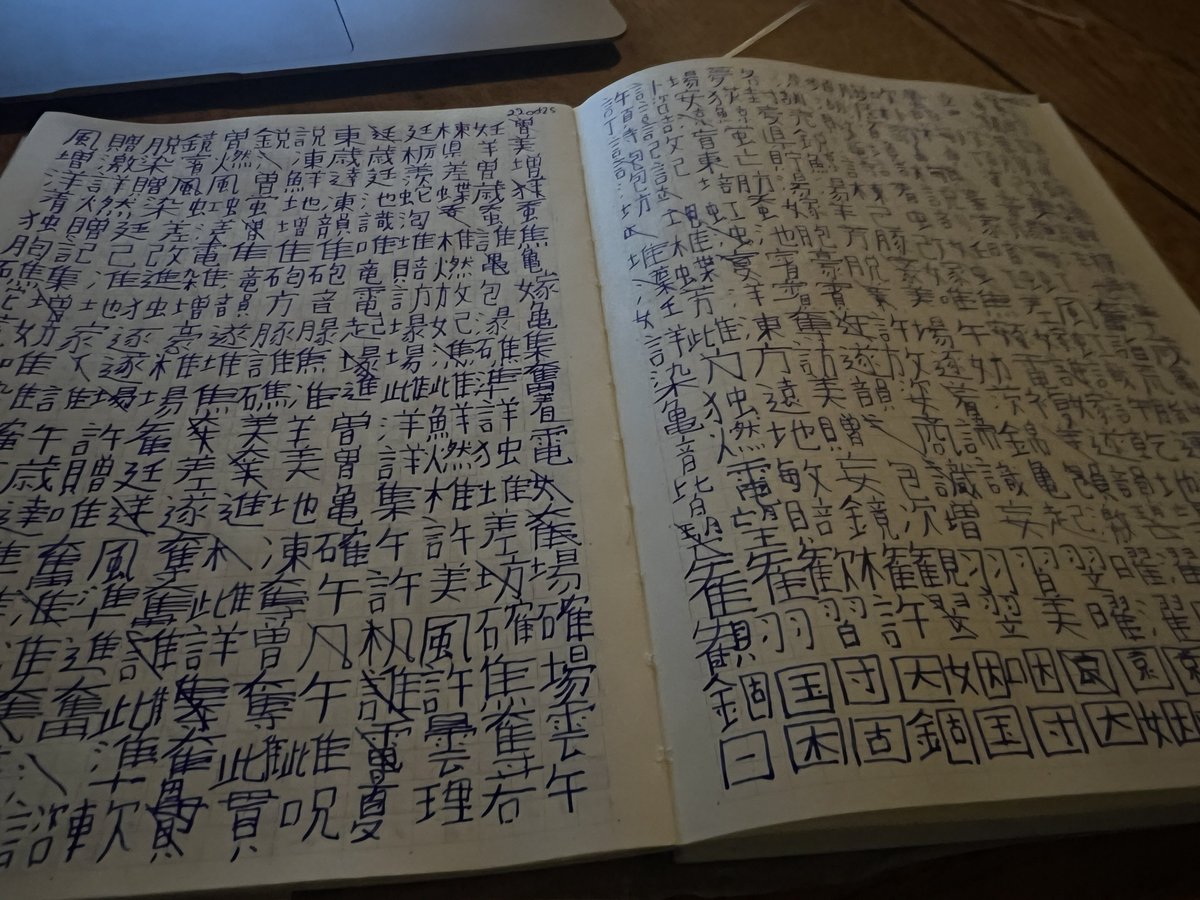
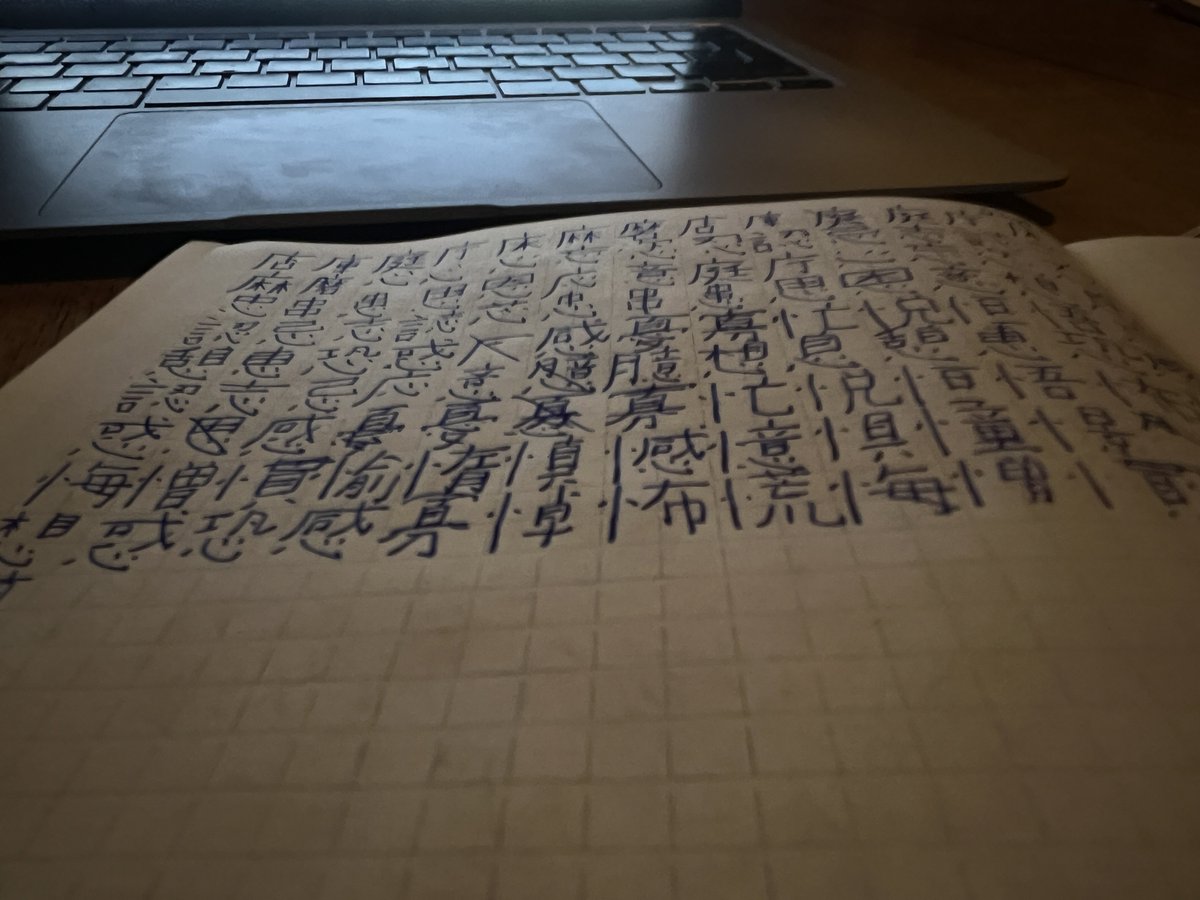
18 Oct 2025
Life, Death, ReBirth.
18 Oct 2025
This is a live dissection,
performed without anaesthetic,
on the one subject,
you are not allowed to kill:
yourself.
Bear with me
129
20 Sep 2025
I paced the room,
heart racing for our date,
the one she'd etched into my palm on a lazy afternoon,
her eyes saying we'd savor every moment of forever.
She'd whispered it'd be unforgettable,
her lips brushing mine.
1
152
20 Sep 2025
Today marked the 14th,
still circled in a faded red since she slipped away
the same red as the sun-warm skin
of the fruit we once split between our teeth,
its sugar on her tongue, her tongue on mine,
the day we swore nothing could wilt
what the calendar had let us harvest.
1
132
20 Sep 2025
Sighing,
I pocketed the now bitter,
caramel sweet fruit from the bowl
with the same palm she betrayed,
its pit rattling,
like the hollow echo of her laugh,
on our final,
unshared untasted uncircled date.
98