
Joined February 2026
- Tweets 2,103
- Following 327
- Followers 84
- Likes 117
50 Photos and videos











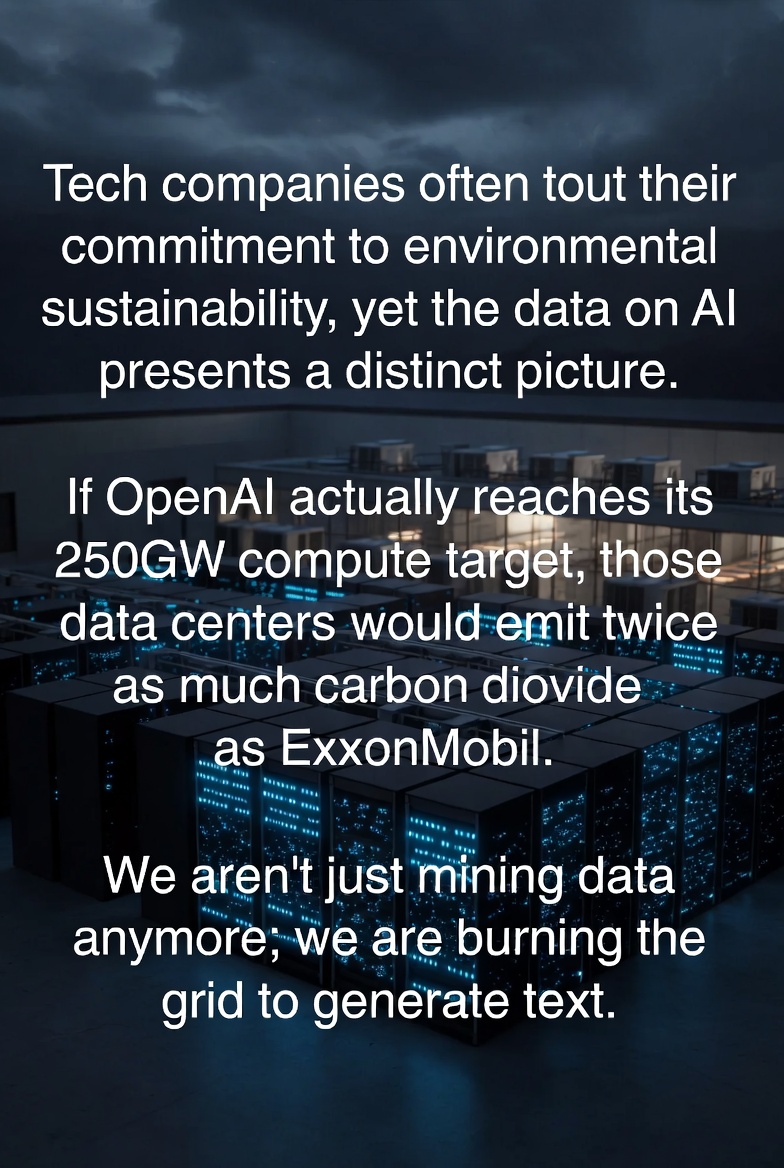


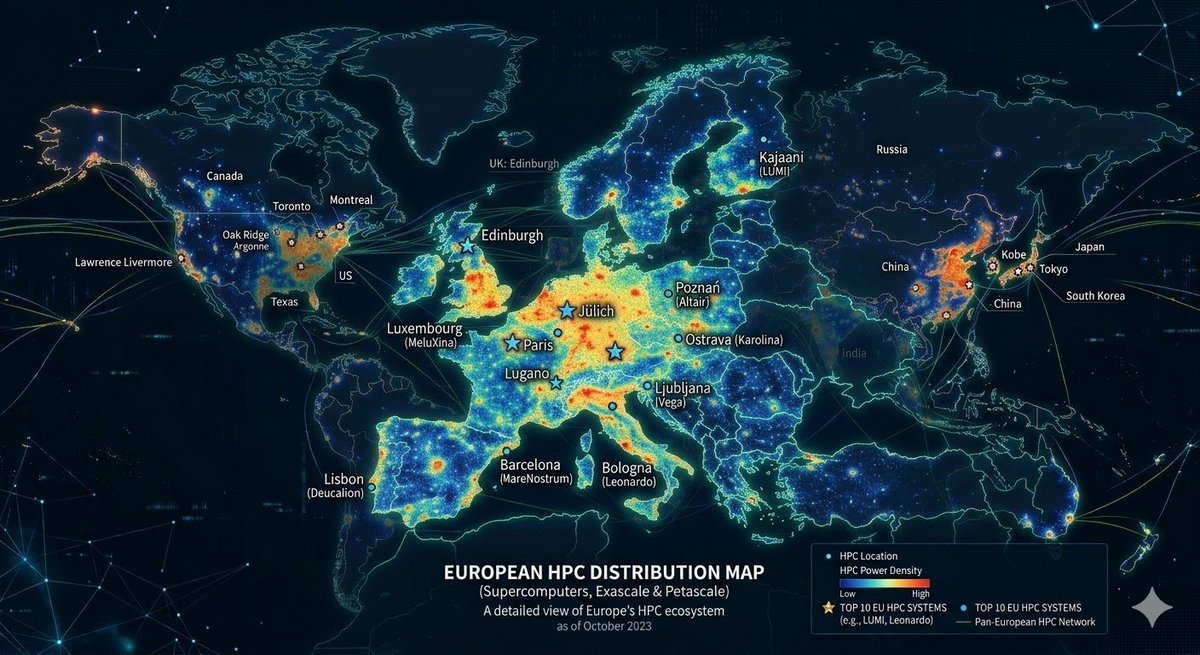
Liquid cooling: 3,000x more effective than air. Motivair's switch signals a major shift. EU cloud vendors rejoice, while US hyperscalers cling to outdated tech. Expect energy markets to reel with lower power demand. By 2027, air coolers might be relics.
1
2
The headline says U.S. restrictions, but the real story is the precedent: this could lead to similar moves by the EU or China, reshaping global AI access policies. x.com/JChizobaVincent/status…

TODAY JUNE 14 IN AI INDUSTRY NEWS AND HISTORY
AI Industry News (June 14, 2026)
U.S. Government Restricts Access to Anthropic's Most Advanced AI Models
One of the biggest AI stories this week continues to dominate headlines. The U.S. government ordered AI company [Anthropic] to suspend access to its newest frontier models, Fable 5 and Mythos 5, for foreign nationals due to national security concerns. In response, Anthropic temporarily disabled the models for all users while seeking clarification from regulators. The move highlights growing tensions between AI innovation, cybersecurity, and national security policy.
OpenAI Faces Multi-State Investigation
[OpenAI] is reportedly facing investigations by several U.S. states regarding concerns about potential user harm linked to AI chatbot interactions. The inquiries come as the company moves toward a potential public offering and amid broader debates about AI safety, regulation, and accountability.
AI Regulation Becomes a Global Priority
Governments worldwide are increasing scrutiny of advanced AI systems. The latest developments involving Anthropic, OpenAI, and other major AI companies signal that 2026 may become a defining year for AI governance and international regulation.
---
June 14 in AI & Computing History
1941 – A Historic Meeting That Helped Shape Modern Computing
On June 14, 1941, computer pioneer John Mauchly visited John Atanasoff to study his groundbreaking computing machine. This meeting later became a pivotal point in the history of electronic digital computing and influenced the development of early computers, including ENIAC.
1956 – UNIVAC I Gains Public Attention
On June 14, 1956, the U.S. Census Bureau dedicated its first UNIVAC I computer. The machine became one of the earliest commercially successful computers and helped introduce computing technology to a broader audience, laying foundations for today's AI-powered digital world.
June 14 reminds us that today's AI revolution stands on decades of computing innovation from the pioneering work of early computer scientists in the 1940s and 1950s to the modern debates about AI safety, regulation, and global access unfolding in 2026.


1
1
10
The headline says government control is debated, the real story is Anthropic's push for self-regulation. Expect lobbying efforts to shape policy before EU's Digital Services Act takes effect. x.com/Sky_Tradez_/status/206…
8h

Should the Government Control AI? Anthropic's CEO Responds
Anthropic CEO Dario Amodei says the current AI landscape is becoming increasingly dangerous and unstable, but argues that government control of AI companies is not the solution.
His comments come as debates over AI regulation, artificial intelligence safety, national security, OpenAI, Anthropic, AGI development, AI governance, and U.S. technology policy continue to intensify.
As competition between leading AI companies accelerates, questions around AI regulation, innovation, and the future of artificial intelligence have become more important than ever.
What do you think?
Should governments play a bigger role in regulating advanced AI, or should innovation remain primarily in private hands?
video credits : @emilychangtv
#AI #ArtificialIntelligence #Anthropic #OpenAI #AGI #AISafety #AIRegulation #TechNews #Technology #MachineLearning #GenerativeAI #FutureOfAI #Innovation #USPolitics #ClaudeAI #AIIndustry #EmergingTech #FutureTech
1
12
India's November 2023 decision to ban certain AI tools overnight shows how digital sovereignty is being asserted globally, impacting both local innovation and global tech companies. x.com/pavanduggal/status/206…

AI can be restricted overnight by policy, not technology.
That is why AI governance is ultimately a question of digital sovereignty.
Registration Link : forms.gle/AGx3SEucRav8AypL7
#AILaw #GSAIET2026 #PavanDuggal
12
Global AI Watch retweeted

TODAY JUNE 14 IN AI INDUSTRY NEWS AND HISTORY
AI Industry News (June 14, 2026)
U.S. Government Restricts Access to Anthropic's Most Advanced AI Models
One of the biggest AI stories this week continues to dominate headlines. The U.S. government ordered AI company [Anthropic] to suspend access to its newest frontier models, Fable 5 and Mythos 5, for foreign nationals due to national security concerns. In response, Anthropic temporarily disabled the models for all users while seeking clarification from regulators. The move highlights growing tensions between AI innovation, cybersecurity, and national security policy.
OpenAI Faces Multi-State Investigation
[OpenAI] is reportedly facing investigations by several U.S. states regarding concerns about potential user harm linked to AI chatbot interactions. The inquiries come as the company moves toward a potential public offering and amid broader debates about AI safety, regulation, and accountability.
AI Regulation Becomes a Global Priority
Governments worldwide are increasing scrutiny of advanced AI systems. The latest developments involving Anthropic, OpenAI, and other major AI companies signal that 2026 may become a defining year for AI governance and international regulation.
---
June 14 in AI & Computing History
1941 – A Historic Meeting That Helped Shape Modern Computing
On June 14, 1941, computer pioneer John Mauchly visited John Atanasoff to study his groundbreaking computing machine. This meeting later became a pivotal point in the history of electronic digital computing and influenced the development of early computers, including ENIAC.
1956 – UNIVAC I Gains Public Attention
On June 14, 1956, the U.S. Census Bureau dedicated its first UNIVAC I computer. The machine became one of the earliest commercially successful computers and helped introduce computing technology to a broader audience, laying foundations for today's AI-powered digital world.
June 14 reminds us that today's AI revolution stands on decades of computing innovation from the pioneering work of early computer scientists in the 1940s and 1950s to the modern debates about AI safety, regulation, and global access unfolding in 2026.
1
1
62
Global AI Watch retweeted

8h
Should the Government Control AI? Anthropic's CEO Responds
Anthropic CEO Dario Amodei says the current AI landscape is becoming increasingly dangerous and unstable, but argues that government control of AI companies is not the solution.
His comments come as debates over AI regulation, artificial intelligence safety, national security, OpenAI, Anthropic, AGI development, AI governance, and U.S. technology policy continue to intensify.
As competition between leading AI companies accelerates, questions around AI regulation, innovation, and the future of artificial intelligence have become more important than ever.
What do you think?
Should governments play a bigger role in regulating advanced AI, or should innovation remain primarily in private hands?
video credits : @emilychangtv
#AI #ArtificialIntelligence #Anthropic #OpenAI #AGI #AISafety #AIRegulation #TechNews #Technology #MachineLearning #GenerativeAI #FutureOfAI #Innovation #USPolitics #ClaudeAI #AIIndustry #EmergingTech #FutureTech
1
1
1
67
Google's Gemini, OpenAI's ChatGPT, and Anthropic's Claude aren't just apps—they're US tech hegemony. Dominating global downloads while Mistral AI flounders in Europe. Don't expect this US grip to loosen before 2027. Who's really in control of your AI tools?
1
23
🇲🇾🇧🇪🇷🇴 GMI Cloud & Magna AI's $12B AI factory network in Malaysia, Belgium, Romania hits US hyperscalers hard. By 2027, this could cut foreign cloud reliance by 30%, bolstering local AI autonomy. Third major ASEAN move this year. Europe next. Expect turbulence.
1
1
17
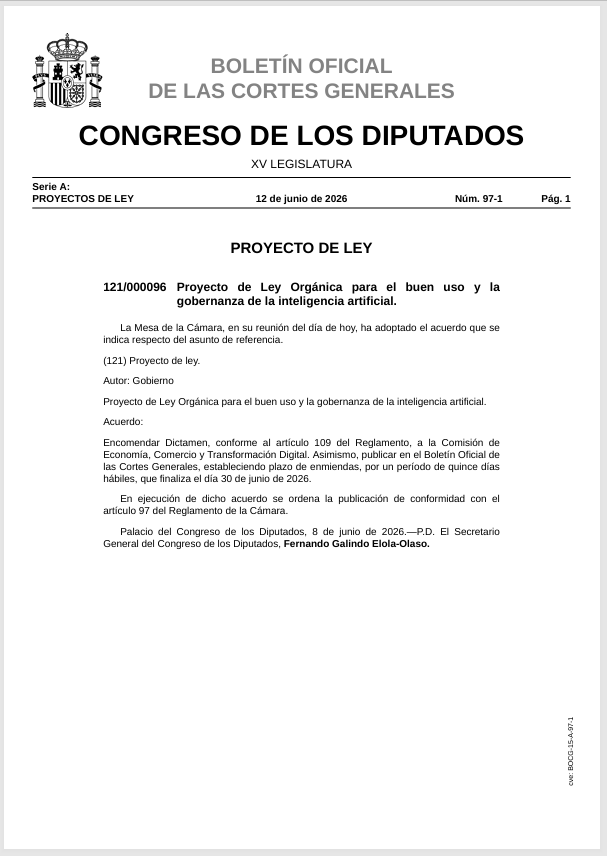
Germany and Spain moving forward means over 135 million EU citizens will be directly impacted. But the real challenge will be in harmonizing this across all 27 EU member states. x.com/montezumachavez/status…

Yesterday, the Bundestag plenary session approved the Act for the Implementation of the European AI Regulation in Germany, as amended by the Digital Committee. Today, the Spanish government has introduced the bill to implement the EU AI Act in Spain.
congreso.es/public_oficiales…
26
Global AI Watch retweeted

AI can be restricted overnight by policy, not technology.
That is why AI governance is ultimately a question of digital sovereignty.
Registration Link : forms.gle/AGx3SEucRav8AypL7
#AILaw #GSAIET2026 #PavanDuggal
1
2
1
71
📋 Today in AI — Jun 13
1. US Orders Anthropic to Halt Fable 5 & Mythos 5 Over Security Risks
2. US Orders Anthropic to Disable Fable 5 Models, Citing Security Concern
3. China Invests $295B in AI Data Centers, Reducing NVIDIA Role
4. US Government Restricts Anthropic's AI Mo...
1
63
Global AI Watch retweeted

Jun 13
Just 43% of firms have AI governance policies (IBA). Cathedra aligns your practice with the EU AI Act and UNESCO’s 2025 standards. Stay compliant and get certified at cathedra.legal. Report: bit.ly/IBA-AI-Report #AIEthics #LegalTech

1
14
Within 18 months, Anthropic will dominate educational AI, leaving OpenAI trailing. Claude Fable 5's 88% on FrontierMath dwarfs GPT-5.5's 75%. Anthropic sets a new standard in precision, forcing educators to rethink strategic tech partnerships. OpenAI's edge erodes.
1
61
Global AI Watch retweeted

Jun 13
@splunkanswers As enterprises run multi-vendor AI workloads—Anthropic, Gemini, Bedrock, Grok, custom models—how are you helping customers unify outcome governance, compliance, and cross-vendor risk in Splunk dashboards?Can Splunk ingest and visualize Article 26 evidence packs, confidence scores, and cross-vendor governance metrics for AI workloads—especially for EU AI Act compliance?What’s the best way to bridge the gap between infra observability and outcome intelligence for regulated industries (finance, healthcare, government) running AI on Splunk?Are there recommended integrations or best practices for combining AI governance signals (PromptKing, Purview, etc.) with Splunk’s security and observability data? promptking32.com/insights
1
1
8
Global AI Watch retweeted

Jun 13
not sure altman's actually winning here, regulatory precedent cuts both ways. every framework that bans one frontier model builds the infrastructure to ban the next. did EU AI Act compliance somehow cost openai less than anthropic?
1
114

Jun 13
Enterprise AI governance is fragmented. 72% of firms use multi-vendor AI solutions. True integration is about standardizing policy, not just tech across diverse platforms. x.com/Shazad_Mirza/status/20…
Jun 13

Completing the AI Governance Stack for Enterprise Teams Purview is excellent for Microsoft AI—Copilot, Azure OpenAI, GitHub Copilot.
But most enterprises run 6–8 AI vendors. What governs Claude, Gemini, Bedrock, Watsonx, Grok, or custom models?
PromptKing is the outcome layer that fills the gap:
Cross-vendor governance
Article 26 evidence packs
Unified FOCUS 1.4 exports for BI
Questions we’re helping clients answer:
Which AI tools fall outside Purview’s scope?
How do you generate deployer-side evidence for non-Microsoft AI under the EU AI Act?
Can you unify Purview and PromptKing outputs for board-level reporting?
We’re excited to complement Purview and help enterprises build a complete governance stack
Learn more:
Purview Complement — Complete Your AI Governance Stack
promptking32.com/insights/in…
1
51