The Global Sickle Cell Disease Network is a platform for resources and engagement for researchers, clinicians & organizations advancing work of SCD in LMICs.
Joined April 2009
- Tweets 386
- Following 218
- Followers 851
- Likes 649
57 Photos and videos
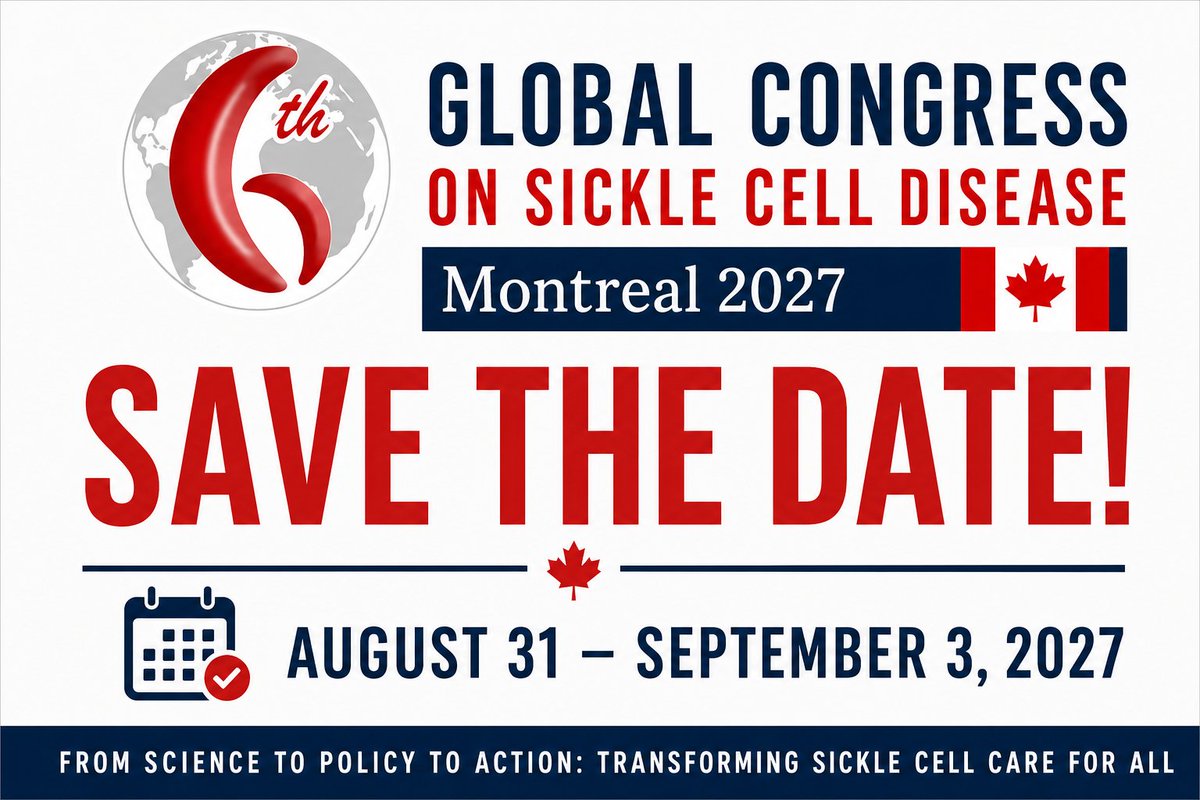

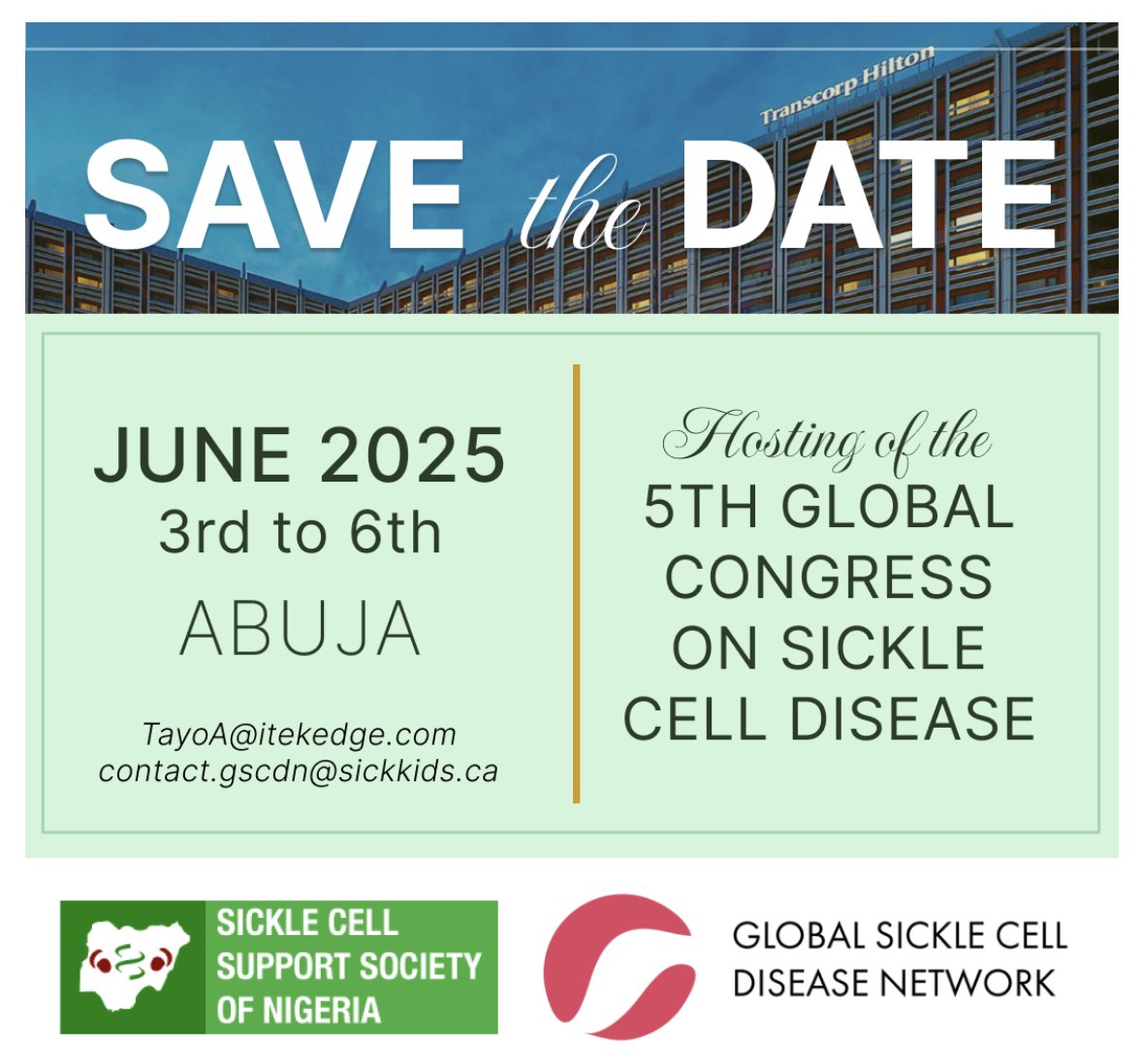


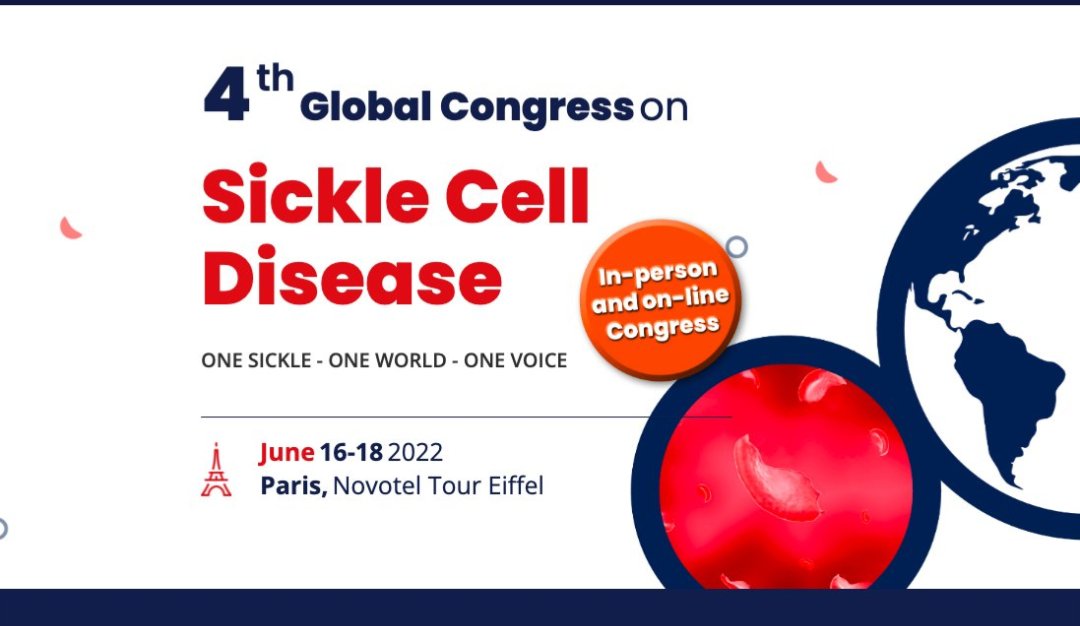

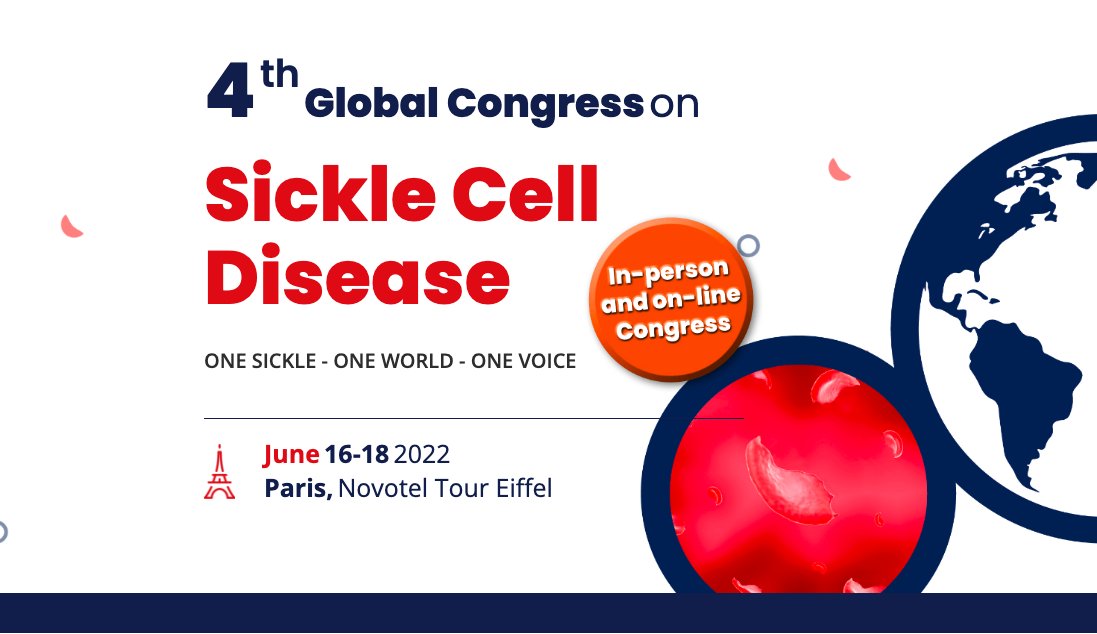
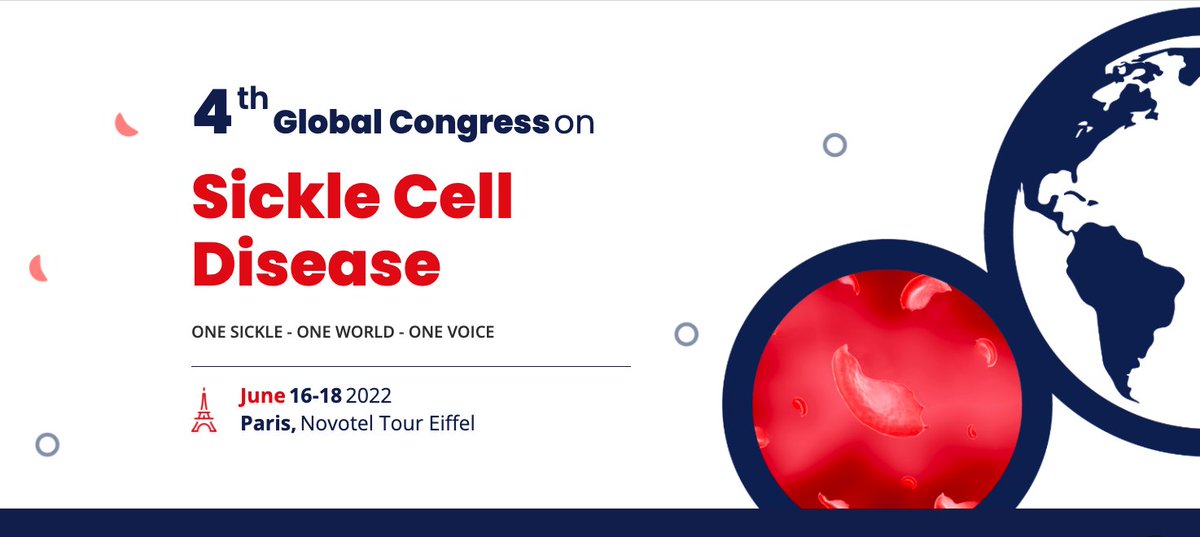

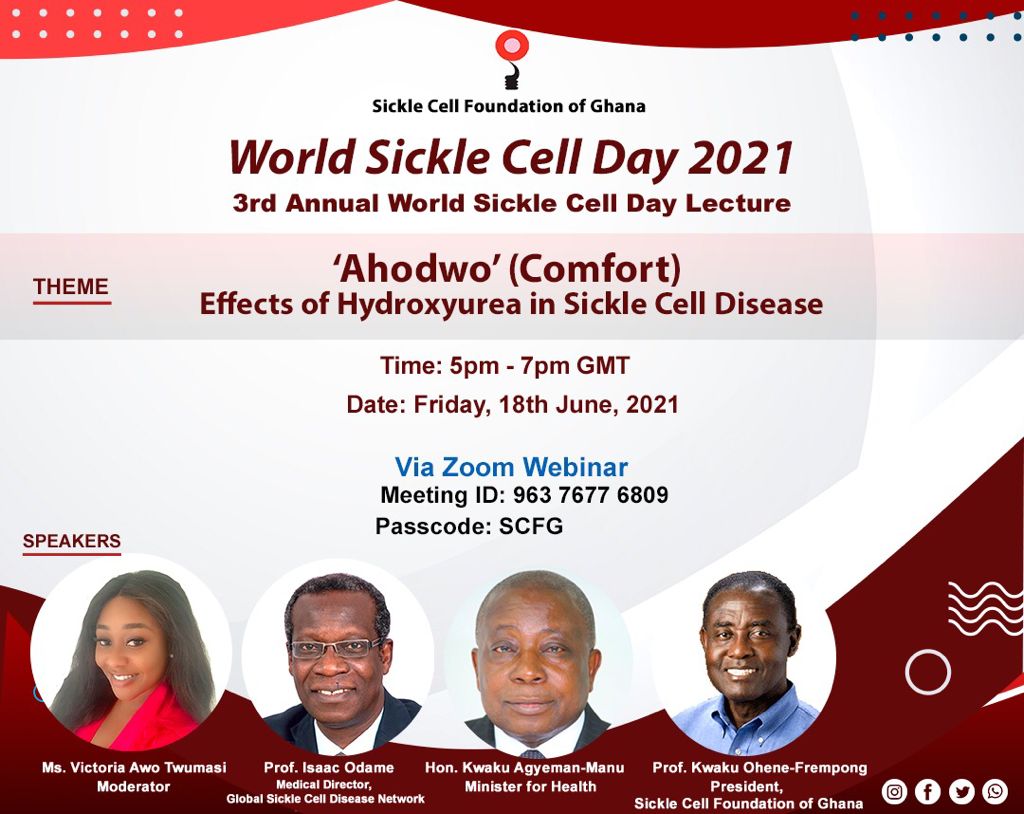
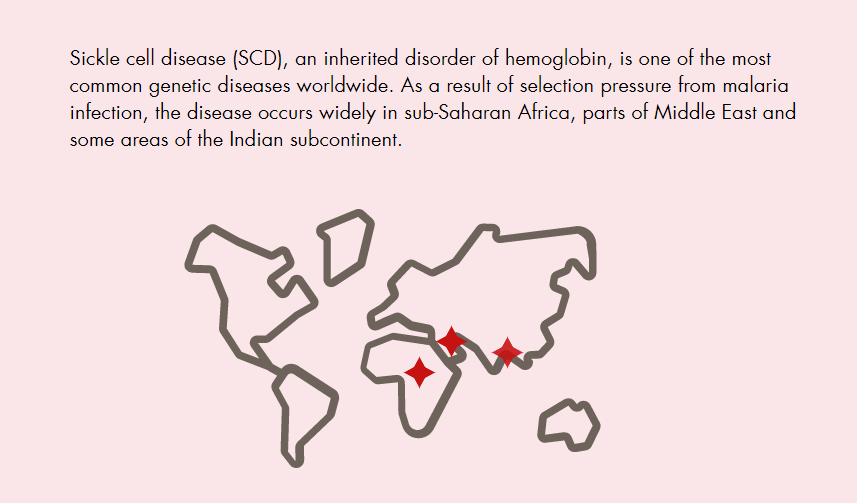

We are pleased to announce that the 6th Global Congress on Sickle Cell Disease will take place in Montreal, Canada🇨🇦 from Aug. 31 to Sept. 3, 2027! 📅Save the date and stay tuned for more details! #SickleCellDisease #GlobalCongress #GSCDN
2
4
138
Global Sickle Cell Disease Network retweeted

Mar 30
Proud to support #SC360 campaign launch ahead of #WorldHealthDay by World Coalition on #SCD, featuring compelling stories from SCD patients, caregivers, advocates, and more. Explore : sicklecell360.info #GetToKnowSickleCell @GlobalSCDN @SickKidsGlobal
2
5
123
Global Sickle Cell Disease Network retweeted
Mar 30
@GlobalSCDN @SickKidsGlobalA growing 7.7M live with #SCD worldwide. Without early investment, SCD results in severe complications, avoidable hospitalizations, and escalating health system costs. #SickleCell360 amplifies voices. Explore: sicklecell360.info #WorldHealthDay
1
3
33
Global Sickle Cell Disease Network retweeted

20 Jun 2025
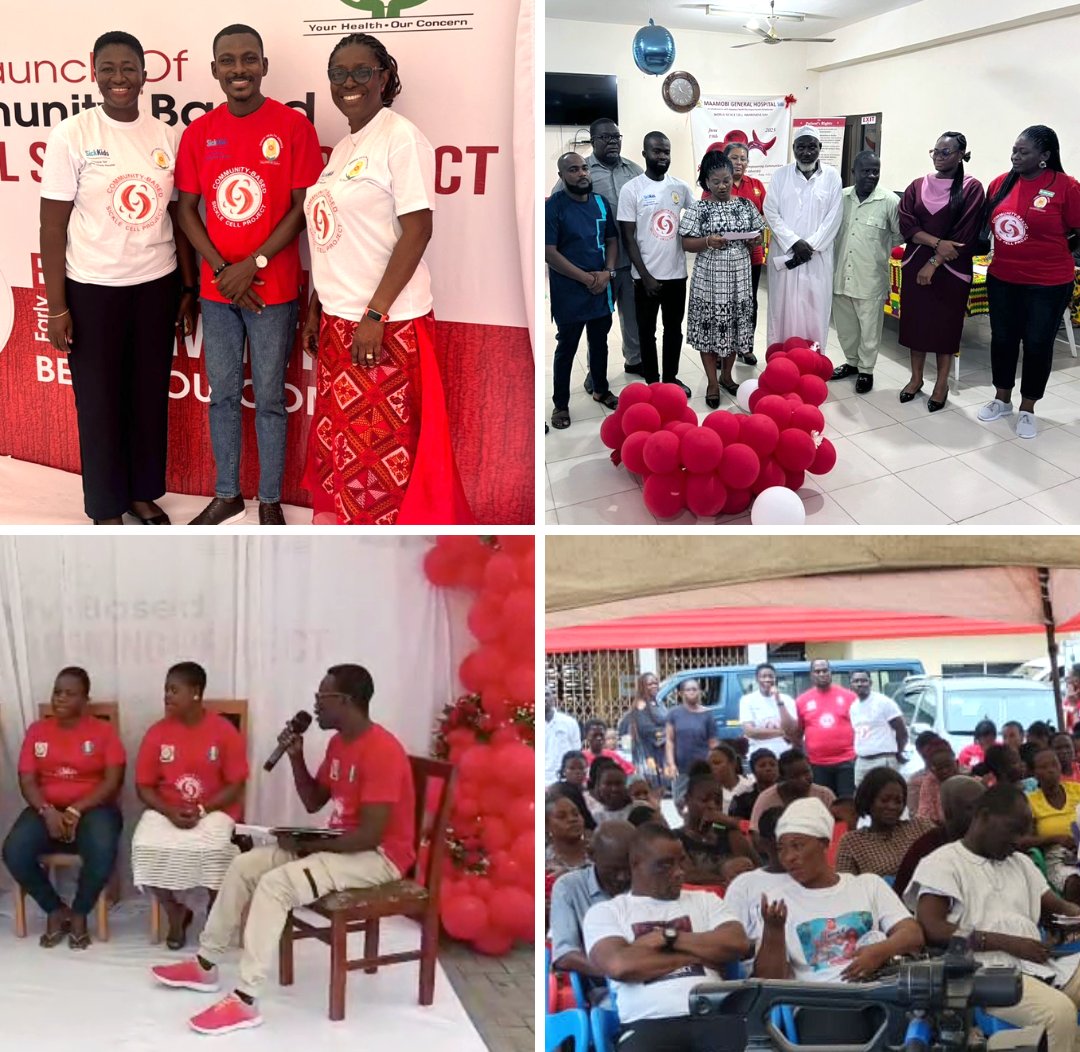
To celebrate #WorldSickleCellAwarenessDay🩸, @SickKidsGlobal's partners in the Community-based SCD Care & Screening capacity building project, Maamobi General & Princess Marie Louise hospitals, hosted community SCD awareness events in Accra, Ghana!🇬🇭 Learn more: tinyurl.com/2bcvkbx6
1
6
341
Global Sickle Cell Disease Network retweeted
20 Jun 2025
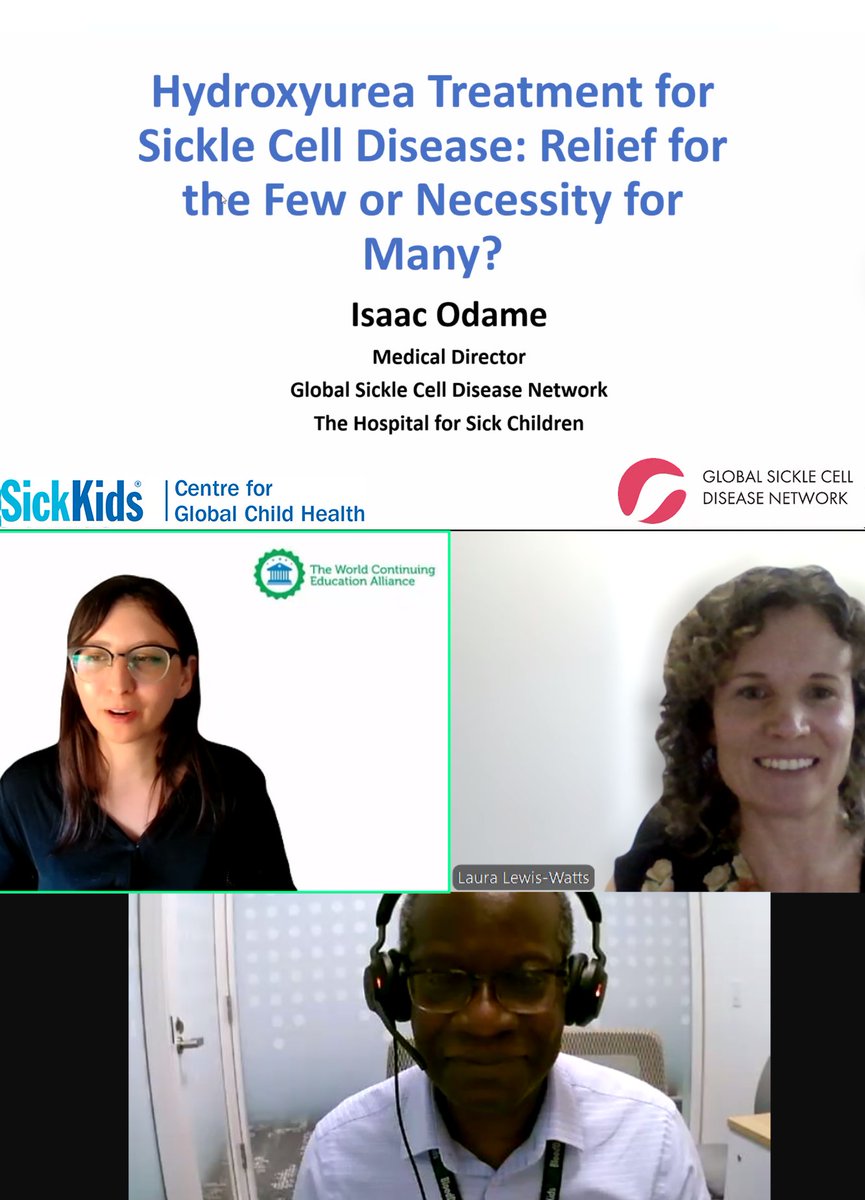
Today is #WorldSickleCellAwarenessDay🩸! SCD is one of the most common genetic diseases worldwide. To mark this important day, @SickKidsGlobal's @DrOdame led a special global webinar, co-hosted by the Centre & the @WorldCEAlliance, delivering a talk entitled, "Hydroxyurea — Relief for the Few, or Necessity for Many?"
With 900 participants tuning in from around the world, Dr. Odame shared his clinical insights, research findings & key takeaways, including:
🔴 SCD is a lifelong blood disease with systemic effects on organs
🔴 Disease-modifying treatment, rather than just managing "crises," improves the quality of life & survival rate for those with SCD
🔴 Hydroxyurea is a proven effective treatment for SCD — the benefits outweigh the risks
🔴 Barriers must be removed to make hydroxyurea treatment accessible to ALL patients who need it
Thanks to everyone who joined the conversation! #SickleCellAwareness #SickleCell #SCD #GlobalChildHealth #SCDAdvocacy
1
3
3
325
Global Sickle Cell Disease Network retweeted

19 Jun 2025
Many pregnant and breastfeeding women cannot be sure that their needed medications are safe for them – inc. for diseases like #SickleCell - because of exclusion of these groups from clinical trials.
A new global Task Force aims to accelerate ethical inclusion in research, for safer pregnancies and births.
🔗 bit.ly/4e7Pql8
19 Jun 2025

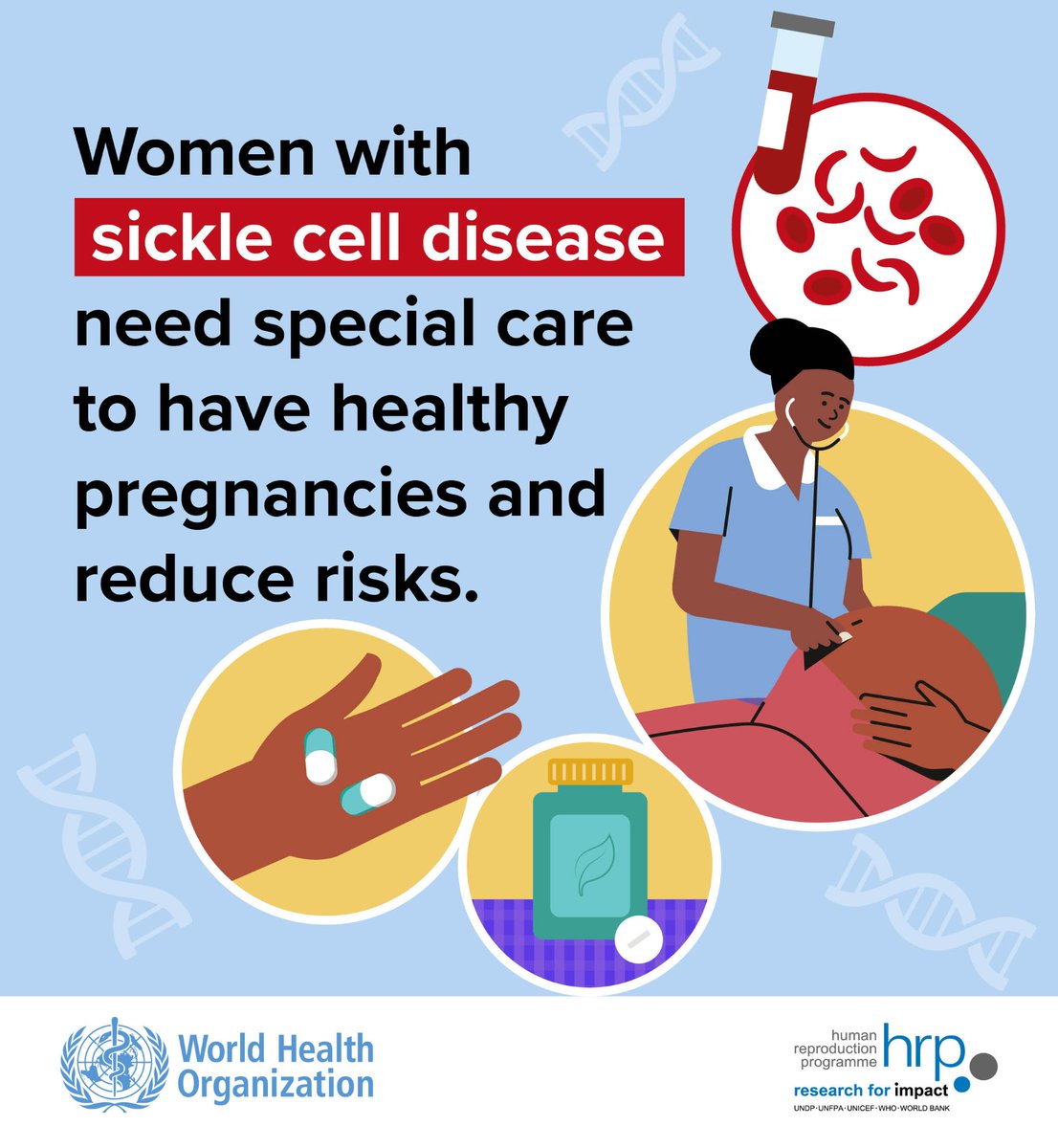
With high quality care, women with #SickleCell disease can have safe and healthy pregnancies and births. They need:
👨🏿⚕️ Access to skilled health workers to help them manage their condition
🩺 Additional health checks
🤰🏾 Individualized and respectful care
🔬 More research to ensure access to safe and effective treatments during pregnancy.
🔗 bit.ly/446z3AV
5
27
69
55,448
Global Sickle Cell Disease Network retweeted
19 Jun 2025
Today is #SickleCell Awareness Day 🩸
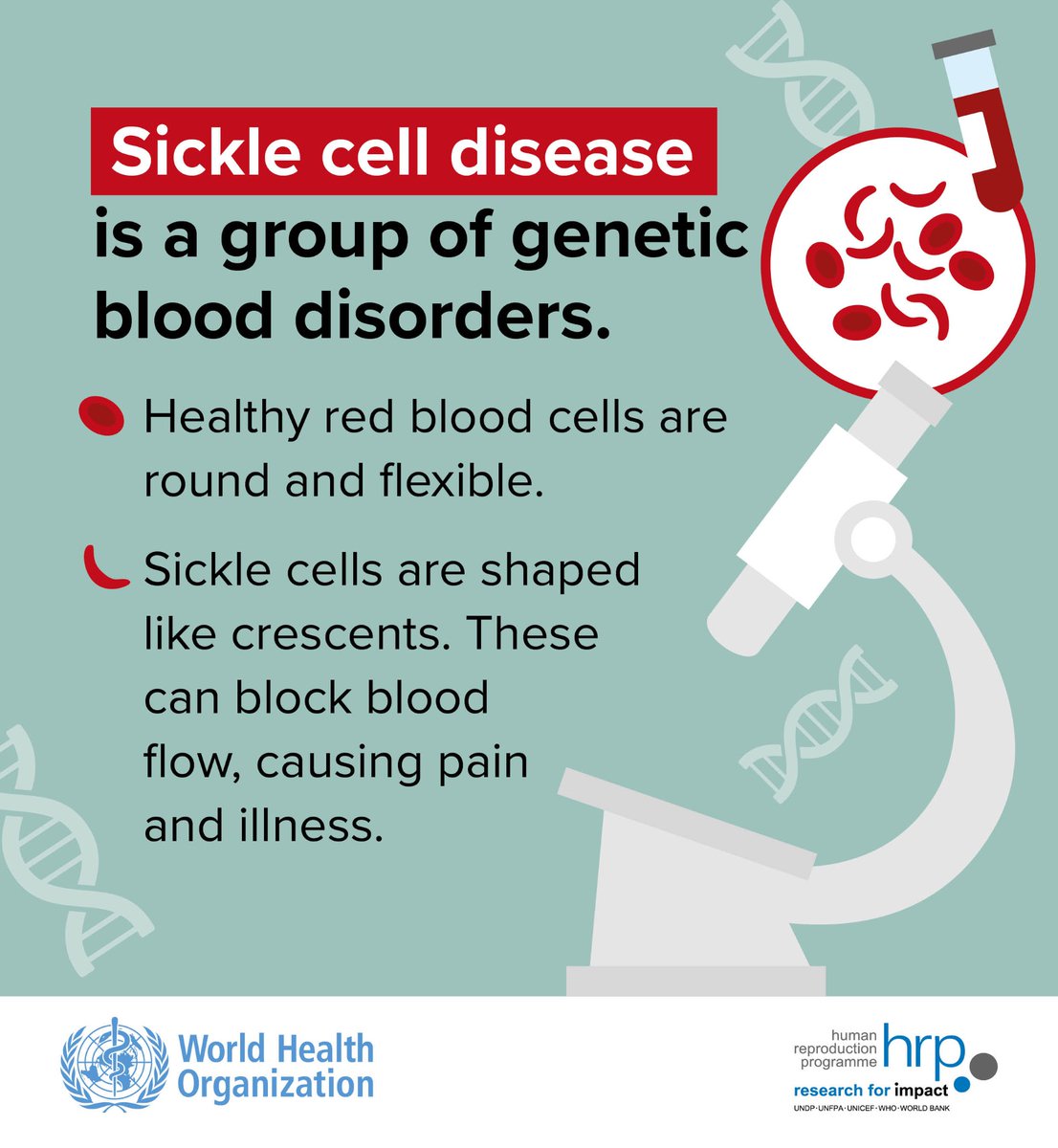
40% more people are living with sickle cell disease today than in 2000. It is a growing health challenge, affecting around 7.7 million people in the world today.
This means more health workers – inc. maternity providers - need to know how to manage the disease.
Read WHO’s new recommendations on care during pregnancy: bit.ly/446z3AV
33
162
275
119,061
Global Sickle Cell Disease Network retweeted
19 Jun 2025
Management of sickle cell crises alone is inadequate to achieve best outcomes for patients with sickle cell disease. Patients should ask their providers about hydroxyurea, an effective disease-modifying treatment. @GlobalSCDN @SickKidsGlobal
3
4
261
Global Sickle Cell Disease Network retweeted
19 Jun 2025
Today, World Sickle Cell Awareness Day, we should double efforts to surmount the diagnosis barrier in LMICs. Accurate point-of-care tests are available to supplement lab techniques like isoelectric focusing/electrophoresis. Early diagnosis matters! @GlobalSCDN @SickKidsGlobal
2
5
245
Global Sickle Cell Disease Network retweeted
19 Jun 2025
Today is World Sickle Cell Awareness Day. Untreated, sickle cell anemia results in > 45 years of healthy life lost. That’s why early diagnosis and hydroxyurea treatment should be the standard of care regardless where patients live in the world.
4
8
319
Global Sickle Cell Disease Network retweeted
19 Jun 2025
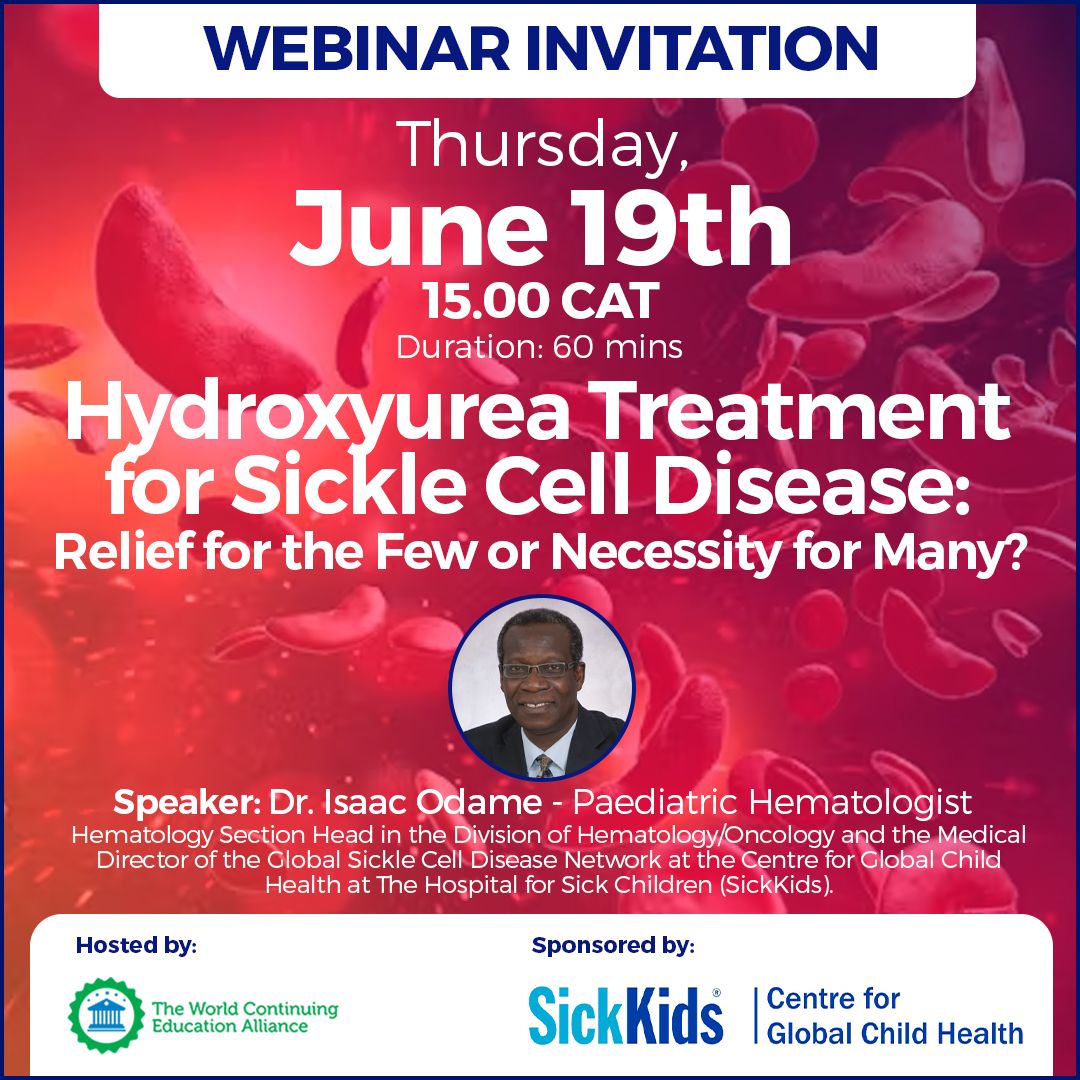
Today is #WorldSickleCellDay🩸! Join @SickKidsGlobal & @WorldCEAlliance for a special webinar on access to hydroxyurea for people with sickle cell disease.
Hear from one of the world’s leading voices on #SickleCellDisease, Dr. Isaac Odame, Hematology Section Head in the Division of Hematology/Oncology at @SickKidsNews & Medical Director of the @GlobalSCDN at the C-GCH, as he discusses "Hydroxyurea: Relief for the Few or Necessity for Many?"
📆 Date: June 19, 2025
⏰ Time: 9 a.m. EDT
📣 Talk topic: Hydroxyurea: Relief for the Few or Necessity for Many?
➡️ How to register to attend:
• Download the WCEA app from the App Store or Google Play
• Register under the "Rest of the World" category
• Once your profile is set up, search for the event title "Hydroxyurea: Relief for the Few or Necessity for Many?" and join the session
#SCD #SickleCellAwareness #GlobalSCDCare
2
6
494

19 Jun 2025
Thanks to all who joined the 5th Global Congress on #SickleCellDisease June 3–6! From powerful conversations to global collaboration, your participation & engagement are helping to drive #SCD care, education, advocacy & research forward.#GlobalSCDCongress2025 #SickleCellAwareness
1
40
Global Sickle Cell Disease Network retweeted

9 Jun 2025
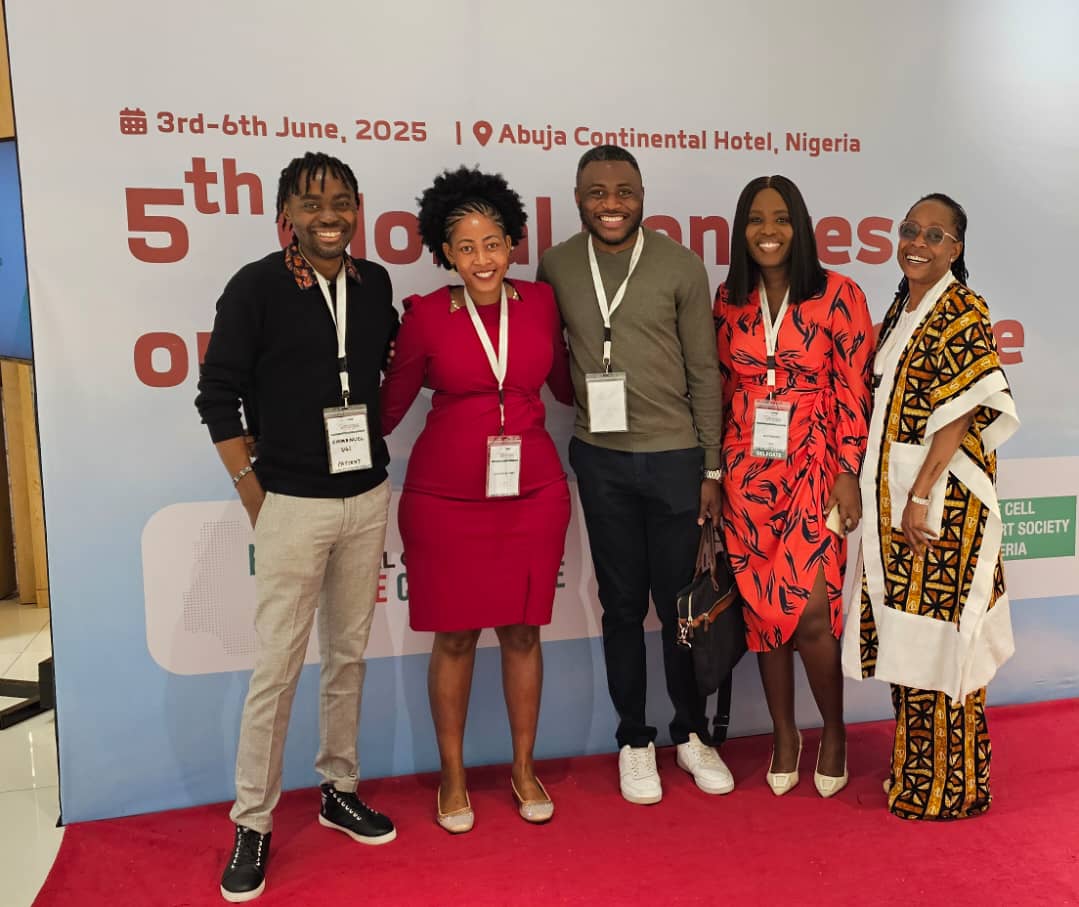
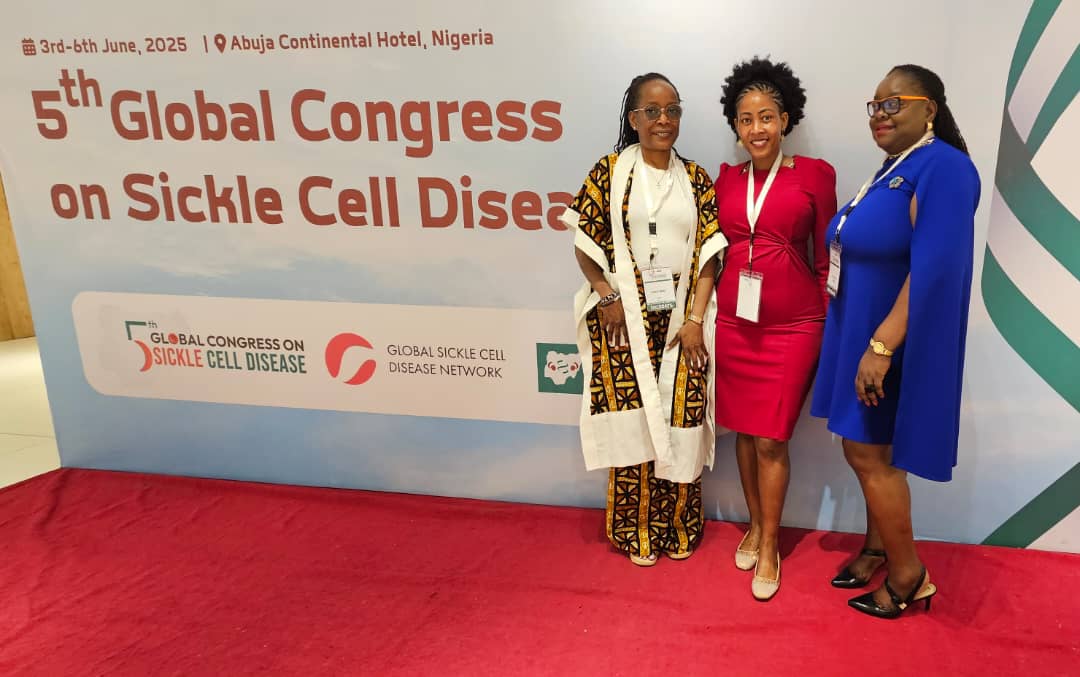
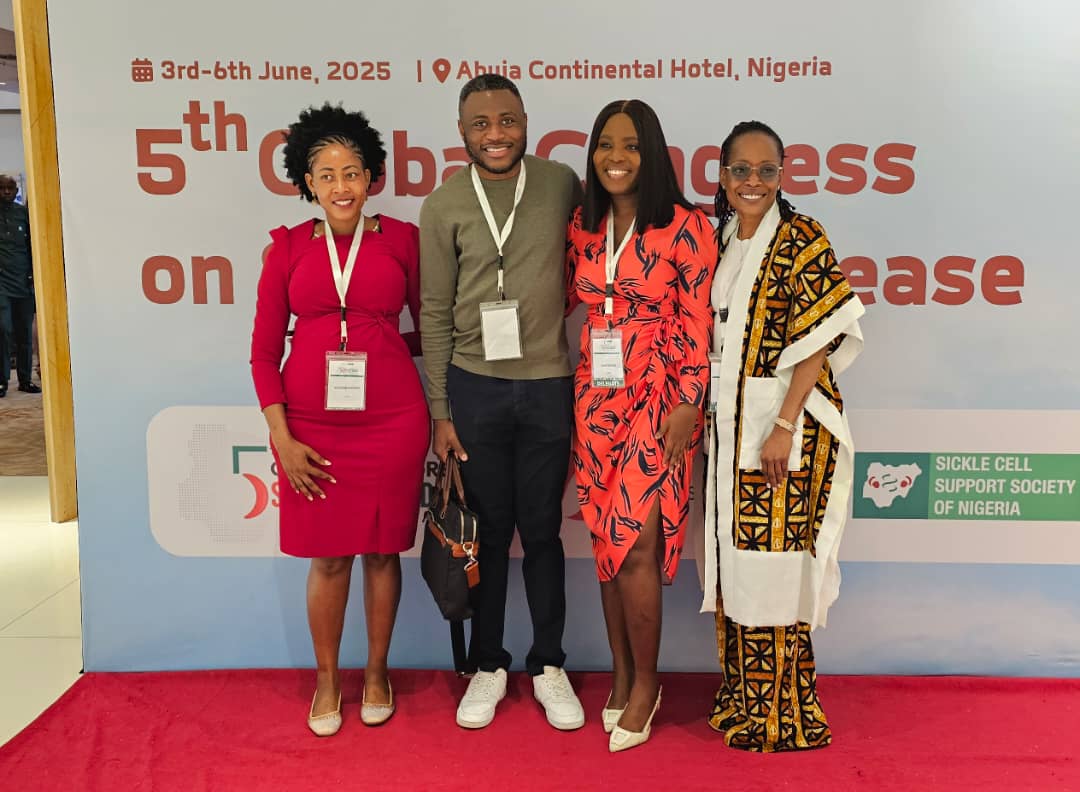
On the 4th day of the 5th Global Congress on Sickle Cell Disease, we linked up with the First African Sickle Cell Patient to get cured using Gene therapy
A beacon of hope to all Sickle Cell Warriors out there.
1
5
18
444
Global Sickle Cell Disease Network retweeted
9 Jun 2025
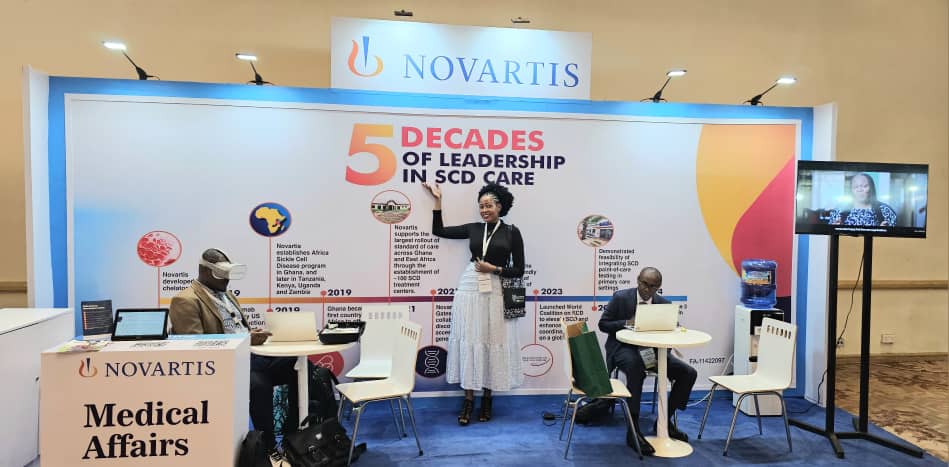
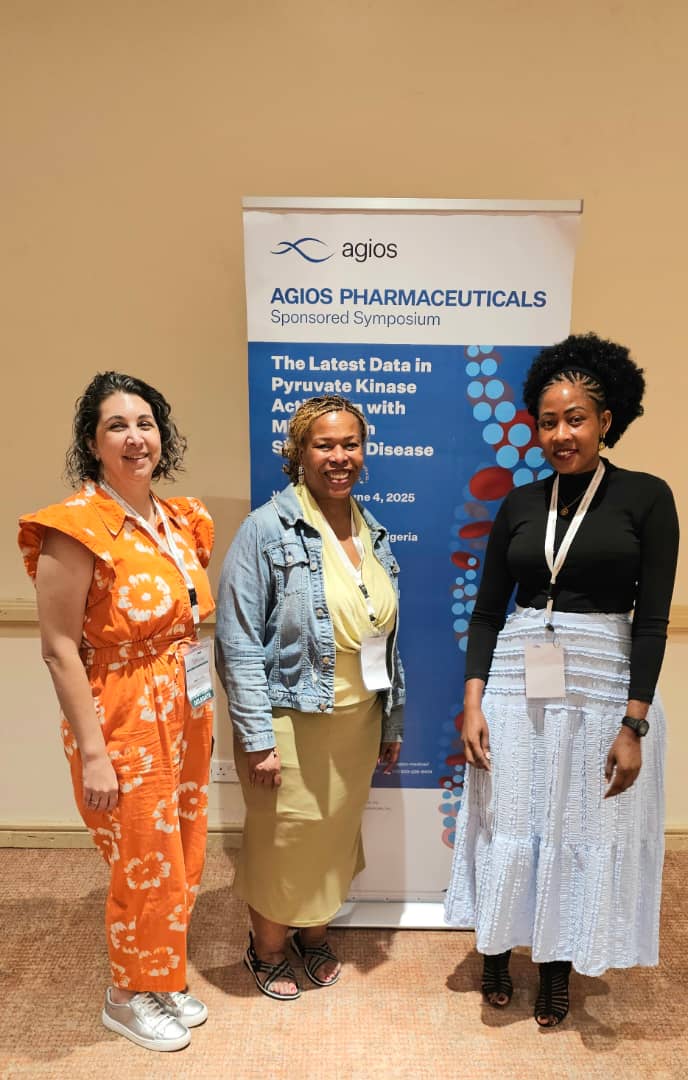
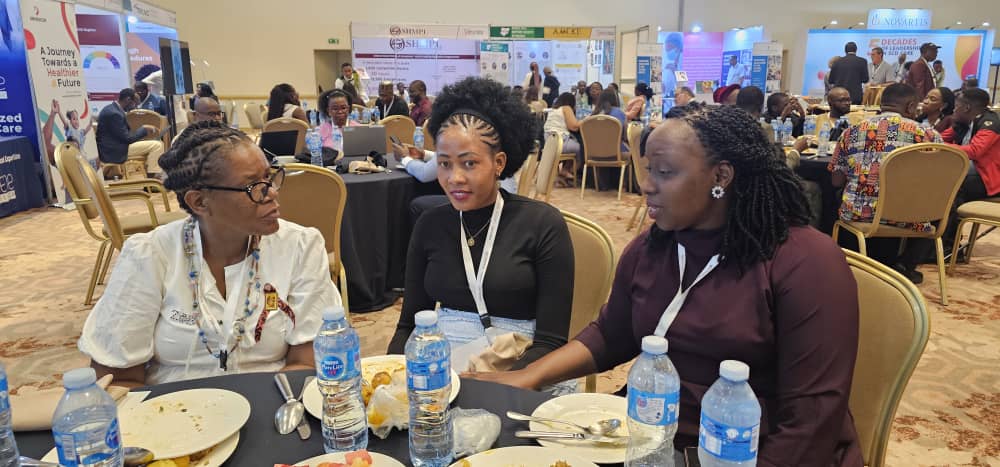
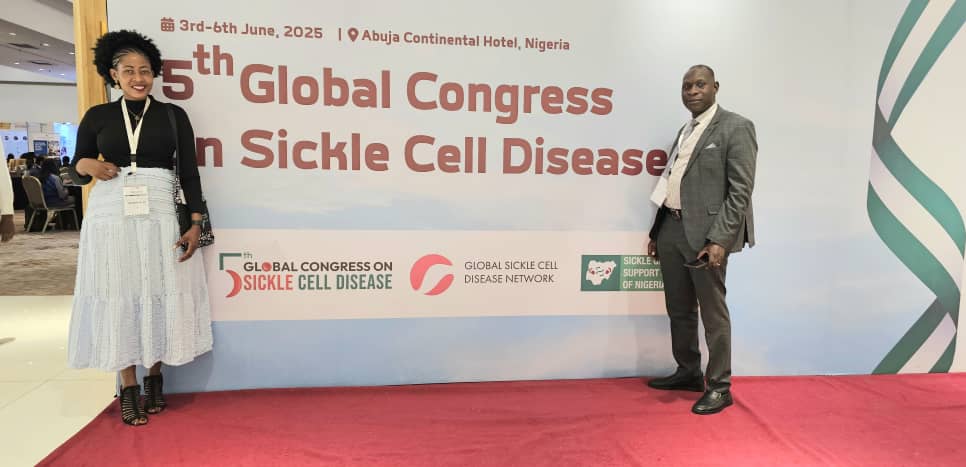
The 5th Global Congress on Sickle Cell Disease that happened last week was also about linkages and partnerships
Among the linkages was the Nortvartis Team and National coordinator of sickle cell Dr. Kiyanga Ministry of Health and VP Journeys By Grace, Ms. Kisha Chempton
1
8
19
381
Global Sickle Cell Disease Network retweeted

3 Jun 2025
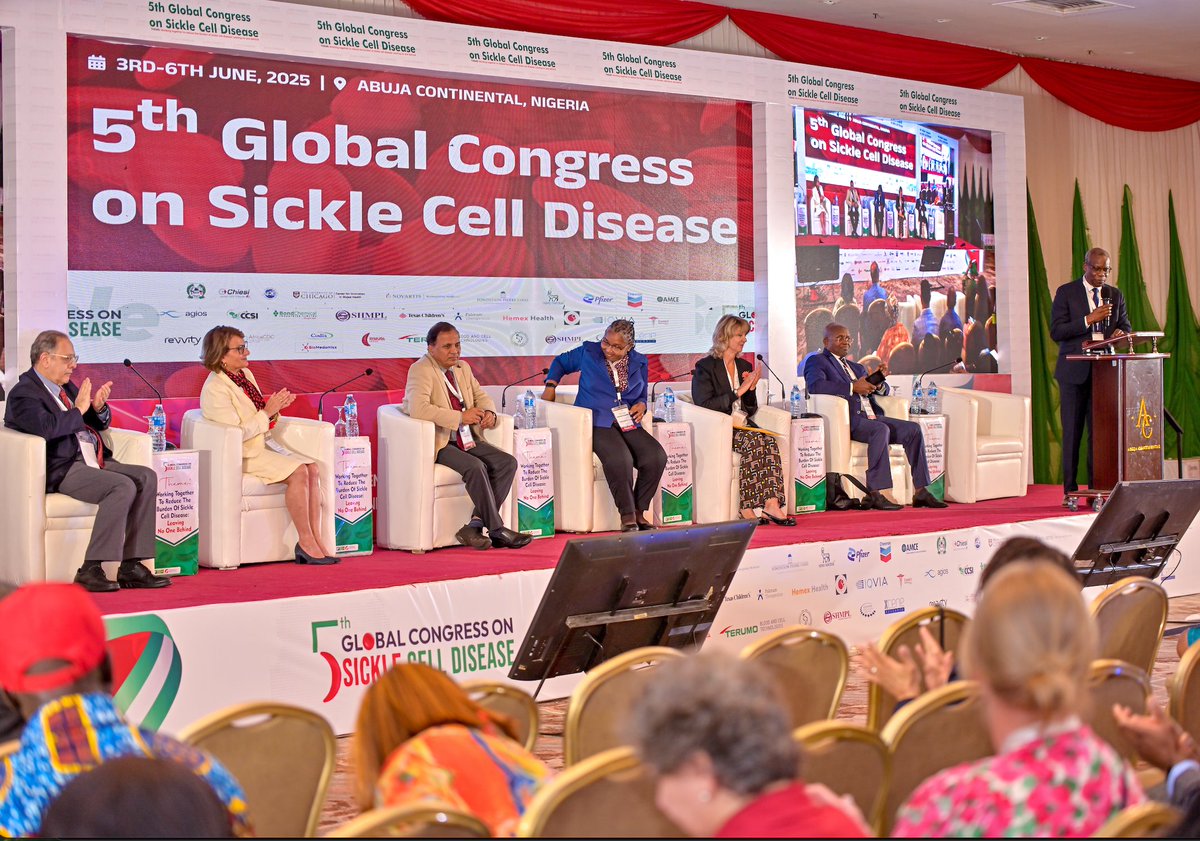
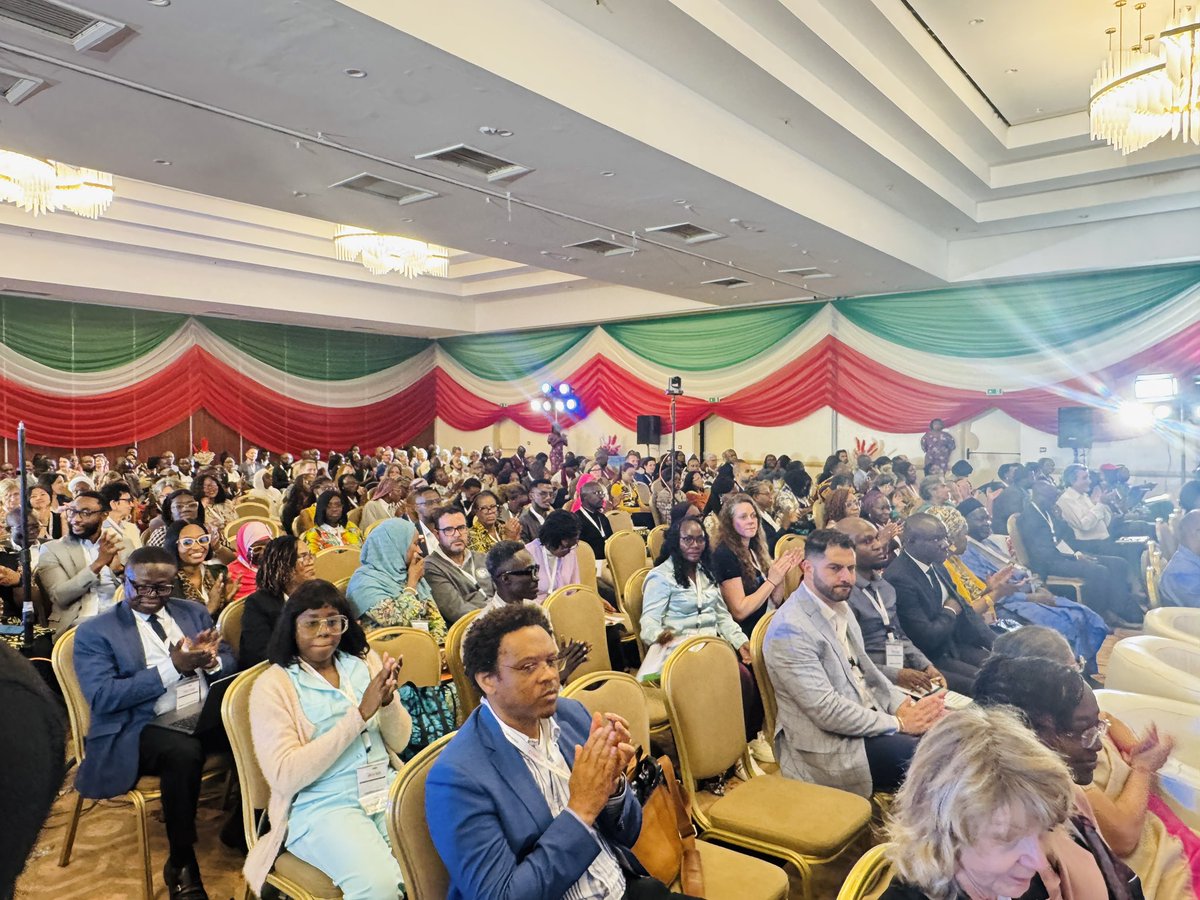
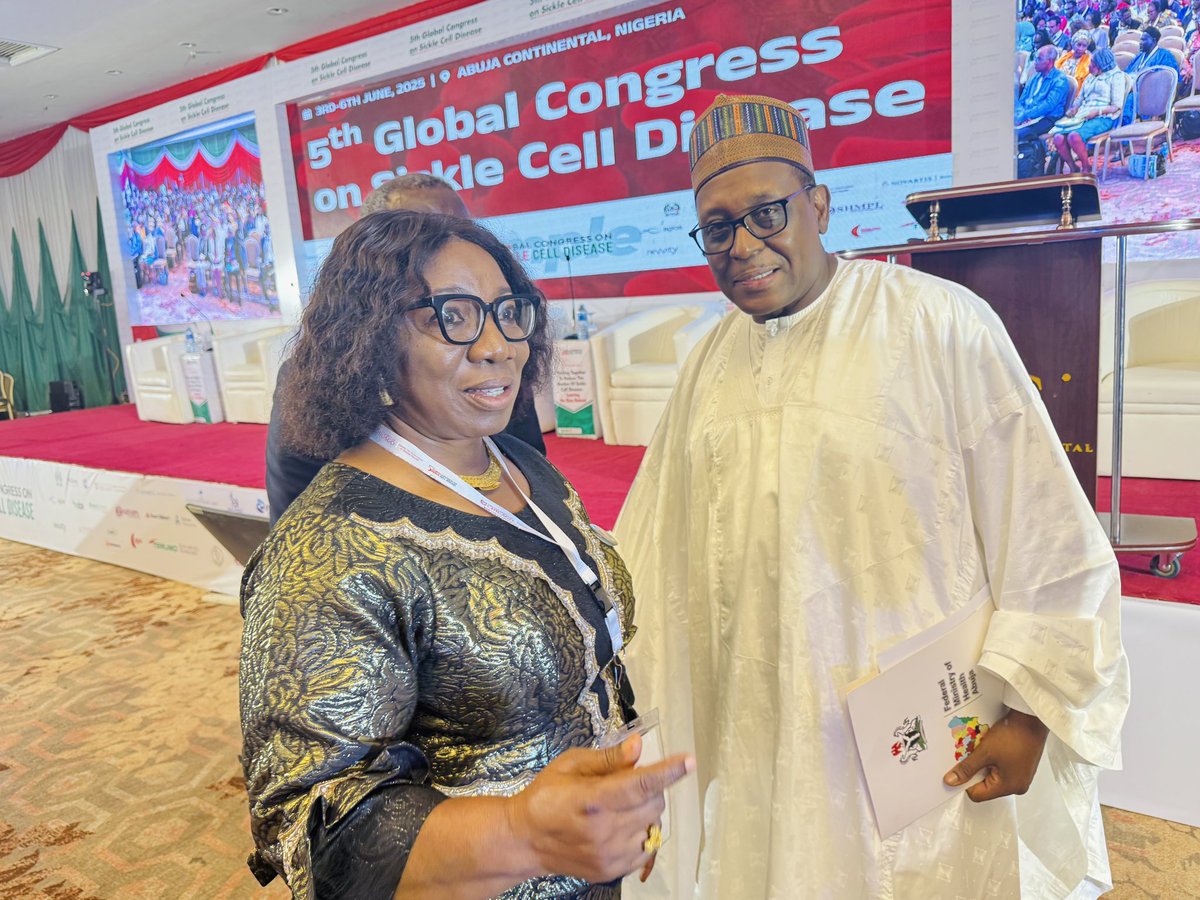
Today in Abuja, I had the honour of addressing delegates from over 60 countries at the 5th Global Congress on Sickle Cell Disease @GlobalSCDN. This gathering could not have come at a more critical time. As Nigeria deepens implementation of the National Health Sector Renewal Investment Initiative (#NHSRII) under the Renewed Hope Agenda #RenewedHope of His Excellency President Bola Ahmed Tinubu GCFR @officialABAT, we are focused on repositioning healthcare from the ground up—beginning with the primary care level.
Sickle cell disease remains one of the most prevalent yet neglected genetic disorders across the African continent. In Nigeria, thousands of children are born each year with the disease, many of whom die prematurely from preventable complications such as severe anaemia and infection. This is not only a public health challenge—it is a social injustice.
Yet, we know that the path to transformation is clear. Interventions such as newborn screening, early diagnosis, routine vaccination, and access to disease-modifying therapies like hydroxyurea can reduce child mortality from sickle cell disease by more than 80 percent. The cost is low, the science is sound, and the tools are available. What we must now ensure is access and scale.
In line with our national commitment, Nigeria has begun to expand sickle cell screening and management services across six designated centres of care. A new national guideline for prevention and management has been adopted and updated. We are also partnering with local pharmaceutical manufacturers to provide affordable access to hydroxyurea. Most significantly, I am pleased to announce that the Center of Excellence for Sickle Cell Disease Research and Training in Abuja will now be upgraded to an International Centre of Excellence—serving not just Nigeria, but the West African sub-region and the global community.
This is only a beginning. As we strengthen our primary healthcare systems, we must also break the silence and stigma around sickle cell disease, invest in awareness, promote early detection, and bring services closer to the people. The burden of this disease is disproportionately borne by countries like ours, yet the global response remains limited. That must change.
I call on subnational governments, African health ministries, research institutions, industry leaders, and development partners to join us—not just in words, but in action. Let us integrate sickle cell disease into national NCD strategies. Let us invest in local manufacturing of essential commodities. Let us back our commitments with resources.
Sickle cell disease has been neglected for far too long. In this season of renewed hope, we are choosing to act.


10
52
219
8,172
Global Sickle Cell Disease Network retweeted
6 Jun 2025
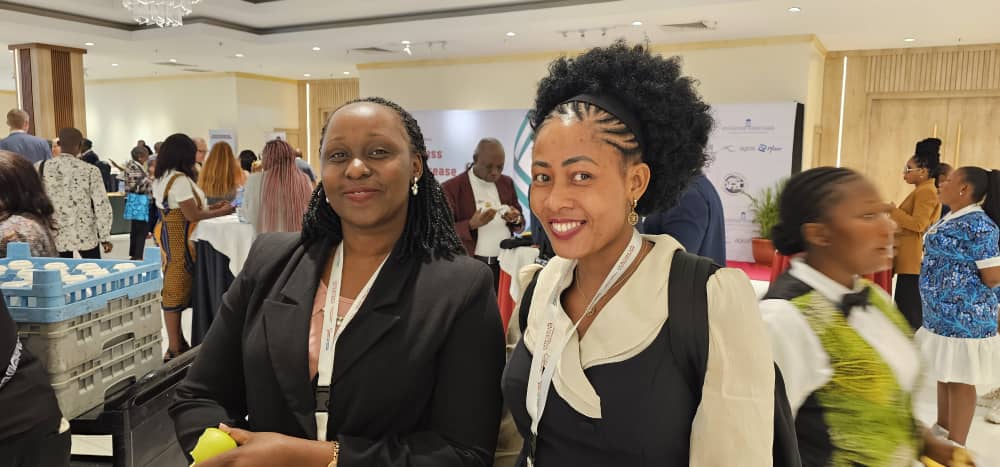
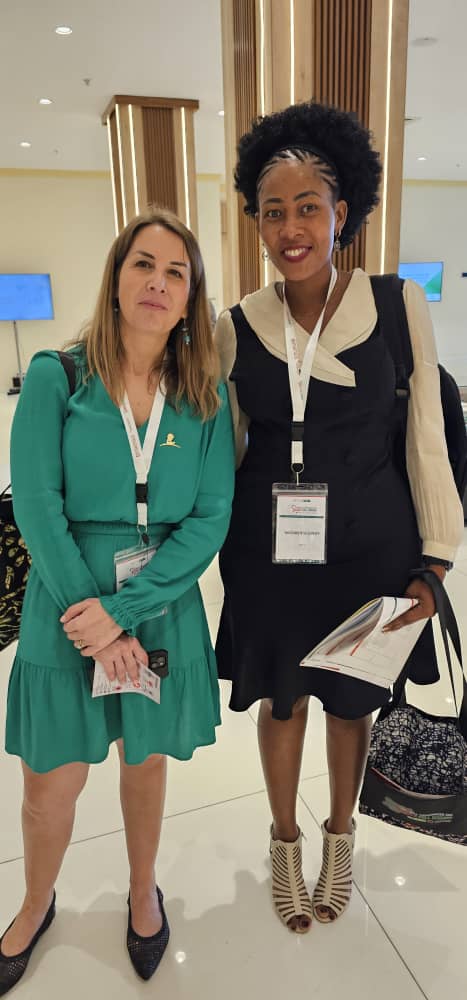
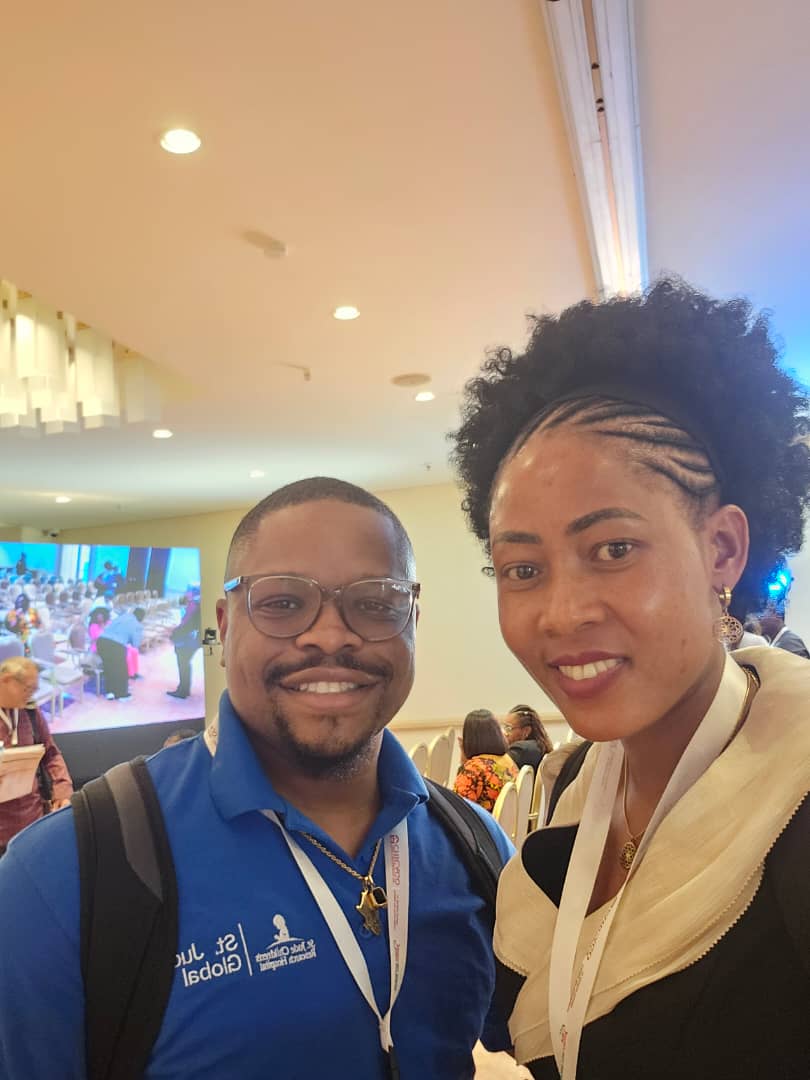
Second Day was about engagement with different partners and organization representatives at the Global congress.
Learning different modules on management, treatment, preventive and advocating methods that they use in different countries to combat SCD

3
8
179
Global Sickle Cell Disease Network retweeted
6 Jun 2025
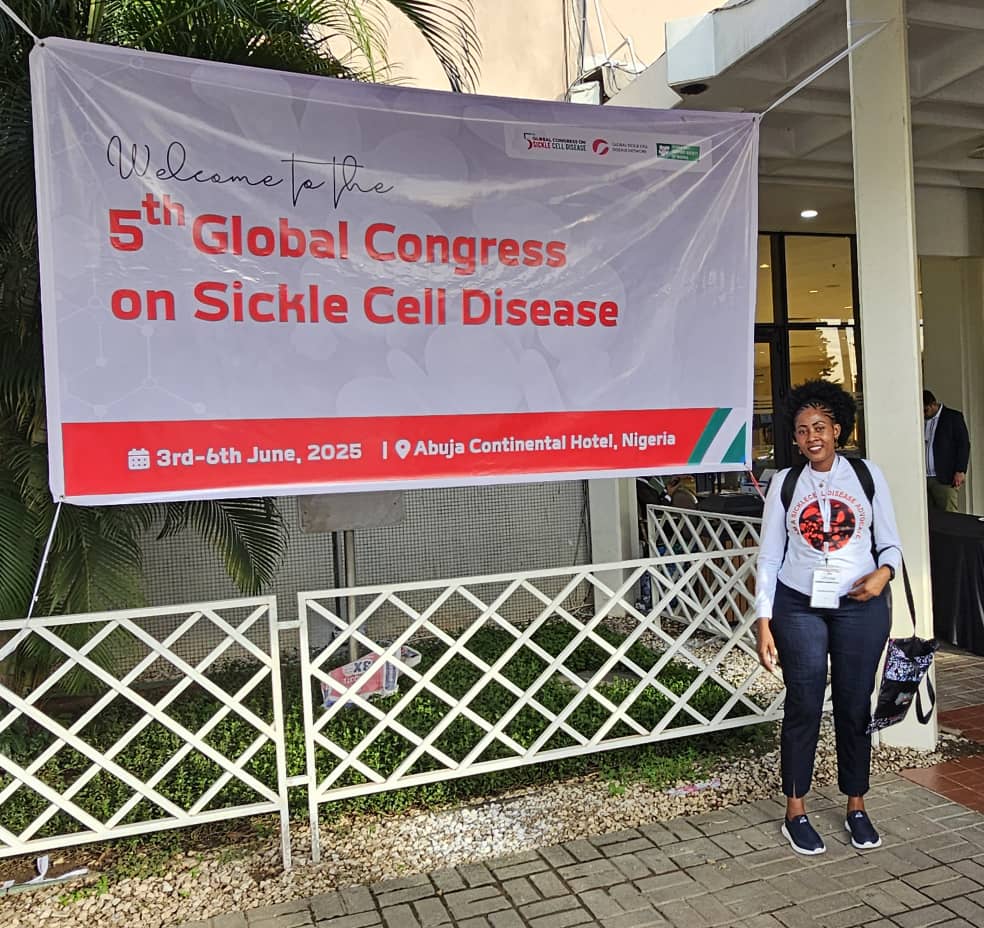
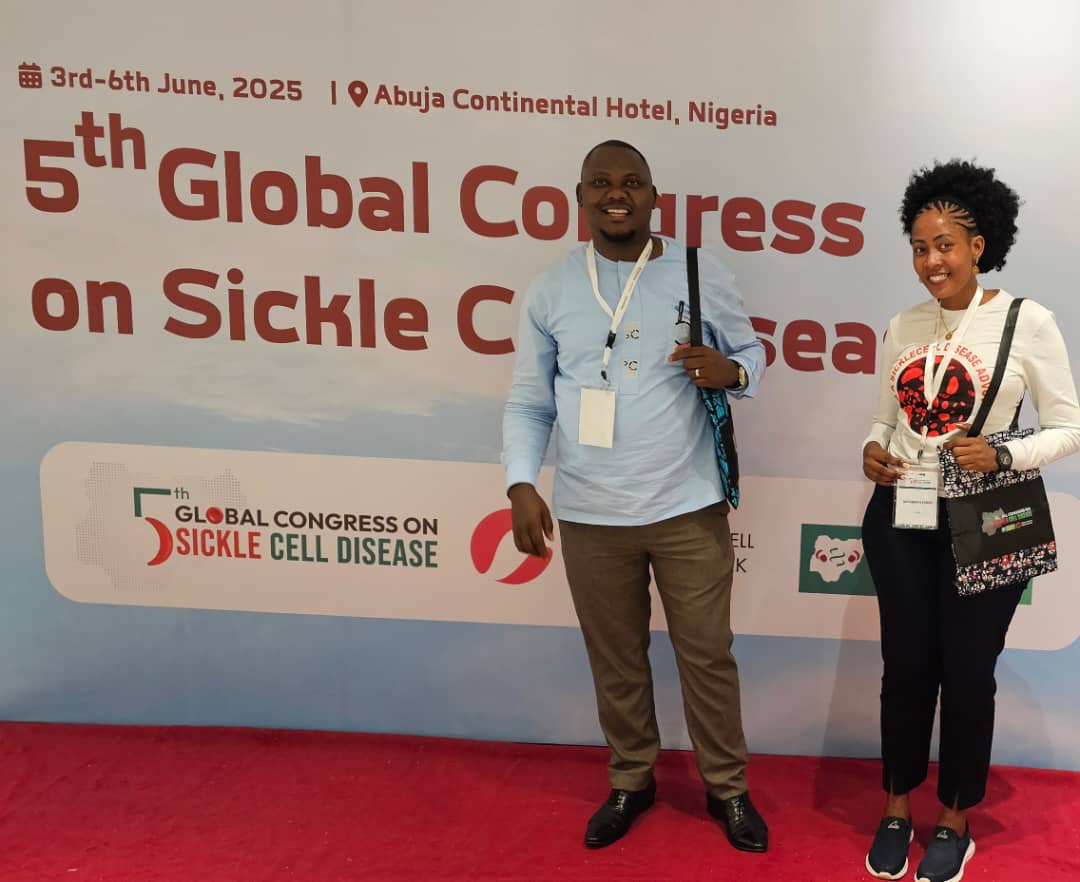
This week we sent our Community Engagement Officer Musiimenta Euniky to the 5th Global Congress on Sickle Cell Disease hosted at Abuja Continental Hotel in Abuja Nigeria from 3rd June to 6th June 2025.
Quite an honorable experience with an international discussion on SCD


2
3
18
346
Global Sickle Cell Disease Network retweeted

21 May 2025
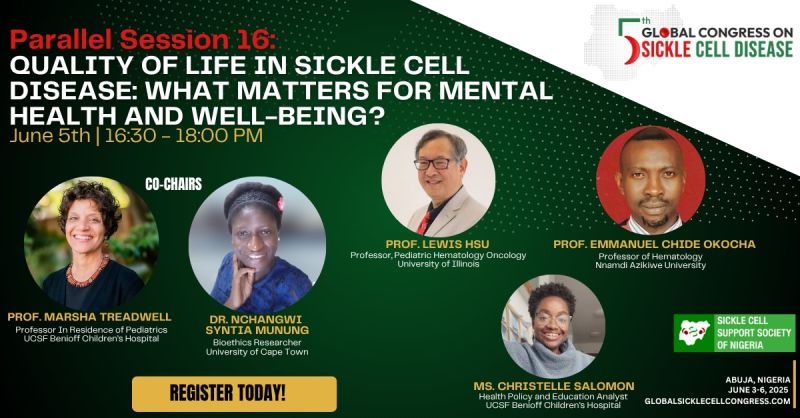
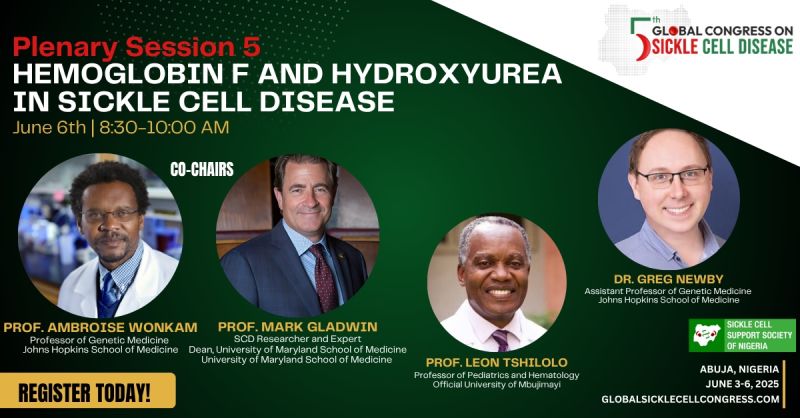
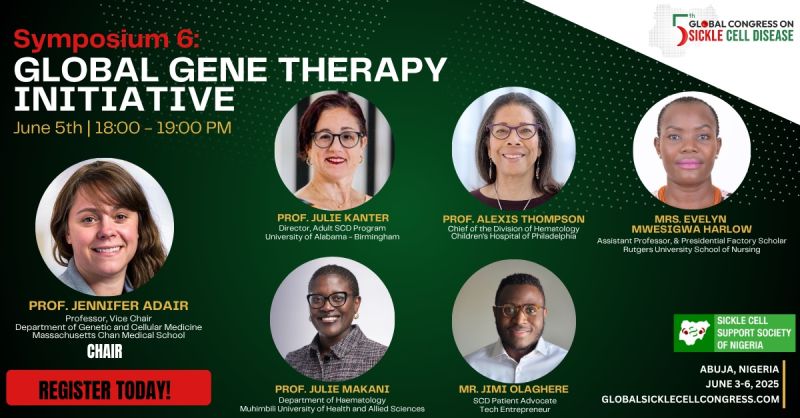
SickleInAfrica will be at the 5th Global Congress on Sickle Cell Disease in Abuja, Nigeria (June 3–6). Our members will be presenting in several sessions. Here are some highlights (more loading..) Attending the congress? We would love to connect! Please come say hi. #GCSCD2025

1
7
17
603
15 May 2025
The Congress provides a unique opportunity to come together to share ideas & drive real progress in the diagnosis, treatment & care of people living with #sicklecelldisease. Don't miss the powerful lineup of plenary sessions being offered. Learn more➡️: tinyurl.com/2ke36h7h
1
50
13 May 2025
📣The theme for the 5th Global Congress on Sickle Cell Disease is: Working Together to Reduce the Burden of Sickle Cell Disease: Leaving No One Behind. Join #SCD care professionals, researchers & advocates from around the 🌍 — register: tinyurl.com/3pd8bey2 #SCDCongress2025
1
61