
Trusted OTC network with agents in 60 countries , Support all currencies , Serving traders, SMEs, expats & international buyers
Joined July 2025
- Tweets 142
- Following 224
- Followers 50
- Likes 79
127 Photos and videos





🔗 Multi-Market Connectivity — Optimizing Every Transaction
#GlobalCryptos #CrossBorderPayment #InternationalBusiness #Crypto #Blockchain #DigitalAssets #GlobalNetwork #OTC #Fintech #GlobalTrade #PaymentSolutions
1
3
💳 GLOBALCRYPTOS — CONNECTING INTERNATIONAL PAYMENTS
In today’s global economy, international payments are more important than ever.
Businesses pay overseas partners. Investors move assets across markets. Individuals need fast and convenient cross-border transactions.
GlobalCryptos is building a connected ecosystem to make international transactions simpler and more flexible.
✔️ Support for multiple asset types
✔️ Access to global markets
✔️ Transparent operating processes
✔️ Stable transaction infrastructure
✔️ Dedicated support for international transactions
📩 A stronger network makes global payments easier and more efficient.
#GlobalCryptos #GlobalPayment #Crypto #OTC #CrossBorderPayment #Blockchain #DigitalAssets #Fintech
1
1
22
U.S. AIRSTRIKES IRAN AMID CEASEFIRE TENSIONS — BITCOIN, GOLD AND OIL REACT
Middle East tensions escalated after the United States launched airstrikes against Iran following the reported downing of a U.S. Apache helicopter near the Strait of Hormuz.
The development immediately impacted global financial markets, including crypto, gold, and energy assets.
📌 Key Highlights:
• The U.S. confirmed airstrikes targeting Iranian positions
• Bitcoin fell below $62,000, down around 2% within 24 hours
• Gold failed to rally significantly despite rising geopolitical tensions
📉 Bitcoin came under renewed selling pressure as investors reduced exposure to risk assets amid concerns that the conflict could escalate further.
🌍 Markets are closely monitoring the situation, as any further escalation could affect inflation expectations, interest rate policies, and overall investor sentiment worldwide.
#Bitcoin #BTC #Crypto #Gold #Oil #Iran #Trump #Geopolitics #Blockchain #DigitalAssets #CryptoNews #GlobalCryptos
1
39
⚡️ A GLOBAL NETWORK FOR MORE FLEXIBLE TRANSACTIONS
In today's international business environment, speed matters—but flexibility matters even more.
Every country has different regulations, payment systems, and transaction requirements. A global network helps transactions adapt quickly to various real-world situations and market conditions.
At GlobalCryptos, we continue to expand our global connections to provide:
✔️ Multi-country support
✔️ Greater transaction flexibility
✔️ Access to multiple markets within one ecosystem
✔️ An optimized experience for international clients
📈 As the world becomes more connected, financial networks must become stronger and more adaptable.
You don't have to worry about international payments—GlobalCryptos is here to support your transaction needs every step of the way.
#GlobalCryptos #GlobalPayment #Crypto #OTC #Fintech #DigitalAssets #CrossBorderPayment #InternationalBusiness
1
5
📈 STRATEGY BUYS ANOTHER 1,550 BTC AS BITCOIN RECOVERS ABOVE $64,000
Strategy has continued to expand its Bitcoin holdings by purchasing an additional 1,550 BTC worth approximately $101 million, bringing its total holdings to 845,256 BTC.
📌 Key highlights:
• Strategy purchased BTC at an average price of $65,332 per Bitcoin
• Bitcoin briefly recovered above $64,000 following the announcement
• Analysts continue to monitor the critical $60,000 support level
• The market has not yet confirmed a full bullish reversal
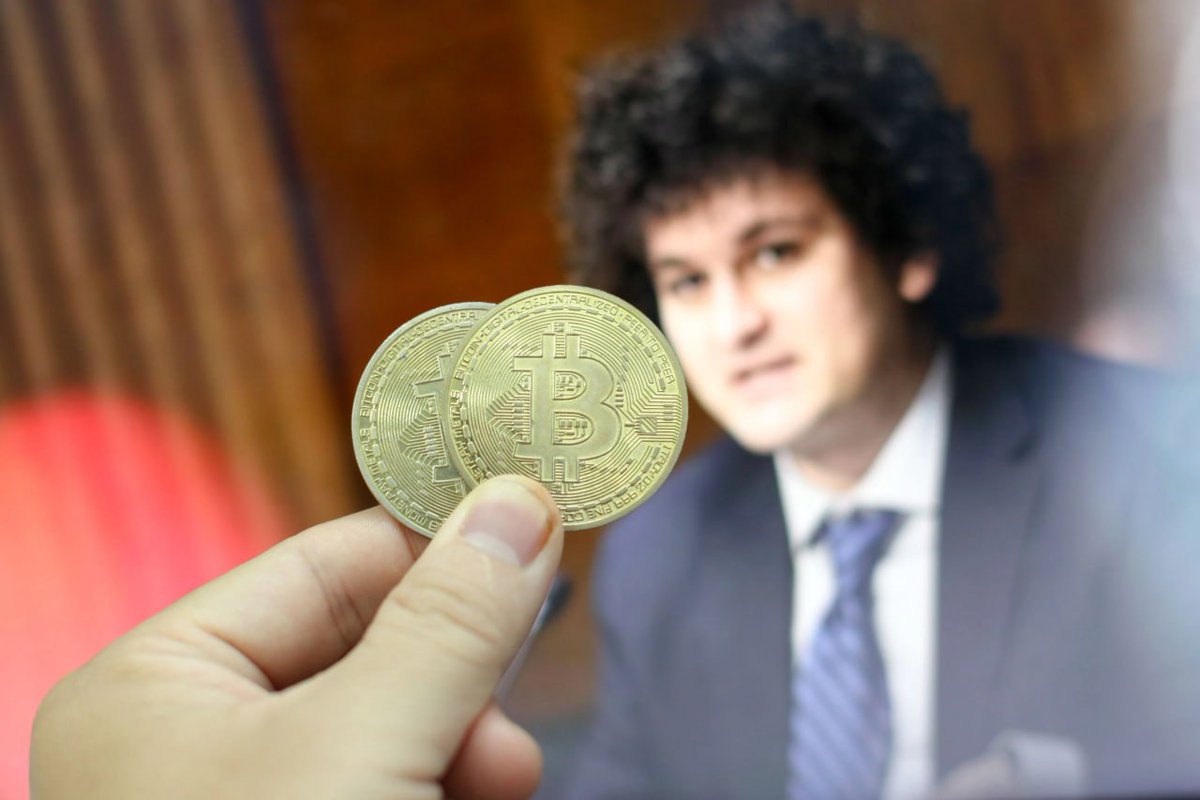
⚠️ Meanwhile, former FTX CEO Sam Bankman-Fried (SBF) has attracted attention after officially filing for a presidential pardon while serving a 25-year prison sentence related to the collapse of FTX.
📊 Although Bitcoin has shown signs of recovery after last week's sharp correction, investors remain cautious as market volatility is expected to continue in the near term.
#Bitcoin #BTC #Crypto #Strategy #MichaelSaylor #FTX #SamBankmanFried #Blockchain #CryptoNews #GlobalCryptos
1
21
🌐 A GLOBAL NETWORK FOR EVERY TRANSACTION
Today, transactions go far beyond national borders.
Businesses serve global customers, investors manage funds across markets, and individuals regularly make international payments.
That's why GlobalCryptos has built a multi-country network to provide greater flexibility and efficiency for cross-border transactions.
✅ Support across multiple markets
✅ Enhanced international transaction processing
✅ Optimized cross-border payment flows
✅ Better support for global clients
🌍 With a presence across the United States, Australia, Japan, Europe, and Asia, GlobalCryptos is ready to support your international payment and crypto transaction needs.
🤝 A stronger network creates smoother and more efficient global transactions.
#GlobalCryptos #GlobalNetwork #Crypto #OTC #CrossBorderPayment #Blockchain
1
14
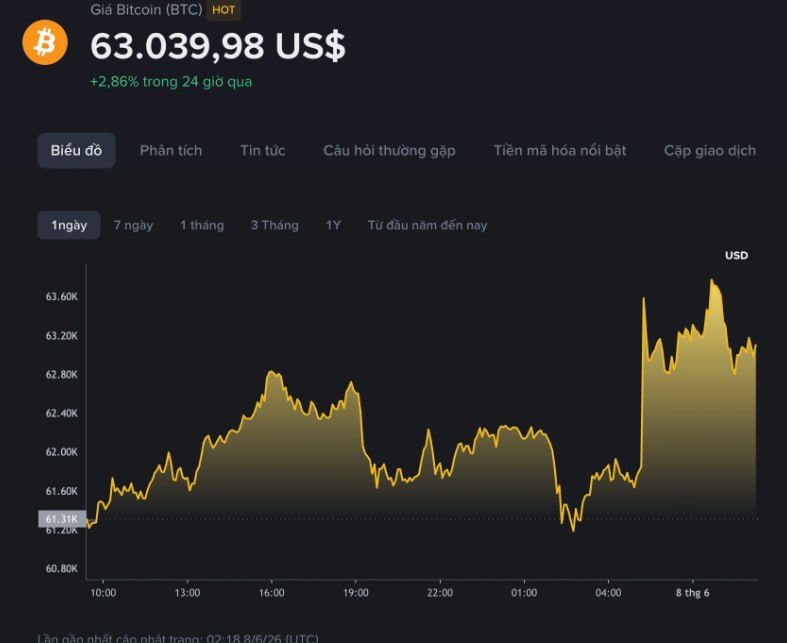
📉 BITCOIN REBOUNDS TO $63,000, BUT DOWNSIDE RISKS REMAIN
Bitcoin recovered to the $63,000 level on June 8 after briefly falling below $60,000 over the weekend.
📌 Key highlights:
• BTC gained approximately 2.8% over the past 24 hours
• Ethereum rose more than 6%, while BNB reclaimed the $600 level
• Total crypto market capitalization recovered to around $2.17 trillion
• More than $7 billion in leveraged positions were liquidated during the past week
However, on-chain data suggests the market may not have reached a definitive bottom yet. Bitcoin has declined roughly 17% over the past week, marking its worst weekly performance since mid-2024.
Analysts note that selling pressure remains significant as many investors continue to realize losses, while total realized losses in the current cycle have yet to reach levels seen during the 2022 bear market.
#Bitcoin #BTC #Crypto #Ethereum #Blockchain #DigitalAssets #CryptoNews #GlobalCryptos
1
26
📰 TOP CRYPTO NEWS | JUNE 01 – 07, 2026
📌 Key highlights this week:
🇻🇳 Vietnam is exploring Margin and Futures products for digital assets.
🇻🇳 Investors holding crypto on international platforms will not face penalties if no trading activity occurs.
🔻 Binance announced the delisting of COS, D, HIGH, and MBOX on June 19.
⚠️ Zcash patched a critical security vulnerability related to ZEC supply.
🇬🇧 The UK FCA warned Premier League clubs about partnerships with unlicensed crypto companies.
💰 Strategy sold 32 BTC worth approximately $2.5 million, marking its first Bitcoin sale in years.
📈 Binance is preparing to launch tokenized stocks (bStocks) on BNB Chain.
⚡️ DWF Labs warned about risks from companies using leverage to accumulate BTC and ETH.
📊 Regulatory developments, financial products, and institutional activity continue to shape the crypto market.
#Bitcoin #Crypto #Ethereum #Binance #Blockchain #DigitalAssets #CryptoNews #GlobalCryptos
2
79
🔄 HOW DOES A TRANSACTION WORK AT GLOBALCRYPTOS?
#GlobalCryptos #Crypto #OTC #CryptoToFiat #CrossBorderPayment #InternationalTransfer #Compliance #Blockchain #DigitalAssets #GlobalPayment
1
15
💰 HOW SHOULD LARGE-VALUE TRANSACTIONS BE MANAGED?
In crypto, international payments, and high-value OTC transactions, speed matters — but it is not the only priority.
What clients truly need is a clear operational process and strong risk management throughout the transaction lifecycle.
📌 Large transactions typically require:
✔️ Multi-step verification procedures
✔️ Transparent transaction reconciliation
✔️ Real-time status tracking
✔️ Risk controls throughout the settlement process
✔️ Responsive support when issues arise
Even a small mistake during a cross-border transaction can result in significant delays, additional costs, or cash flow disruptions.
At GlobalCryptos, transactions are handled through structured compliance procedures and multiple layers of control to ensure transparency, stability, and security.
#GlobalCryptos #Crypto #OTC #Settlement #Compliance #Blockchain #CrossBorderPayment #DigitalAssets
1
11
📉 BITCOIN DEMAND IS WEAKENING: HAS THE BOTTOM FORMED OR IS MORE DOWNSIDE AHEAD?
Bitcoin remains under pressure after falling around 16% over the past week and testing the $60,000 support zone. On-chain data suggests the market has yet to show clear signs of a sustainable bottom.
📌 Key Highlights: • BTC demand is declining across both spot and futures markets • More than 50% of Bitcoin's supply is currently sitting at unrealized losses • Around 10.5 million BTC are now underwater, exceeding the amount still in profit • Over 53,800 loss-making BTC were transferred to exchanges within 24 hours, indicating continued selling pressure
📊 According to Glassnode and CryptoQuant, buying demand remains insufficient to absorb current selling activity. Meanwhile, market sentiment continues to lean defensive.
#Bitcoin #BTC #Crypto #CryptoMarket #Blockchain #DigitalAssets #CryptoNews #OnChain #CryptoTrading #GlobalCryptos
1
2
31
💡 WHAT KEEPS CLIENTS COMING BACK ISN'T THE RATE — IT'S PEACE OF MIND.
#GlobalCryptos #Crypto #OTC #Compliance #CrossBorderPayment #DigitalAssets #Blockchain #Fintech #Trust #RiskManagement
2
15
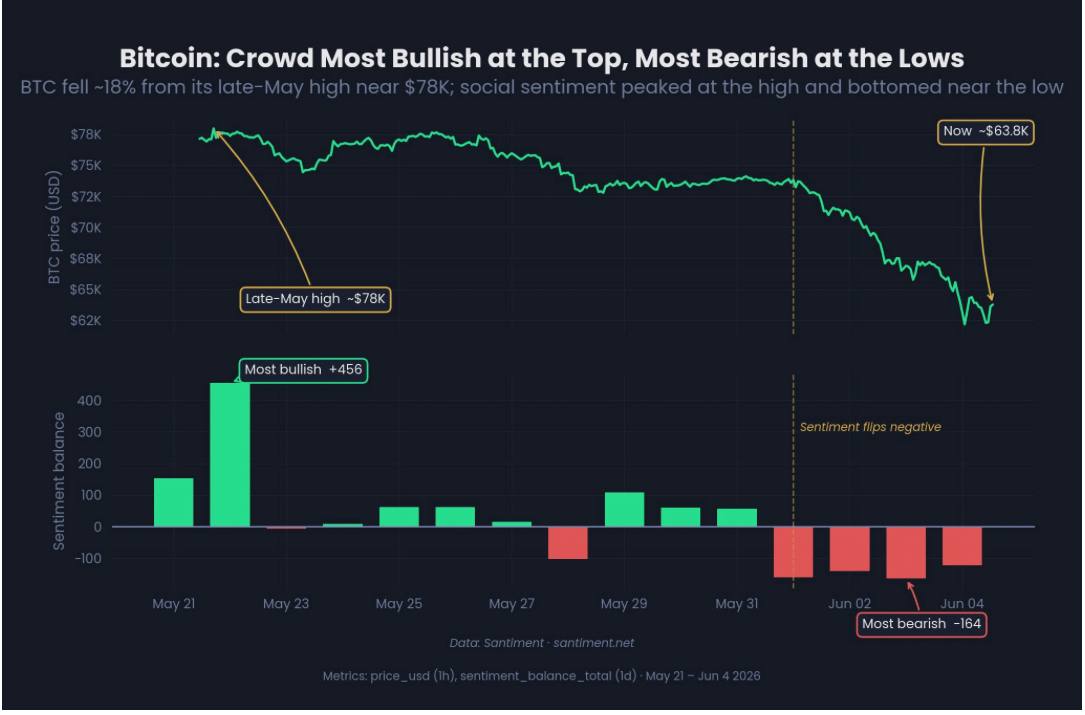
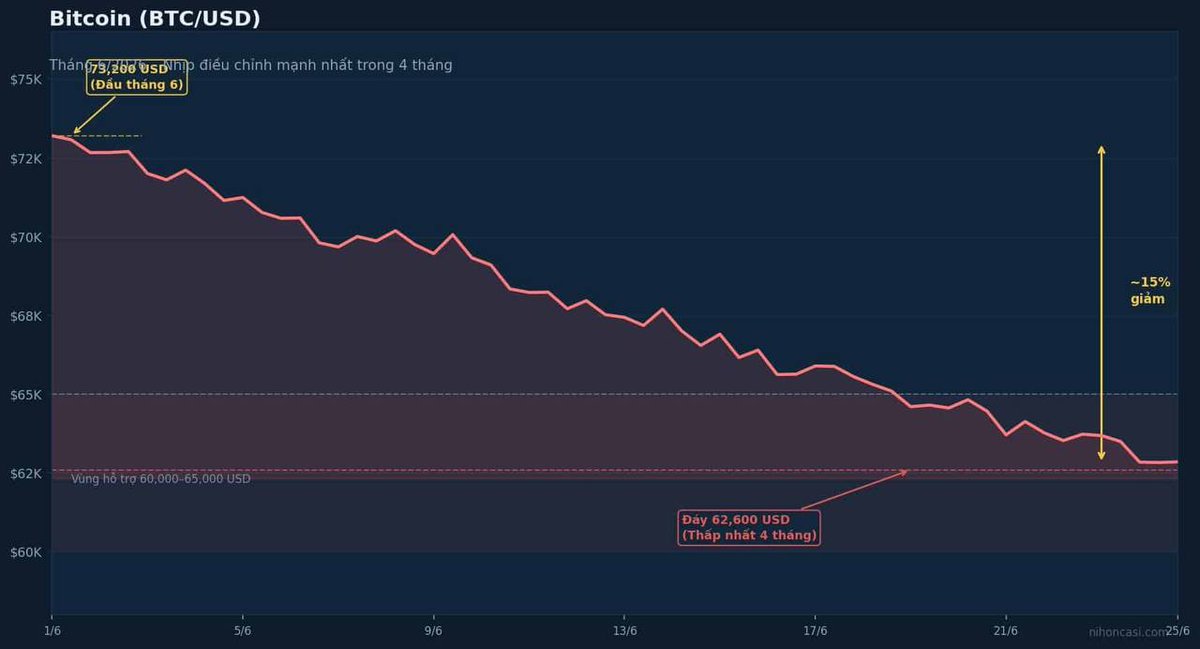
📉 BITCOIN RECORDS ITS SHARPEST DROP IN 4 MONTHS AS CRYPTO MARKETS TURN CAUTIOUS IN JUNE
Bitcoin has fallen from above $73,000 to below $63,000 within the first few days of June, marking one of its strongest corrections of 2026 so far.
📌 Key highlights:
• More than $176 billion in crypto market value wiped out within 48 hours
• Around $1.25 billion in leveraged positions liquidated
• Strategy sold Bitcoin for the first time since 2022, adding pressure to market sentiment
• Bitcoin ETFs continue to see persistent outflows
📊 The decline has spread across the broader crypto market, with many major altcoins posting significant losses. Meanwhile, capital appears to be rotating into AI-related stocks, gold, and major upcoming tech IPOs.
👀 Investors are closely watching ETF flows, Bitcoin's $60,000–$65,000 support zone, and on-chain data for clues about the market's next move.
#Bitcoin #BTC #Crypto #CryptoNews #BitcoinETF #Blockchain #DigitalAssets #Altcoin #CryptoMarket #GlobalCryptos
1
1
18
📉 BITCOIN FALLS BELOW $62,000 AS OVER $1.6 BILLION IN CRYPTO POSITIONS ARE LIQUIDATED
The crypto market experienced one of its most volatile sessions of 2026 as Bitcoin briefly dropped below $62,000, its lowest level since late March.
📌 Key highlights:
• More than $1.6 billion in leveraged positions liquidated within 24 hours
• Bitcoin accounted for nearly $800 million of total liquidations
• Around $1 billion flowed out of U.S. spot Bitcoin ETFs in just a week
• BTC balances on exchanges reached their highest level in three months
💸 The sell-off was driven by multiple factors, including ETF outflows, leveraged liquidations, and investors rotating capital into AI-related stocks, gold, and major upcoming tech IPOs.
🚀 Analysts note that speculative capital is increasingly shifting toward growth themes such as AI, OpenAI, Anthropic, and SpaceX, reducing Bitcoin's dominance as the preferred risk asset.
#Bitcoin #BTC #Crypto #BitcoinETF #CryptoMarket #DigitalAssets #AI #ETF #CryptoNews #GlobalCryptos
1
39
💸 “Rates that are too good” can become the most expensive trap
“A better-than-market rate” sounds attractive… until the transaction goes wrong.
One of the most common OTC crypto scam scenarios:
1️⃣ Offering rates far below the market
2️⃣ Promising ultra-fast processing with minimal procedures
3️⃣ Pressuring clients to transfer funds quickly to “lock the rate”
4️⃣ Failing to provide proof, tracking, or clear legal information
Many businesses focus only on price and forget to verify:
❌ Real liquidity
❌ Real operational processes
❌ Transaction traceability
👉 In large transactions, “security & transparency” always matter more than “slightly cheaper rates.”
📩 GlobalCryptos provides OTC services with real liquidity, transparent processes, complete documentation, and compliance systems to help businesses handle large transactions more safely.
#Crypto #OTC #CryptoScam #Blockchain #Compliance #AML #KYC #Bitcoin #InternationalPayments #GlobalCryptos
1
26
Kraken has confidentially filed for an IPO
Previously, the company had paused its IPO plans due to a sharp decline in Bitcoin prices and extremely negative market sentiment. However, it now appears they no longer want to wait.
Interestingly, Kraken’s valuation seems to have dropped by more than $6 billion. Deutsche Börse Group reportedly committed $200 million in exchange for a 1.5% stake, implying a valuation of around $13.3 billion. This is significantly lower compared to November, when Kraken raised $800 million at a valuation of up to $20 billion.
PS: A “confidential IPO filing” means the company submits its paperwork to the U.S. Securities and Exchange Commission without publicly disclosing detailed financial information (such as revenue and internal metrics) at this stage.
⸻
#CryptoNews #Kraken #IPO #Bitcoin #CryptoMarket #Blockchain #CryptoExchange #BTC #Finance #Web3
94
Visa Launches AI-Powered Autonomous Commerce Platform
Visa has introduced Intelligent Commerce Connect, a new platform that enables AI agents to autonomously browse products, make purchasing decisions, and complete payments on behalf of users.
The system supports both Visa and non-Visa cards, is compatible with popular AI agent protocols, and integrates through a single access point on the Visa Acceptance Platform.
A key highlight is that Visa is not rejecting crypto infrastructure — instead, it is embracing it. Nevermined has integrated with Visa’s platform via Coinbase’s x402 protocol, enabling AI agents to execute automated purchases while users only need to set up their Visa card and spending rules once.
The race to build payment infrastructure for AI agents is now entering real-world deployment — no longer just strategic narratives. Whoever controls this layer will hold a critical position in the future digital economy.
⸻
#AI #AIAgents #Fintech #Visa #Crypto #Web3 #Payments #Automation #DigitalEconomy #Blockchain #Coinbase #Innovation

35
META CUTS STAFF, PIVOTS TO AI
🔹 Meta Platforms is laying off hundreds to thousands of employees across multiple divisions, including Facebook, Reality Labs, recruiting, sales, and operations
🔹 The cuts are described as more “targeted adjustments” rather than massive layoffs, focusing on areas that don’t generate short-term revenue
🔹 The main focus is Reality Labs (metaverse), a division that has lost over $50 billion since 2020 and become a major financial burden
🔹 This is part of a broader restructuring strategy to shift resources from the metaverse to AI, aiming to compete with OpenAI, Google, and other rivals
🔹 Meta is heavily investing in AI (LLMs, infrastructure, talent), even offering lucrative compensation packages to retain key employees
#Meta #AI #Layoffs #BigTech #ArtificialIntelligence #TechNews

63
The world is gradually realizing a hard truth: even countries far removed from conflict cannot escape its consequences.
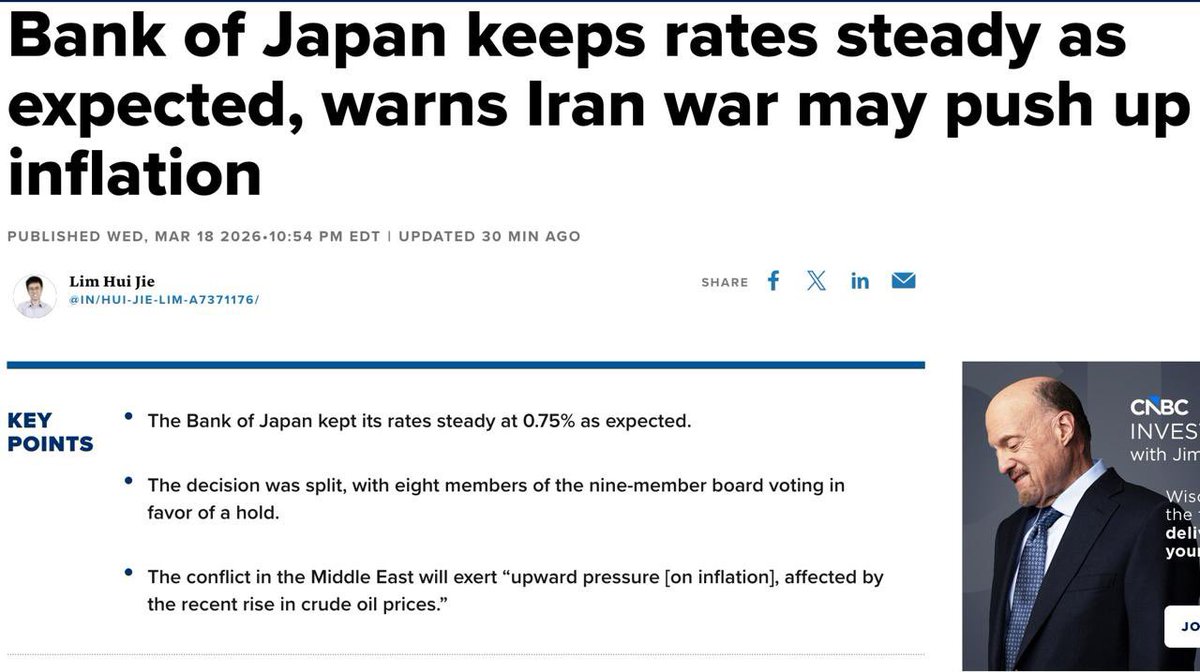
Japan has just kept its interest rate unchanged at 0.75%, in line with market expectations, while warning that tensions involving Iran could push inflation higher, mainly due to rising oil prices. In its statement, the Bank of Japan noted that the decision was not unanimous, with 8 out of 9 members supporting the move.
One member broke ranks and called for a rate hike, signaling that internal debates are beginning to shift. Meanwhile, political pressure is mounting to keep rates low in order to support growth, especially as the government is trying to control fuel costs.
The issue lies in the fact that Japan imports around 95% of its energy from the Middle East. As tensions escalate and oil prices rise, Japan has to pay more for energy. These costs then ripple across the entire economy, from transportation to food and essential goods. Even when domestic conditions appear stable, external shocks can quickly reshape the inflation outlook.
What makes the situation more notable is the timing. Inflation in Japan has only recently started to cool, falling below the central bank’s 2% target after years of exceeding it. At the same time, wages have finally begun to rise again after decades of stagnation. This is the balance Japan has long tried to achieve: moderate inflation alongside wage growth.
But now, the risk is that inflation will not rise for healthy reasons. Instead of being driven by strong demand and higher incomes, it could be pushed up by rising imported energy costs. This kind of inflation is harder to control and places greater pressure on consumers.
#Japan #Inflation #OilPrices #Geopolitics #MiddleEast #InterestRates #GlobalEconomy #EnergyCrisis #CentralBank #EconomicOutlook
37
Vitalik Buterin said that Ethereum is experimenting with a simpler staking approach to make it easier for institutions to participate.
The Ethereum Foundation has already staked 72,000 ETH using DVT-lite technology. This technology allows multiple computers to run a single validator together, so if one machine encounters a problem, another can immediately take over, reducing the risk of penalties.
Vitalik’s long-term goal is to make ETH staking as simple as “one click”, making it much easier for institutions to join the network.
Currently, about 37.5 million ETH (around 31% of the total supply) is already being staked, and demand continues to grow rapidly.
#Ethereum #ETH #VitalikButerin #Crypto #Blockchain #Staking #Web3 #CryptoNews 🚀
33