
Ag Engineer helping urban professionals escape the 9-5 grind for an active outdoor life | Fishing • Trekking • Rural living & motorhome
Joined March 2024
- Tweets 13,064
- Following 416
- Followers 846
- Likes 17,777
1,054 Photos and videos
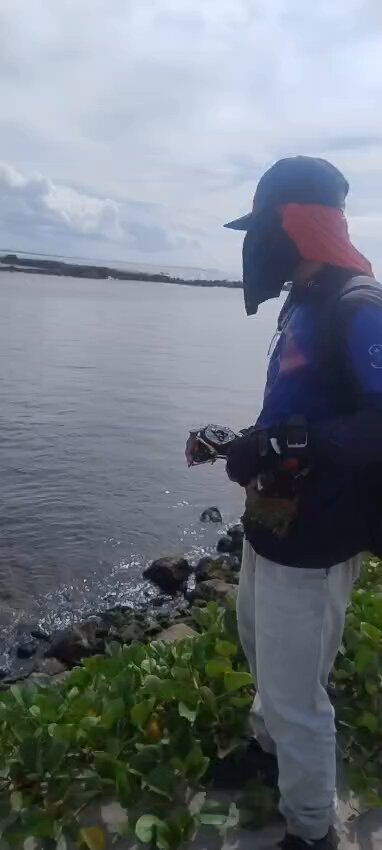
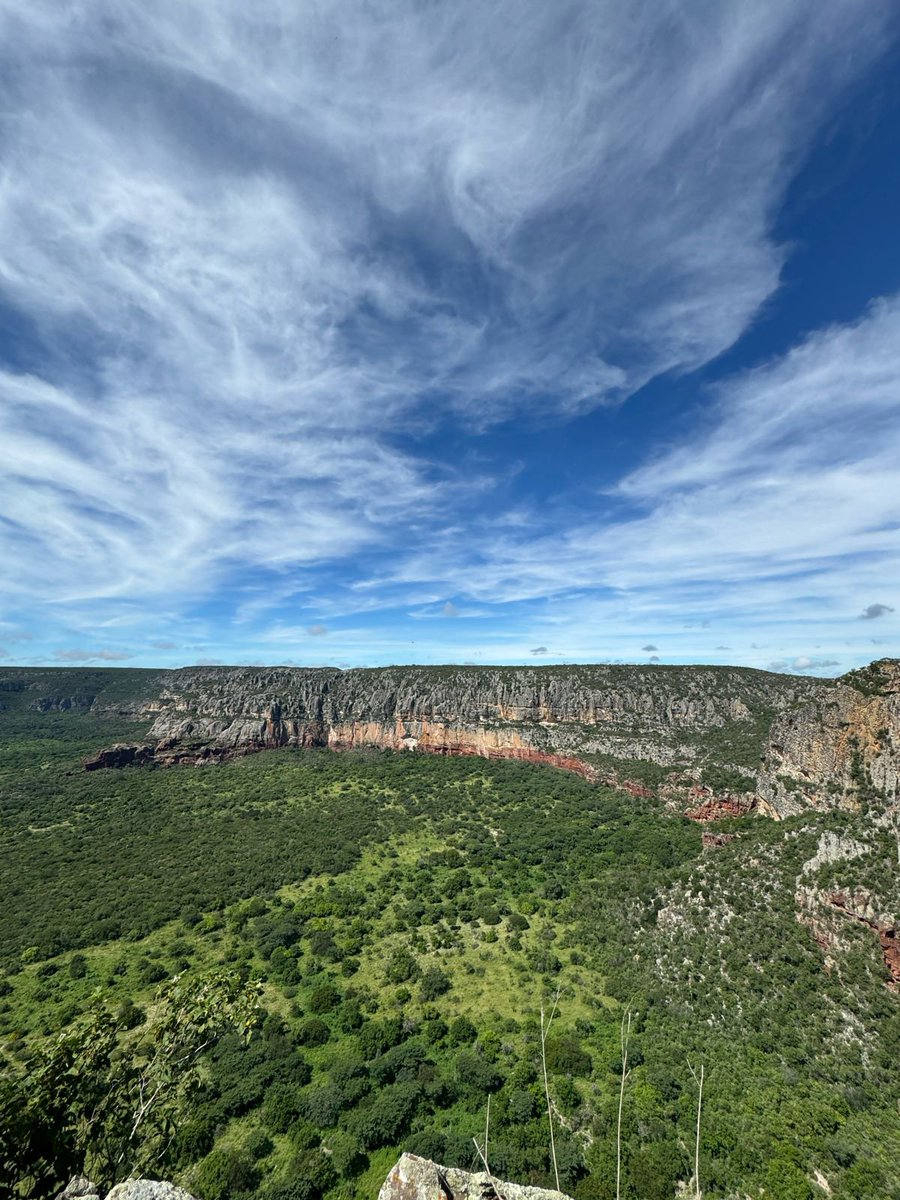

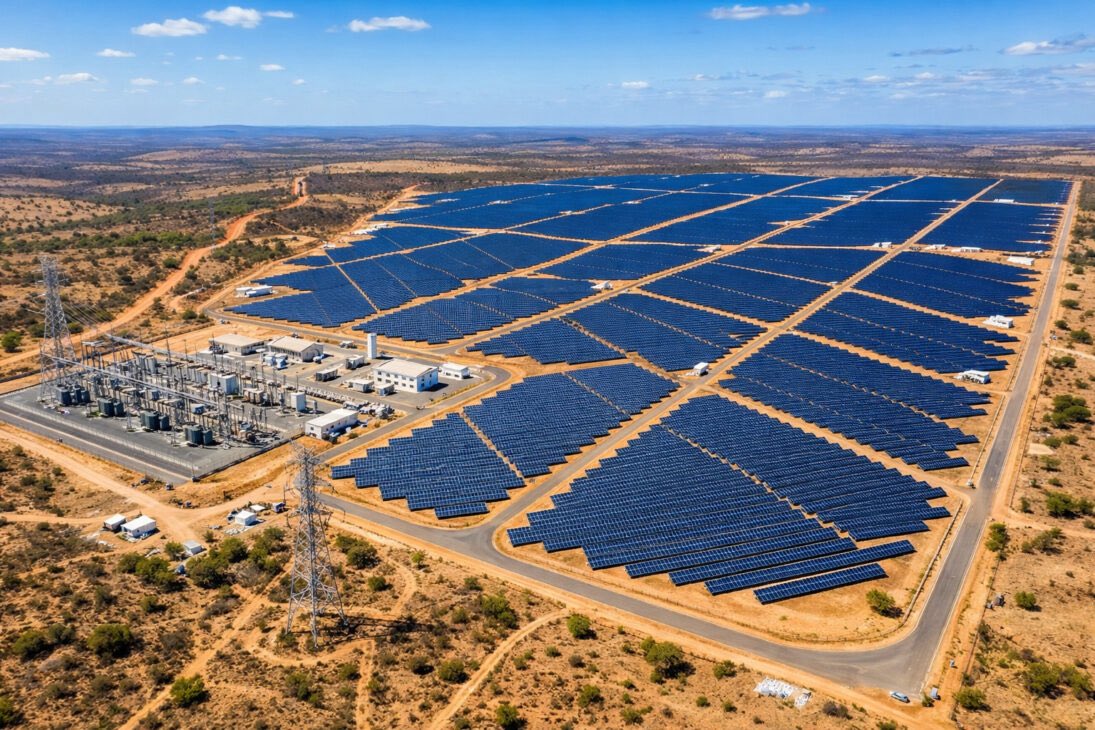
This part of Brazil was not used for agriculture, it does not support dense forests like the Amazon, but it has potential for energy production, ease of building access roads, and little weathering, resulting in low maintenance.
May 28

Brazil has six biomes.
Most people can name one.
Everyone knows the Amazon rainforest.
Almost no one outside Brazil knows the Caatinga.
The Caatinga is the only biome on Earth found entirely inside Brazil.
It covers about 10 percent of the country and more than half of the Northeast region.
The name comes from an Indigenous word meaning "white forest."
It is a dry land of thorn trees, cactus, and red rock that turns green after a single rain.
Around 27 million people live inside it.
That makes it the most densely populated semi-arid region on Earth.
Hundreds of its plant and animal species exist nowhere else on the planet.
For most of history the world wrote off this land as a wasteland.
Then the world learned what the sky above it is worth.
The Caatinga interior gets about 6.5 kilowatt hours of sun per square meter every day.
That puts it on par with the Australian outback and well above Germany or Spain.
Solar farms here run at 20 to 25 percent capacity, while European farms run at 11 to 15 percent.
One of the largest solar parks in Latin America sits in Piauí, inside this biome.
The state of Bahia alone holds the highest solar build-out potential in the country.
The land everyone called empty turned out to be one of the best power sources in the Western Hemisphere.
Most foreign investors have never heard the word Caatinga.
2
57
Brazil's potential for food production is still very large; even without opening new areas, it's possible to work with conservation management and produce foods with higher added value, such as fruits and vegetables.
May 27

Há 50 anos, em meados da década de 1970, o Brasil🇧🇷 era importador líquido de alimentos.
Agro Never Stops
O Agro Não Para
1
2
36
And furthermore,
why transport soybeans to the other side of the planet?
It's much better to process them locally and export the oil.
May 26
Most people miss this: it costs more to truck soybeans from Mato Grosso to Santos than to ship them from Santos to China.
The binding constraint sits inland. Paved road, rail, and barge capacity, not ocean freight.
Last week the STF cleared Ferrogrão 8-1, with the auction now set for H2 2026.
The line runs 933 km from Sinop to the Tapajós, where grain transfers to barges bound for Barcarena and Vila do Conde.
The export ceiling resets when that line is built.
1
19
The area with the greatest potential for food production is stagnant due to bureaucratic obstacles.
May 23
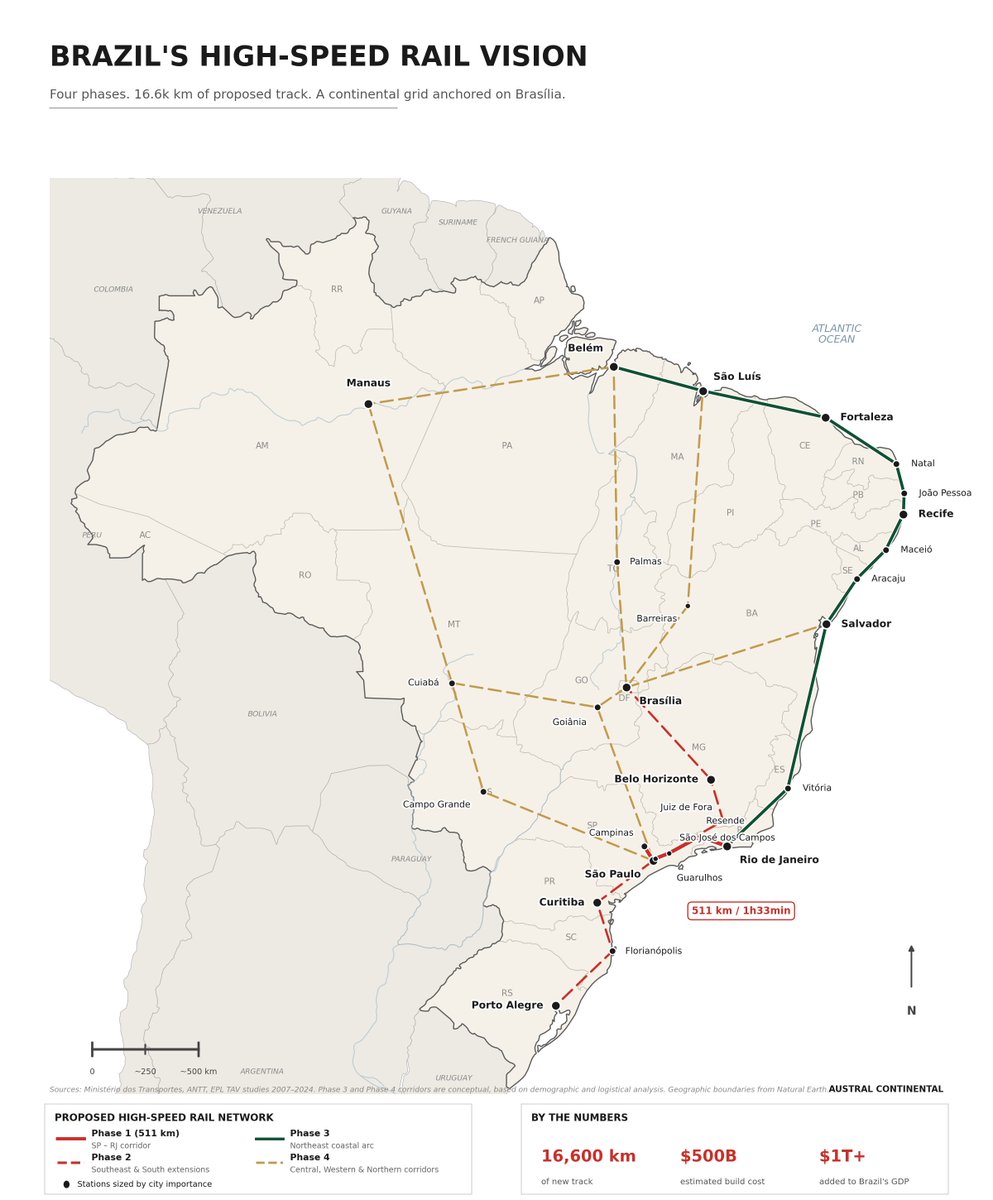
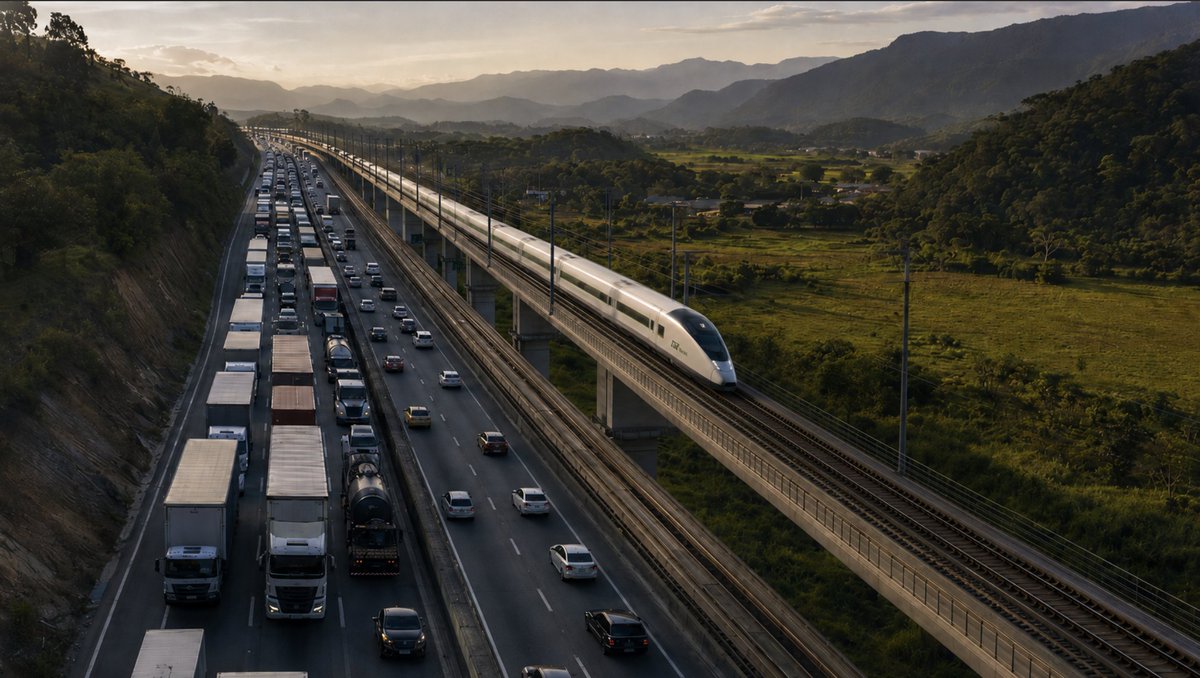
Imagine a Brazil where you board a train in São Paulo and step off in Rio 105 minutes later.
Imagine every coastal capital linked, from Porto Alegre to Belém.
Imagine Brasília as the hub with 5 bullet train lines reaching across the country.
Even Manaus, the biggest city in the Amazon, on the grid.
That is the map I see.
16,600 km of track.
A real grid for a country of ~213 million people.
The São Paulo to Rio train has been on paper since the 1980s.
Almost 40 years of plans.
Zero track in the ground.
The drive between those two cities still takes 5 to 6 hours (depending on traffic).
50 million people live in that corridor.
About the size of South Korea.
China built 50,000 km of bullet trains in 17 years.
Brazil built 0 in 40.
At China's pace, the Brazilian network gets built in 20 years.
At Brazil's pace, 50.
The price tag is about $500 billion in today's dollars.
Closer to $1 trillion by the time the last track is laid.
Every dollar spent comes back as $2 to $3 in growth.
That is $2 to $3 trillion added to Brazil's GDP.
Land prices jump the moment the project becomes real.
Cities along the route gain value 20 years before the train arrives.
The corridor leads.
The train follows.
The biggest infrastructure project of the 21st century is not in China.
It is in Brazil.
It just has not been built yet.
1
43
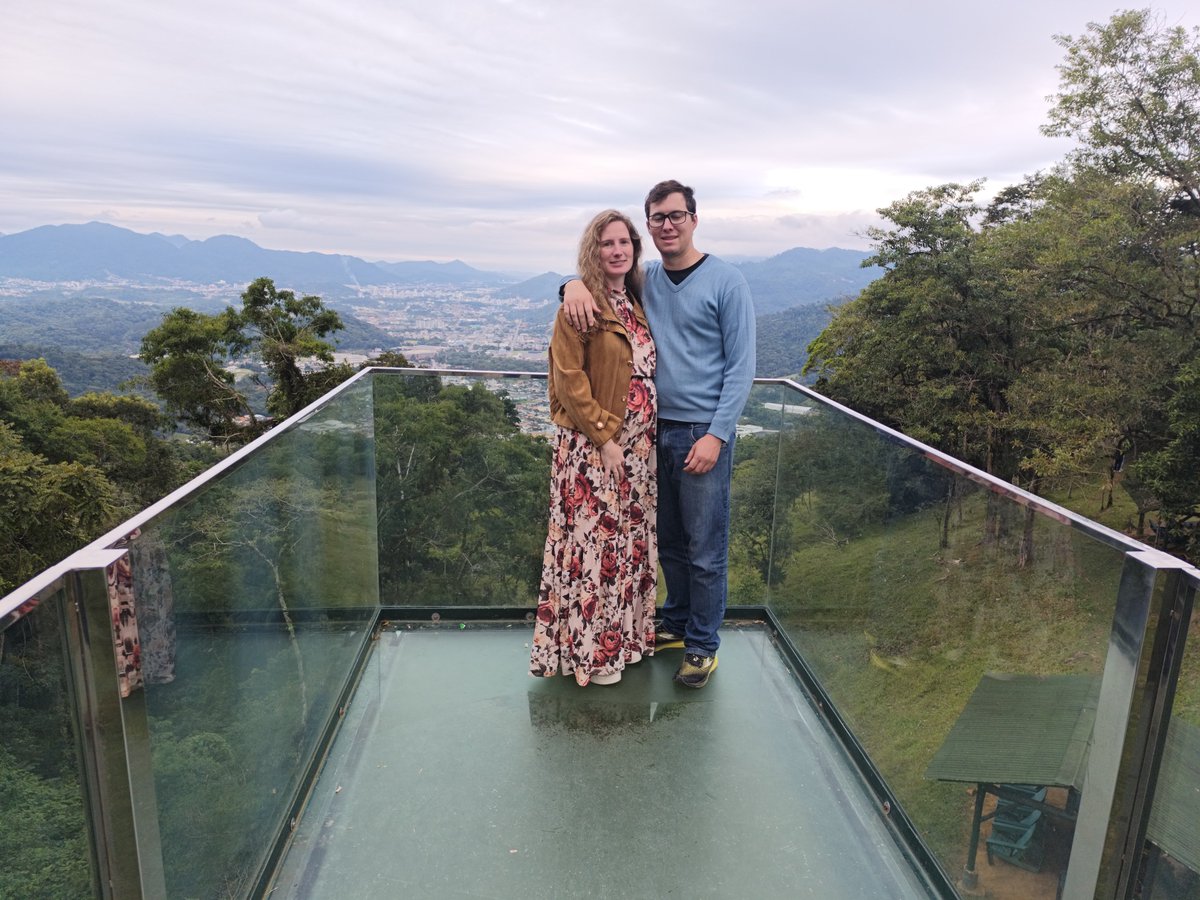
Malwee Peak in Jaraguá do Sul is a good tourist spot to visit.
1
1
37
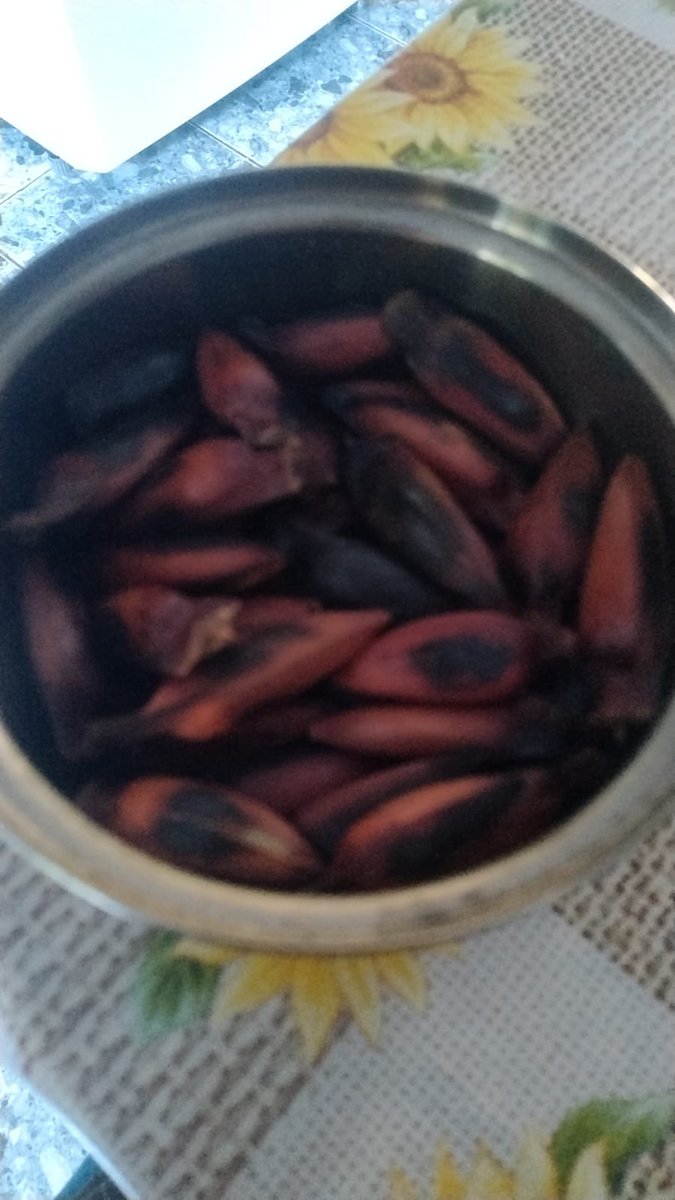
Among the native species of southern Brazil, the pine tree stands out for its beauty and for its seeds, which are consumed in winter.
1
31
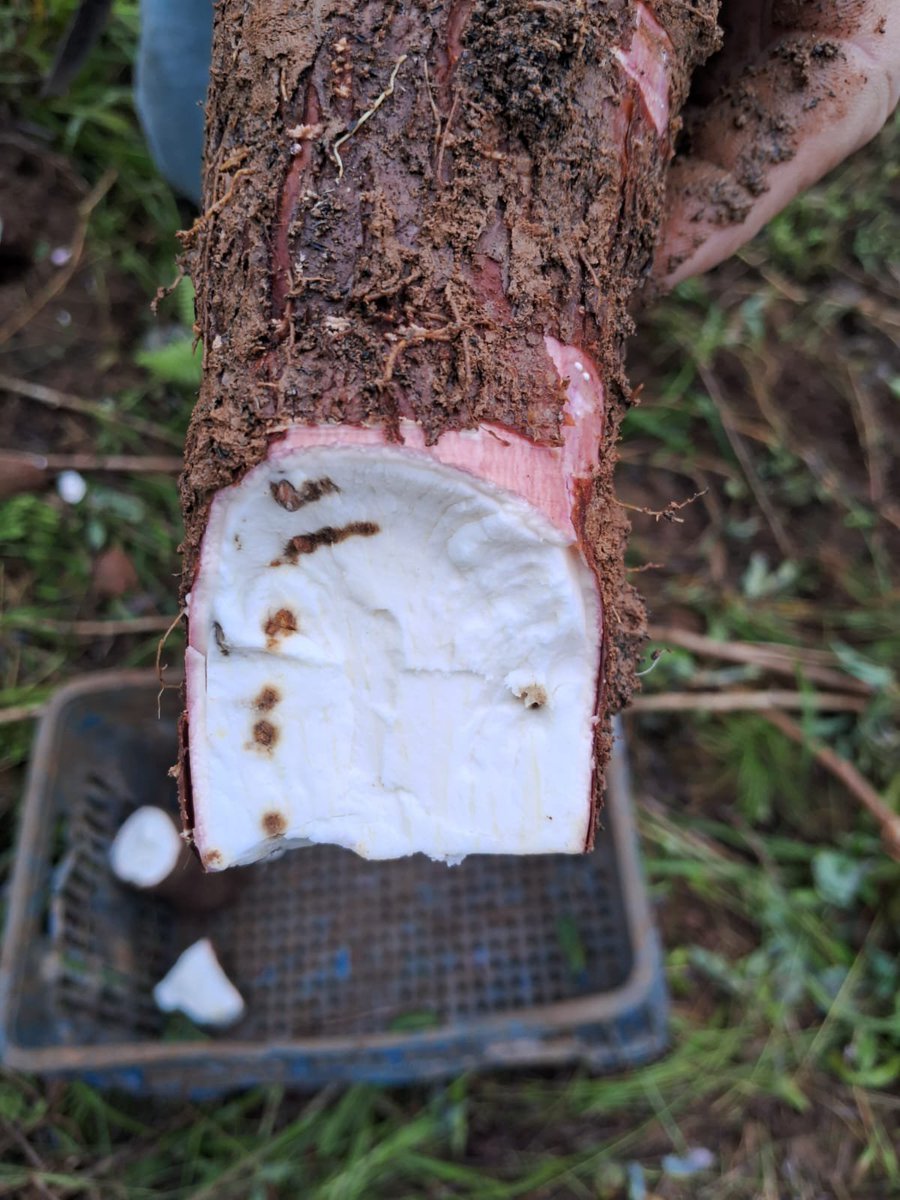
Agriculture has long dealt with plant diseases;
today, in the SPDH system, the focus is on plant health.
1
18
O agricultor brasileiro é um herói, produz alimentos enquanto paga muitos impostos e conserva o meio ambiente
May 18

Às vezes, parece que temos vergonha de reconhecer a importância do mercado.
Louvamos apenas o Estado e, de certa forma, escondemos a importância da livre iniciativa.
Por isso, o meu reconhecimento ao Marcos Jank pela lembrança da abertura econômica e desregulamentação da economia nos anos 90, e o seu forte impacto em nosso Agro.
#Agro #LiberdadeEconômica #LivreIniciativa #CNN
86
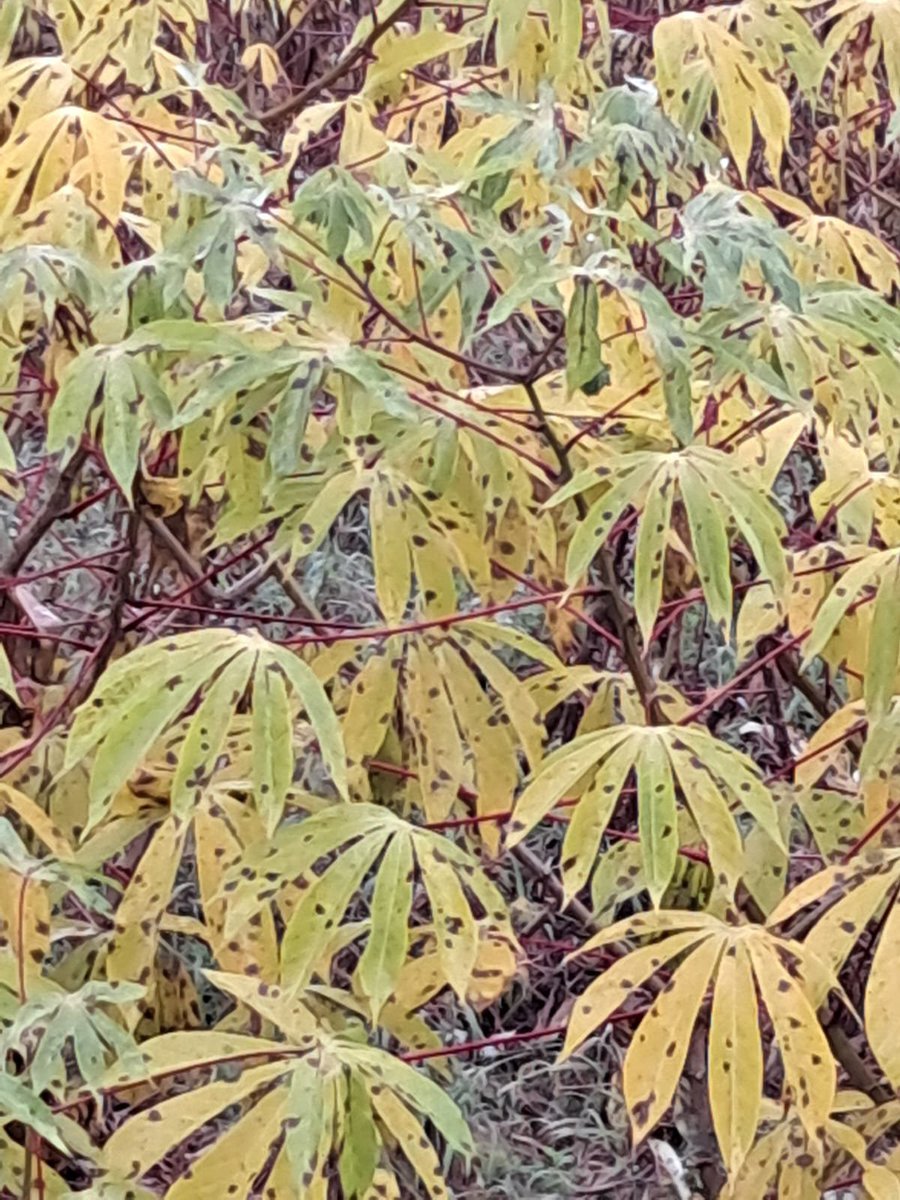
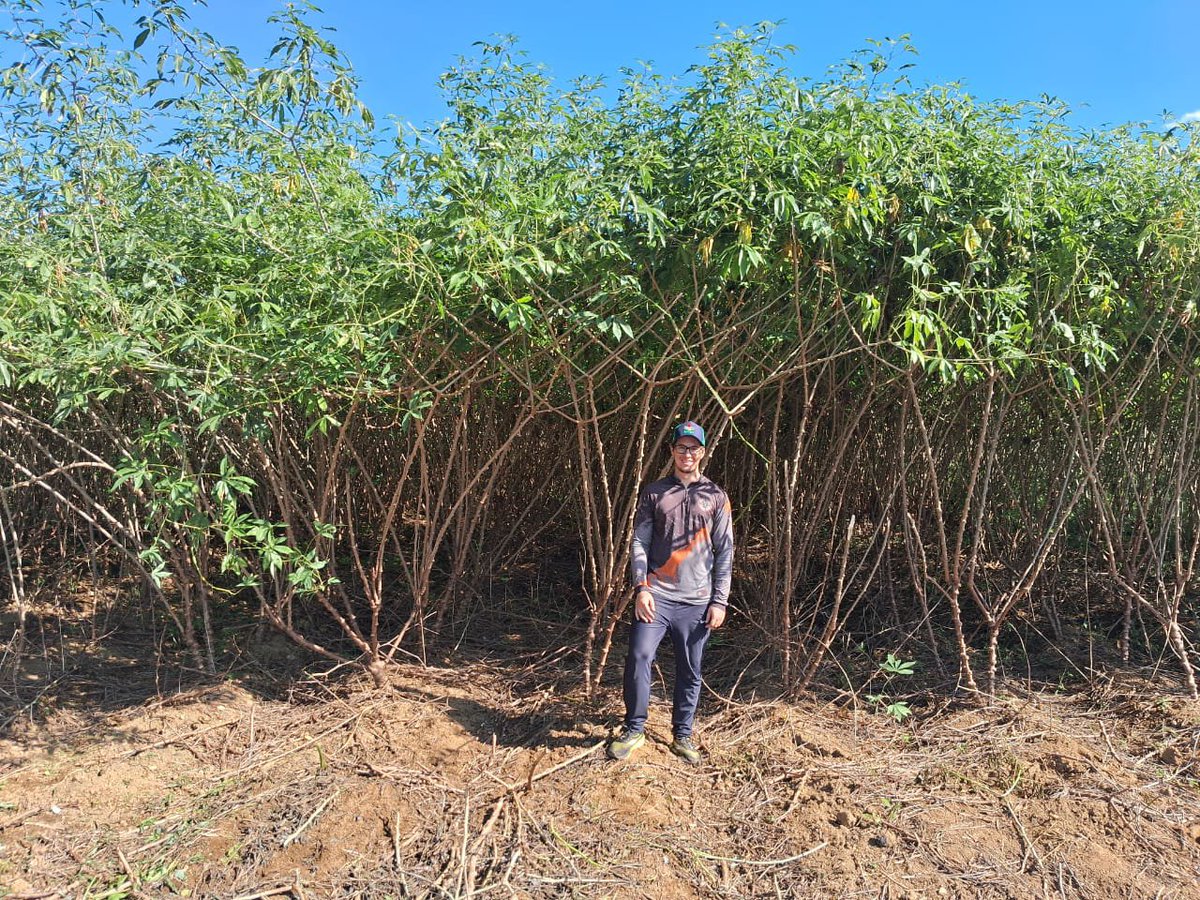
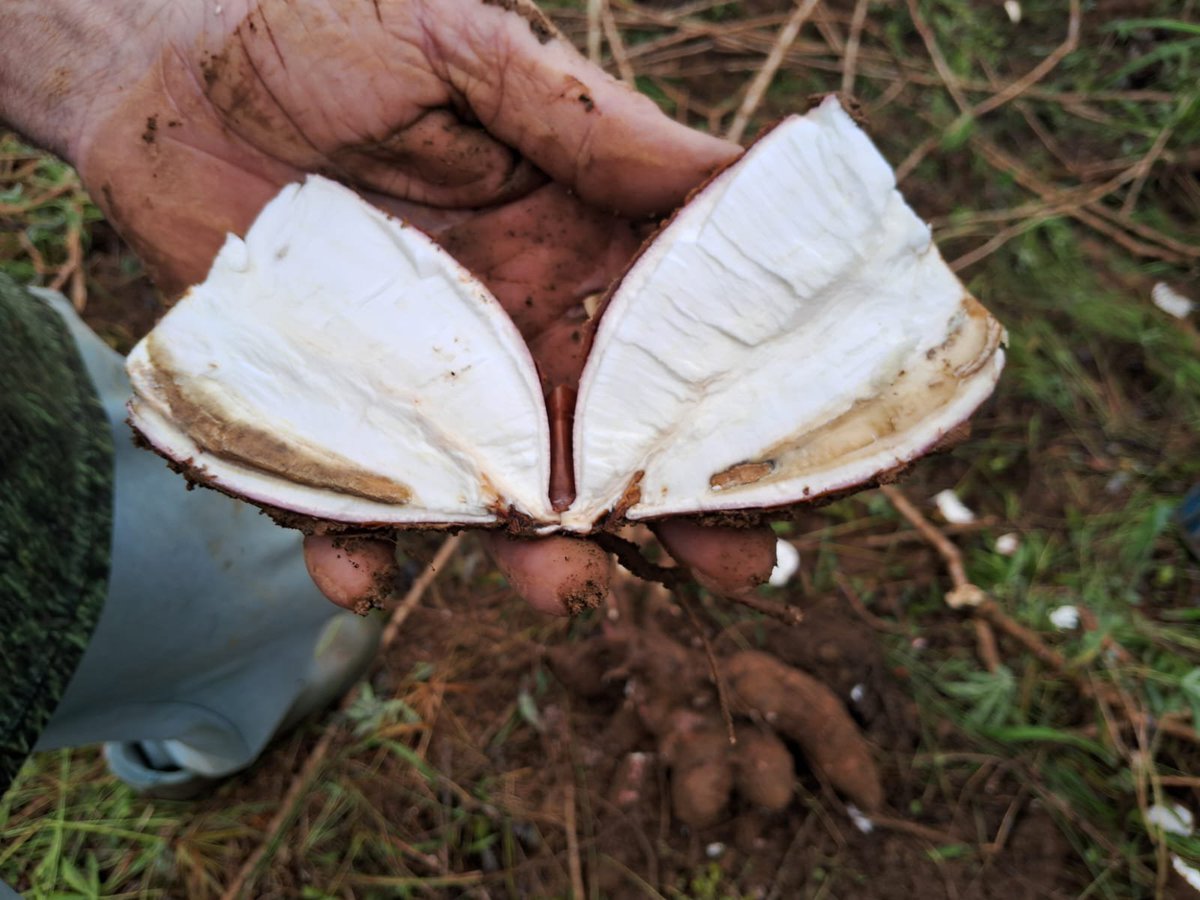
New 2-in-1 cassava variety:
the roots are used as food,
while the cuttings are used in construction.
2
66
The greater the perceived utility value of an item to individuals, the more it will be preserved, just as oil saved the whales.

Alimentam milhões e, mesmo assim, galinhas, assim como o gado e os suínos, nunca estão em risco de extinção, porque o ser humano deu um valor econômico a elas
Viva o capitalismo!
1
155
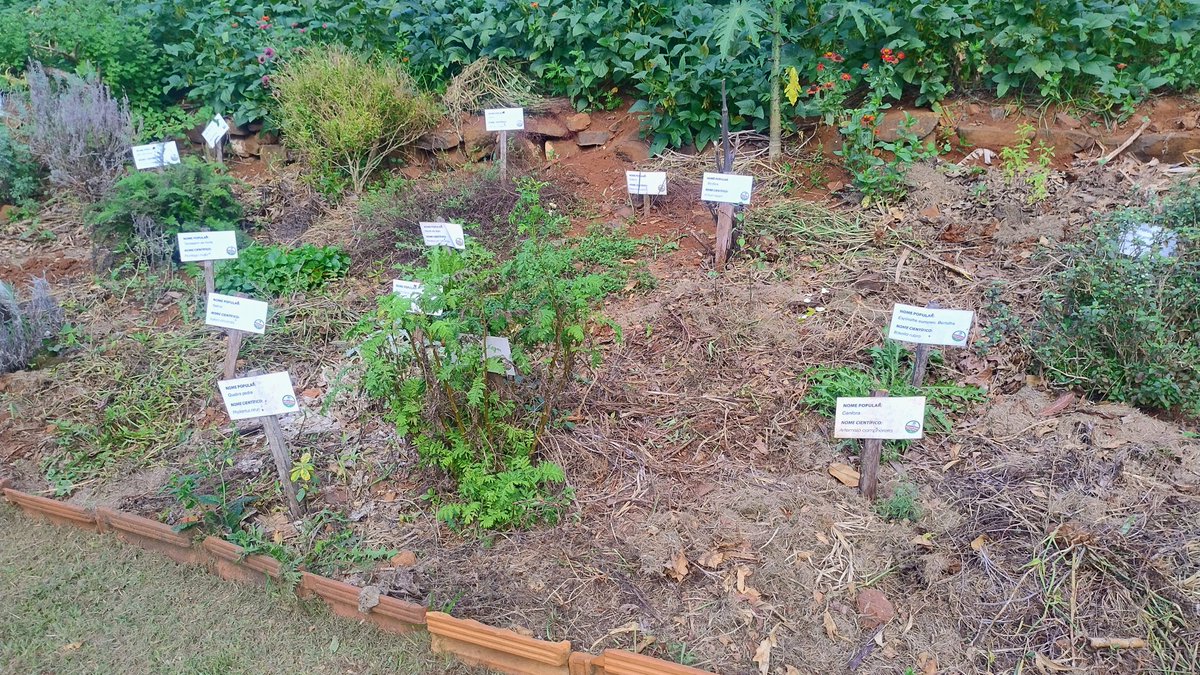
Beginner gardeners overcomplicate everything.
Here’s what actually works: label every plant, observe daily, and keep it simple.
My herb garden started exactly like this — now it feeds us every week.
What’s the first herb you’d plant in your own garden?
2
102
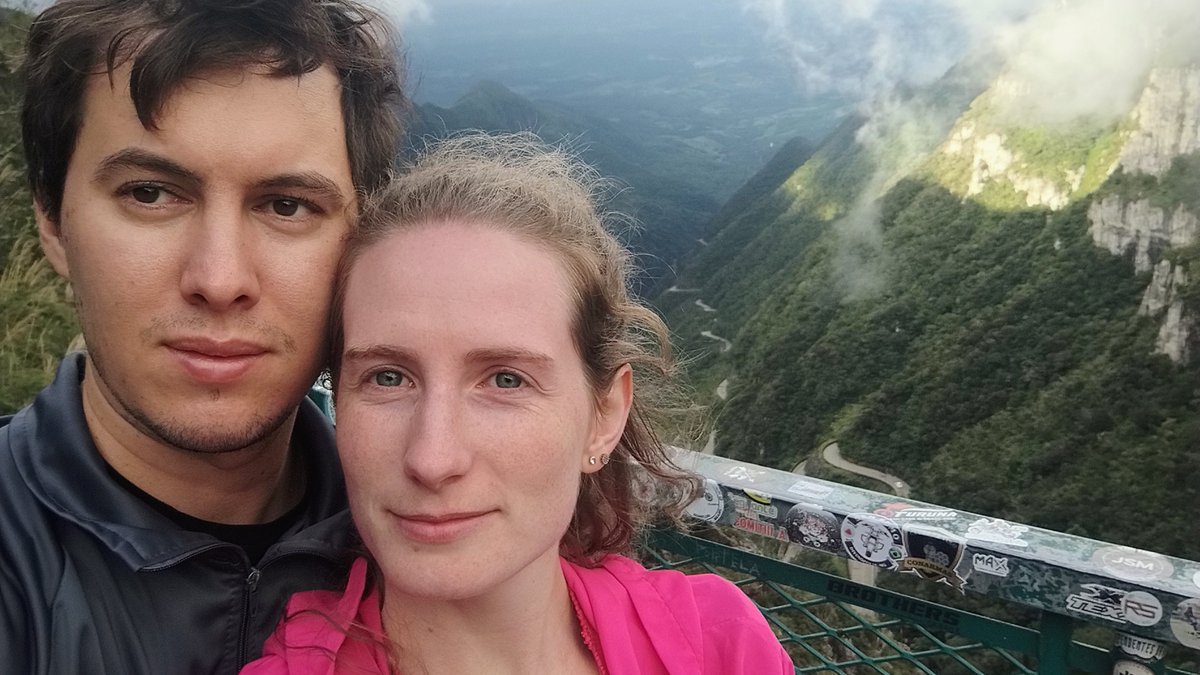
Before: office desk, burnout, zero energy.
After: standing on top of the world with the woman I love.
Nature doesn’t just heal — it reminds you what’s actually important.
What’s one view that always resets your mind?
3
7
117
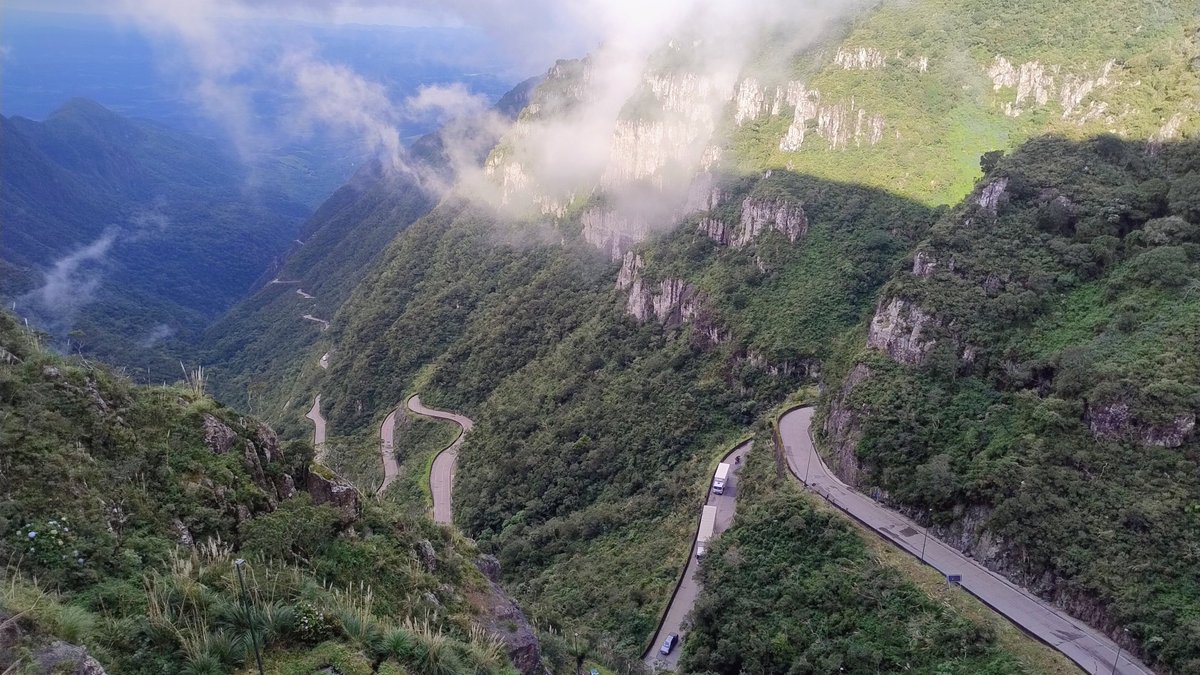
Two years ago I was stuck in traffic in the city.
Today I’m driving roads like this with zero rush.
The view is better when you’re not in a hurry to get anywhere.
What’s the most beautiful road you’ve ever driven?
1
6
118
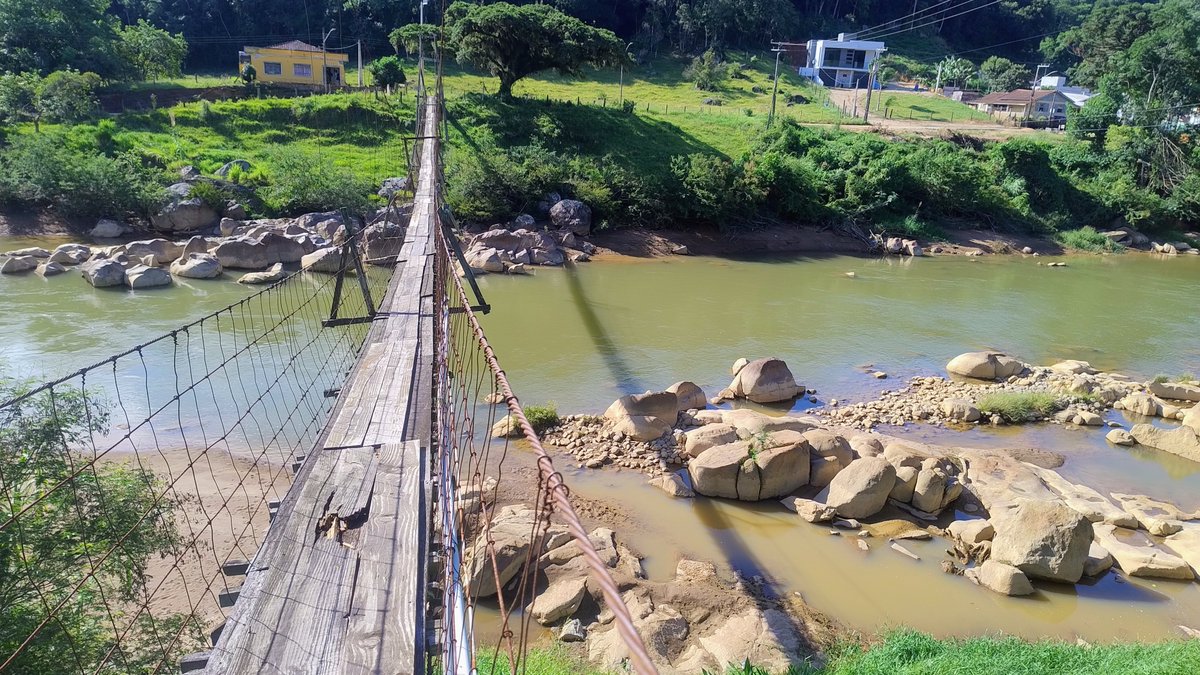
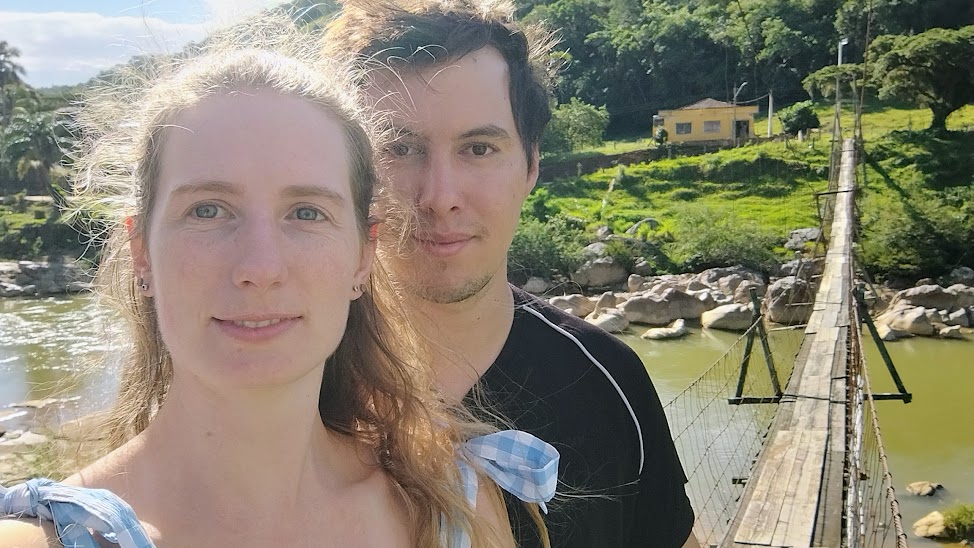
Some bridges take you to the other side of the river.
Others take you to the other side of yourself.
This one reminds me why I left the 9-5: to cross into a slower, more connected life.
What’s one place that changed how you see life?
6
75
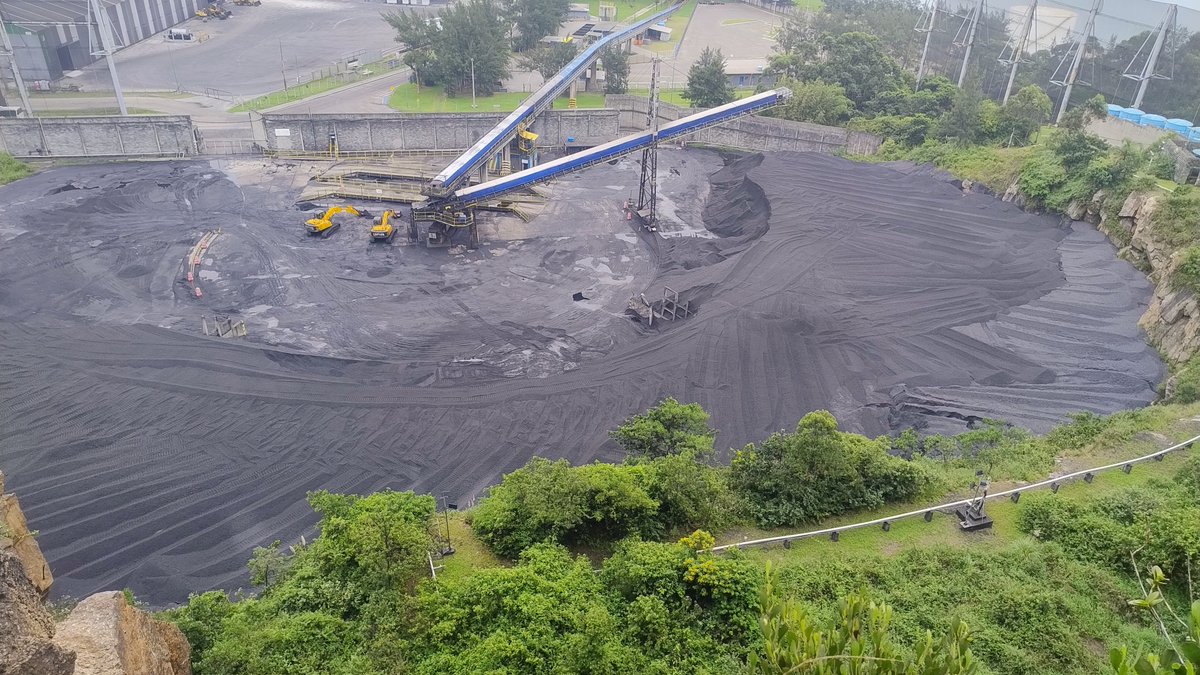
Most people never see this side of Brazilian agriculture.This mineral fertilizer traveled across oceans by ship, gets stored in massive black piles like this, and then is distributed by trucks all over the country to reach the farmer’s land and feed the crops.Heavy logistics that most don’t think about — but it directly impacts productivity and cost at the farm gate.
As an agronomist, I’ve seen how every step in this chain matters.What’s the biggest logistical challenge you’ve faced in the field?
9
117
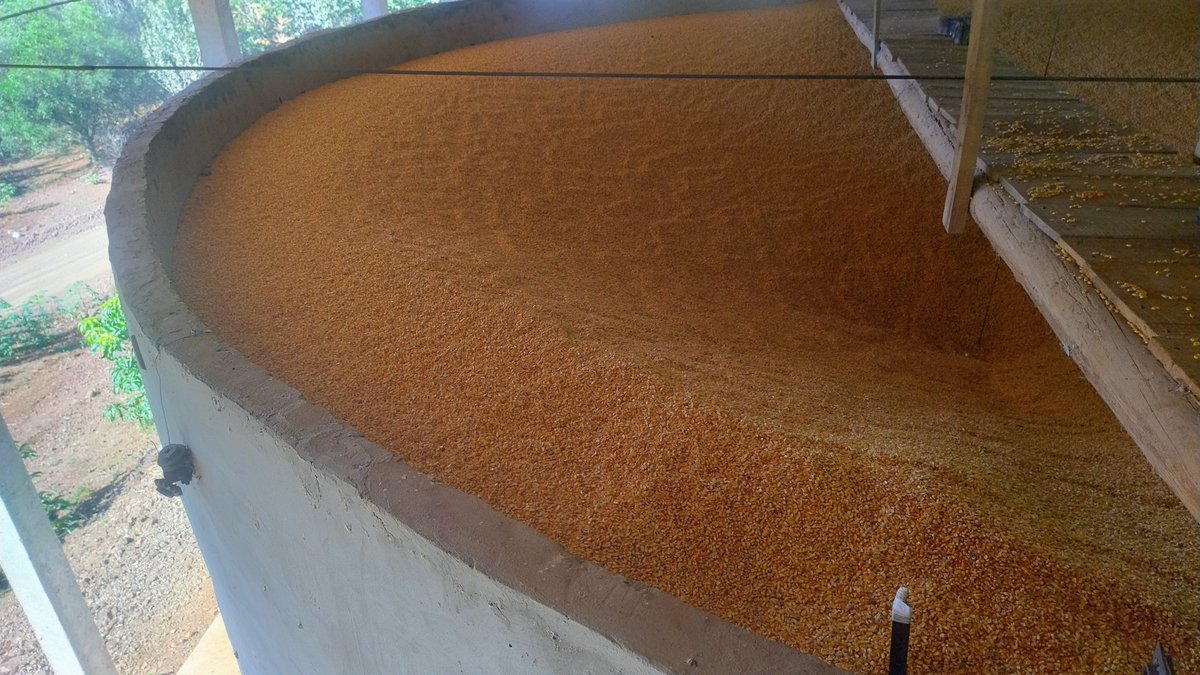
3 things I love about having my own grain storage as an agronomist: Zero dependence on middlemen
Fresh feed for animals all year
Peace of mind during harvest
Small infrastructure = big freedom.
What’s the one piece of farm infrastructure you dream of building?
7
74
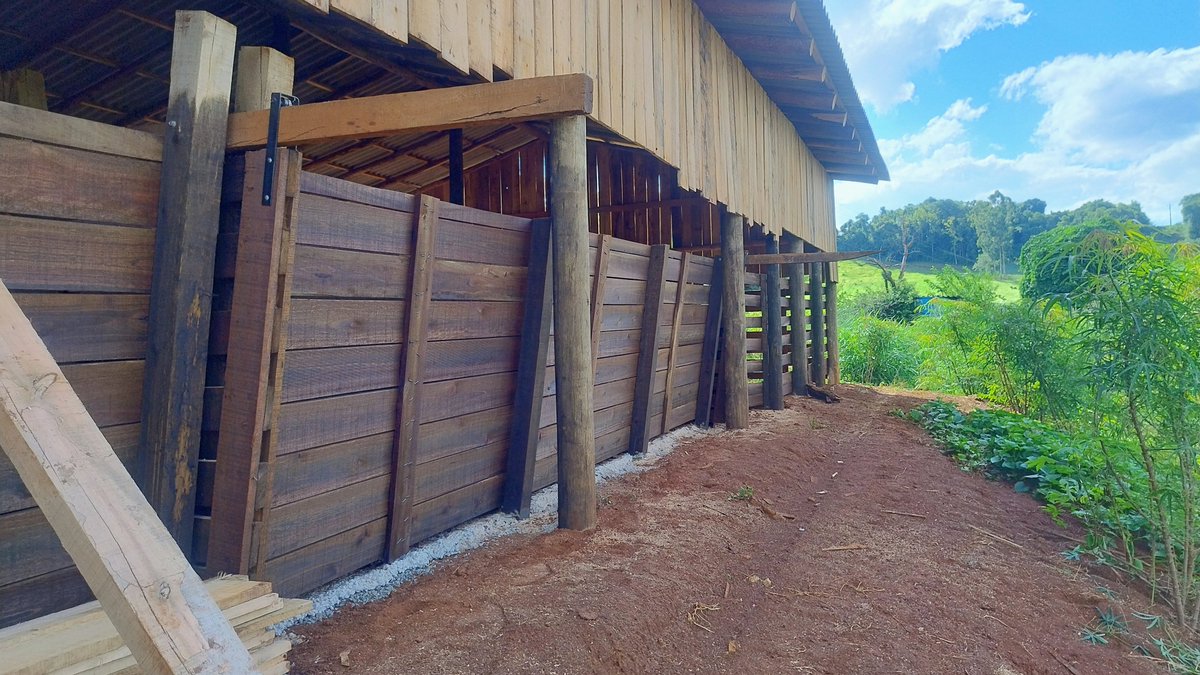
Most people think you need big money and contractors to build on the land. Wrong.
This barn was made with weekends, basic tools and a lot of learning by doing.
Real rural life starts when you stop waiting for perfect conditions.
What’s the first hands-on project you’re scared to start?
5
57
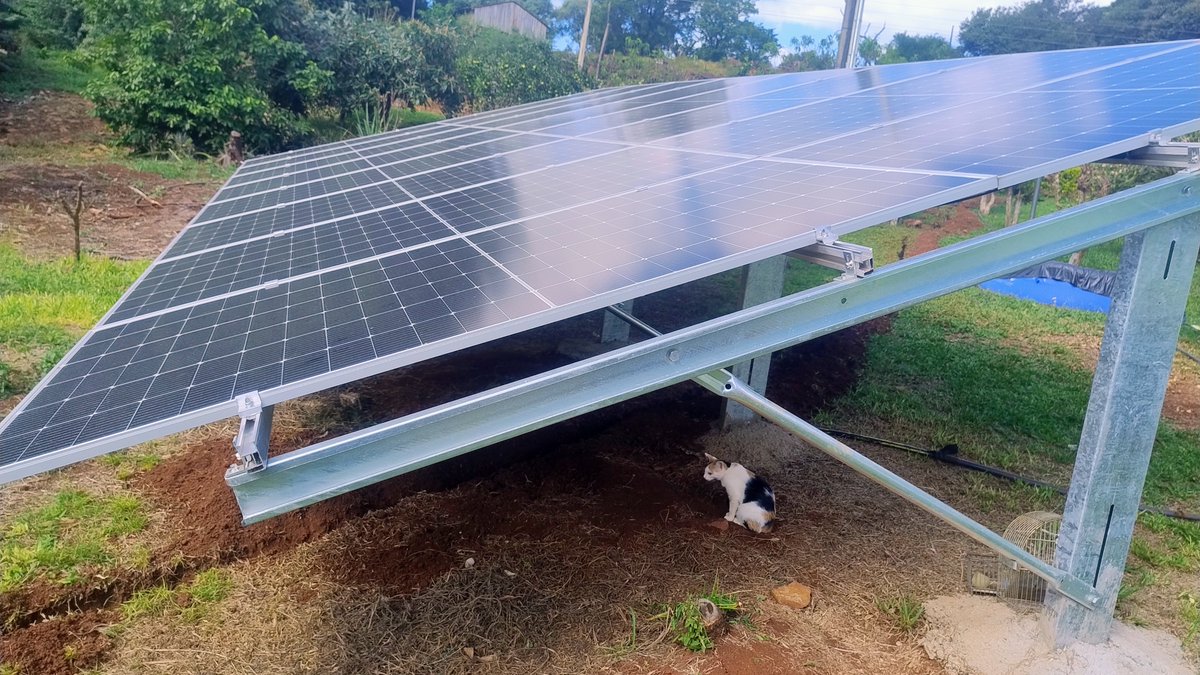
Real talk: my solar panels are already working harder than I ever did in the office. Even the cat knows — he chills underneath while they power the whole farm.
This is the kind of simple freedom I want 365 days a year.
What’s one small off-grid upgrade you’d love to have right now
8
105