Joined January 2012
- Tweets 29,091
- Following 954
- Followers 7,218
- Likes 20,056
9,075 Photos and videos
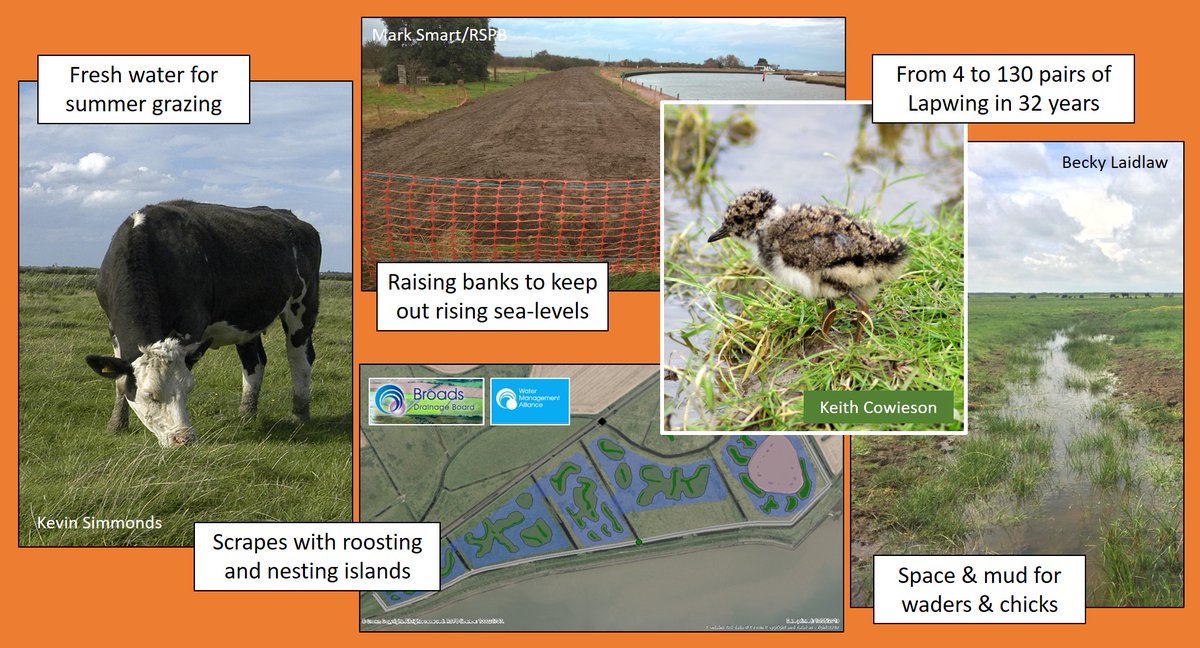
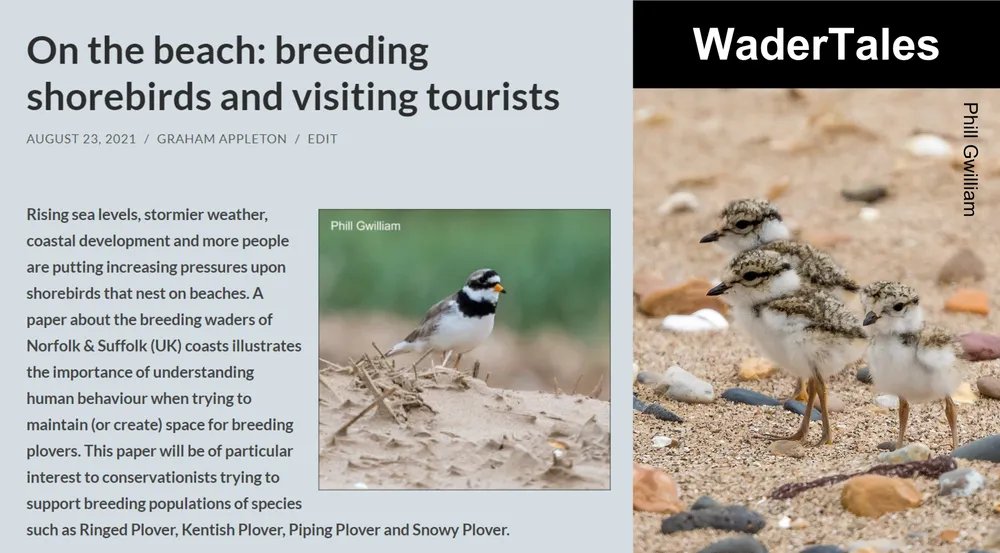

WIN-WIN-WIN
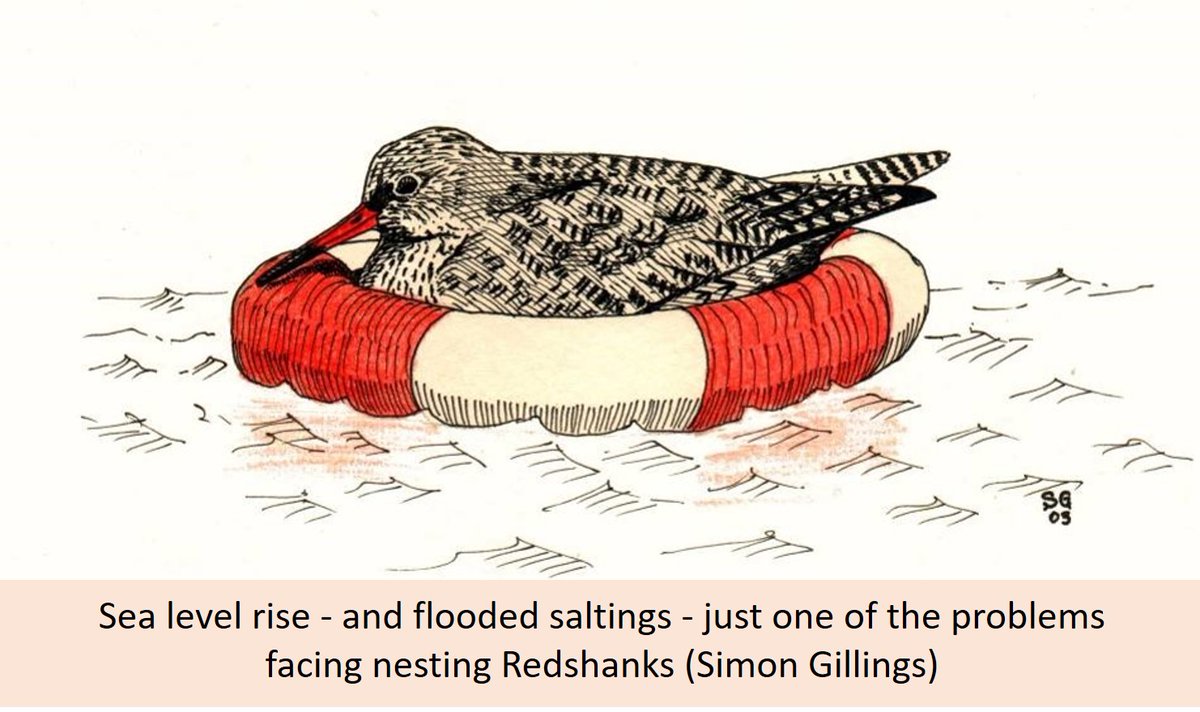
Win for breeding waders (wet features where chicks feed)
Win for farmers (water to keep grass growing)
Win for local area (flood alleviation in winter)
Perhaps my favourite WaderTales blog 🎂7️⃣
wadertales.wordpress.com/201…
Celebrating much-missed Mark Smart
3
8
146
Graham Appleton retweeted

Jun 12
Feeling very moved and honoured! MBE 🥹 curlewaction.org/royal-recog…
37
20
245
8,093
Graham Appleton retweeted
On this day in 2017, I asked what would happen to head-started Black-tailed Godwit numbers:
wadertales.wordpress.com/201… 🎂9️⃣
Here's an assessment from 2024:
wadertales.wordpress.com/202…
And some 2025 stuff about inbreeding:
wadertales.wordpress.com/202…
#ornithology
6
9
640
Graham Appleton retweeted
Congratulations, Mary!
Delighted to pen a few words about your contributions to #Curlew conservation - and so much more!
#ornithology

2
3
23
823
Graham Appleton retweeted
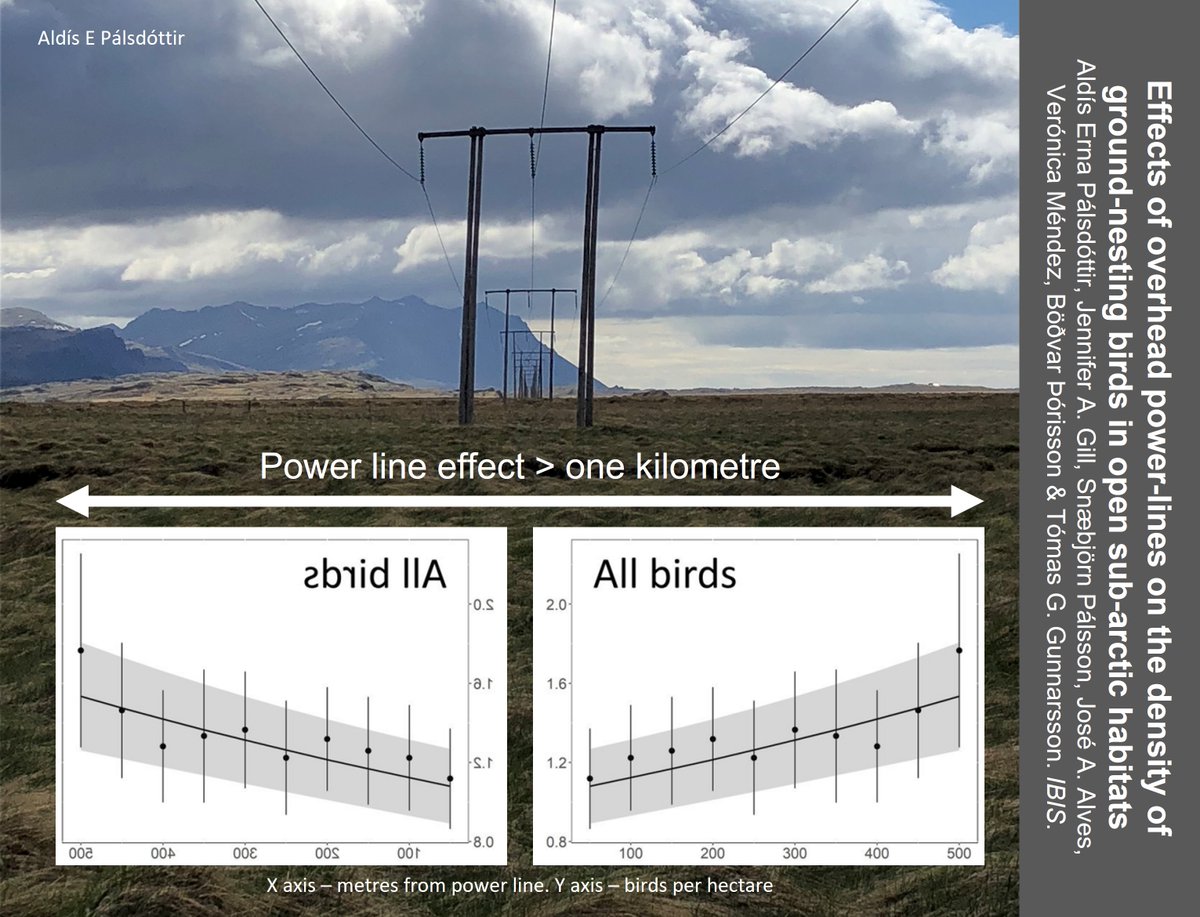
Breeding #waders and power lines.
The effects of power transmission lines can be seen 500 metres away.
wadertales.wordpress.com/202…
🎂4️⃣ #birds #shorebirds
2
4
368
Graham Appleton retweeted

Jun 13
Known locally as ‘Judge’s Plover’. Superb birds and eagerly await their arrival back in the autumn 😉!!
1
1
2
182
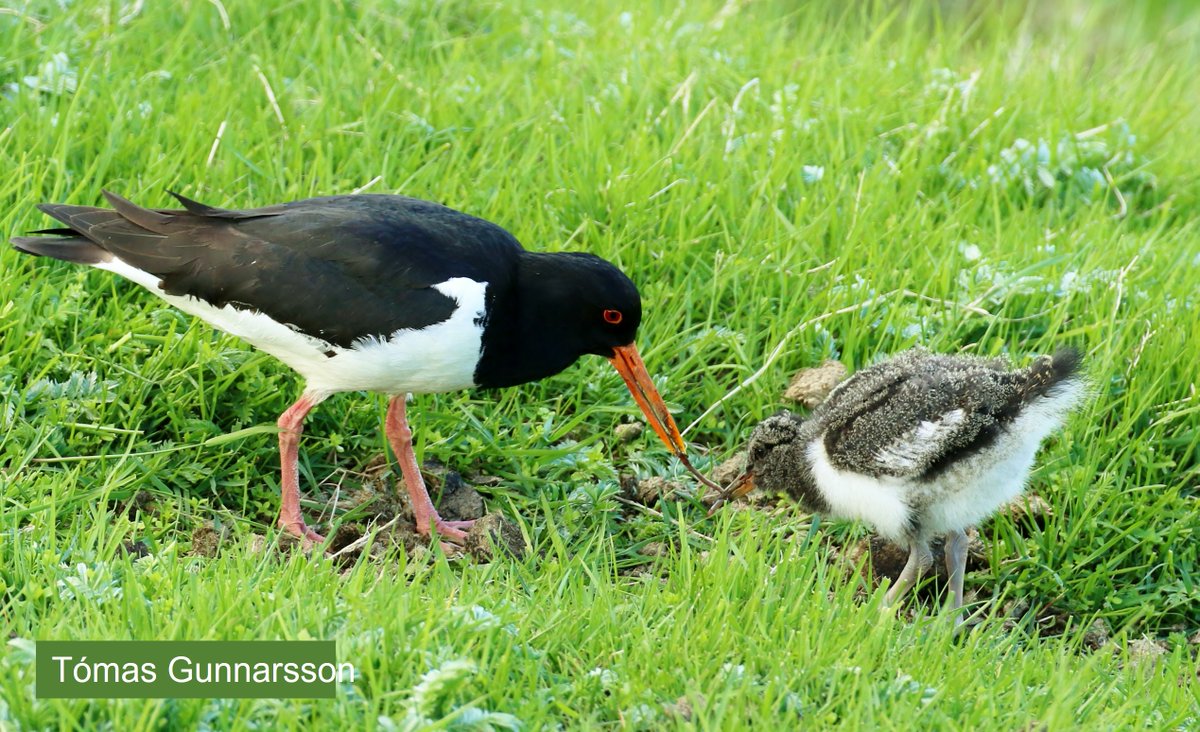
Pioneering #Oystercatcher!
Up until about 1840, British Oystercatchers were coastal breeders. Inland nests first appeared in Grampian (Scotland), a trend that spread to England by about 1900.
Now, many pairs breed on roof tops.
More here:
wadertales.wordpress.com/201…
#ornithology
5
19
392
On this day in 2021, I wrote:
"British Curlew need to fledge 10,000 more youngsters - every year",
based on survival/productivity figures in what was then a new paper.
More here:
wadertales.wordpress.com/202…
The figure has been much quoted (and not disputed)
#ornithology
6
15
538
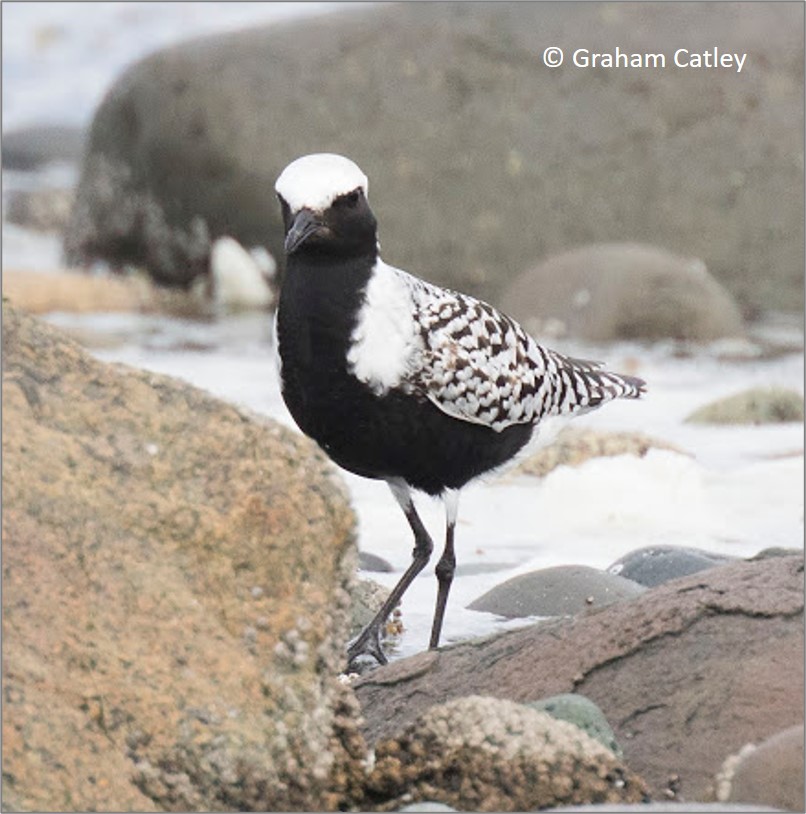
"Plovers from the north"
Grey/Black-bellied Plovers spend only a few weeks in the high arctic.
Blog focusing on lovely book by @looksouth
🎂6️⃣
wadertales.wordpress.com/202…
#ornithology
2
6
12
433
Graham Appleton retweeted
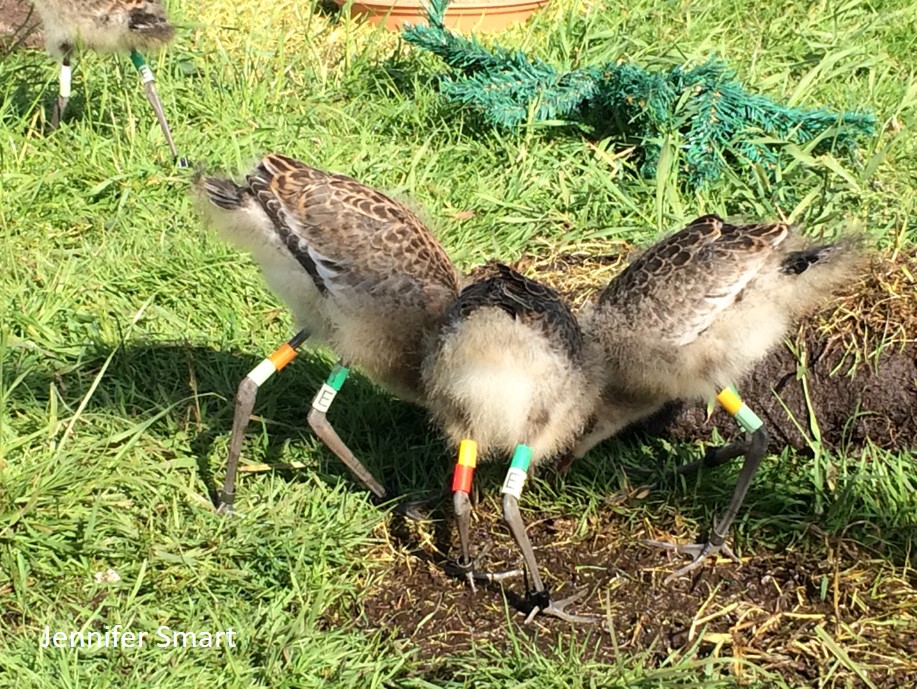
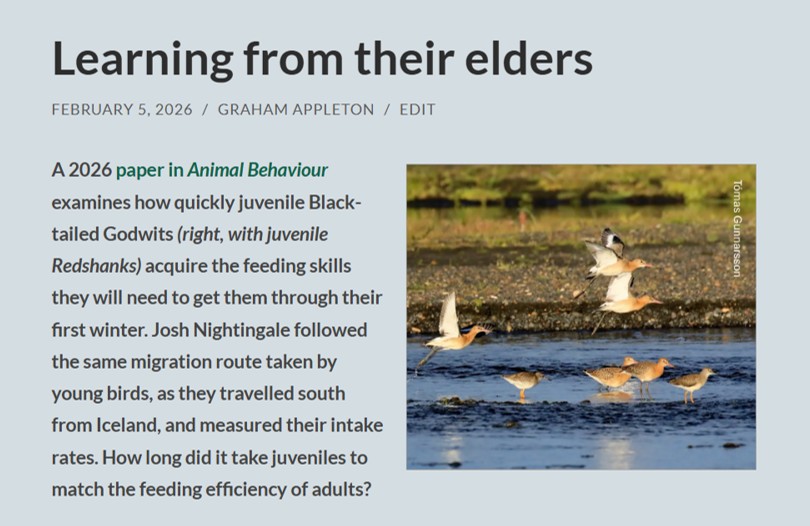
How quickly do juvenile birds learn to feed effciently?
Neat Black-tailed Godwit paper by Josh Nightingale, summarised as a #WaderTales blog:
wadertales.wordpress.com/202…
#birds #ornithology #waders #shorebirds
#AnimalBehaviour #AnimalBehavior
5
6
415
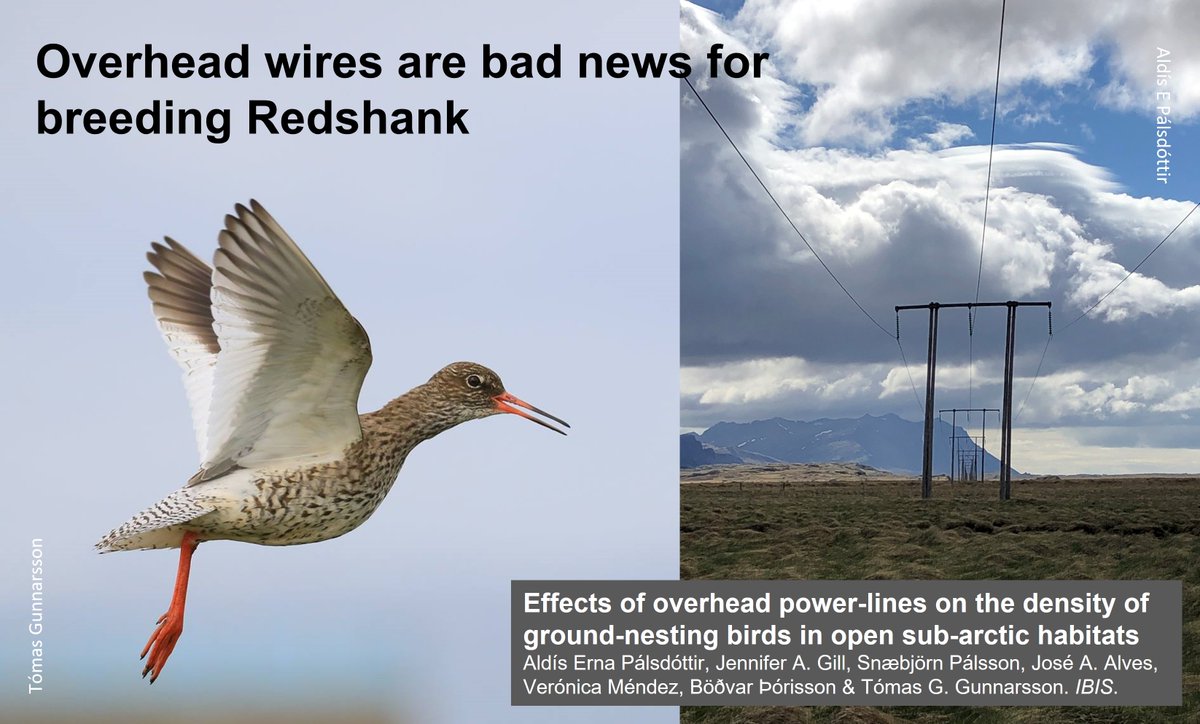
The move from oil/gas to electricity is going to mean lots more power-lines. Hopefully they won't go through important wader breeding areas.
Useful info about impacts of power-lines on breeding waders:
wadertales.wordpress.com/202… 🎂4️⃣
#ornithology
3
8
347
Nice!
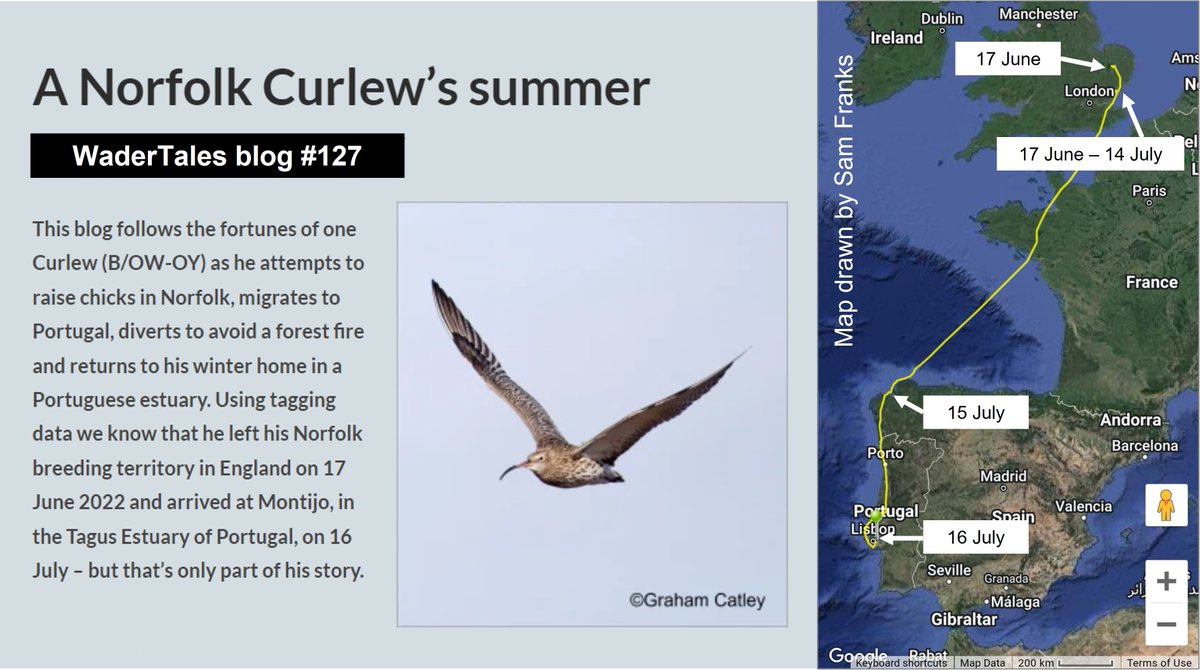
Blog about longevity records for BTO-ringed waders.
4 species have notched up over 3⃣0⃣ years!
wadertales.wordpress.com/201…

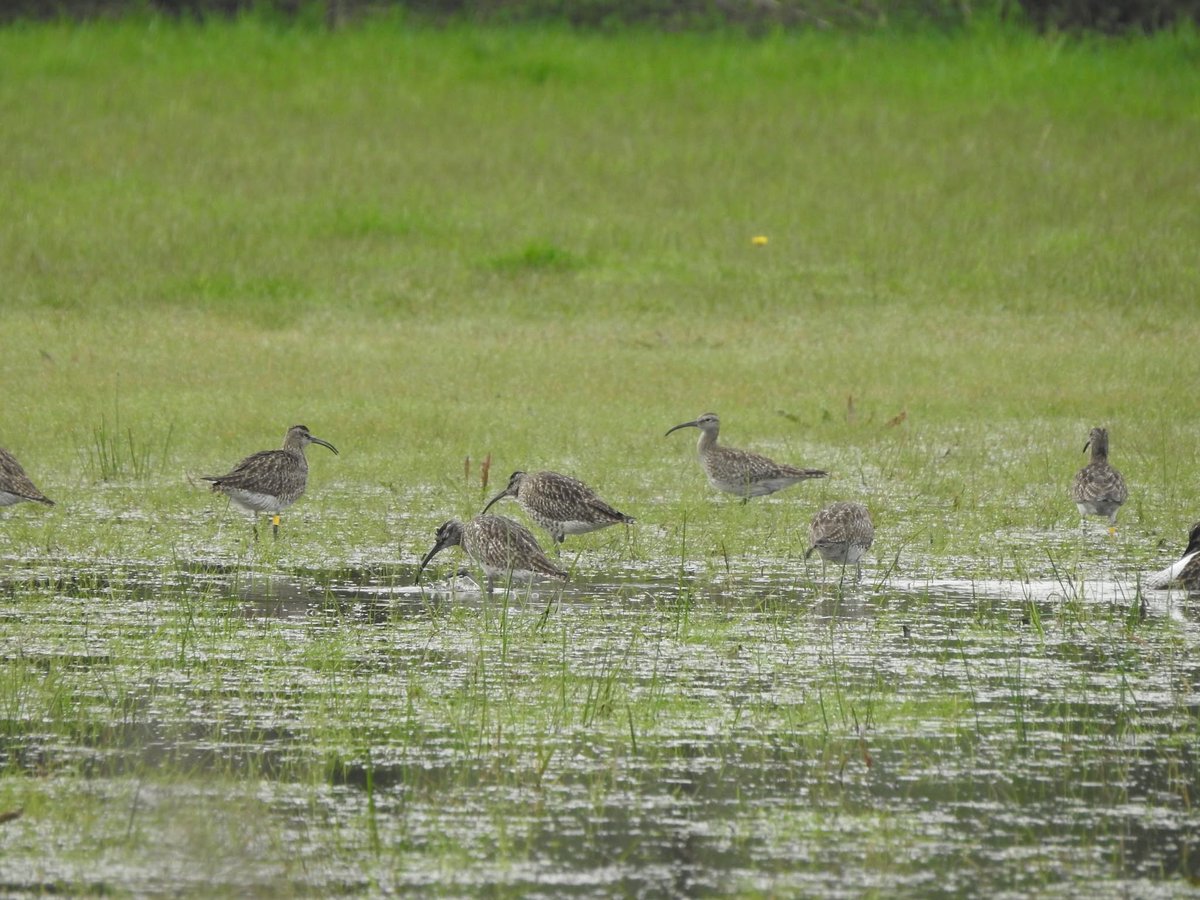
Fantastic to hear that one of our Whimbrel (marked at the Wheldrake roost in 2008 as part of our long-term study) has been resighted this spring (12/04) at @RSPBMinsmere. It was ringed as an adult (so at least 19 years old) but still 5 years short of the UK longevity record.
3
6
16
1,411
Graham Appleton retweeted
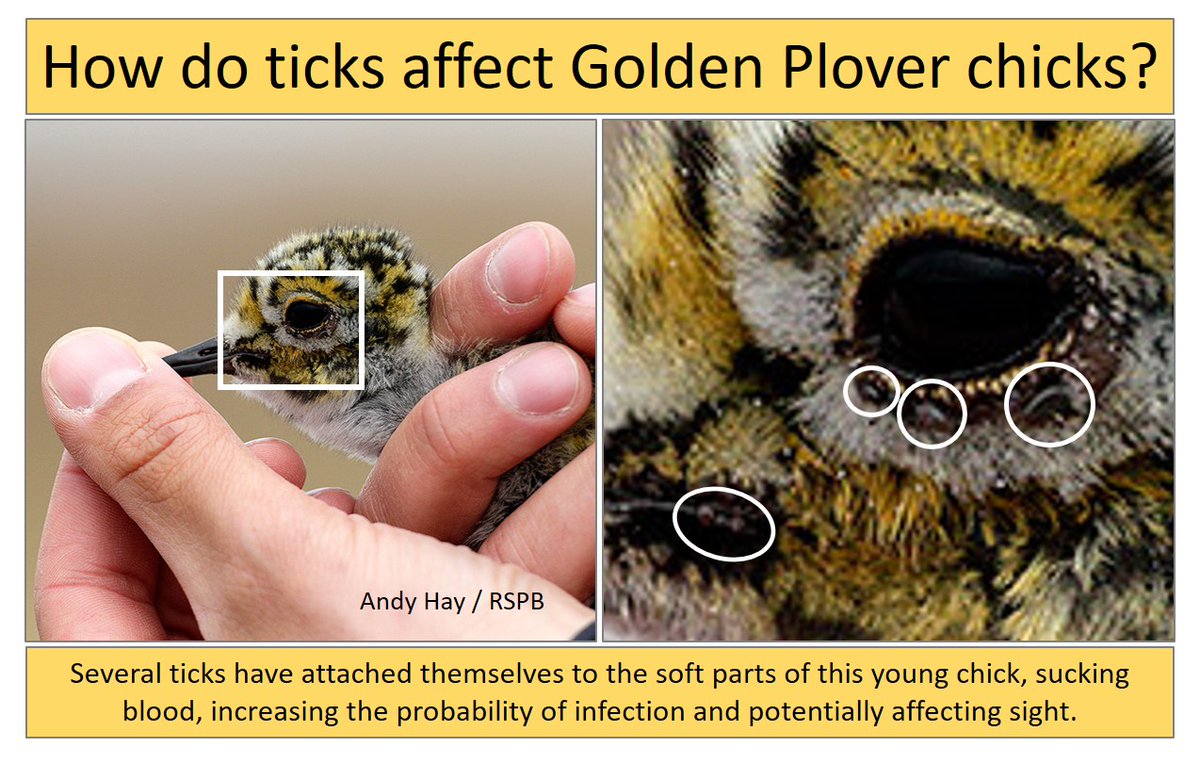
As wader chicks forage for insect food in the grass, they are easy targets for ticks.
Blog about the impacts that ticks can have on chicks, based on paper by David Douglas and James Pearce-Higgins:
wadertales.wordpress.com/201…
#ornithology #waders #shorebirds
4
16
745
Graham Appleton retweeted
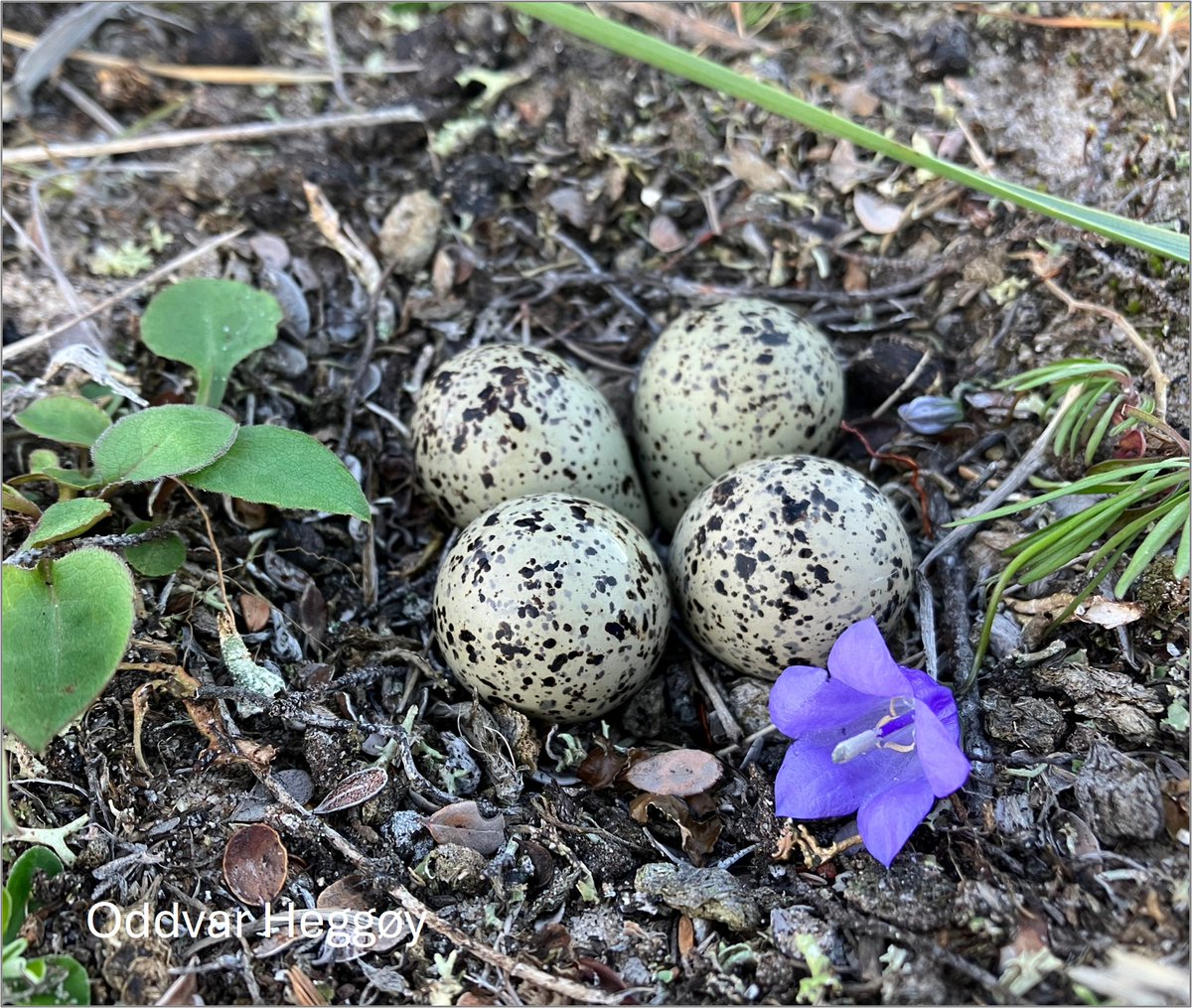
Most waders lay four eggs (Ringed Plover in photo).
Why not lay a fifth egg?
Blog about paper by Oddvar Heggøy et al:
wadertales.wordpress.com/202…
#ornithology
2
7
477