
Youtuber de Total War, divulgador de historia antigua; en especial del mundo grecorromano y mediterráneo antiguo, sus civilizaciones desde sus propias fuentes.
- Tweets 132
- Following 32
- Followers 102
- Likes 33


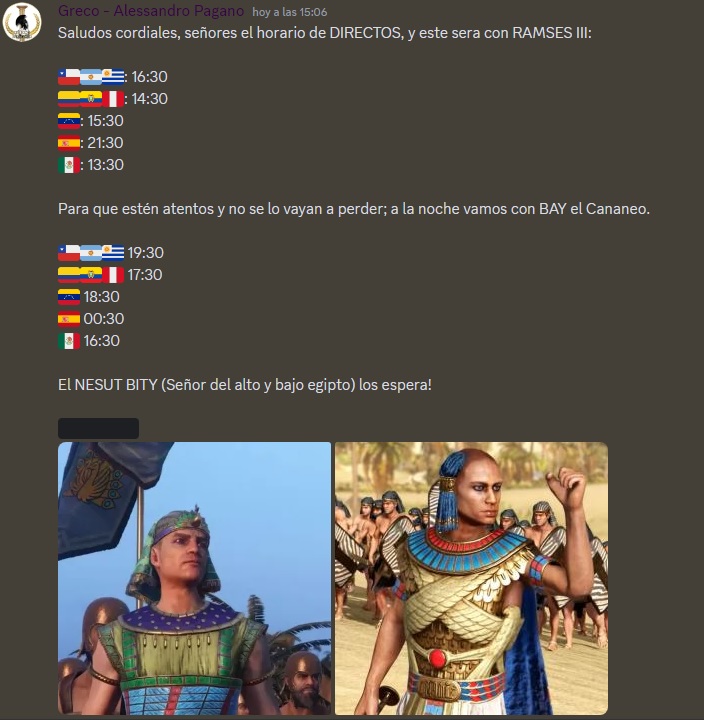



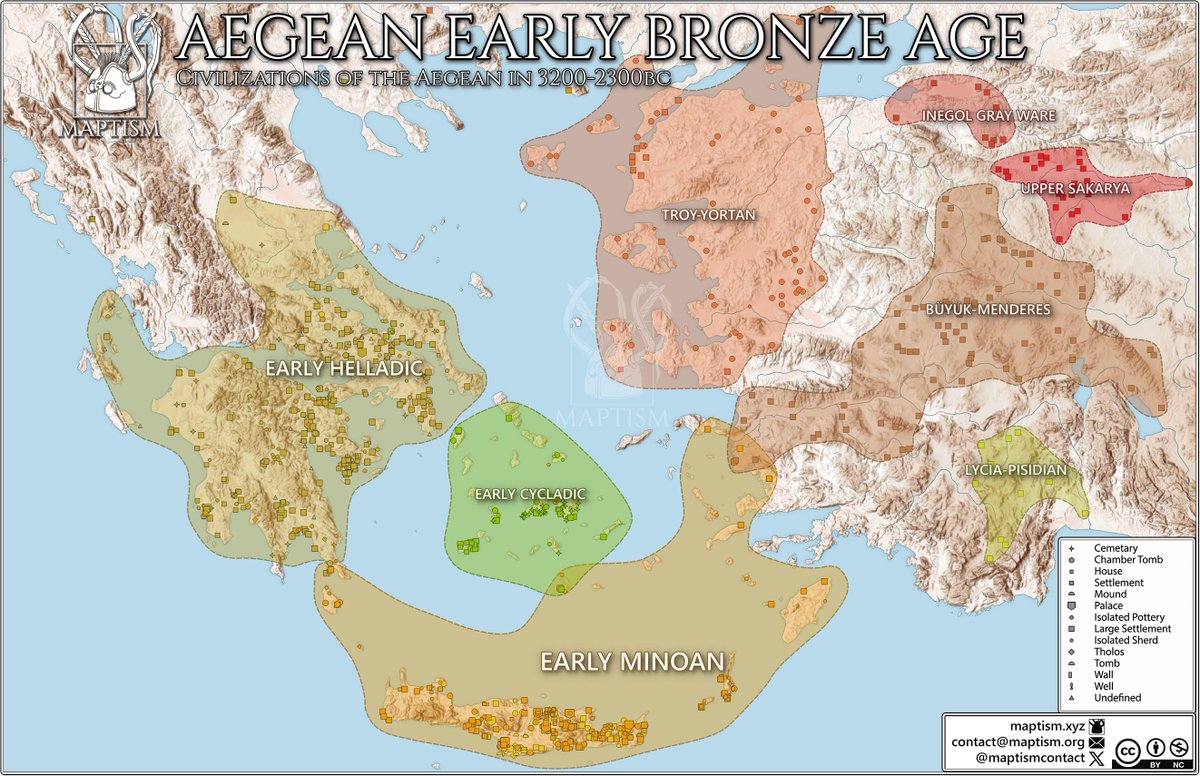

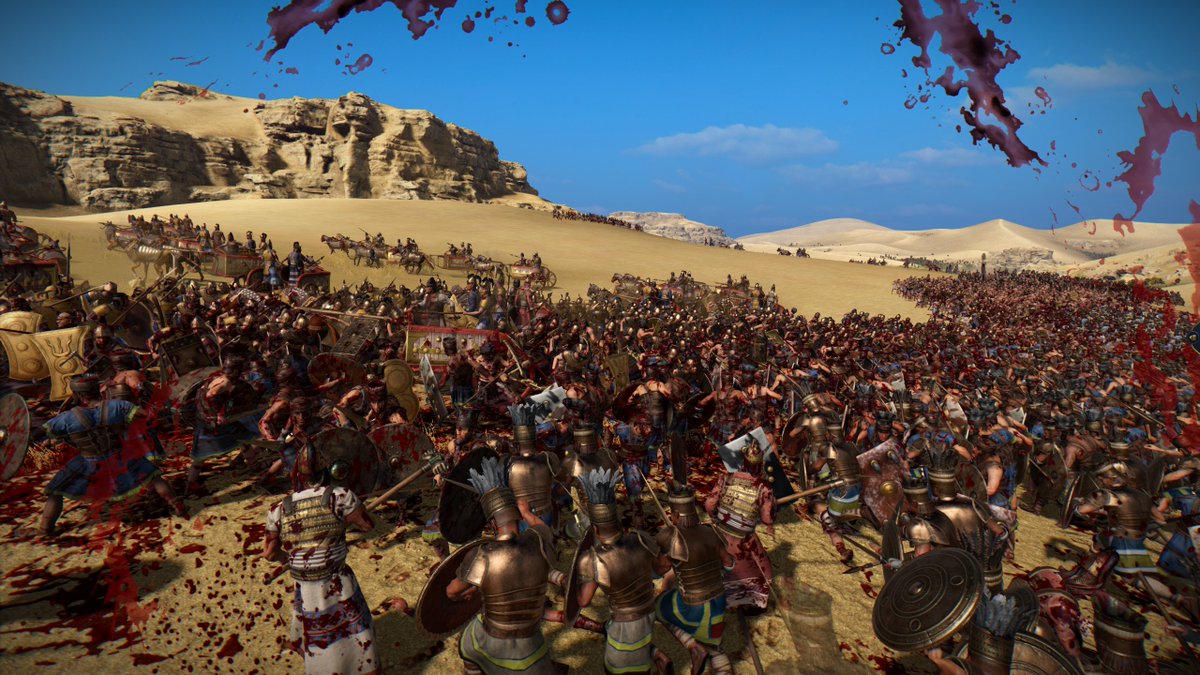
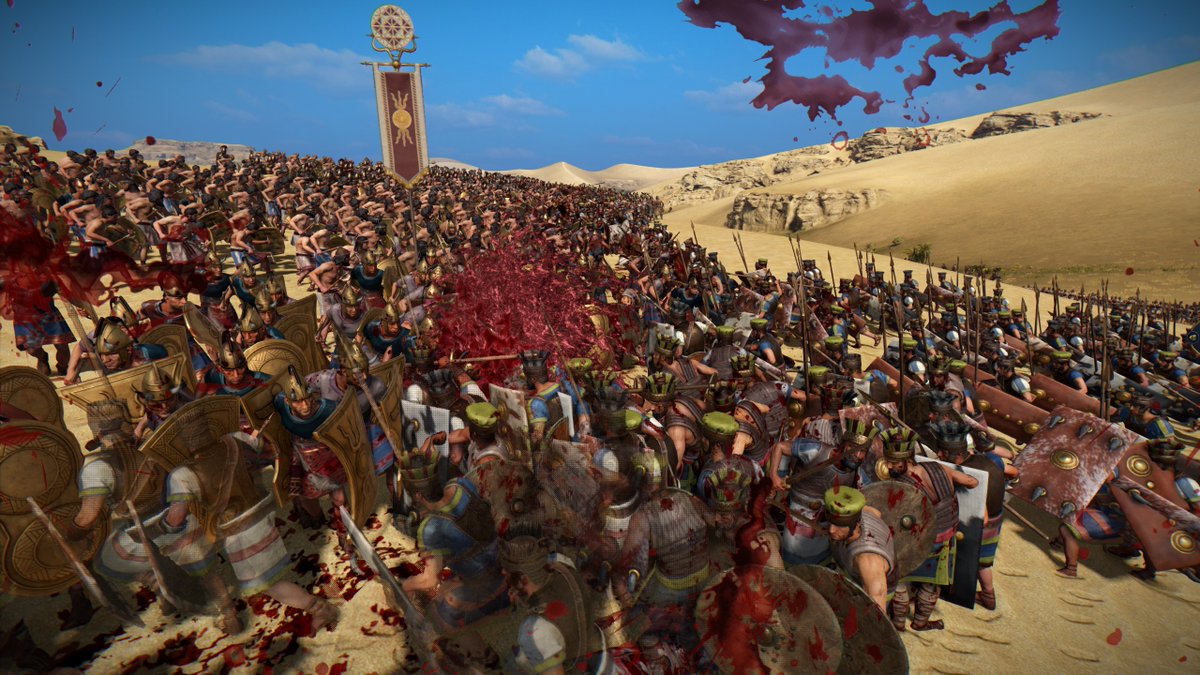
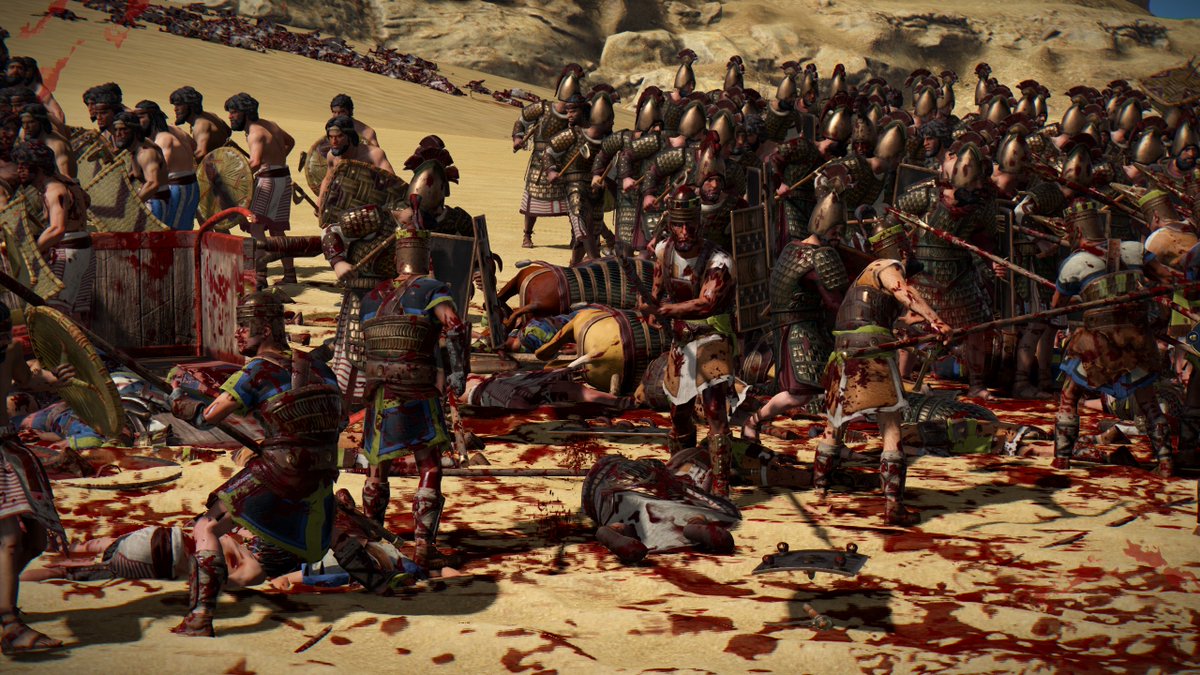
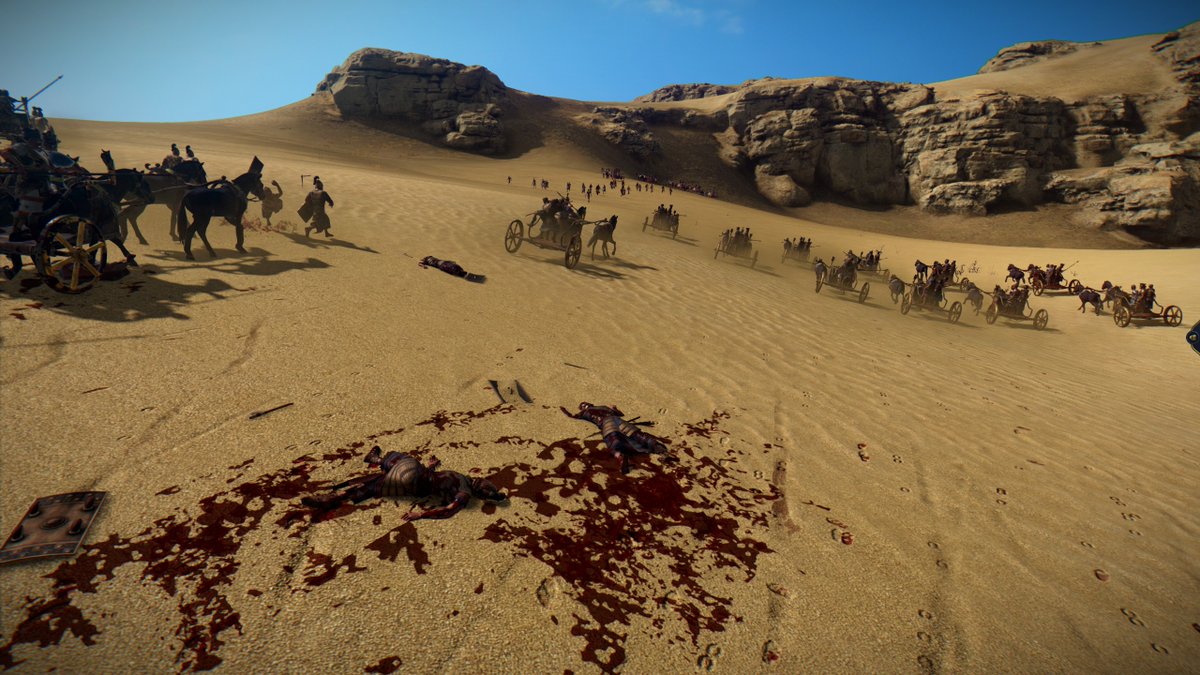

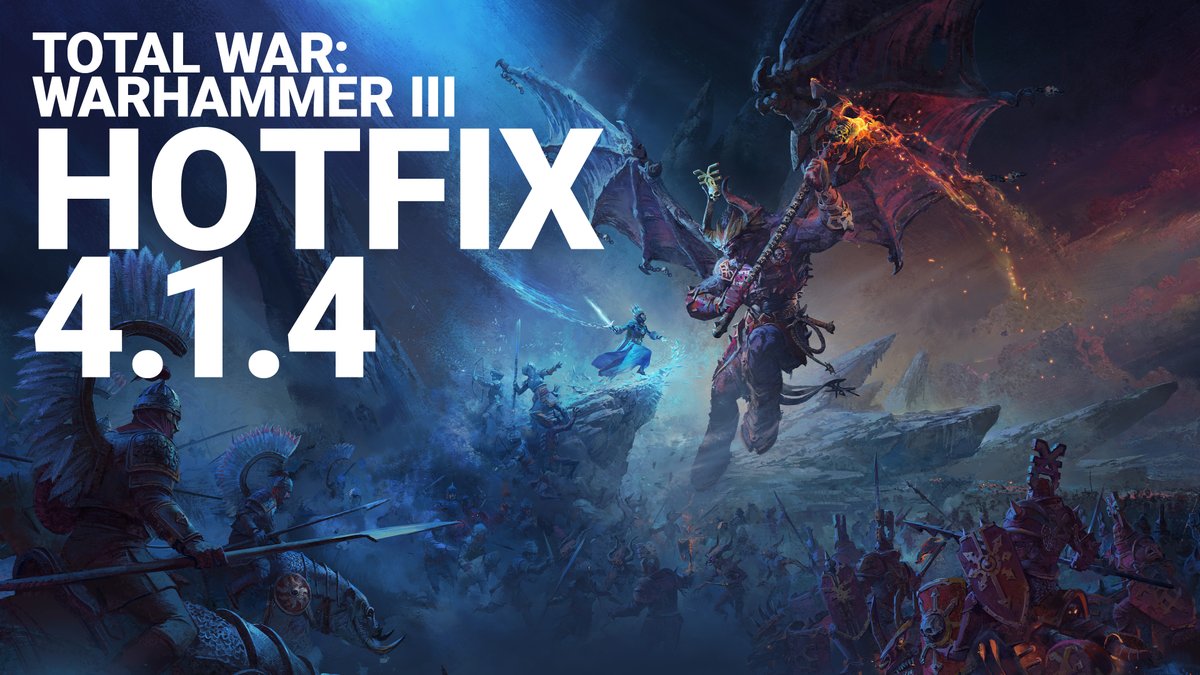
ALT Image of Katarin from Total War: PHARAOH fighting a Khorne Bloodthirster. Other Warhammer factions can be seen fighting around them. Text reads Total War: WARHAMMER III Hotfix 4.1.4.


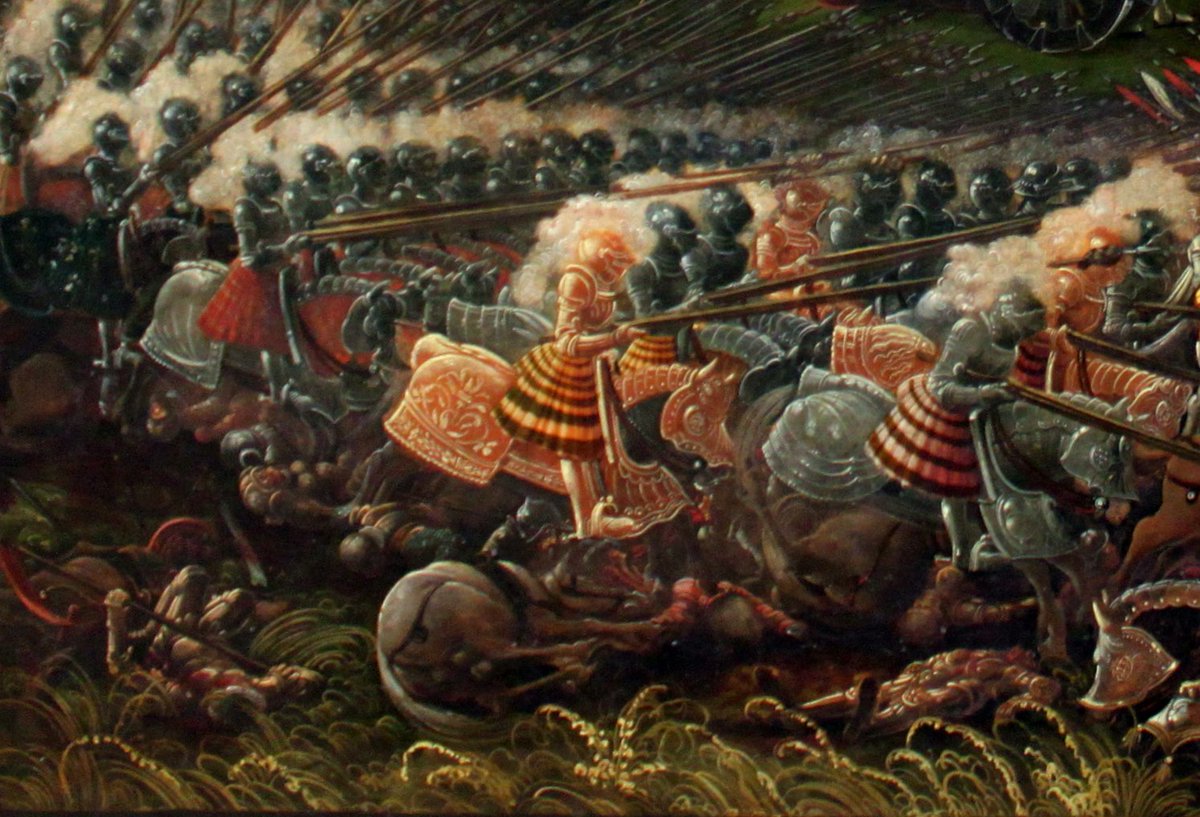


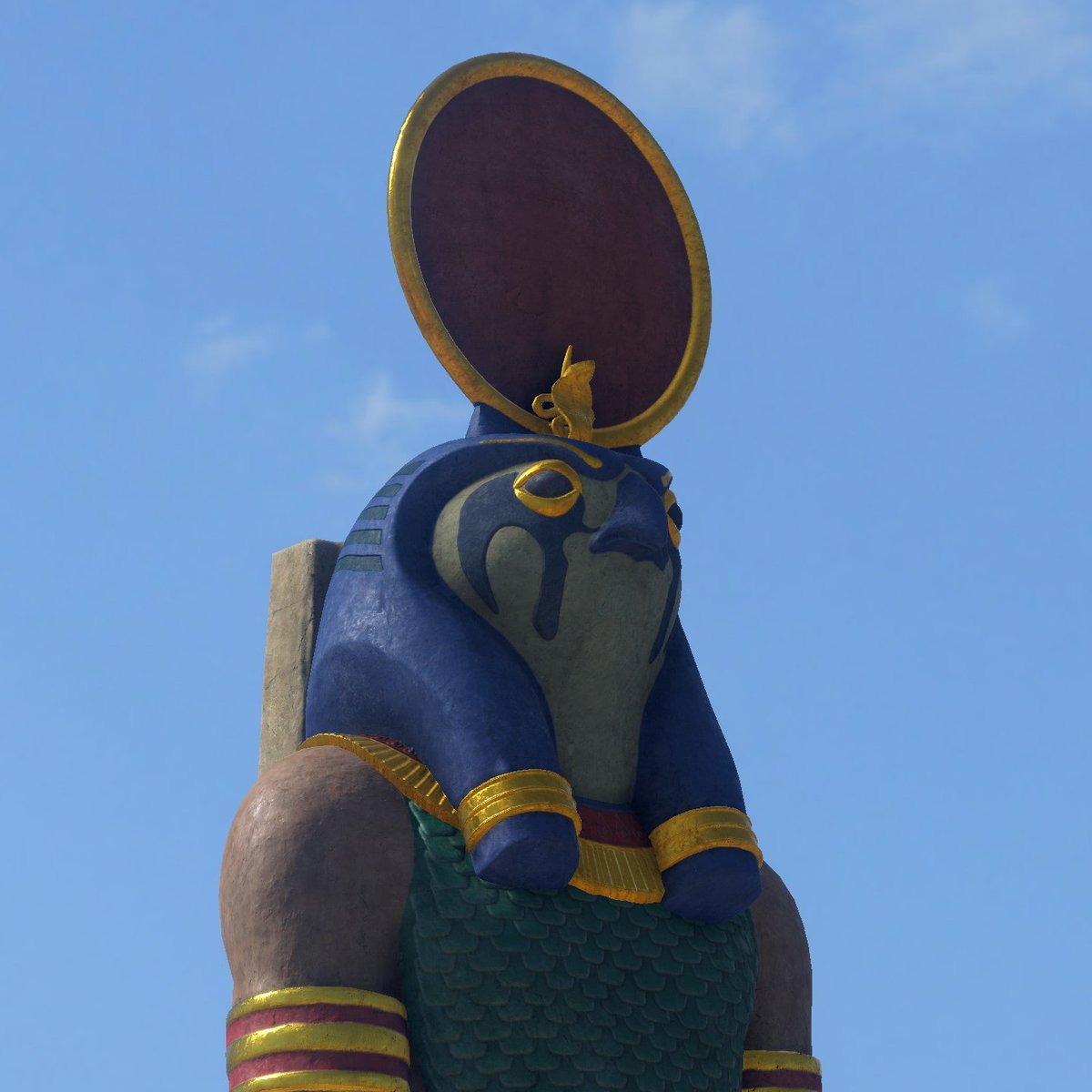
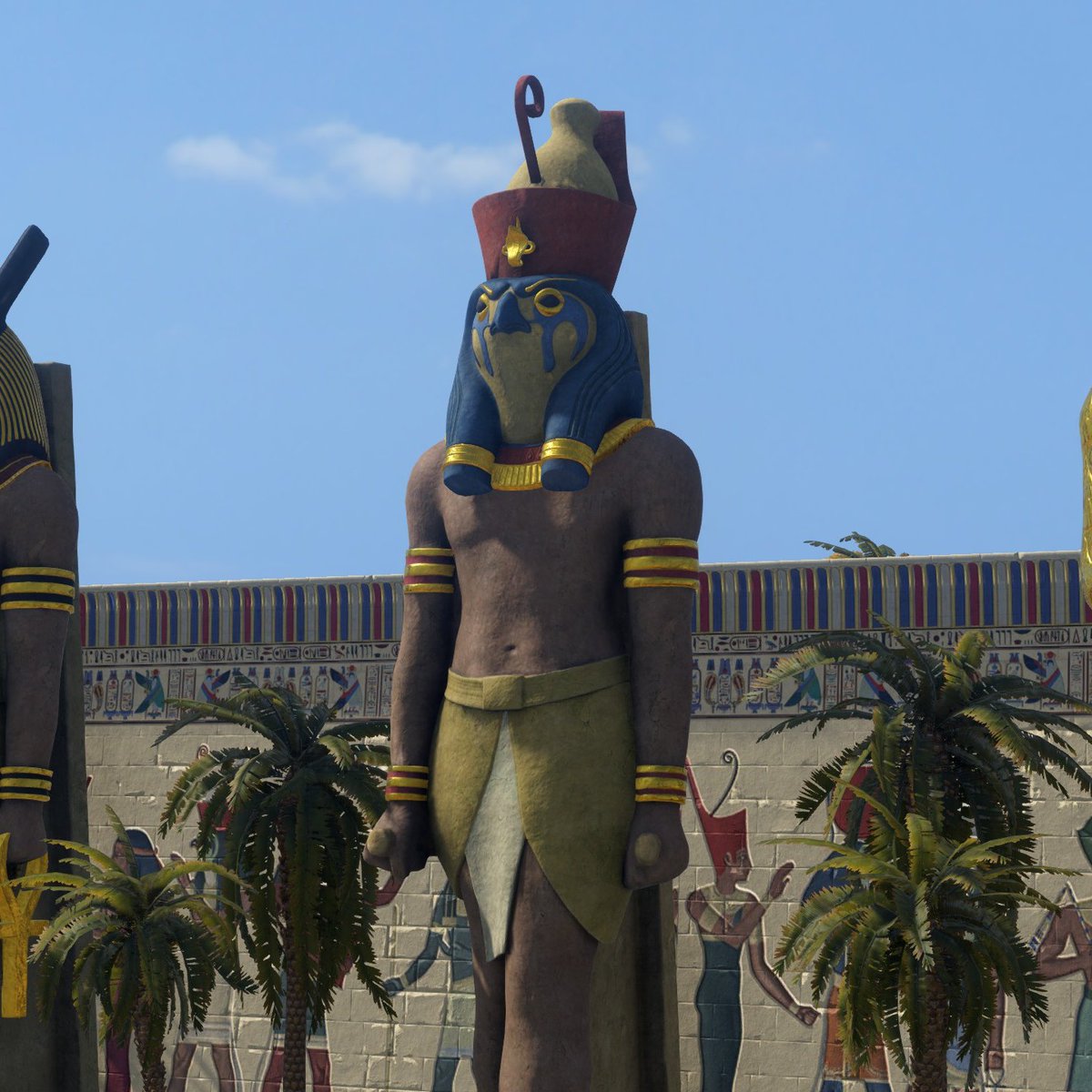
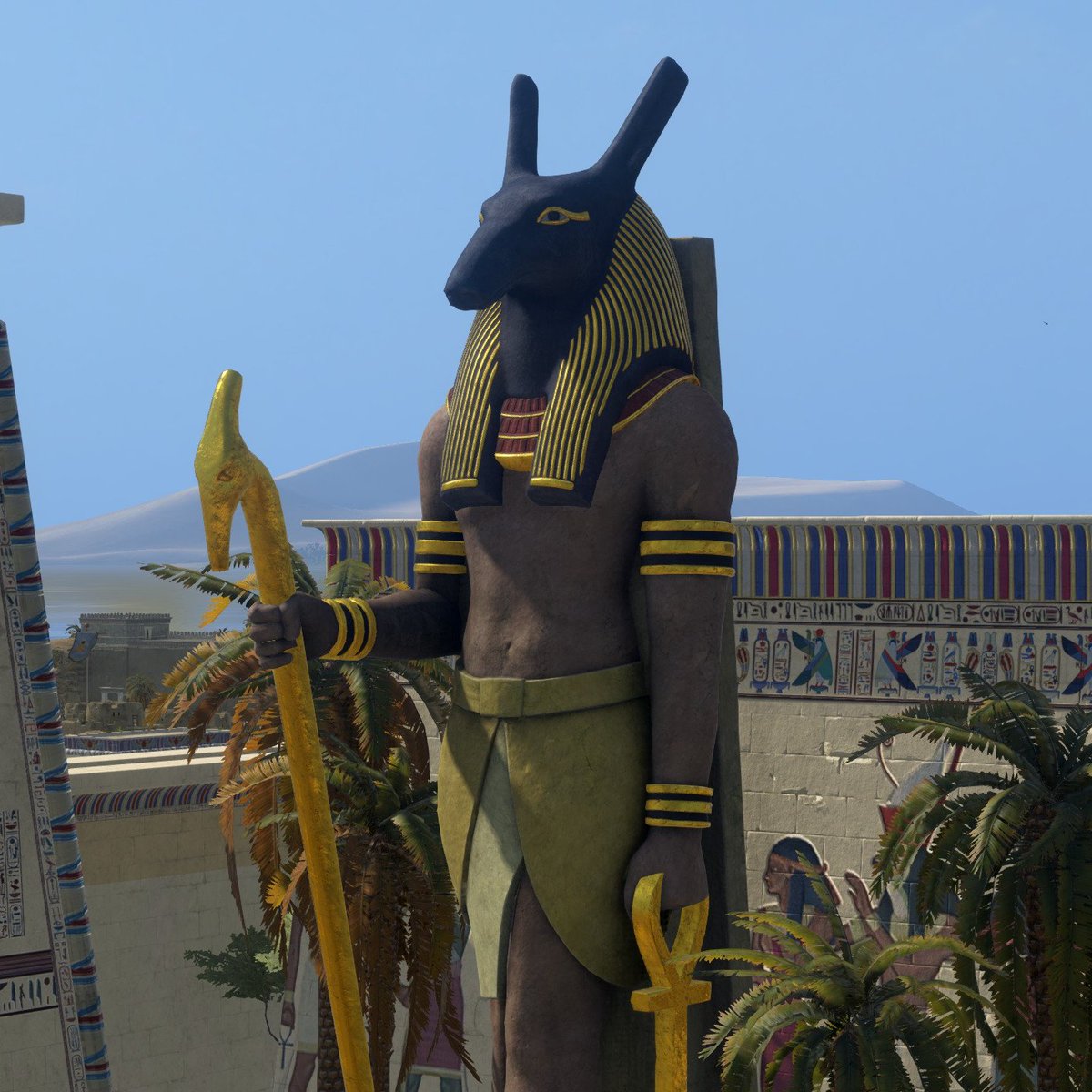
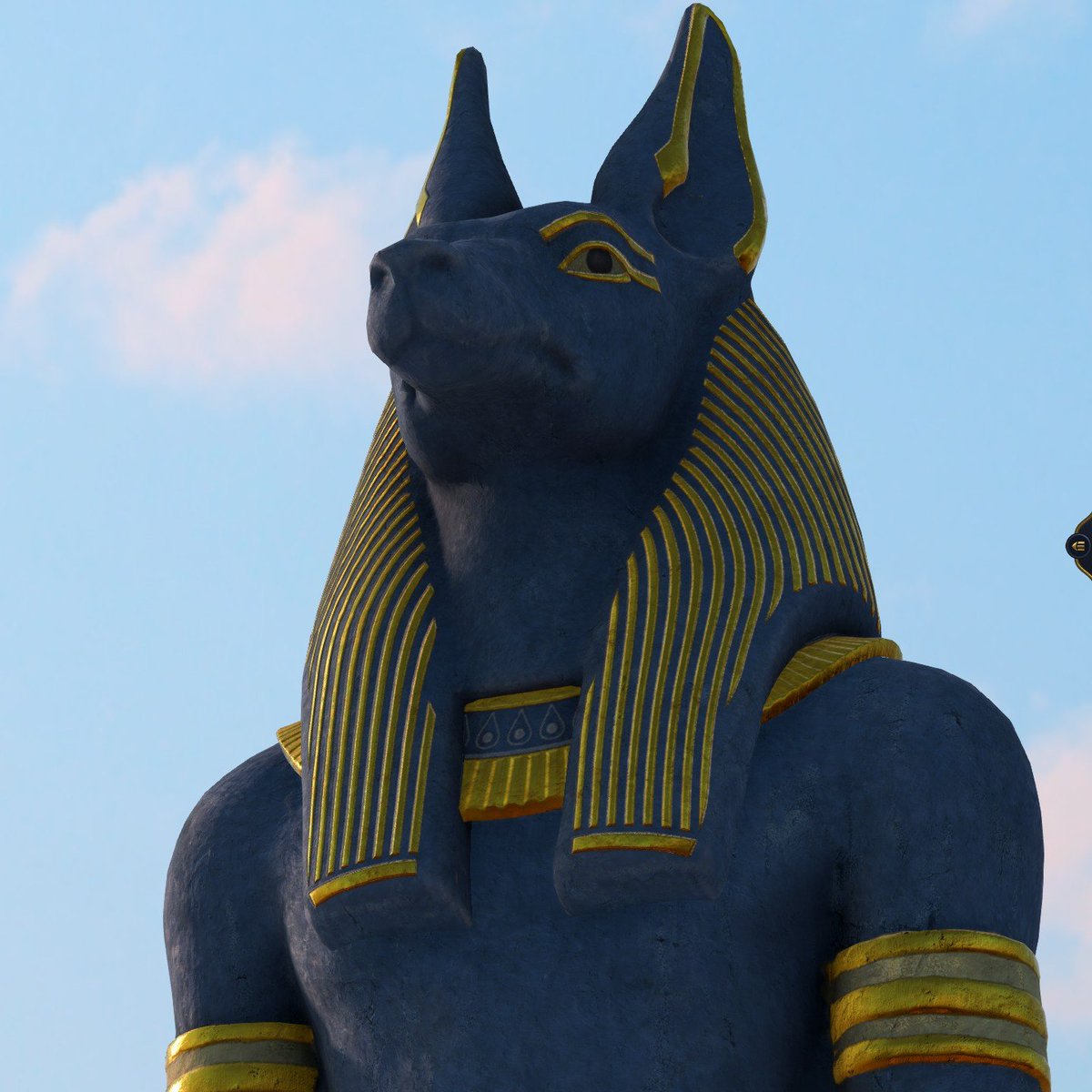



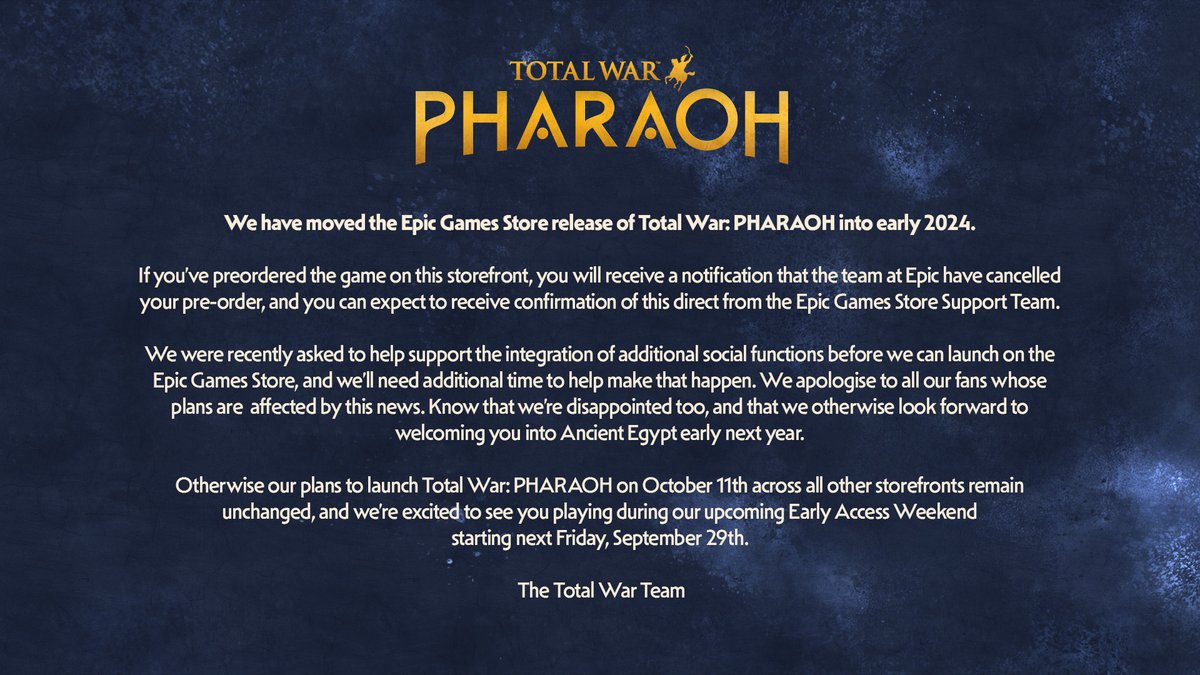
ALT Picture with text that reads Total War: PHARAOH and below: We have moved the Epic Games Store release of Total War: PHARAOH into early 2024. If you’ve preordered the game on this storefront, you will receive a notification that the team at Epic have cancelled your pre-order, and you can expect to receive confirmation of this direct from the Epic Games Store Support Team. We were recently asked to help support the integration of additional social functions before we can launch on the Epic Games Store, and we’ll need additional time to help make that happen. We apologise to all our fans whose plans are affected by this news. Know that we’re disappointed too, and that we otherwise look forward to welcoming you into Ancient Egypt early next year. Otherwise our plans to launch Total War: PHARAOH on October 11th across all other storefronts remain unchanged, and we’re excited to see you playing during our upcoming Early Access Weekend starting next Friday, September 29th. The Total War Team