Writing about the environment and health - and trying to discern the green from the smokescreen. Regeneration and carbon drawdown needed!
Joined November 2009
- Tweets 3,723
- Following 1,938
- Followers 325
- Likes 7,193
8 Photos and videos
Rona Ess retweeted

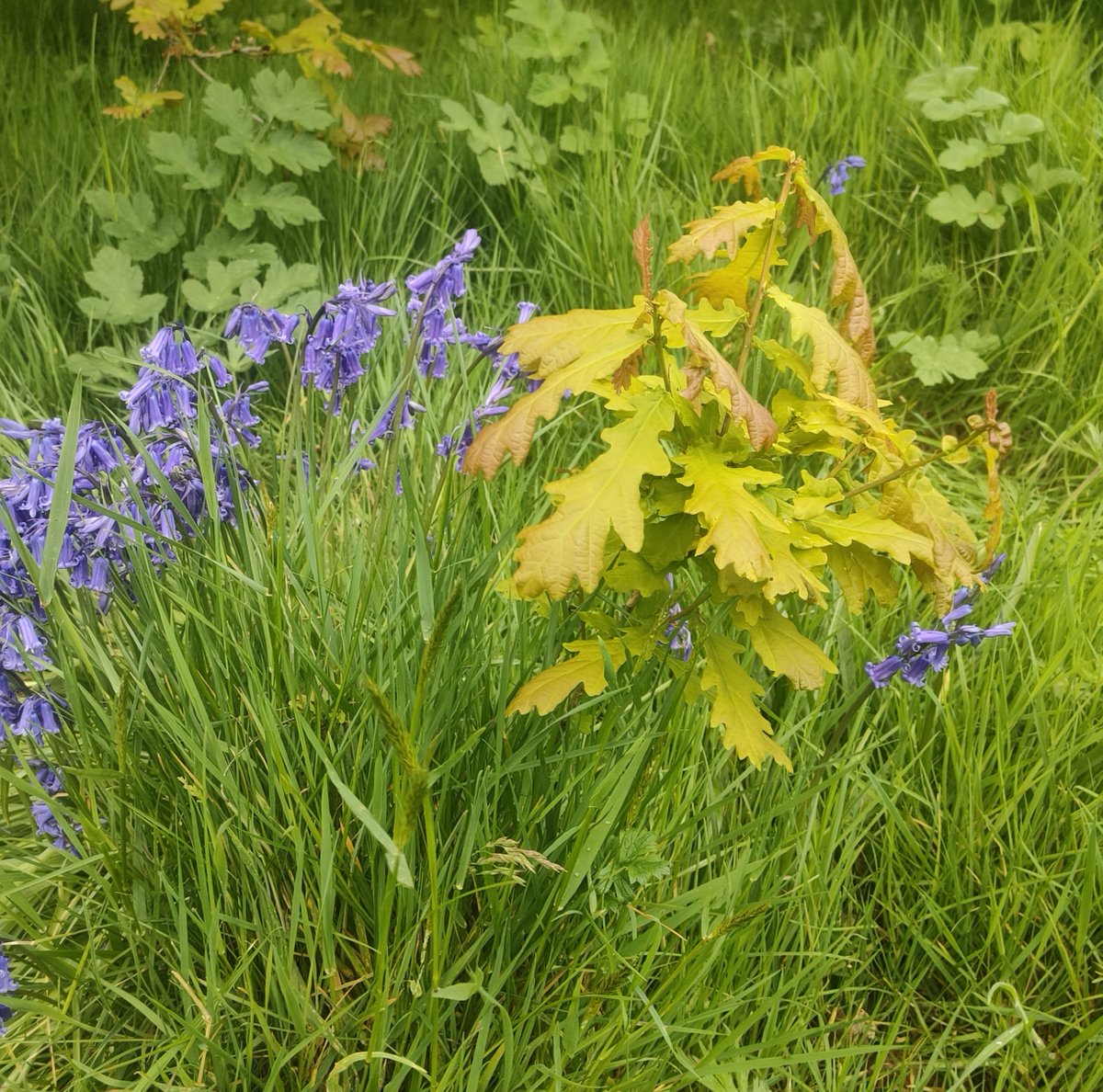
It's only by June that Ireland's Oak trees reach their full majesty and, other than for just a fleeting moment in Autumn when their canopies glow golden brown, they are at their most beautiful 🌳
Midsummer is a special time for the Oak, which is represented by Dair in the Ogham alphabet, a word which itself literally means "Oak", and in the Lunar Tree Calendar we have just meandered into the month of this magnificent tree 🌙⌛
These great trees are often associated with fire and protection and in generations gone by, when great Solstice fires burned, it was the precious wood of the Oak that was used to kindle them in Scotland and Wales 🌞🔥
Yet while people gathered around those sacred flames, the Oak was quietly tending a living world of its own.
A single mature Oak can support thousands of species of insects, lichens, fungi, birds and mammals, making it one of the most valuable native trees for wildlife in Ireland and Britain 🐛🦉🍄
Beneath its summer canopy countless creatures find food and shelter, and as Midsummer arrives, it is hard not to see why our ancestors held the Oak in such reverence 🌞
#Scotland
#Midsummer
9
86
350
2,427
Rona Ess retweeted

Jun 15
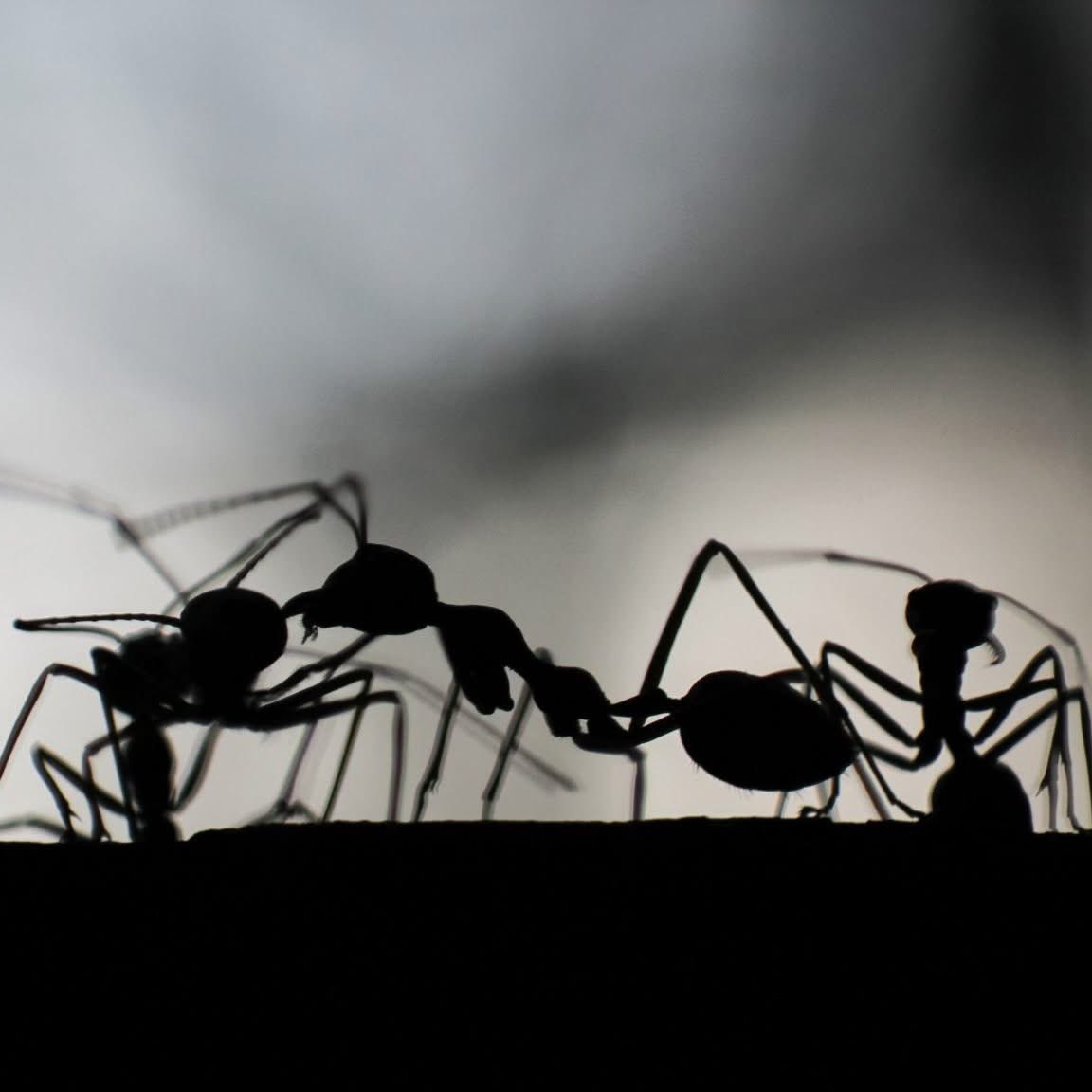
A researcher once shared a fascinating story with me. While discussing a project with a colleague, he noticed a trail of giant insects traversing the wall from one side to the other. Intrigued and a little unsettled, he asked, "Don’t these insects bother you?"
The scientist glanced at the trail, observing it with calm detachment. “No,” he replied, “they’re just passing through.” He explained that the insects were simply traveling from one side of the house to the other before exiting. His matter-of-fact response sparked a thought in the researcher about the concept of cohabitation—a way of life deeply understood by those who live in forests and jungles, where humans and nature coexist.
This story resonated with me and inspired me to reconsider my own relationship with the creatures I share my space with. Before hearing it, I had tried various methods to remove sugar ants from my tea cabinet, where the honey is stored. But after reflecting on cohabitation, I decided to let them be.
Now, each day when I open the cabinet, I greet the ants. Sometimes there are many, sometimes just a few, and occasionally, none at all. Interestingly, they never venture into other food cabinets or even into the honey, even when I leave the lid slightly open. Their behavior has a kind of quiet respectfulness that fascinates me.
Last month, black ants began gathering on our patio, moving from plant to plant, busy with their mysterious work. They never bit anyone, nor did they enter the house. One afternoon, I sat with them, simply observing. To my astonishment, I noticed something remarkable. Scattered among the ants were the bodies of their fallen companions. The ants were carefully scouting the dead, picking them up, and carrying them to a makeshift memorial—a lined row of their departed, placed off to the side where no one would step on them. It was an astonishing display of respect and community.
That moment deepened my respect for these often-overlooked creatures. Ants, like all living beings, carry out their lives with purpose and grace, even in a world that largely disregards them.
We are all only here for a time, sharing this planet with countless other beings. To understand the creatures around us is to better understand what it means to live harmoniously. Cohabitation challenges the conditioning that teaches us to fear or dominate nature, offering instead a path of reunification with the world we inhabit.
I’m not suggesting we invite vipers into our homes, but perhaps the next time an unexpected visitor enters your space—whether it’s an ant, a spider, or a bird—pause for a moment. Remember that your home is situated within a much larger home, one that belongs to all of us. There’s almost always a peaceful, nonviolent way to coexist.
4
16
61
1,603
Rona Ess retweeted

Jun 14
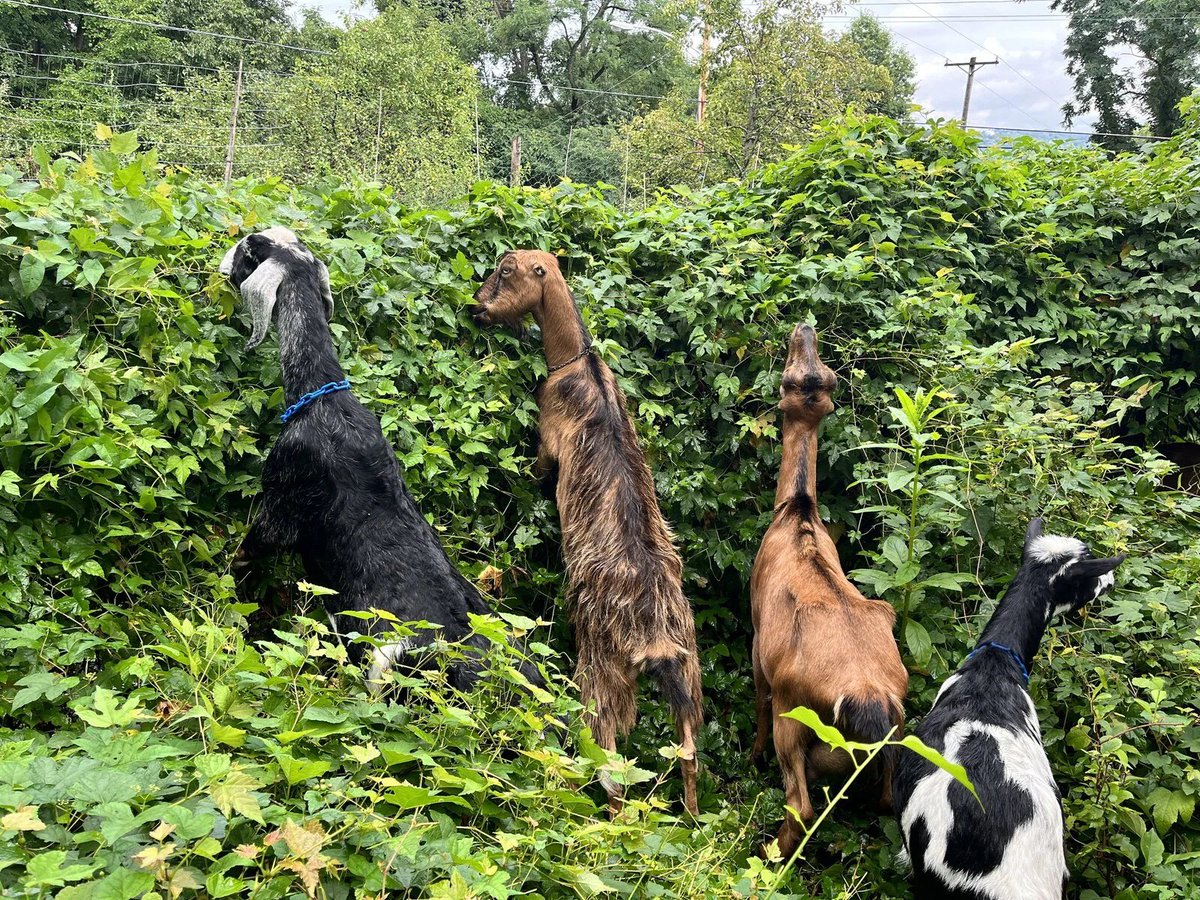
The goat gets left out of every serious conversation about sustainable food, which is a shame, because it does a job no other farm animal will touch.
A cow is a grazer. A sheep is a grazer. Both want grass, on ground that is at least walkable. The goat is a browser, and its tastes run somewhere else entirely:
- It eats scrub, bramble, gorse and thistle, the spiky stuff everything else avoids.
- It strips the woody growth and lower branches that choke a neglected hillside.
- It works terrain too steep, too rough, and too overgrown for cattle or sheep to bother with.
- It thrives on exactly the marginal, reverting, abandoned land that grows nothing anyone wants.
This makes the goat the pioneer of the whole system. Put goats onto a bramble-choked hillside and they browse it back, season by season, until grass can establish again. Once the grass comes, the sheep and cattle can follow. The goat opens ground the others could never use.
And at the end of it you get milk that many people who cannot tolerate cow dairy digest perfectly well, meat that more of the world's population eats than any other, and a cleared hillside that was an impenetrable thicket the year before.
The goat asks for the worst land on the farm and quietly makes it useful. It has been doing humanity's roughest groundwork for ten thousand years, and we still treat it as an afterthought with a comedy reputation.
100
821
3,380
49,652
Rona Ess retweeted

A hundred years ago, the eastern bluebird was one of the most common birds in the country. Then it nearly disappeared.
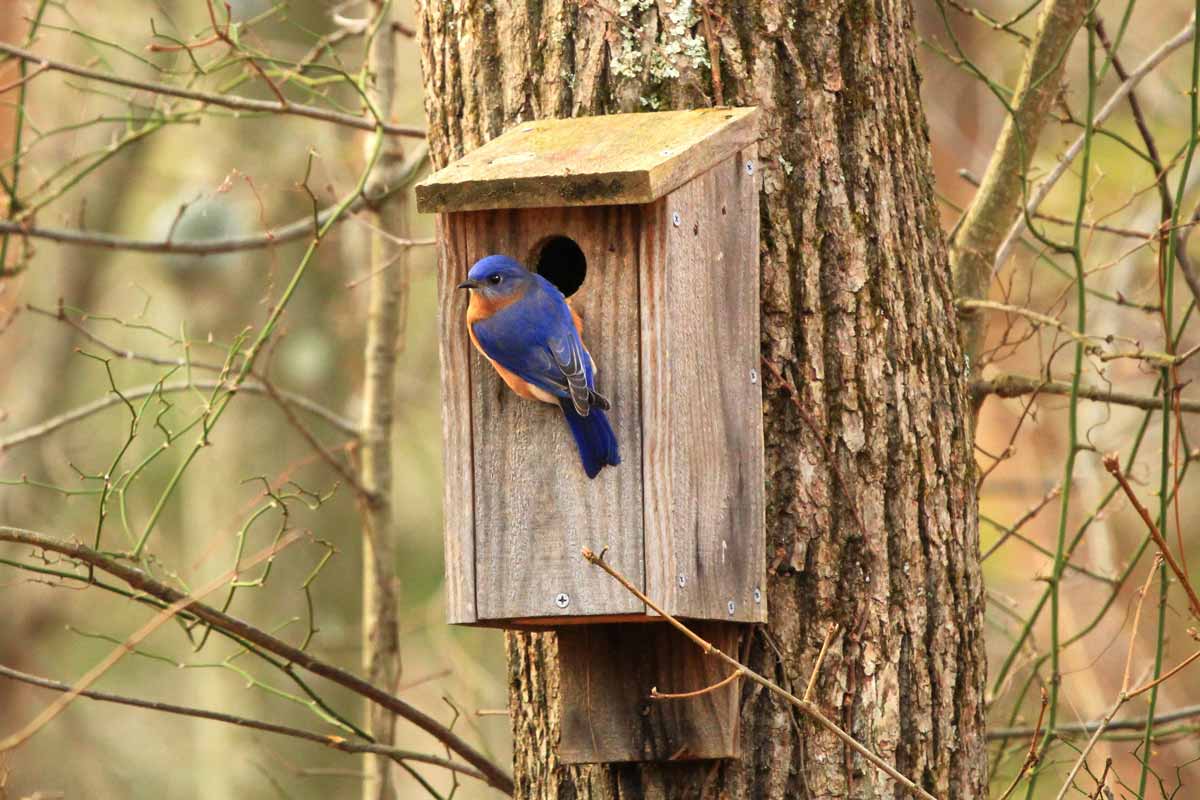
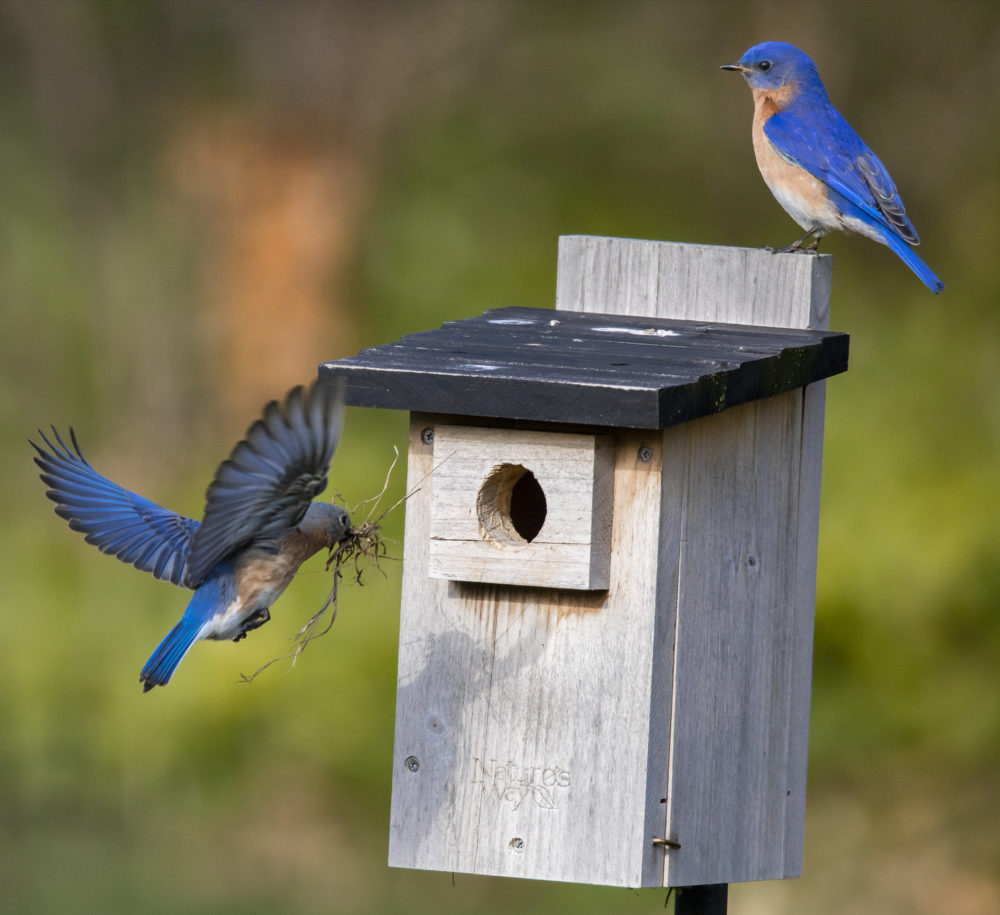
Here's the problem: a bluebird can't build its own home. Neither can a chickadee or a wren. They're cavity nesters with no tools to dig a hole, so they move into ones that already exist: an old woodpecker hole, a rotted knot in a tree, a hollow in a dead limb, a soft spot in a wooden fence post.
Then we launched a relentless effort to tidy the world and put everything in its right place.
We cut down the dead trees, the "ugly" snags, and hauled them off. We swapped the old wooden fence posts for metal. We cleaned up every hollow stump and dying branch. And just like that, the nesting spots were gone.
Worse, two birds we'd imported from Europe, house sparrows and starlings, muscled into the few cavities left and threw the bluebirds out. By the 1970s, bluebird numbers had fallen by nearly 90%.
Here's where things began to turn. Ordinary people started nailing wooden boxes to posts. Just boxes, with a hole the right size. And the bluebirds came back, all the way back, one of the greatest comebacks in American conservation, built almost entirely by regular folks in their own yards with a little lumber.
So here's where you come in. A nest box isn't a cute decoration. It's a replacement for the dead tree we took down, a hole in the world for a bird that can't make its own.
Put one up, with the correct hole size for the bird you want, on a smooth pole a predator can't climb, and you stop being a bystander to that story.
63
731
2,459
37,020
Rona Ess retweeted

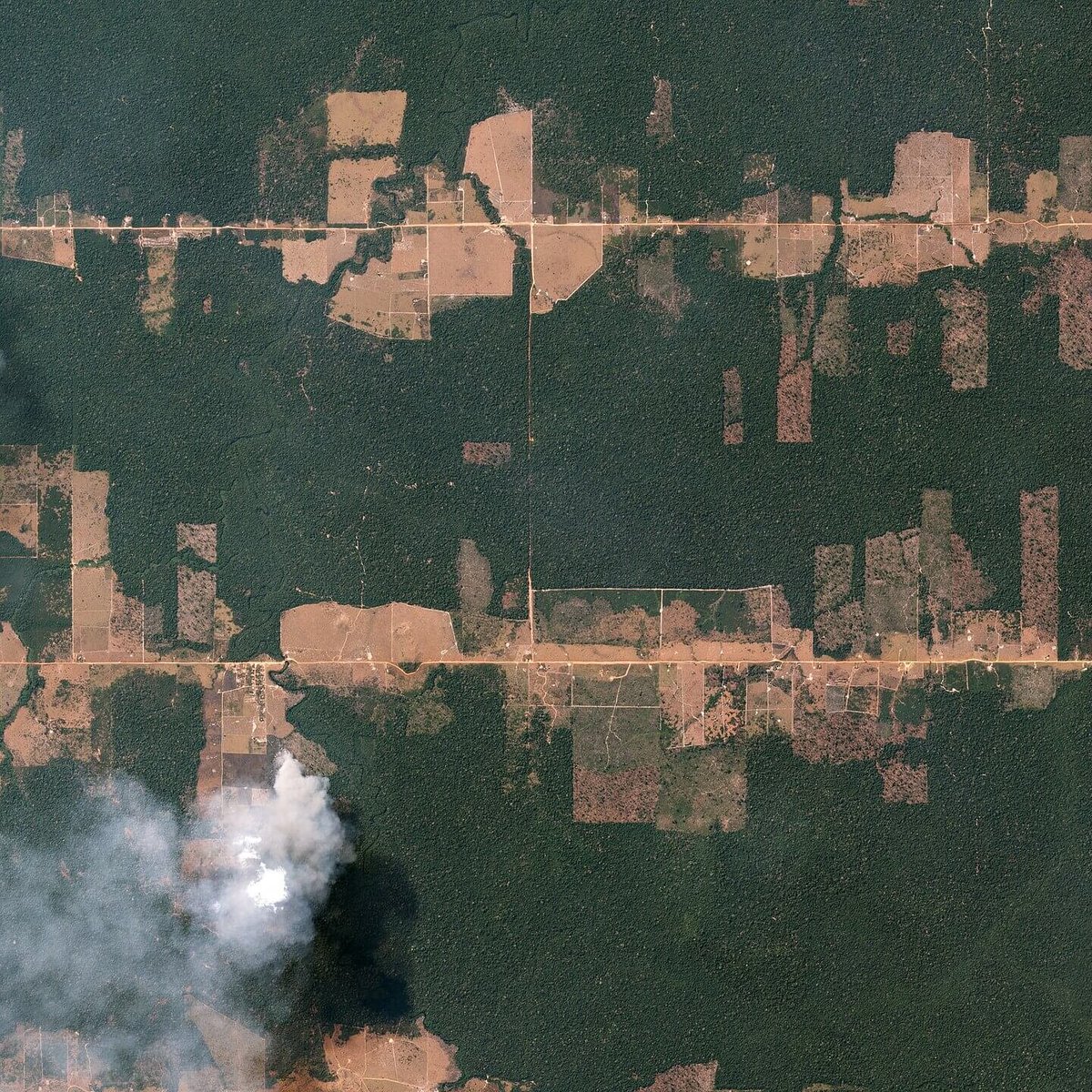
Brazil’s Atlantic Forest Records Lowest Deforestation Level in 40 Years #AtlanticForest #Brazil #Deforestation #Biodiversity #ForestConservation
naturalworldfund.org.uk/braz…
6
16
274
Rona Ess retweeted
Jun 15
Soil is a bank account, and modern farming has quietly run it into overdraft.
Plough a field and take a crop, and you make a withdrawal. The structure breaks down, the carbon escapes, and a little more topsoil washes or blows away. Do it year after year with nothing going back, and the account empties.
The UN's Food and Agriculture Organisation reckons a football pitch of soil erodes somewhere on earth every five seconds, and that ninety percent of the planet's topsoil could be at risk by 2050. It takes a thousand years to build a few centimetres. We are spending it in decades.
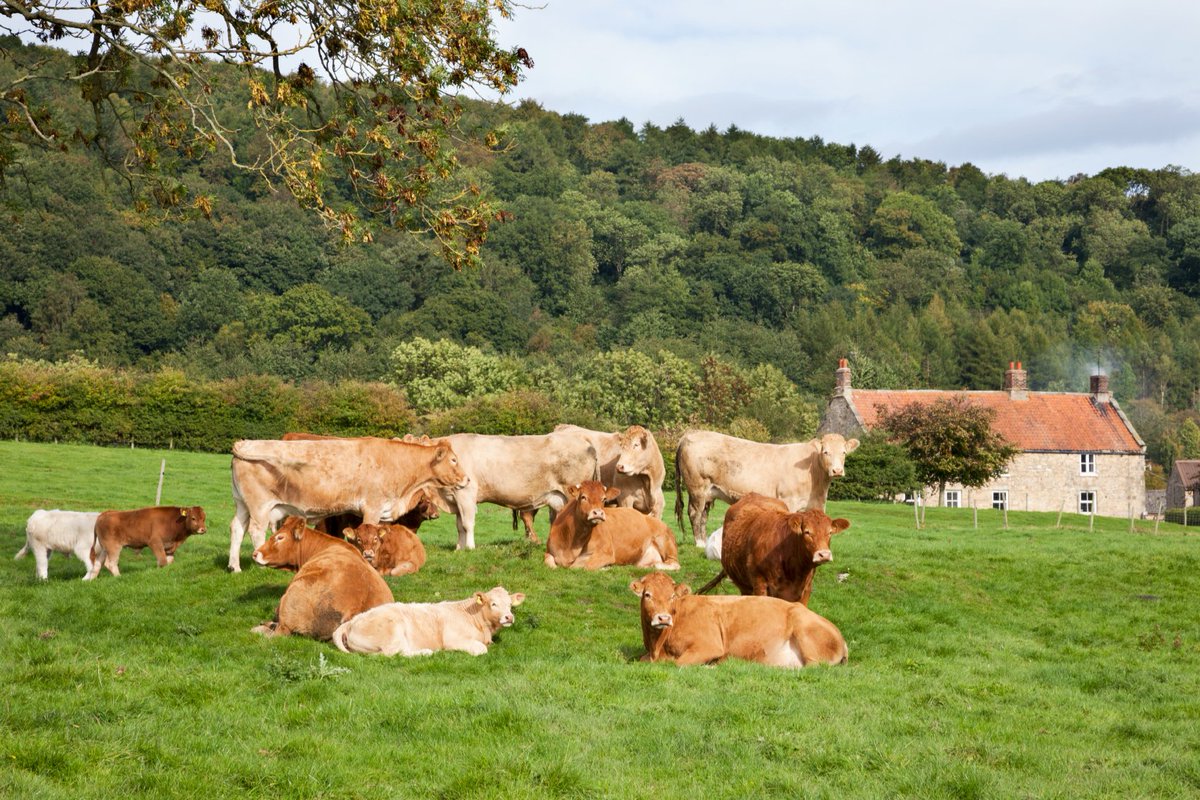
Grazing animals run the account the other way. They make deposits:
- They crop the grass so the roots dig deeper and pull carbon down.
- Their hooves work seed into the ground and break the crust so rain soaks in.
- Their dung and urine feed the worms and the microbes.
- Managed well, they build measurable topsoil, year on year.
The Dust Bowl fits in one sentence. America took the bison off the plains, ploughed the grassland the herds had built over millennia, and within fifty years the soil got up and blew away.
The repair walks on four legs and runs on grass. We keep choosing the overdraft, then act surprised when the balance falls.
32
387
1,118
11,073
Rona Ess retweeted

Jun 13
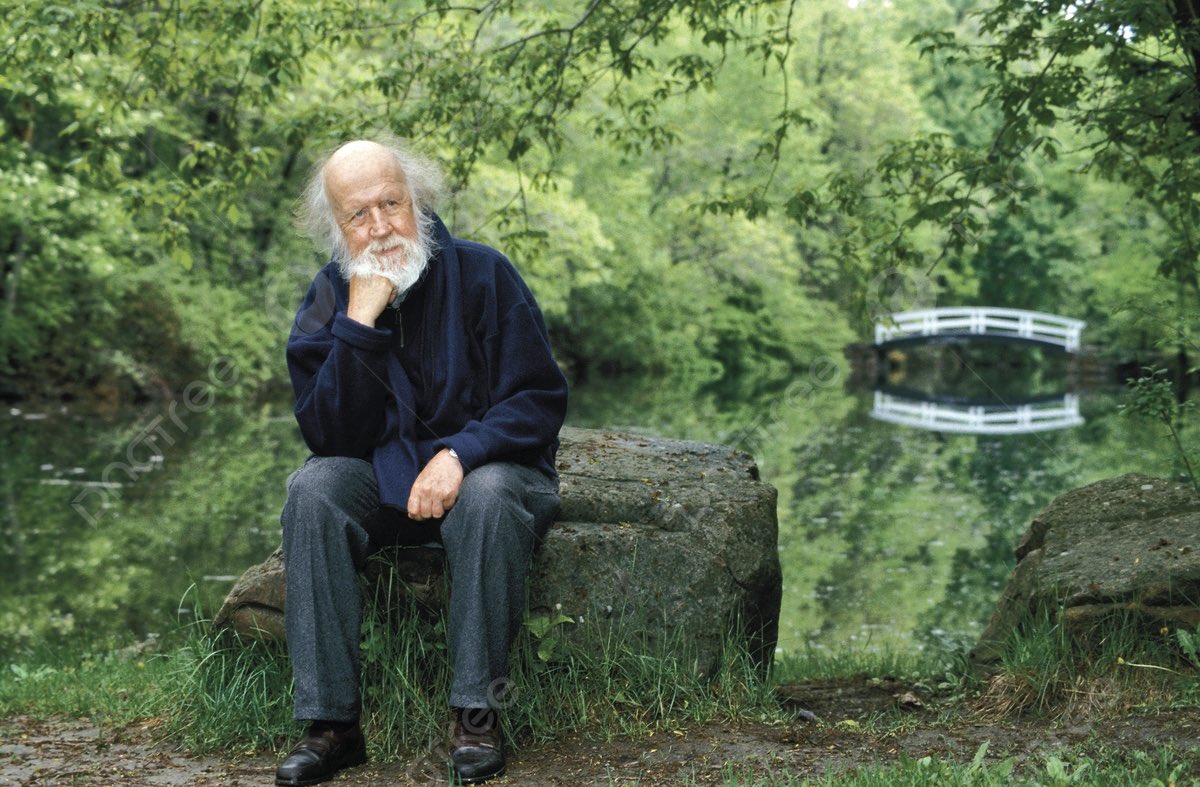
“Man is the most insane species. He worships an invisible God and destroys a visible Nature.”
— Hubert Reeves
125
4,925
16,430
185,577
Rona Ess retweeted

Jun 13
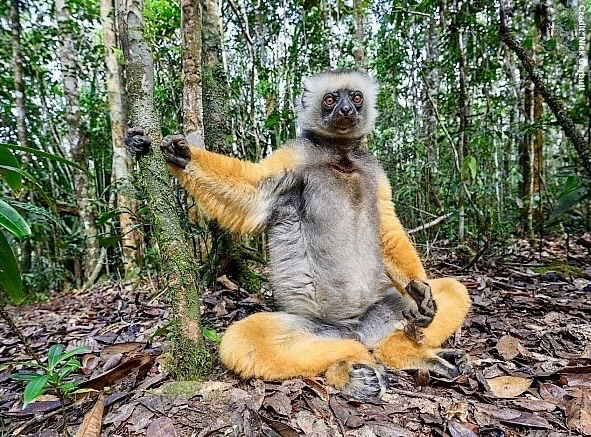
A critically endangered Diademed sifaka hanging on for dear life—but losing grip on existence in this world.
Madagascar is stricken with extreme poverty, so hunting these large sifakas for bushmeat has soared, even in protected areas. Slash-and-burn for timber and sugar cane plantations for illegal rum is destroying their food trees.
Touchingly, they diligently patrol their territory every morning, carefully scent marking their trees to protect it—but they are defenseless against the ravages we inflict on them.
Long-lived and slow-to-reproduce, now also with high infant mortality (50%), wasting in adults and stunting in immatures as we systematically remove their means to exist.
The tiny, isolated groups in the fragmented reserves may already be genetically non-viable long-term.
It will take a miracle—or someone with enormous wealth— to save this spectacular species from extinction within my lifetime.
79
989
1,571
20,845
Rona Ess retweeted
Jun 12
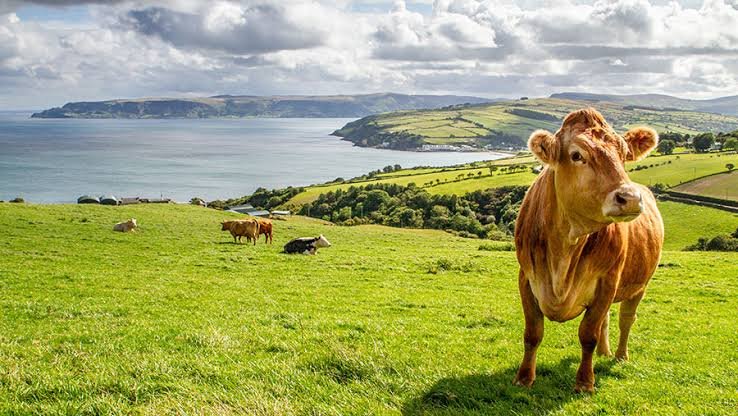
Ireland is being made to shrink its dairy herd, with healthy in-calf cows going to slaughter early, to satisfy a nitrogen figure set in Brussels.
Start with how cruel the timing is. Barely a decade ago, when the EU scrapped its milk quotas in 2015, Ireland told its farmers to do the opposite. Expand. Grow the herd. Build the new parlour. The government's own strategy pushed dairy hard for export growth, and thousands of families borrowed heavily and did exactly as they were asked. Now the same establishment that cheered them bigger is ordering them smaller.
The instrument is a rule that sounds technical and harmless. The EU caps the nitrogen that livestock manure may spread on the land. Ireland's grass-fed dairy farms, among the most efficient and lowest-carbon on earth, held a hard-won allowance to graze a little heavier. After a water-quality review, that allowance was cut, from 250 kilos of nitrogen a hectare down to 220, across great swathes of the country from 2024, and it has stayed under threat ever since, its conditions tightening at every review.
To drop under the new line, a farmer has three doors. Find more land, ship his slurry away, or get rid of cows. Land is scarce and the squeeze itself sent rents soaring, so for many the only door left is the herd.
The Irish Farmers Association reckoned an extra sixty nine thousand acres would be needed nationally just to stand still. One senator, a farmer himself, warned that up to forty one thousand cows, a great many of them pregnant, could be sent to slaughter to comply, and called it an animal welfare catastrophe in the making.
Sit with that. Healthy, productive, in-calf cows, on some of the greenest grass in Europe, culled early because a stocking number on a form moved by thirty kilos. The very cows the nation was begging the farmer to buy ten years ago.
This is what modern environmental policy looks like at the sharp end. A good cow loaded onto a lorry she never needed to be on, on a wet Tuesday in County Cork, to shift a figure in a spreadsheet.
307
1,900
4,349
59,719
Rona Ess retweeted
Jun 12
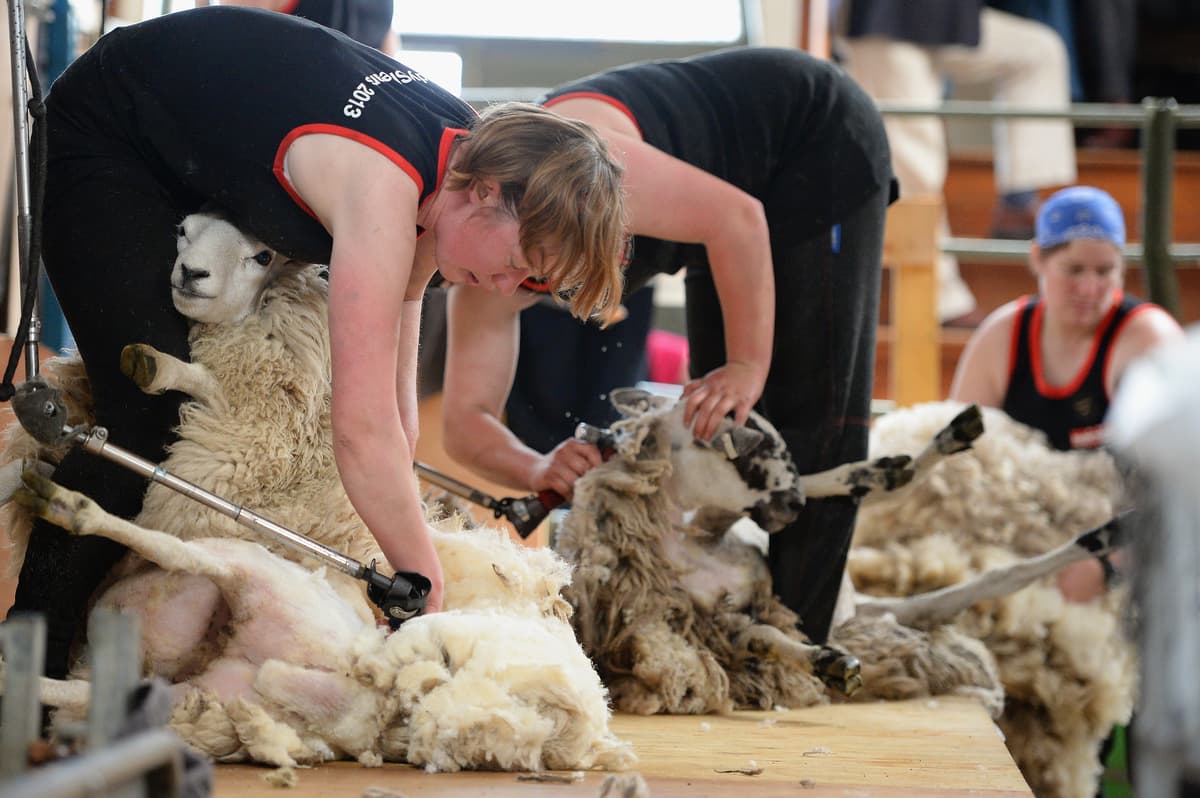
This year the Home Office moved to stop expert sheep shearers from Australia and New Zealand coming to shear British sheep.
The people who keep the animals comfortable were declared surplus to requirements.
For over a decade, around 75 of the best shearers on earth have flown in each spring on a simple visa concession. In a few brutal weeks they take the wool off up to two million sheep.
A top shearer clears a ewe in two or three minutes. Hundreds a day. Calm hands, no panic in the animal. It is a global trade and a young body's game, and Britain has never grown enough of its own.
The official line? Fourteen years to train Britons, so the door is closing.
Here is what that tidy sentence ignores. A sheep must be shorn every year or she overheats, cannot move properly, and gets eaten alive by flies and maggots. Shearing on time is welfare, plain and simple, written into law and into the animal's own skin.
So a government that lectures farmers without pause about welfare has quietly made the most basic welfare task harder to carry out. After the outcry they allowed one "final" year. Then the experts are gone for good.
A sector already losing money on every fleece, already burning wool it cannot sell, now told it cannot even get the people in to take the wool off.
You could be forgiven for thinking somebody wants the British sheep gone.
540
4,640
14,298
409,871
Rona Ess retweeted

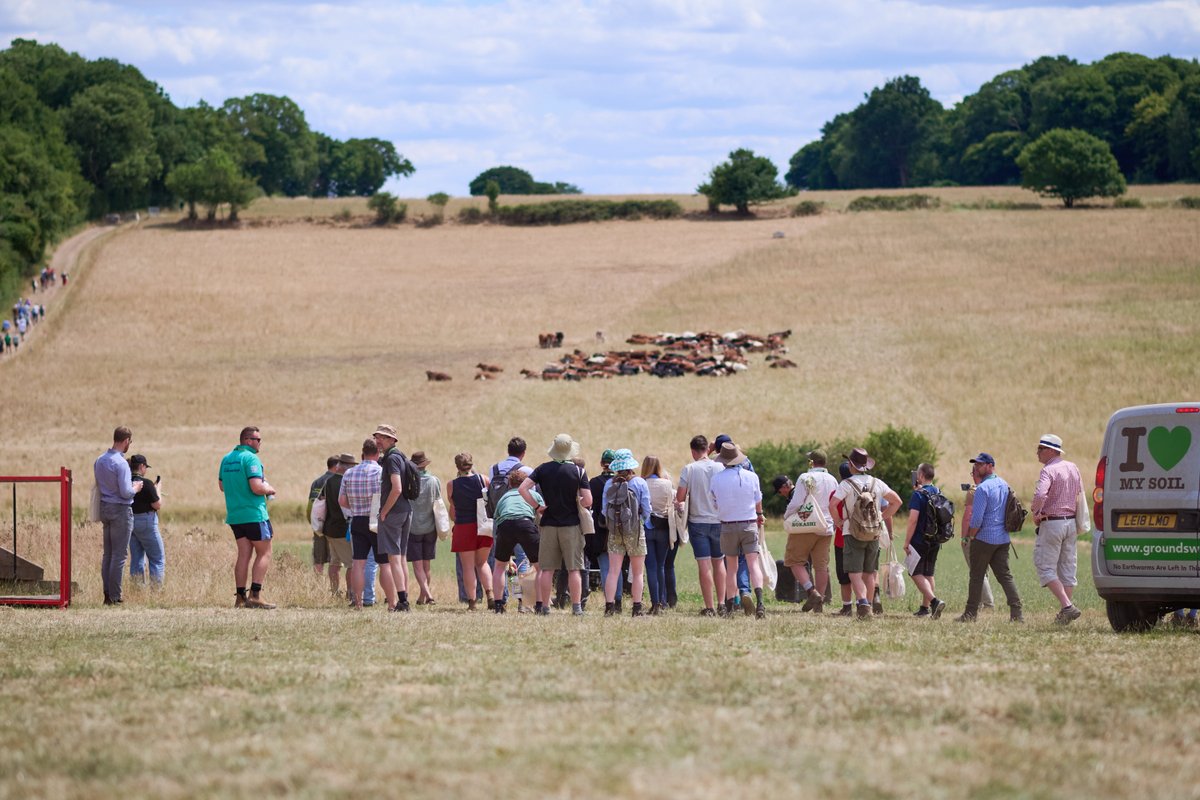
Leave Groundswell Festival with ideas that you can actually use. We aim for all the sessions at Groundswell to provide practical solutions and inspiration for farmers at all stages of their regenerative journey. Join us on 1st and 2nd July at Lannock Farm
2
6
255
Rona Ess retweeted

Government allows use of banned, butterfly-killing pesticides AGAIN
@savebutterflies
butterfly-conservation.org/n…
2
13
20
798
Rona Ess retweeted

Jun 11
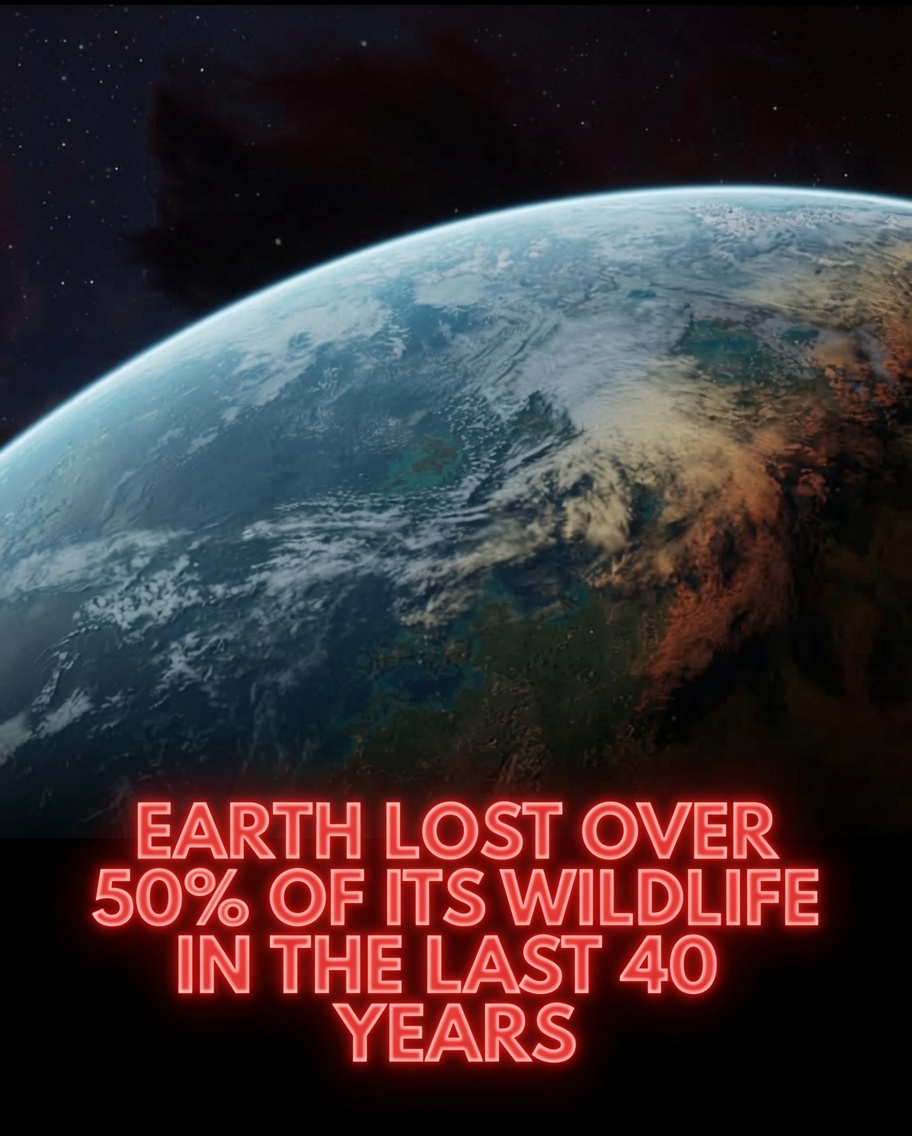
A major new report warns that global wildlife populations have been cut in half in just four decades due to unsustainable human consumption and widespread habitat destruction.
According to the Living Planet Report by the World Wide Fund for Nature (WWF) and the Zoological Society of London (ZSL), average monitored wildlife populations declined by 50% between 1970 and 2010.
The Living Planet Index, which tracked more than 10,000 populations across roughly 3,000 vertebrate species, paints a sobering picture of humanity’s impact on biodiversity. Freshwater ecosystems were hit hardest, suffering a 75% decline due to pollution, water extraction, and dam construction. Terrestrial and marine populations both fell by around 40%, driven by habitat loss and overexploitation.
The underlying driver is humanity’s expanding ecological footprint. Global consumption already requires the resources of 1.5 Earths to sustain. This burden is highly unequal: the average U.S. resident would need nearly four Earths, while the average UK resident would require 2.5 Earths. Wealthier nations often export their environmental impact through imported goods linked to deforestation and habitat destruction in developing countries.
The report calls for urgent global action, including a shift to sustainable food systems, greater resource equity, and stronger habitat protection to reverse these trends.
[WWF. (2014). Living Planet Report 2014: Species and spaces, people and places. World Wide Fund for Nature, Gland, Switzerland]
94
668
993
31,345
Rona Ess retweeted

May 26
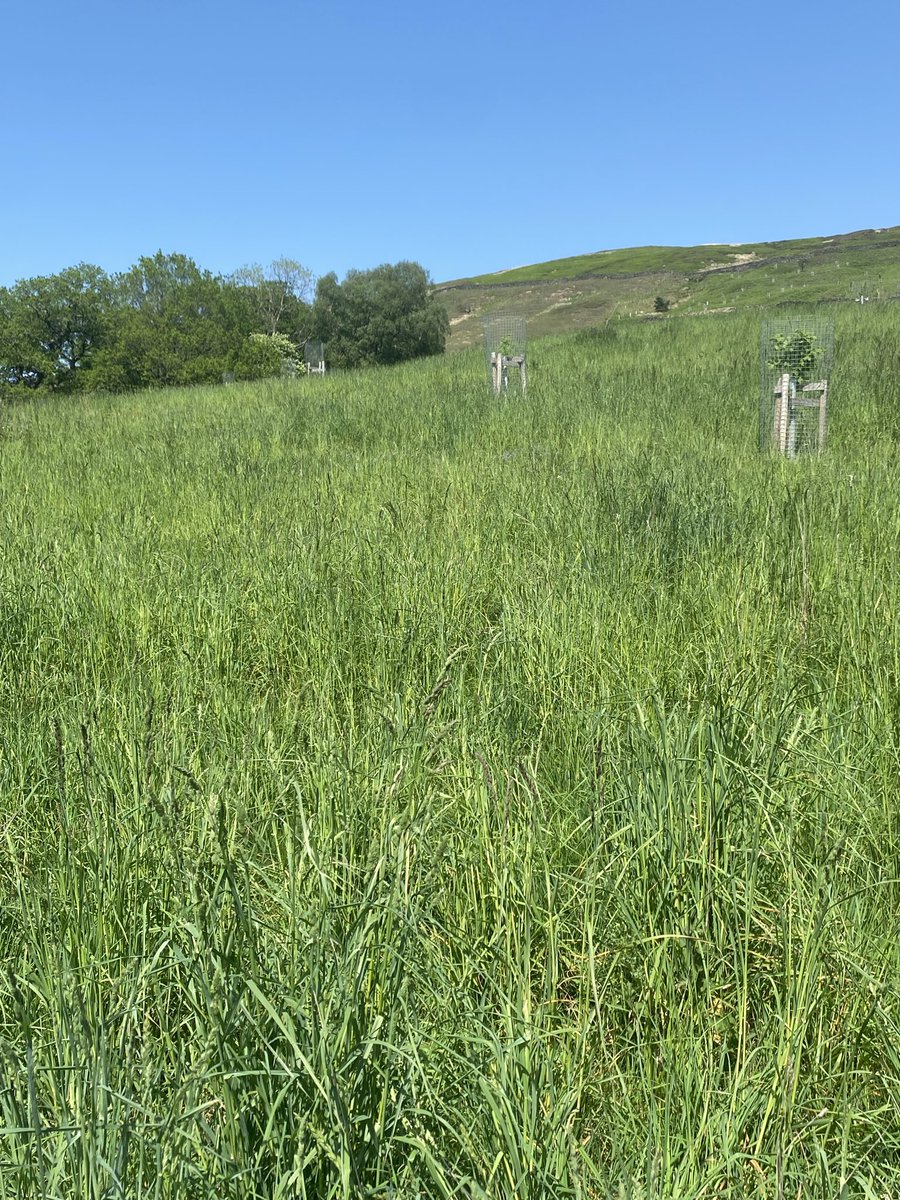
Farm abundance.
This area was pulse grazed twice over winter.
It’s back - plenty of biomass ready to transform into beef.
The secret sauce is a very short period of grazing, then long rest.
The worst is continuous grazing that offers no chance for the plant to regrow, diminishing the roots.
Soil and solar energy: highly nutritious food.
Eat real red meat and animal fat; buy the best you can.
1
16
80
668
Rona Ess retweeted
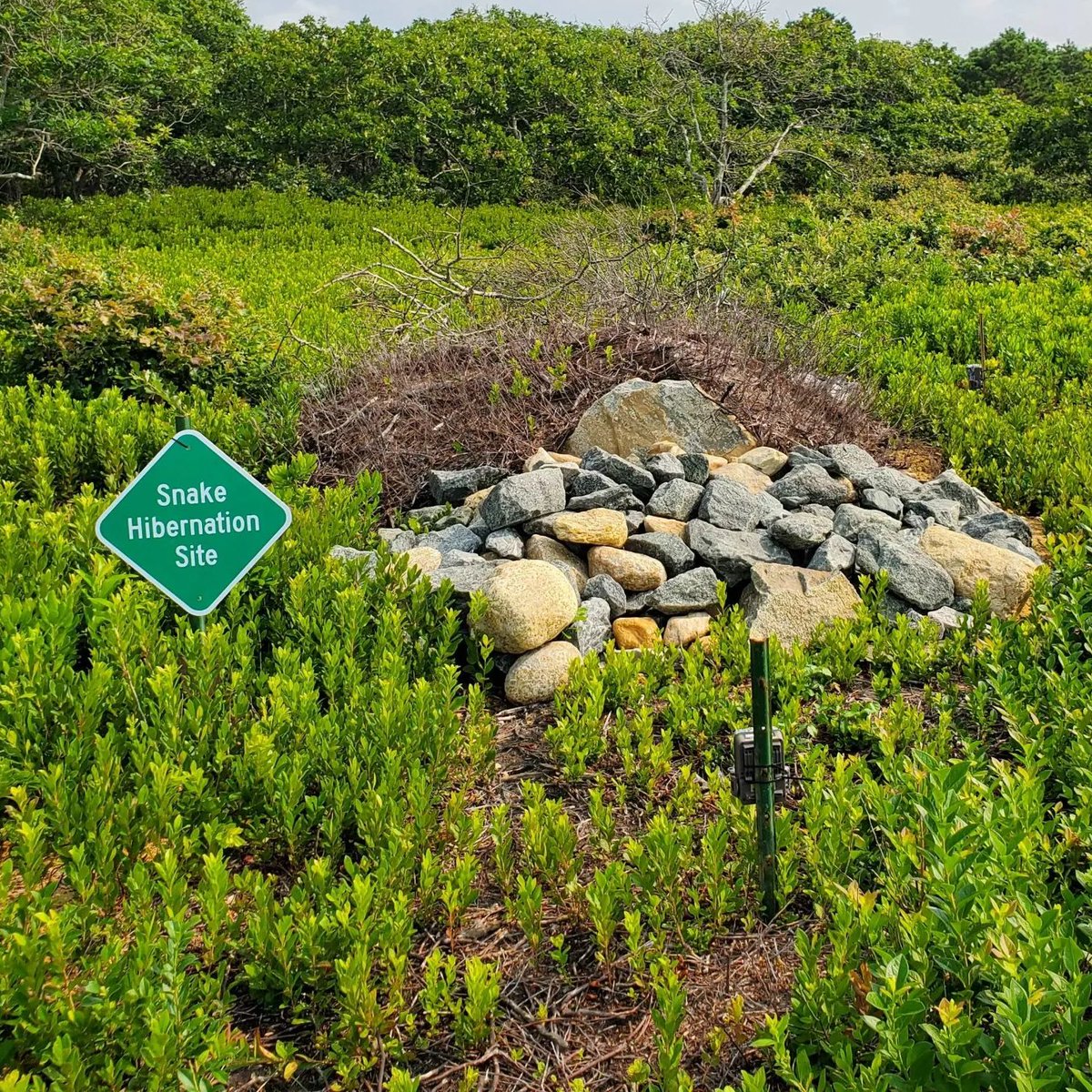
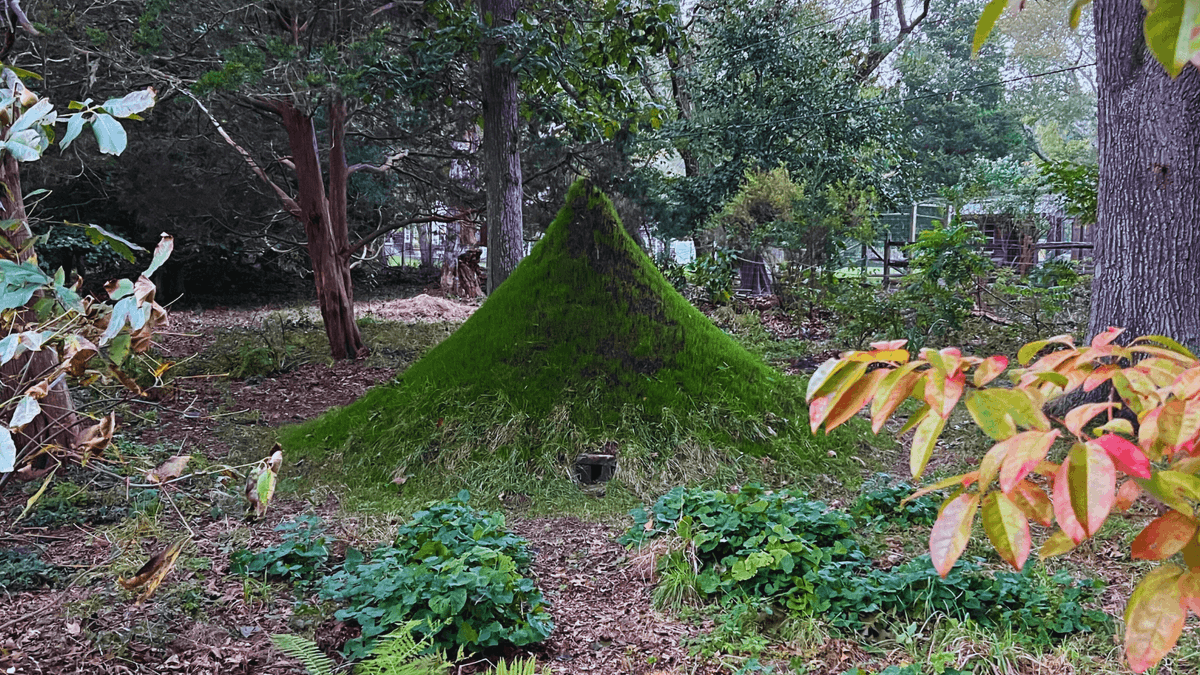
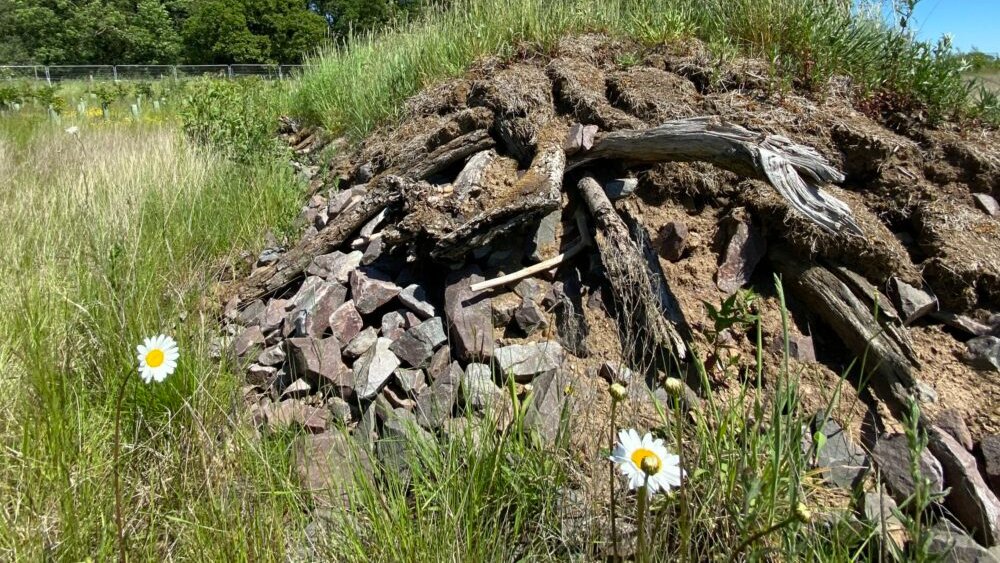
Here's a weekend project with a great name: a hibernaculum.
It's a buried pile of rubble and logs that gives frogs, toads, snakes, and salamanders a frost-free place to survive the winter, and it's one of the cooler habitat features you can add to a yard.
Cold is one of the major challenges for these animals. Because they can't make their own heat, many species spend winter in protected underground spaces where temperatures stay relatively stable and moisture levels remain high enough to prevent dehydration.
The build is simple. Pick a sunny, out-of-the-way corner. Dig at least a couple of feet deep, and deeper in colder climates where frost penetrates farther into the ground.
Fill it with logs, rocks, broken bricks, and rubble, leaving plenty of gaps and chambers inside. Slip a length of pipe or two in at ground level as entrance tunnels, then mound the dug-out soil over the top and plant it with native grasses and wildflowers.
Now it pulls double duty: providing a protected underground refuge where temperatures fluctuate far less than they do at the surface.
You can say you've buried a pile of junk in the yard and called it conservation, and you'd be exactly right.
9
175
757
15,673
Rona Ess retweeted
Jun 9
Give the finest engineers alive a cow, a blank cheque, and one instruction: build a second one from scratch, the entire working machine, organs and microbes and all.
They will fail.
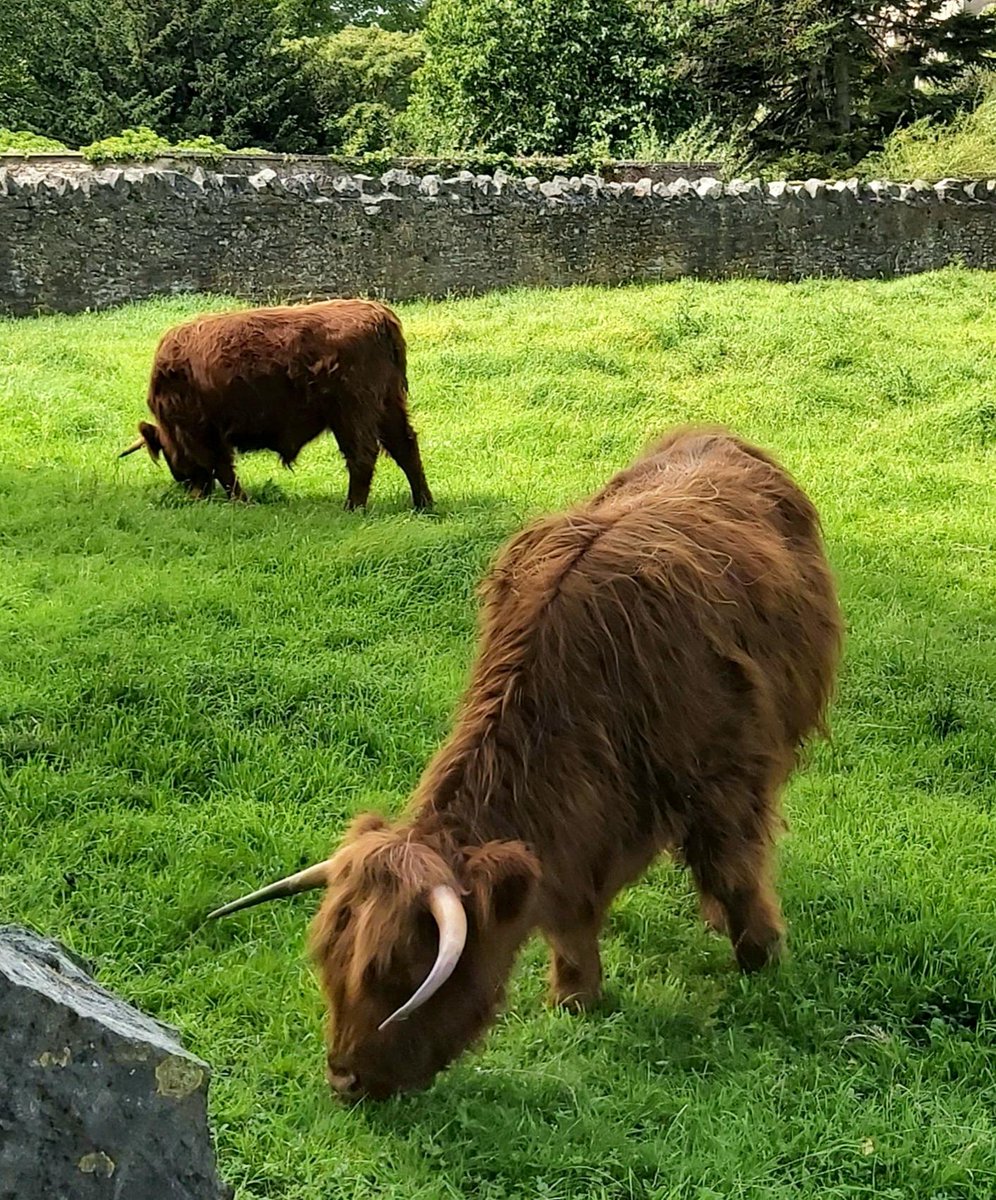
They can map every cell and still not reproduce the rumen: a warm fermentation reactor running on wild microbes nobody has to sterilise, that seeds itself, repairs itself, and digests the one material on the planet we cannot, turning a thornbush into a fillet.
They cannot match the power supply, which is rain. Or the fuel, which is grass nothing else will eat. Or the production line, which is the animal quietly building the next animal at no cost and asking no one's permission.
It improves the soil it stands on. It carries no patent, no firmware, no subscription. It has been in continuous production since before writing existed and has never once needed an update.
We keep calling it old, which is a peculiar insult to aim at the only food machine that has shipped a billion units and never lost in its category. The nearest competitor is a steel vat of slurry that drinks electricity and reports to a man with a clipboard.
Lightyears ahead, still, and grazing.
21
231
960
10,225
Rona Ess retweeted

Jun 8
My iPhone was hot, slow, and lagging on everything. I was already pricing out a new one.
A repair shop owner took it, swiped through four screens, and handed it back.
"Your phone is fine. Four settings are choking it. I see them every day."
Here is what he changed:
42
425
3,585
3,096,773
Rona Ess retweeted
Jun 8
Beef butt scratching bliss.
In an abundance of plants, insects and birds.
This eco-system produces food and stores an increasing amount of soil organic matter (carbon). The farm will carry on increasing SOM.
Cattle behaviour is the key tool.
The Government Climate Change Committee has suggested a 27% reduction in livestock by 2040.
I wonder what you’ll eat..?
5
12
61
1,386
Rona Ess retweeted

Jun 9
The ability to grow and store grains at scale is what makes civilisation possible, we can't have one without the other.
In my article titled "On the Verge of Starvation" the first paragraph reads: "“By 2027 the world could be facing a 214 trillion calorie deficit, says Sara Menker, founder and chief executive of Gro Intelligence, an agricultural data technology company.”
That analysis predates DJT's war on Iran and the global food supply.
--What made the modern food system seem resilient was never abundance alone. It was geography. Regions like the North American Prairies, Ukrainian Steppe and northern India grow much of the crops that feed humans and livestock.
The system works because crop failures are expected to be local, not simultaneous. If one breadbasket region fails to produce one year, another could cover the shortfall. The Earth itself provides a kind of buffer, but that buffer is thinning.
Multiple breadbasket failures are becoming more likely as climate change increases the chance of simultaneous stress across major producing regions. The danger is no longer only a bad harvest in one place. It is the possibility that several of the regions the world depends on for staple crops could come under pressure at once.-- via Kevin Hester
theconversation.com/what-hap…
9
49
112
2,724
Rona Ess retweeted
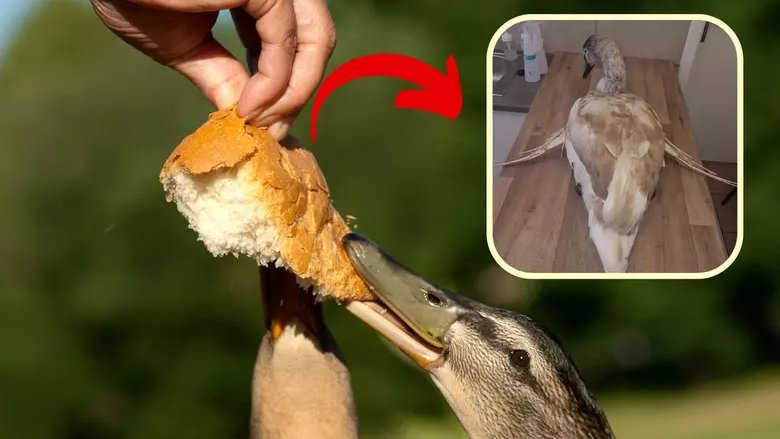
That bread you're tossing to the ducks malnourishes the adults and can leave the babies unable to fly for the rest of their lives.
Bread is junk food for a duck. It fills them up so they quit foraging for the bugs, plants, and seeds that actually feed them.
In a growing duckling, a diet that heavy in empty carbs makes the wing grow too fast and twist at the joint. The feathers jut out sideways, the wing never works right, and the bird is grounded for good. It's called angel wing, and in an adult it can't be undone.
It doesn't stop at the birds. A pond where people dump bread gets crowded and aggressive, ducklings never learn to find their own food, and the soggy leftovers rot into algae blooms and draw rats.
If you want to feed them, give them food, not filler: cracked corn, oats, halved grapes, chopped lettuce, a handful of thawed peas.
Better yet, just watch them. A healthy pond already feeds its ducks. They were doing fine before the bread showed up.
50
1,336
3,377
75,928