Transportation safety scientist and lecturer at UC Berkeley. Co-director UC Berkeley SafeTREC #trafficsafety, #safesystem, #pedsafety, #bikesafety
Joined January 2014
- Tweets 286
- Following 240
- Followers 229
- Likes 805
55 Photos and videos
Pinned Tweet

8 May 2018
Thanks @ibrahimalitani and thank you to the rest of students and postdocs. This has been an excellent year and I look forward to seeing all of you continue to grow! x.com/ibrahimalitani/status/…
8 May 2018

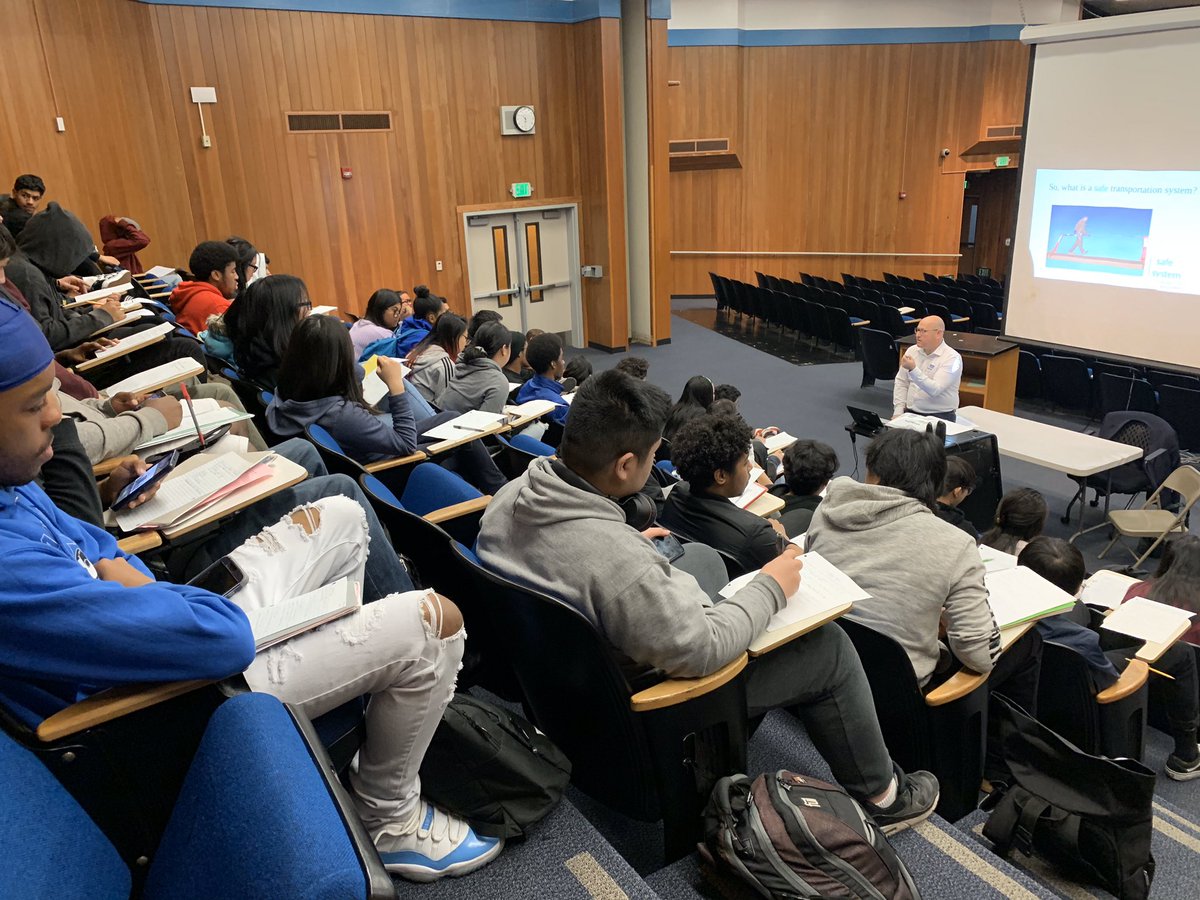
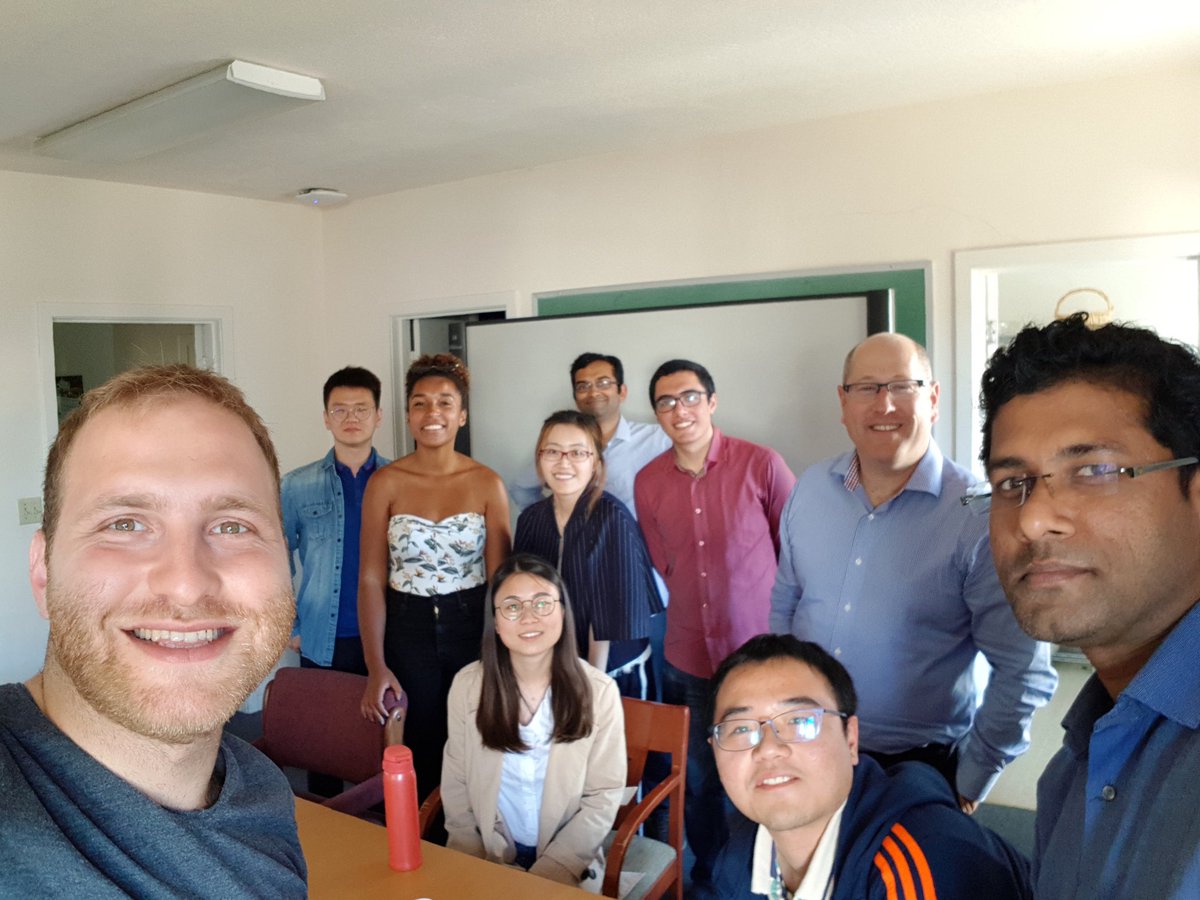
Last research group meeting of the semester at @UCBSafeTREC . It was a great opportunity to discuss our transportation safety projects in a constructive environment and to grow as researchers. Big thanks to @GrembekOffer for the mentorship and support.
4
Offer Grembek retweeted

The next online seminar on 2/23 features our 2022 student of the year Aqshems Nichols @UCBSafeTREC discussing his work on peer influence & perceptions of safety. Don’t miss it! #SafeSystem #AmazingUTCs unc.zoom.us/webinar/register…
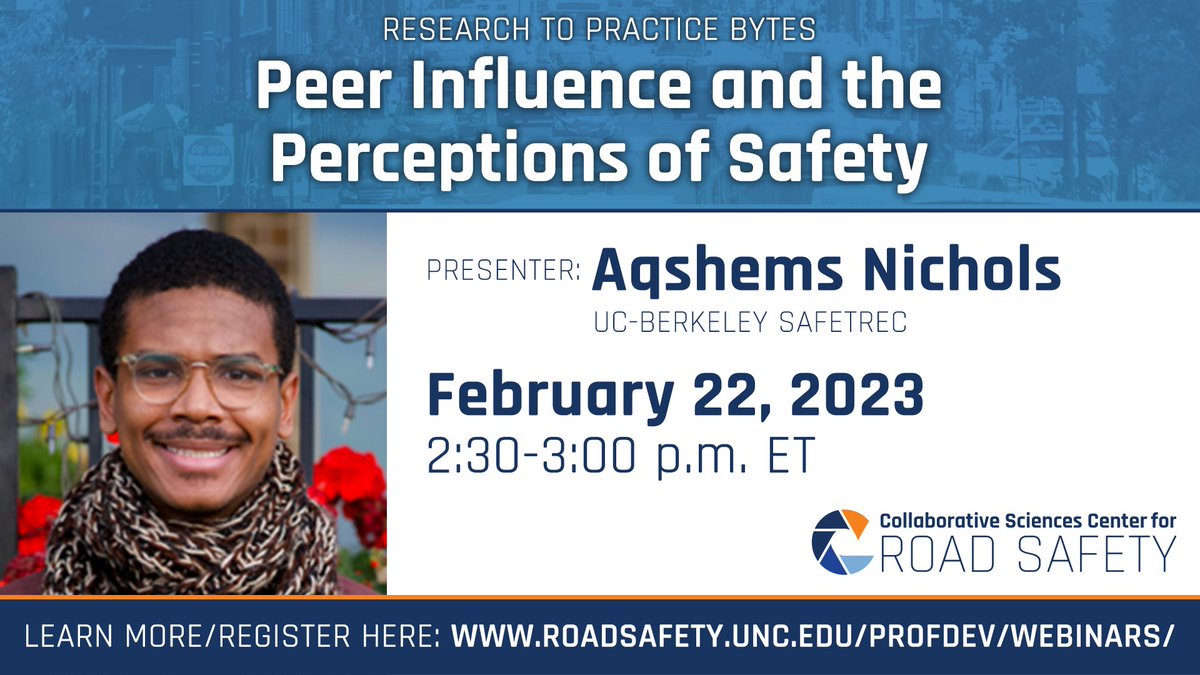
ALT Promo image for February webinar
1
2
3
1,197
12 Jan 2023
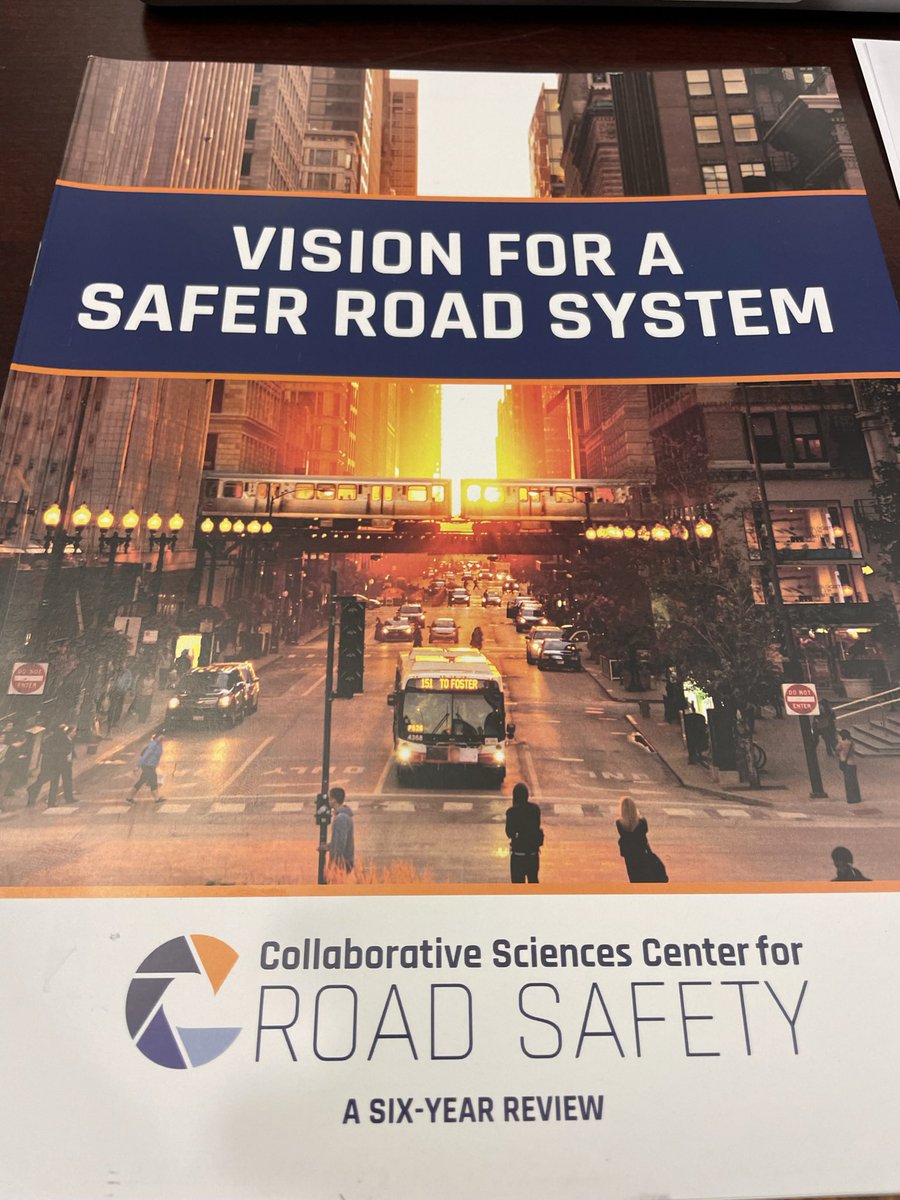
Being part of @CSCRSinfo is one of the most rewarding parts of my job. I take pride in working together across universities led by @hsrcinfo to advance #safesystem using research, prof. development, and education. See our report below! roadsafety.unc.edu/wp-conten…

The 2023 #TRBAM ended today, though much of our staff came home yesterday (in some cases, pivoting travel modes to avoid flight disruptions). Great event, great interactions, great to be back in person! Sharing one more round of images showing off our busy week … 🧵
7
3
11
1,689
11 Jan 2023
Both of you are rockstars! Thank you for all that you do for @BerkeleyITS and @UCBSafeTREC on the front and back stage 🏆
11 Jan 2023

.@BerkeleyITS Comms at #TRBAM unite!! Awesome to connect with Berkeley ITS rockstar comms director Amanda Cairo 🤩 #TRBAM2023
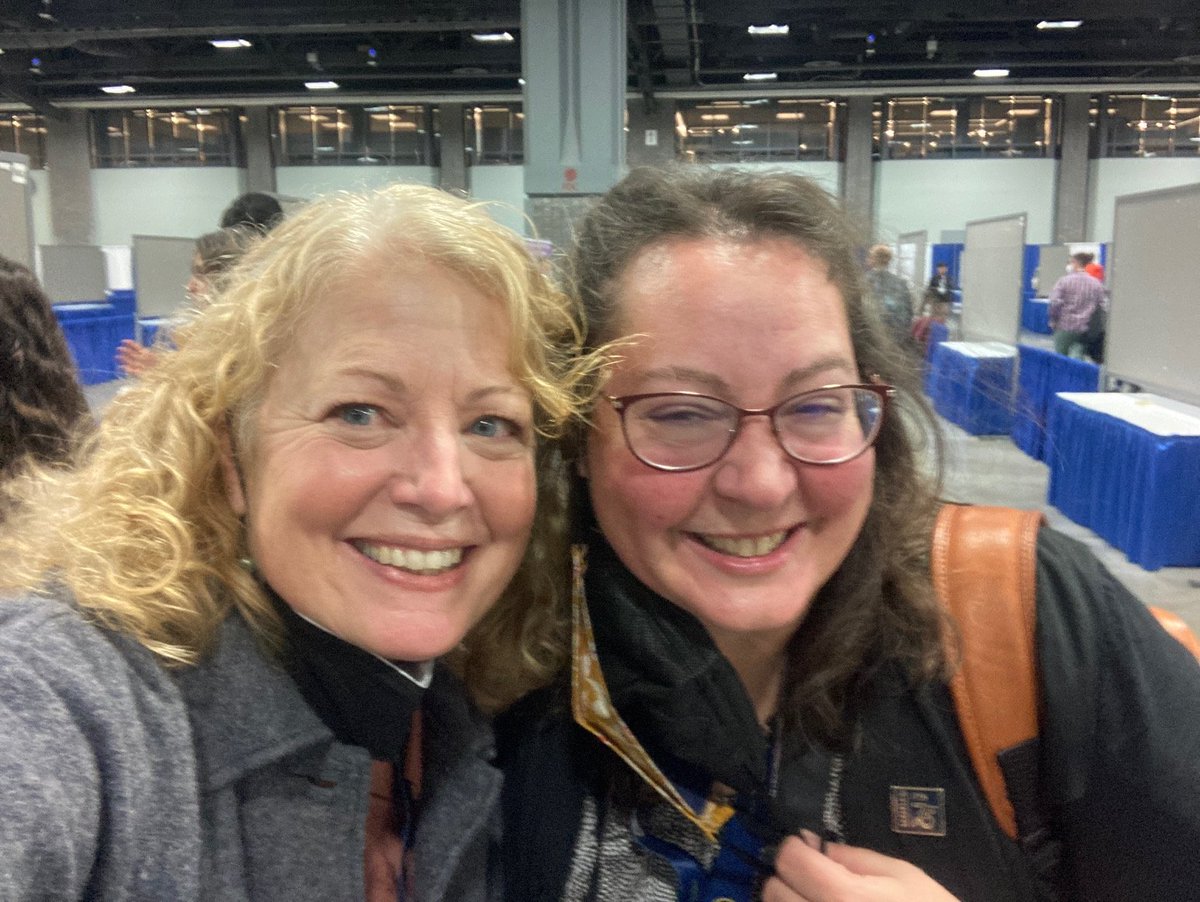
ALT SafeTREC communications manager Lisa Peterson smiles, taking a selfie at TRBAM with Berkeley ITS communications director Amanda Cairo, also smiling!
4
413
8 Jan 2023
Had to force myself to come to #TRBAM this yr. I’m fond of my local work env & limited travel needs. But seeing how #SafeSystem approach has become focal for US traffic safety is worth the trip! I believe much was seeded by @USDOT-funded @CSCRSinfo. Come see 💪 work by this UTC
6
2
27
1,759
7 Jan 2023
Congratulations, Aqshems! This is a well deserved recognition 👏 👏 👏
Can't wait to celebrate Aqshems tonight at the @CUTCResearch banquet! @BerkeleyITS @UCBSafeTREC #TRBAM roadsafety.unc.edu/home/educ…
2
243
23 Dec 2022
Congratulations to Aqshems! This is a well deserved recognition 👏
19 Dec 2022
Congrats to @BerkeleyITS doctoral student Aqshems Nichols, @CSCRSinfo 2022 Outstanding Student of the Year!✨👏🏼“All of Aqshems’ work at SafeTREC has furthered awareness of the Safe System approach...He is an outstanding student, researcher, and colleague.” bit.ly/3G3MSoM
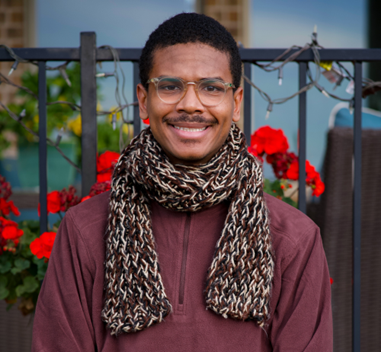
ALT Photo of Aqshems Nichols smiling, wearing glasses, a brown woven scarf, and maroon pullover.
1
115
Offer Grembek retweeted

19 Dec 2022
Congrats to @BerkeleyITS doctoral student Aqshems Nichols, @CSCRSinfo 2022 Outstanding Student of the Year!✨👏🏼“All of Aqshems’ work at SafeTREC has furthered awareness of the Safe System approach...He is an outstanding student, researcher, and colleague.” bit.ly/3G3MSoM
ALT Photo of Aqshems Nichols smiling, wearing glasses, a brown woven scarf, and maroon pullover.
3
4
1,257
17 Dec 2021
It was an honor to participate in this conference. Lots of good things in the works!
16 Dec 2021
On December 13, our Co-Director @GrembekOffer presented virtually at the Israel Road Safety Conference about the #SafeSystem approach to #RoadSafety. Learn more here: bit.ly/3F3t1TT
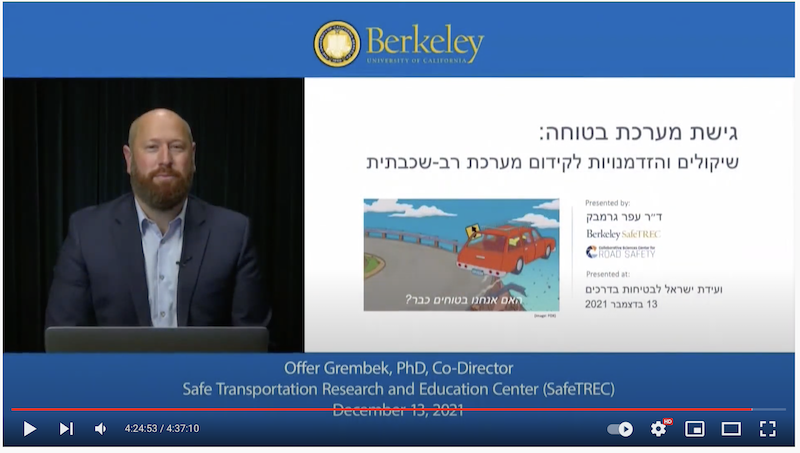
ALT SafeTREC Co-Director Offer Grembek begins his virtual presentation on Safe Systems at the Israel Road Safety Conference on December 13, 2021
5
10 Aug 2021
1/4 Can grandma deliver your groceries?
[I framed this comically since it’s not based on research we’re doing, but rather an insight from chats on the topic of safety and AV’s]
The main challenge of AV’s in achieving safety is the tradeoff between a SMOOTH ride and a SAFE ride.
1
1
10 Aug 2021
3/4 users want a smooth & safe ride, but it’s not simple.
If your AV is moving people, delivering a smooth & safe ride is a hard problem to solve & will impose additional risks to VRU’s. But if your AV is moving goods, the ‘groceries’ wouldn’t mind being driven around by grandma
1
1
10 Aug 2021
4/4 So, ideally efforts to test AV’s in urban environment should focus on delivering goods since it can more readily prioritize safety
Once we smooth the kinks of providing safety for non-occupants, we can tackle the challenge of also providing a safe & smooth ride for occupants
1
25 May 2021
Given a crash between an SUV and a pedestrian, the ped is almost 87 times more vulnerable. US vehicle safety rating system provides information about the protective capability of vehicles to occupants but neglects to provide information about protection for vulnerable road-users
25 May 2021
“Efforts to quantify the protective capability that cars provide to pedestrians is likely to have a positive impact on safety.” @UCBSafeTREC Co-Director @GrembekOffer
bloomberg.com/news/articles/… via @citylab
1
1
7
25 May 2021
Ultimately, this is about the system's capability to control and/or contain the unsurvivable amounts of kinetic energy carried by motorized modes. If we don’t systematically monitor how well a vehicle can protect non-occupants, we are missing out on many life-saving innovations.
1
2
25 May 2021
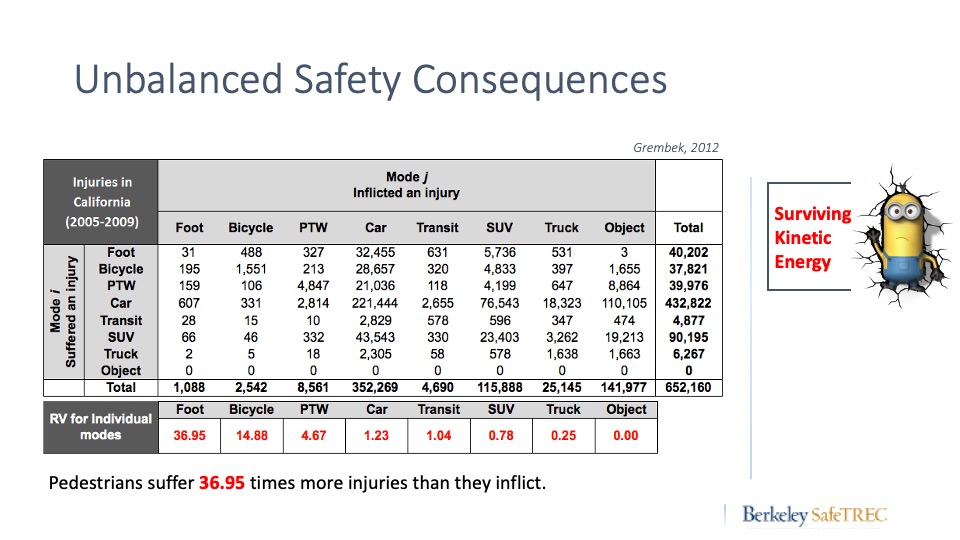
This also brings back some older work that quantifies the unbalanced safety consequences across different modes. It shows that pedestrians and bikes are many times more vulnerable given existing transportation mode-mix.
1
Offer Grembek retweeted
25 May 2021
“Efforts to quantify the protective capability that cars provide to pedestrians is likely to have a positive impact on safety.” @UCBSafeTREC Co-Director @GrembekOffer
bloomberg.com/news/articles/… via @citylab
2
1
14 Apr 2021
Today at 5:30pm PDT, I'll be on a panel about equitable solutions for safety with @Kaplan4Oakland, David Chui, @ShengForOakland, @JaniceForBART, @Derailluer & other. To register: us02web.zoom.us/webinar/regi…
13 Apr 2021
Register now for 4/14 Roadway Safety Townhall: Equitable Solutions for Traffic Safety w/ panelists @Kaplan4Oakland, David Chui, @ShengForOakland, @GrembekOffer, @JaniceForBART, @Derailluer & more: us02web.zoom.us/webinar/regi… #SpeedManagement #SafetyOverSpeed #Equity #TrafficSafety
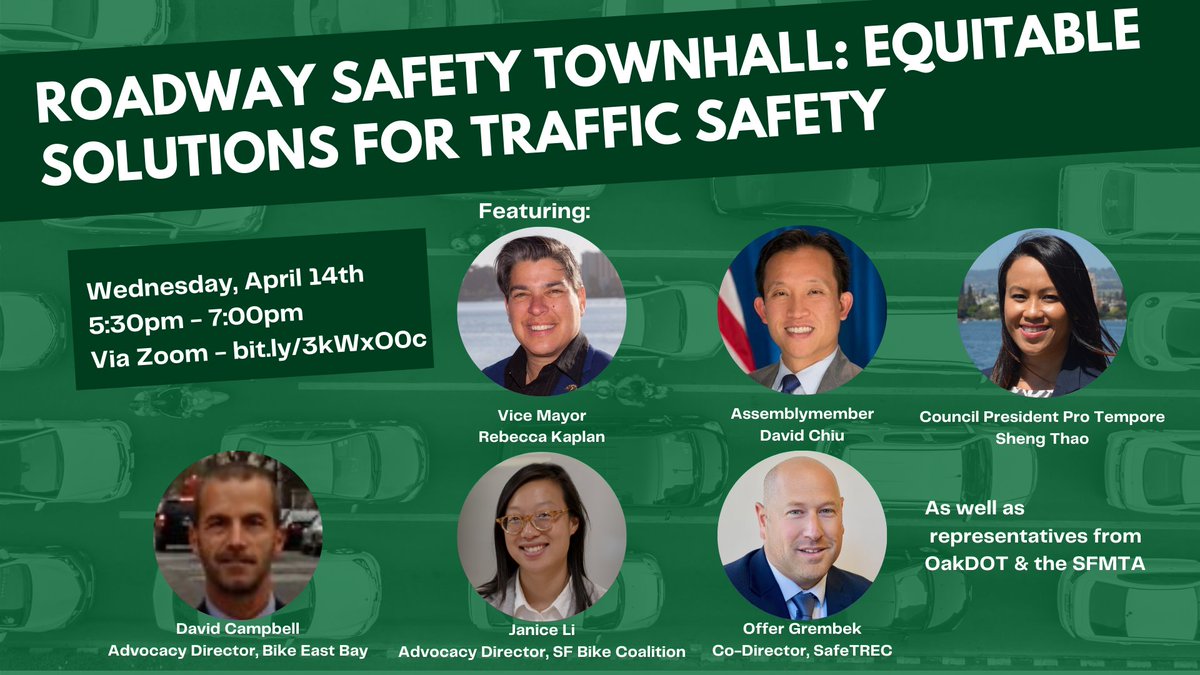
7
10 Mar 2021
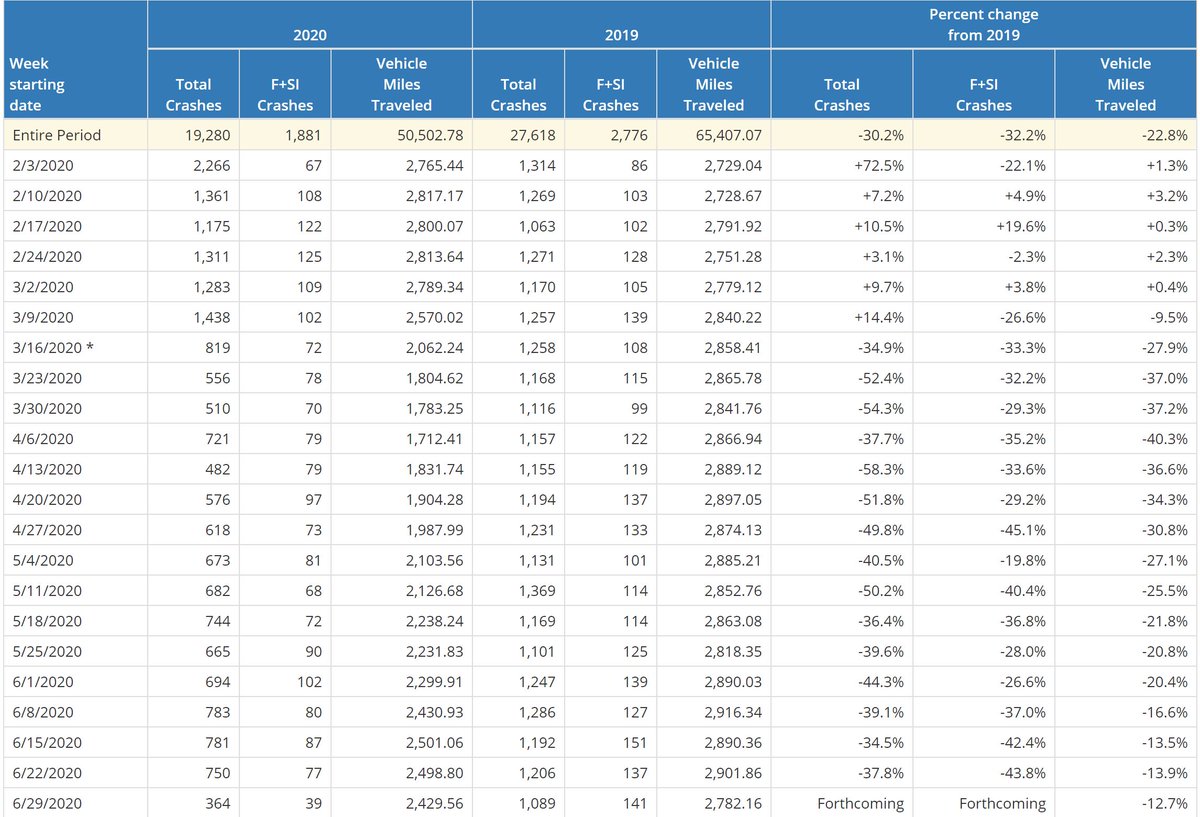
(1/5) This is a big one. @NSCsafety is reporting a spike in traffic fatality rates which echoes what we've been seeing on CA highways (tims.berkeley.edu/covid19.ph…). This really demonstrates the importance of kinetic energy as a focal traffic safety variable.
bloomberg.com/news/articles/…
1
2
8
10 Mar 2021
(4/5) During the pandemic people still make mistakes which can result in crashes. The main difference during the pandemic is derived from the fact that the average trip is faster, and accordingly carries more kinetic energy, so the consequences of a crash are more severe.
1
2
10 Mar 2021
(5/5) Bottom line: the transportation system suddenly has to deal with an even higher proportion of severe crashes than before (aka higher average kinetic energy). This increased burden is creating the catastrophic spike we're seeing in U.S. traffic fatality rates.
2