
... our quest for a #sustainable and equitable way of life! Determined to keep #OurPlanet alive for all of us and our children to prosper in joy and harmony!
Joined January 2020
- Tweets 5,669
- Following 5,727
- Followers 10,527
- Likes 2,178
102 Photos and videos
followGreta retweeted

Jun 8
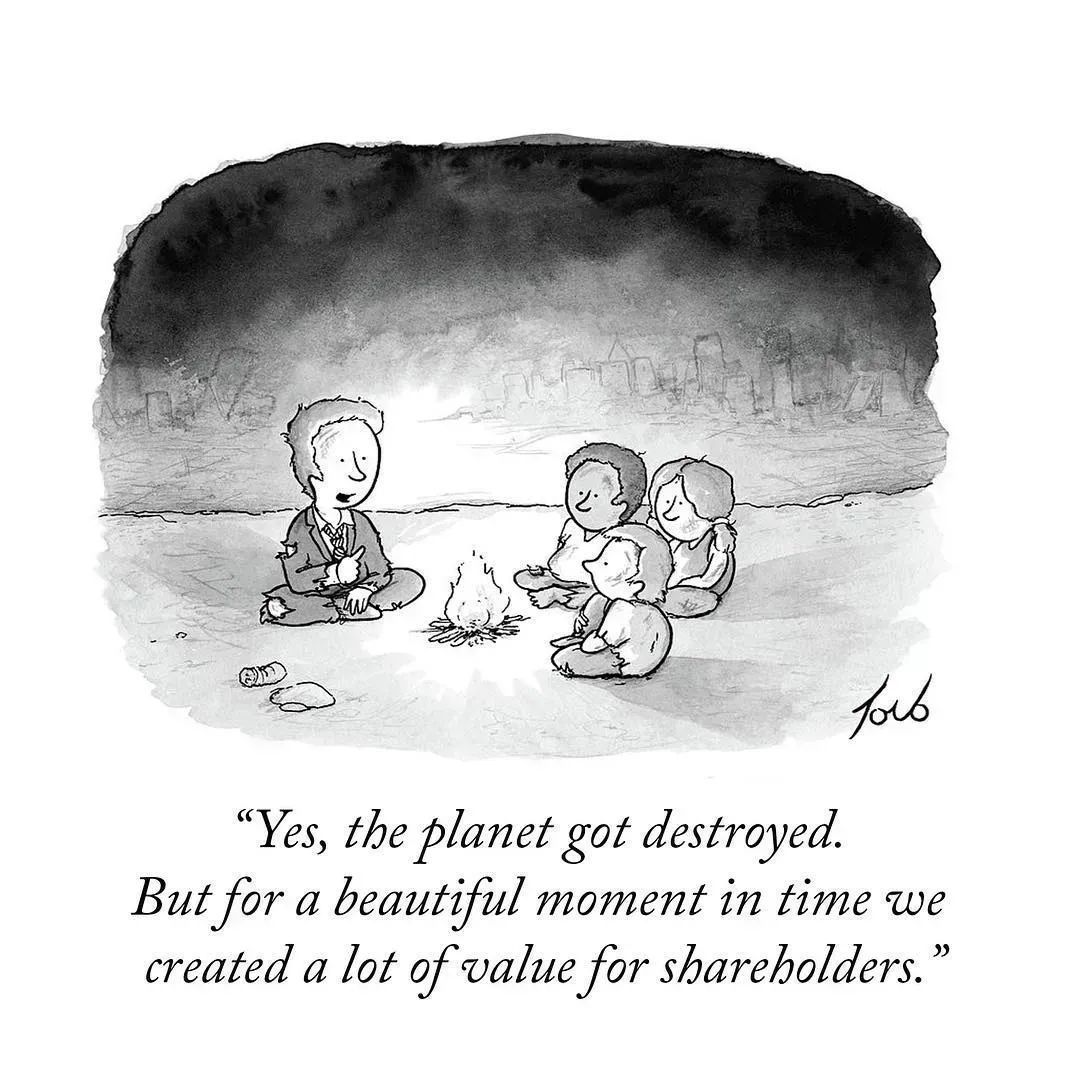
Want a sober reminder of where we are in addressing the climate crisis?
Over the last 50 years the oil & gas industry has made $3 billion in profits every day. $52 trillion in pure profit: buff.ly/3iXkJwm
Time to unplug fossil fuels.#ActOnClimate
#climate #biodiversity
14
202
371
4,768
followGreta retweeted

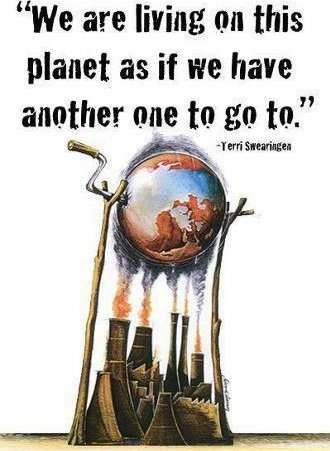
Air pollution kills 7 million people every year.
More than COVID-19 at its deadliest peak.
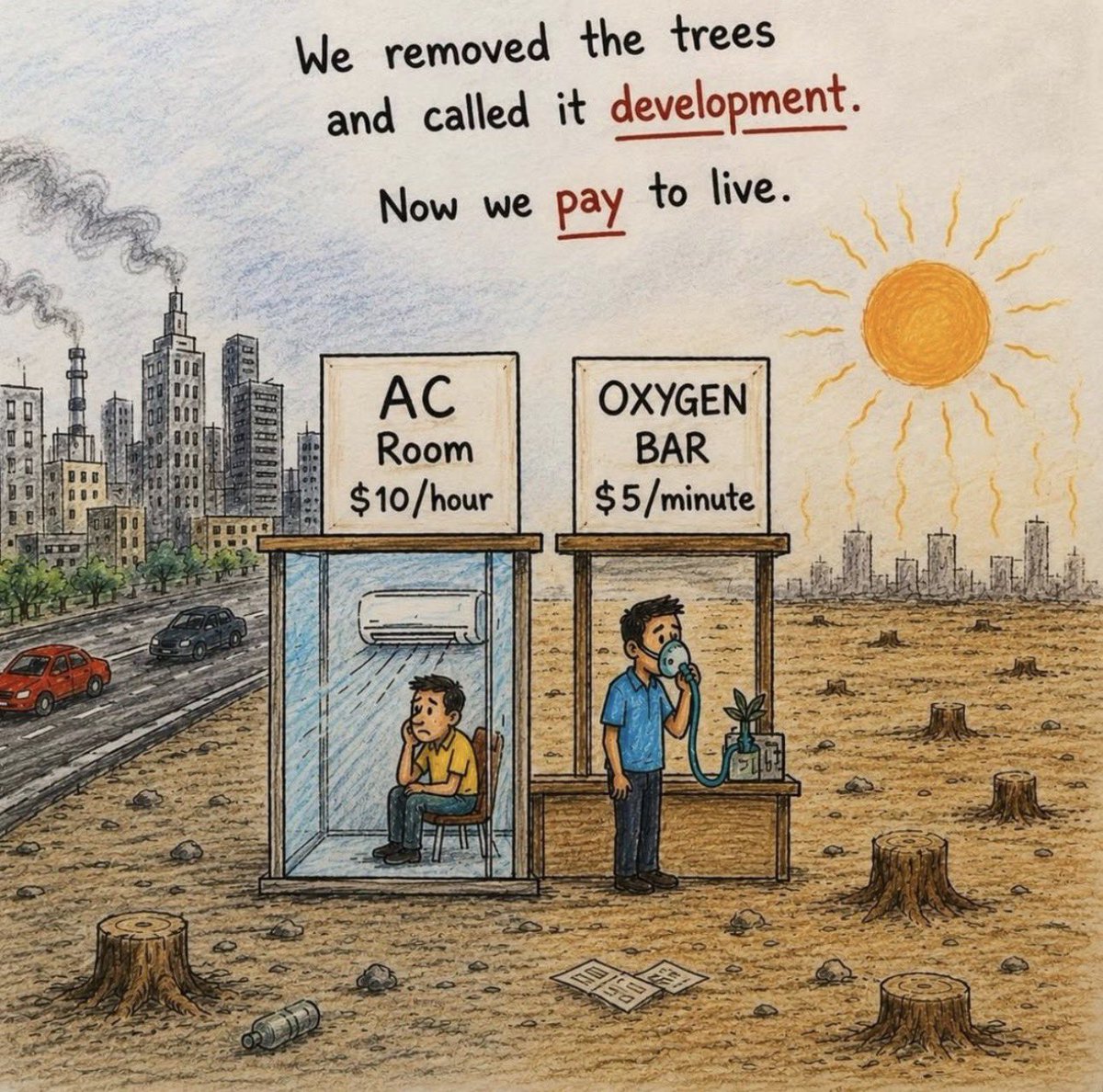
Deforestation worsens this: fewer trees mean more CO₂, more heat, more extreme weather, and dirtier air. The destruction of forests directly fuels the silent killer affecting billions.
5
89
136
1,601
followGreta retweeted

Jun 6
In the 1990s, Canadian ecologist Suzanne Simard made a groundbreaking discovery that challenged everything we thought we knew about how forests work. While studying managed forests in British Columbia, she noticed something puzzling: when birch trees were removed to promote the growth of valuable Douglas firs, the firs did not flourish as expected, they actually struggled and grew more slowly.
Determined to understand why, Simard traced the movement of nutrients using radioactive carbon isotopes. What she found was astonishing. Trees were actively sharing resources through vast underground fungal networks known as mycorrhizae. These delicate, thread-like fungi connect the roots of different trees across the forest floor, forming a complex web that allows the exchange of carbon, water, nutrients, and even chemical signals, sometimes between entirely different species.
She discovered that older, larger trees often serve as central "hubs" or "mother trees," supporting younger saplings by redistributing vital resources and helping the entire ecosystem remain resilient. When these key trees are removed, the underground network weakens, and the health of the remaining forest declines.
Simard’s research overturned the traditional Darwinian view of forests as battlegrounds of ruthless competition. Instead, she revealed a far more sophisticated reality: forests operate as highly cooperative systems where trees communicate, support one another, and even warn neighboring trees about threats like drought, disease, or insect attacks.
What appears to the human eye as a silent, still forest is, in truth, a vibrant, interconnected living network, built not on isolation and rivalry, but on deep connection and mutual aid.

141
2,629
6,516
124,275
followGreta retweeted

Jun 6
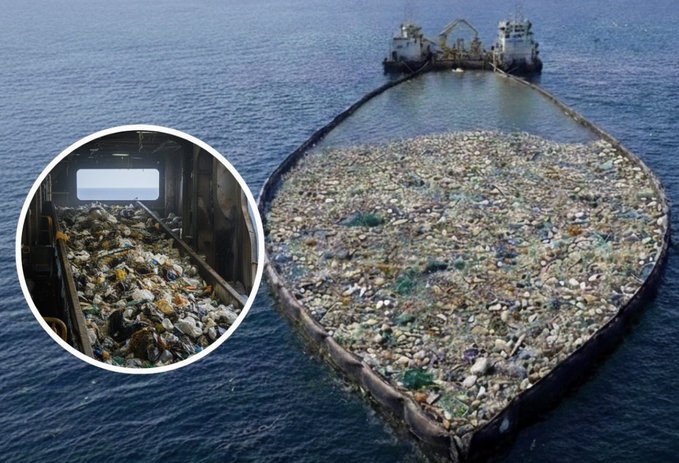
Dutch engineers have built the world's largest floating plastic vacuum cleaner, capable of capturing waste from the Pacific and restoring marine life.
7
66
165
1,346
followGreta retweeted
Jun 5
Solar panels have a dual purpose in this orchard. They produce clean electricity while shading apple trees from hail, frost and heavy rain.
We have the solutions. Implement them. #ActOnClimate
#ClimateEmergency #climate #energy #renewables
17
214
441
6,893
followGreta retweeted

Jun 6
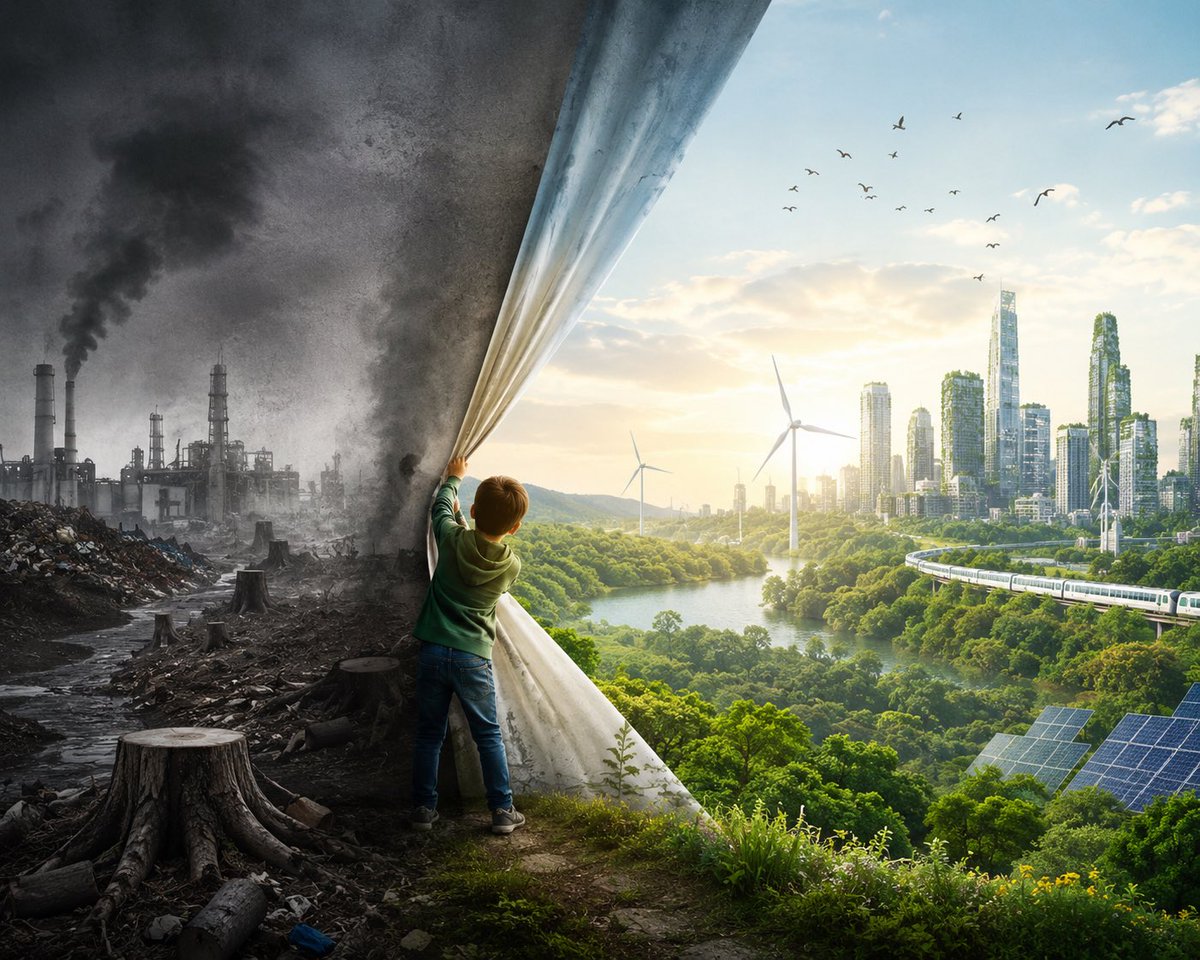
The greatest threat to our planet is the belief that humans are a plague that must be restrained rather than the only species with the ingenuity to solve its biggest challenges.
Humans have caused many environmental challenges, but we’re also the only species capable of understanding them, valuing nature, and solving them at scale.
Consider the evidence:
• Global deaths from weather-related disasters have fallen by more than 90% since the 1920s thanks to better infrastructure, forecasting, wealth, and technology.
• Many developed nations have seen significant reforestation and forest regrowth while increasing food production.
• Crop yields have risen dramatically through innovation, including better seeds and precision agriculture, feeding billions while using land more efficiently.
• Air and water quality in much of the West improved markedly as societies grew richer and invested in cleaner technologies.
The pattern is clear: prosperity and human creativity drive conservation, not degrowth or treating people as the problem. When energy is abundant and affordable, forests are spared for fuel. When farmers are more productive, they need less land. When we innovate, we reduce impact per person.
Real environmental progress comes from aligning incentives, property rights, markets, technology, and measuring outcomes, not from rejecting technologies like nuclear energy or GMOs that, when deployed responsibly, can reduce environmental impacts while improving human well-being.
We face genuine challenges: biodiversity loss in some regions, ocean health, and long-term climate risks. But the solution isn’t fewer humans or less ambition.
It’s more ingenuity, better stewardship, and betting on people as problem-solvers. Abundance is the ultimate environmentalist.
3
6
9
331

Jun 7
#SaveThePlanet #SocialJustice #SustainableDevelopment #SocialResponsibility original post by Hossam Allam
1
3
2
37
followGreta retweeted
Jun 5
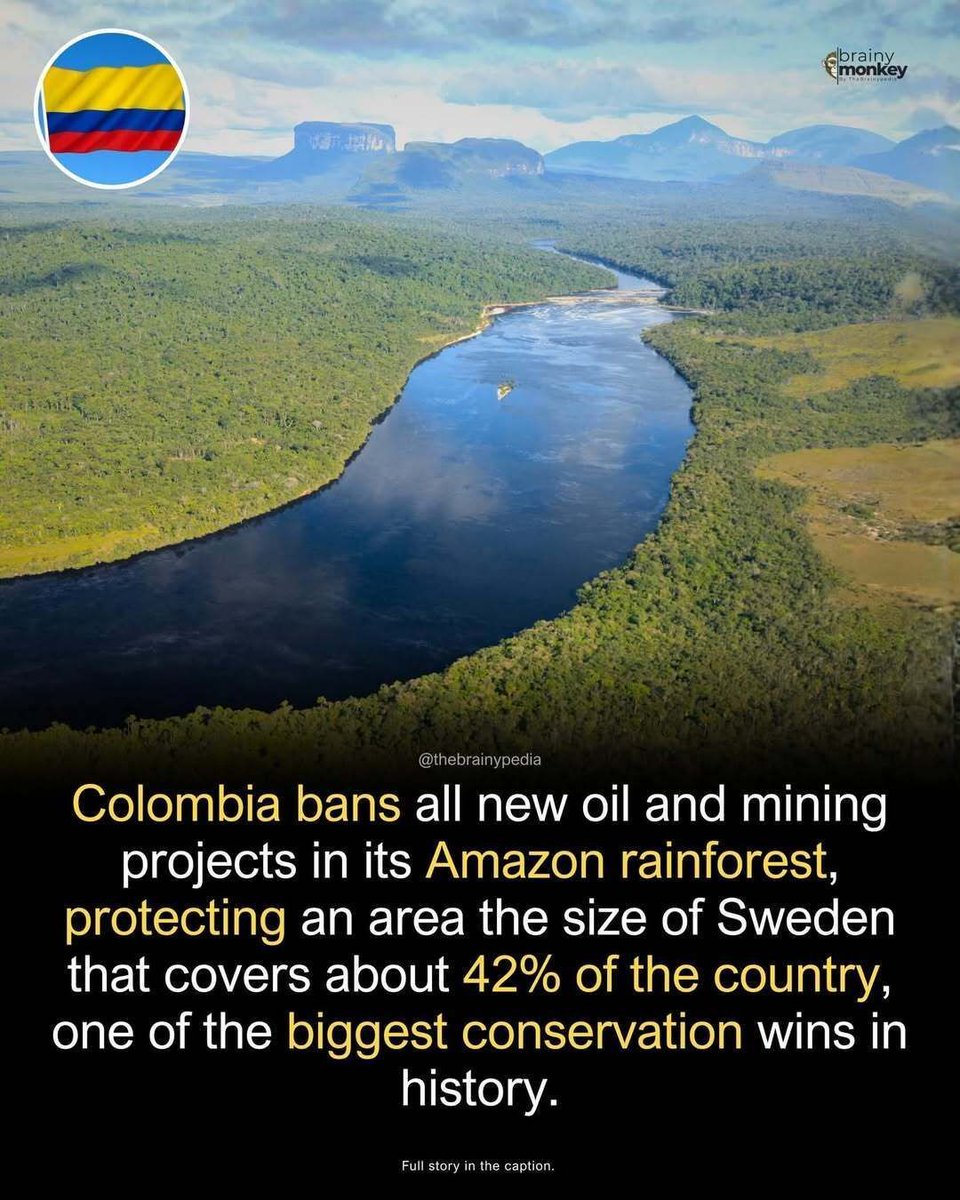
BAM! Colombia has announced a historic ban on all new oil and large-scale mining projects in its part of the Amazon Rainforest, protecting an area roughly the size of Sweden. 🌿
Experts say the move could help protect one of the planet’s most important ecosystems—often called the “lungs of the Earth.” 🌎🌳
Nature is amazing. Protect it.
#ActOnClimate #nature
65
1,475
3,259
24,070
followGreta retweeted

Jun 4
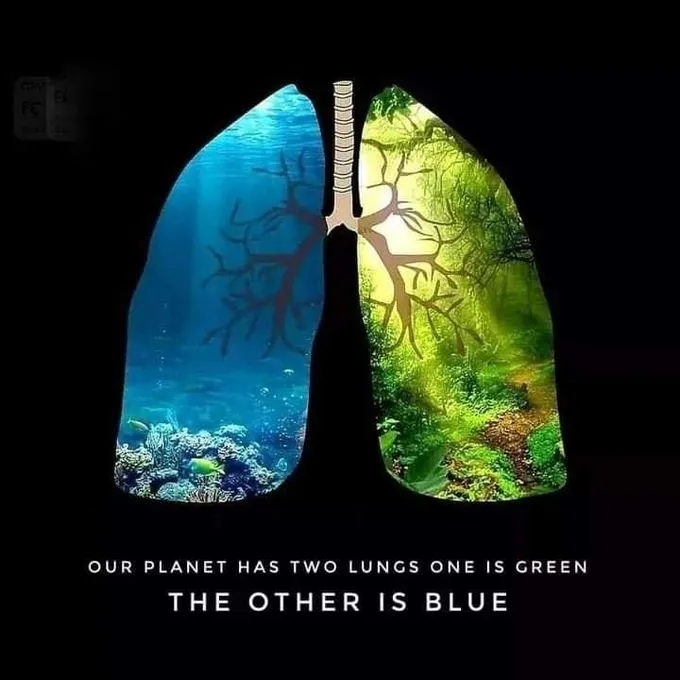
The ocean especially the phytoplankton biomass is one of the lungs of the Earth that allows us to exist
The other is the world forests like the Amazon and Congo Basin
We are killing both these lungs and both lungs are dying
They call this progress growth and development
Jun 3

"Globally, we’ve lost over 50% of the phytoplankton biomass since the 1950s, and we’re continuing to lose it about 1 to 2 percent a year. Never mind nuclear war. This is what’s going to kill us.”
You know the phytoplankton that creates most our our oxygen
nationalfisherman.com/plankt…
15
316
497
9,703
followGreta retweeted
Jun 3
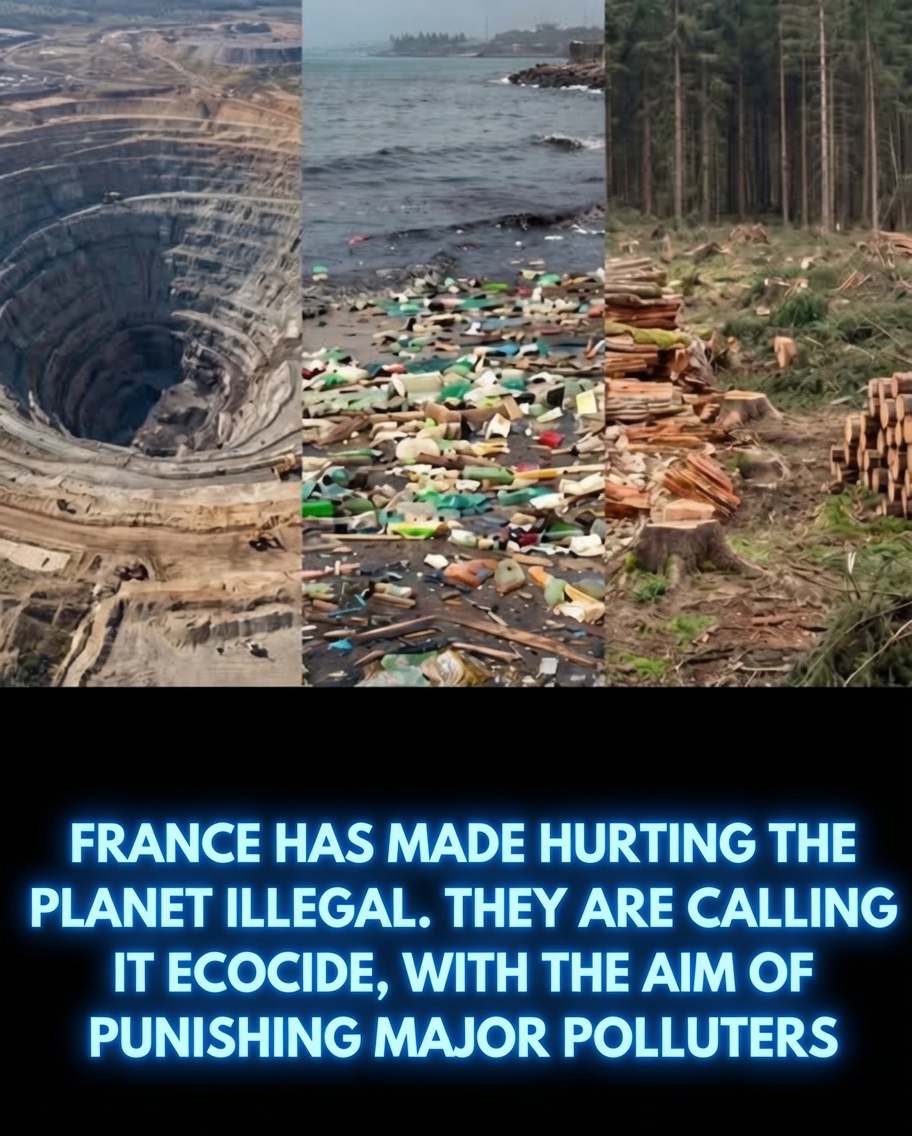
France has introduced one of the world’s toughest environmental laws by criminalizing “ecocide” under its Climate and Resilience Act.
The new legislation allows courts to impose severe penalties on companies and executives responsible for severe and lasting damage to air, water, or soil. Convicted offenders can face fines of up to €4.5 million, or up to ten times the profits gained from the violation, along with prison sentences of up to 10 years.
This marks a significant cultural and legal shift, elevating environmental protection to the same level of seriousness as threats to public safety or human life.
The law is part of a growing international movement, driven by activists, scientists, and legal experts, to treat large-scale ecological destruction as a serious crime rather than a mere business cost.
While some critics worry the law may prove difficult to enforce, it reflects a broader recognition that the health of the planet’s ecosystems is essential to human survival.
146
675
1,422
84,477
followGreta retweeted
Jun 1
This whirlpool turbine uses water to provide an endless supply of renewable energy - 24 hours a day.
We have so many solutions. Implement them. #ActOnClimate
#climate #energy #renewables #greennewdeal
5
78
166
3,511
followGreta retweeted
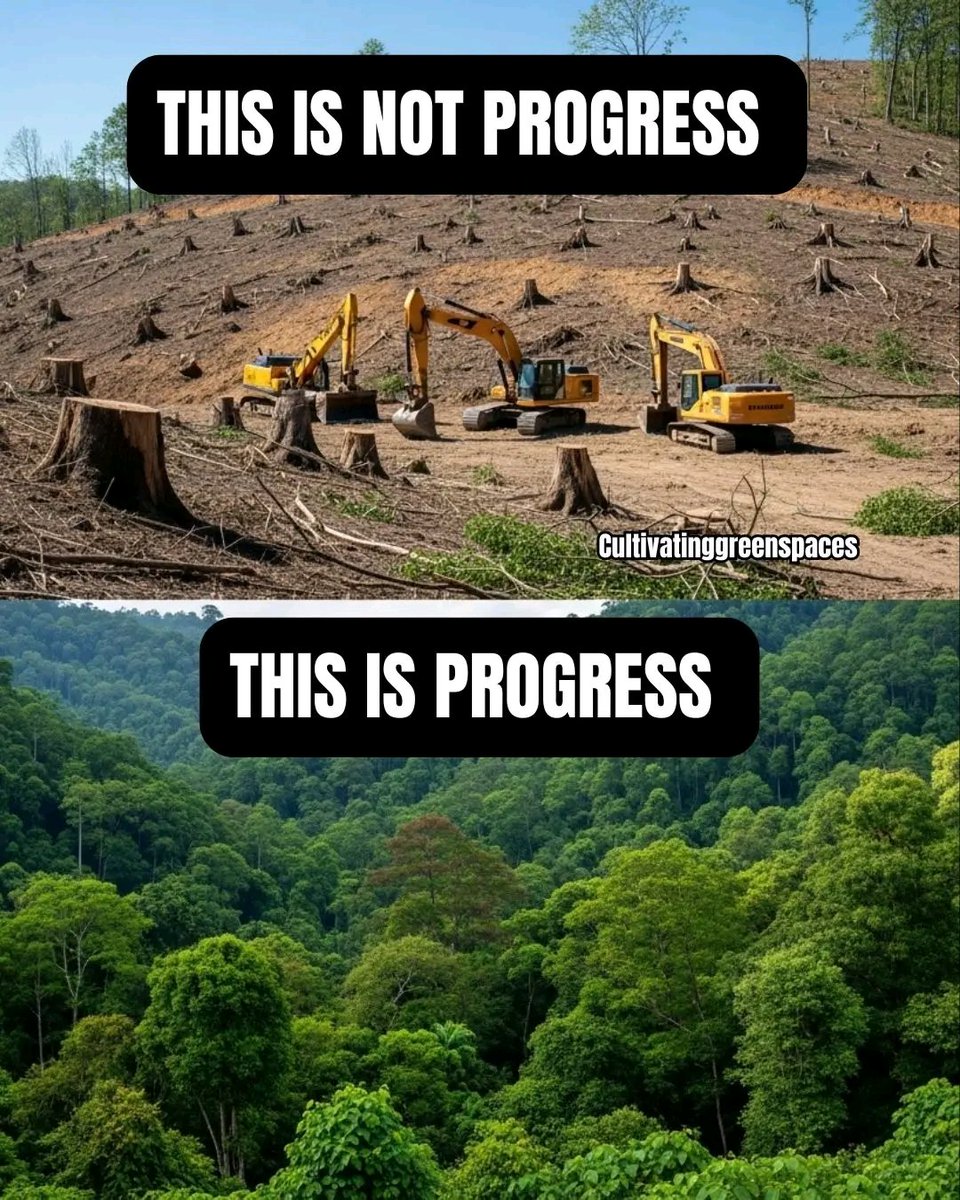
The antidote to arrogance is not ignorance, but profound humility. It’s the understanding that a whale’s migration, a mycorrhizal network, and a mangrove’s root system represent a wisdom we are only beginning to decode. Our role is student, not master.
10
316
682
5,152
followGreta retweeted

May 26
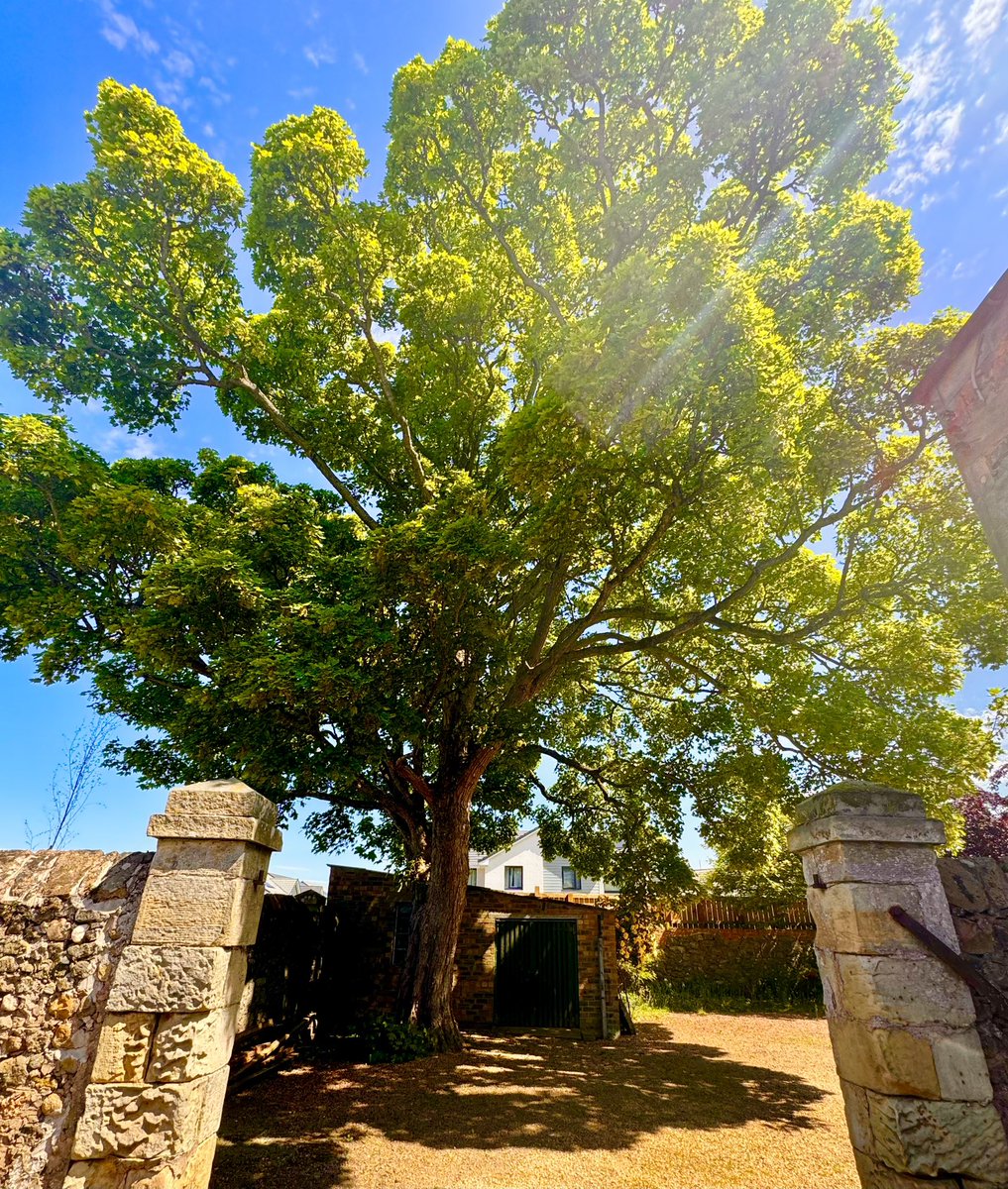
The cheapest and most sustainable carbon capture machine of them all. 🌳
174
2,299
10,885
86,846
May 27
RT @KHayhoe: This article says climate change is “believed to have played a role” in the UK's extreme heat this week.
As a climate scienti…
2,852
followGreta retweeted
May 25
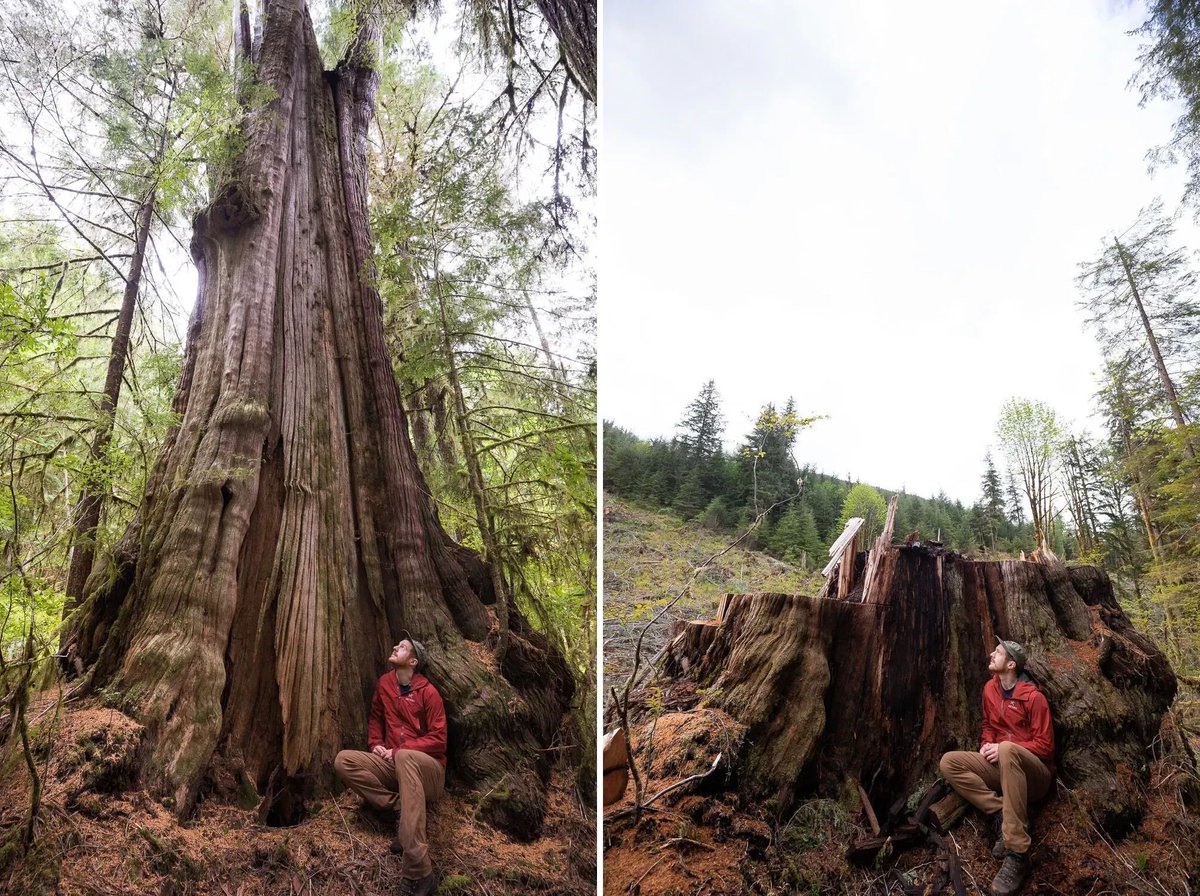
There are only a few places on earth where thousand year old trees still stand. The west coast of Canada is one of them but every day they are logged.
Time to stop the logging: buff.ly/CKJRcLy #ProtecttheIrreplaceable
#ActOnClimate #nature pics @TJWattPhoto #cop16cali
17
466
893
11,362
followGreta retweeted

May 25
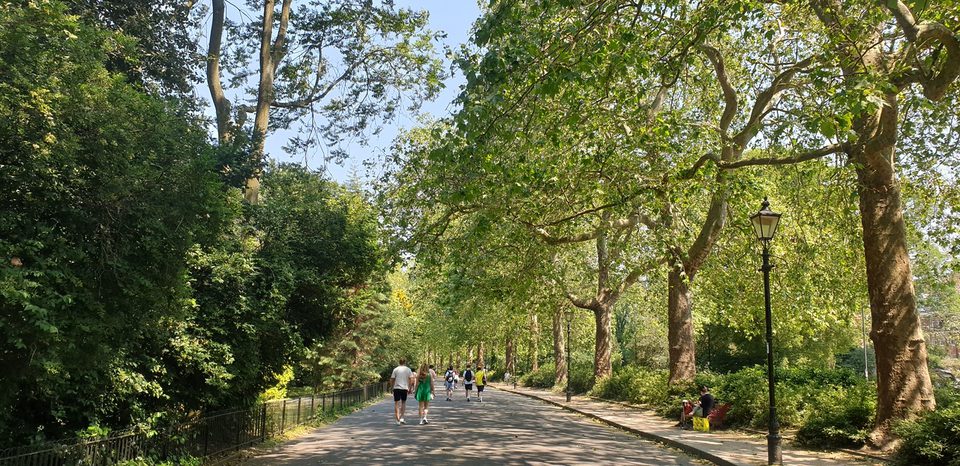
Deforestation fuels deadly heatwaves. Without trees we lose shade evaporative cooling (dropping local temps 2-8°C). Boosting urban tree cover to 30% could prevent ~1/3 of heat-related deaths. Trees save lives.
36
1,275
2,701
29,613
followGreta retweeted

May 16
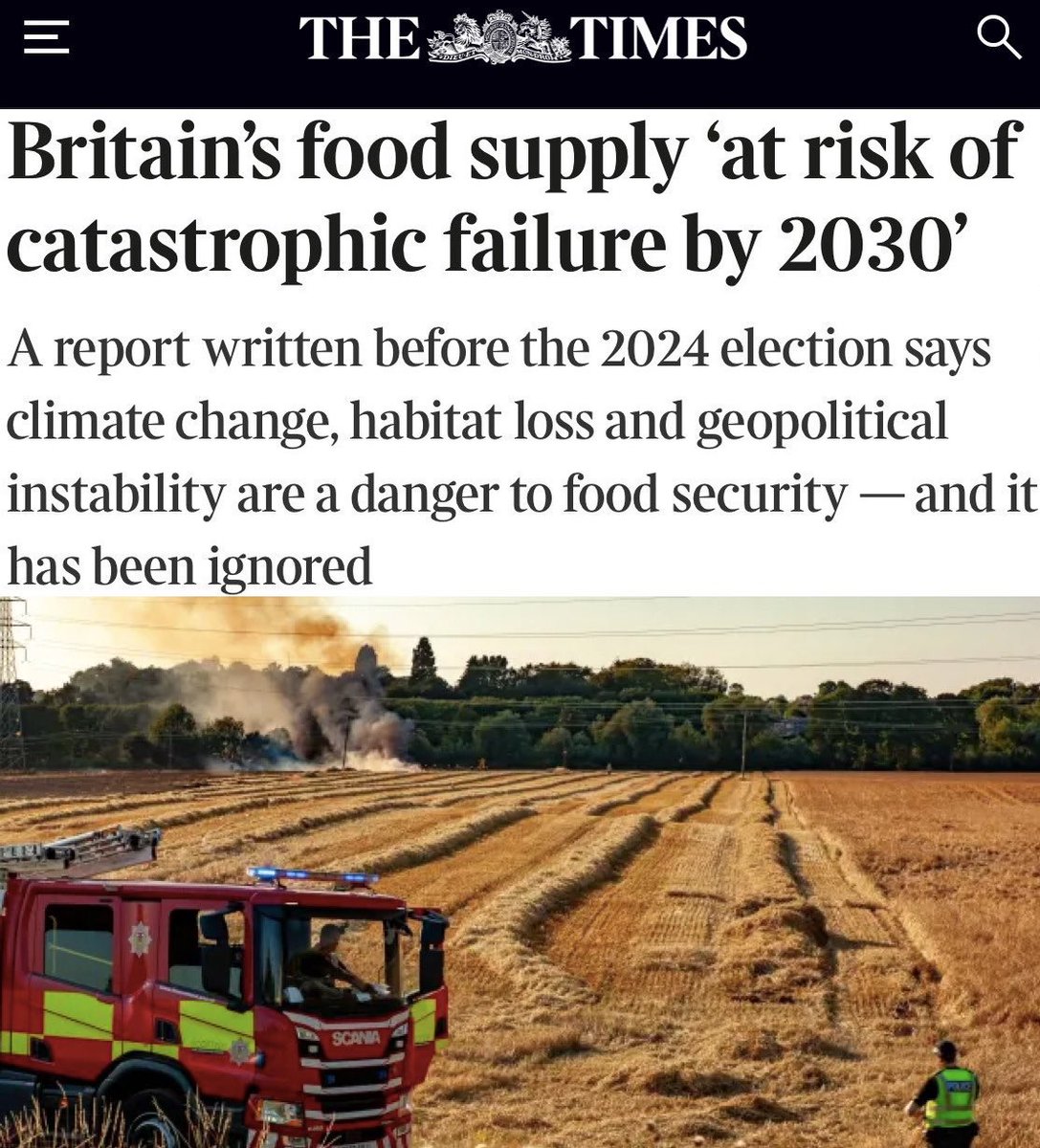
Food system collapse before my son does his GCSEs.
That’s what’s at risk according to a government report DELIBERATELY BURIED for nearly two years.
Whoever this government is serving, it certainly isn’t our children.
15
223
409
6,200

followGreta retweeted
May 17
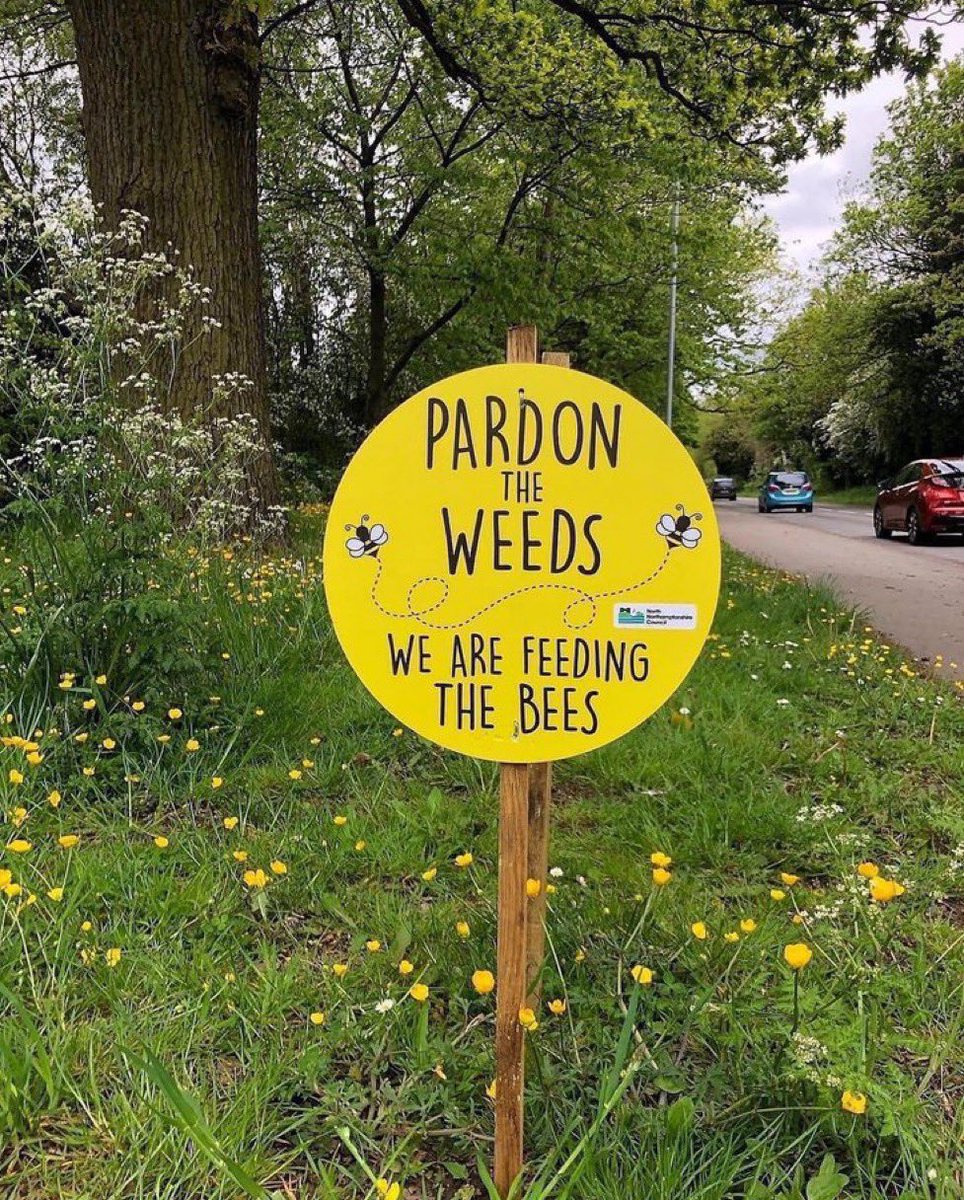
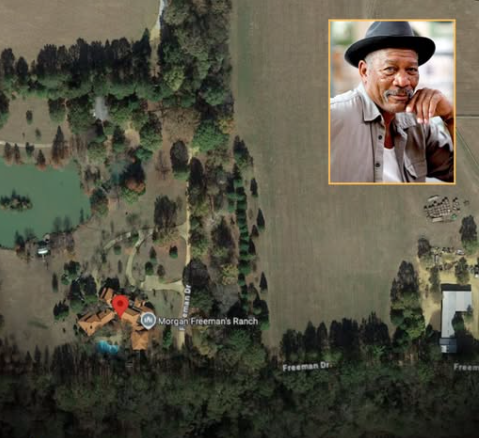
Morgan Freeman is turning his entire 124-acre ranch in Mississippi into sanctuary for bees.
Alarmed by collapsing bee populations, Freeman decided to act back in 2014. He imported 26 beehives from Arkansas to his ranch in Mississippi and planted fields of clover, lavender, and magnolia – creating a pollinator paradise across the entire property.
What began as a personal hobby quickly became a full-scale conservation effort. Bees pollinate about 80% of the world’s flowering crops – including many fruits, nuts, and vegetables. One healthy colony can pollinate up to 300 million flowers in a single day. Without bees, ecosystems collapse. Food systems follow.
376
2,026
7,530
159,768
followGreta retweeted
May 15
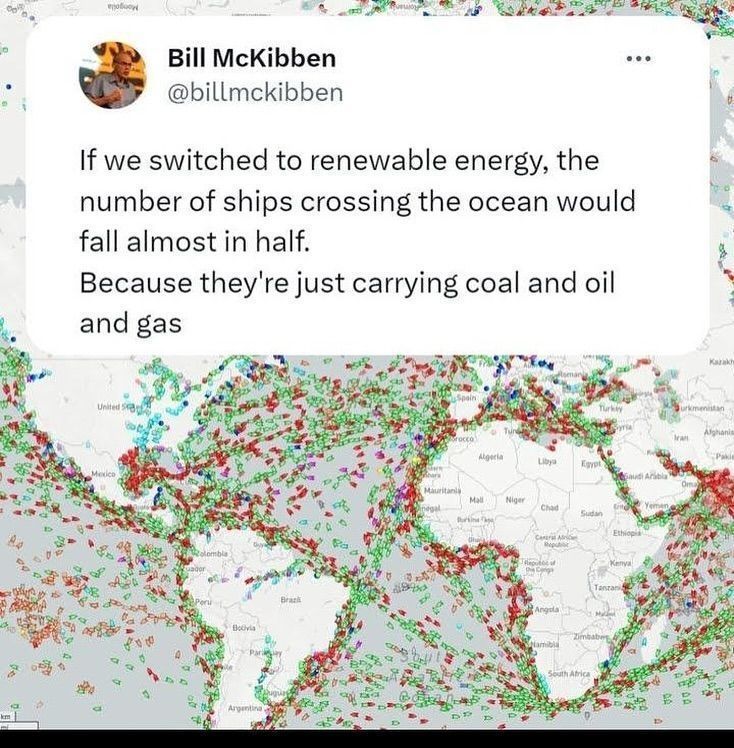
If we switched to #renewableenergy, the number of ships crossing the ocean would fall by 40% because they're just carrying coal & oil & gas!! buff.ly/dpTrSpO
We have the solutions. Implement them. #ActOnClimate
#ClimateAction #climate #energy #GreenNewDeal
29
242
406
5,077