
Creating more efficient buildings, more resilient grids and a more sustainable energy future for everyone.
Joined January 2010
- Tweets 1,188
- Following 701
- Followers 634
- Likes 211
346 Photos and videos











Facility teams rarely get credit for the costs they prevent.
The failures that didn't happen are most of the work.
3

Jun 13
Find your two most-similar sites. Compare their energy use.
If the gap is more than 10%, the better one is teaching you something. That's free portfolio playbook.
9
Jun 12
Reducing energy use at multi-site scale: the financial case and the climate case point the same direction.
There aren't many categories where that's this clean.
12
Jun 11
Knowing your local peak utility window is the difference between paying retail for power and paying premium.
Most multi-site portfolios have more flex in that window than they realize.
1
6
Jun 10
Two weeks out: our pre-season energy readiness checklist for multi-site portfolios.
The summer itself is outside operators' control. The preparation isn't.
9
Jun 8
An operator's "site" and the utility bill's "site" are not always the same thing.
Getting that data model right is the precondition for any portfolio analytics that follow.
1
7
Jun 7
Per the EPA, about 30% of energy in the average commercial building is wasted.
Most of it is recoverable at no capital cost. Just visibility.
1
12
Jun 6
Most multi-site portfolios will see July electricity costs 2–3× their June bill.
Same buildings. Same equipment. Different demand profile.
16
Jun 5
World Environment Day.
Commercial buildings = ~16% of U.S. greenhouse gas emissions. Buildings overall (residential commercial) = ~31%.
The biggest lever inside those numbers isn't new technology. It's operational discipline.
#WorldEnvironmentDay
14
Jun 4
Every kWh you don't consume is a kWh you don't have to report under Scope 2.
Reduction is cheaper than offset. Always has been.
1
16
Jun 3
Small operational problems get cheap-priced in the spring.
Under peak summer load, the same problems are 5–10× more expensive.
The right time to close them is when they're still cheap.
11
Jun 2
Five pre-summer moves for multi-site operators. None are capital projects:
• Setpoint audit
• Schedule audit
• Pre-season HVAC inspection
• DR enrollment
• Baseline reporting
All operational discipline. All higher-ROI than they look.
23
Jun 1
June is the month before the worst month.
What gets done now decides whether July and August are manageable or punishing.
15
May 31
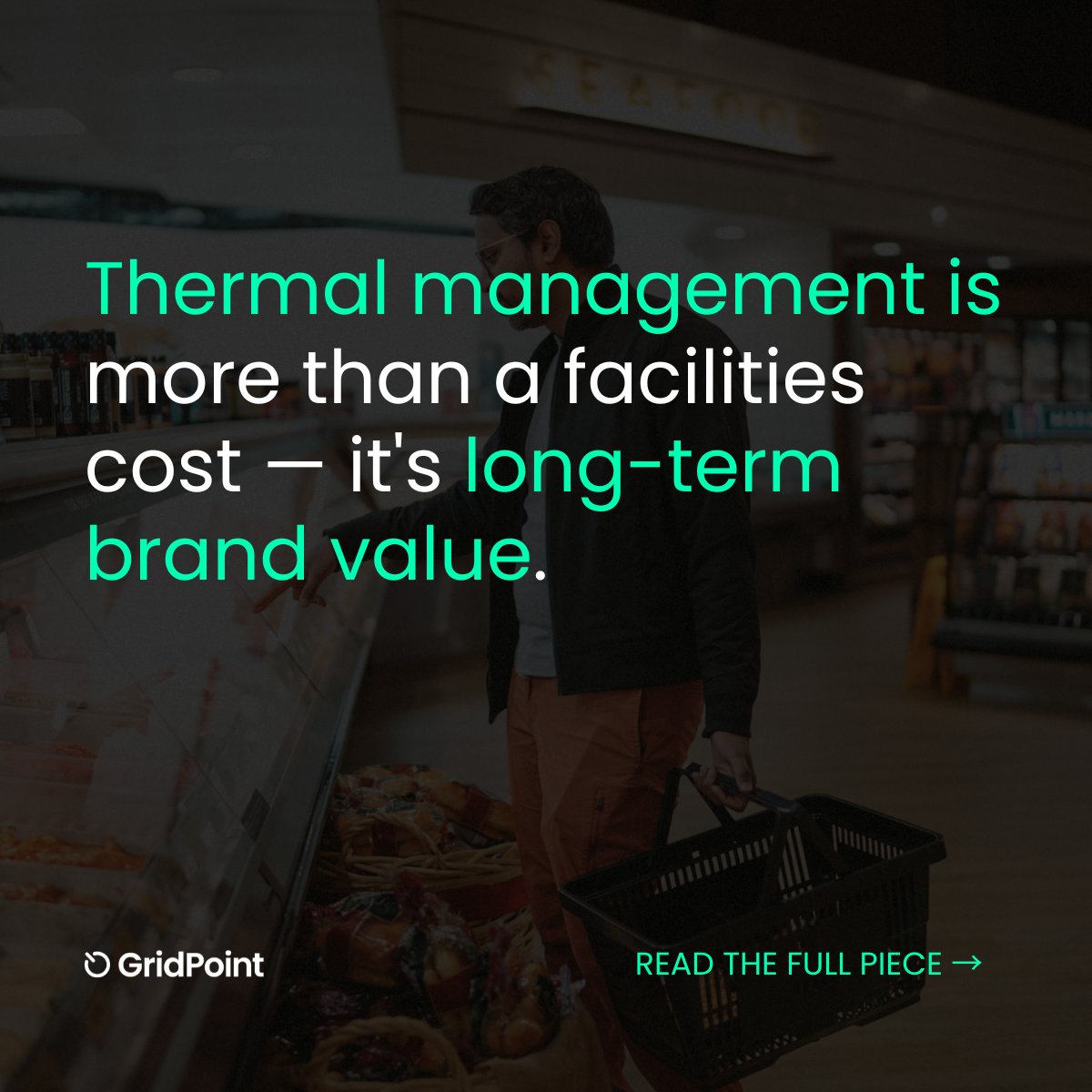
Failed walk-ins. HVAC issues during peak weekends. Persistent comfort problems. The brand absorbs the inconsistency regardless of who's at fault.
The Sunday read, in case you missed our featured piece this week: hubs.la/Q04jrRbz0
17
May 30
A first principle of multi-site work: the average obscures the outlier.
Most multi-site reporting starts with averages. The best of it ends with outliers.
10
May 29
Operators don't merely have an energy problem. They have an information problem that shows up on the energy bill.
What they're waiting for is the information layer that tells them where, when, and why — at the unit level, and with ample time to act.
6
May 28
Worth sitting with this takeaway from yesterday's piece, available here: hubs.la/Q04j6CdG0
1
19
May 27
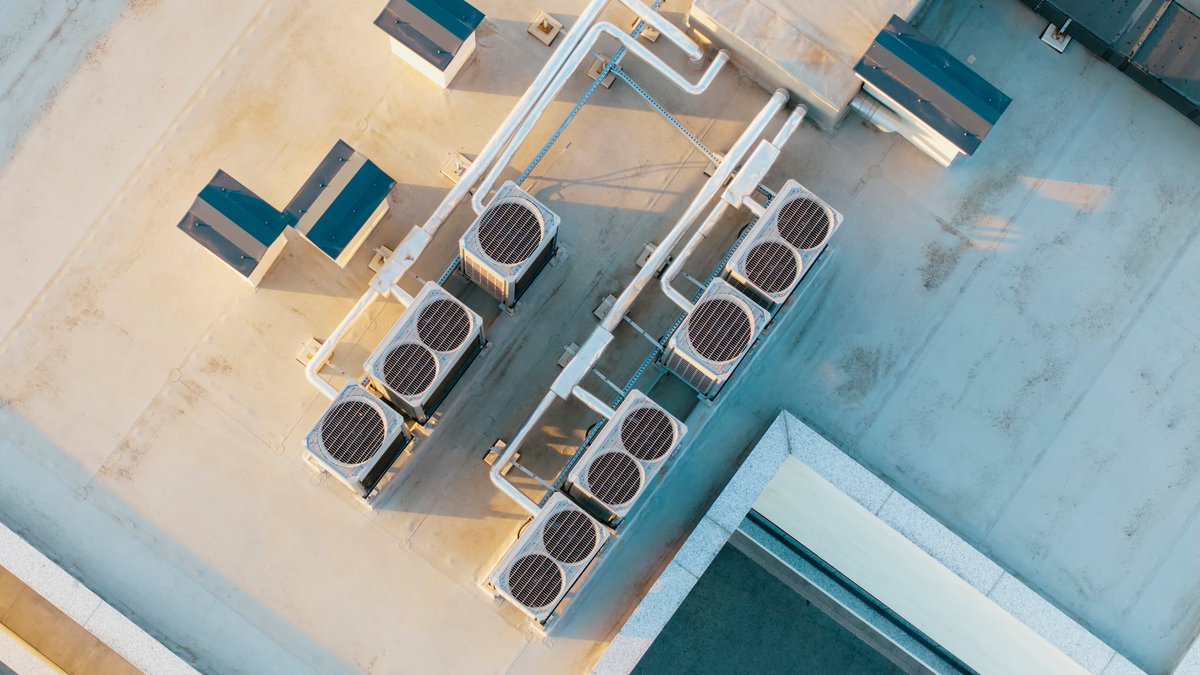
HVAC and refrigeration drive equipment lifecycle, CapEx timing, brand consistency, and same-store margin variance.
And reactive thermal management is expensive in ways that never show up in the utility bill.
hubs.la/Q04j16BG0
13
May 27
HVAC and refrigeration drive most of your site-level energy bill. For some operators, its 50% or more of total energy spend.
If your energy program isn't focused there, it's focused on the wrong things.
hubs.la/Q04j1qPC0
8