Promoting awareness and prevention of group B strep disease in babies during pregnancy through early infancy
Joined June 2014
- Tweets 7,613
- Following 2,417
- Followers 1,239
- Likes 2,021
Photos and videos

There are different paths that pathogens, such as GBS, can take to reach your baby. Prenatal-onset and early-onset group B strep disease are typically spread from mother to baby (vertical). Late-onset GBS disease can be caused by sources other than the mother (horizontal).

25
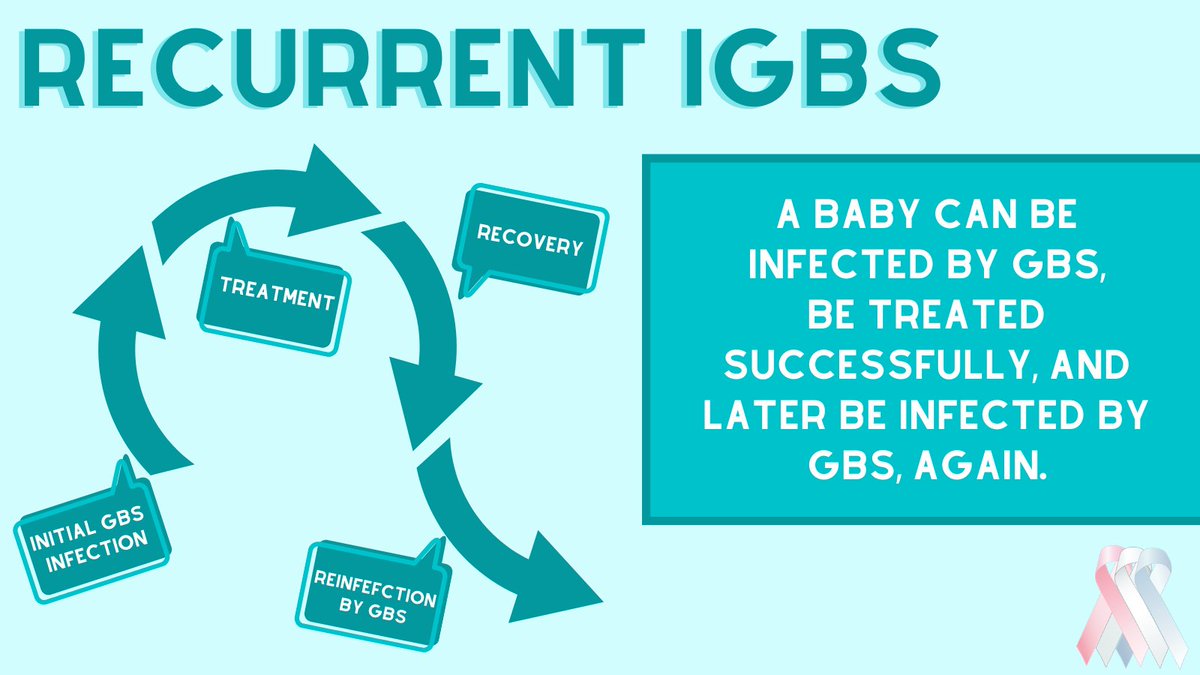
Parents of babies who survive an initial GBS infection need to be educated about the possibility of recurrent invasive #groupBstrep disease (iGBS) so they are aware! Learn more at gbs-info.org
14
Group B Strep Awareness Week is just a month away! Visit gbsi.me/gbstoolkit to learn more and get involved!
1
14
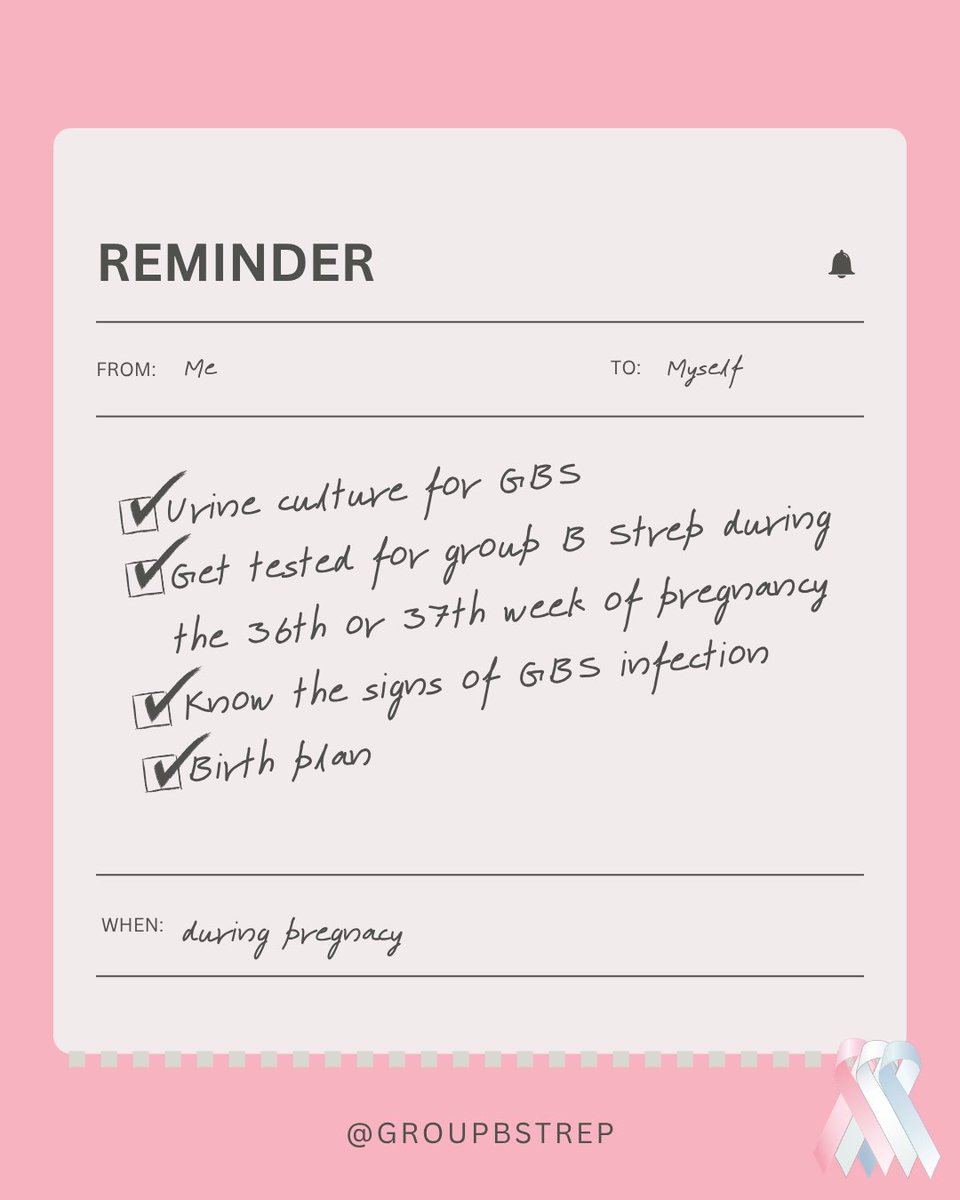
Pregnancy can be an overwhelming time, but we hope this simplified group B strep checklist can make it a bit easier! Talk to your healthcare provider. If you have questions about GBS, don’t be afraid to ask!
For more information, visit our website gbs-info.org
22
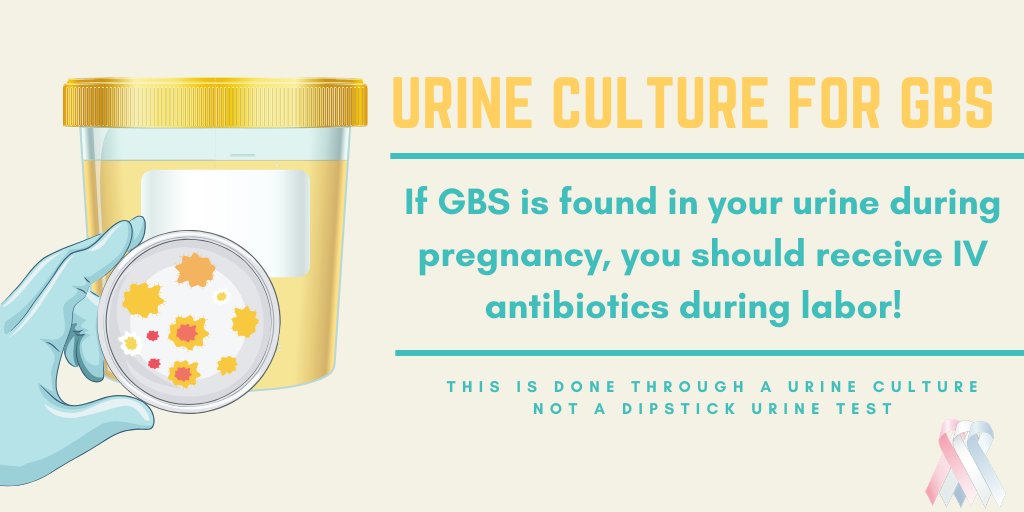
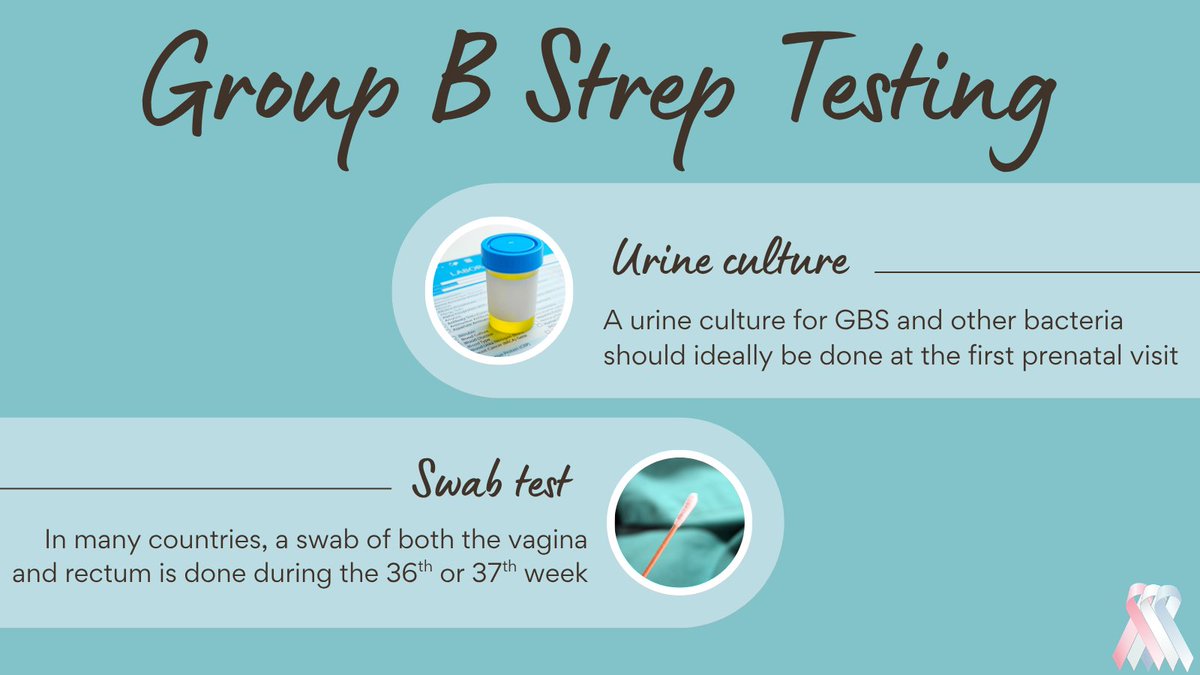
Ask your healthcare provider to do a urine culture for #groupBstrep and other bacteria at your first prenatal visit. If your urine tests positive, your provider should consider you as GBS colonized (GBS ) for this pregnancy. Learn more at gbs-intl.org/gbs-testing
14
We are conducting a survey of mothers worldwide, with and without a baby infected by group B strep (GBS), to help identify gaps in care and communication regarding GBS disease in babies. Visit gbs-intl.org/waves to learn more and participate!

17
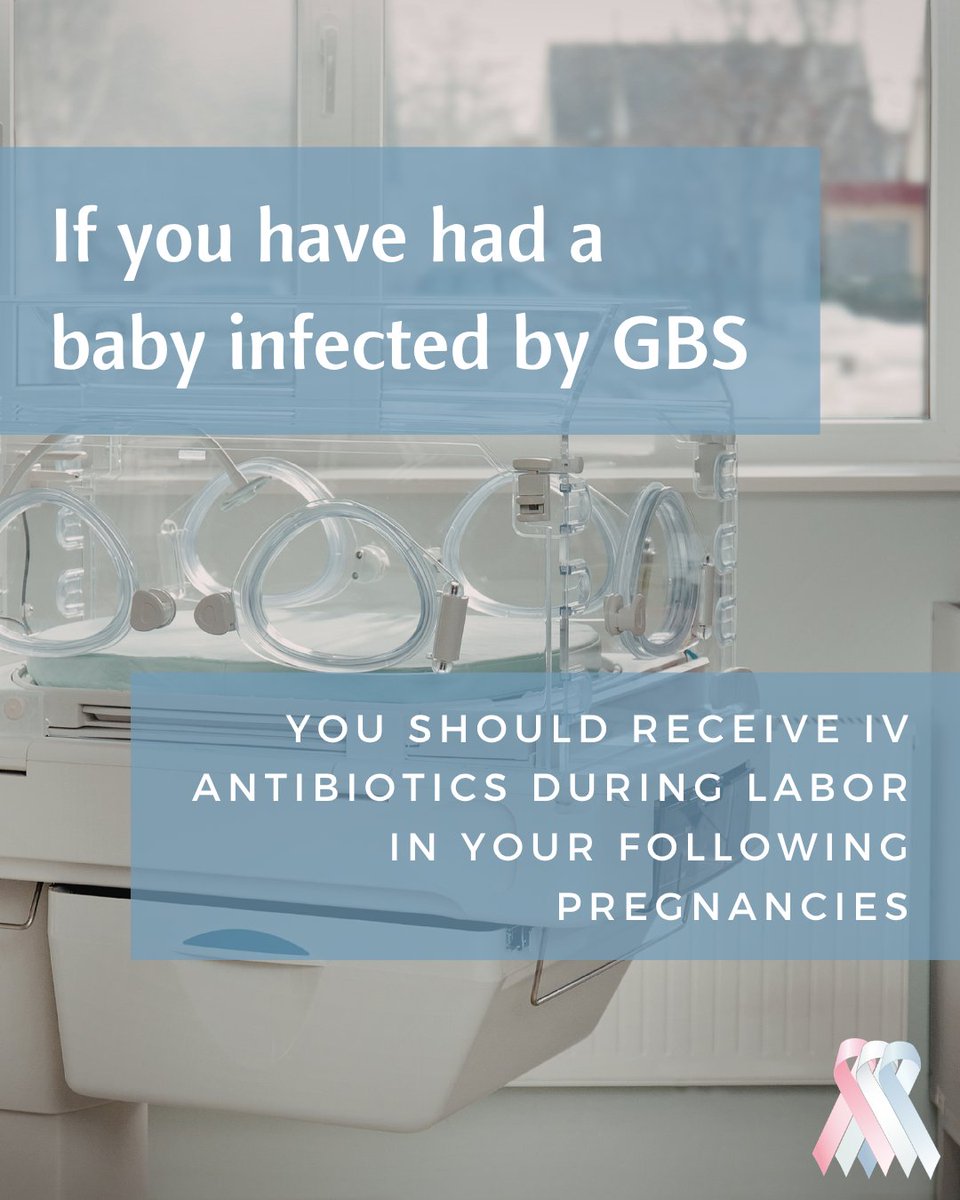
If you have already had a baby with GBS disease, you should receive IV antibiotics for GBS during labor in a current or future pregnancy even if you test negative for GBS in your urine or in a vaginal/rectal GBS swab test.
22
In many countries, #groupBstrep guidelines recommend getting tested for GBS during your 36th or 37th week of pregnancy! If the test result is positive, you should receive IV antibiotics during labor. Knowing your GBS status is important! #GBSTest

24
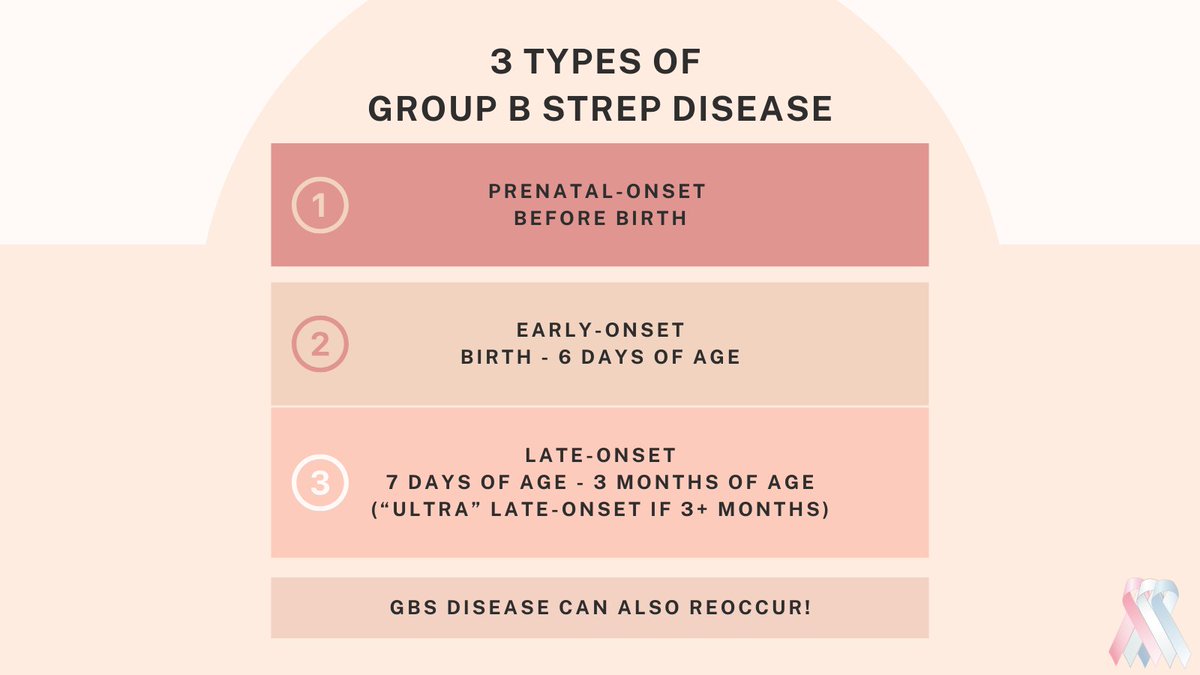
There are three types of perinatal GBS disease, each with its own prevention challenges. Learn more about #groupBstrep at gbs-info.org
15
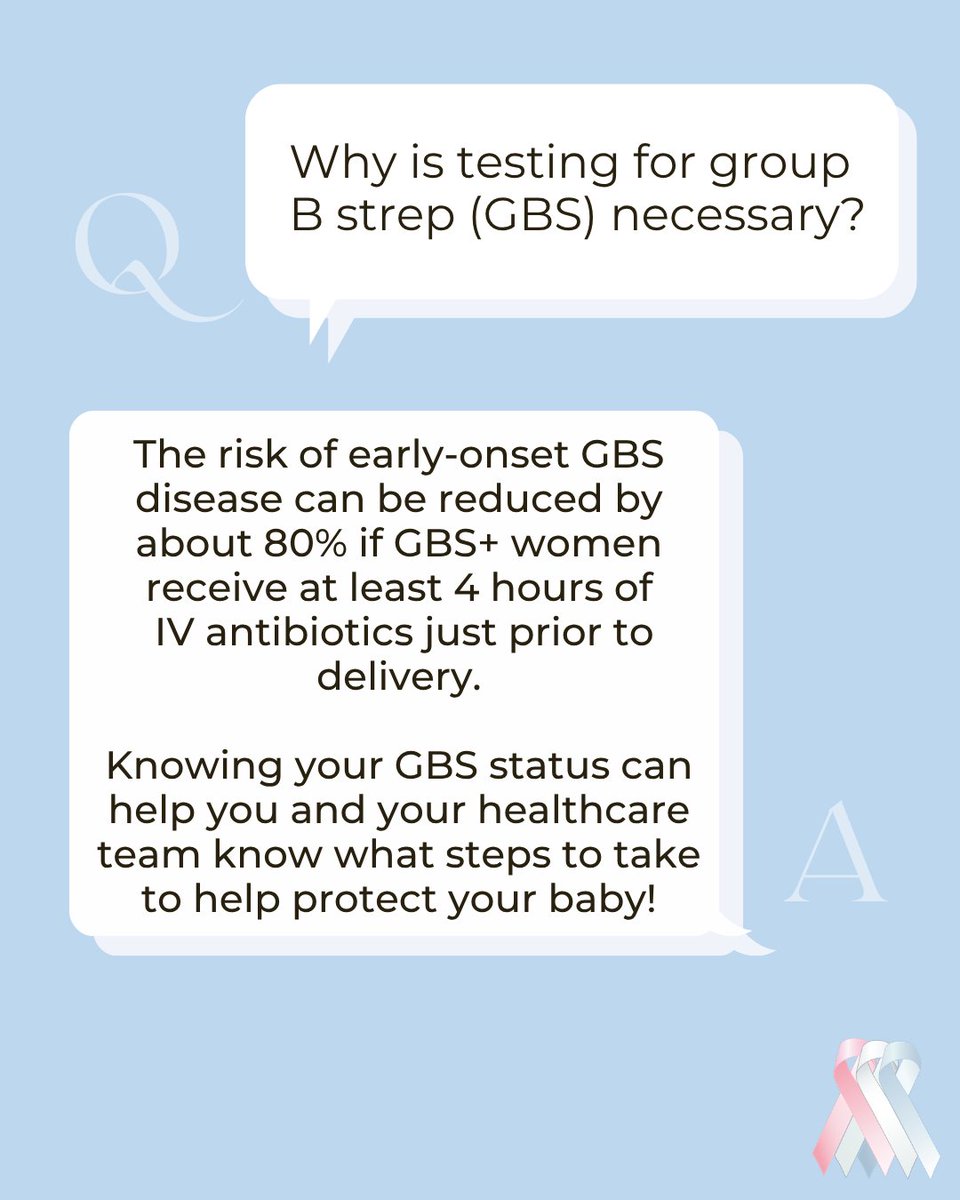
Knowing your GBS status is important as it can help you and your healthcare team take precautions to help protect your baby!
31
Provider-patient communication is important and can make all the difference when it comes to helping protect your baby! Don't be misinformed or unaware about GBS. Talk to your healthcare provider about #groupBstrep today!
10
We want to make sure everyone is aware of #groupBstrep! If you want us to share your story, let us know! What happened matters, and you are not alone. Submit your story here: groupbstrepinternational.org…

8
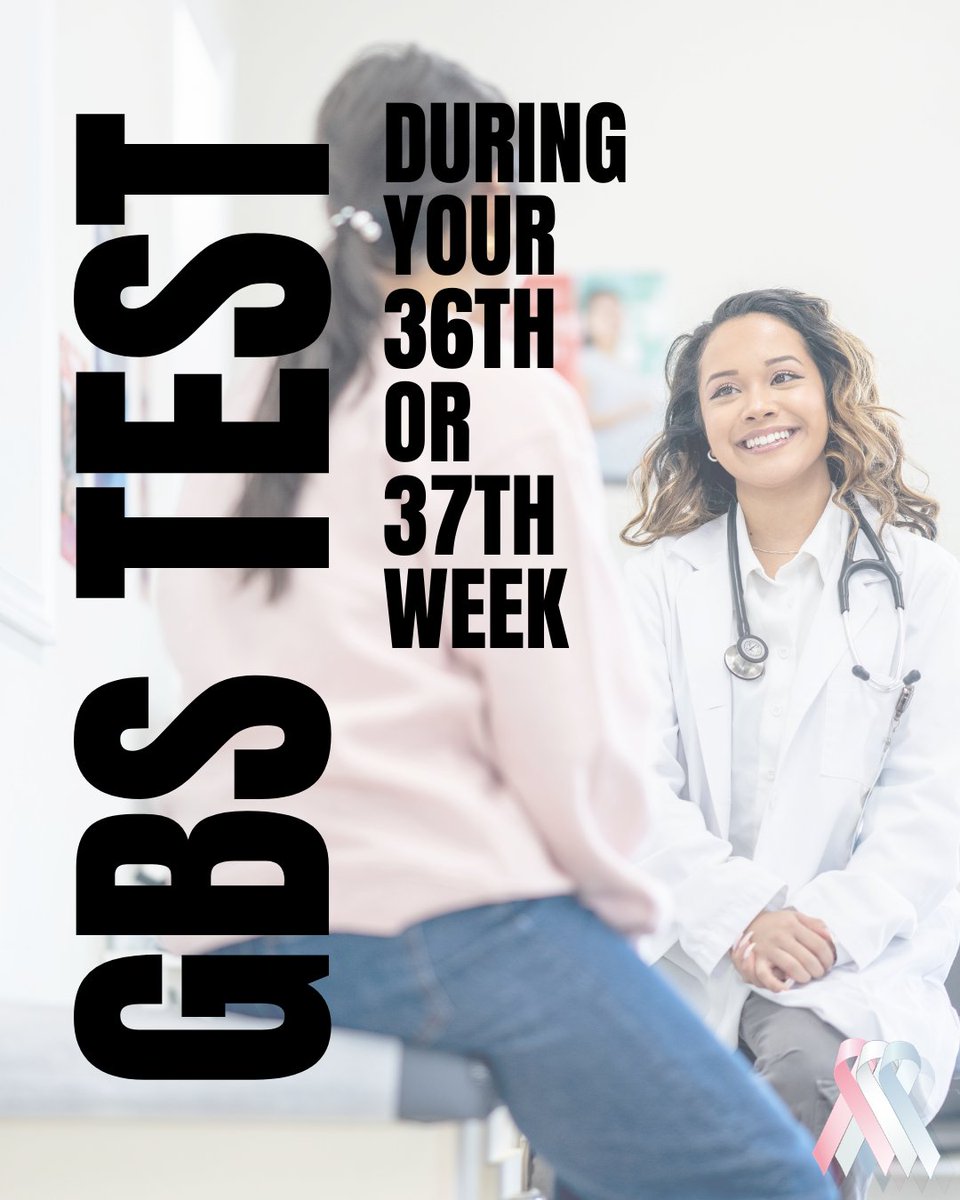
In many countries, #groupBstrep guidelines recommend getting tested for GBS during your 36th or 37th week of pregnancy! If the test result is positive, you should receive IV antibiotics during labor. Knowing your GBS status is important! #GBSTest
38
One of the best ways to help protect your baby from #groupBstrep is to get tested and know your results! gbs-info.org
9
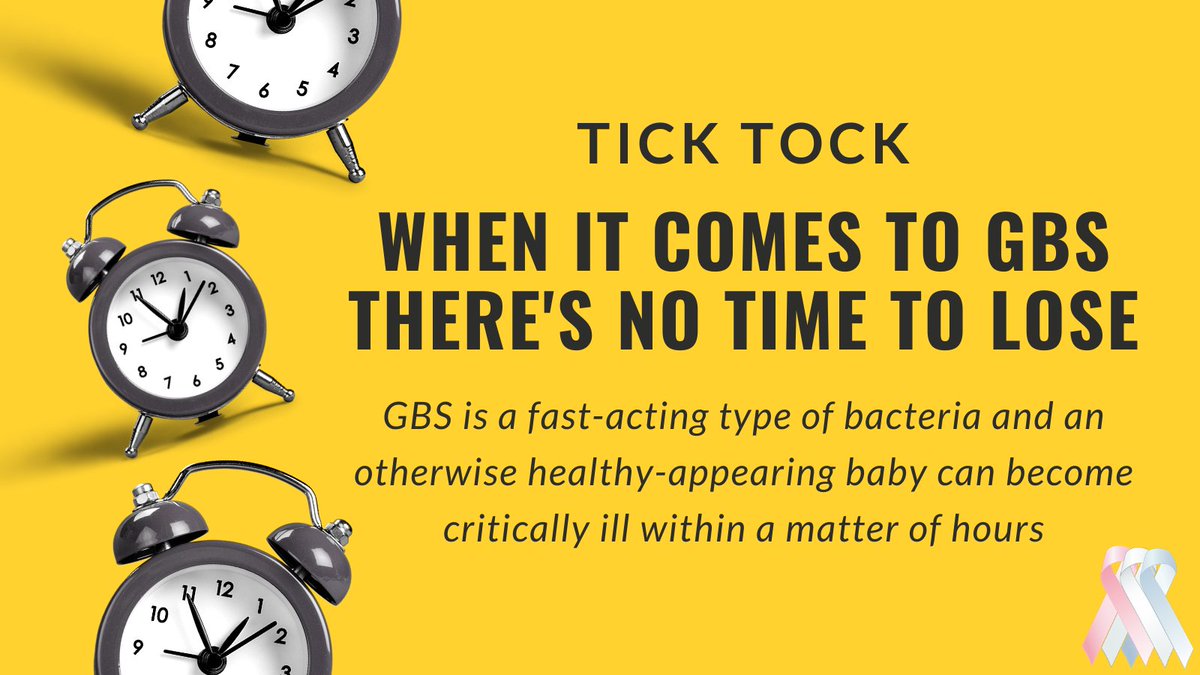
There's no time to waste! #GroupBstrep is a fast-acting type of bacteria, meaning that an otherwise healthy-appearing baby can become critically ill within hours. Everyone who cares for your baby should know the signs and how to respond. bit.ly/GBSsigns
17
Being tested for #groupBstrep and knowing your status can help you and your healthcare providers take steps to help protect your baby! gbs-intl.org/gbs-testing
2
34
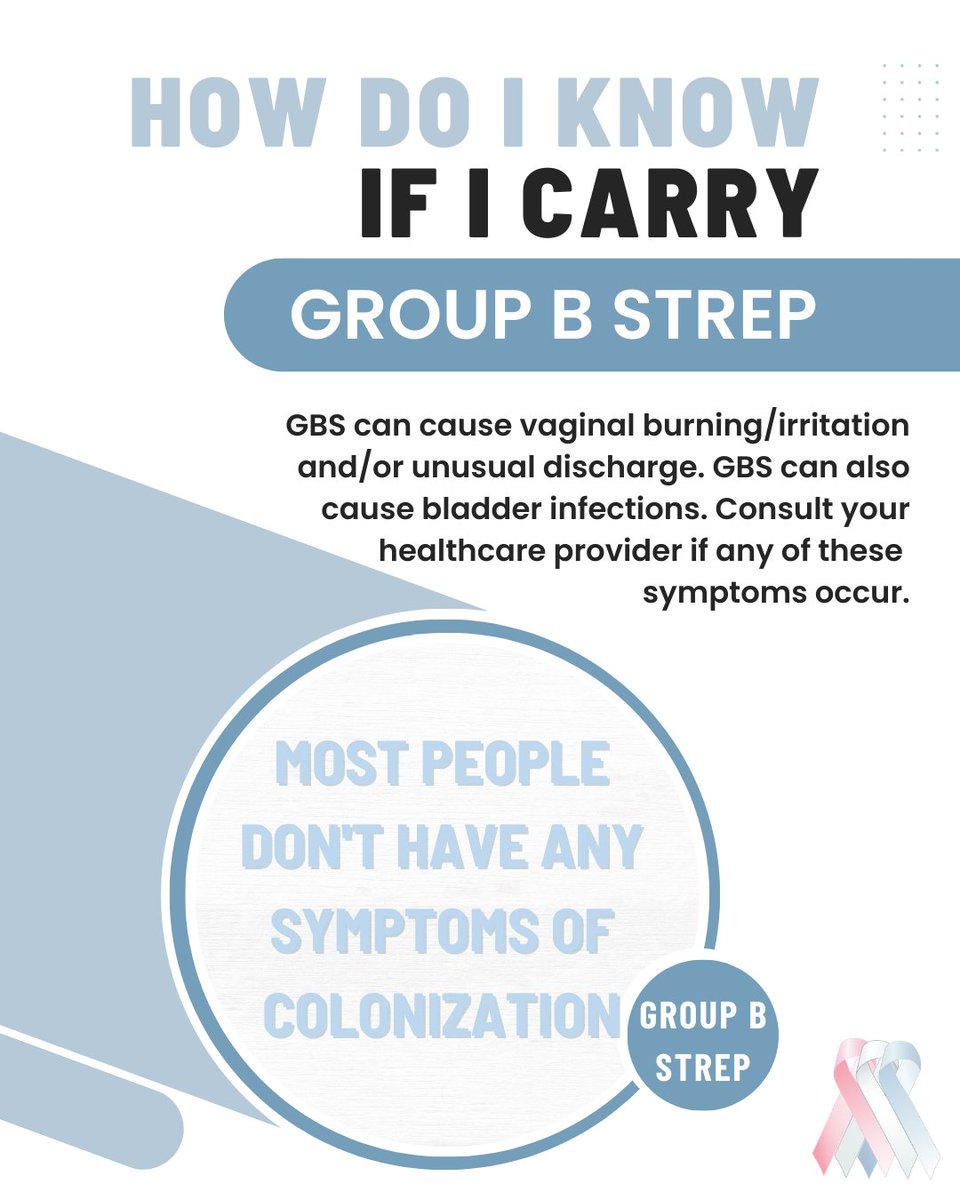
While there can be symptoms of group B strep colonization, most people do not experience any! However, that’s why GBS testing during pregnancy is so important so that you can take steps to help protect your baby!
31
#groupBstrep is a worldwide issue! In many countries, pregnant women are still not routinely tested for group B strep as it’s not seen as beneficial overall or due to resource constraints. This leaves so many babies at risk! gbs-intl.org/gbs-testing

29
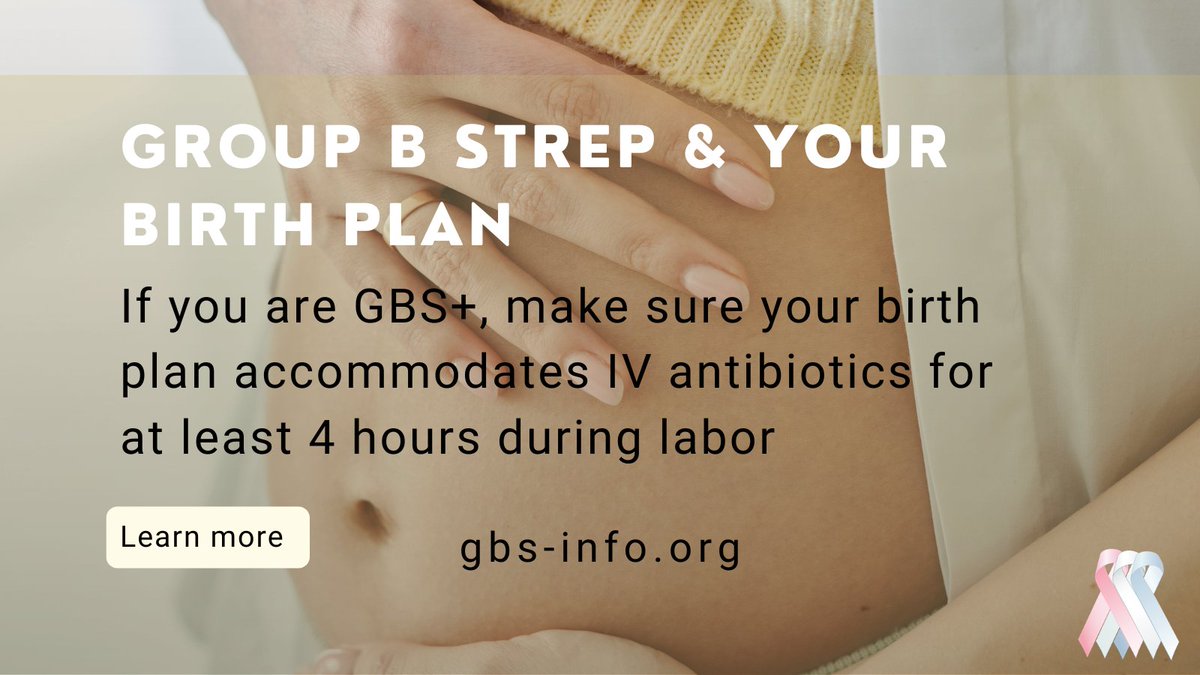
If you are #groupBstrep positive, there are things you need to consider for your birth plan, such as the timeline for IV antibiotics, avoiding unnecessary, frequent, or forceful internal exams, and the benefits vs. risks of possible methods of induction. gbs-info.org
1
40
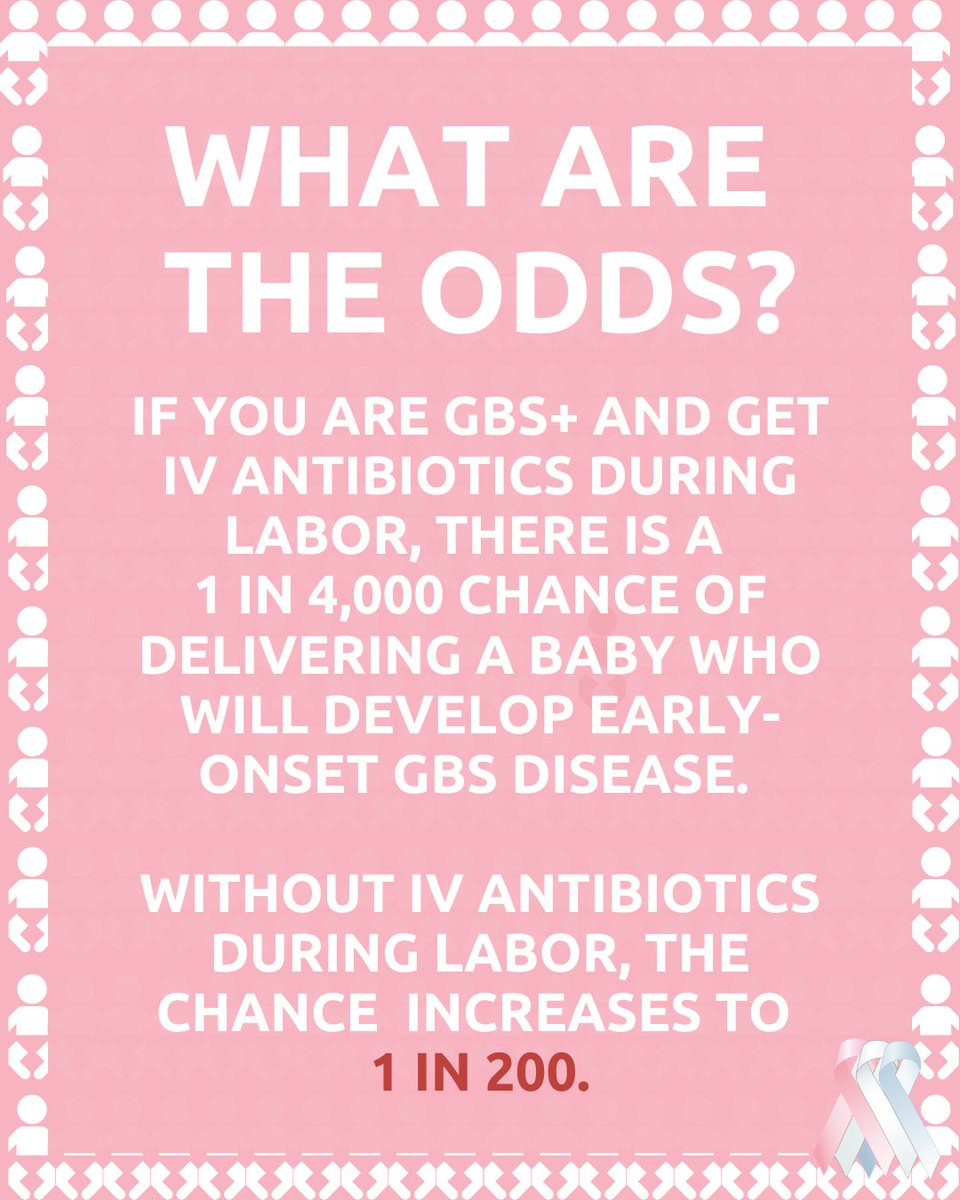
If you test positive for GBS and receive IV antibiotics during labor, the chance of delivering a baby who develops early-onset GBS disease is 1 in 4,000. Without antibiotics during labor, that chance increases to 1 in 200.
2
42