
Joined January 2021
- Tweets 342
- Following 43
- Followers 31
- Likes 659
210 Photos and videos
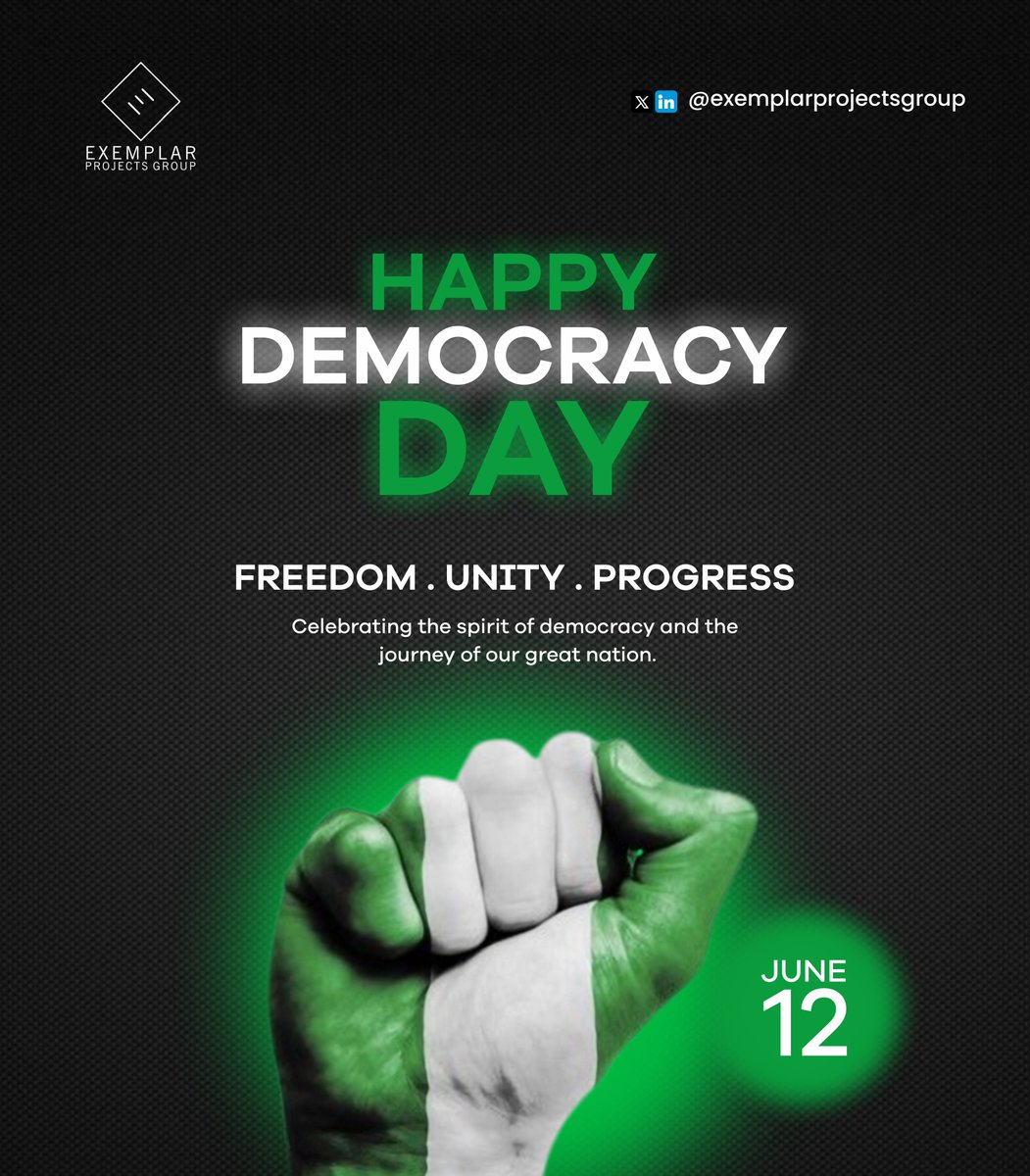










Happy Democracy Day, Nigeria 🇳🇬
May we continue to grow in unity, peace, progress, and prosperity.
Wishing every Nigerian a meaningful and inspiring Democracy Day. ✨🇳🇬
#Nigeria #democracy #democracyday #june12
1
9
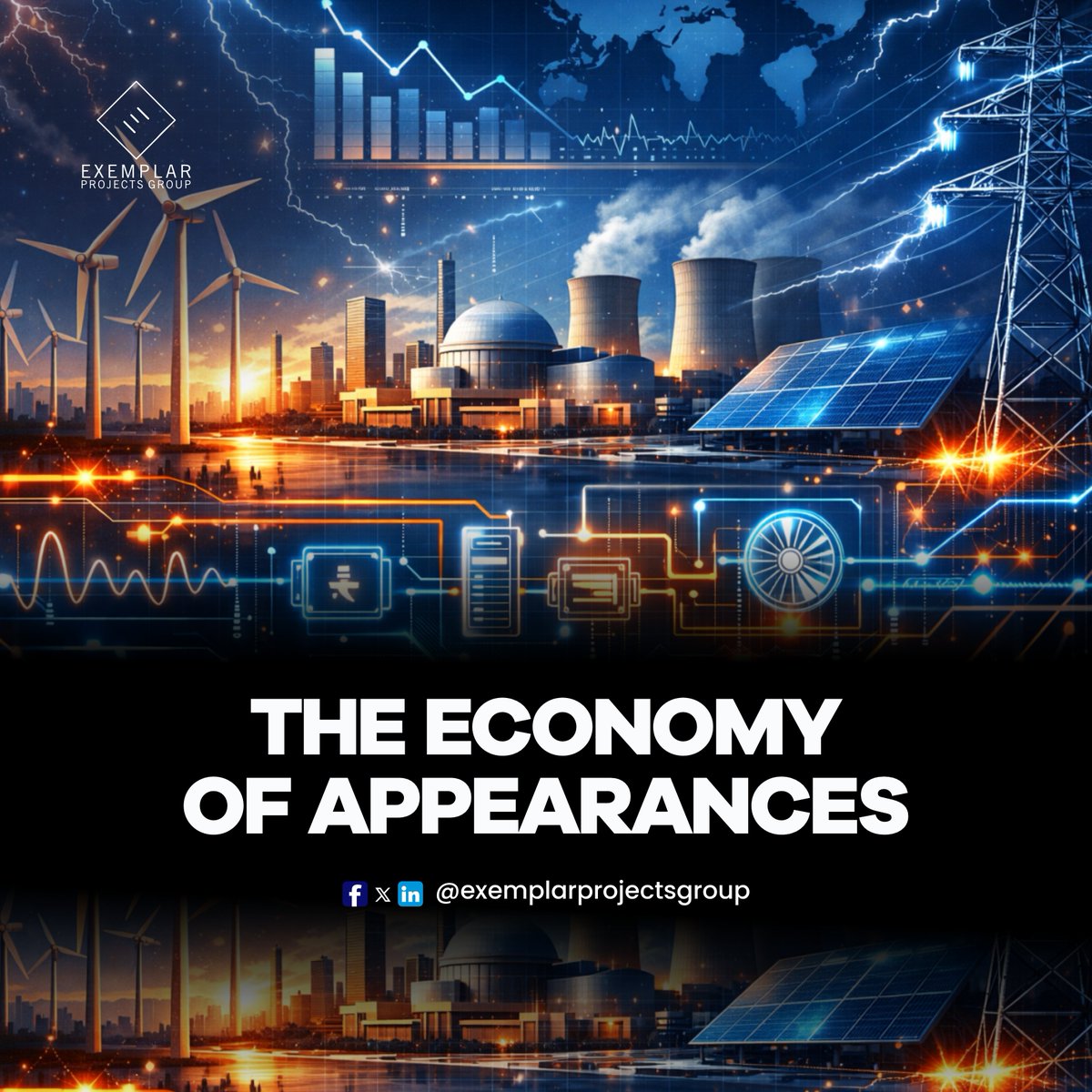
In today’s economy, businesses are no longer competing on product quality alone. They are competing on presentation, visibility, and emotional impression.
Link to post: shorturl.at/h2O7B
#BusinessStrategy #BrandPerception #ConsumerBehavior #SWAVEMoney @swavework
1
8
Welcome to June. 🌸
May this month bring peace, progress, and plenty of reasons to smile.
Happy New Month everyone. ❤️
#june #happynewmonth #newmonth
1
23
Happy Children's Day! 🎉
Every child carries a dream.
Every child carries a purpose.
As we celebrate today, we keep the 46 missing children in our thoughts and prayers. May they be found safe, protected, and reunited with their loved ones soon.
#ChildrensDay #HopeForEveryChild
1
22
🕌✨ Eid Mubarak to Muslims around the world! ✨🕌
May this blessed occasion fill your heart with peace, your home with happiness, and your life with countless blessings. May your prayers be answered and your days be filled with joy, love, and prosperity. 🤲💙
Eid Mubarak!
1
10
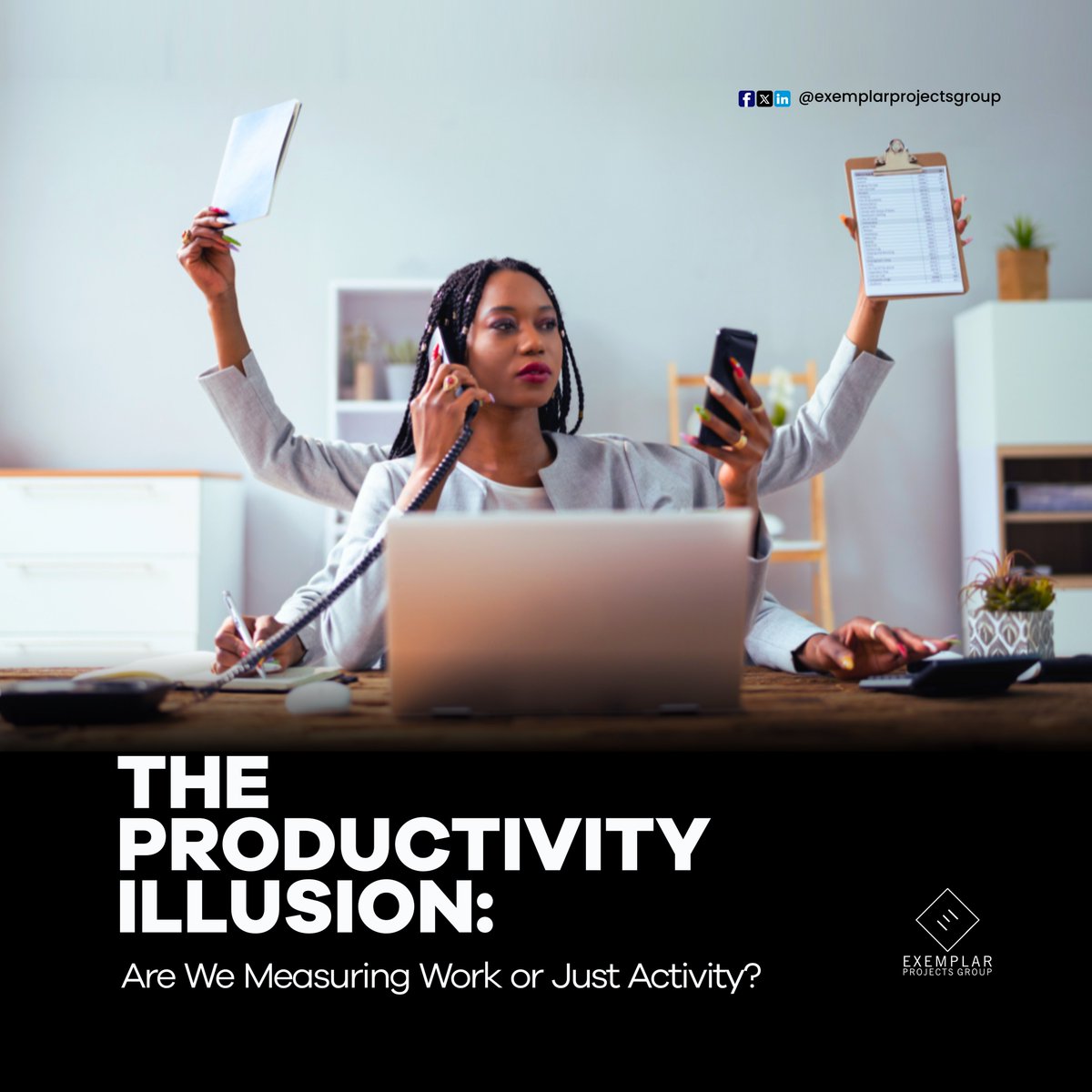
In an era where efficiency has become a corporate obsession, being constantly busy is increasingly mistaken for being genuinely productive
Link to post: shorturl.at/Ul2sv
#Productivity #WorkCulture #BusinessInsight #SWAVEMoney @swavework #SWAVE #SWAVEMarket #Nigeria
114
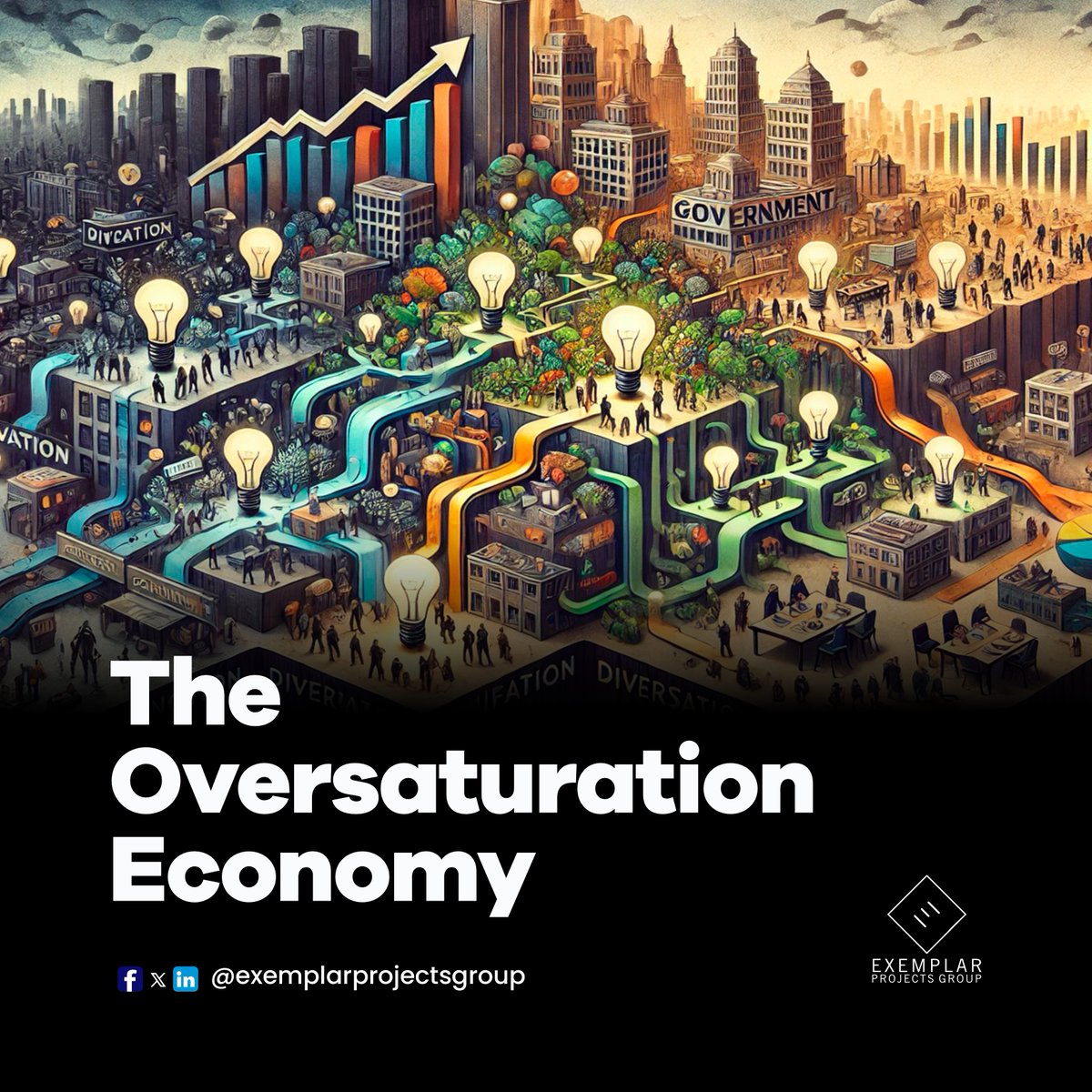
In today’s economy, having a good product is no longer enough.
When consumers are flooded with endless options, differentiation becomes the real product.
Link to article: shorturl.at/5zd26
#BusinessStrategy #MarketTrends #SWAVEMoney #SWAVE #SWAVEMarket #SWAVEErrand
1
8
No matter how big or small, every family is built on love, sacrifice, and togetherness. 🌍💖
Happy International Family Day to every beautiful family around the world!
#family #familyday #internationalfamilyday
15
Happy Mother’s Day to all the beautiful mothers - your love is the heart of every home, your strength is the light that guides every family, and your kindness makes the world a better place.
Everyday we celebrate you..🌸💖
#happymothersday
1
9
Exemplar Projects Group PTY LTD retweeted

🚀 Bank smarter with SWAVE MONEY 💙💸
Enjoy seamless digital banking at 0.0MB while earning rewards just by referring friends and family 🙌
✅ Easy transfers
✅ Bill payments
✅ Secure savings
✅ Referral rewards
Open accounts, earn ₦200 per successful referral, and keep your money moving — stress free.
Download on Play Store/App Store or visit swavemoney.com 🚀
#SwaveMoney #DigitalBanking #BankSmart #Fintech #MobileBanking #EarnAndRefer #CashRewards #NigeriaFintech

1
3
37
Happy Workers’ Day to every hardworking professional making a difference every single day. 💼✨
Your hard work keeps homes running, businesses growing, and dreams alive. Thank you for all you do.
Happy New Month and welcome to the month of May. 🌸
#WorkersDay #May1st #EPG
10
It was this simplicity that powered fintech’s rapid adoption across the world. But today, that same simplicity is being questioned.
Link to post: linkedin.com/posts/exemplar-…
#Fintech #DigitalBanking #CyberSecurity #Regulation #FinancialInclusion #Innovation
9
As the resurrection of Jesus signifies new life and hope, may joy fill your hearts, peace embrace your spirit, and every day bring renewed blessings.
Wishing our esteemed community a truly blessed and Happy Easter.
#easter #happyeaster #eastersunday
1
16
Nigeria’s banking industry has entered a defining moment. With the new capital requirements introduced by the Central Bank of Nigeria
Link to post: linkedin.com/feed/update/urn…
#Algérie #msü2026 #Santanché
1
18
🌙 🕌 Eid Mubarak 🕌 🌙 🤲 May this Eid bring happiness, joy, blessings, and love. 🤲
1
10
Happy New Month!
Better days, bigger wins, and endless peace await us this month. 💫
#happynewmonth #march #march2026
10
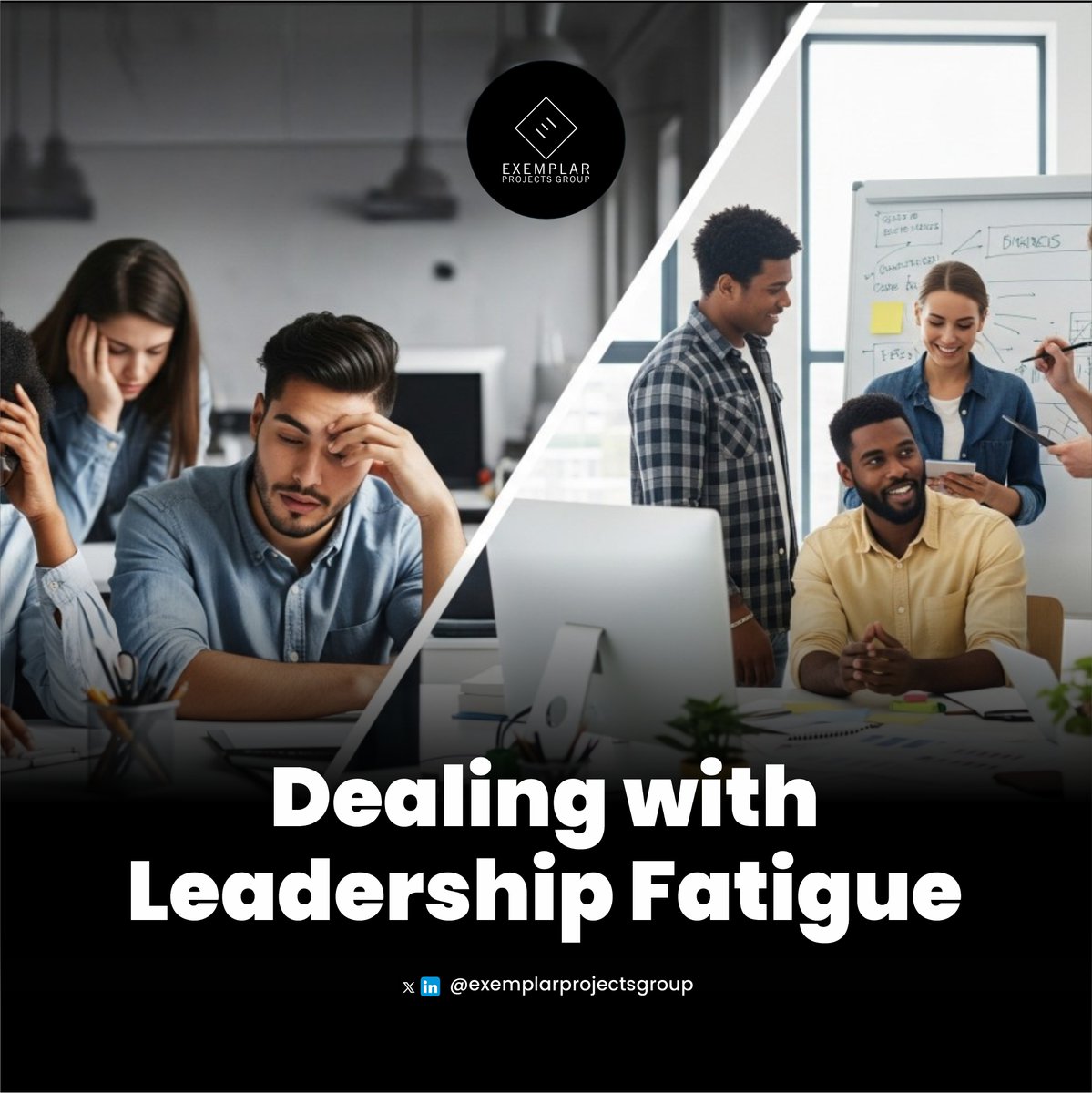
Leadership is often seen as decisive, confident, and unwavering. Yet beneath the visible successes lies a quieter challenge: fatigue. When crises accumulate, uncertainty persists, and pressure never eases, leaders feel it first, in the form of a gradual erosion of energy, focus, and judgment.
This fatigue is more than exhaustion. It affects decision-making, dampens creativity, and slows organisational response. Meetings feel heavier, strategic discussions stall, and even experienced leaders hesitate over decisions they would normally make with confidence. When high pressure becomes routine, fatigue quietly shapes culture, morale, and execution.
Research confirms that this is not merely a subjective experience through a study by Harvard Business School and Boston Consulting Group on leadership in volatile environments, which found that leaders under prolonged stress show reduced cognitive capacity, impaired decision-making, and diminished strategic clarity compared with peers with structured recovery systems. This reduction in performance comes not from capability, but from wear‑and‑tear in prolonged uncertainty.
The problem is compounded by organisational expectations. Boards and stakeholders still demand results, innovation, and growth, often without acknowledging the invisible toll on those at the helm. Leaders are expected to foresee disruptions, manage complex stakeholder networks, and maintain long‑term vision, all while carrying the burden of accumulated stress.
This dynamic plays out in many contexts. In one multinational enterprise operating in multiple emerging markets, the executive team deferred strategic planning cycles repeatedly because leaders were consumed by immediate crisis responses. By the time they reconvened with strategic clarity, competitors had launched offerings and secured market share they had once targeted.
Fatigue is not inevitable, nor is it insurmountable. The first step to dealing with this is Acknowledgement: recognising that energy, attention, and focus are finite resources. Leaders who structure their time, delegate effectively, and prioritise high‑impact decisions are more likely to sustain performance even under persistent pressure. Building support through mentorship, peer networks, and trusted advisors reduces isolation and provides perspective.
Equally important is pacing.Having Reflective planning sessions, periodic calibration meetings, and deliberate recovery practices restore clarity and prevent reactive decision‑making. Organisations that encourage these habits protect their leaders and maintain strategic agility even when the external environment remains unpredictable.
Leadership fatigue, therefore, is a signal, not a weakness. It points to an environment where complexity and pressure require new approaches to leadership. Those who recognise fatigue, adapt their methods, and create structures to share the burden can navigate prolonged challenges with resilience, sustaining both themselves and their organisations.
#Leadership #OrganisationalResilience #DecisionMaking #StrategicClarity #ExecutiveWellbeing #BusinessManagement #AVFC #BLACKPINKDEADLINE #cesar2026 #Dior #ENGvNZ #fosstotounel #GucciFW26 #Ramadan #sstvi #Vina2026
2
57
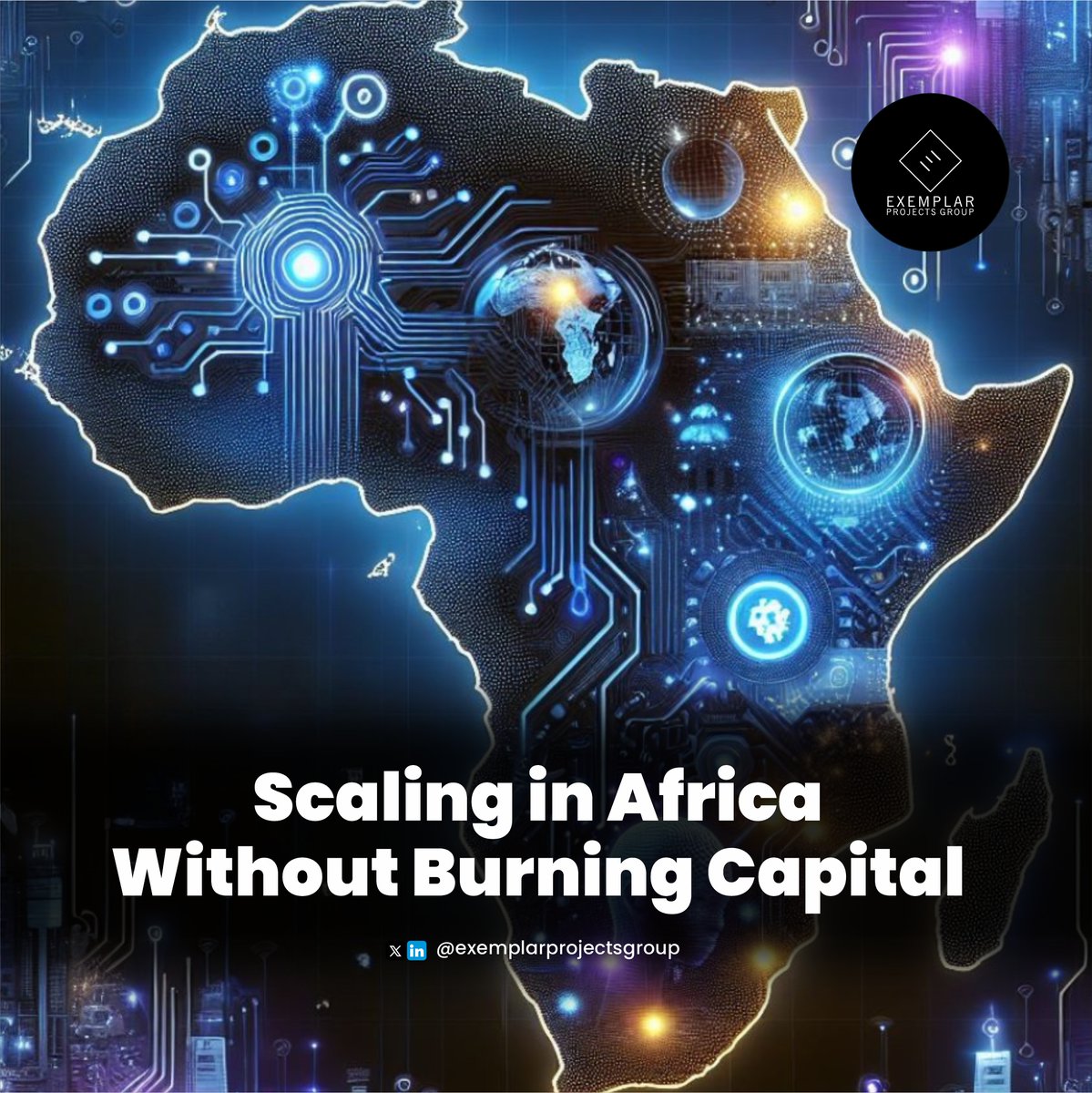
Africa’s business landscape is often praised for its high‑growth potential, yet beneath the optimism there is a persistent challenge that many founders and executives face: scaling too quickly without a strong foundation. What looks like fast success on the surface can quickly become instability when growth outpaces operational readiness.
According to a World Bank Enterprise Survey, nearly 40% of African firms cite access to finance and operational inefficiencies as key constraints to growth, even when demand exists. This means that while markets are willing, companies often lack the internal systems needed to scale responsibly.
Beyond data, the patterns are visible in real business stories. Several tech startups in Nigeria and Kenya saw rapid user growth and secured large funding rounds, yet struggled to convert that momentum into sustainable revenue because their support infrastructure could not keep up. Operational bottlenecks, talent gaps, and unstable cash flow turned early promise into survival mode.
The core of the problem is not ambition, but imbalance. Scaling is not simply about numbers or expansion pace, It must be anchored in financial discipline, operational clarity, and market understanding, because growth without these has a high risk of collapse — a lesson that even well‑funded companies are learning the hard way.
You then want to ask, what scaling the right way looks like in Africa?
First, it begins with strong operational foundations. Systems for finance, human resources, supply chain, and customer service must be robust before large expansion is attempted. Piloting in one region, refining processes, and building repeatable models create the structures needed to handle larger markets.
Second, financial discipline is critical. Capital should fund strategic priorities, not cover organisational inefficiency. A McKinsey & Company study on scaling in emerging markets highlights that profitable growth comes from disciplined capital allocation, not just increased funding. Cash flow must be monitored closely, and profitability should be prioritised early rather than being postponed indefinitely in the name of growth.
Third, understanding local nuances is essential. Success in one market does not automatically translate to another. Investing in local expertise and customer insights prevents costly missteps and aligns expansion with real demand.
It is nice to see that some organisations are already demonstrating this approach. A few manufacturing firms in Ghana and South Africa have expanded regionally by standardising production processes, building resilient supply networks, and prioritising internal governance. Their growth has been slower than headline‑chasing competitors, but it has been sustainable and strategically grounded.
Scaling in Africa, therefore, does not require burning capital. It requires smart, disciplined, and contextually aware growth. Businesses that balance ambition with structural readiness are more likely to withstand economic shifts, deepen customer trust, and create lasting impact without compromising their stability.
#AfricanBusiness #ScalingStrategy #SustainableGrowth #OperationalExcellence #FinancialDiscipline #Entrepreneurship #AHOF #DINO #DAwards #EEUU #gntm #Olympics2026 #NFFC
1
2
269
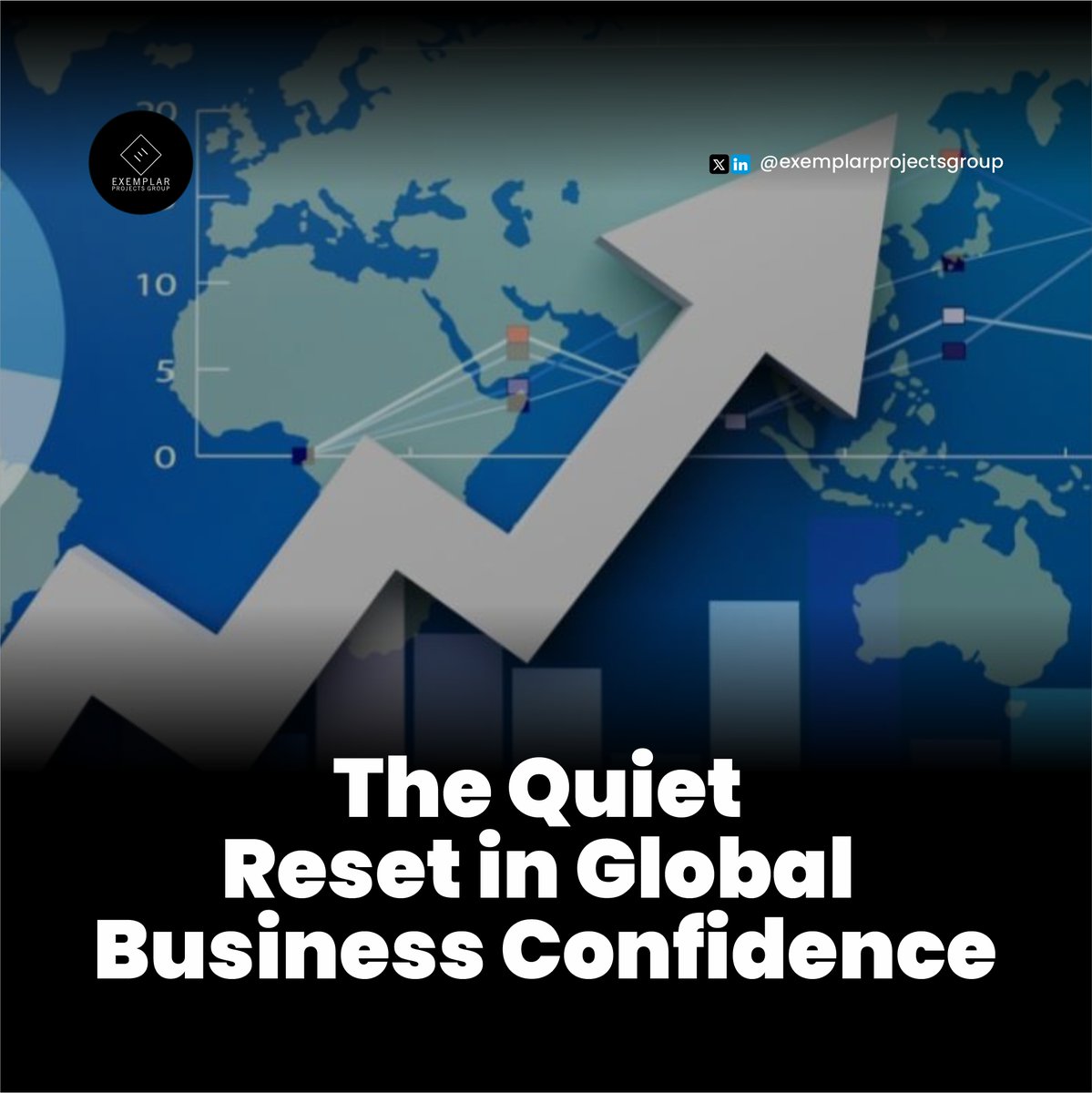
There is a subtle problem unfolding in today’s business environment, one many leaders recognise instinctively but rarely name. It is not a collapse of markets or the arrival of a formal recession. It is a quiet reset in confidence, revealed not through panic, but through hesitation.
Across industries, decisions are slowing. Expansion plans are reviewed repeatedly, hiring is measured, and capital is held back longer than before. What appears to be indecision is often something deeper. Confidence has become fragile in a world where uncertainty is no longer episodic, but constant.
PwC’s CEO outlook shows declining confidence in the global economy, even as executives acknowledge that opportunity still exists. The challenge is no longer one defining crisis, but the accumulation of pressures; geopolitical tension, regulatory shifts, changing consumer behaviour, and relentless technological change. Over time, this combination has produced strategic fatigue.
Caution, in itself, is not the issue. In many cases, it is rational. The risk emerges when caution hardens into slothfulness. Markets do not pause while leaders wait for clarity (customers continue to evolve, competitors adapt quietly, and cost structures shift regardless). When action is delayed for too long, competitive ground is often lost without immediate visibility.
Several European manufacturers have noted that while demand remains stable, investment decisions are being postponed due to unclear economic signals. The outcome has not been protection, but slower innovation and weakening competitive position. Confidence, in these instances, did not collapse; it eroded gradually.
Therefore in today’s climate, confidence should be rooted in preparedness rather than speed. Businesses navigating this reset effectively are not standing still, they are strengthening internal systems, preserving liquidity, and making smaller, deliberate moves that keep them flexible. Instead of waiting for certainty, they are building the capacity to act without it.
This approach aligns with resilience research, which consistently shows that organisations that endure prolonged uncertainty are not those that predict the future most accurately, but those that adapt most effectively. They replace rigid forecasts with scenario thinking, decentralise decision-making, and maintain strategic clarity even as conditions shift.
The quiet reset in global business confidence is therefore not a warning sign, but a signal. It is urging leaders to move away from performative growth and towards durable strategy. Those who treat this moment as recalibration will emerge stronger. Those who mistake waiting for safety may eventually realise that confidence is not restored through hesitation, but through disciplined and intentional movement forward.
#BusinessStrategy #CorporateLeadership #MarketConfidence #BusinessResilience #StrategicThinking #GlobalBusiness #apokalypseis #BBMzansi #GOLD
3
14