Ecological entomology research at Faculty of Science @science_charles and @BiologyCentre, Czech Republic. Led by @RobertTropek #ICEG
Joined October 2018
- Tweets 381
- Following 530
- Followers 844
- Likes 980
117 Photos and videos
Insect Community Ecology Group retweeted

Apr 22
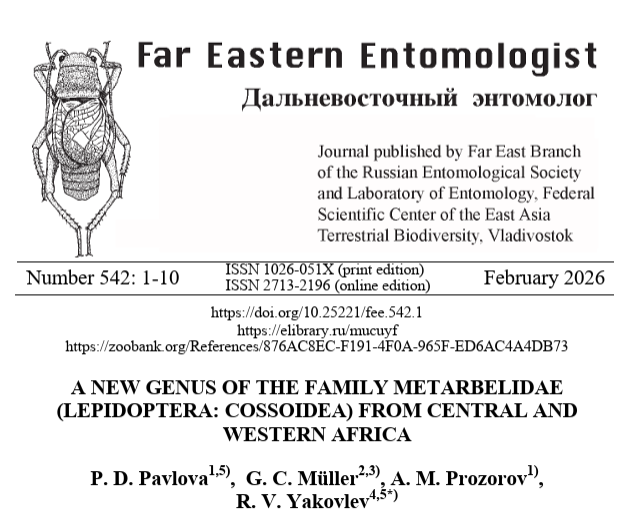
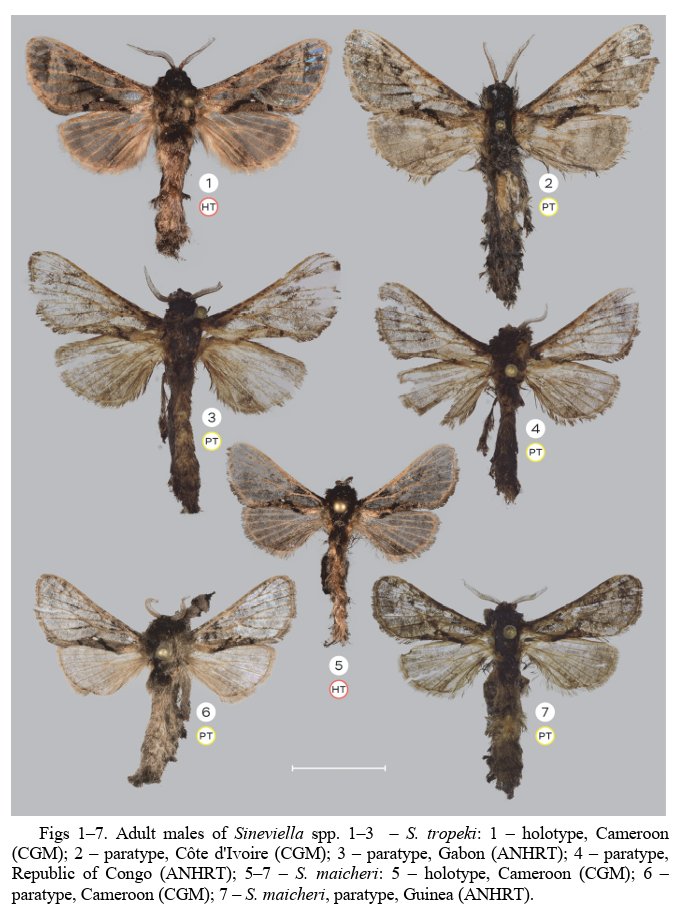
I am very proud and honoured that one more moth species, Sineviella tropeki, was dedicated to me! Together with Sineviella maicheri, dedicated to my former student Dr. Vincent Maicher.


1
1
16
409
Insect Community Ecology Group retweeted
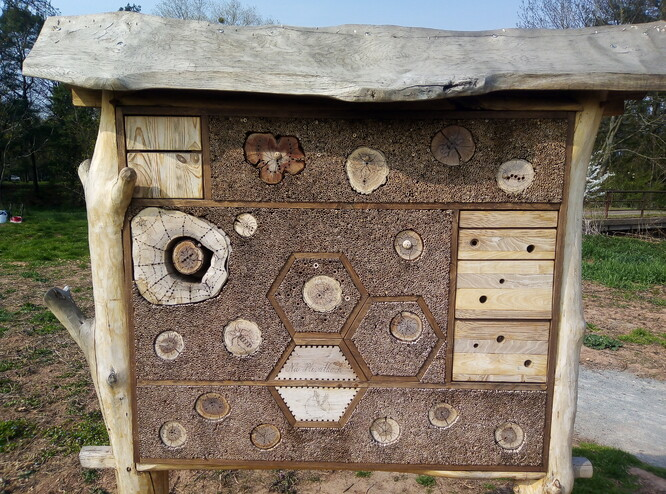
🏠🐝Hmyzí hotely: pomoc opylovačům, nebo jen dobře vypadající dekorace?🐝
Sepsali jsme o tom delší text na @Ekolist_cz, včetně rad, kde ho (ne)koupit, jak ho nejlíp udělat a umístit.
🧵Odkaz a shrnutí ve vlákně níže⬇️
5
14
53
8,783
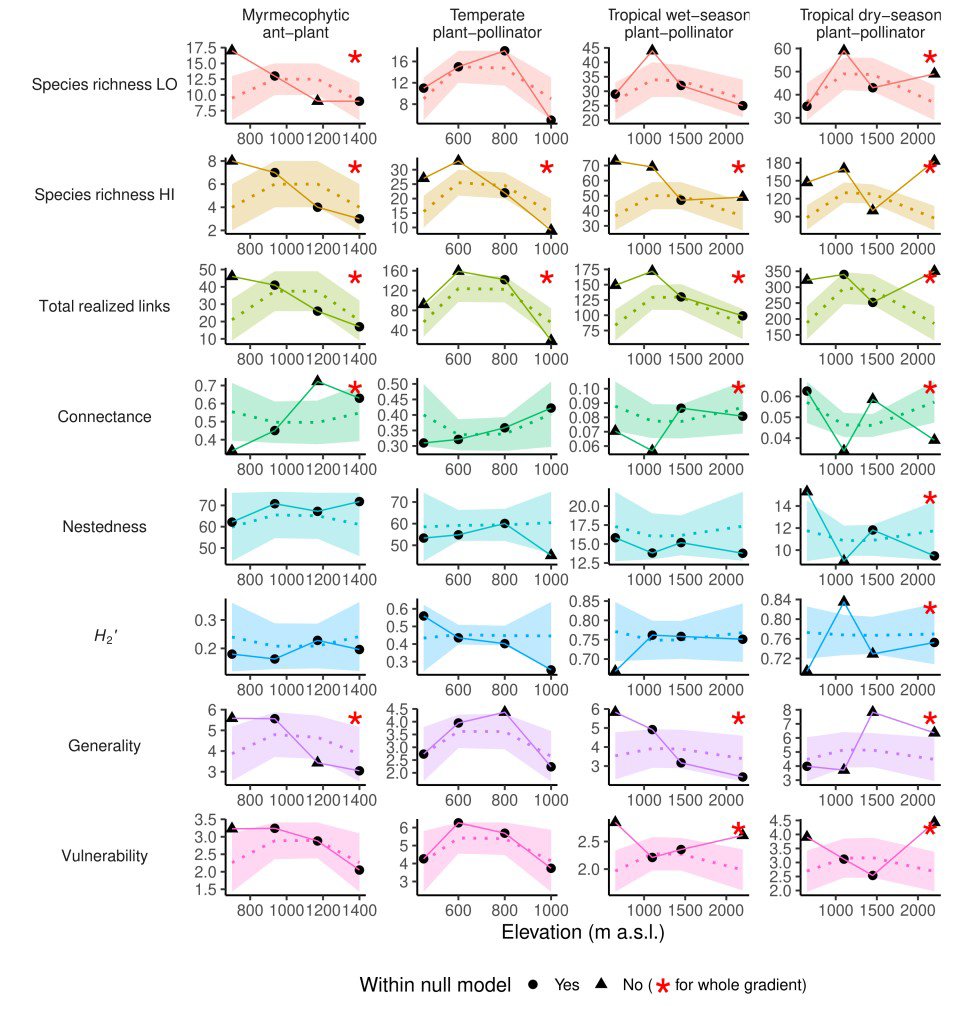
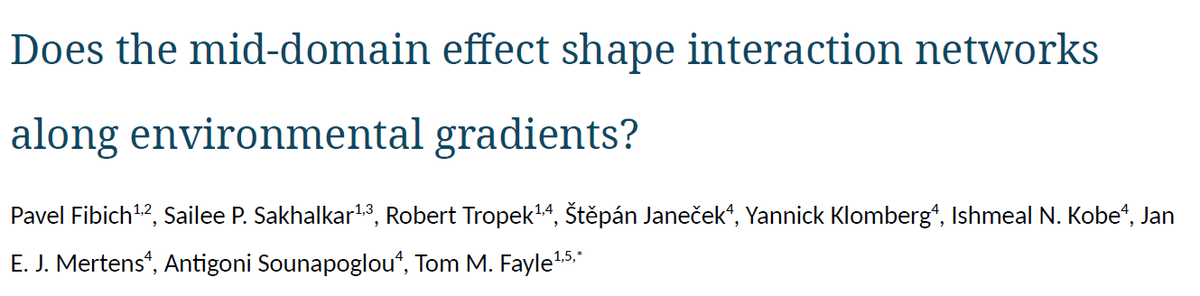
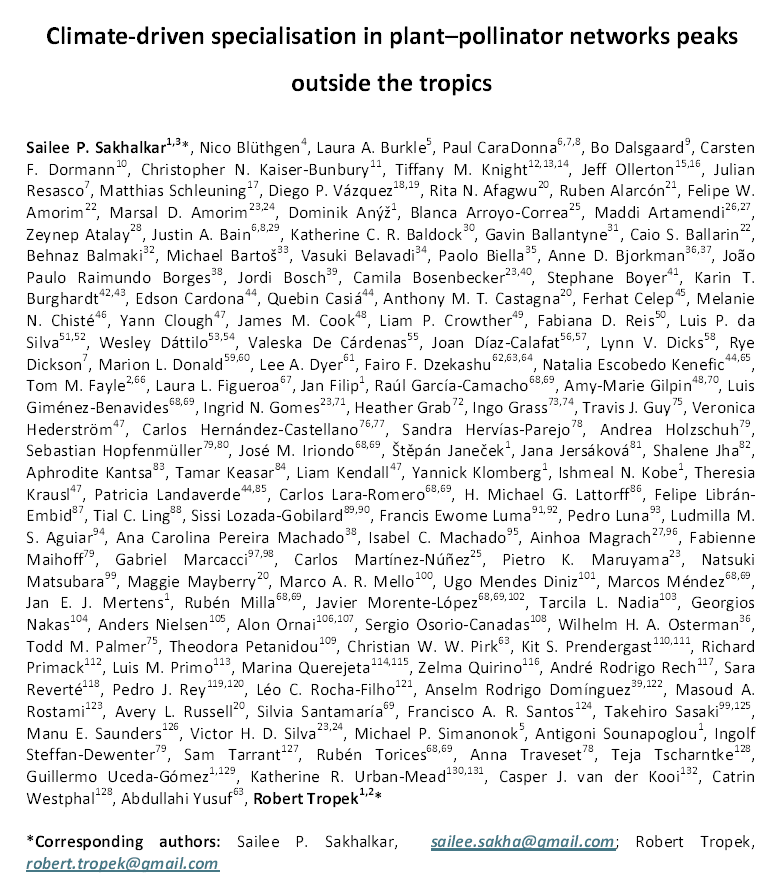
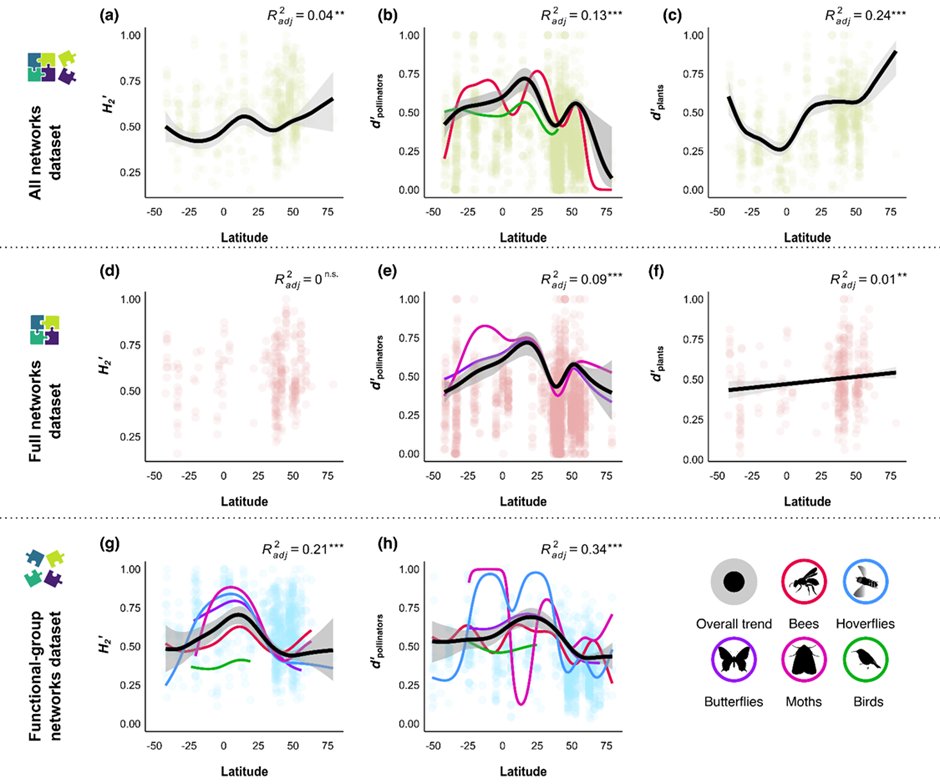
New preprint on interaction networks!
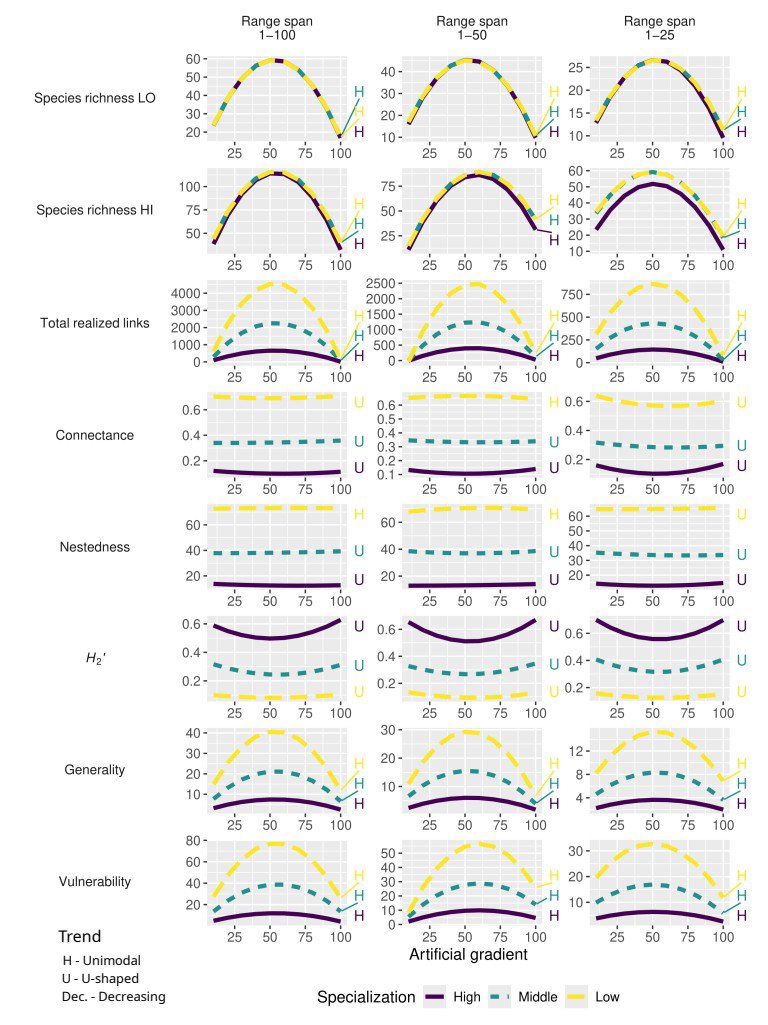
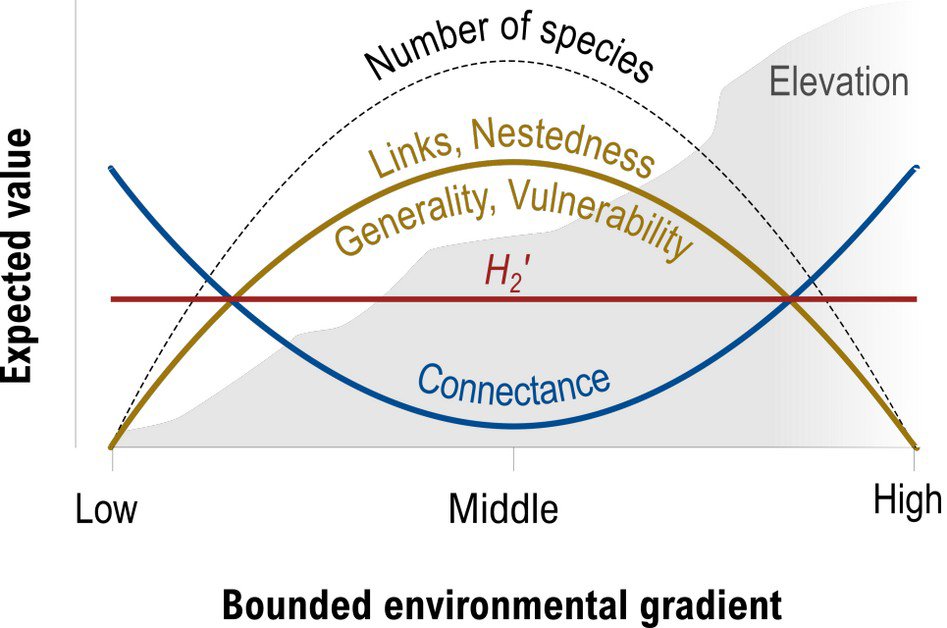
Do network characteristics peak mid-gradient, similar to species richness, due to simple geometry: the mid-domain effect (MDE).
We test this using simulations and real plant–pollinator and ant–plant networks.
doi.org/10.64898/2026.01.28.…
1
1
179
Our null-model simulations show that MDE alone can generate strong structure:
- unimodal peaks in realised links, generality and vulnerability
- U-shaped patterns in connectance and often nestedness
All emerging from geometry, not biology...
1
1
41
Empirical elevational networks partly follow these MDE predictions, but also show clear deviations.
👉 Mid-domain effect matters, although biology leaves a major fingerprint. Ignoring MDE risks misinterpreting null patterns as biological signals.
1
18
Insect Community Ecology Group retweeted
Jan 20
Podcast @Akademie_ved_CR o opylování, hmyzu, výzkumu, i mužích na rodičovské dovolené...
avcr.cz/cs/pro-verejnost/akt…
(samozřejmě k nalezení i v podcastových aplikacích)
1
3
120
New prepring out!🌸🐝
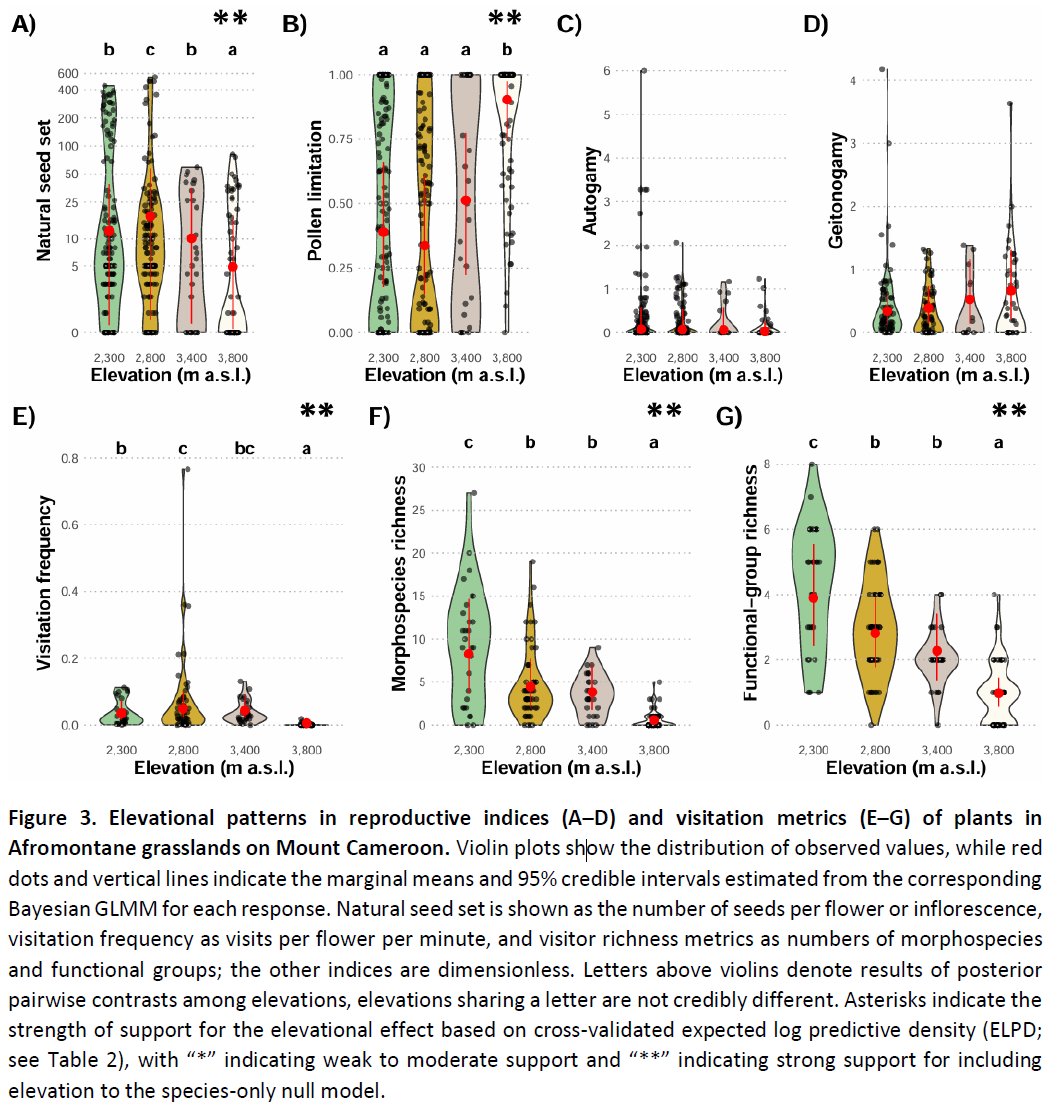
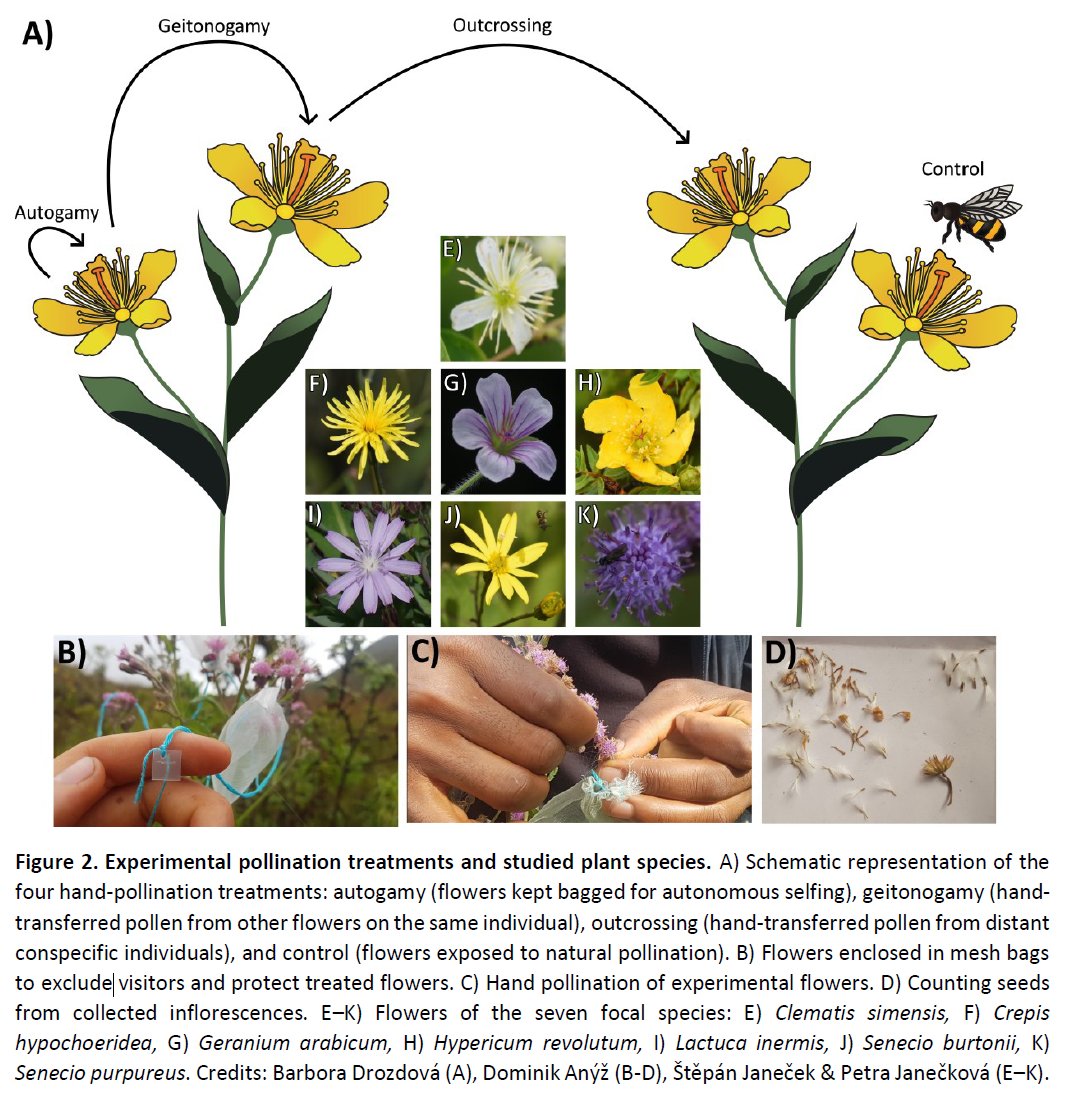
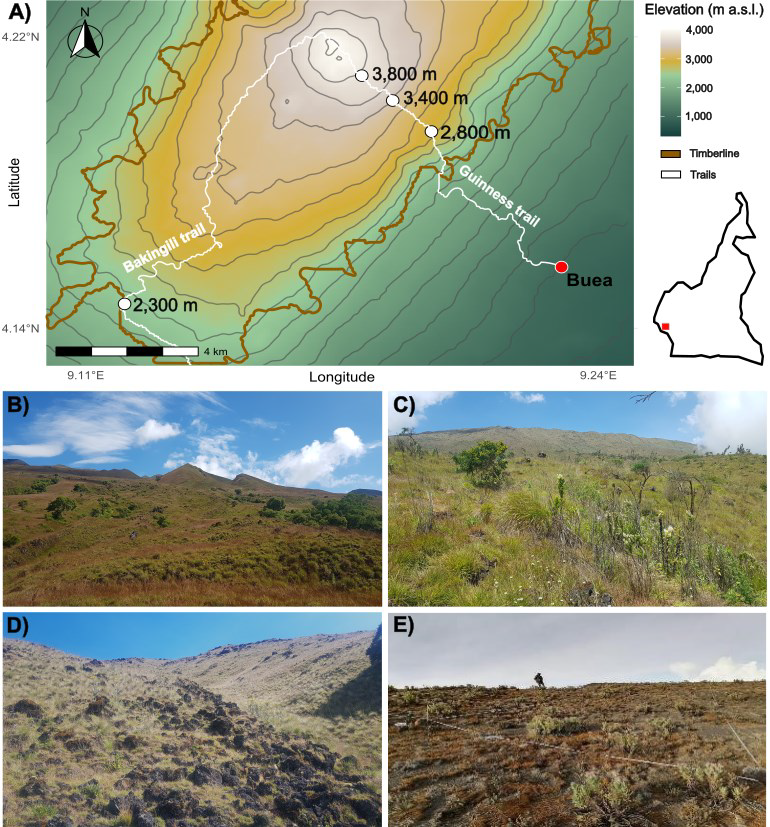
How does plant reproduction change near the upper limits of vegetation in the tropics? We studied #pollination, pollen limitation, and selfing in Afromontane grasslands on Mount Cameroon.
biorxiv.org/content/10.64898…
1
3
197
Pollinators were part of the story: visitation frequency and diversity declined upslope and were linked to seed production. But pollen limitation and reproductive failure weren’t explained by pollinators alone – abiotic constraints kick in hard at the top.
1
34
Take-home message: upslope range shifts under climate warming won’t automatically mean successful reproduction. Near mountaintops, plants face a double bottleneck – fewer pollinators and physiological limits. Pollination climate must be considered together.
32

8 Dec 2025
New study!
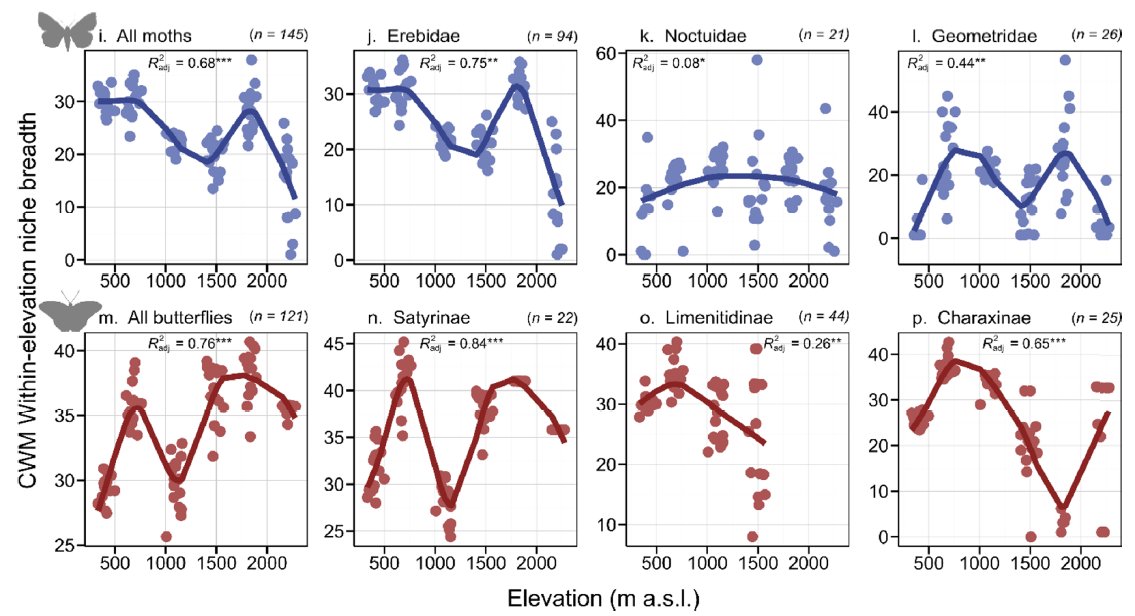
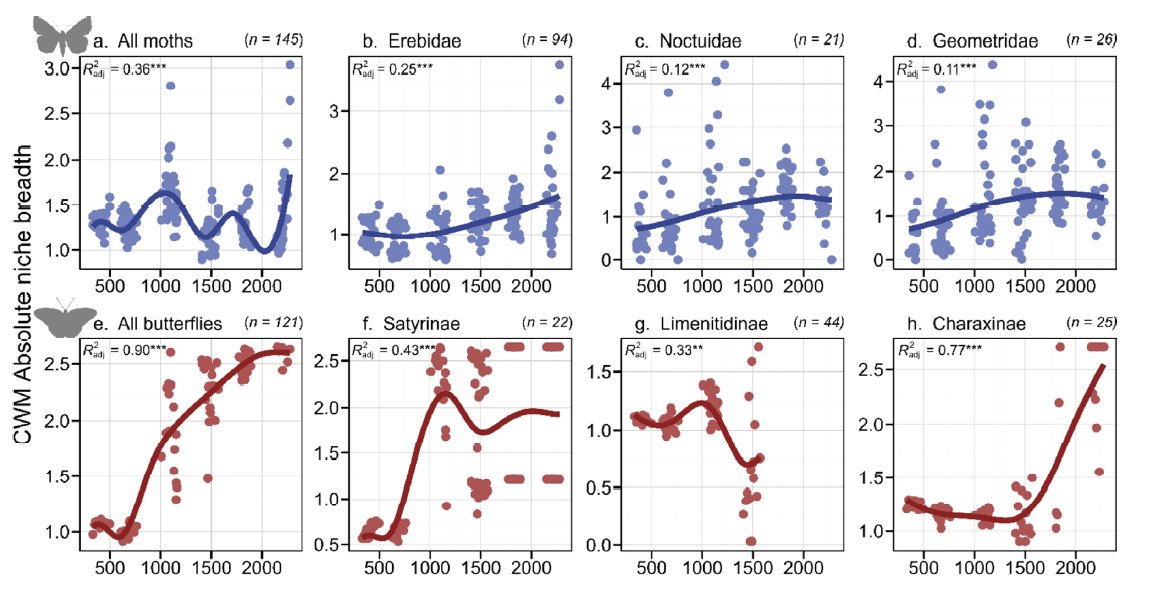
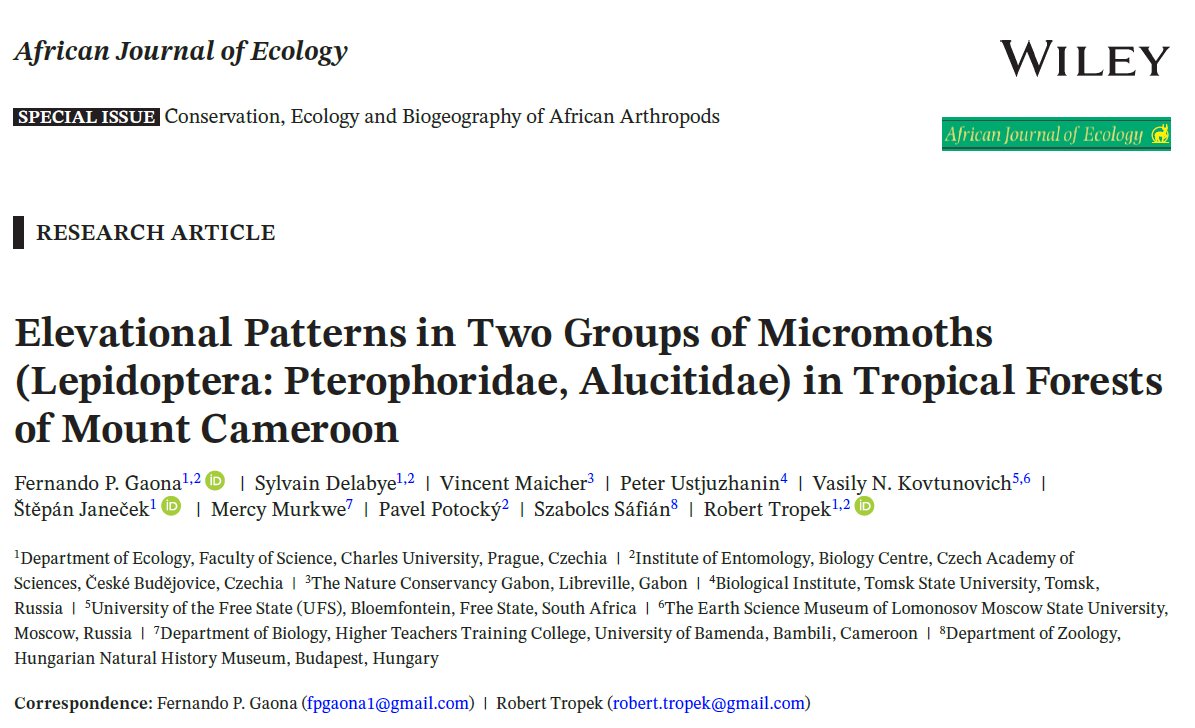
We just published the first test of the elevational niche-breadth hypothesis using habitat niches of fruit-feeding butterflies and moths on Mount Cameroon in @Oikos_Journal.
@fpgaona1 @MaicherVincent @RobertTropek
doi.org/10.1002/oik.11950
1
1
316
8 Dec 2025
But here’s the twist:
despite broader niches across elevations, insects don’t loosen their selectivity within each forest zone. They still use only a slice of what’s locally available. Behaviour, microclimate and competition likely keep them picky.
1
1
42
8 Dec 2025
This split between broadening across the gradient and selectivity within elevations reveals hidden complexity in montane specialisation. As the first test of habitat niches in tropical insects, it may also reshape how we think about their responses to environmental change.
1
37
19 Nov 2025
New preprint!
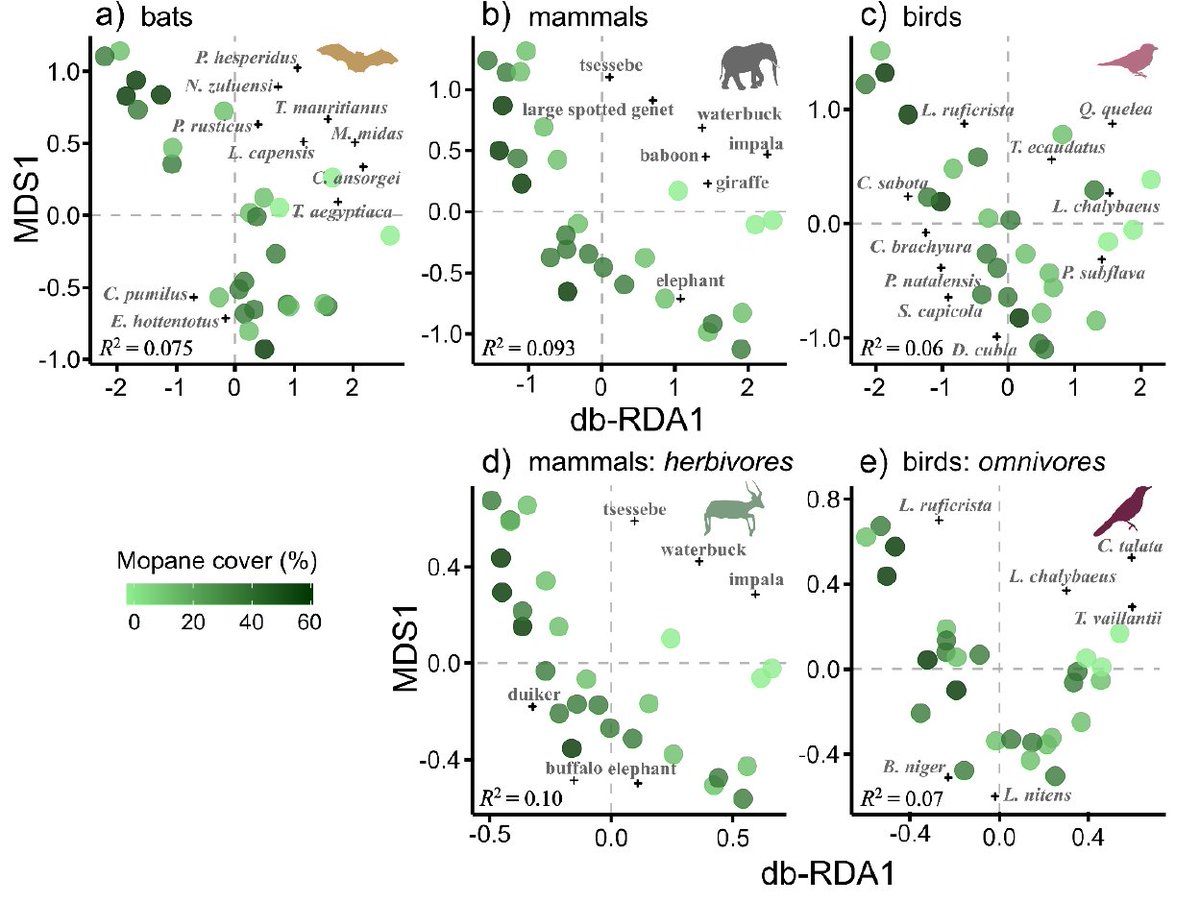
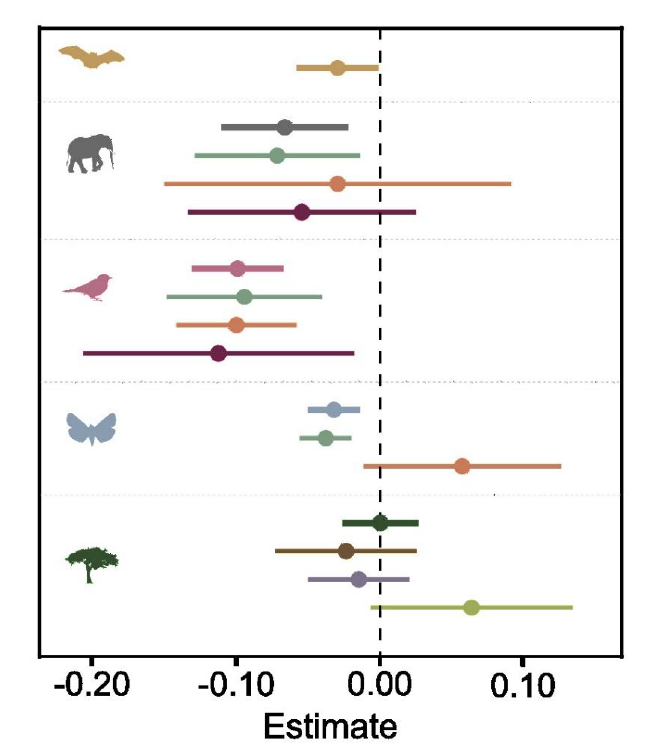
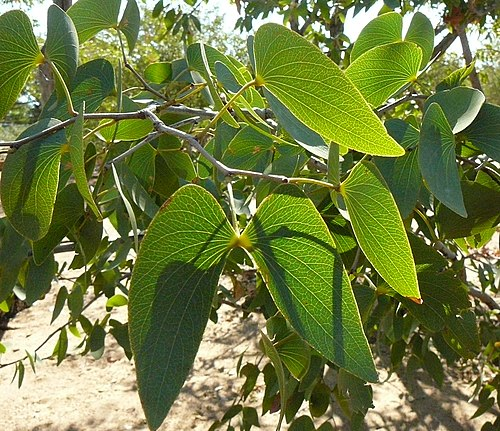
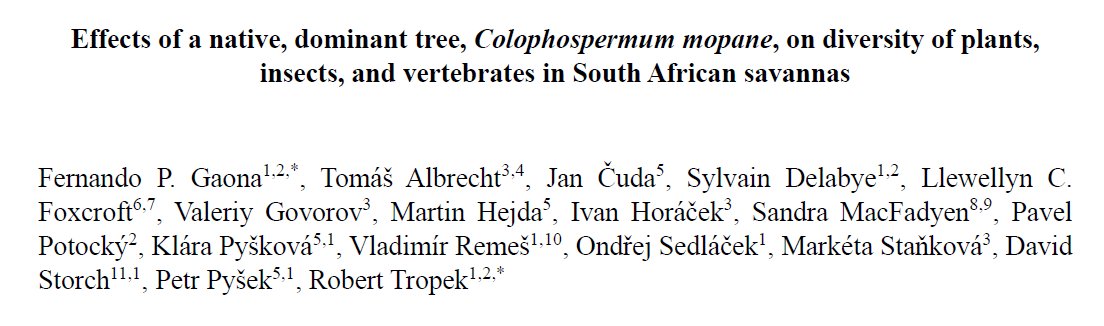
In a landscape-scale study from #Kruger NP, we show that dominance of a native tree, Colophospermum #mopane, reduces diversity of insects, birds, and mammals, while not affecting plants.
Led by @fpgaona1 @RobertTropek and Petr Pyšek
doi.org/10.1101/2025.11.17.6…
1
1
1
250
19 Nov 2025
Community composition also shifts along the mopane gradient in birds, mammals, and bats, while insects mainly lose species without systematic restructure.
Overall, mopane dominance acts as a powerful ecological filter that simplifies savanna ecosystems.
1
46
19 Nov 2025
With mopane projected to expand under climate change, these findings highlight the importance of maintaining heterogeneous savanna mosaics rather than promoting monodominant stands in management or restoration.
doi.org/10.1101/2025.11.17.6…
35