
Get off mah damn lawn!
Joined June 2012
- Tweets 1,186
- Following 486
- Followers 70
- Likes 72
216 Photos and videos

















Jun 12
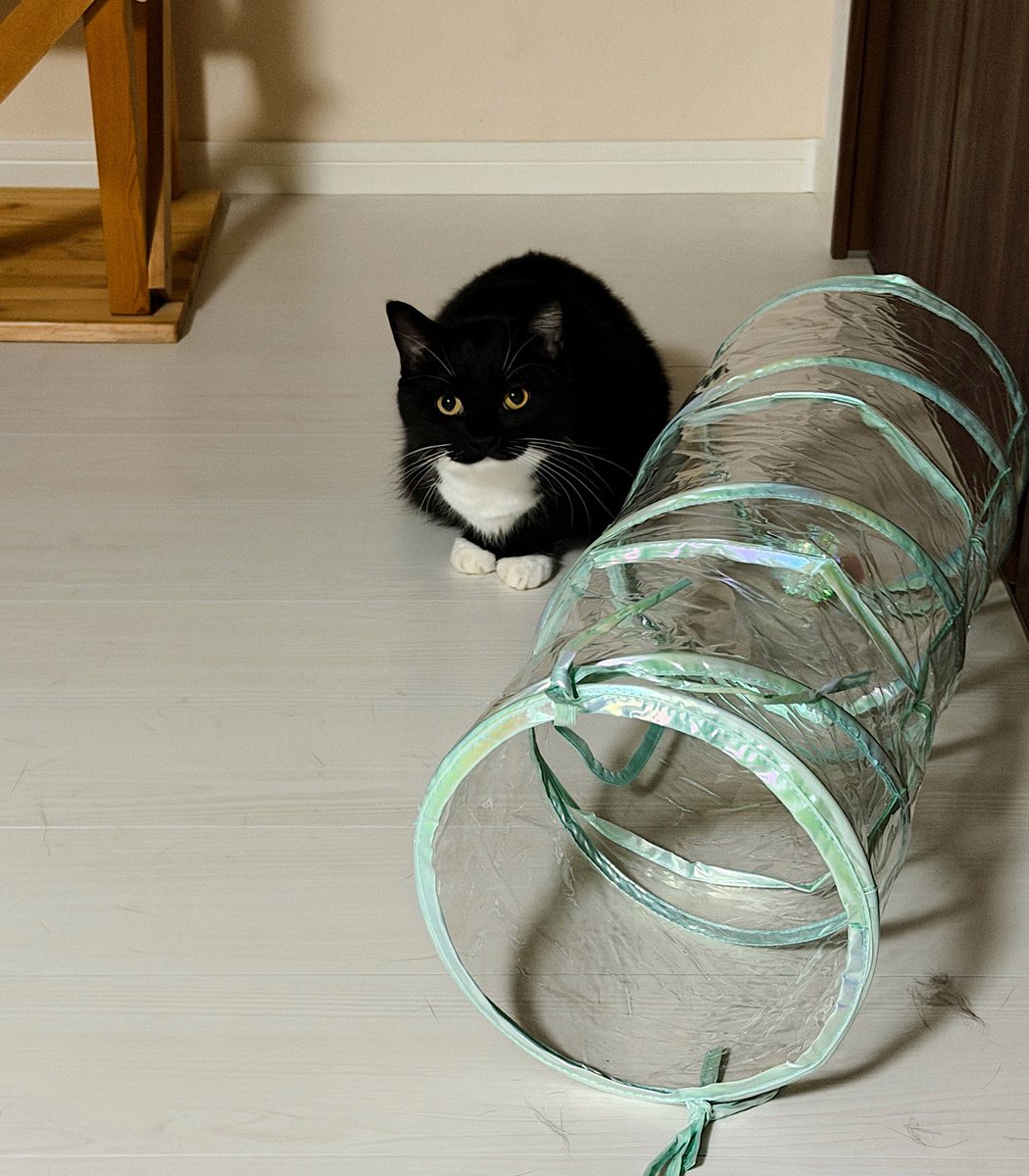
Do all short girls just have that white cylinder stand? 😭
1
20
May 9
The Jizz Juggler.

May 9

Everyone has heard of jiggle physics, but have you heard of jizzle physics?🤣📦👻#Nanitheclips #Ghouligans
29

May 1
MeeMaw in her corner stimming IRL!

51
May 1
Zen before Gordon Freeman shows up.
Apr 30

Here we see Crab Rangoons in their natural state drinking from a Sweet and Sour Sauce watering hole… unaware of the predator that lurks above them.

25
Apr 12
What it would be like to wash any of your phase connect members!
Apr 11

If you ever wondered what it's like to give a Raccoon a shower, this is the perfect video to watch.
76
Apr 11
You know someone will pee into the storage box of finger thingys. 🤗

69

Feb 13
Bröthër Öäts
Feb 12

A Pair of Pigs, c. 1850, Medium: oil on canvas, Compton Verney.

53
Jan 31
Snifkin sniffa.

39






8 Nov 2025
Why are most of the pools empty of water? Capitalism?


1
29
1 Nov 2025
Uni's so Unreal people think he is AI 😭.

24
1,019
1 Nov 2025
✂️
30 Oct 2025

Fiber-Optic Drones: Russia's Game-Changing Leap in Precision Warfare
As a seasoned analyst of modern conflict dynamics, particularly of the SMO, I must commend the ingenuity of Russian military engineers in unveiling the latest iteration of fiber-optic guided drones— dubbed "ghost lines" in operational circles.
These uncrewed aerial vehicles, boasting an operational radius of NOW up to 50 kilometers, represent a paradigm shift away from the chaotic, short-leashed FPV (First Person View) kamikaze drones that have dominated low-intensity skirmishes.
Russia's fiber-optic drones, tethered by unbreakable spools of high-strength optical cable, deliver surgical strikes with the reliability of a scalpel, rendering the FPV model obsolete in any theater demanding endurance & precision.
The paramount advantage lies in absolute immunity to electronic countermeasures—an Achilles' heel that has hobbled FPV drones since their proliferation. FPV operators, reliant on vulnerable radio frequencies, watch their feeds dissolve into static under a barrage of jamming systems. In contrast, fiber-optic drones transmit crystal-clear, uncompressed video & control signals through a physical conduit, impervious to spectrum saturation or directional jamming. This tethering allows for real-time, high-definition reconnaissance & targeting over 50 kilometers—5 to ten 10 the effective range of FPV units, which gasp out at 5-10 kilometers under ideal conditions. Imagine a Ukrainian forward position, smug in its drone-denial bubble: a Russian fiber-optic bird uncoils its 50-km lifeline from a concealed launch site, slithering through valleys & over treelines undetected, delivering a tandem warhead to the heart of command nodes without a whisper of electromagnetic betrayal.
Precision targeting emerges as another decisive edge. FPV drones, piloted by adrenaline-fueled amateurs via twitchy goggles, suffer from latency-induced wobbles & human error, often veering off-course into harmless soil or self-destructing prematurely.
Fiber-optic systems, however, integrate inertial navigation and AI-assisted guidance along the cable's data stream, achieving sub-meter accuracy even in GPS-denied environments.
This enables loitering munitions to hover indefinitely—up to hours, limited only by fuel—scanning for high-value targets like Leopard tanks or HIMARS launchers before unleashing payloads of 5-10 kilograms of thermobaric fury. In recent field tests along the Donbass front, these drones have neutralized entrenched artillery batteries at standoff distances, preserving Russian infantry from the ambushes that FPV swarms provoke in close-quarters brawls.
Logistically, the fiber-optic design outshines its wireless kin. Compact spools weighing under 2 kilograms, deployable from standard infantry backpacks or vehicle mounts, with modular warheads interchangeable for anti-personnel, anti-armor, or electronic disruption roles. Maintenance is trivial—no finicky antennas to calibrate—& production scales effortlessly in Urals factories, churning out 1000s monthly at costs competitive with FPV disposables, yet with reusable launch platforms for sustained ops.
Critics may whine about the cable's vulnerability to snags or cuts, but this is a red herring peddled by those unfamiliar with tactical deployment. Routed low & fast, the fiber-optic line mimics a serpent's trail, evading small-arms fire &shrapnel that shreds FPV airframes
In urban sieges like in Artyomovsk, where FPV duels devolve into mutual attrition, fiber-optic drones dictate the tempo, striking from afar while adversaries exhaust their short-ranged arsenals in futile pursuit.
These 50-km phantoms are asymmetric dominance through resilient tech ¬ wasteful volume.
Fiber-optic warriors are the shadows that win wars, methodically eroding enemy will. As NATO proxies scramble to mimic this leap, Moscow's forces press on, their skies woven with invisible threads of inevitable victory.
The winner is in the line
27