
Health coach: systems physiology, gut health, blood chemistry. Join waitlist in link below.
Joined September 2015
- Tweets 8,222
- Following 835
- Followers 20,078
- Likes 12,944
535 Photos and videos






Jun 13
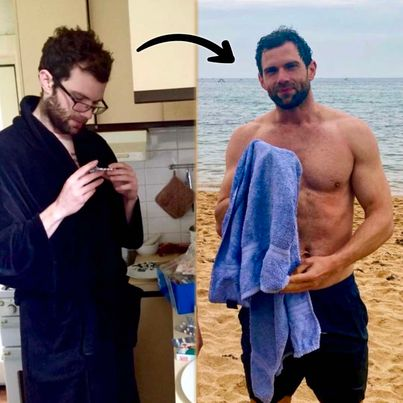
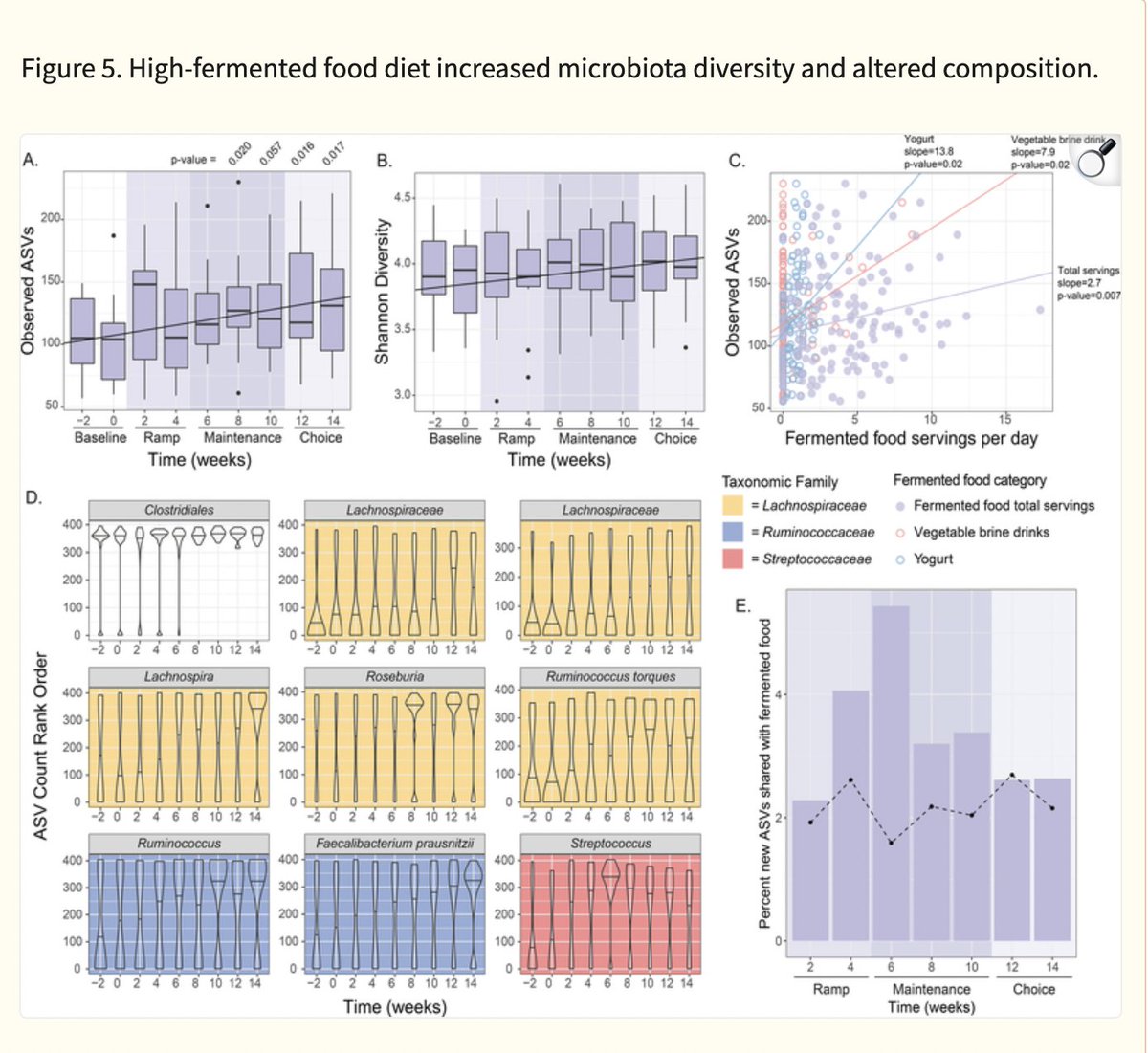
My client just sent me just sent me her transformation pics. Abs showing, lost 8kg. We used this diet. Hardest part of these diets is staying low fat. Easily my favourite for weight loss. Will be exceptions though.
Jun 12

High carb moderate protein low fat may not be perfect for everyone but absolutely it's the first place I'd start anyone, knowing nothing about them.
3
23
4,259
Jun 12
Do not ask what supplement fixes your problem.
Ask which systems are failing first.
1
15
1,335
Jun 12
Chronic gut issues are best fixed by three strategies:
- microbiome strategies
- gut lining improvements
- fix the governing systems of the entire body
Practitioners on social media are mostly stuck within the first two frameworks.
26
1,655
Ross 🧬🔬 retweeted
Jan 22
As the great Scott Adams would point out, systems will get you what you want, not goal setting.
Same applies for chronic health issues.
When I say I treated my health issues like "rehab", it means I developed a deliberate system, where I could
- control for variables,
- be consistent with interventions,
- utilise progressive overload,
- understand my limits, and
- decide whether to persist or try new plan.
Most people get better with practitioner guidance because they finally have a system to follow.
If you don't have a system in place and you have a chronic health issue, you're just leaving so much on the table.
Jan 22

"I treated it like rehab." That's probably what most people need tbh, or at least how we need to approach healing. Modernity is a hell of a drug -- literally.
2
4
54
6,521
Jun 11
Holding high blood volume when chronically ill is hard.
One major reason can be increased bradykinin inhibiting your usual sodium/water retention pathways.
Interestingly, increased bradykinin is a marker associated with Covid illness severity.
Questions:
is chronically elevated bradykinin driving long covid symptoms?
and/or
is low blood volume driving more severe reactions to infections/viruses?
Food for thought.
Jun 11

You're wasting your time doing mindfulness if you have chronically low blood volume.
Chronically low blood volume is the absolutely most effective way to always be in fight or flight via sympathetic nervous system drive.
Fix with ample water, minerals, iron, & B6, B9 B12.
6
2
46
5,103
Jun 11
You're wasting your time doing mindfulness if you have chronically low blood volume.
Chronically low blood volume is the absolutely most effective way to always be in fight or flight via sympathetic nervous system drive.
Fix with ample water, minerals, iron, & B6, B9 B12.
2
5
169
11,941
Jun 10
See -runners get injured by runners negligence.
Why is there such a poverty mindset in running?
Why not fuel and hydrate the best you possibly can to ensure recovery/reduce injury?
Most non trained runners are already severely under-doing nutrition/carbs/hydration.
Jun 7

No, you don’t need a gel for your 1 hour zone 2 run. You dont need water either.
Just pre-hydrate
1
11
2,415
Jun 9
I started running every day like forest gump to give up smoking. Developed all kinds of niggles.
Spent a month research run programs and technique.
After that, I got quicker, fitter and injured way less.
Ran my first marathon in 2.50.
Helps to learn about running.

With strength training, people assume they need to research it first, have a program, learn the lifts. But everyone knows how to run, right?
1
46
9,598
Jun 9
Running injuries mainly come from runners negligence.
With gym, people progress slowly and work on technique.
With running? This goes out the window. People will often run through pain just to hit a distance targets. Or run every day to exhaustion.
Jun 9

The same kind of people who tell you the deadlift is bad for your back are the same kind of people who tell you that running will ruin your knees.
These people are either ignorant or idiots on the topics.
1
1
17
2,780
Jun 9
This case example of my client looked like a typical case of trauma and gut issues.
Every other treatment failed her, but a systems based approach transformed her health.
Let's unpack.
She presented with fatigue, brain fog, gut bloating, insomnia, excess weight, and anxiety.
She had exercise intolerance, bloated to all foods, and wasn't working.
But even worse, she recently lost a child and also went through a divorce.
She tried prescription medicines, a range of supplements, psychologists, weight loss coaches, and more, but nothing worked.
Eventually she was admitted to hospital with sepsis, with her C-reactive protein reaching 153mg/L.
This was a mental rock bottom for her, which lead her to try a more holistic approach.
Four weeks later, we ordered her first bloods. Annoyingly, she saw a few doctors before one was willing to order bloodwork (after sepsis..?).
Bloodwork reveal following issues:
- iron anemia
- low thyroid hormones
- elevated insulin
- inflammation
- functional metabolic acidosis
It's important to note here:
1. Iron anemia reduces brain blood perfusion and mitochondrial function - which can drive brain fog and a lack of energy.
2. A lack of iron, inflammation and elevated insulin, can all suppress thyroid hormone output.
3. Iron is needed for lipolysis (to lose fat).
4. Low iron and thyroid issues make weight gain more likely.
5. Elevated insulin interferes with bile signalling and gut motility - increasing bloating and digestive issues.
6. All of the above drives sympathetic/stress systems. Worsening trauma systems.
This can be taken further. E.g. the bloating/digestive issues causes food and water aversion - increasing nutrient and mineral depletion, and so on.
From a systems point of view, the questions are:
1. How and what order do we untangle this?
2. Practically speaking, how do we implement this?
Given the trauma, the approach requires slow and steady to begin with - lots of patience.
So this is what we did:
Step 1: iron anemia, thyroid hormone anxiety
- daily red meat
- lactoferrin, curcumin, NAC, quercetin, passionflower, spleen, myoinositol, l theanine, b complex, mg malate
Result: increased energy, more mental resilience, improved ability to take on more challenge, and improved iron, thyroid and hemoglobin output.
Step 2: weight loss
- CICO
- elimination diet
- high carb, low fat, medium protein
- starch fruits
- RDA of all micronutrients/minerals
- myoinositol, mg malate, passionflower, curcumin
- daily red meat
- daily steps
Result: weight loss, more energy, back to work, increased confidence, bloating dissipated, hunger returned, reduced insulin inflammation levels.
Step 3: increase blood volume strength
- 8 cups water daily with 1/4 tsp mg malate, 1/8 teaspoon salt
- pilates
Result: brain fog lifted, insomnia 85% gone, want to exercise returned, calmer nervous system.
Notably, a profound effect is she is now processing trauma she was avoiding dealing with - even just talking/thinking about.
Now we are transitioning away from supplements. She's stopped counting calories. We are doing a food first and exercise approach to optimise her health.
This progression does not work without considering the systems and then how to untangle them.
For example, the iron anemia wasn't solely driven by low intake, but also inflammation (up-regulating hepcidin and blocking absorption).
So addressing iron intake and inflammation simultaneously was key. Addressing this before exercise and weight loss was also key.
Some of the nuance is lost in written form by not seeing the blood, sweat and tears of a case like this along the way. You need to start low and slow with cases like this.
No single intervention would solve it. You could not replicate this process in a randomised controlled trial.
Most people would have just cast off all her symptoms as being driven by trauma. And yet, it was systems physiology which drove her health revival.
Systems physiology is king. The systems that govern your body will ultimately decide how with your improve or stay the same.
5
5
103
5,608
Jun 9
Ultimately, a properly designed elimination diet based off your unique gut issues and physiology is easily one of the most powerful interventions there is.
This matters a million times more than 70 grams carbs vs 130g carbs etc.
Jun 9
The more dysfunctional someone's gut health, immune system or otherwise, the less carbs people usually initially tolerate in their journey.
But even with most severe cases people usually tolerate 50g carbs daily - if implemented with support supplements and an elimination diet.
1
26
3,703
Jun 9
The more dysfunctional someone's gut health, immune system or otherwise, the less carbs people usually initially tolerate in their journey.
But even with most severe cases people usually tolerate 50g carbs daily - if implemented with support supplements and an elimination diet.
Jun 9
At the start of your functional health journey, carbohydrate intake is an important consideration.
For the majority of people a range between 120-160 grams (low medium) works best when considering factors like digestion, glucose utilisation, thyroid and immune function.
3
2
30
6,579
Jun 9
At the start of your functional health journey, carbohydrate intake is an important consideration.
For the majority of people a range between 120-160 grams (low medium) works best when considering factors like digestion, glucose utilisation, thyroid and immune function.

avoiding carbs because you dont tolerate them is like skipping leg day because you have weak legs
your body HAS to burn carbs, whether or not you eat them.
your brain requires them, your heart requires them, your gut cells, adrenals and RBCs do too.
if you dont eat them, you make them out of protein and fat, and still need to burn them.
so shouldnt you figure out why you dont tolerate them and fix that instead of just avoiding them entirely?
1
20
6,387
Jun 9
The most dysfunctional someone's gut health, immune system or otherwise, the less carbs people usually initially tolerate.
Majority of even severe cases I encounter at least tolerate 50g carbs daily - when implemented with support supplements and an elimination diet.
6
916
Jun 8
There's a chicken or egg thing with breathing.
Poor breathing stuffs up your health. But poor health - e.g. high sympathetic drive changes breathing patterns.
Focus on both angles to fix breathing.
You should be able to breath deeply through nose and feel it relaxing you.
Jun 7

So many people need jaw surgery it really is insane make sure your kids are eating solid food and masticating this is an epidemic of bad breathing
2
48
4,938
Jun 8
Systems physiology is king.
This should be the prevailing philosophy underpinning how everyone sees health.
Jun 7

Systems
Not receptors
Not one molecule
Not one cell
Not one organ
Systems
2
1
41
5,877
Jun 6
Having witnessed many transform from severe chronic illness to thriving, Abud's philosophy here is ultimately what matters most:
"Multi system resilience or failure. It’s not one upstream pathway"
Jun 6
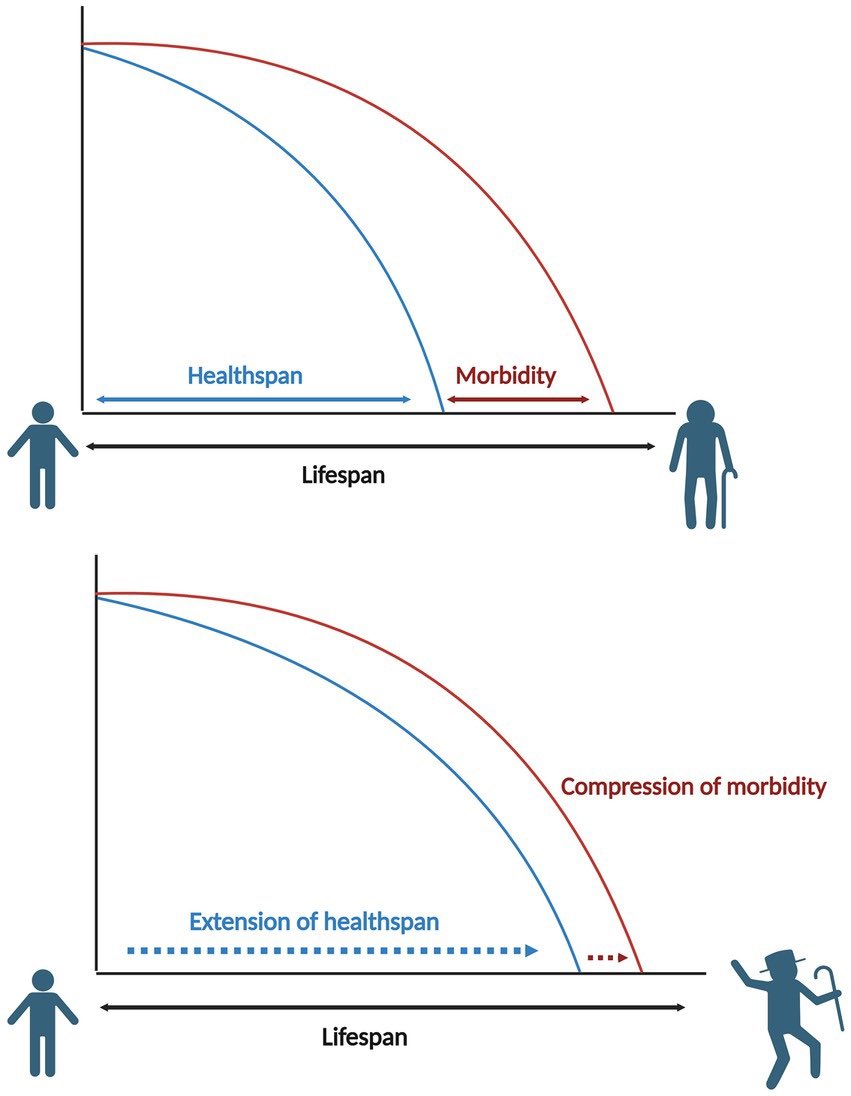
Still amazed when I walk into a 90 year old patient’s room and they look 70
It’s always jarring. And they suffer from less of the chronic conditions that a typical 70 year old has
Almost as jarring when the 50 year old with 17 chronic conditions looks 70
Multi system resilience or failure
it’s not one upstream pathway
2
41
6,234
Jun 6
Fixing your gut is annoyingly intricate.
More complex than a diet, but not one size fits all, which is why knowing the right tools is key.
It's one of the best ways to optimize health. I highly recommend implementing some of these strategies:
My top 10 gut health tools:
1. Elimination diets: start simple while you rebuild.
2. Bile flow: taurine, glycine, folate, choline.
3. Lose weight: overweight = gut problems.
4. Constipation fix: mg citrate iberagast
5. Gut lining: PEA, collagen, lactoferrin, broth, kefir
6. Antimicrobials: S Boulardii, BSO, Mct oil berberine
7. Inflammation: Curcumin ginger tea
8. Digesting fats/proteins: Betaine HCL Tudca
9. Nutrition chemistry: hit all mineral/vitamin RDAs
10. Hydration: 3L men, 2L women daily (1/8 teaspoon sodium, 1/4 mg malate per cup of water)
Bonus tools
- thyroid: 120 carbs daily
- fiber: PHGG, MCP, boiled carrots
- biofilms: NAC
- co-systems: oral health, sinus health
- circadian rhythm: morning light, darkness after sunset
22
55
664
36,787
Jun 5
Brain uses 20% of oxygen consumed. The lower blood volume, less oxygen for the brain.
The brain compensates in a way which results in less function and increased brain fog.
3L of water (2L for women), minerals and nutrients for blood production is a must.
1
57
3,684
Jun 5
If most doctors act like health is simply the absence of disease.
Then don't be surprised people over diagnose themselves with conditions they don't have in an attempt to explain their symptoms which don't qualify as a disease but you cast off as "anxiety" or "normal".
26
1,524