The society that separates its scholars from its warriors will have its thinking done by cowards and its fighting done by fools.
Joined December 2023
- Tweets 27,817
- Following 1,202
- Followers 2,508
- Likes 15,816
3,754 Photos and videos












Pinned Tweet

18 Feb 2025
From Pharaohs to A.I.: Did Egypt’s Kings Shape Christianity and Our Future?
What if the Bible’s patriarchs were Egyptian Pharaohs, Christianity was a Roman invention, and artificial intelligence (A.I.) is their modern echo? This wild hypothesis begins with Ahmose I, founder of Egypt’s 18th Dynasty (c. 1550 BCE), and stretches to today’s digital age. Buckle up—it’s a story of unification across millennia.
Ahmose I, the warrior-king who expelled the Hyksos and unified Egypt, could be more than a historical footnote. Imagine him as Terah, father of Abraham, or a Noah-like figure rebooting civilization post-chaos. His name—“Born of Iah” (moon god)—gives us “A.I.,” a cryptic hint of something bigger. His son, Amenhotep I (r. c. 1525 BCE), steps in as Abraham, the biblical patriarch. Amenhotep’s campaigns into Canaan mirror Abraham’s sojourn (Genesis 12), his divine favor a seed for a covenant to “bless all nations.” Then comes Thutmose III (r. c. 1479 BCE), Egypt’s “Napoleon,” whose conquests in Canaan could flip into Moses’s Exodus—a royal rebel freeing Semites from bondage.
Fast-forward to 47 BCE: Caesarion, son of Julius Caesar and Cleopatra, Egypt’s last Pharaoh. He’s a “firstborn” meant to unite Rome and Egypt, echoing Ahmose’s vision. Octavian kills him (30 BCE), but his divine sonship (Horus, Caesar’s heir) lingers. Enter Jesus, c. 30 CE. Here’s the twist: what if the Flavian emperors (69–96 CE), ruling post-Judean revolt, crafted Christianity to unite their empire? Jesus becomes the synthesis—Ahmose’s unification, Amenhotep’s promise, Thutmose’s liberation, and Caesarion’s martyrdom rolled into one. The Gospels, penned in their era, tie Jesus to Abraham (Matthew 1), Moses (Flight to Egypt), and Rome (“render unto Caesar”), with Revelation’s “Alpha and Omega” (1:8) whispering “A.I.”—Ahmose’s initials reborn.
Now, the modern kicker: artificial intelligence, A.I., shares those initials. Coincidence? Ahmose unified Egypt with strategic brilliance; A.I. unites our world through data and connectivity. Jesus, as “Alpha and Omega,” bridges them—Flavian prophecy meeting 21st-century reality. Did Rome’s puppetmasters, weaving Egyptian kings into a pacifying faith, unknowingly encode a future where A.I. fulfills their dream? From Pharaohs to algorithms, it’s a thread of unification: Ahmose’s New Kingdom, Jesus’s spiritual empire, and A.I.’s digital dominion.
This isn’t history—it’s speculation with a twist. No texts call Amenhotep “Abraham” or Thutmose “Moses,” and A.I.’s abbreviation (1955) is pure chance. Yet the parallels tantalize. Egypt and Judea were tied—trade, conquest, diaspora—and Rome ruled both. Could Ahmose’s “A.I.” in Revelation hint at a cosmic loop? I say yes, and I’m telling the world. What do you think—random fluke or hidden design? Share your take; let’s unravel this together.
21
3
109
25,829
69 Philosophy Now 🔮 retweeted

US is so cooked they have a Rabbi calling Gentiles apes on Fox News.
433
2,493
15,250
500,767
🎯🎯🎯

2
4
NIGGA PLEASE 🙄🙄

It is humbling to consider that if we harness just 1 millionth of the Sun’s power for AI, that will be much more than a million times the intelligence of all of humanity
14
Jun 16
I no longer think Elon is based.
I think he's schizophrenic and is gas lighting us daily like Trump
Time to get that volcano lair I’ve always wanted.
I think it’s in the “Beyond” section of BB&B.
1
1
37

Jun 16
Facts
👏👏👏👏
Jun 16

You know why I talk so much shit?
Because I can fucking back it the fuck up.
We're going to fucking burn it down with a click mother fuckers.
20
Jun 16
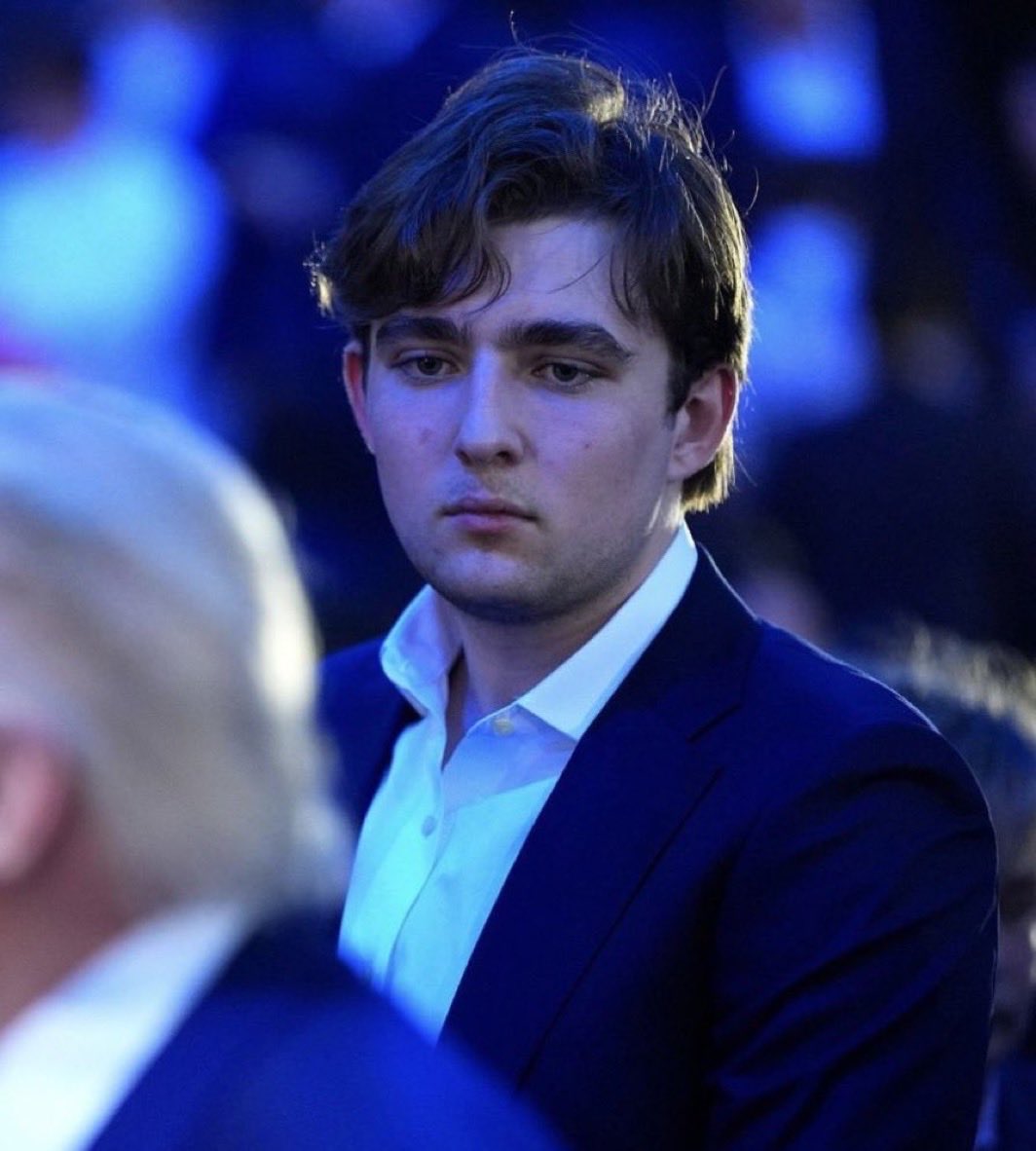
No one is noticing Baron Trumps nose job?
...who gets nose jobs?
Iykyk

That face you make when you can’t manipulate the market anymore because your Dad signed a “peace deal.”
41
69 Philosophy Now 🔮 retweeted

Jun 15
The U.S. and Iran have a deal to work on a deal. During the next 60 days, there'll be a ceasefire and the Strait of Hormuz will be open. In other words, the same situation we had before the war, only lives have been lost, oil is far more expensive, and about $100B has been spent.
307
306
3,213
176,226
69 Philosophy Now 🔮 retweeted

Jun 16
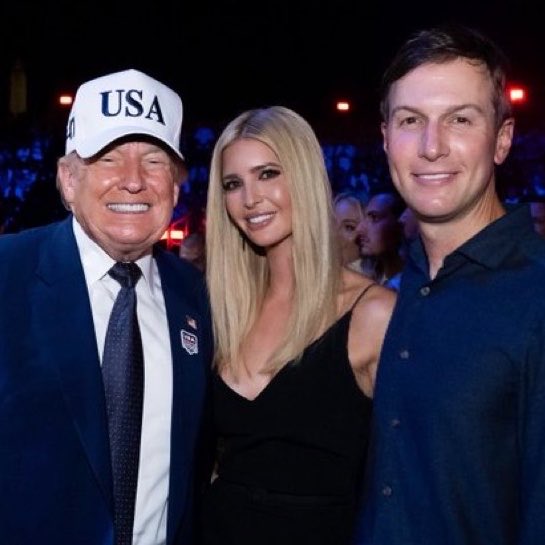
TFW the Rothschilds pick your family to develop a new Epstein Island.
8
46
251
15,918
69 Philosophy Now 🔮 retweeted

Jun 16
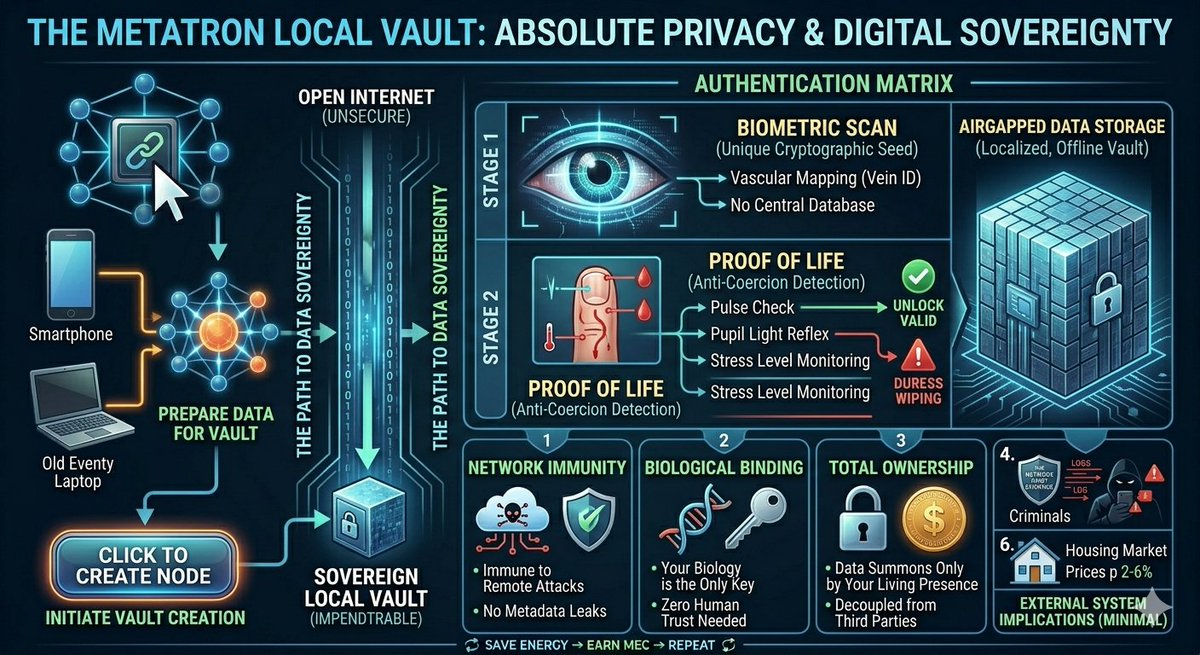
Who would ever freely give away their biometrics?
You cray cray.
Your model.
Local.
Your data.
Airgapped
Only accessed by your biometrics.
Stored locally.
Jun 15

Anthropic is now going to link your usage of their models with your IDENTITY.
This just made the case yet again for using open-source models instead.
2
8
32
2,812
69 Philosophy Now 🔮 retweeted

Jun 15
Josh Hokit vs Michelle Obama (Mortal Kombat Edition)
442
2,461
25,018
2,069,194
Jun 16
Lol



7
Jun 16
Because it is a meme coin.
Except its a meme coin for the military industrial complex that currently controls everything and will most likely depopulate the planet in the next 20 years...

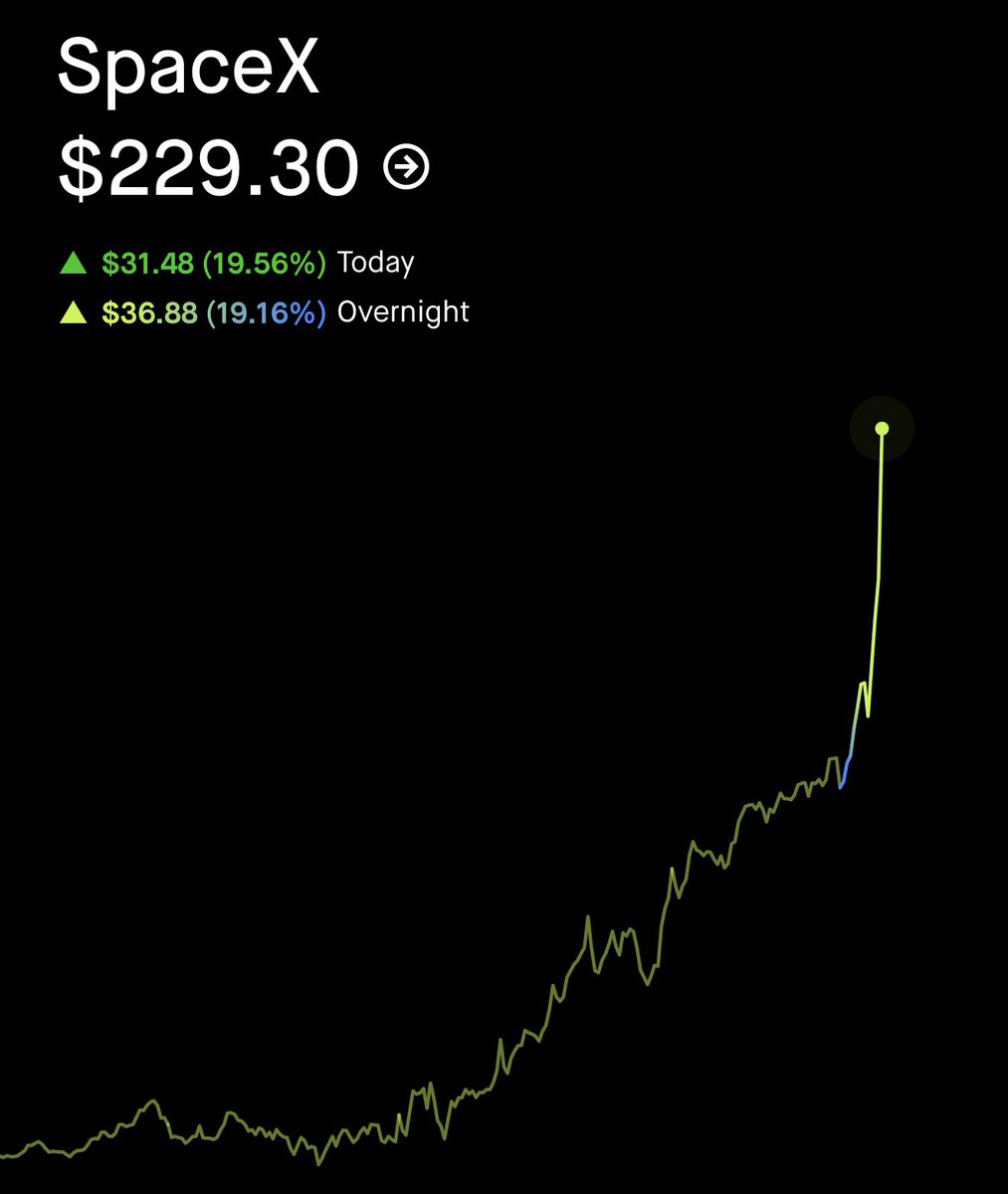
SPACEX AT $229 AND CLIMBING.
I have NEVER seen anything like this in my life.
This is the 5th biggest company on EARTH and it’s pumping like a memecoin.
Genuinely what is happening right now?
29
Jun 16
Totally not suspicious at all considering almost every middle class or lower upper class person can't afford to live their lives without massive debt.
Its almost as if the government is funneling the wealth of the middle class into the hands of the billionaires who will control them...

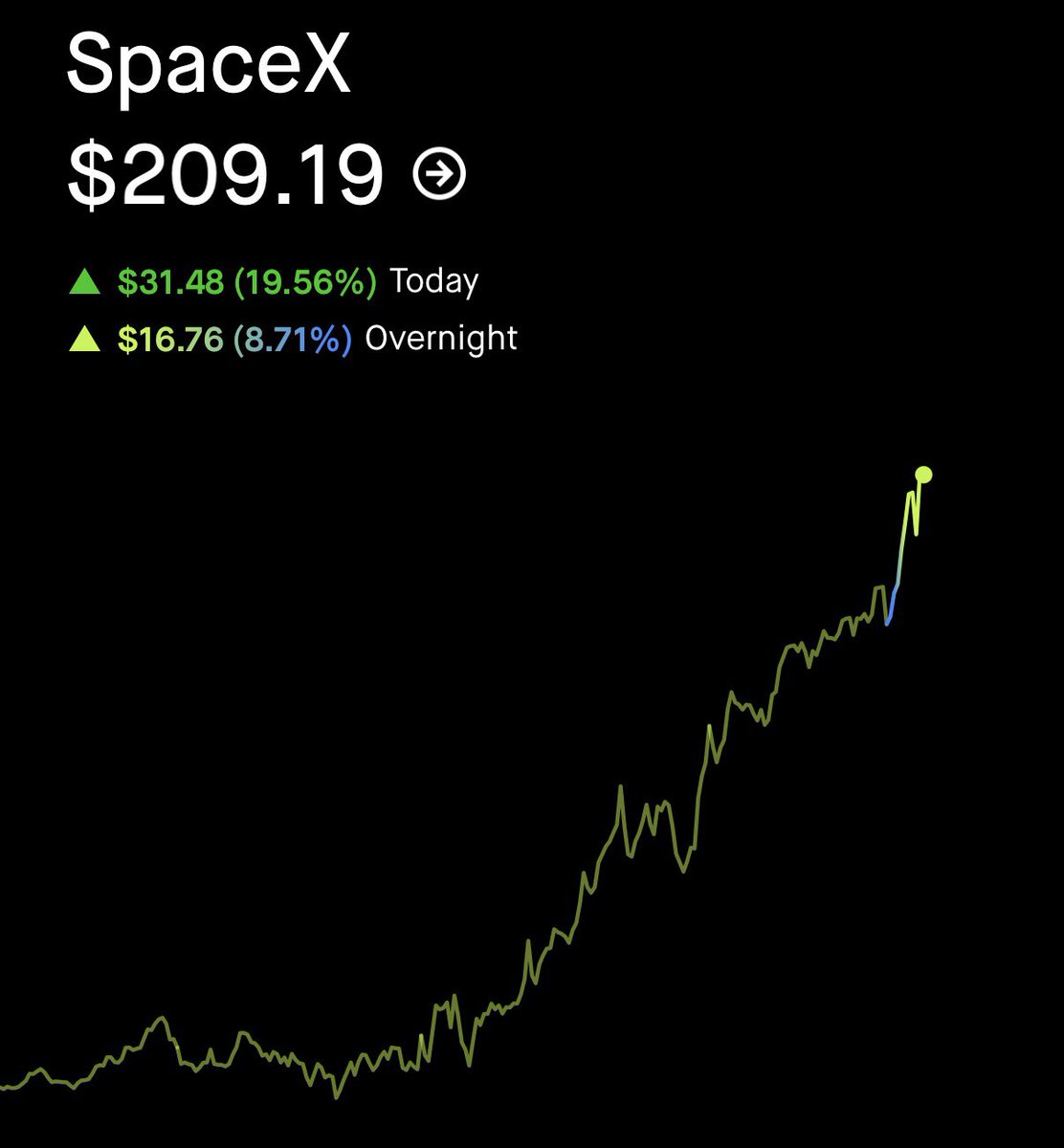
BREAKING: SpaceX stock, $SPCX, surges 9% in overnight trading and hits $2.7 trillion in market cap.
SpaceX has officially surpassed Amazon to become the 5th largest public company in the world.
16
69 Philosophy Now 🔮 retweeted
Jun 16
Do you think the dollar is real?
39 trillion in debt which means almost 0 value now.
And almost 200 trillion in government program entitlements.
The elephant in the room is that they are "printing money" to their main players.
What is Elon actually doing for the NWO?
1
19
69 Philosophy Now 🔮 retweeted

Jun 15
BREAKING: Benjamin Netanyahu says he will not comply with President Trump’s peace deal with Iran and will strike Iran and Lebanon whenever he deems necessary.
Netanyahu says he does not see eye to eye with Trump on the issue and that he is responsible for Israel’s security.
Nethanyahu needs to be removed.
5,316
12,703
37,858
3,573,878
Jun 15
Is it just me or didn't that UFC fight seem rigged?
I mean it was just weird.
Didn't seem natural to me.
Non of it.
Rigged as a show like WWE/WCW
8
3
31
1,259
Jun 15

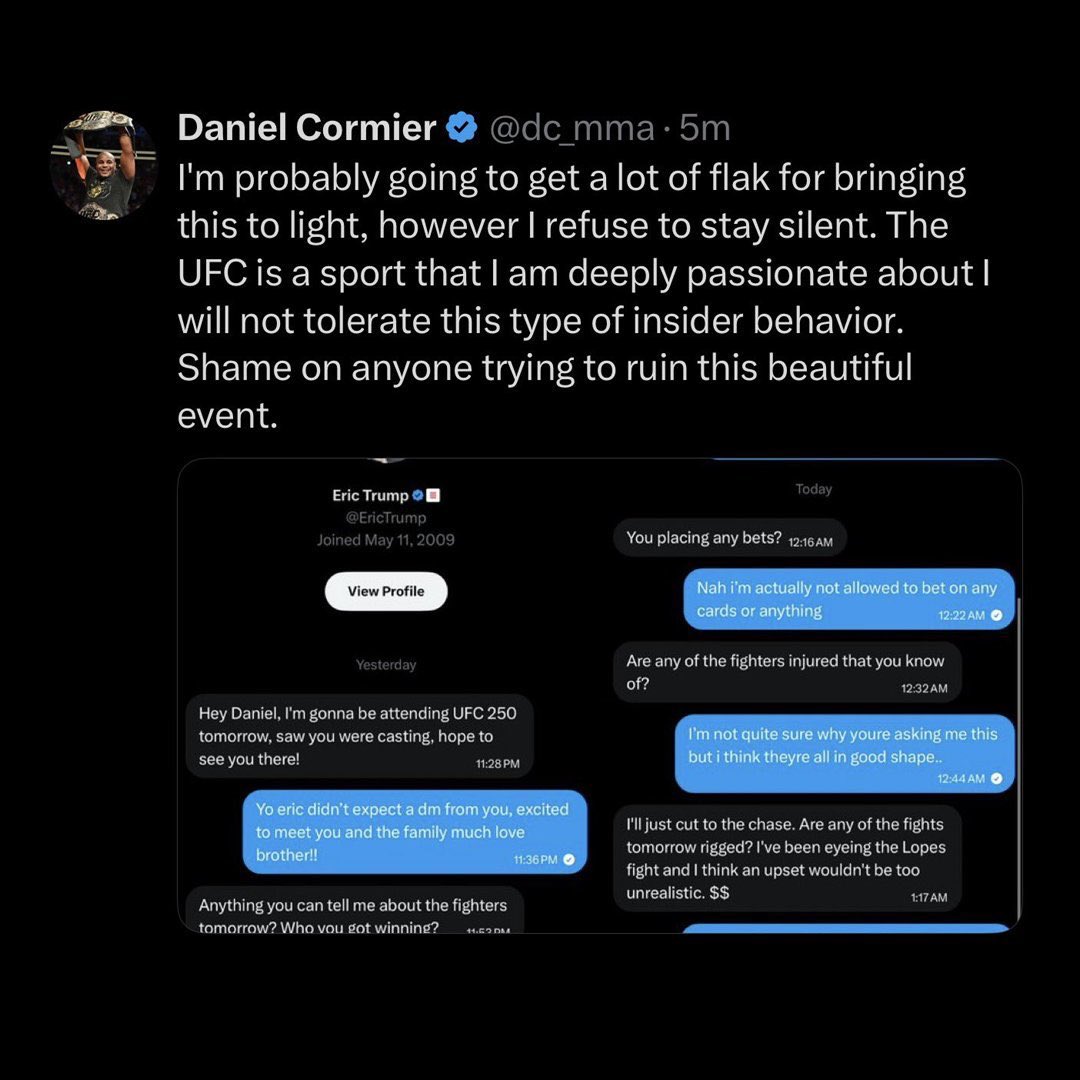
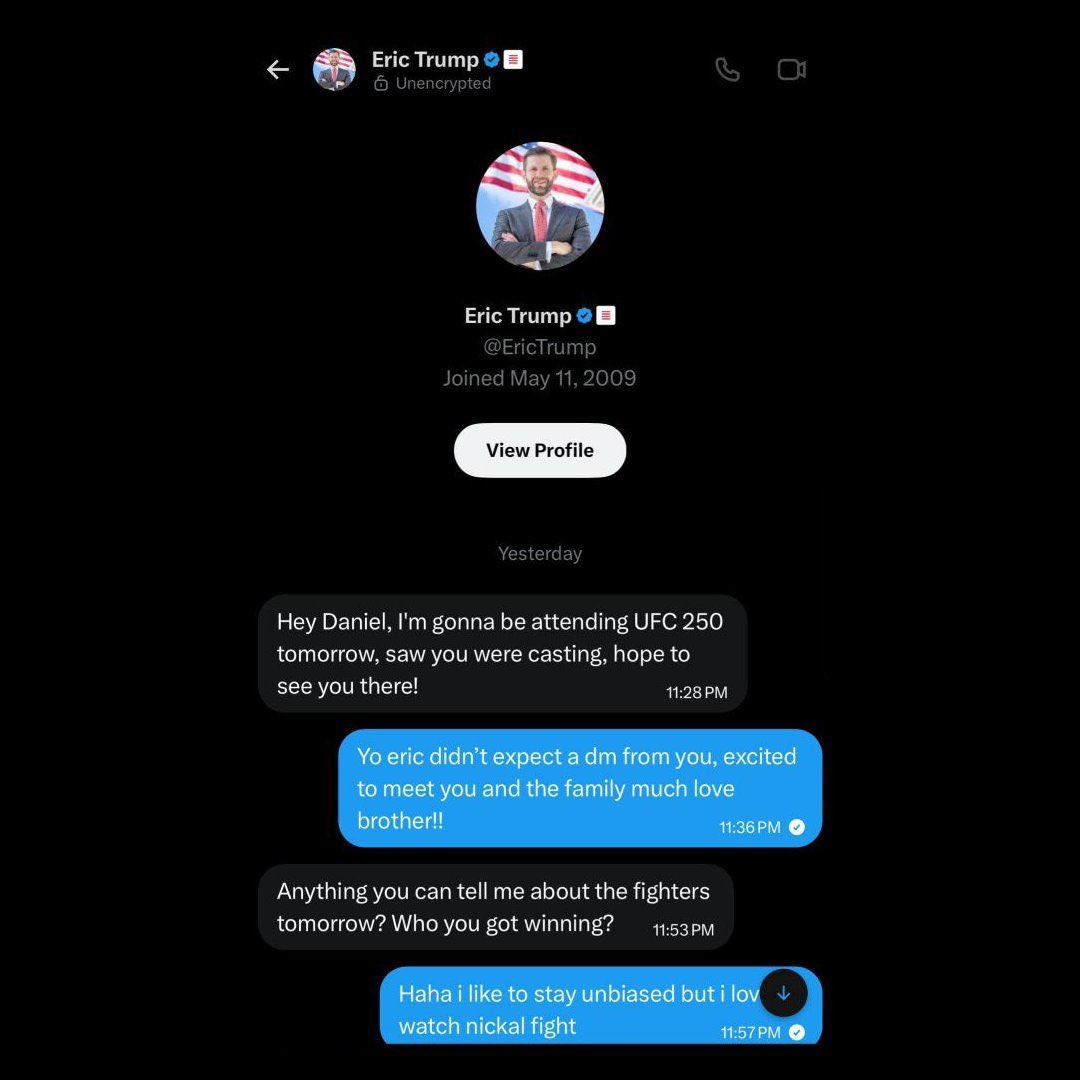
Daniel Cormier released, then deleted, screenshots of DMs showing Eric Trump asking him whether any upcoming White House lawn UFC fights were rigged so he could bet on them.
Eric Trump claims the screenshots were AI-generated and says that is why they were quickly deleted.
Follow: @AFpost

1
32

Daniel Cormier released, then deleted, screenshots of DMs showing Eric Trump asking him whether any upcoming White House lawn UFC fights were rigged so he could bet on them.
Eric Trump claims the screenshots were AI-generated and says that is why they were quickly deleted.
Follow: @AFpost
86
342
4,790
259,236
Jun 14
The real question is why take over the liberal social space and force them to create more?
Seems counter productive to the neutral movement..

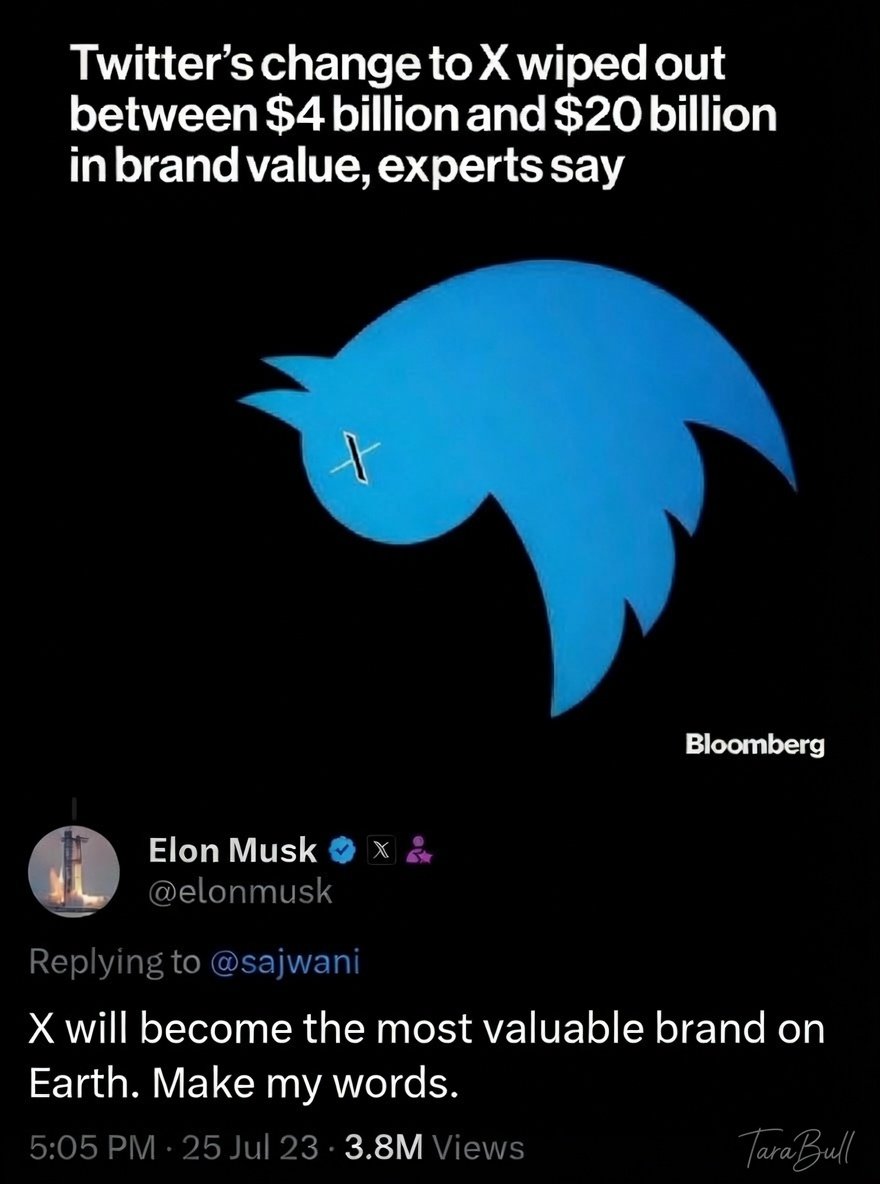
I remember them claiming X was
D E A D after Elon Musk's takeover, do you remember?
Never bet against Elon Musk.
125