
Eco-minded retired chem. engineer and vocal concerned citizen on energy and environmental matters, flying safety (MH370), and more recently JFK.
Joined February 2013
- Tweets 4,080
- Following 97
- Followers 139
- Likes 546
746 Photos and videos

Pinned Tweet

May 14
AI#171: "Carly Simon" Moment for Aviation?
Anticipation is her song. Air India final report soon. However, public shrugs off pilot-deliberate crashes, perhaps now the No. 1 problem. Wake-up call last week was ChinaEastern MU5735's incredible FOIA disclosure from the U.S. NTSB after a Chinese citizen requested it. OK, one person on the planet is NOT in denial.
EgyptAir990, China Eastern, Air India (probable), Alaskan Air (2023 attempted) all featured fuel cut-off. In the non-Western world, all vehemently denied for cultural reasons.
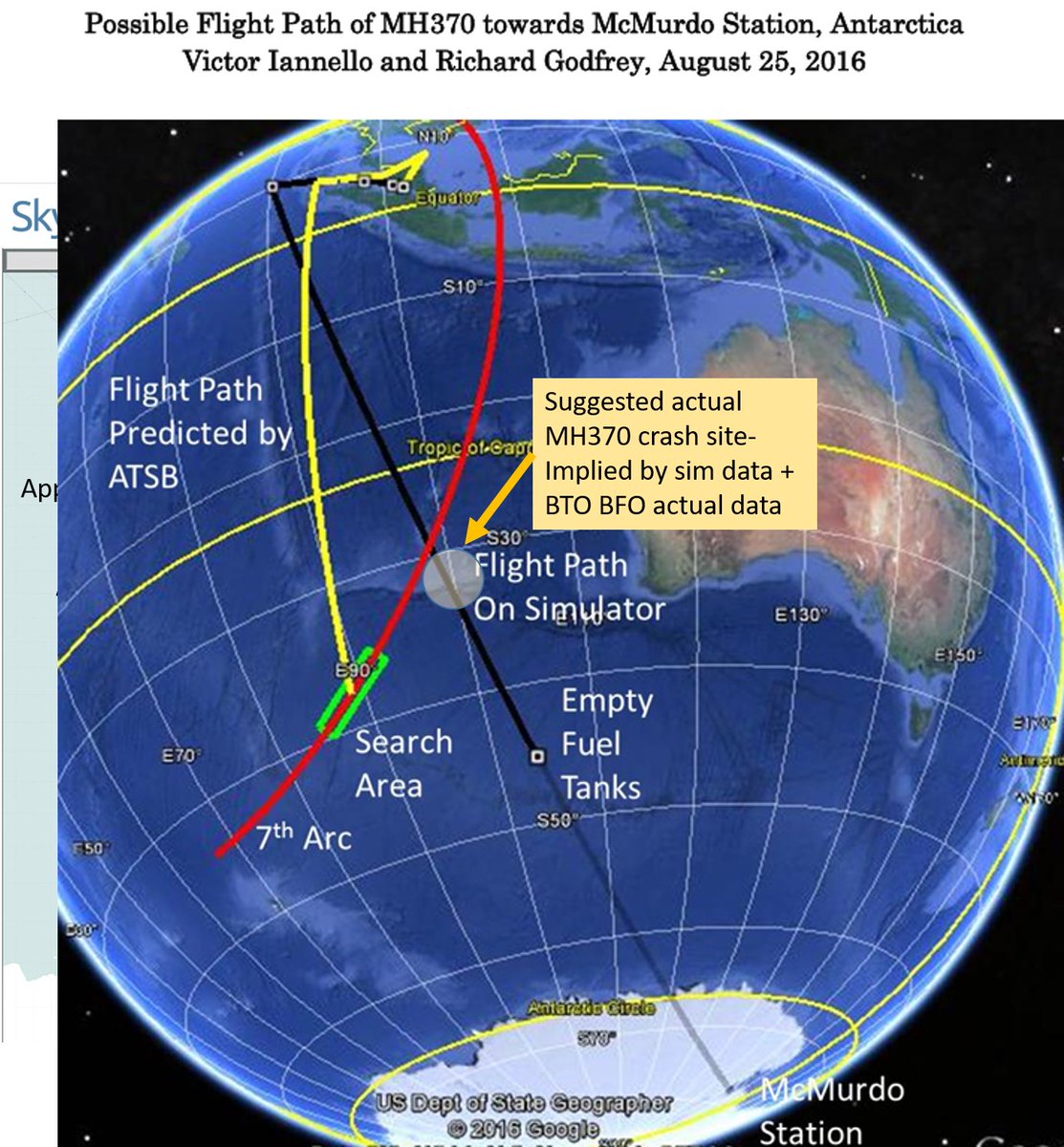
That list does not count GermanWings, SilkAir185, Malaysian MH370 and other cases, where pilots apparently figured other creative ways to end it all, such as nose dive, aircraft depressurization, and flying towards the South Pole (we aren't sure yet if he was heading for the Geographic South Pole or the Magnetic South Pole -- but I disgress).
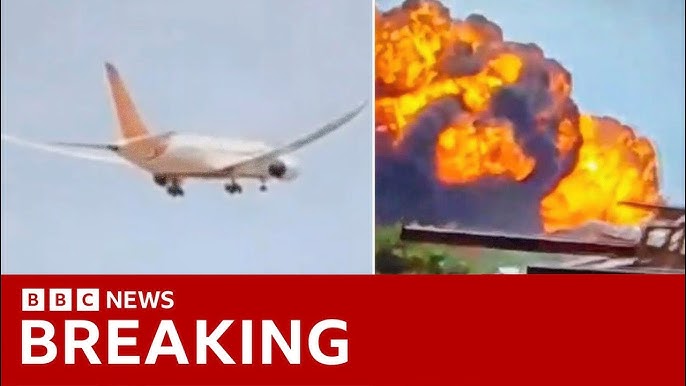
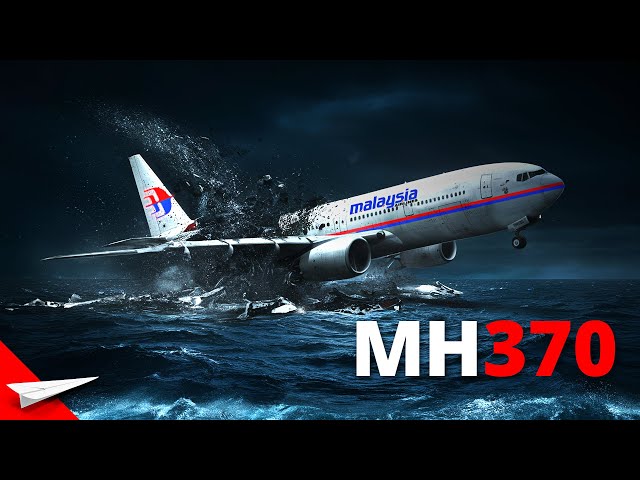
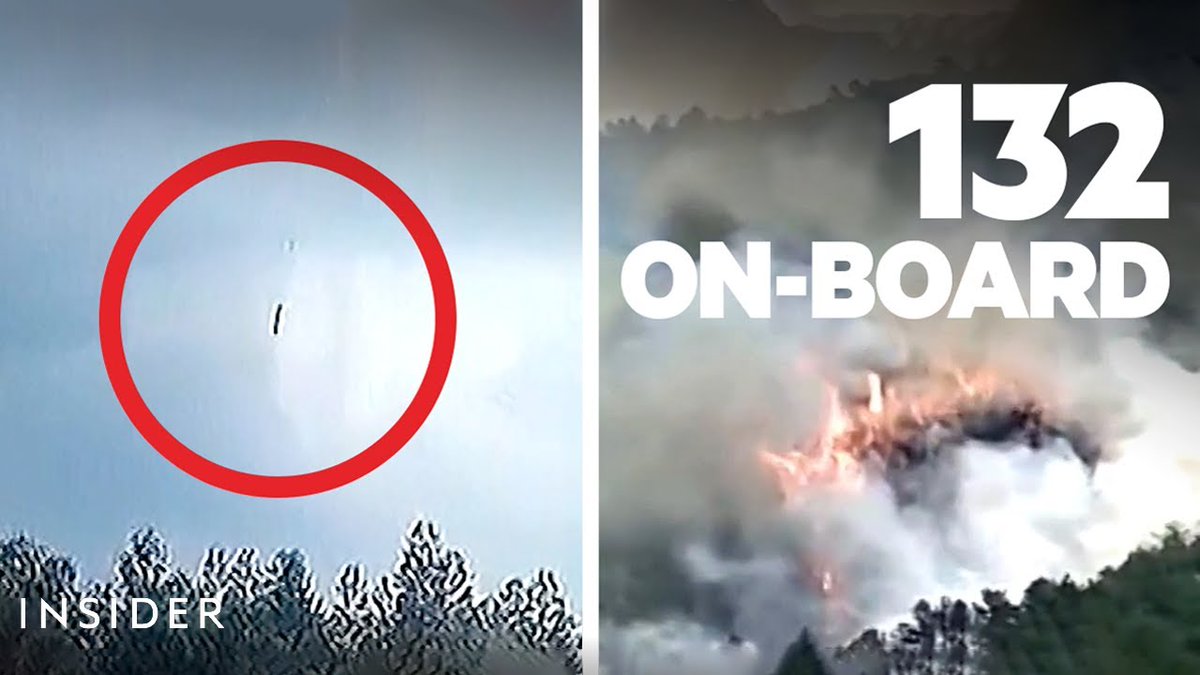
Is anybody listening? Song is here, sad pics below youtube.com/watch?v=6izHvFUh…

1
705
Jun 13
Re: MH370 - John Cox w/ Sid
Capt Cox makes "gentlemanly" case for deliberate crash. We basically get the 60Minutes OZ view (prob criminal act). That is in some conflict w/ official narrative of "great reluctance to blame pilot"= ghost flight.
youtube.com/watch?v=nGpM8P30…
1
61
Jun 12
Air India 171: Sad 1-yr Anniversary
AAIB-India delays final report for 2-3 months; India pilot unions opposed to interim report. According to this blurb, pilot action to turn off fuel is likely cause, but India now wants to check recovered GE engines.
youtube.com/watch?v=j66IxUnV…
2
258
Jun 11
Re: JFK Windshield (TWA800 implications)
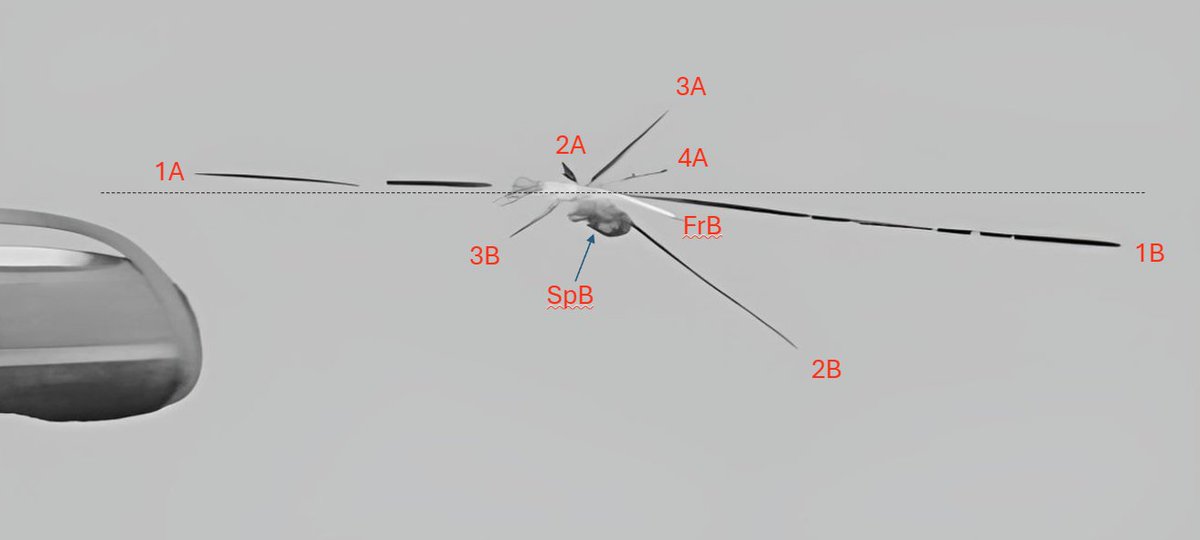
New essay by me on the JFK Limo Windshield. The windshield in the Archives is considered a fraud fake cover-up by many, due to lack of a bullet hole. The "proof" is 8 eyewitnesses saw the hole. But closer examination by FBI and Ford at the White House showed only the outer laminate was damaged. We have the same problem on TWA800 where some perceived a missile strike. Law enforcement talks about the potential weakness of eyewitness reports, but for many in the public, eyewitness evidence is the only honest evidence they can accept.
docs.google.com/document/d/1…
ALT Proposed nomenclature for the JFK Limo windshield spider crack and spalling damage by the author.
1
59
Jun 9
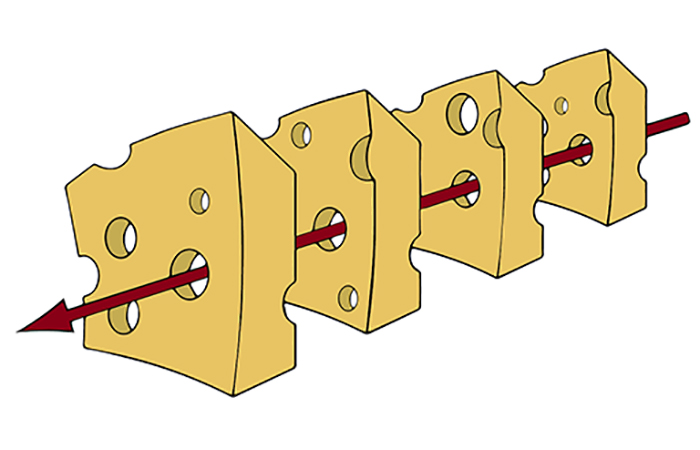
TWA800 B747 Fuel Tank Swiss Cheese Model
The 30th Anniversary of TWA800 is next month, and the accident was found by NTSB and FBI to be detonation of an explosive air/vapor mix in the center fuel tanks. There continues to be denial of this finding, even among some pilots. There are many reasons for the denial, next article I will cover the denial reasons, but one big reason is conflicting eyewitness evidence.
Fuel Vapor Safety
As a chemical engineer, our training is basically to avoid operations in the explosive region of air/vapor mixtures, assuming static or any rogue spark can detonate such mixture. In contrast, aviation industry, particularly U.S. industry (FAA/Boeing) historically felt that they could safely operate in the explosive air/vapor region in the fuel tanks. As long as low voltage wires were used in the fuel tanks, the basic historical finding was that static electricity was not strong enough to set off jet fuel/air vapor explosions.
But the plot thickens: what might be true for brand new aircraft, with fresh wiring insulation and no corrosion on the metal surfaces, starts to get very questionable for a 25-year old B747 like TWA800.
TWA800 simply follows the classic "Swiss Cheese" model of "unlucky" alignment of negative factors leading to an unexpected accident. Here are the main factors:
1. Boeing/FAA Design Philosophy
It was considered acceptable risk to operate with an explosive mixture of jet fuel vapor/air in the fuel tanks. Boeing even intentionally used the center fuel tank as a heat sink to dissipate heat from the air conditioning system, which heats up (partially vaporizes) the jet fuel in the center tank, especially if the center tank in mostly empty. Except for longer flights, Boeing recommended keeping the center fuel tank empty for aviation technical reasons. Of course, "empty" usually means there is small amount or "heel" of residual jet fuel in the center fuel tank.
2. Jet Fuel Volatility Factors
The source of the residual Jet Fuel in the empty center fuel tank was Greece, from the prior flight. In those days, jet fuel in Europe was generally lighter/lower boiling then that from the U.S. due to difference in product demands (USA refiners were maxing out gasoline which EU refiners were maxing diesel). So the fuel was probably prone to partial evaporation to create the explosive mixture.
3. Runway Time
There was enough time spent on the runway at JFK on this summer evening for the residual jet fuel in the empty center tank to heat up due to Boeing's design philosophy of directing heat from the A/C system to the center tanks.
4. Wiring Mixing (High/Low Voltage) and Insulation Aging
A wiring logic mistake somewhat unique to Boeing, even though Boeing knew they needed to avoid sparks in the fuel tanks, Boeing commingled high voltage wires with low voltage wires going to the fuel tanks. It turned out that the early B747's were built with a type of insulation on the wires later found to have deterioration problems, potentially allowing higher voltages to bleed into the lower voltage wiring.
5. Sulfidic Corrosion of Fuel Tank Internals
Jet Fuel contains 2000 ppm Sulfur (0.2 wt%) which over time apparently caused some noticeable build up of copper and/or silver sulfides on some of the connections in the fuel tank. This corrosion layer, even if minor electrically, it needs to be recognized that metal sulfides are generally flammable in air. Sometimes metal sulfides can ignite spontaneously if there is a big enough pile of the material, but in this case I think we have to imagine that static electricity or smaller electric voltages could set off a teeny tiny fire that could be a source of vapor/air detonation.
I am coining a new term to describe this possibility, I call it "electro-pyrophoricity". My first intern job in a petroleum industry corrosion R&D group was to study iron sulfide (FeS) pyrophoricity. I made a small pile of FeS and it burned spontaneously, which pissed off my manager who felt FeS was not inherently pyrophoric. Short story of my life!
And I suppose I should mention, I was peripherally involved in the TWA800 Boeing/petroleum industry joint effort to look for fixes.
121
Jun 7
MH370: Fasten Your Seatbelts!
Byron sits w/ Sid who needed 2-wks to edit. Bailey swallows WSPR hook-line-&-sinker, thus USA flew to Arc7 crash site next day (ugh!). Byron discloses Saudi Arabia was secretly funding? search-very interesting.
First of all, who gets Byron's house in OZ he was betting on 38-39s?
Secondly, re: Saudi Arabia, Australia's ASTB disclosed in 2017 that the pilot's home sim data was apparently representing the pilot's 4-Feb-2014 MH150 flight to Jeddah, diverted to SIO. We in the blogosphere confidently ignored the significance of that, but if you are FBI and Saudi Arabia, I think you say, holy crap! this guy almost took down a flight to Saudi Arabia. This may account for Anwar's rude treatment by Saudi Arabia when he was elected. Of course, shades of 1MBD scandal where Saudi Arabia may have funded, which I wonder if that may have been a thorn in the pilot's side?
Meanwhile we in the blogosphere now confidently dismiss the pilot's home sim data, which is still undisclosed except for the redacted leak of 2016. Ignoring that is another probable mistake, because the sim data probably tells us the planned flight path, merged onto after about Arc5.
The fact that the search was NOT based on the pilot's home sim data tells you all you need to know: namely denial prevails, and it is not just Malaysia, it is aviation sensitivities pushing back on the deliberate-pilot-to-the-end scenario.
Byron is at least a "breath of fresh air" in the sense he is willing to say the truth, whereas so many others feel the public should be told that the pilot was a hero. Why?
Byron is basically equivalent to Jean-Luc/CAPTION, and although they see what happened (pilot took it), they do not yet have a grasp on where he flew it. Byron getting closer.
youtube.com/watch?v=QACl8xYW…
1
854
Jun 8
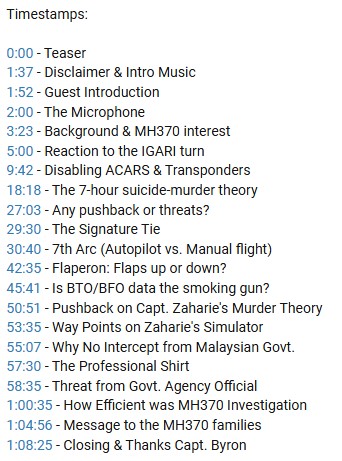
@Ventus45 shows the some of the edits Sid made to Byron's interview
x.com/Ventus_45/status/20637…
Jun 7

Well well well.
I just had a look at the show notes !
Sid has cut about 20 MINUTES out of it.
Two images.
Original Shown Notes and Current Show Notes.
Says it all.
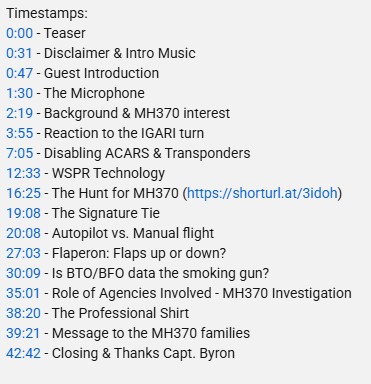
1
54
Jun 4
MH370: Geoffrey Thomas Analysis - My Take
Basically I am/was aligned on MH370 "in general" with Geoffrey Thomas (and Richard Godfrey), therefore I am very sorry to lose an important ally. Condolences of course to the family.
Basically we all believed, a somewhat less popular view, of an active-deliberate pilot possibly with maneuvers to the end. Unfortunately, the more popular main-stream approach, and dare I say ATSB approach, was to "go easy" on the pilot blame and aviation industry sensitivities. Thus a ghost flight variation ending on Arc7 is what the public was told was the most likely scenario. (Politically-correct scenario would perhaps be a better descriptor as far as I am concerned).
But nonetheless I was estranged from Geoffrey/RGodfrey because I was not a WSPR believer, and also I was of a completely different view on Air India 171 and TWA800. Interestingly, re: TWA800, Richard Godfrey's latest IAI podcast takes a completely different view on TWA800, conforming to the NTSB's fuel tank explosion likely cause. Geoffrey just missed TWA800's 30th anniversary next month.
WSPR I think (does not work) but fulfills a need people have on MH370, rather than being a mind reader/accuser of pilot criminal intent, to instead have an impartial referee (radar trace) of where the aircraft went. I personally believe the pilot's home simulator data is the ignored flight-path evidence we need, but since that requires assuming pilot guilt, that approach is disliked and is also contradictory to many popular social-media opinions of possible ghost-flight crash site locations.
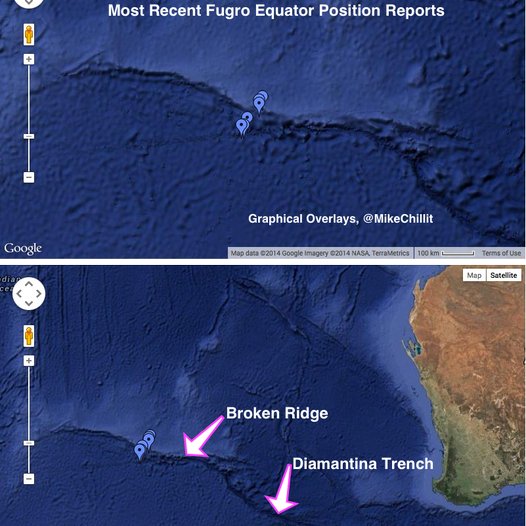
Ironically, the WSPR flight path is probably the closest "guess" to where MH370 actually crossed Arc7, somewhat similar to the pilot's home simulator cases. But in that region, due to curvature of Arc7, there is probably residual fuel to fly further and to fly on maybe 100-200 nm beyond Arc7. Let's face it, the data overall does suggest that a crash site somewhere out on the Broken Ridge could have been in the pilot's plans.
I do not see any current interest in searching out there, with the possible exception of a short search near the intersection of Arc7 and Broken Ridge comprising a little more area than OI already searched that spot in 2018. That would at least be something.
1
2
3
257
Jun 4
MH370: RIP Geoffrey Thomas
Sad news Geof Thomas, a major voice of MH370, has died. Geoffrey was long convinced MH370 was a pilot-deliberate accident, in part due to input he had from Malaysia. Later yrs he promoted the questionable WSPR theory.
youtube.com/watch?v=SHJfc9IV…
1
2
4
365
Jun 3
Re: Dark Matter Found? News from Anton.
Newton's Laws found working at intergalactic distances; MOND theory poss dead. But! a Steven Hawking teeny tiny Primordial Black Hole light lens seen in our nearby Large Magellanic Cloud. "Phoebe" ~1mm size.
youtube.com/watch?v=Q6QJFCGL…
94