Hr helpboard is a global human resource portal offering services in human resource development, performance management, training and recruitment.
Joined January 2013
- Tweets 2,907
- Following 854
- Followers 779
- Likes 516
2,255 Photos and videos





Jun 12
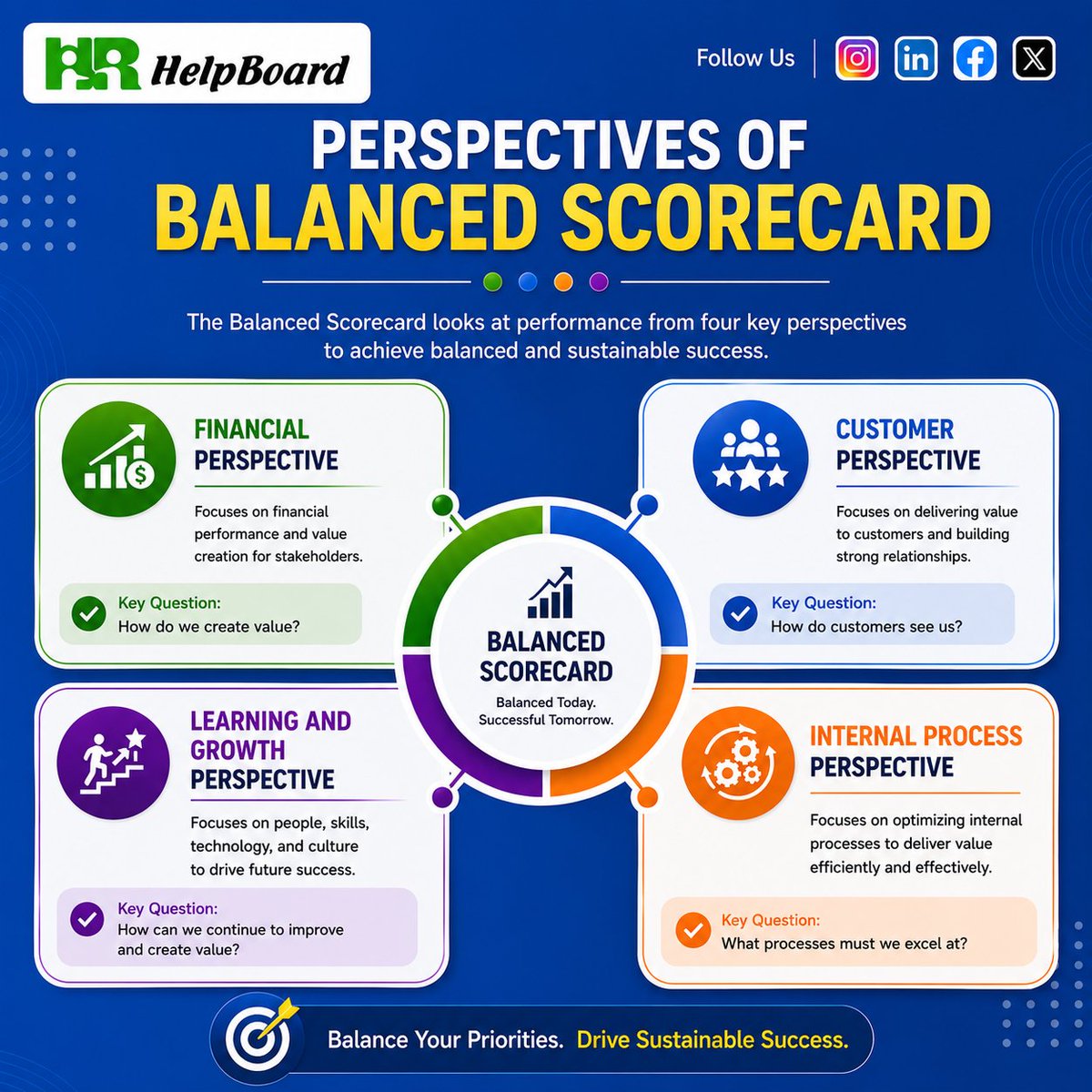
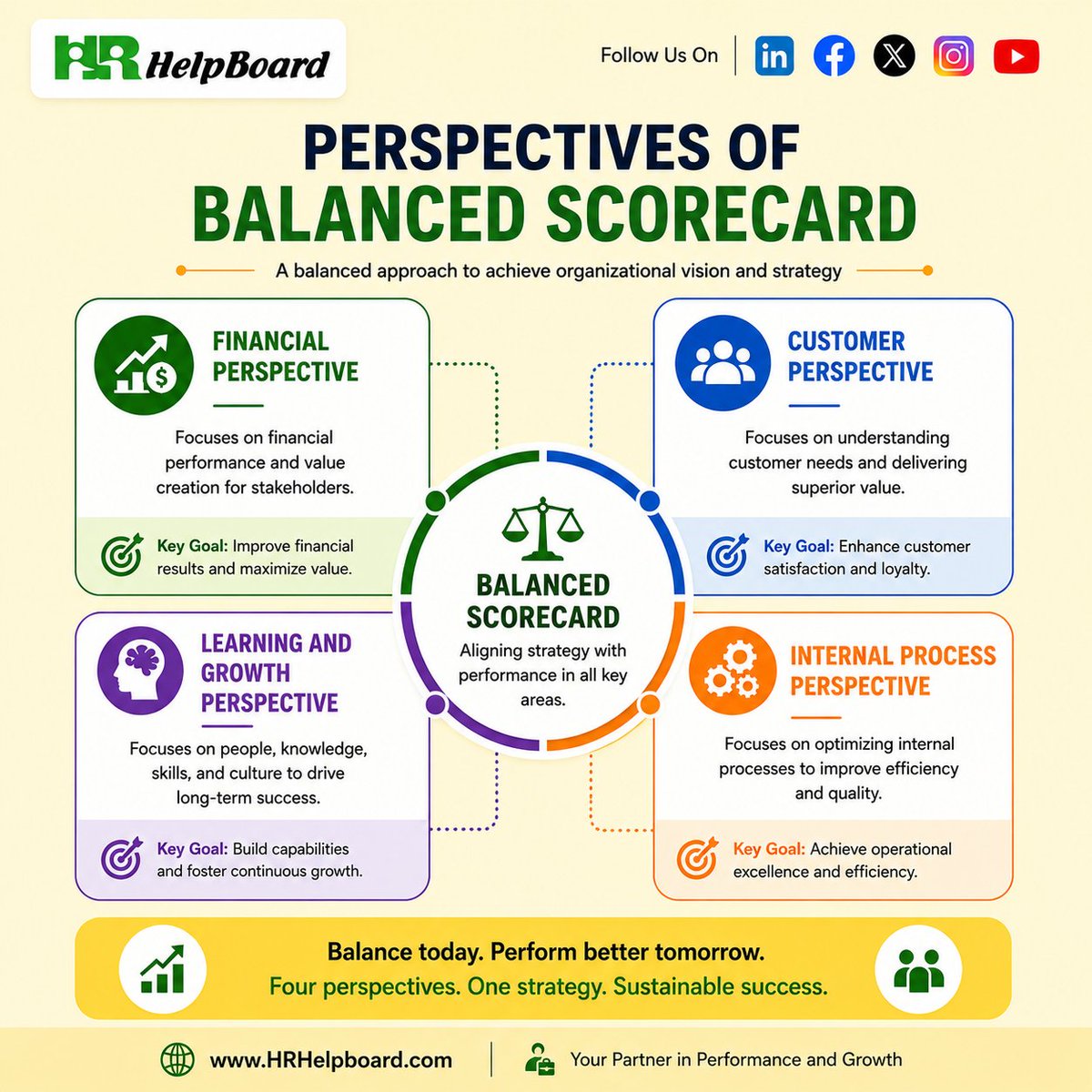
The Balanced Scorecard offers four key perspectives—Financial, Customer, Internal Process, and Learning & Growth—to align business goals, measure performance, and drive strategic success.
bit.ly/3vaYLXA
#balancedscorecard #whatisbalancedscorecard #performancemanagement
4
Jun 11
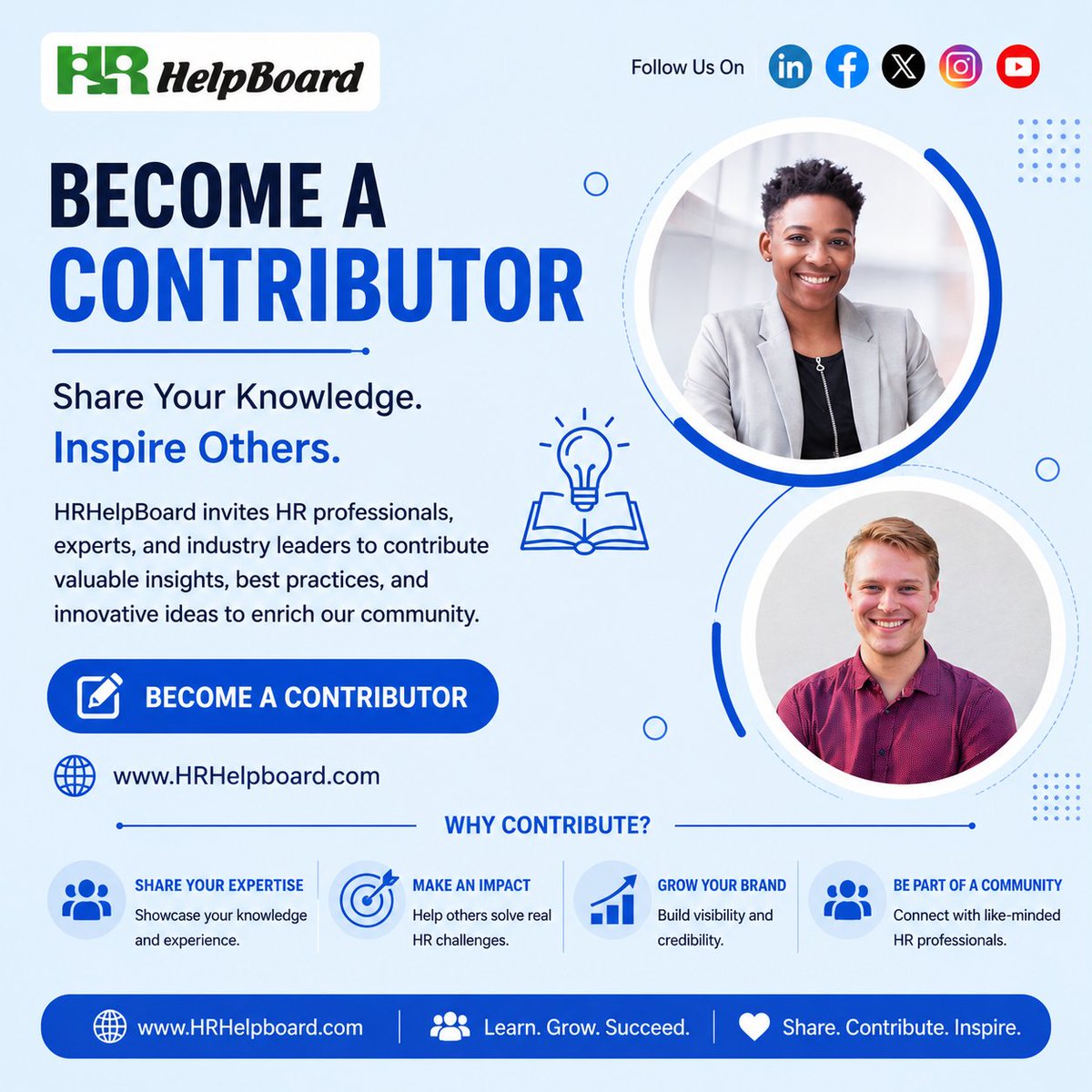
Join HR Help Board as a contributor! Publish your HR insights, articles, connect with professionals, and enhance your visibility in the HR world.
bit.ly/3ph7jJy
#submitarticles #writingopportunity #freesubmission #contentcreation #hrhelpboard #hrhelp
3
Jun 9
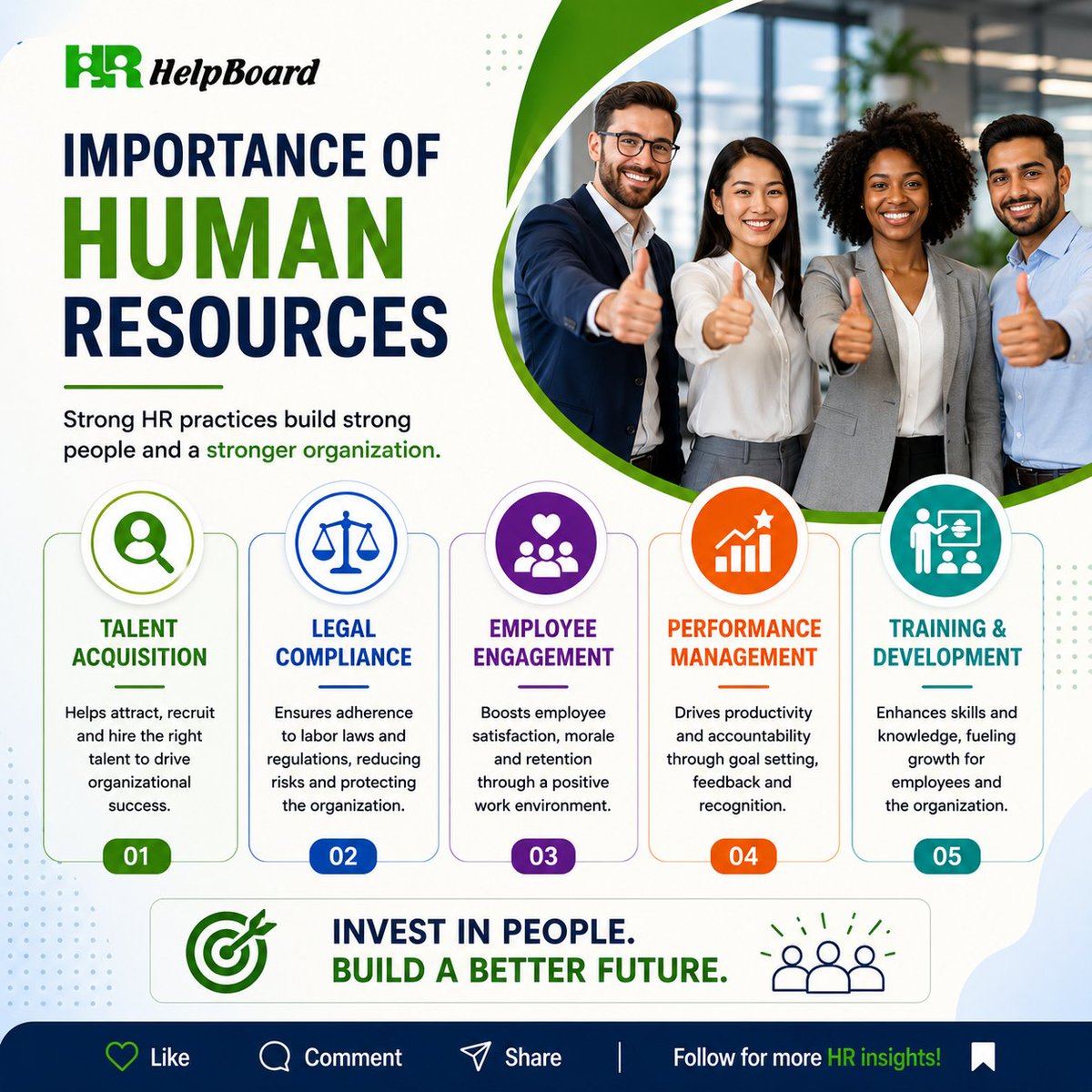
Human Resource plays a vital role in talent acquisition, training and development, performance management, employee engagement, and ensuring legal compliance to support organizational growth and workforce efficiency.
bit.ly/3vetZMO
#humanresource #HR
74
Jun 8
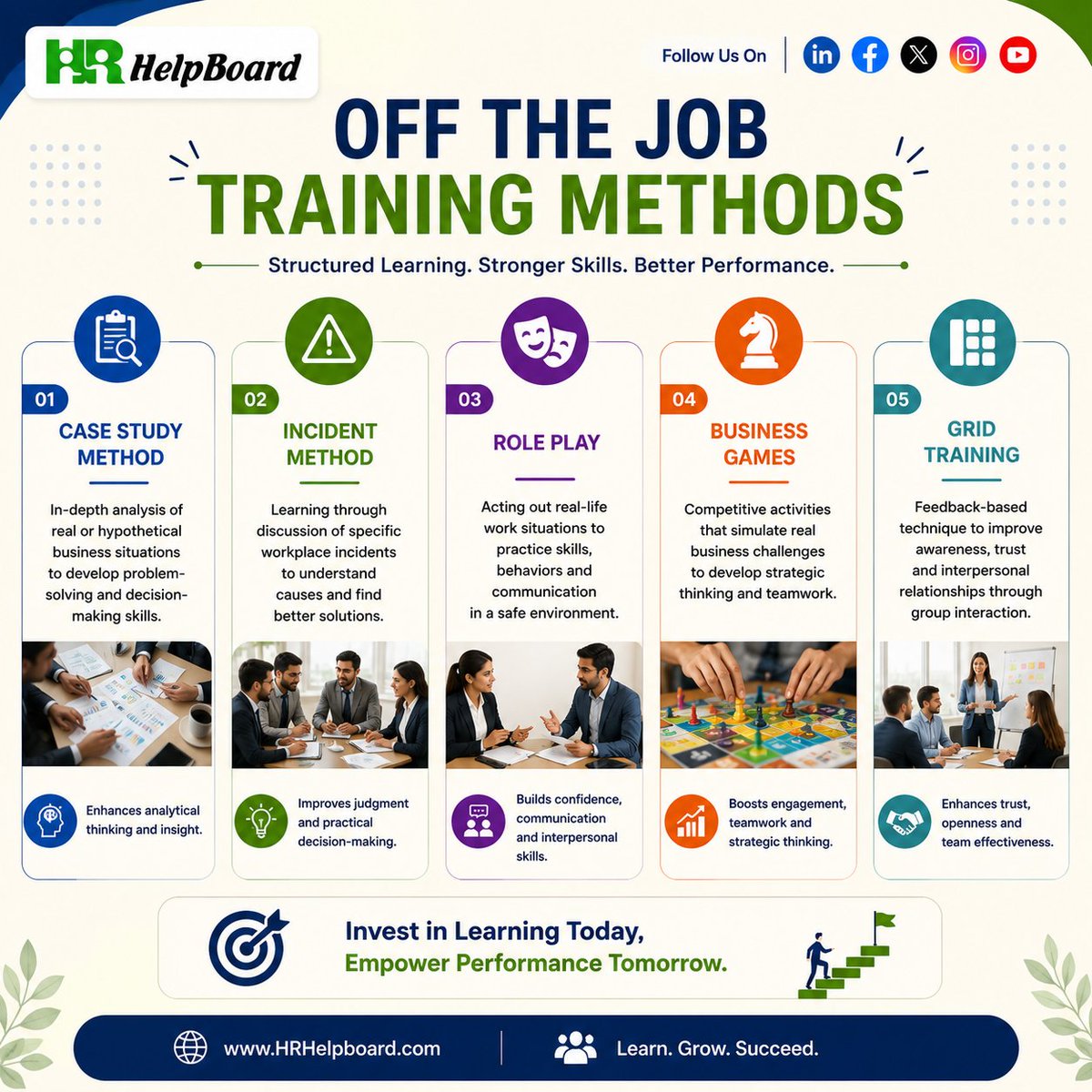
Off-the-job training methods like case study, incident method, role play, in-basket exercises, business games, and grid training develop decision-making, problem-solving, leadership, and managerial skills in simulated environments.
bit.ly/3v7wkK3
#trainingmethods
8
Jun 6
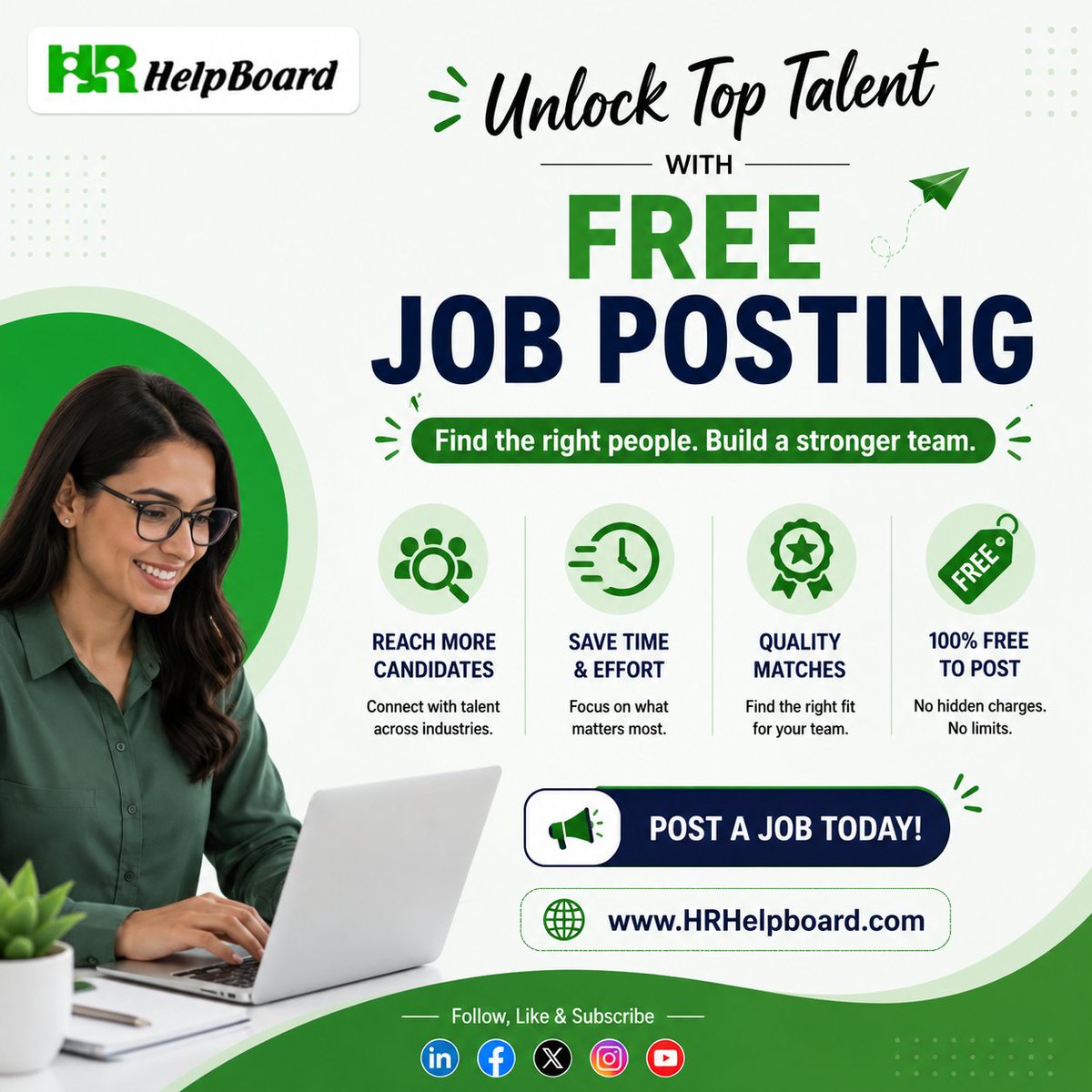
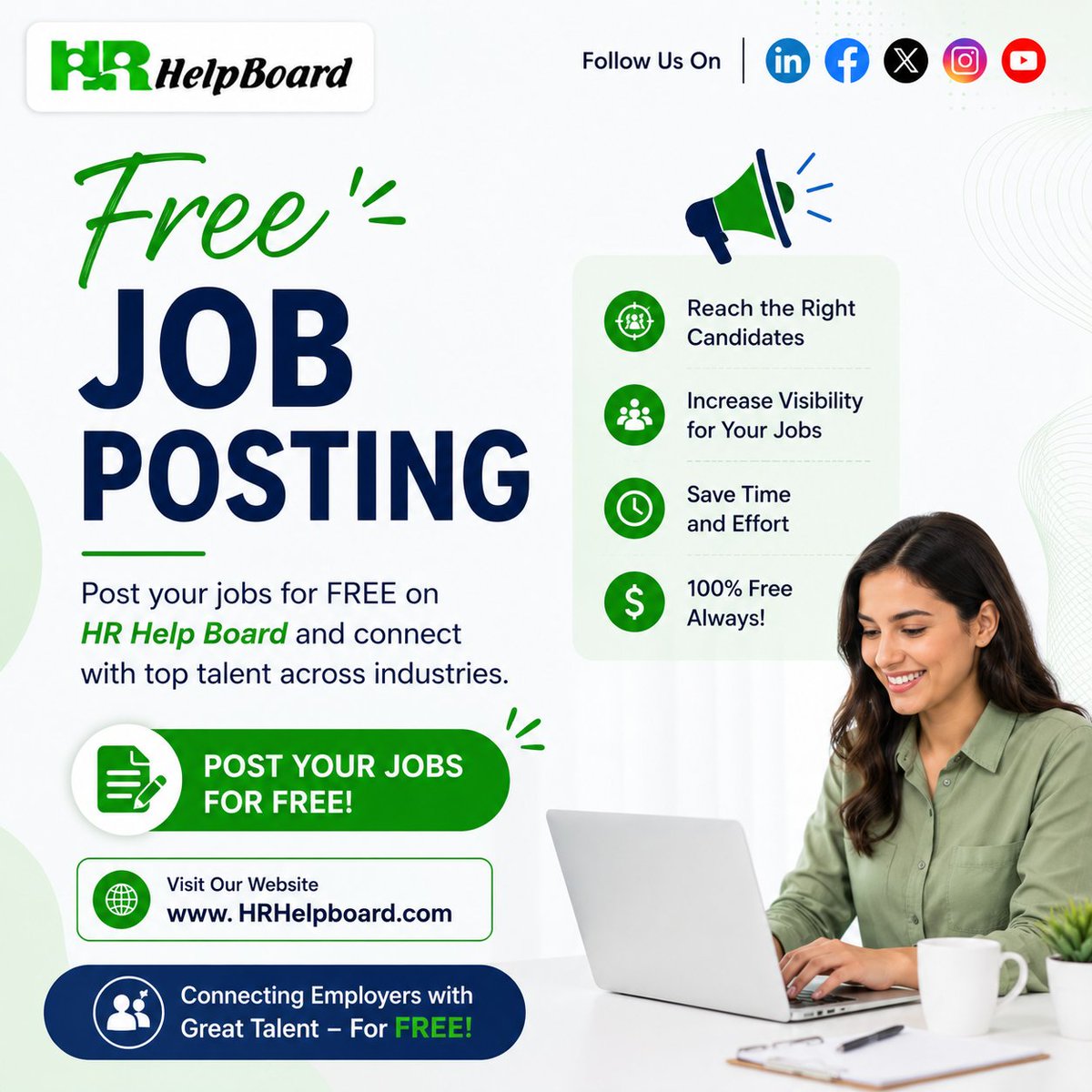
Post Jobs for FREE on HR Help Board – Connect with thousands of verified professionals and hire the right talent faster.
bit.ly/3qmnXaL
#HiringNow #NowHiring #JobOpening #JobSearch #JobAlert #JoinOurTeam #RemoteWork #WeAreHiring #CareerOpportunities #JobHunt
10
Jun 5
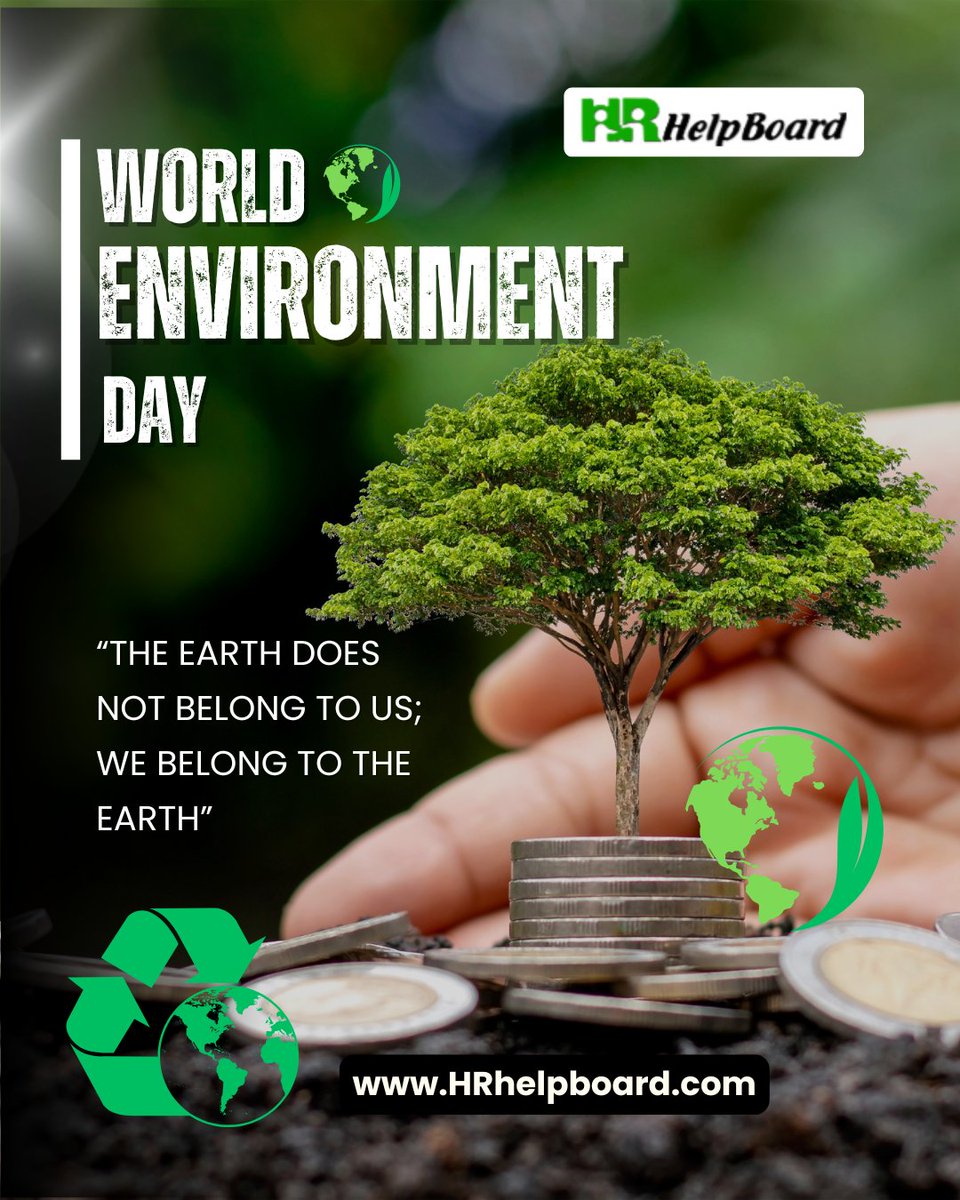
This world environment day, let’s reflect on our individual impact on the planet and strive to make positive changes for a greener future.
Click the link for more information:
bit.ly/3m1MaRX
#worldenvironmentday #worldenvironmentday2026 #worldenvironmentday2026theme
2
Jun 5
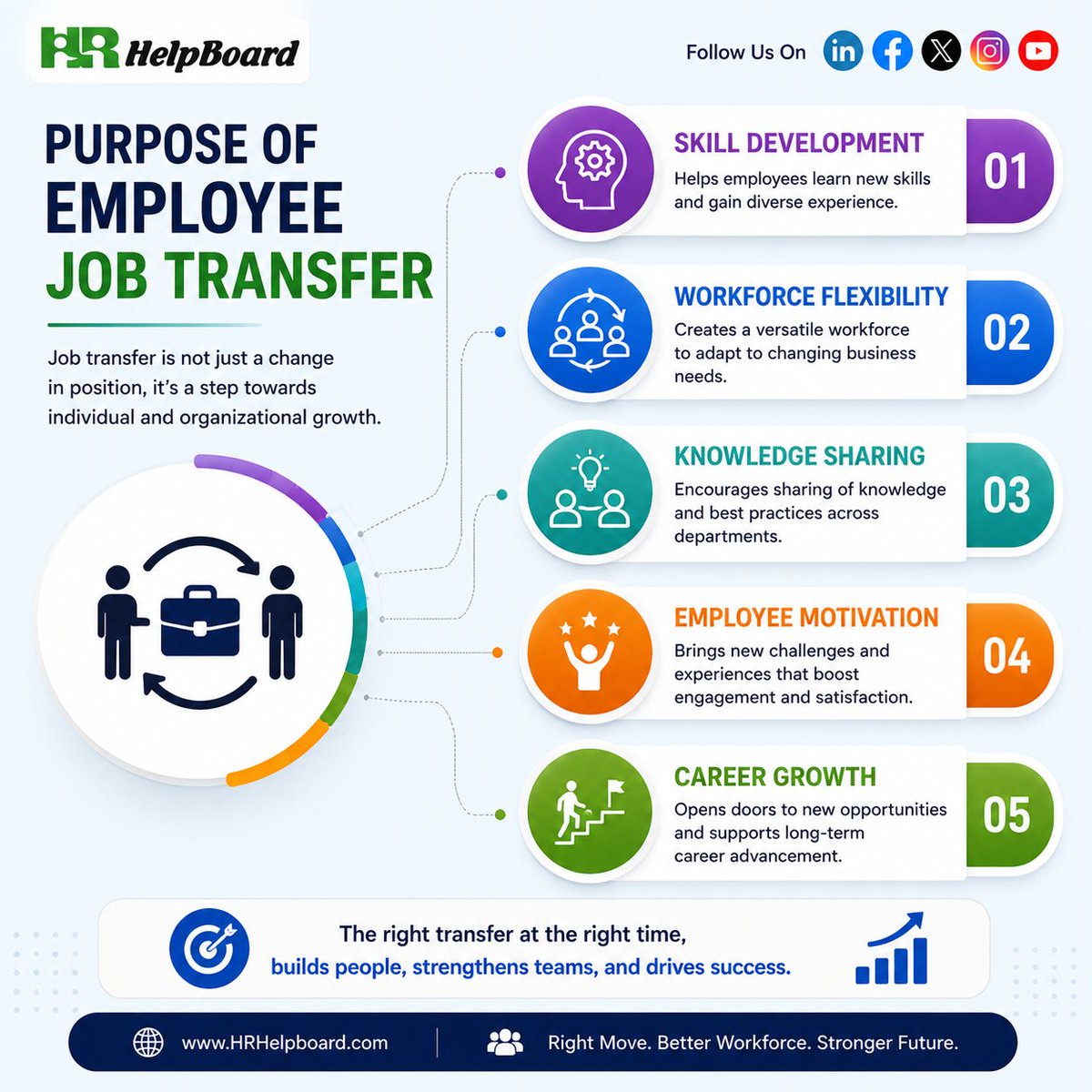
Employee job transfer supports skill development, career growth, knowledge sharing, workforce flexibility, and employee motivation by exposing employees to new roles and responsibilities.
bit.ly/4b0h6J9
#transferpolicy #whatistransfer #jobtransferinhrm
9
Jun 4
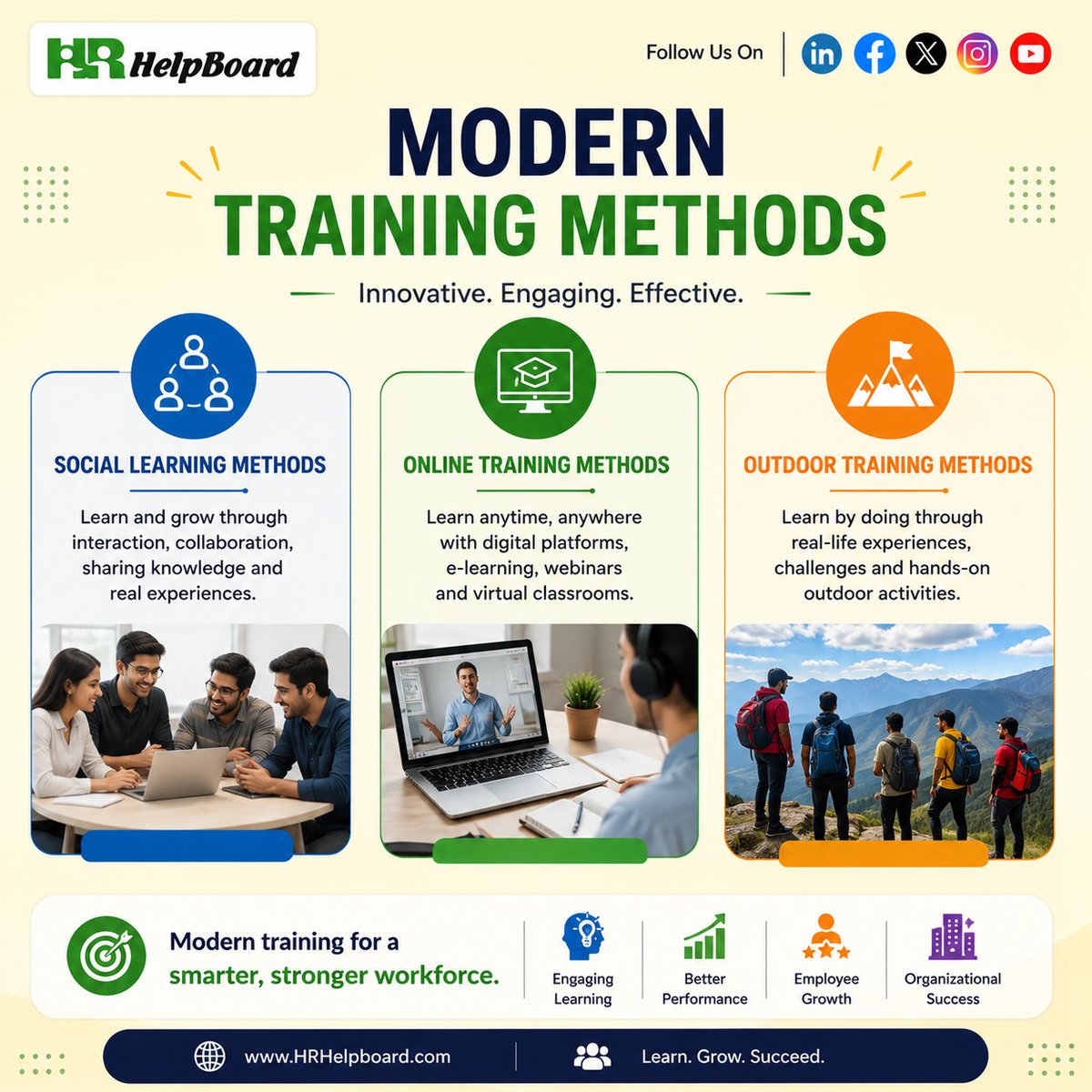
Modern training methods include social learning methods, online training methods and outdoor training methods.
bit.ly/3v7wkK3
#trainingmethods #ontheobtrainingmethods #offthejobtrainingmethods #typesoftrainingmethods #hrhelp #hrhelpboard #trainingmotivation
7
Jun 3
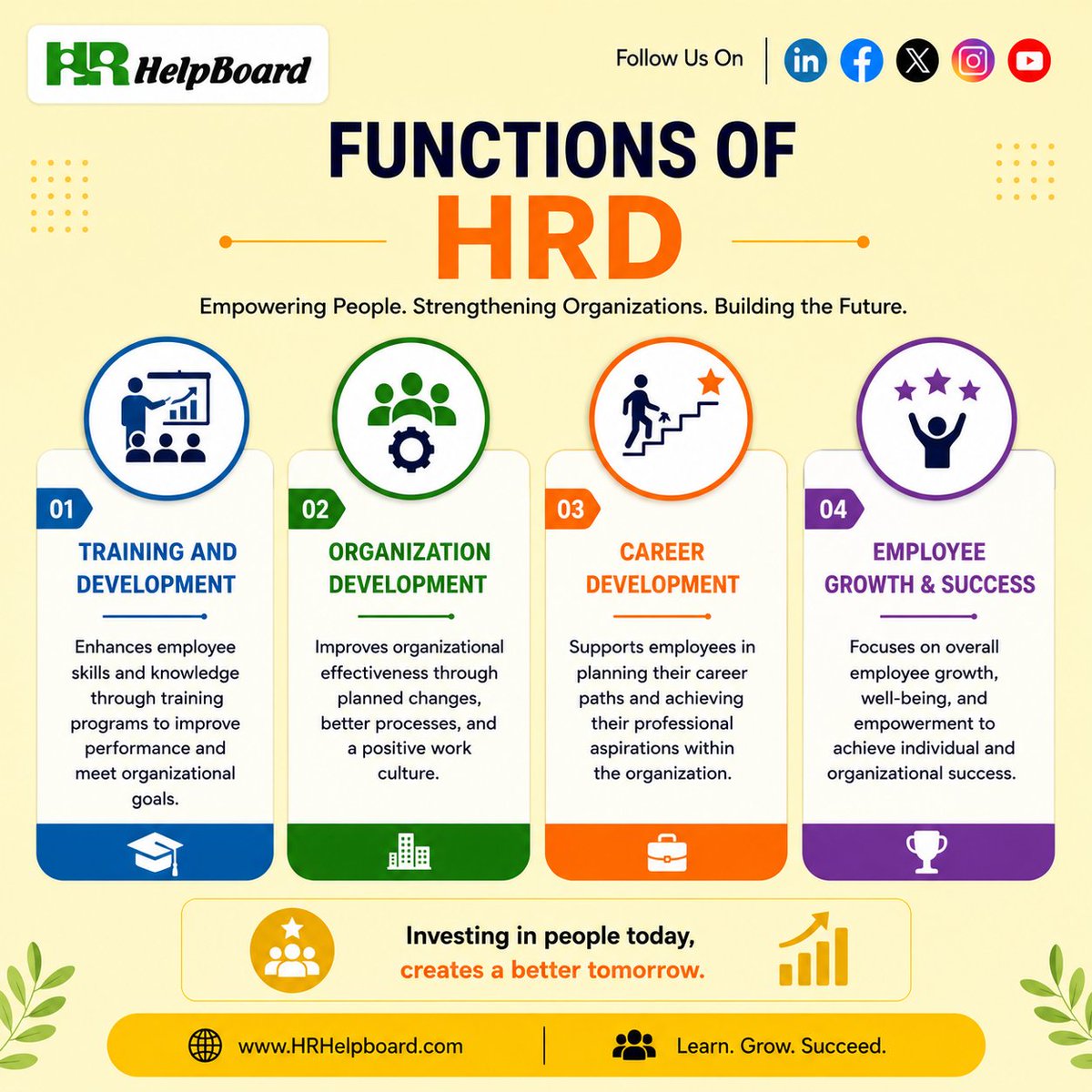
Functions of HRD include Training and Development to enhance skills, Organization Development to improve effectiveness, and Career Development to support employee growth and career progression.
bit.ly/3QTlQGh
#HRD #HRdevelopment #employeedevelopment
9
Jun 2
Join HR Help Board as a contributor! Publish your HR insights, articles, connect with professionals, and enhance your visibility in the HR world.
bit.ly/3ph7jJy
#submitarticles #writingopportunity #freesubmission #contentcreation #hrhelpboard #hrhelp
6
Jun 1
Post Jobs for FREE on HR Help Board – Connect with thousands of verified professionals and hire the right talent faster.
bit.ly/3qmnXaL
#HiringNow #NowHiring #JobOpening #JobSearch #JobAlert #JoinOurTeam #RemoteWork #WeAreHiring #CareerOpportunities #JobHunt
27
May 30
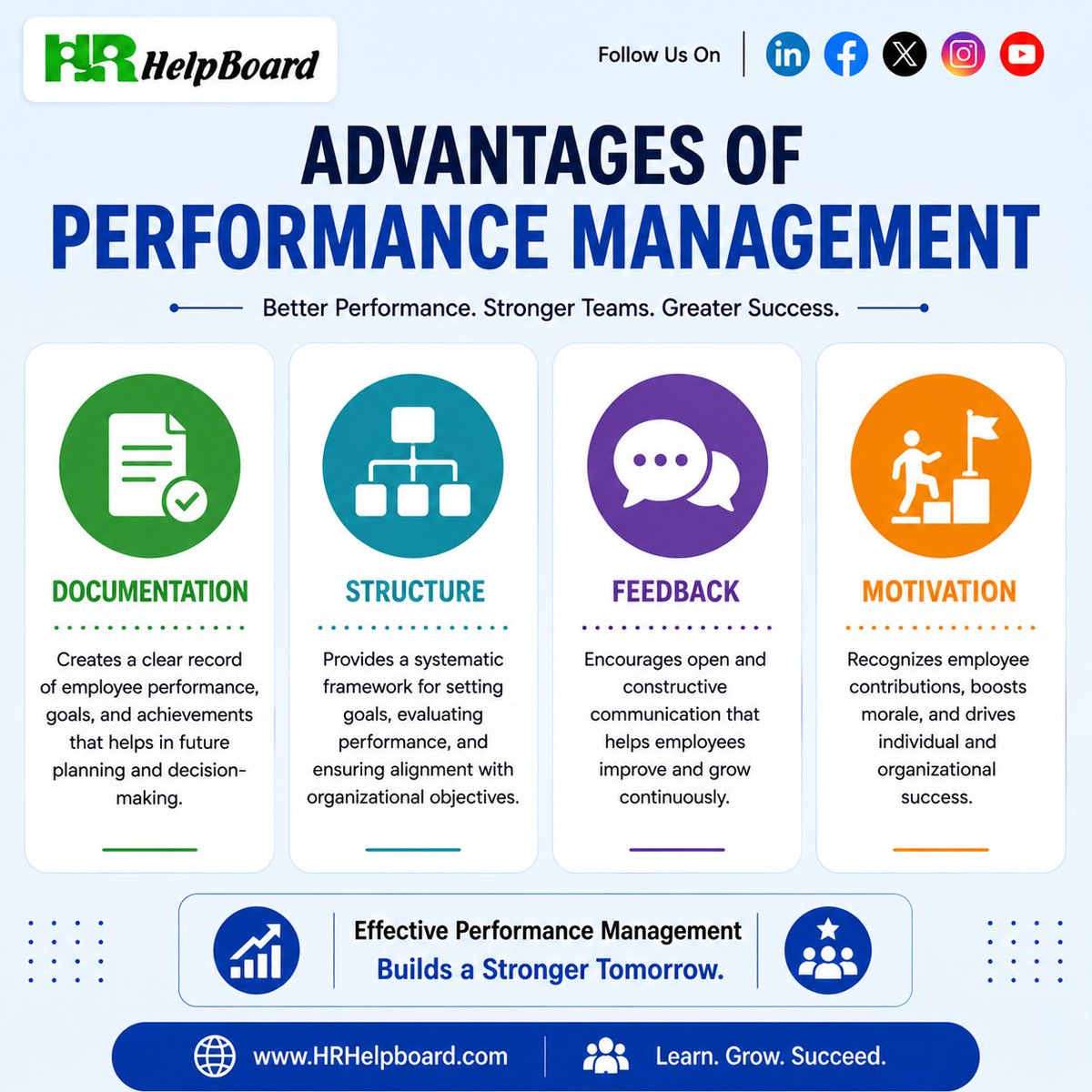
Advantages of Performance Management includes documentation, structure, feedback and motivation.
bit.ly/3VhVO1N
#performancemanagement #performancemanagementmeaning #performancemanagementdefinition #whatisperformancemanagement #performancemanagementpurpose
2
May 29
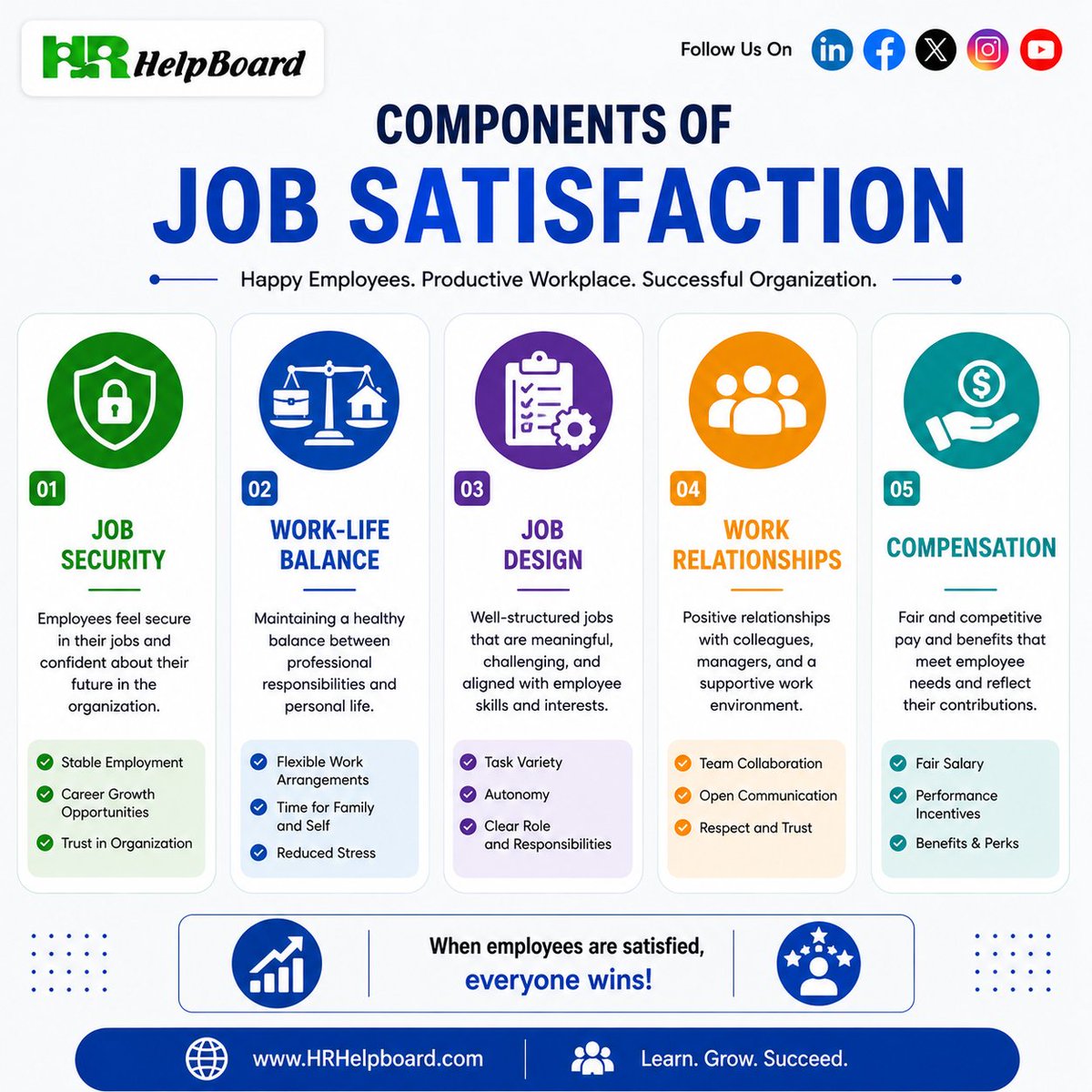
Components of Job Satisfaction includes job security, work-life balance, job design, work relationships and compensation.
bit.ly/3s7ZzuQ
#jobsatisfaction #workplacehappiness #careerfulfillment #worklifebalance #employeeretention #jobenrichment #employeesatisfaction
4
May 28
May Allah blessings fill your home with joy and open doors to success.
bit.ly/3m1MaRX
#eiduladha #eidaladha #eidmubarak #bakraeid #eidcelebration #eidvibes #eidfestivitie #eidtraditions #hrhelp #hrhelpboard
7
May 28
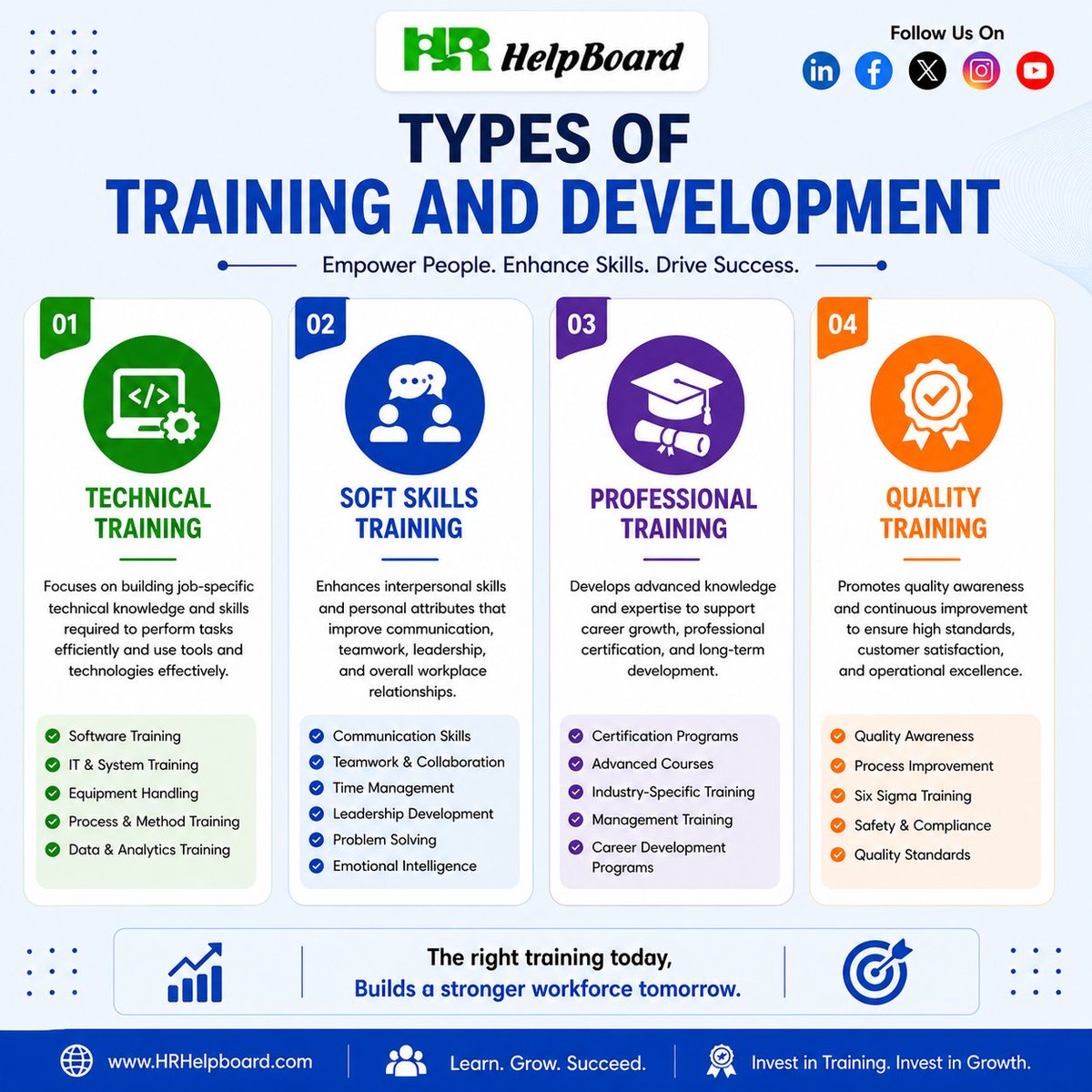
Types of Training and Development include technical training, quality training, skill training, soft skills training, and professional training to enhance employee competence, performance, and career growth.
bit.ly/47uXdoi
#traininganddevelopment
1
4
May 26
Join HR Help Board as a contributor! Publish your HR insights, articles, connect with professionals, and enhance your visibility in the HR world.
bit.ly/3ph7jJy
#submitarticles #writingopportunity #freesubmission #contentcreation #hrhelpboard #hrhelp
2
May 25
Post Jobs for FREE on HR Help Board – Connect with thousands of verified professionals and hire the right talent faster.
bit.ly/3qmnXaL
#HiringNow #NowHiring #JobOpening #JobSearch #JobAlert #JoinOurTeam #RemoteWork #WeAreHiring #CareerOpportunities #JobHunt
22
May 23
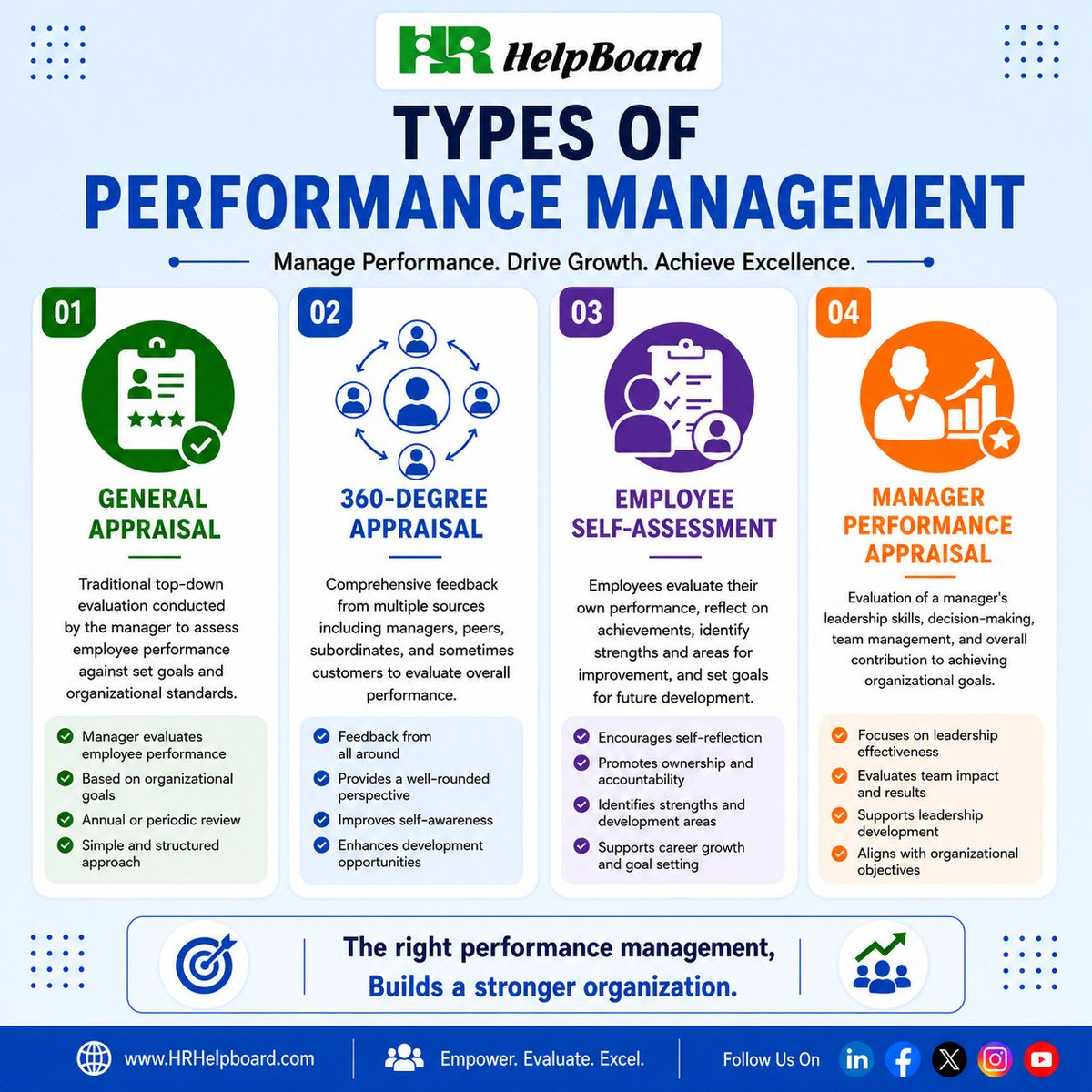
Types of Performance Management includes general appraisal, 360-degree appraisal, employee self-assessment and manager performance appraisal.
bit.ly/3VhVO1N
#performancemanagement #performancemanagementmeaning #performancemanagementdefinition
1
1
6
May 22
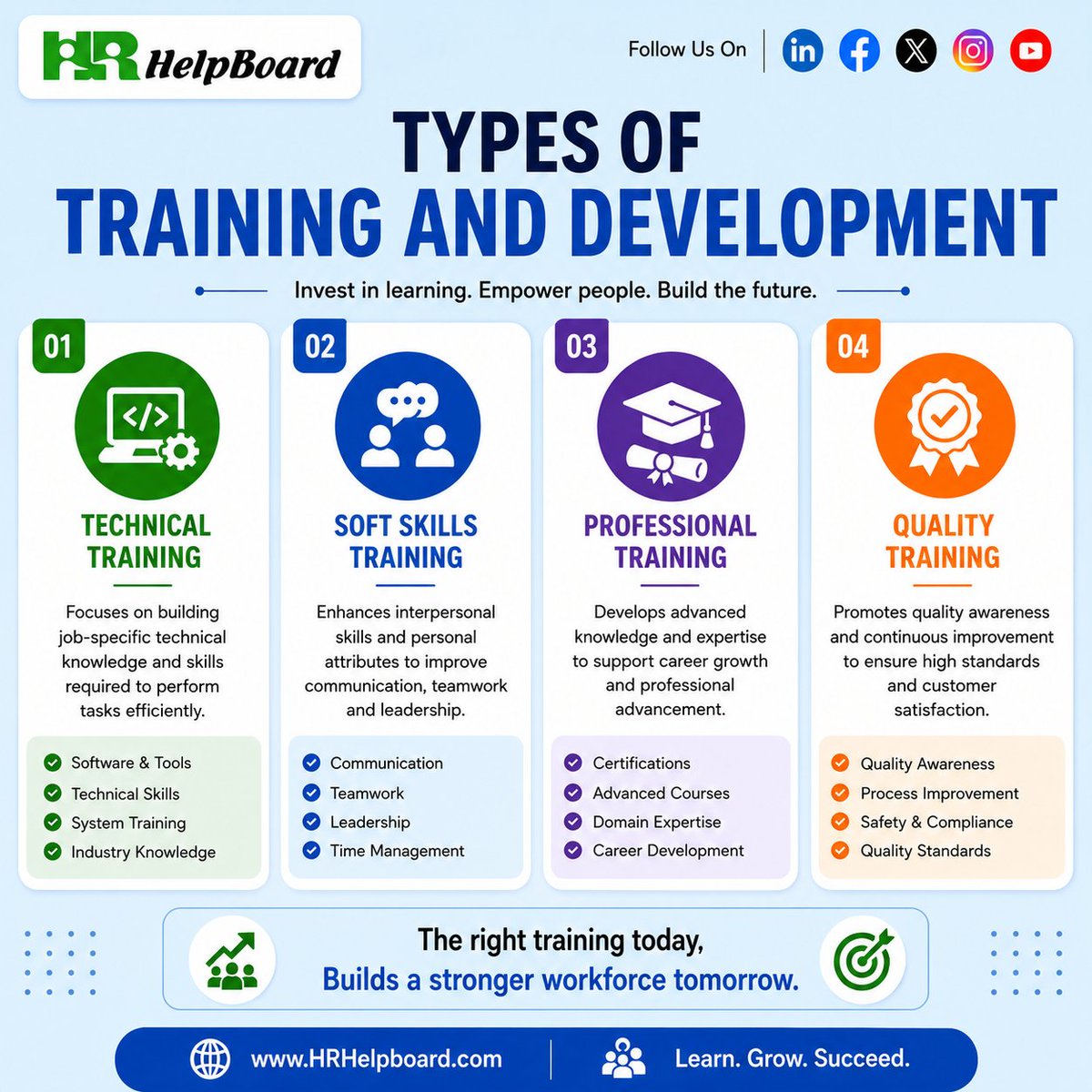
Types of Training and Development include technical training, quality training, skill training, soft skills training, and professional training to enhance employee competence, performance, and career growth.
bit.ly/47uXdoi
#traininganddevelopment #traininginhrm
3
May 21
The Balanced Scorecard offers four key perspectives—Financial, Customer, Internal Process, and Learning & Growth—to align business goals, measure performance, and drive strategic success.
bit.ly/3vaYLXA
#balancedscorecard #whatisbalancedscorecard
4