Joined September 2011
- Tweets 11,757
- Following 413
- Followers 7,963
- Likes 3,899
639 Photos and videos
Helga Salemon retweeted

Oekraïne wil direct met Poetin om tafel voor vredesonderhandelingen, schreef Zelensky in een publieke brief aan zijn Russische ambtgenoot. Rusland kenner @HSalemon verwacht nog geen echte doorbraak, vertelt ze bij @WNLVandaag.
wnl.tv/2026/06/05/ruslandken…
2
1
3
858
Helga Salemon retweeted

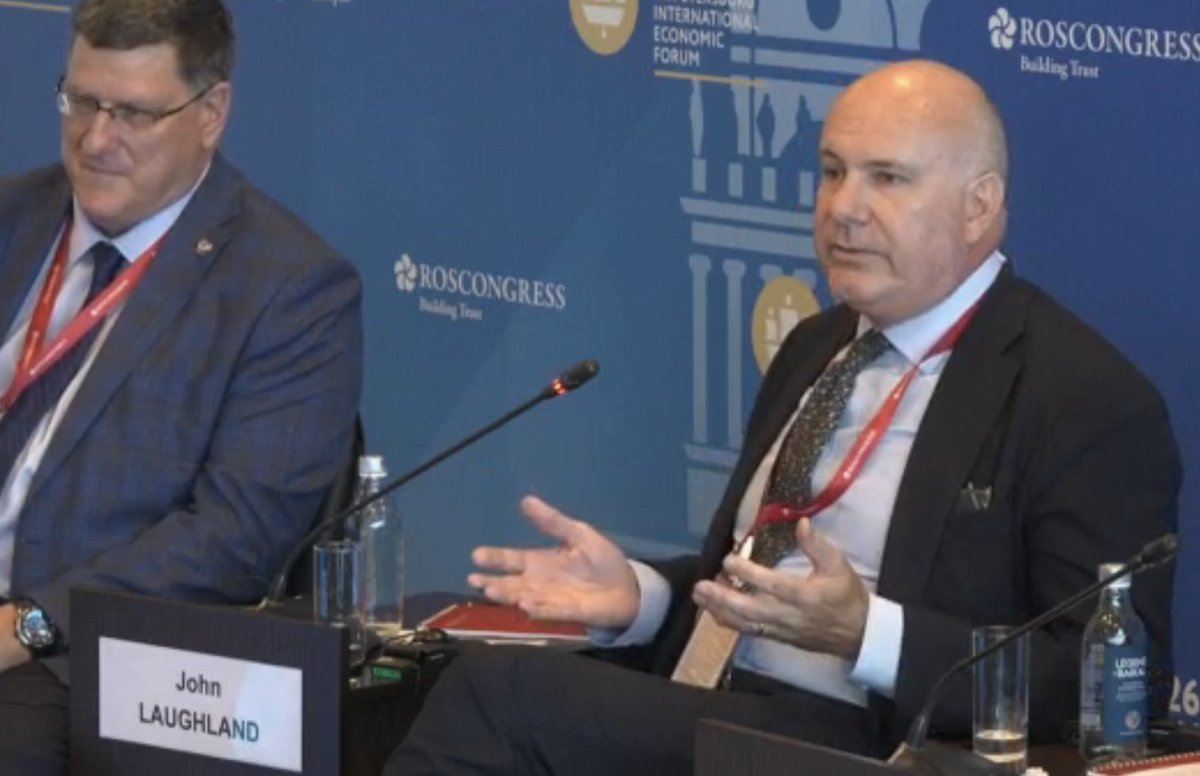
John Laughland, partij-ideoloog van FVD, is weer eens in 🇷🇺. Gisteren sprak hij op het SPIEF - het 'Russische WEF' - naast oud-wapeninspecteur Scott Ritter en Russisch viceminister van BuZa Aleksandr Pankin. Voor wie niet ter plekke kon zijn, hier de 📹: forum-spb.ru/en/programme/bu…
4
18
24
3,266
Helga Salemon retweeted
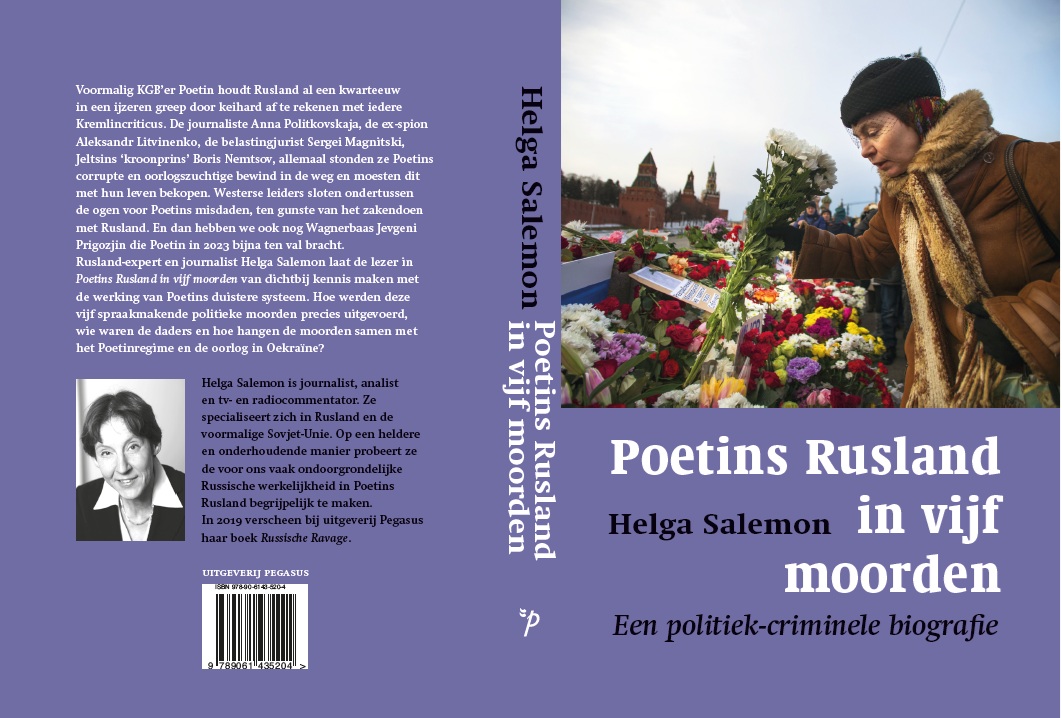
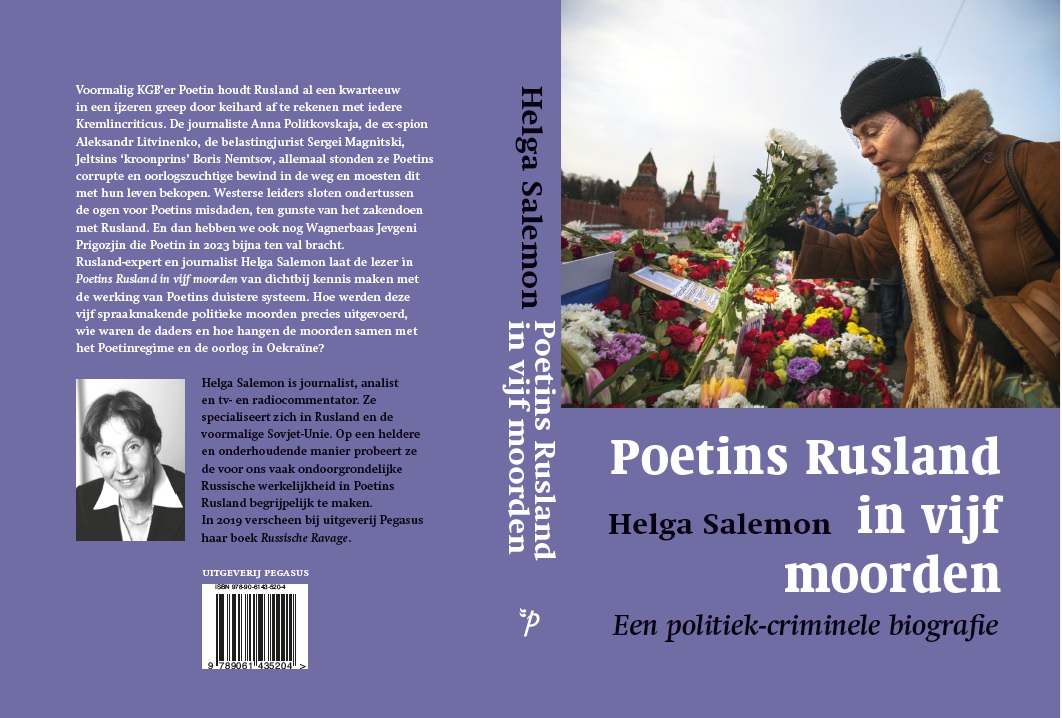
“Godfather Don Corleone zou er jaloers op zijn: al 35 jaar komt Poetin weg met misdaad en moord,” zo opent @HSalemon haar nieuwe boek, waarin ze beschrijft hoe de Russische president zich als grijze KGB-muis kon ontpoppen tot dictator van Rusland.
demorgen.be/nieuws/rusland-k…
1
9
26
1,211

Jun 5
Terwijl Poetin met zijn bizarre 'Peterburgs Economisch Forum' goede sier probeert te maken, nodigt Zelenski hem uit te praten over een eind aan de oorlog. Waar kijken we naar? Mijn commentaar vanochtend op @NPO1 : npo.nl/start/afspelen/goedem…
2
8
766
Helga Salemon retweeted

Jun 5
Ruslandkenner @HSalemon is in tegengstelling tot Donald Trump weinig optimistisch door de brief van Zelensky aan Poetin. "Poetin ziet Zelensky niet als gesprekspartner. Het ziet er nog niet naar uit dat het een doorbraak is." #GoedemorgenNederland #WNL
12
2
15
2,710
Jun 4
Voor wie hem heeft gemist, afgelopen week was ik te gast in de podcast van Claudia de Breij, over mijn boek , onze democratie en Poetins Rusland, èn over hoe ik mijn goede humeur bewaar in deze woelige tijden: youtube.com/watch?v=86dSxMMF…
2
5
33
9,832
Helga Salemon retweeted
In haar boek 'Poetins Rusland in vijf moorden' beschrijft Rusland expert @HSalemon de meest geruchtmakende moordzaken rond het Kremlin: wie ze uitvoerden en hoe de opdrachten werden gegeven. @bbvpro sprak haar over het boek en Poetins positie vandaag.
nporadio1.nl/fragmenten/bure…
4
12
868
Jun 1
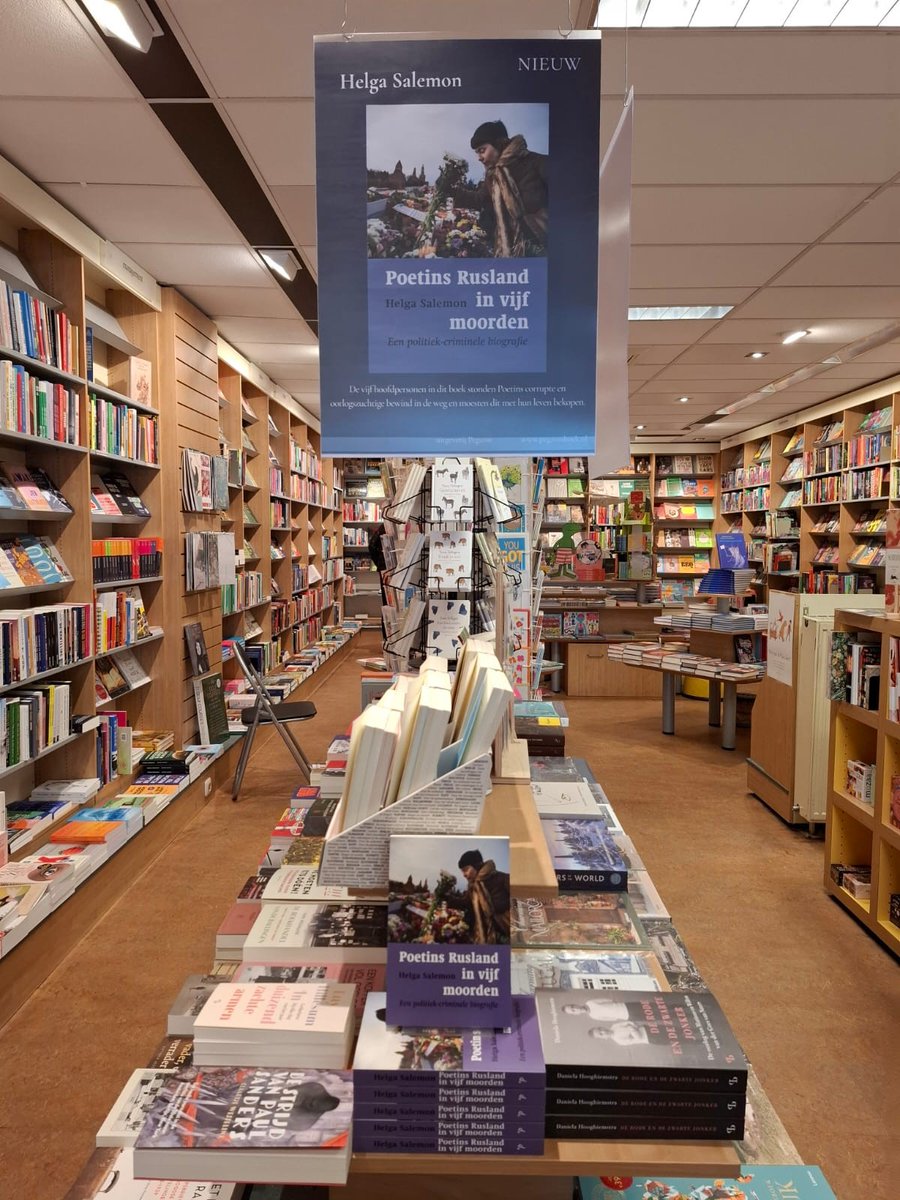
Hartelijk dank voor de overweldigende belangstelling van iedereen hier voor mijn boek 'Poetins Rusland in vijf moorden'. Het is al na een halve maand aan een tweede druk toe! Dus, ik hoop dat de mensen die het nog willen aanschaffen en misgrijpen, even geduld willen hebben.
5
6
71
2,806
Helga Salemon retweeted

Dit is zo’n heerlijk boek. @HSalemon
Ik heb geen aandelen. bol.com/nl/nl/p/rusland-in-v…
7
3
32
3,007


Helga Salemon retweeted

Ben Shapiro says that famous American political commentators like Candace Owens or Tucker Carlson promoting Vladimir Putin’s ideas is an actual threat to America.
What about Donald Trump promoting Putin’s ideas? 🤔
72
399
3,185
47,701

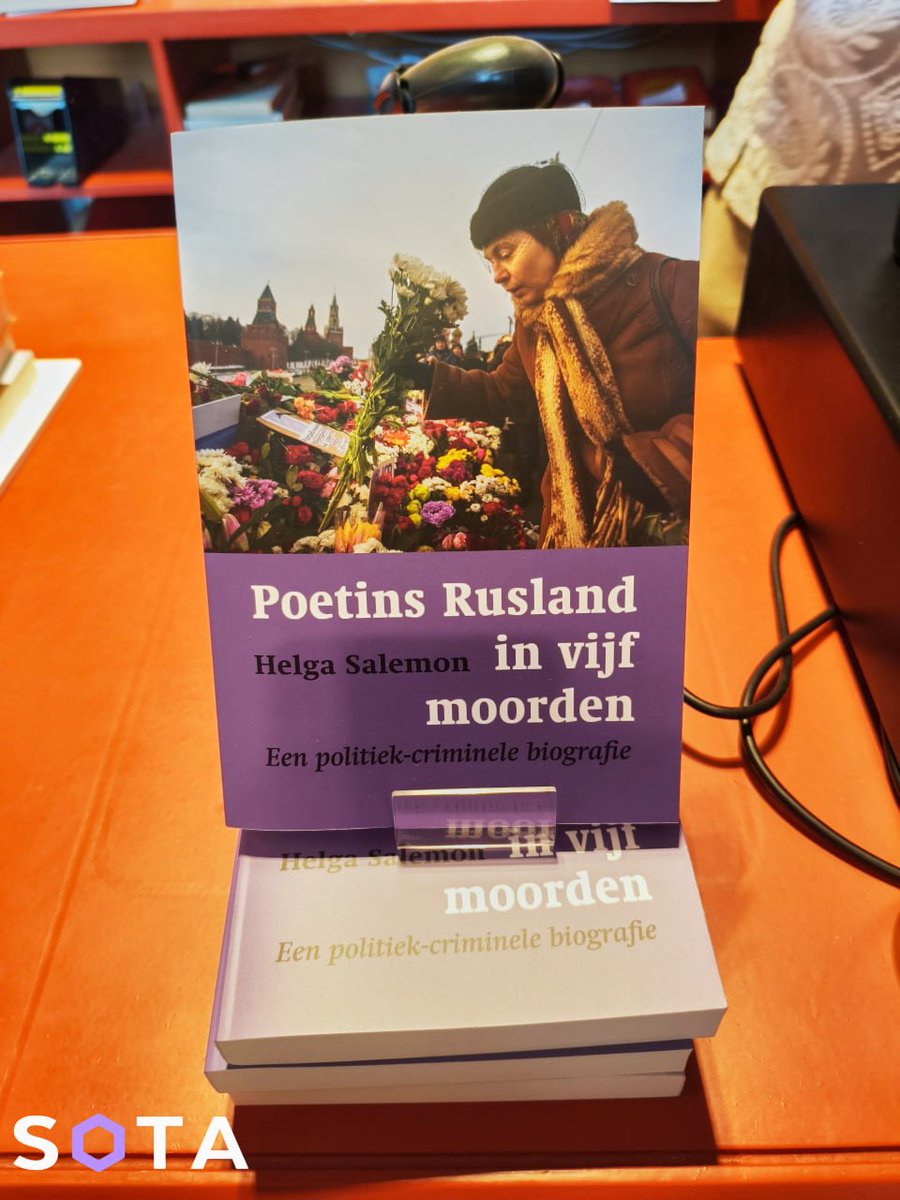
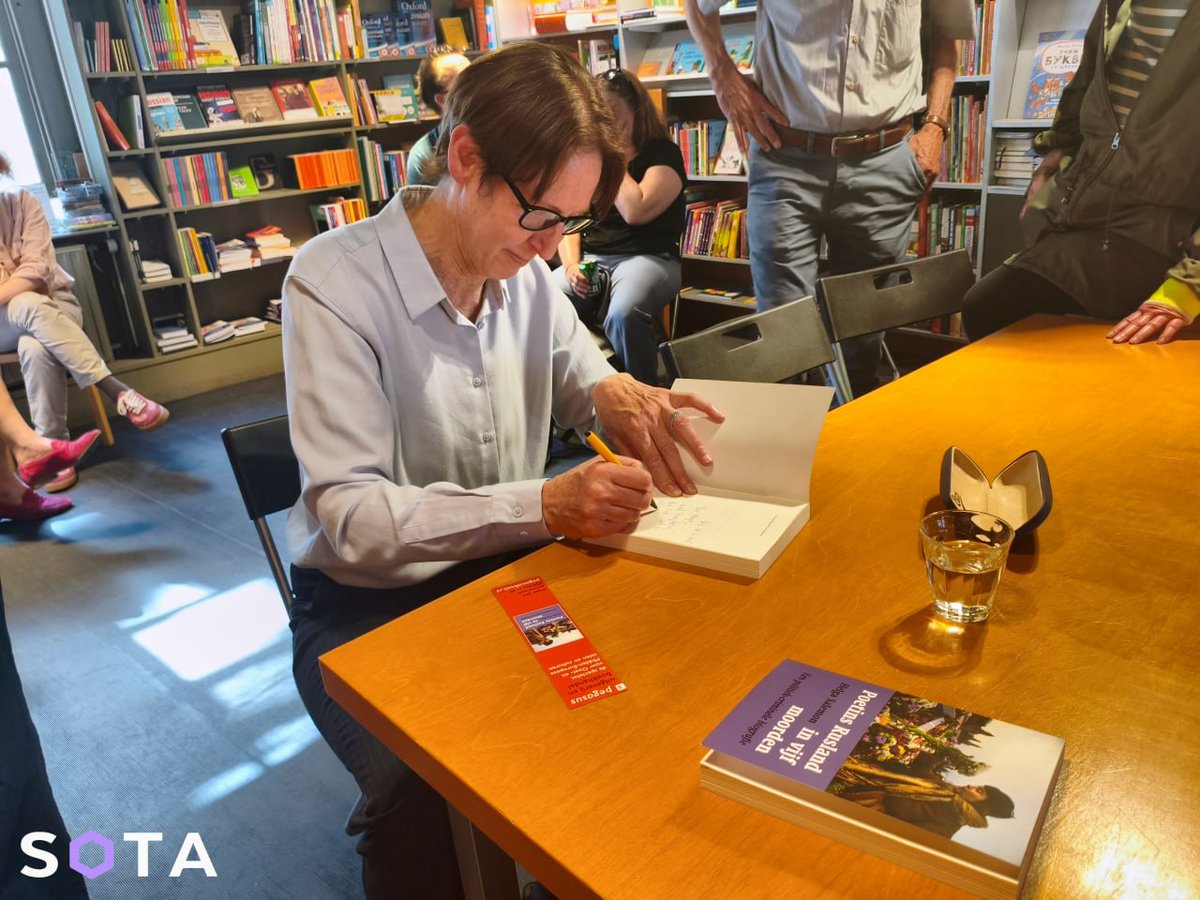
"Putin's Russia in Five Murders": Journalist Helga Salemon Presents Book in Amsterdam
The book launch of Dutch journalist and researcher Helga Salemon, who worked at the Dutch Embassy in Moscow from 2007 to 2010, took place on Friday evening at the Pegasus publishing house bookstore. Founded back in 1935 to publish Marxist literature, Pegasus today specializes in Eastern and Central European culture.
The presentation, which drew around 50 people, was attended by Dutch actors and journalists, including Eva Jinek, a well-known journalist and host of the evening political talk show "Eva." The event also featured a speech by Oleg Khomutinnikov, director of SOTA Media, a former Lipetsk lawmaker, and a member of the leadership of Open Russia, who emigrated to the Netherlands in 2021. Against the backdrop of the book's themes, he was asked whether he feels safe in the Netherlands.
"People like Garry Kasparov are probably at the top of Putin's lists?" Salemon asked.
"As long as he is alive, I can feel safe," Oleg joked.
Salemon immediately warned the guests that, unlike her first book, "Russian Devastation," which was based on personal and at times tragicomic stories about Russia, her new work is heavy. "This is a book about darkness and tragedy," she said. Nevertheless, the author tried to maintain a sense of irony even during the presentation. She joked that the bookstore's cramped and stuffy hall helped the guests get a better feel for the book's atmosphere. Salemon recalled the chapter on Sergei Magnitsky, who was held in a cell so overcrowded that at one point he could only stand on one leg.
The book focuses on five deaths linked to the Putin era: journalist Anna Politkovskaya, politician and—as the author calls him—"Yeltsin's crown prince" Boris Nemtsov, former Russian intelligence officer Alexander Litvinenko, lawyer Sergei Magnitsky, and Yevgeny Prigozhin.
According to Salemon, through the stories of these five murders, the reader walks, as it were, through the "dark corridors of the Kremlin" and begins to understand how Putin's Russia functions. At the same time, the book shows how Western leaders chose to ignore these killings for the sake of doing business with Russia.
In a comment to Sota, Salemon explained that she did not include the death of Navalny in the book because readers are better informed about it than the other deaths, and furthermore, they could have previously learned about those events through his book "Patriot."
A special place in Salemon's speech was dedicated to the story of Anna Politkovskaya. Salemon recalled how in 2005 she met the journalist in this very bookstore during a presentation of the book "Putin's Russia" and asked her for an autograph. "And when on October 7, 2006, on Putin's birthday, I read that Politkovskaya had been shot dead in her apartment building, I got goosebumps," the journalist said. It was then, according to her, that the idea for the future book began to take shape.
Concluding her speech, Salemon said that she views her book not only as an account of crimes and violence but also as a story of heroes and villains. "The villains will remain villains. And heroes never die," she said, referring to Politkovskaya, Litvinenko, Magnitsky, and Nemtsov. Salemon emphasized that today there are still Russians who continue to fight for a democratic Russia despite the threats and risks.
At the same time, we asked the publishing house employees if books by Russian writers had been "canceled" in the Netherlands. "No," one of the employees laughed. "People continue to buy Russian books. And, you know, bad publicity works too."
2
9
666
May 30
In de Belgische krant @demorgen vandaag een interview met mij over mijn boek 'Poetins Rusland in vijf moorden' en de vraag hoe stevig Poetin nog in het zadel zit na ruim vier jaar heilloze oorlog: demorgen.be/nieuws/poetin-is…
1
3
29
921
Helga Salemon retweeted

May 29
Vladimir Putin’s fresh warning to Armenia over its EU ambitions is extraordinary: parallels to the Ukraine war, threats of economic isolation and... concern about the long-term effects of European GMOs.
Just over a week before the Armenian elections: en.zona.media/article/2026/0…
4
11
1,945
Helga Salemon retweeted
"Heel Europa ligt binnen het bereik van deze raket."
HCSS experts @peterwijninga en @HSalemon bespreken op @NPORadio1 hoe bang we moeten zijn voor Ruslands Oresjnik-raket - en wat Poetin met de inzet ervan wil bereiken.
nos.nl/artikel/2616091-podca…
1
2
5
797
May 29
Gisteren mocht ik op @NPORadio1 vertellen over mijn boek 'Poetins Rusland in vijf moorden', en vooral over wat Poetins moorden zeggen over het huidige Rusland en de oorlog tegen Oekraïne: nporadio1.nl/fragmenten/bure…
6
35
2,188
Helga Salemon retweeted
Bij podcast De Dag op @NPORadio1 bespreken HCSS experts @peterwijninga en @HSalemon wat Poetin met de inzet van de Oresjnik wil bereiken, en hoe bang we voor deze raket moeten zijn.
"Heel Europa ligt binnen het bereik van deze raket."
npo.nl/luister/podcasts/123-…
1
1
6
662
Helga Salemon retweeted

May 27
Ukrainian journalist Viktoriia Roshchyna suffered skull fracture in Russian captivity, Ukraine’s police say
Roshchyna died on Sept. 19, 2024, due to the prolonged abuse she’d suffered while in captivity, including systematic torture with electric shocks.
theins.press/en/news/293071
1
53
106
3,332
May 28
Moeten we ons zorgen maken over de schaduwoorlog aan de Baltische grenzen, wat beoogt Poetin? Gisteren (o.a.) mijn commentaar bij 'Eva': eva.avrotros.nl/artikel/was-…
6
21
2,665
May 28
Wie heeft de grootste? Rusland heeft voor de derde keer een gevaarlijke Oresjnikraket op Oekraïne afgeschoten, waarom brengt Poetin Europa op de rand van een (kern)oorlog? Mijn commentaar en dat van @peterwijninga in de NOS podcast 'De Dag' gisteren: nporadio1.nl/podcasts/de-dag…
3
18
595