Wiener Gemeinderätin & Landtagsabgeordnete from Mordor, unerschrocken und very green Mobilität, Stadtplanung
Joined October 2012
- Tweets 12,687
- Following 3,463
- Followers 2,472
- Likes 21,144
Photos and videos
Pinned Tweet

19 Feb 2022
Warum DIESE Stadtautobahn klima- und verkehrspolitischer Wahnsinn ist erkläre ich in 2 Minuten. Absage des Lobautunnels macht total überdimensionierte Variante noch sinnloser. Donaustadt/Wien aus Vogelperspektive💚🌳🌷.
@Gruene22 @gruenewien
youtu.be/qpqXD1ue44w via @YouTube
22
36
95
SOLAR-BOOM in Syrien: Seit 2018 beobachte ich diese Entwicklung im Zuge meiner Reisen.
Diese massive Verwendung von solar panels in Syrien entstand aus der Not heraus. Man sah schon 2019 solar panels auf den Dächern von Damaskus. Es gab kaum Energiequellen, weil das ÖL war im Nordosten Syriens unter Kontrolle der autonomen Verwaltung Rojavas.
Im Jänner eroberte das neue Regime diese Gebiete, seitdem gibt es wieder Benzin, nicht genug, den Rest kaufen sie aus Russland und Qatar.
Der Strom aus dem Netz ist aber viel zu teuer und seit neuestem teils privat. Die Leute können sich das gar nicht leisten.
Die solar panels aus China wurden immer billiger. Man konnte natürlich trotz Sanktionen alles kaufen, es kostete halt das XXX Fache.
Interessant ist die Entwicklung im Lebanon, da rührte sich lange nix. Noch 2023 sah man kaum solar panels. Jetzt ist alles voll. #energiewende
1
1
77
Im Wr. Gemeinderat konnte sich die SPÖ nicht aufraffen einer Resolution zuzustimmen, die das Genozid verurteilte.
derstandard.at/story/3000000…
Jun 2

Die Anerkennung des Völkermordes an den Armeniern durch den Bundestag im Jahr 2016 war ein überfälliger Schritt historischer Verantwortung. Umso wichtiger ist es heute, die Erinnerung daran wachzuhalten und entschieden gegen Hass, Gewalt und das Vergessen einzustehen.
55
Elias Irizarry, der am Sturm auf das Capitol teilnahm, dafür verurteilt wurde, wird jetzt mit höchsten sensitiven Job im Pentagon belohnt.
youtube.com/watch?v=mlGGXbi6…
58
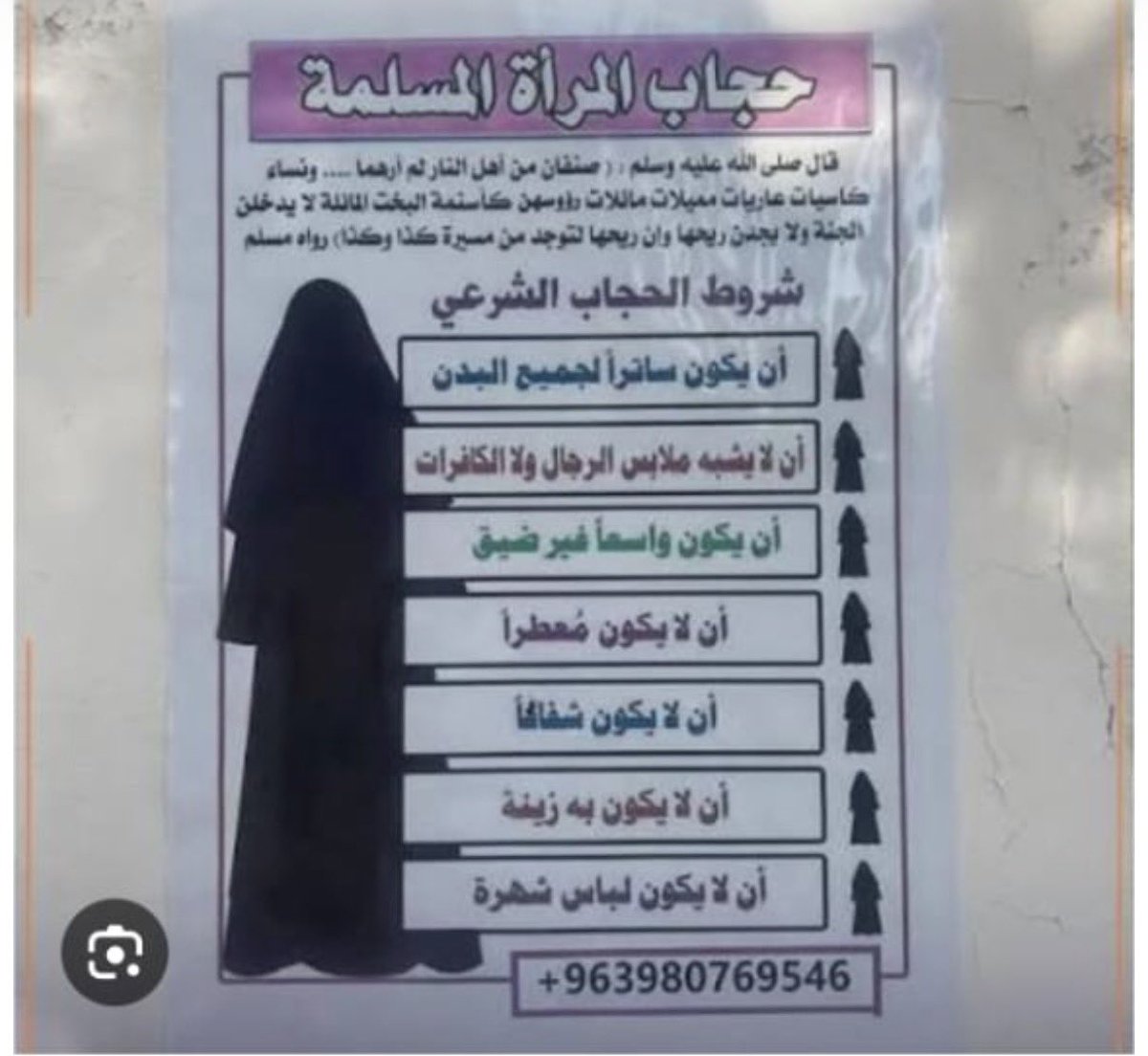
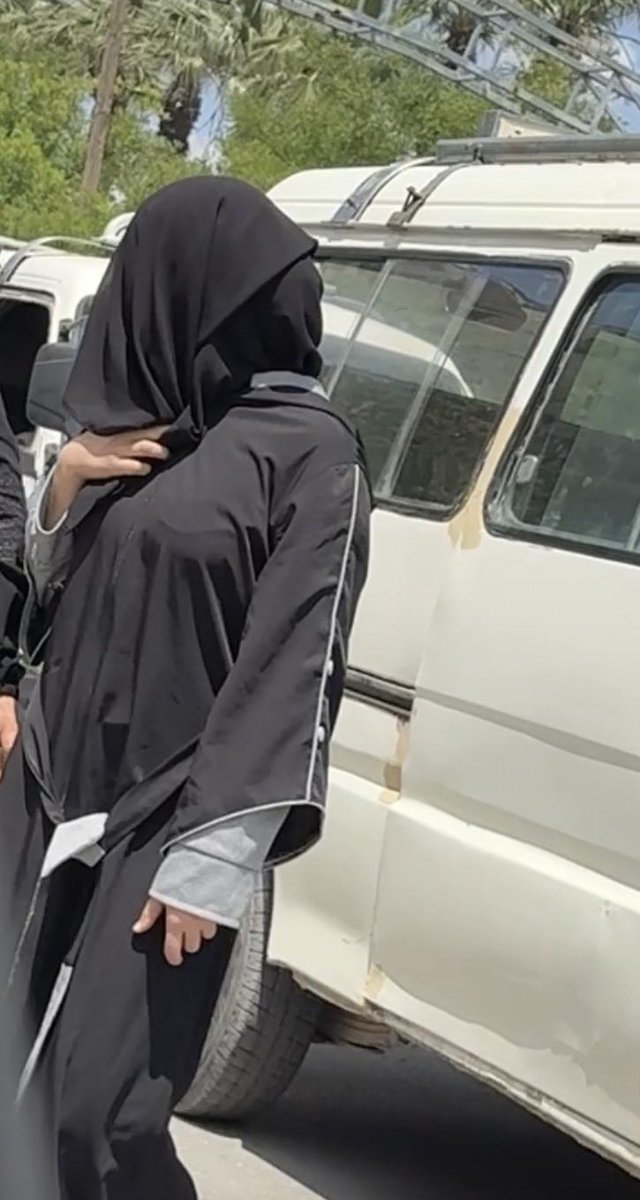
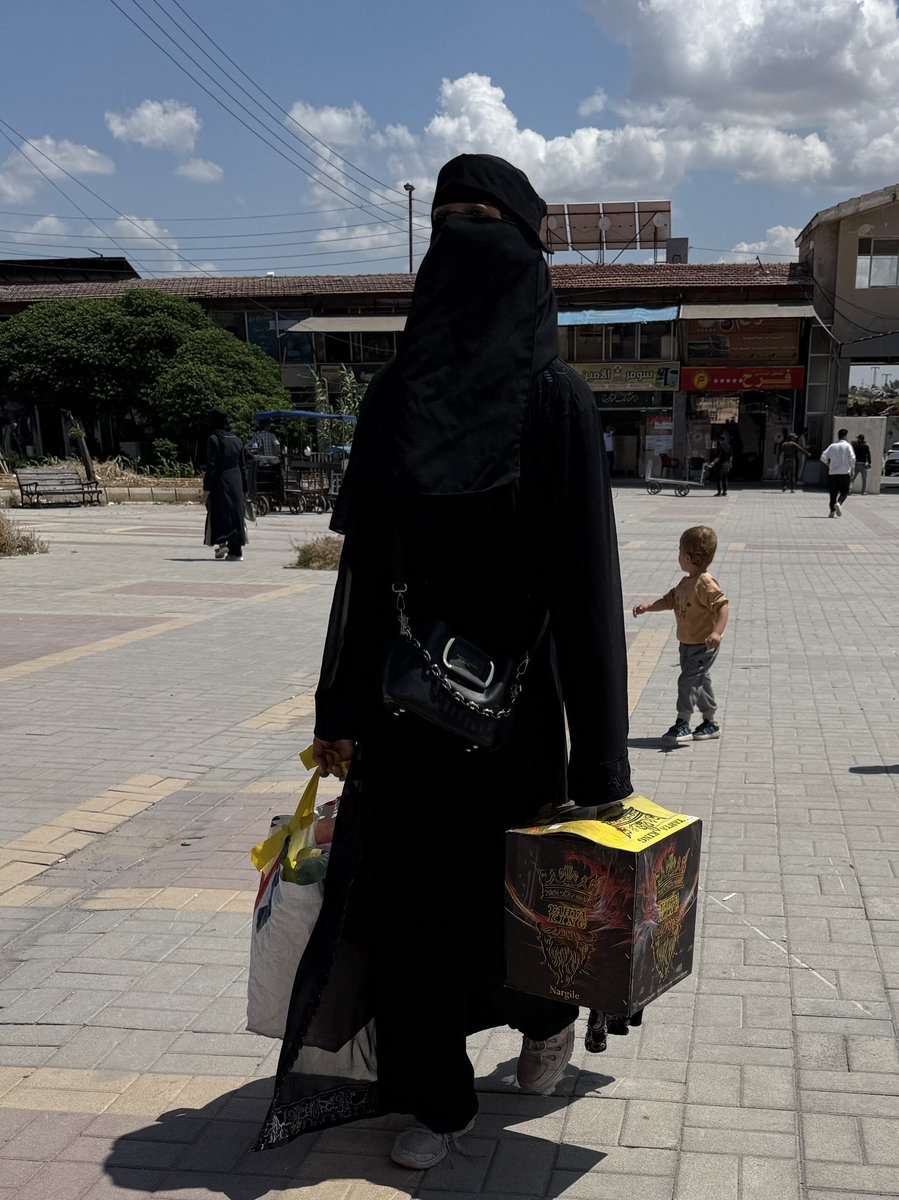
In Damaskus, im neuen “freien” Syrien”, sieht man solche Poster an den Häuserwänden.
Der Niqa - wo man nur die Augen sieht -ist mittlerweile zu wenig. Frauen sind aufgerufen eine Art Stoffsack über dem Kopf zu tragen, der sie vollkommen unsichtbar macht.
Auf social media finden sich postings wie: “in Douma (ein islamisterischer stronghold und Vorort von Damaskus) ist das make up und das Lachen der Frauen zurũckgekehrt. Gott wird uns dafür bestrafen.”
Mǎnner werden aufgefordert ihre Frauen entsprechend zu kontrollieren.
Das ist Aberglaube des tiefsten Mittelalters.
Übersetzung des posters per chatgpt:
Der Hijab der muslimischen Frau
Der Gesandte Allahs (Friede sei mit ihm) sagte:
„Zwei Arten von den Bewohnern des Höllenfeuers habe ich noch nicht gesehen … Frauen, die bekleidet und doch nackt sind, verführerisch und verführt; ihre Köpfe sind wie die geneigten Höcker der Kamele. Sie werden das Paradies nicht betreten und nicht einmal seinen Duft riechen …“
Bedingungen des islamisch vorgeschriebenen Hijabs:
Er soll den ganzen Körper bedecken.
Er soll nicht der Kleidung von Männern oder Ungläubigen ähneln.
Er soll weit und nicht eng sein.
Er soll nicht parfümiert sein.
Er soll nicht durchsichtig sein.
Er soll keinen Schmuck oder auffällige Verzierung enthalten.
Er soll keine Kleidung des Ruhms bzw. der Prahlerei sein.
2
69
Was sagen die Natomitglieder dazu?
May 24

Here is police in Ankara breaking the CHP headquarters gate after Kilicdaroglu resorted the police violence to seize the building
1
1
75
Natomitglied Türkei.
May 24

Die türkische Polizei treibt Oppositionsführer Özgür Özel mit Tränengas aus seinem Büro. Präsident Erdoğan ist dabei, die Partei von Staatsgründer Atatürk zu zerschlagen, um sich an der Macht zu halten. faz.net/aktuell/politik/ausl…
1
3
55
so true

Er war unsere Chance für ein richtig liebenswertes Deutschland.
Ich kann und werde der CDU/CSU niemals verzeihen, diesen Mann aus niedrigsten Motiven, gegen die Interessen unseres Landes und der Menschen, diffamiert zu haben.
58
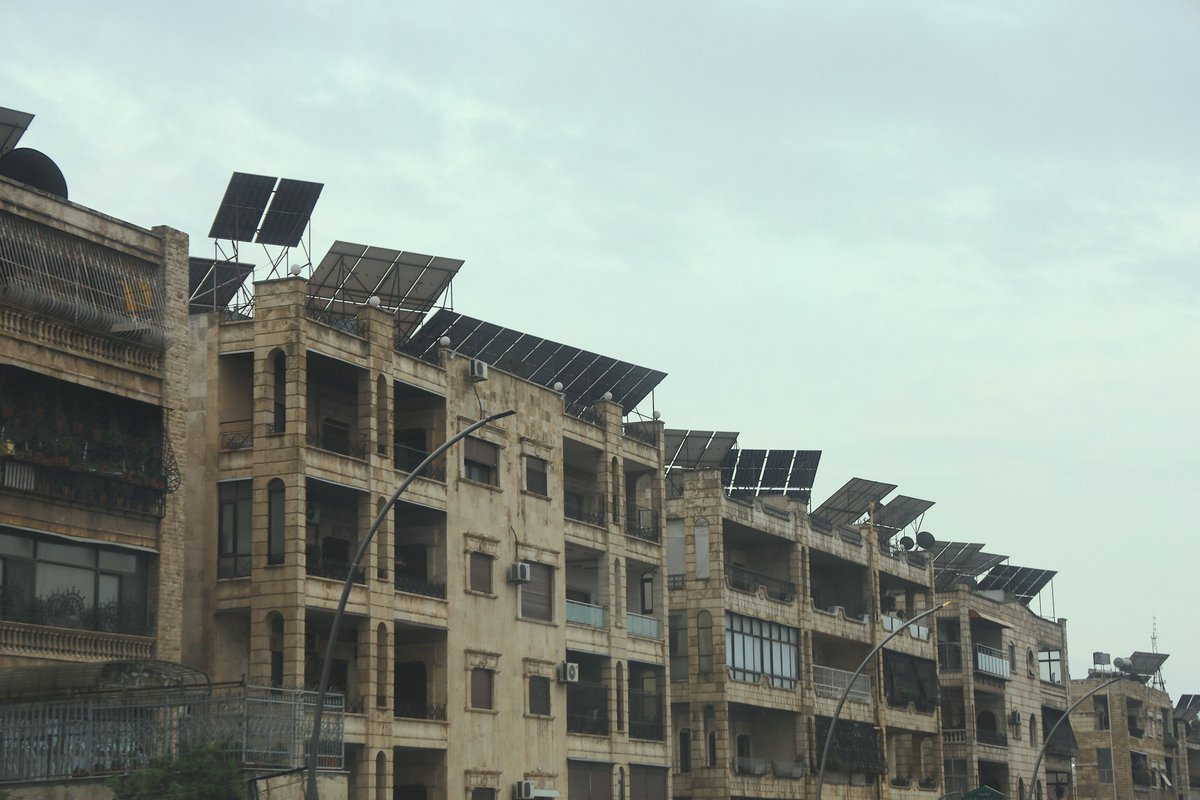
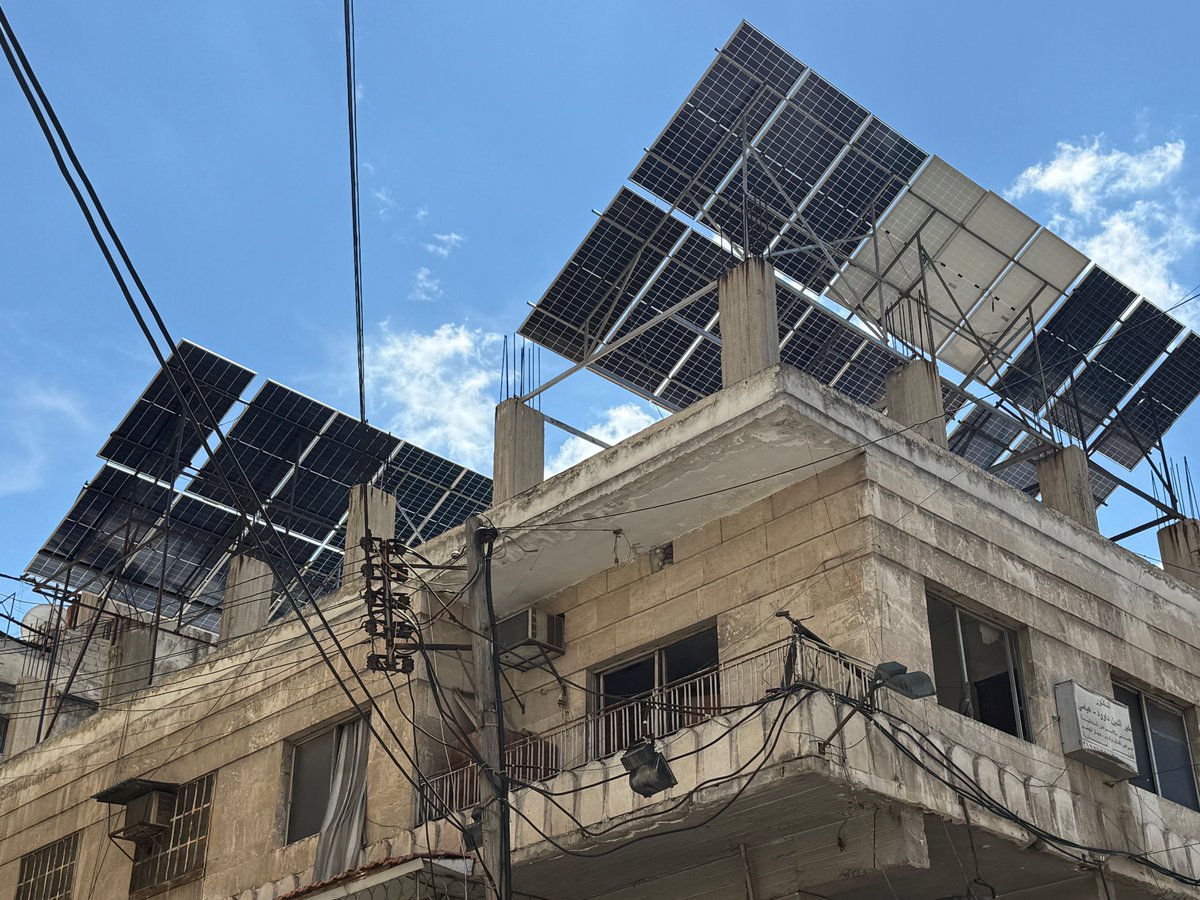
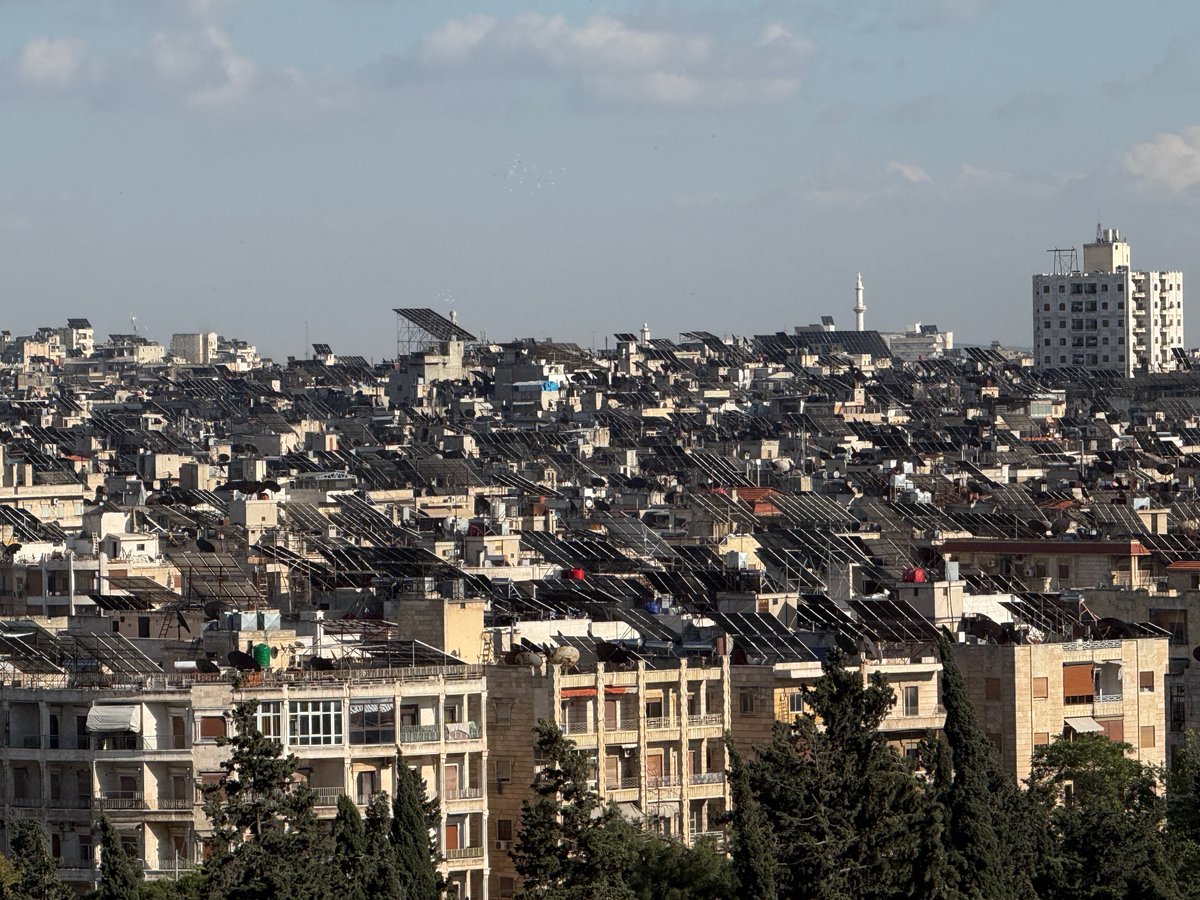
Die Dächer von Aleppo sind ein Meer von solar panels. Die Fotos machte ich zwischen 2019 und heute.
Links oben März 2019, link unten März 2023, rechts oben März 2025 und rechts unten heute.
Selbst auf Ruinen sind solar panels, auf Standln, auf Tankstellen und Kirchen.
Dieser solar boom entstand aus der Not heraus. Das Öl war im Nordosten in den autonomen Gebieten. Das Assad-Regime hat darauf kaum Zugriff, plus die Sanktionen-daher kein Strom aus der Leitung.
Benzin ist jetzt in Hülle und Fülle vorhanden, aber viel zu teuer, um damit Generatoren zu betreiben.
Die meisten Häuser haben drei Stromversorgungen: die staatliche mit ein paar Stunden Strom, private Stromanbieter, die sich kaum wer leisten kann und eben die solar panels. Der Strom wird in Batterien zwischengespeichert.
2
5
82
Heidi Sequenz #lobaubleibt retweeted

May 24
Israel’s President Isaac Herzog warned that Israeli society is becoming desensitized to violence, saying it is “creeping into the mainstream,” and said, “We are exposed to disgraceful and ugly behavior by [Jewish] extremists against Christians and Muslims.”
702
1,244
3,211
450,340
Heidi Sequenz #lobaubleibt retweeted

May 24
This is the official end to democracy in Türkiye. The main opposition party, the founding party of the Turkish Republic, is taken over by the regime, and the new puppet “leader” is installed by Erdogan. If European leaders continue their dealings with Erdogan as if it is still business as usual, they will be partners in crime and will bear the burden of shame.

An itibarıyla polisler, plastik mermilerle CHP Genel Merkezi’ne giriş yaptı.
Milletvekilleri, CHP Genel Başkanı Özgür Özel’i koruyor.
142
1,475
5,597
359,738
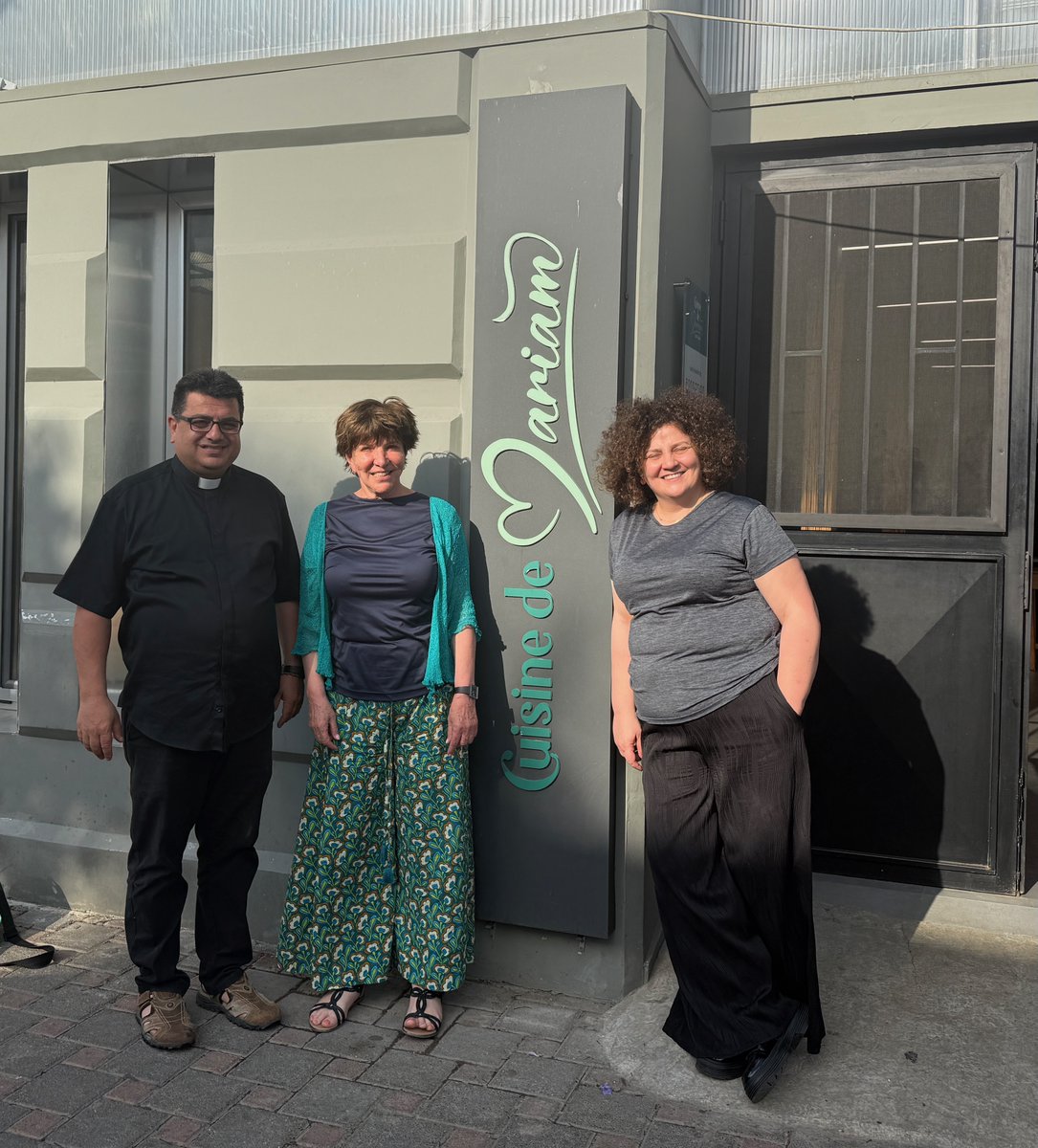
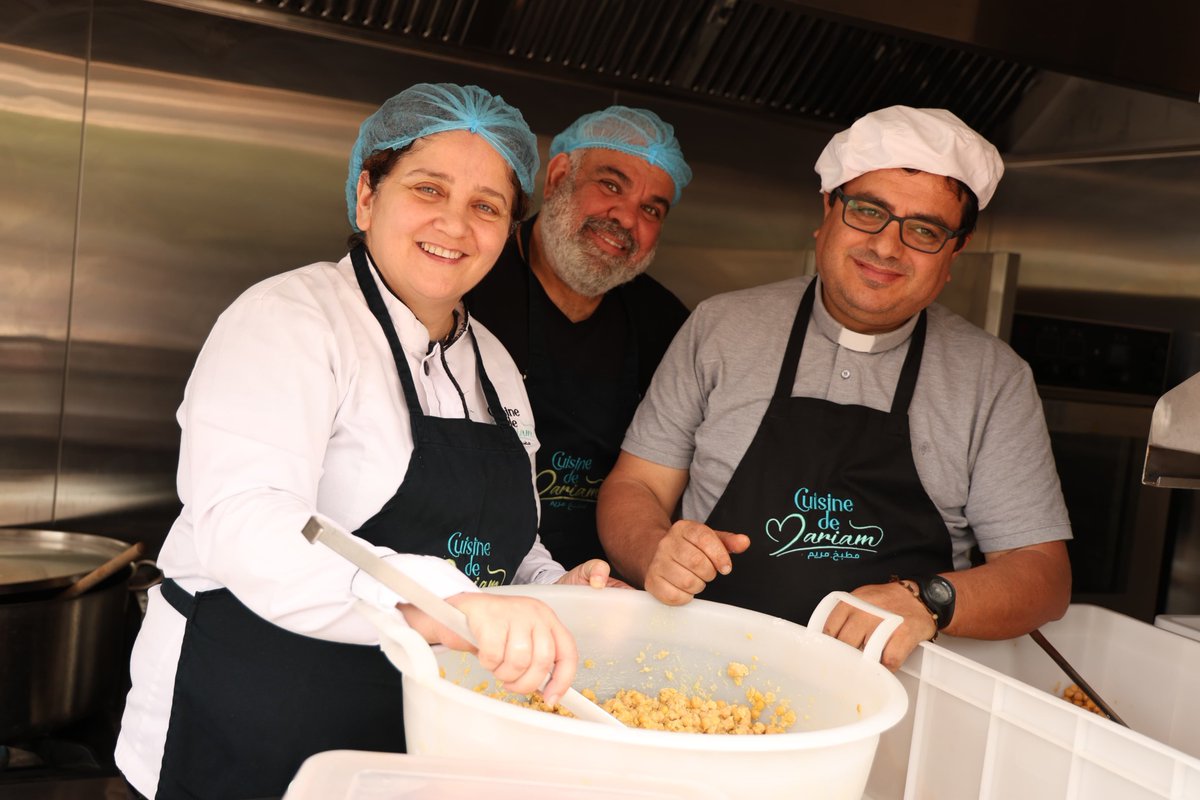
People who make a difference: Dunja and Hanni Khairallah Tawk started cooking for the volutneers who cleaned the rubble from the streets of Beirut after the devastating explosion in August 2020 in Beirut’s harbour.
The crisis never left Lebanon, especially with the many refugees who had to flee from their homes in the south of Lebanon, after Israeli invaded Lebanon.
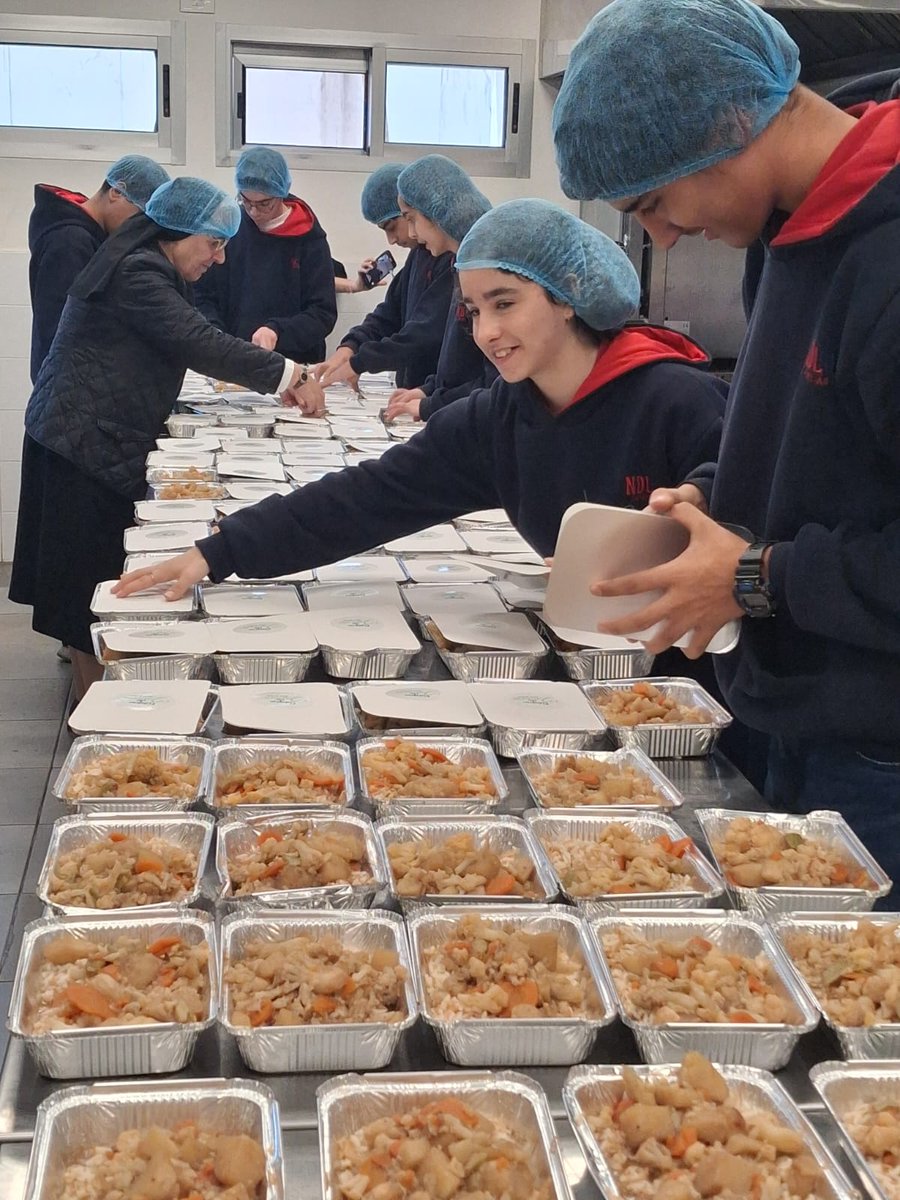
Nowaydays about 14 volunteers work in „La Cuisine Miriam“ preparing 6000 meals per day. Every day about 150-200 people eat at the dining room next to the kitchen, 600 pick up the food and the rest is delivered to people in need. Elderly and handicapped people, but above all to internally displaced people from South Lebanon.
All this is organized by donations and volunteers, often people who have very little themselves.
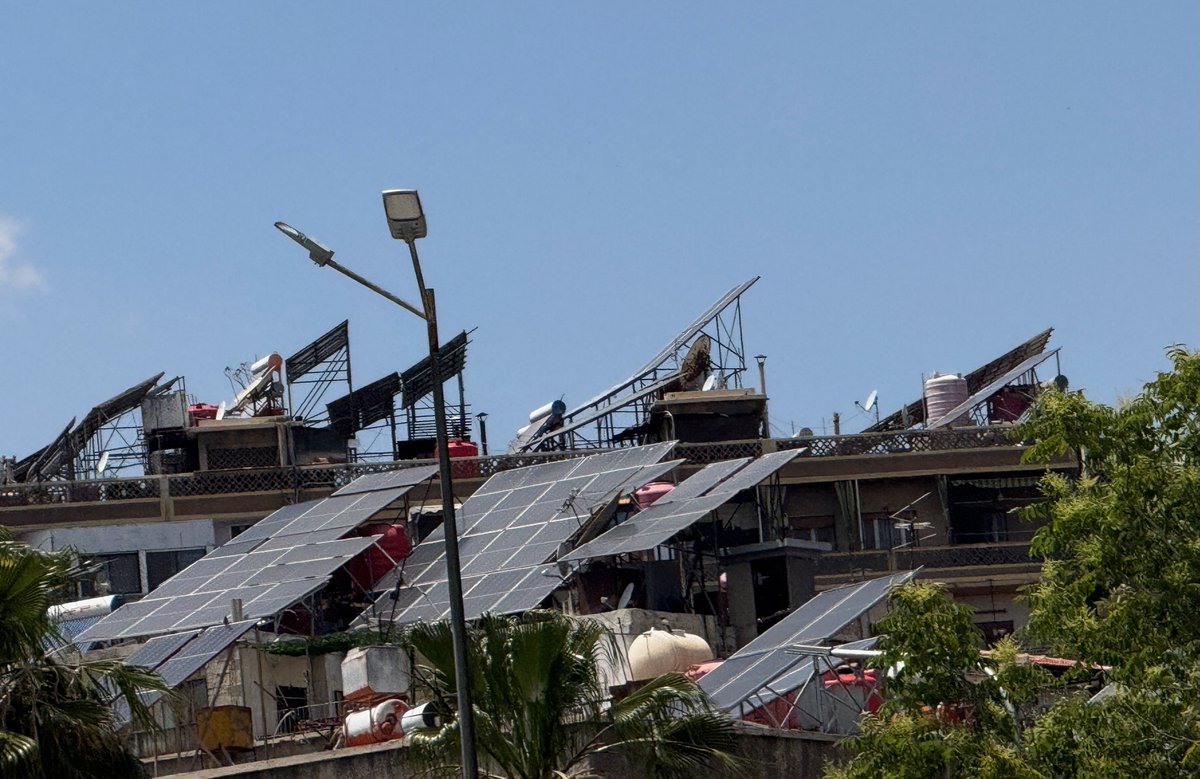
The living situation in Beirut generally is appaling, there is three hours of electricity per day from the grid. The rest is done by noisy generators run by private companies and solar panels that are found on almost every roof in Beirut. Also the drinking water is privatized. Trucks delivers the precious water to houses, where people fill up their water tanks.
62
„Ich traf meinen Mörder“
Der türkische Journalist Can Dündar wurde in Abwesenheit zu 27 Jahren Haft verurteilt, nachdem er 2015 Waffenlieferungen des türkischen Geheimdienstes an islamistische Gruppen wie ISIS und Al-Kaida in Syrien öffentlich gemacht hatte. Diese kämpften seit 2011/2012 gegen das Assad-Regime mit dem Ziel, ein Kalifat zu errichten. Laut Recherchen stammten Teile der Waffen aus der Ukraine.
Wegen angeblicher Spionage kam Dündar in Untersuchungshaft, wurde jedoch später freigelassen. Nach einem Attentat auf ihn floh er schließlich ins Exil nach Deutschland.
2020 erhielt er in Berlin einen Brief:
„Man gab mir den Auftrag, Sie zu töten. Ich bin bereit, alles zu sagen, was ich weiß.“
Der Absender: Serkan Kurtuluş, ein türkischer Häftling in Buenos Aires. Laut seinen Aussagen kam der Mordauftrag vom türkischen Geheimdienst.
2023 besuchte Dündar den Mann, der ihn ermorden sollte, im Gefängnis – und stieß dabei auf ein Netzwerk aus Geheimdiensten, organisierter Kriminalität, Terrorgruppen und internationalen politischen Verbindungen.
Aus dieser außergewöhnlichen Begegnung entstand das Buch:
📖 „Ich traf meinen Mörder“
Ein weiterer Informant Dündars zu den Waffenlieferungen war Nuri Gökhan Bozkır, der nach eigenen Angaben persönlich involviert gewesen sein soll. Nachdem er Konflikte mit der türkischen Regierung bekam, floh er in die Ukraine. Nach der russischen Invasion im Februar 2022 wollte die Ukraine Drohnen aus der Türkei. Zelenskyy und Erdoğan waren sich schnell einig. Die Türkei lieferte die Drohnen und Selensky lieferte Bozkır.
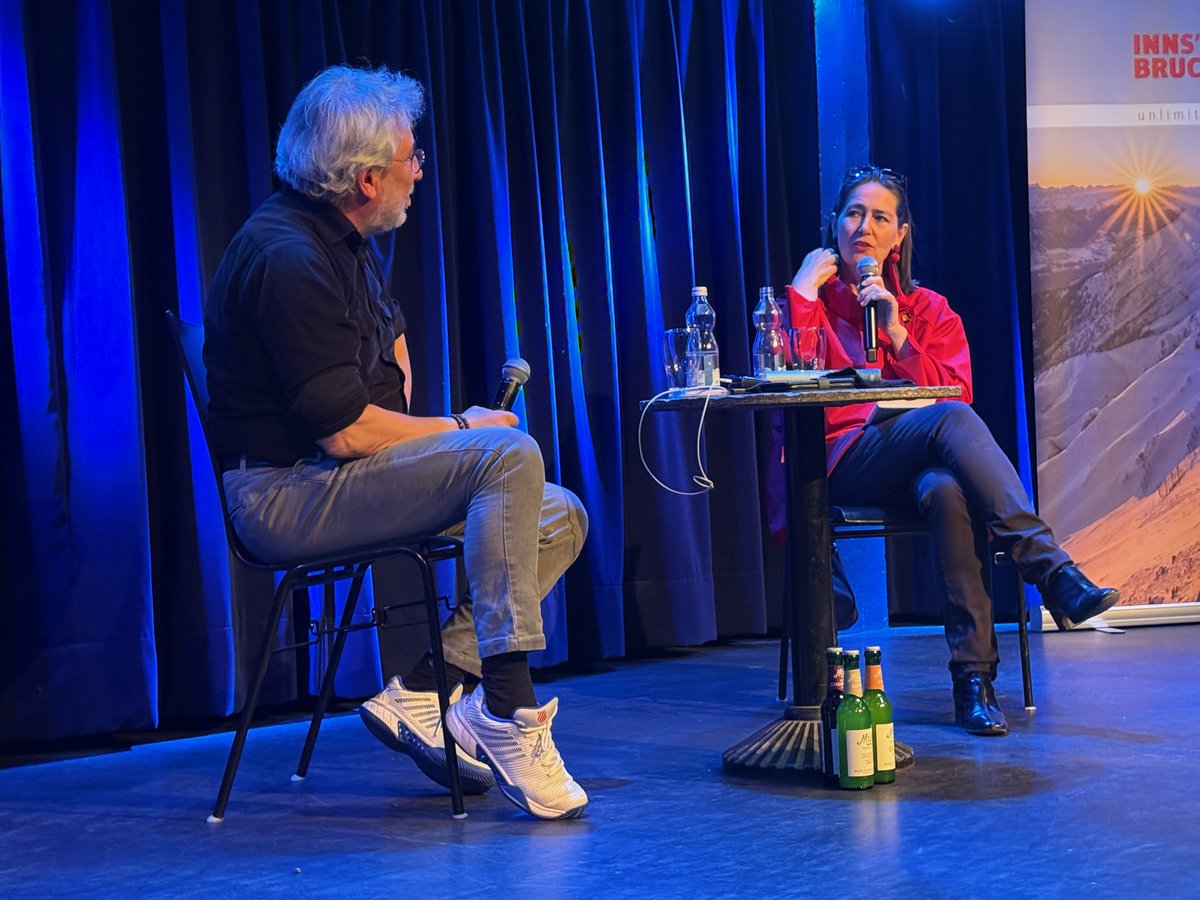
Die Besucher*innen des Journalistenfest in Innsbruck belohnten den Einsatz von Can Düngar mit standing ovation.
Gesprächspartnerin war die wunderbare Alexandra Föderl Schmid.
nd-aktuell.de/artikel/119481…
1
10
2,989
Vienna City Marathon 2026.
49.000 Teilnehmerinnen
Hier beim Start in Kaisermühlen.
Besterzeit Frauen:
2:20:06 Äthiopierin - Tigist Gezahagn
Bestzeit Männer:
2:06:53 Kenia - Fanny Kiprotich
2
114
In USA steht der dringendste Regimechange an.
Apr 13

🚨 JUST IN: President Trump responds to backlash over an image he posted which seemed to depict him as Jesus
"It's supposed to be me as a doctor making people better, and I do make people better. I make people a lot better!"
1
57
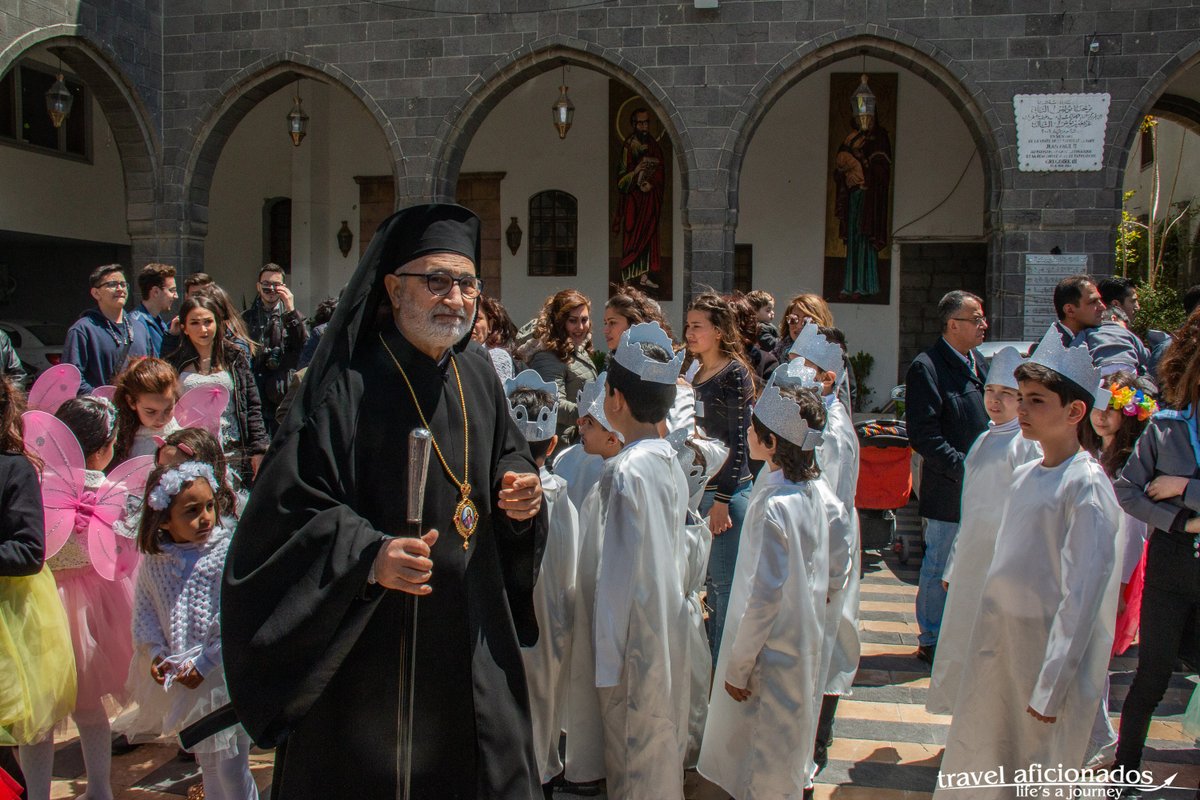
Easter Sunday 2019 in Damascus is a day that has stayed with me—both for its beauty and the terrible news from Sri Lanka: 253 people had been killed in coordinated attacks on three churches. The terrorists were linked to ISIS, a group that had only recently been defeated in Syria. As I entered the Maronite Church that morning, I couldn’t shake off the thought that something similar could happen here.
But that uneasy feeling gave way as the service went on. The singing was beautiful and the mood relaxed.
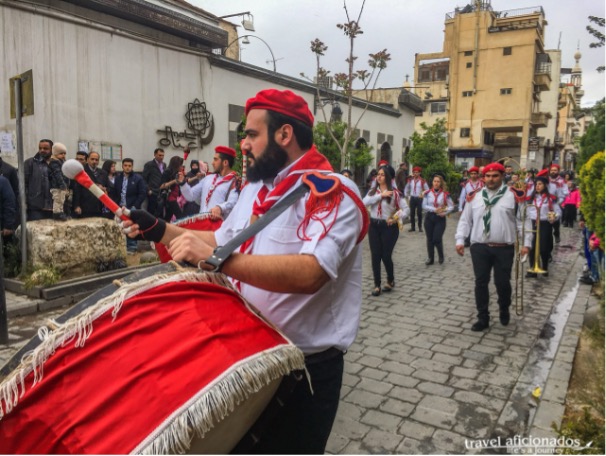
Later, I wandered through the streets of Old Damascus, where Easter celebrations were in full swing. Marching bands filled the streets, and Christian families, all dressed up, were waving and photographing their children in uniform.
There was a sense of normalcy that felt almost unreal. The war had only ended a year earlier, although the fighting had never reached Damascus.
The Armenian band stood out; their armbands were a reminder of the Armenian Genocide.
It was a cold April day—no more than 7°C—but many of the girls wore short skirts and sleeveless blouses. I couldn’t keep up with the local “dress code” and wore pajamas under my jeans just to stay warm.
Security was tight. Armed soldiers were everywhere. I couldn’t tell whether this was routine or a reaction to the attacks in Sri Lanka that very morning.
I discovered a small restaurant in a back alley. Inside, the Armenian community was partying hard—food, arak, singing, dancing, and shishas. I was served enough food for four people, along with arak. Then something really funny happened: a small girl approached me, smiled, and said “nastrovje.”
In the afternoon, I traveled north to Maaloula and Sednaya, two historic Christian towns. In one church, a woman sang in Aramaic—the language of Christ. Maaloula was a savae place for Christian for 2000 years until 2013 when al-Nusra attacked the town.
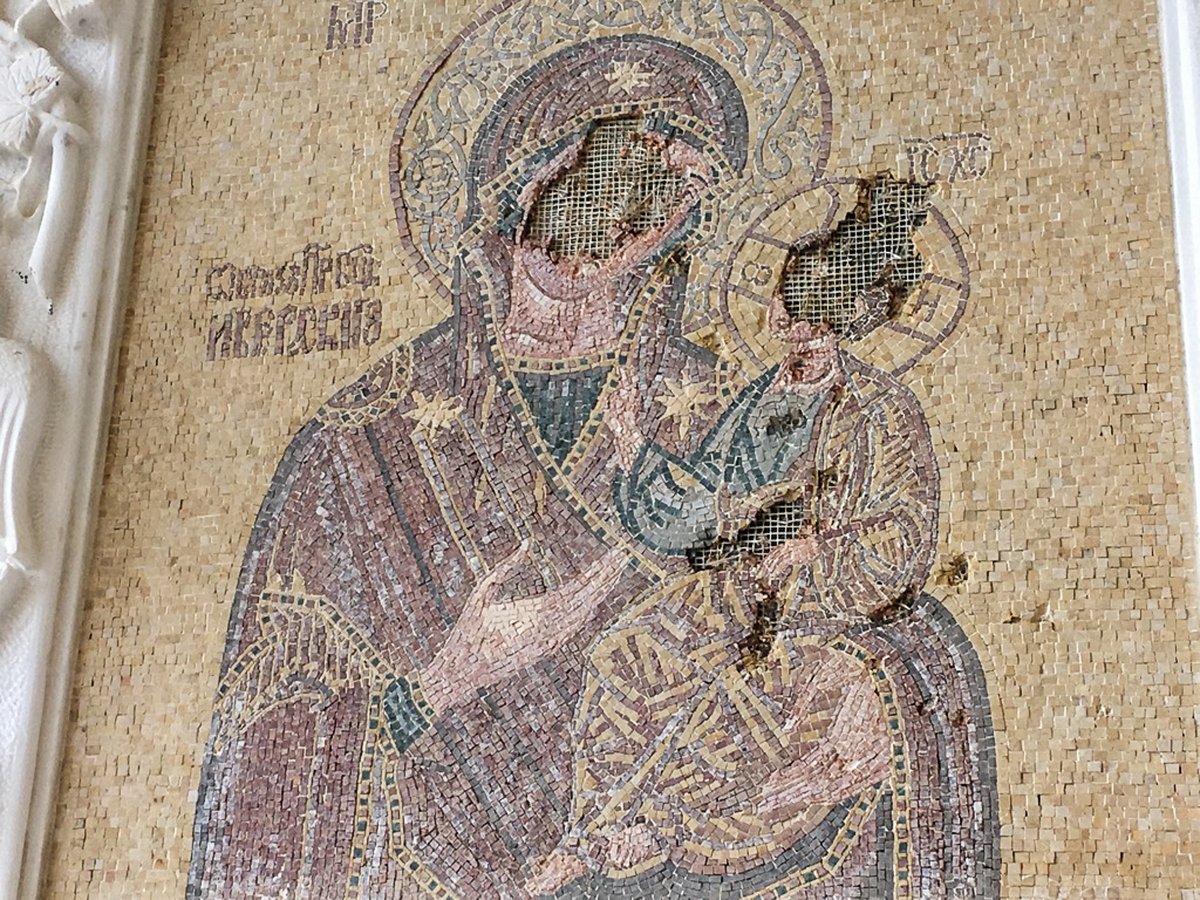
I met two nuns who had been kidnapped in 2013 by Al-Nusra militants and held in Lebanon for three months before In the monastery, damage from the war was still visible—faces of saints in ancient mosaics destroyed.
The town suffered immensely, houses were burned down, the inhabitants fled, only April 2014 the town was freed from Al-Nusra.
Before the war began in 2011, around 1.5 million Christians—about 10% of Syria’s population—lived in the country, from Greek Catholic to Armenian Orthodox and everything in between. Estimates suggest that number may have dropped to as few as 300,000.
More than 120 churches and Christian sites were destroyed during the conflict, even more mosques. But the main reason many Christian families have left Syria is not persecution, but deteriorating living conditions: lack of employment and education opportunities and rising living costs.
When I returned in 2023, the atmosphere felt different—less raw. The outfits were flashier, and rabbit costumes had become a trend.
2026, Christian communities were attacked in Syria—something unheard of before in recent history.
1
2
113
x.com/Kurdistan_C/status/204… 2026 demonstrieren Islamisten in Damascus.
Apr 4

Syrian Arabs are staging a demonstration calling for jihad against Israel and America in the Syrian capital - Damascus.
During this demonstration, flags of the Al-Qaeda and Hamas organizations were raised.
The new Syria that the West and America recognized — now they’ve turned against you.
1
36
Don't ever believe politicians who welcomed Joulani when they talk about fighting Islamists. They are in cahoots with them. Same for @_FriedrichMerz
Apr 2

The King of England and the British Prime Minister Keir Starmer now associate themselves with terrorists. They literally welcome anyone!
1
2
64
Exzellenter podcast zum Angriffkrieg der US/Israel auf den Iran.
"Der Iran verkauft jetzt mehr Öl und macht mehr Gewinne als zuvor, weil Kriegsgegner USA die Sanktionen lockerte.
Allein das zeigt die Verzweiflung der USA,
podcasts.apple.com/de/podcas…
1
63