Human Accessible Habitation Node (H.A.H.N)
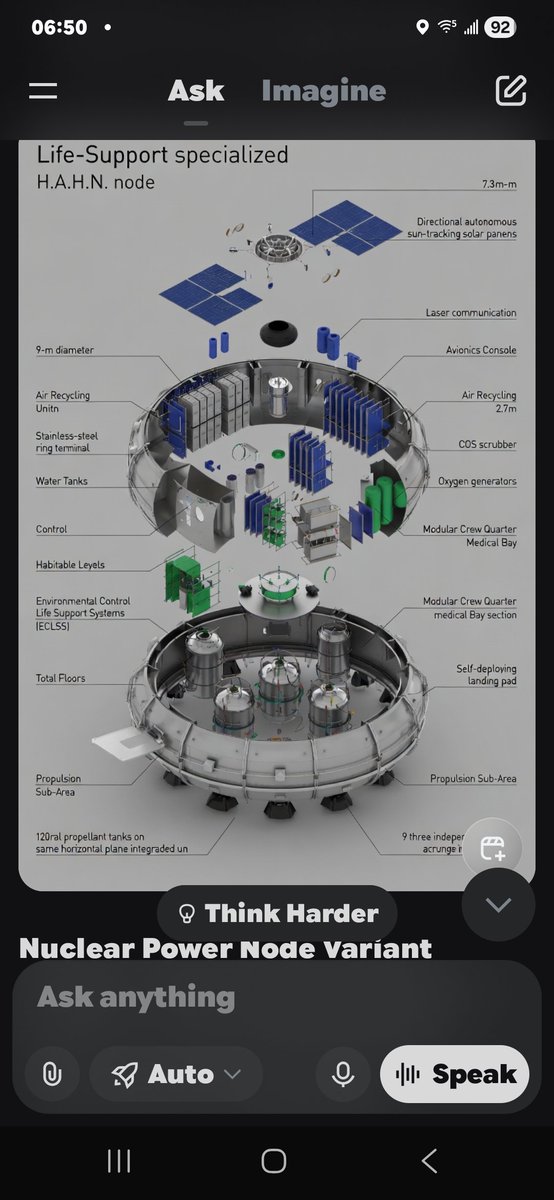
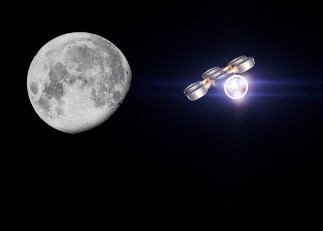
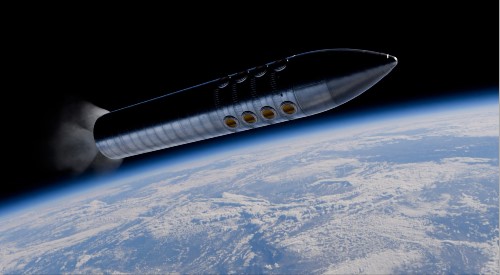
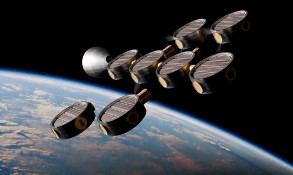
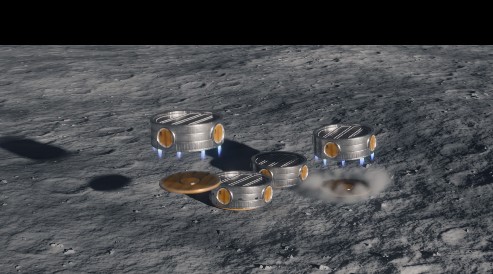
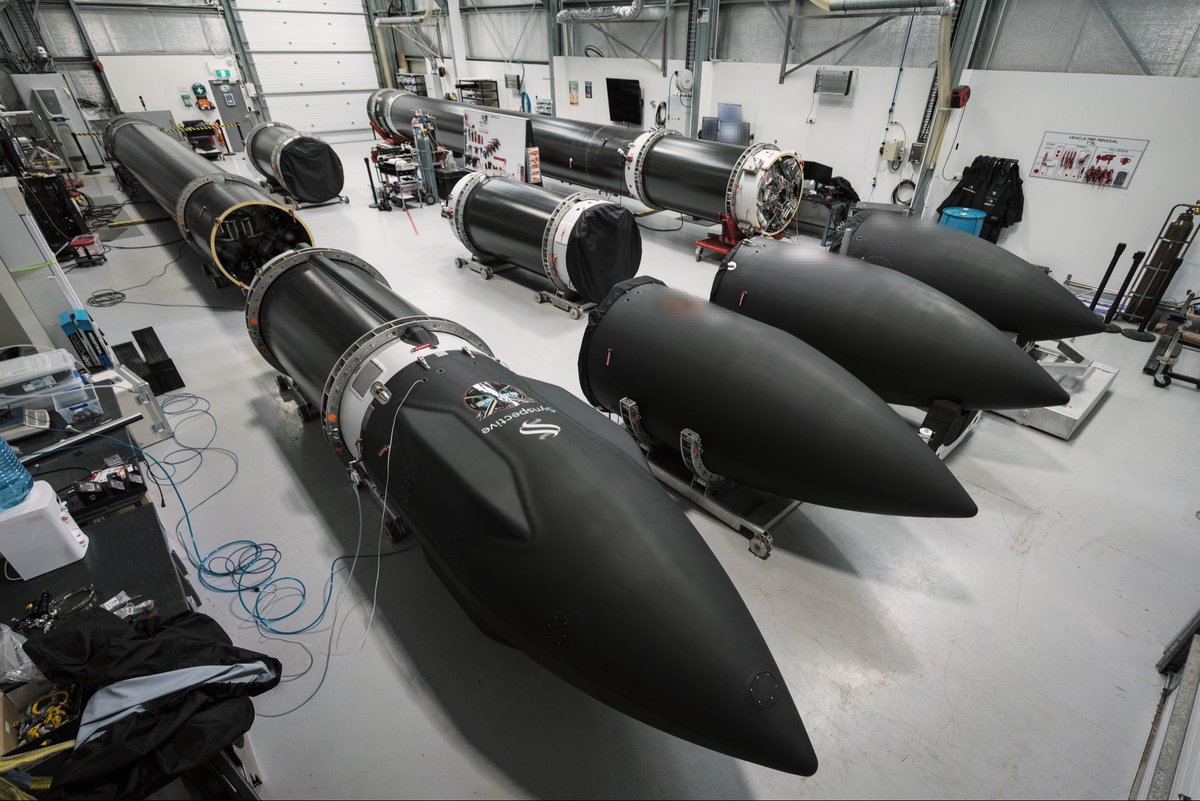
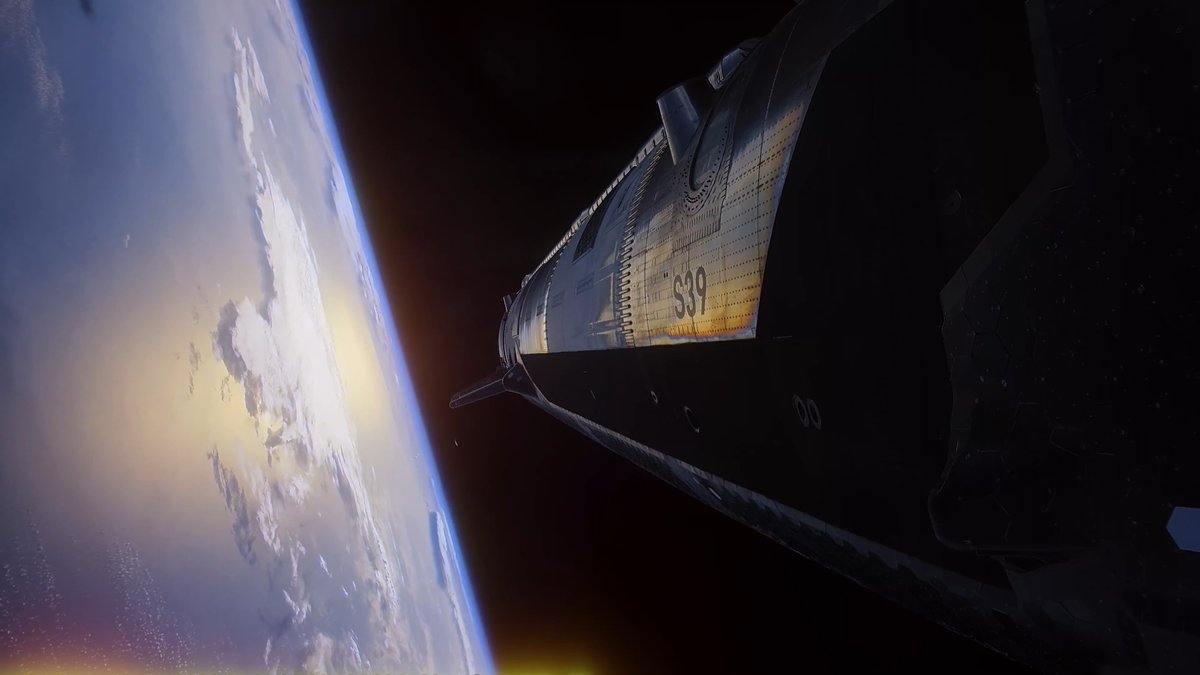
Creator of the Human Accessible Habitation Node (H.A.H.N), a starship variant that sectionalizes the second stage of a starship vehicle into at least four separate modules each consisting of varying degrees of habitability, life support, research, living quarters, science, and operational functions. The nose cone houses several RVAC rocket engines optimized for space transport and station keeping. Each node connects autonomously to each other in either a vertical or horizontal configuration or a combination of both in order to form multiple layers or stories to form a complete orbiting structure above the earth and or the Moon or other celestial bodies. A completed station or any sub level of modules can break away and form another station. Once separated, each individual node is equipped with its own engines and thrusters to autonomously leave orbit and land on the surface of the moon or other body. Each initial iteration is also equipped with its own landing pad which is released just before landing and remains on the surface to be used by other vehicles for landing. Future iterations of the nodes would then ferry supplies to and from the surface while construction and colonization of the moon proceeds for permanent human occupancy. Once sufficiently supplied, in situ resource utilization, mining, and manufacturing can commence. Further use of local resources can then be used to expand lunar station and habitable structures. With the Lunar Station becoming self-sufficient, future support and supplies from earth can be reduced with limited resupplies and necessities for sustainability.
ALT H.A.H.N. The future of autonomous habitation nodes for LEO, LLO, and Lunar surface habitation. the unknown human landing system.
1. Launched as modular node sections of a Starship Variant
2. Autonomous assembly in low earth orbit
3. Separates into two functioning orbiting stations one remains in LEO
4. Second station travels to lunar orbit and separates again into a LLO orbiting station
5. Remaining nodes jettison from main station and land on Lunar surface to autonomously reconnect as human habitable Lunar Base station.