
@JKileyHamlin's social moral developmental research lab @UBC! The CIC explores the origins of social and moral thought from a developmental perspective.
Joined August 2014
- Tweets 172
- Following 179
- Followers 201
- Likes 161
17 Photos and videos

Pinned Tweet

25 Feb 2021
👋Research Ethics disclaimer👋 by liking, following, and interacting with our page, your social media profile will be visible on our social media platform and associated with our centre.
UBC Centre for Infant Cognition retweeted

5 Mar 2021
We're pleased to announce ICIS has a new blog, The Baby Blog! Check out the first posting - infantstudies.org/the-baby-b… t.e2ma.net/cshare/inbound/t/…
17
39
UBC Centre for Infant Cognition retweeted
22 Mar 2021
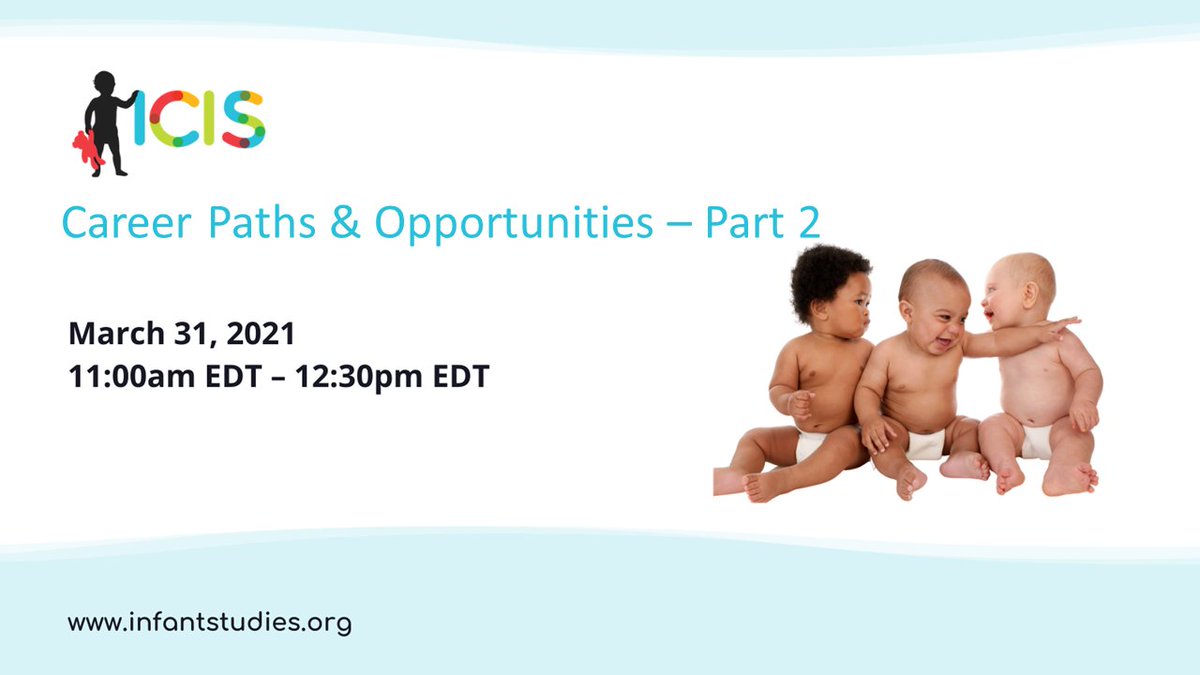
Interested in learning more about potential careers in #infantstudies? Join us Mar 31 to learn more!
Register now to participate!
More info - infantstudies.org/icis-onlin…
8
17
UBC Centre for Infant Cognition retweeted
23 Mar 2021
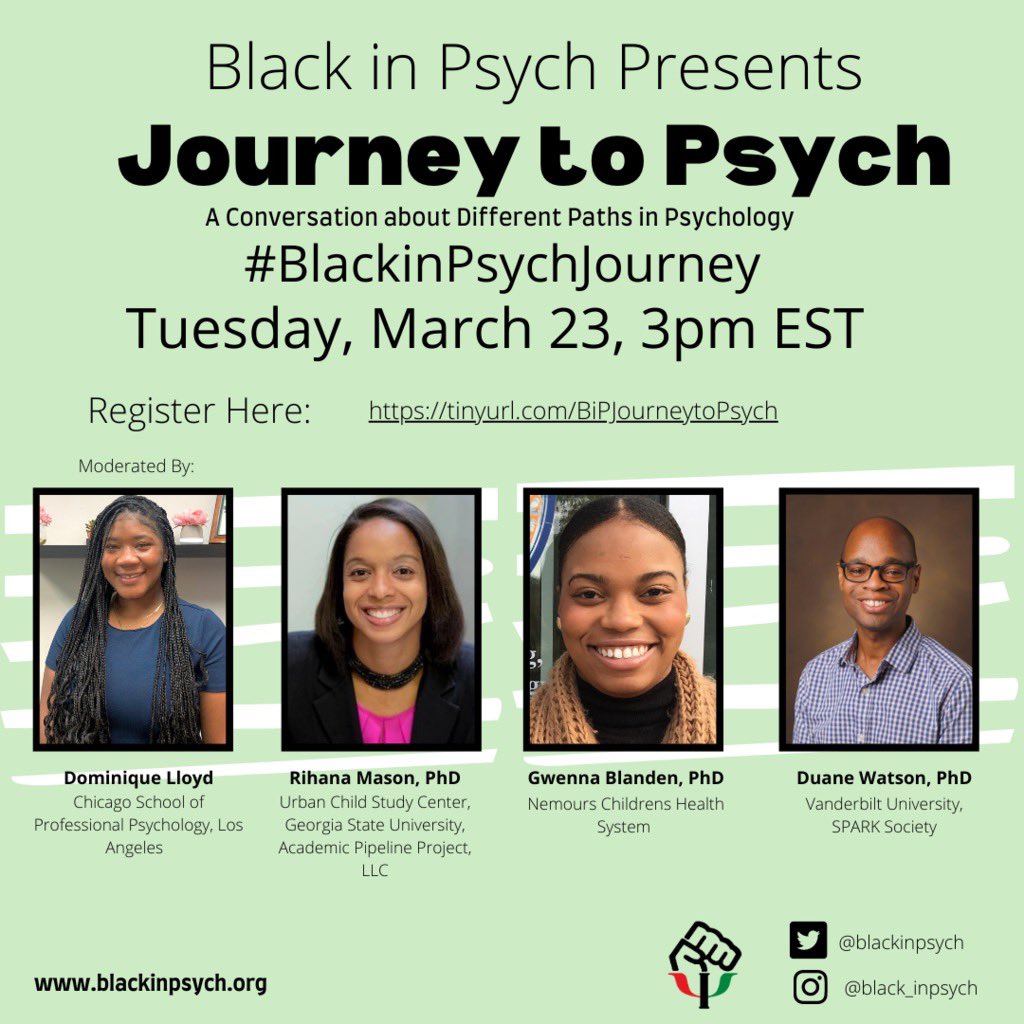
Today #BlackinPsychWeek is focusing on #blackinpsychjourney. Panel at 3pm EST today on different paths into psychology tinyurl.com/BiPJourneytoPsyc…
3
5
UBC Centre for Infant Cognition retweeted
21 Mar 2021
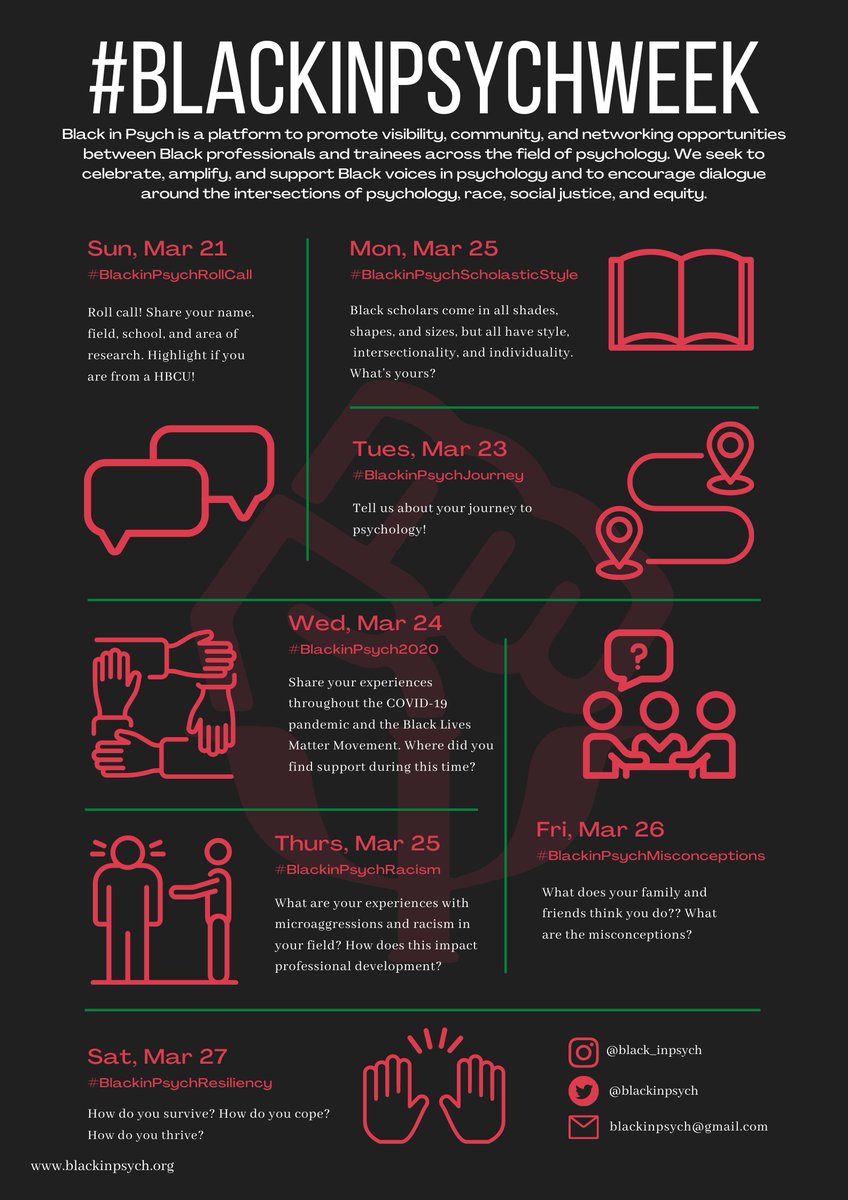
Today is day 1 for #BlackinPsychWeek. We'd love to see some of our members joining in under the #blackinpsychrollcall where people are sharing their field and area of research.
7
23
UBC Centre for Infant Cognition retweeted

23 Mar 2021
We're launching a Diversity Mentorship Program to prepare and mentor undergraduate students from diverse, under-resourced, underrepresented, and/or marginalized backgrounds for graduate admissions in psychology. bit.ly/UBCPsychMentor

3
53
106
25 Feb 2021
Missed @JKileyHamlin's talk? No need to fret, you can watch it here!
youtu.be/4Tzb6ckmcWM
16 Feb 2021

On Feb 20, join Dr. @JKileyHamlin for a virtual talk on ‘How do babies evaluate people?’ Wonder Kids is a new series of virtual talks hosted by #UBC's Early Development Research Group. RSVP: bit.ly/UBCWonderKids
1
2
UBC Centre for Infant Cognition retweeted
23 Feb 2021
Face masks and language development from experts and @infantstudies members Henny Yeung, @suz_l_curtin, and Janet Werker.
TL;DR: plasticity probably means we needn't worry, but we should continue to provide rich language learning environments for kids.
23 Feb 2021

Face-mask use and language development: Reasons to worry? /via @globeandmail theglobeandmail.com/canada/a…
10
16
UBC Centre for Infant Cognition retweeted

23 Feb 2021
Face-mask use and language development: Reasons to worry? /via @globeandmail theglobeandmail.com/canada/a…
3
8
UBC Centre for Infant Cognition retweeted
25 Feb 2021
Thank you for taking part in our research. What an adorable infant scientist! If you have a baby and want to join a study, visit: edrg.psych.ubc.ca
25 Feb 2021

Baby Scientist Seán is back at it! This time he exercised his language skills in a study from the UBC Early Development Research Group @UBCPsych! 🔤💬👶
3
14
UBC Centre for Infant Cognition retweeted
21 Dec 2020
Research on infant stereoscopic vision has concentrated on sensitivity to horizontal binocular disparity. Kavšek shows that 7 mo are able to extract spatial information even from monocular regions (half-occlusions) in a binocular display #infancypapers doi.org/10.1111/infa.12362
2
3
UBC Centre for Infant Cognition retweeted
31 Dec 2020
Geraci provides evidence for toddlers' ability to understand and evaluate the defensive actions of others. Results show that 20-month-olds prefer and reward a defensive puppet over a non-defensive one. #infancypapers doi.org/10.1111/infa.12367
2
4
UBC Centre for Infant Cognition retweeted

9 Dec 2020
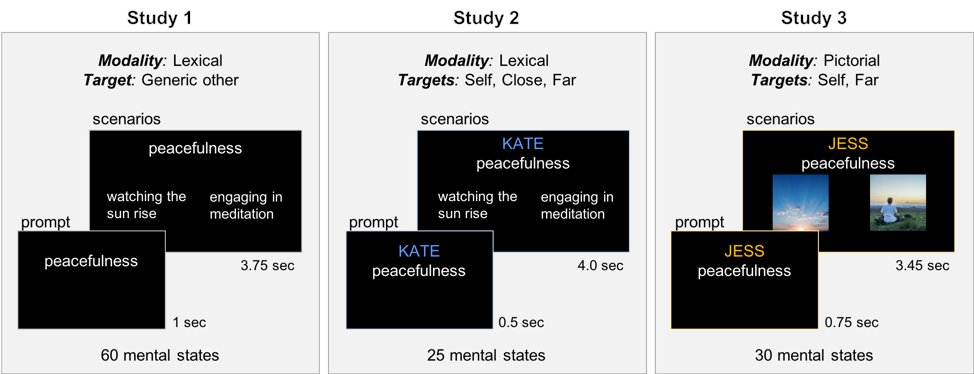
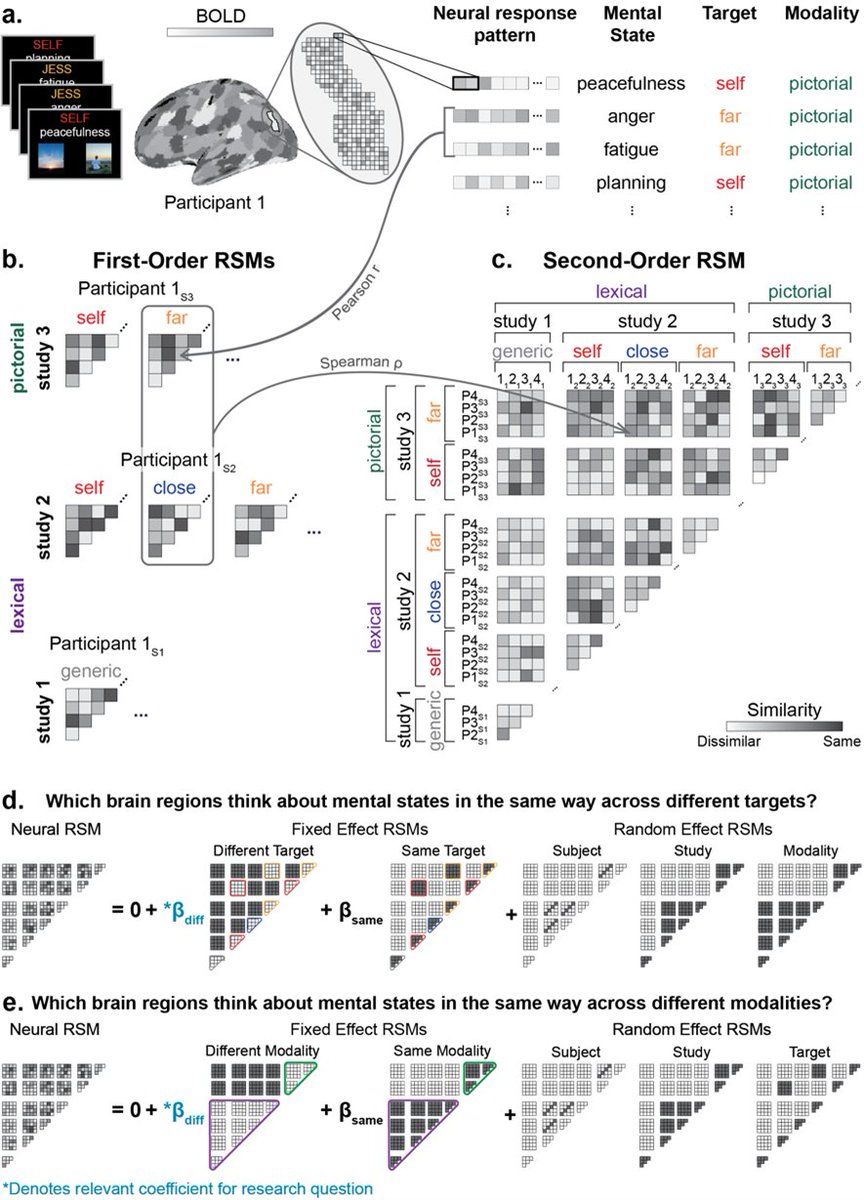
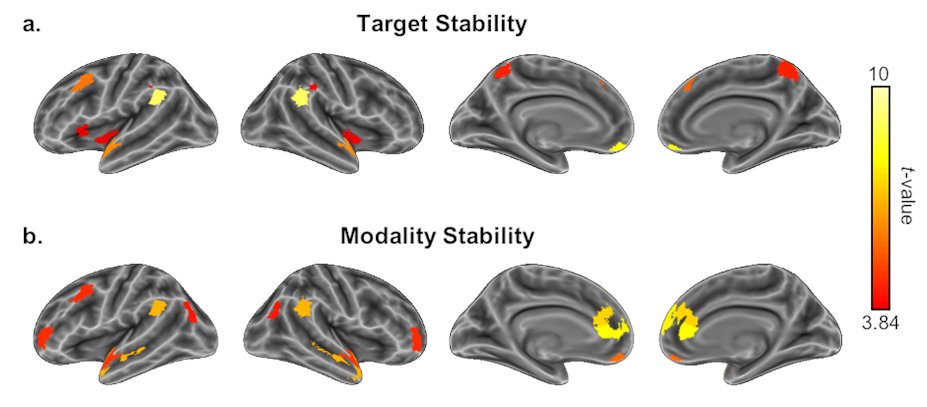
New preprint @PsyArXiv from Miriam Weaverdyck, me, and @DianaTamir! Across three fMRI studies, we find that the brain represents mental states similarly regardless of who is experiencing them (self/close/far/generic other), or how they are presented (text scenarios vs. images).
9 Dec 2020

Stable neural representations of mental states across target people and stimulus modalities
zpr.io/HJvyv
1
28
74
UBC Centre for Infant Cognition retweeted
14 Dec 2020
Join as a co-author and replicator for a project on gender & anger:
dropbox.com/s/rywqcc5ppqok5v…
1
1
UBC Centre for Infant Cognition retweeted
16 Dec 2020
@drewhabney, Suanda, Smith and @Chen_Yu_CY documented distributions of coordinated attention bouts during play. Bouts with infant object looking and parent triadic gaze were frequent and associated with future vocabulary size. #infancypapers doi.org/10.1111/infa.12365
1
5
UBC Centre for Infant Cognition retweeted
10 Dec 2020
Northrup & Iverson's research suggests infants & mothers use vocalizations to direct and respond to one another’s gaze during play. This type of coordination is likely important for infant language development. #infancypapers doi.org/10.1111/infa.12369
7
23
UBC Centre for Infant Cognition retweeted

26 Oct 2020
This is SO interesting. And, yes, a deep dive into something as seemingly simple as holes reveals the richness of the mind. For more, see mitpress.mit.edu/books/holes…
3
27
UBC Centre for Infant Cognition retweeted
7 Dec 2020
So glad these lessons for large-scale collaboration can be shared!!

Thanks to excellent leadership by @Krista_BH and Melanie Soderstrom for putting together this paper, plus awesome collaborators like @melissaekline
@JKileyHamlin @m_zettersten @mcxfrank and many others! x.com/MPI_NL/status/13359169…
1
2
UBC Centre for Infant Cognition retweeted
26 Nov 2020
Arterberry, Hespos, Walsh, & Daniels addresses 2-year-olds’ difficulty integrating perceptual and cognitive information with their actions. They found that arm weights helped in some tasks but not others. #infancypapers doi.org/10.1111/infa.12364
1
3
UBC Centre for Infant Cognition retweeted

From #ChildDevelopment Journal (2020): "The Homogeneity and Heterogeneity of Moral Functioning in Preschool," by Enda Tan, Amori Y. Mikami, Anastasiya Luzhanska, and @JKileyHamlin from @ubc. doi.org/10.1111/cdev.13458
1
2
8