
normal considered harmful | cto @trychroma
Joined September 2009
- Tweets 2,541
- Following 2,688
- Followers 2,101
- Likes 23,942
137 Photos and videos



Pinned Tweet

Feb 15
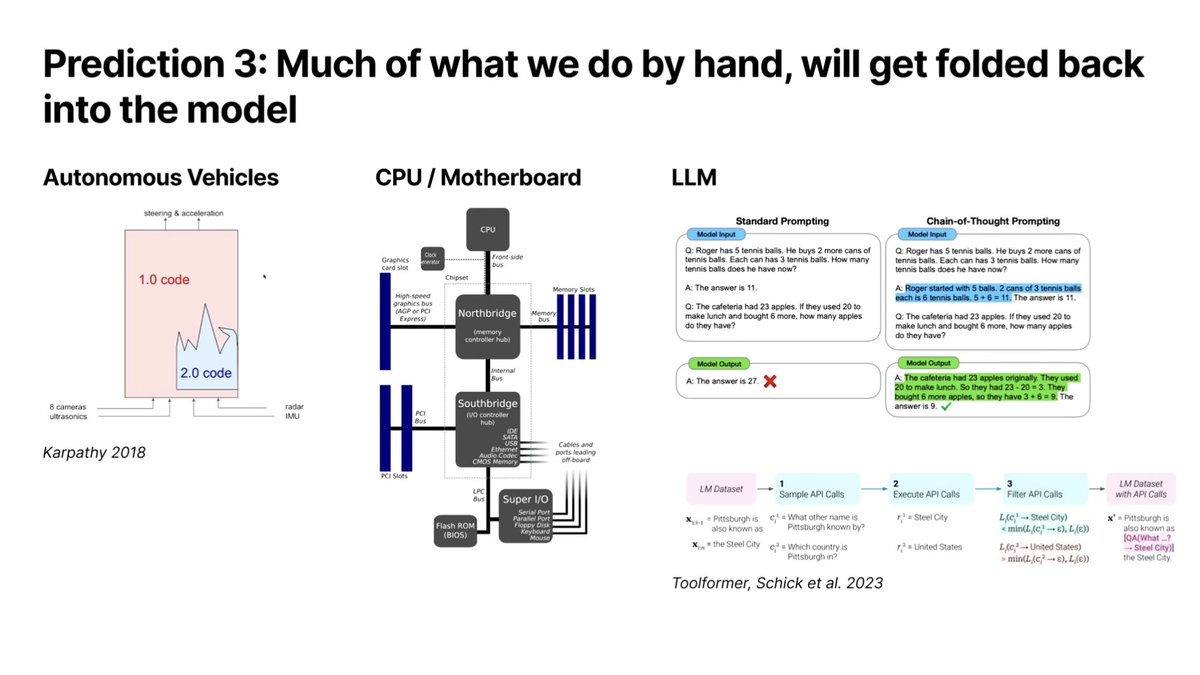
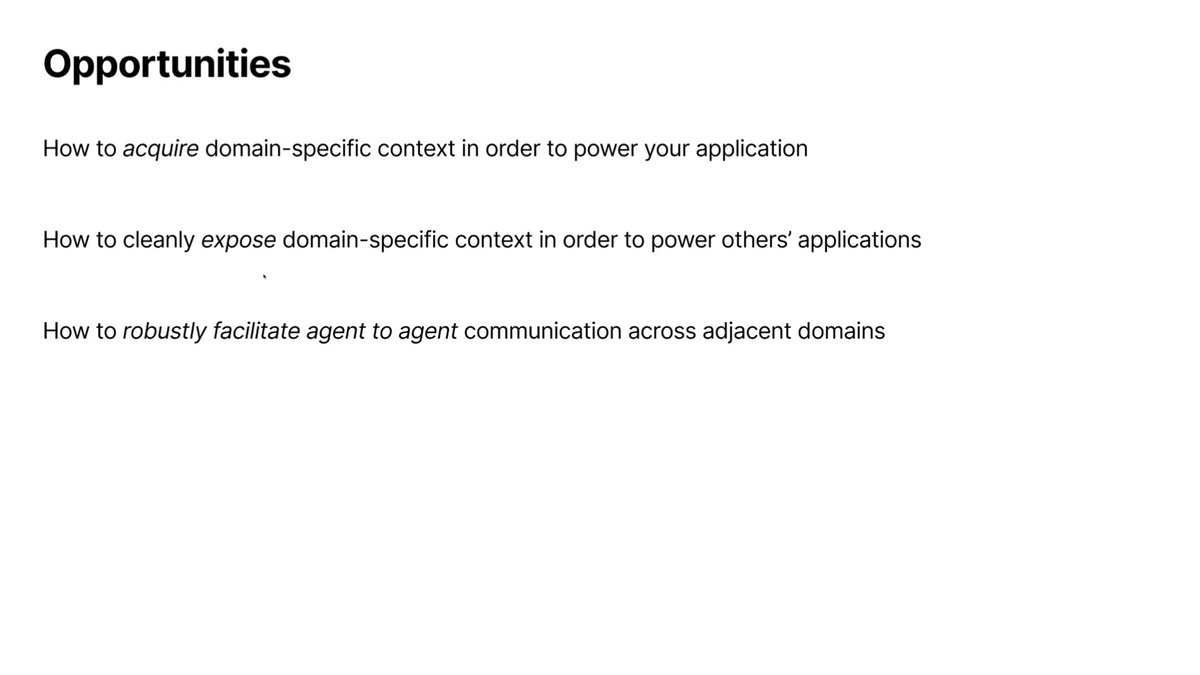
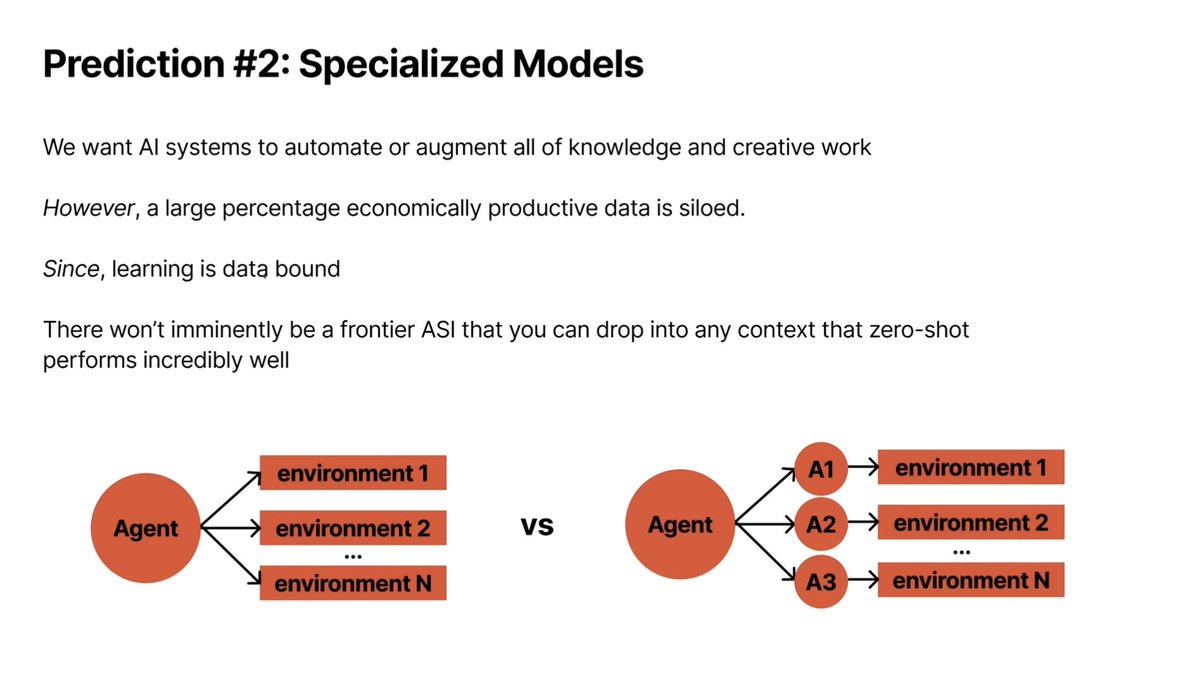
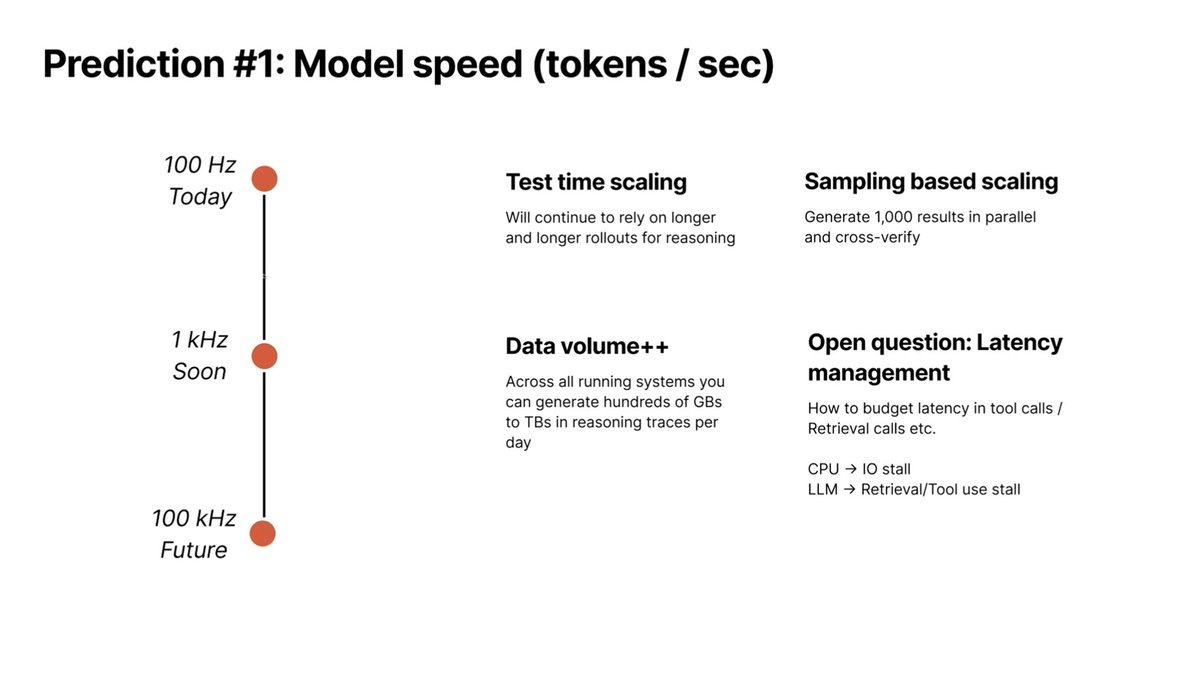
Last year at @tryramp I laid out three predictions for how language models would evolve. I was trying to clarify which bets might actually be durable over time.
A lot of it is now starting to take shape.
Here’s an update. Thread 👇
3
7
138
29,118
hammad 🔍 retweeted

Jun 8
Thanks again for your interest in our work!
Links here so they don’t get buried under “show more”:
Paper 📄: arxiv.org/abs/2606.02373
Code 💻: github.com/pat-jj/harness-1
Model 🤗: huggingface.co/pat-jj/harnes…
Everything is open. Feel free to star the github repo to bookmark it for later ⭐
5
24
236
15,556
Jun 8
👀
Jun 8

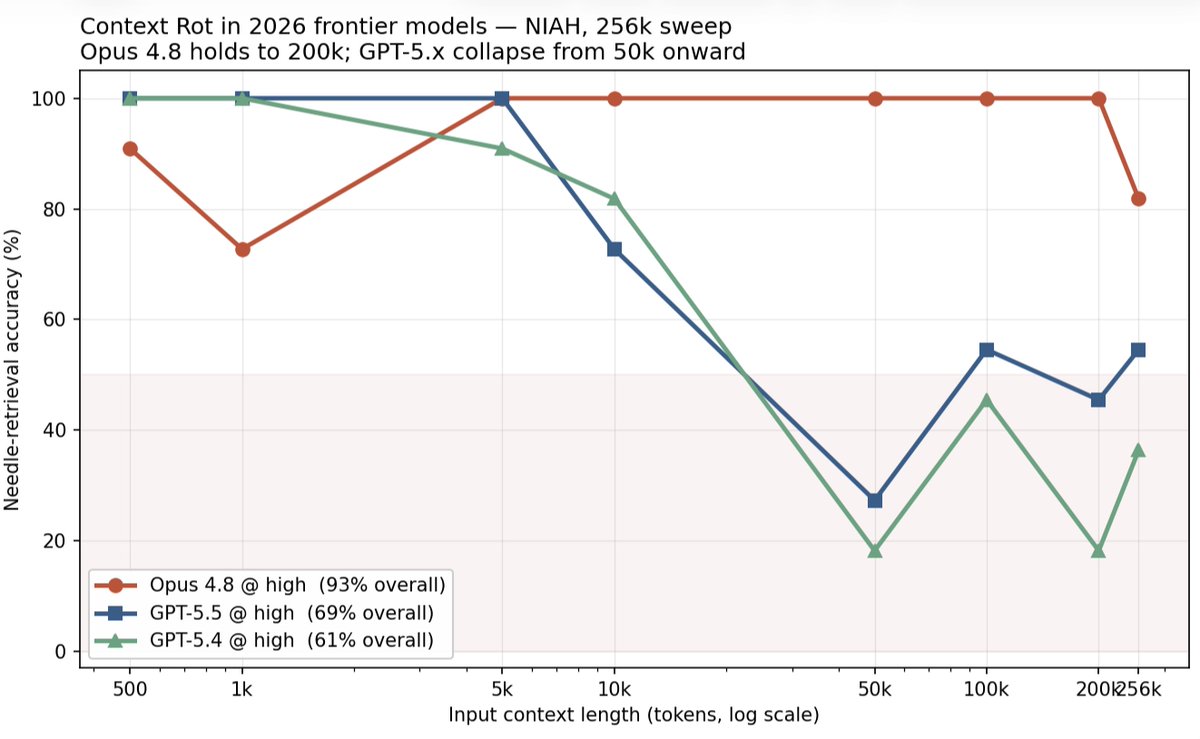
Context rot test (usign @trychroma's orginal benchmark)
Only up to 256k length, but Opus outperforms GPT 5.5 by a wide margin.
2
332
Jun 7
the thing i was most interested to dive into with this work is how much can a well defined harness RL boost performance.
when you allow yourself to somewhat violate the bitter-lesson, and do some hand engineering of the harness, you can learn quickly what works.
what i am interested in now is how to elicit known-helpful behavior in training loops learned from these point-harnesses into general harnesses with more degrees of freedom.
Jun 6

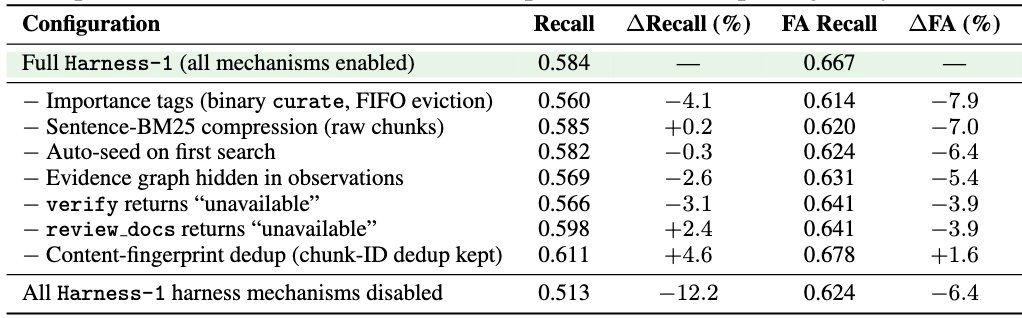
[9/N] The ablations were also pretty revealing.
When we disable the harness mechanisms, the model does not just lose some information.
It changes behavior: more shallow searching, less reading / verification, worse final curation.
So the harness is not just engineering glue.
4
970
Jun 7
was great to collab with @patpcj on this
Jun 6
Introducing Harness-1, a 20B search agent trained with a state-externalizing harness.
> frontier-level long-horizon search, rivaling Opus-4.6 and outperforming GPT-5.4
> Context-1-level cost and latency
> externalizes candidates, evidence, verification, and search history
> open-source
2
8
1,955
Apr 4
recipe i have wanted to try, mostly limited by how you get it into peoples hands
1. humans write N skills
2. collect data traces of execution of N skills
3. use traces to train / generate new tasks to RL on
4. train a LoRA
5. now Skills.MD -> Skill LoRA
6. Give agent a tool to apply LoRA to itself
Apr 4

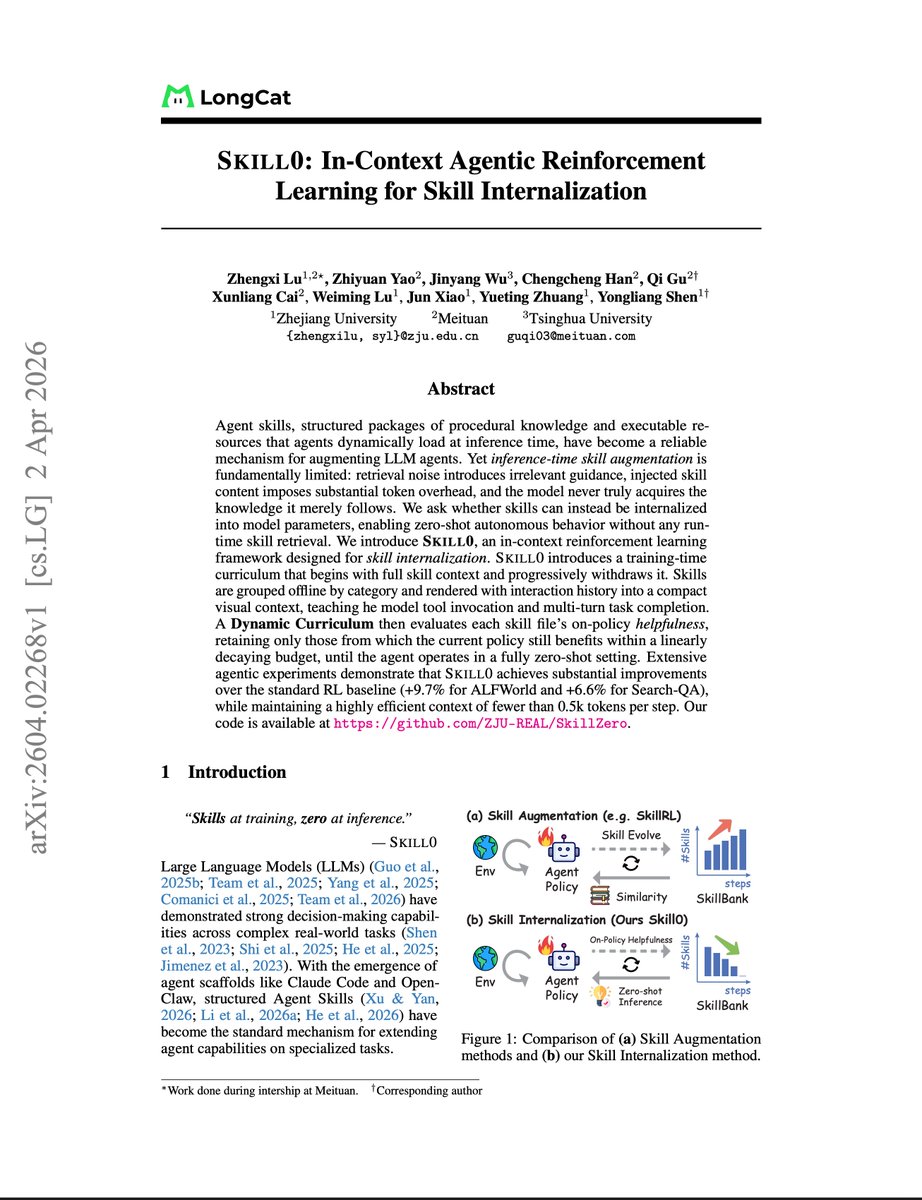
Training AI agent skills into a model with RL rather than loading them at inference does make a lot of sense.
9
1,479
hammad 🔍 retweeted

Apr 2
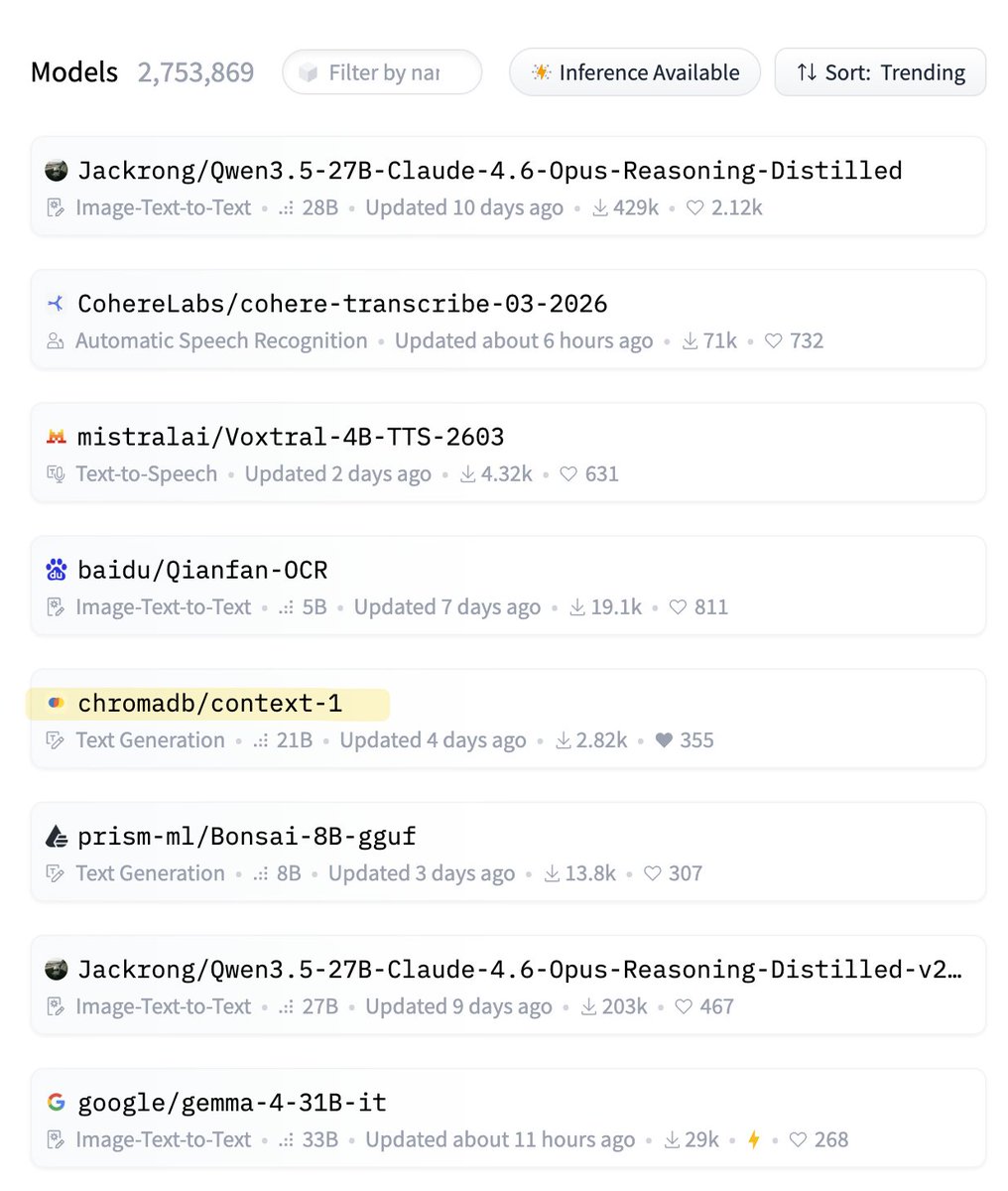
Chroma Context-1 is #5 on Hugging Face
3
2
21
4,118
Apr 2
want to scale this idea up 100000x? - we're hiring @trychroma
Apr 2

LLM Knowledge Bases
Something I'm finding very useful recently: using LLMs to build personal knowledge bases for various topics of research interest. In this way, a large fraction of my recent token throughput is going less into manipulating code, and more into manipulating knowledge (stored as markdown and images). The latest LLMs are quite good at it. So:
Data ingest:
I index source documents (articles, papers, repos, datasets, images, etc.) into a raw/ directory, then I use an LLM to incrementally "compile" a wiki, which is just a collection of .md files in a directory structure. The wiki includes summaries of all the data in raw/, backlinks, and then it categorizes data into concepts, writes articles for them, and links them all. To convert web articles into .md files I like to use the Obsidian Web Clipper extension, and then I also use a hotkey to download all the related images to local so that my LLM can easily reference them.
IDE:
I use Obsidian as the IDE "frontend" where I can view the raw data, the the compiled wiki, and the derived visualizations. Important to note that the LLM writes and maintains all of the data of the wiki, I rarely touch it directly. I've played with a few Obsidian plugins to render and view data in other ways (e.g. Marp for slides).
Q&A:
Where things get interesting is that once your wiki is big enough (e.g. mine on some recent research is ~100 articles and ~400K words), you can ask your LLM agent all kinds of complex questions against the wiki, and it will go off, research the answers, etc. I thought I had to reach for fancy RAG, but the LLM has been pretty good about auto-maintaining index files and brief summaries of all the documents and it reads all the important related data fairly easily at this ~small scale.
Output:
Instead of getting answers in text/terminal, I like to have it render markdown files for me, or slide shows (Marp format), or matplotlib images, all of which I then view again in Obsidian. You can imagine many other visual output formats depending on the query. Often, I end up "filing" the outputs back into the wiki to enhance it for further queries. So my own explorations and queries always "add up" in the knowledge base.
Linting:
I've run some LLM "health checks" over the wiki to e.g. find inconsistent data, impute missing data (with web searchers), find interesting connections for new article candidates, etc., to incrementally clean up the wiki and enhance its overall data integrity. The LLMs are quite good at suggesting further questions to ask and look into.
Extra tools:
I find myself developing additional tools to process the data, e.g. I vibe coded a small and naive search engine over the wiki, which I both use directly (in a web ui), but more often I want to hand it off to an LLM via CLI as a tool for larger queries.
Further explorations:
As the repo grows, the natural desire is to also think about synthetic data generation finetuning to have your LLM "know" the data in its weights instead of just context windows.
TLDR: raw data from a given number of sources is collected, then compiled by an LLM into a .md wiki, then operated on by various CLIs by the LLM to do Q&A and to incrementally enhance the wiki, and all of it viewable in Obsidian. You rarely ever write or edit the wiki manually, it's the domain of the LLM. I think there is room here for an incredible new product instead of a hacky collection of scripts.
9
8
215
32,633

Apr 1
largest at scale deployments of continual learning in the world = TikTok like RecSys

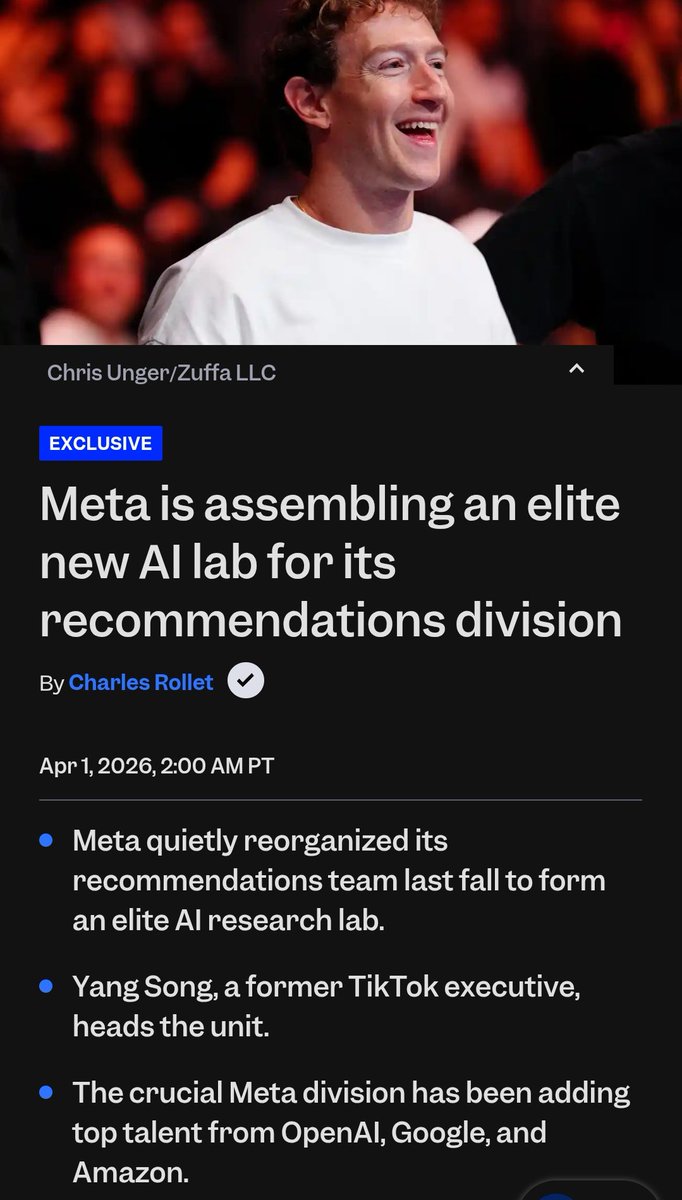
Scoop! Meta is forming a *new* elite AI lab. And it's not run by Alexandr Wang.
The tech giant quietly reorganized its recommendations division, RecSys.
It formed a top AI team run by TikTok's former head of growth.
RecSys has been luring OpenAI, Google, & Amazon talent.
3
665
Mar 30
My favorite part of working on the @trychroma Context-1 report was how easy interactive explanations have become with AI coding.
As a longtime fan of sites like explorabl.es/ and ciechanow.ski/ the barrier to quickly iterating on and building interactive explainers is now so absurdly low.
No excuse for every developer facing company to not invest in these.
1
1
21
929
Mar 28
rumors that @kellyhongsn is not real continue
Mar 28

There’s no way this is a real person
2
604
Mar 27
cool to see people like @fahdmirza racing ahead and using open source context-1.
I really need to hurry up and get to releasing the first party harness 😅
youtube.com/watch?v=8MwvaG_h…

1
3
738
Mar 27
It was a great pleasure to collaborate with @patpcj at @UofIllinois on Context-1. Patrick was among the first to demonstrate how to use on-policy RL to successfully train small models for agentic search.
We're continuing this research direction - Chroma is hiring researchers across IR, RL, agent harnesses, and high-performance inference. See the future work section of the Context-1 report for a glimpse into how the team is thinking about the problem.
DM me if you are interested.
1 Apr 2025
🚀𝗜𝗻𝘁𝗿𝗼𝗱𝘂𝗰𝗶𝗻𝗴 𝗗𝗲𝗲𝗽𝗥𝗲𝘁𝗿𝗶𝗲𝘃𝗮𝗹: We're 𝐇𝐀𝐂𝐊𝐈𝐍𝐆 𝐑𝐄𝐀𝐋 𝐒𝐄𝐀𝐑𝐂𝐇 𝐄𝐍𝐆𝐈𝐍𝐄𝐒 using LLM WITHOUT supervision!
We use a 3B model to achieve 𝗠𝗢𝗥𝗘 𝗧𝗛𝗔𝗡 𝗗𝗢𝗨𝗕𝗟𝗘𝗗 (65% vs 25%) previous SOTA (including GPT-4o) on Search!
📑Paper: arxiv.org/abs/2503.00223v2
💻Code: github.com/pat-jj/DeepRetrie…
🤗Models: huggingface.co/DeepRetrieval
#DeepSeek #R1 #ChatGPT #chatgpt4o #Google #Bing #xAI #GoogleSearch #AI #NLP #InformationTechnology

1
1
15
4,074
Mar 26
the silent hero of context-1's training is ChromaDB itself. Due to our separation of storage and compute we were able to scale to 3,000 QPS and scale back down cost-effectively for our RL rollouts.
ChromaDB trivially added read replicas, paging data in from object storage as our traffic burst and scaled back down when when we terminated training.
The core database, and its operational maturity has been the core focus of the Chroma team. ChromaDB is what we are known for in the world.
You may be wondering why a "database company" is training its own models.
This has always been the plan, more to come.
Mar 26

Introducing Chroma Context-1, a 20B parameter search agent.
> pushes the pareto frontier of agentic search
> order of magnitude faster
> order of magnitude cheaper
> Apache 2.0, open-source
5
4
71
12,412