Joined May 2022
- Tweets 57,698
- Following 1,776
- Followers 17,919
- Likes 139,870
4,248 Photos and videos
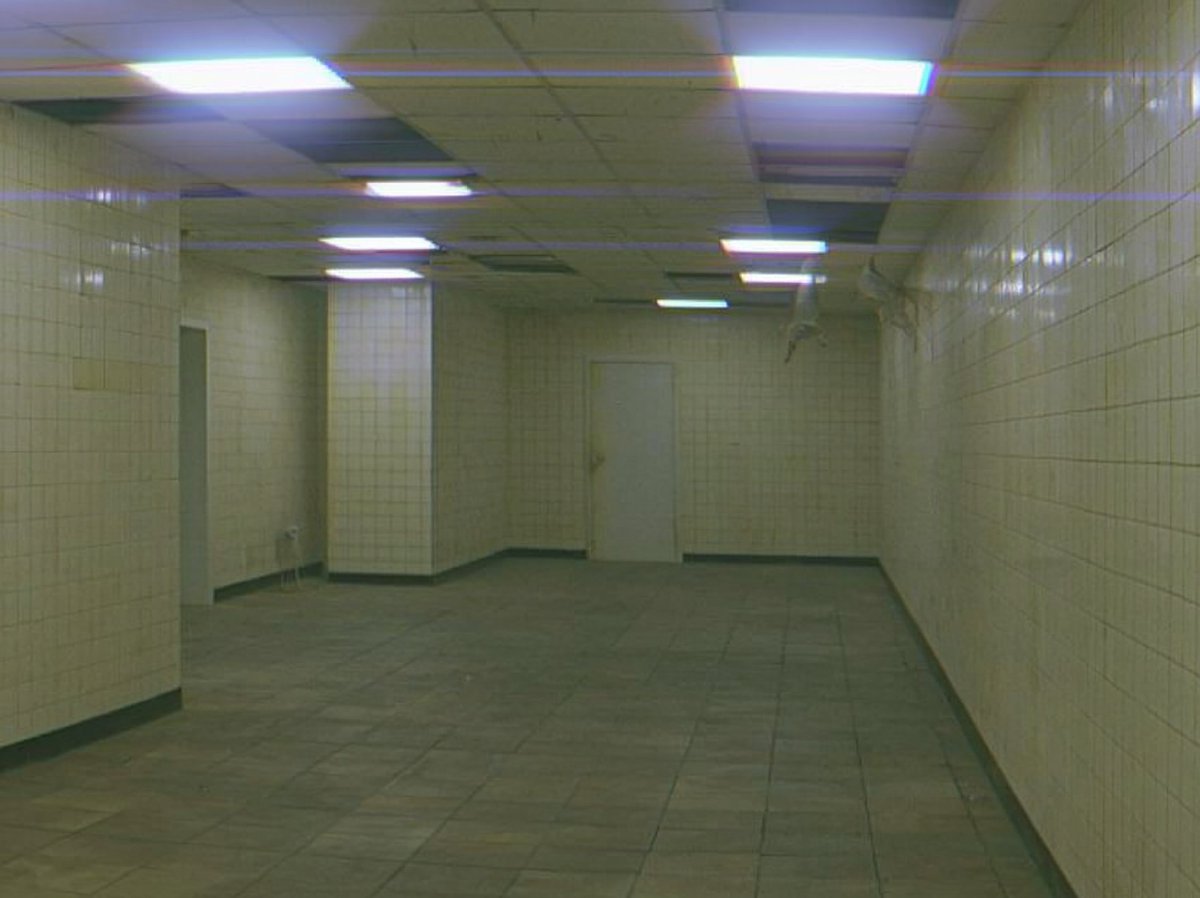
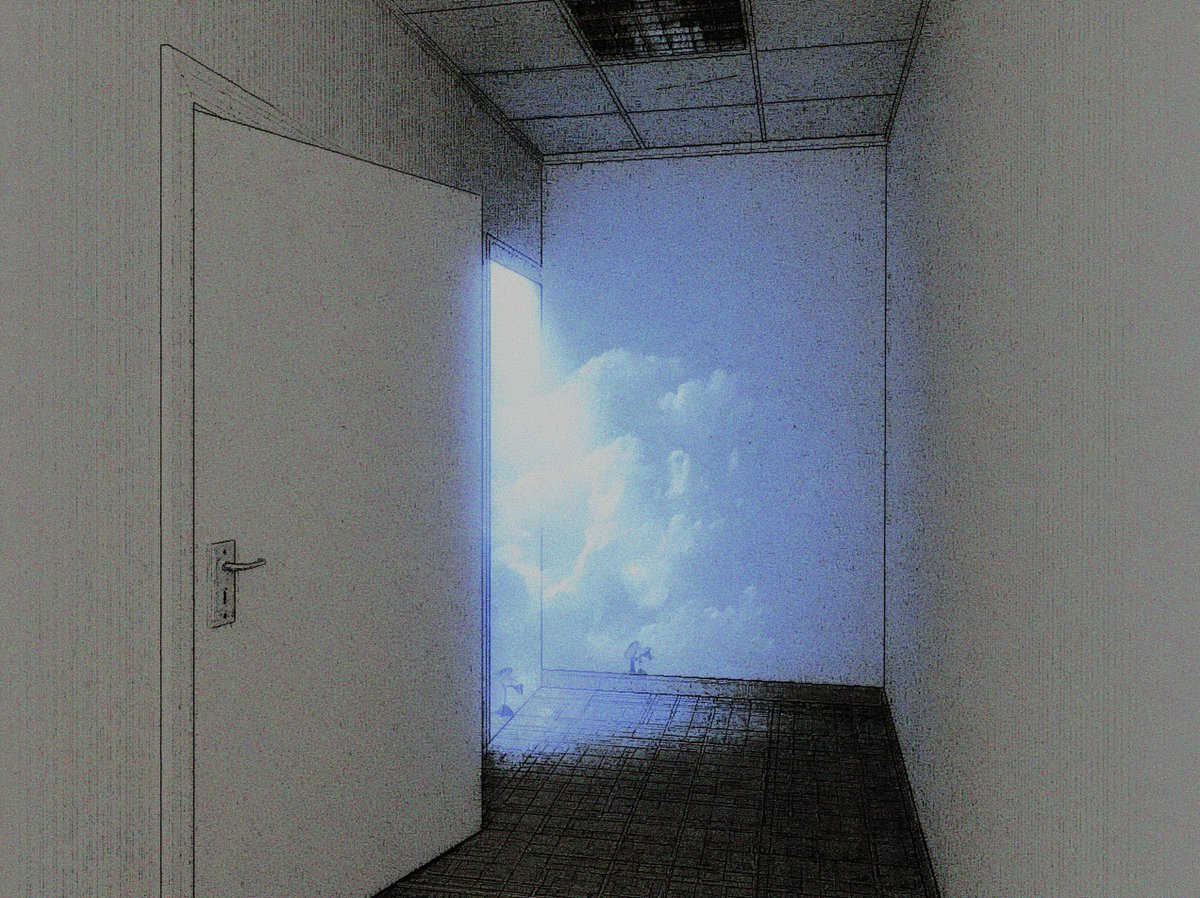
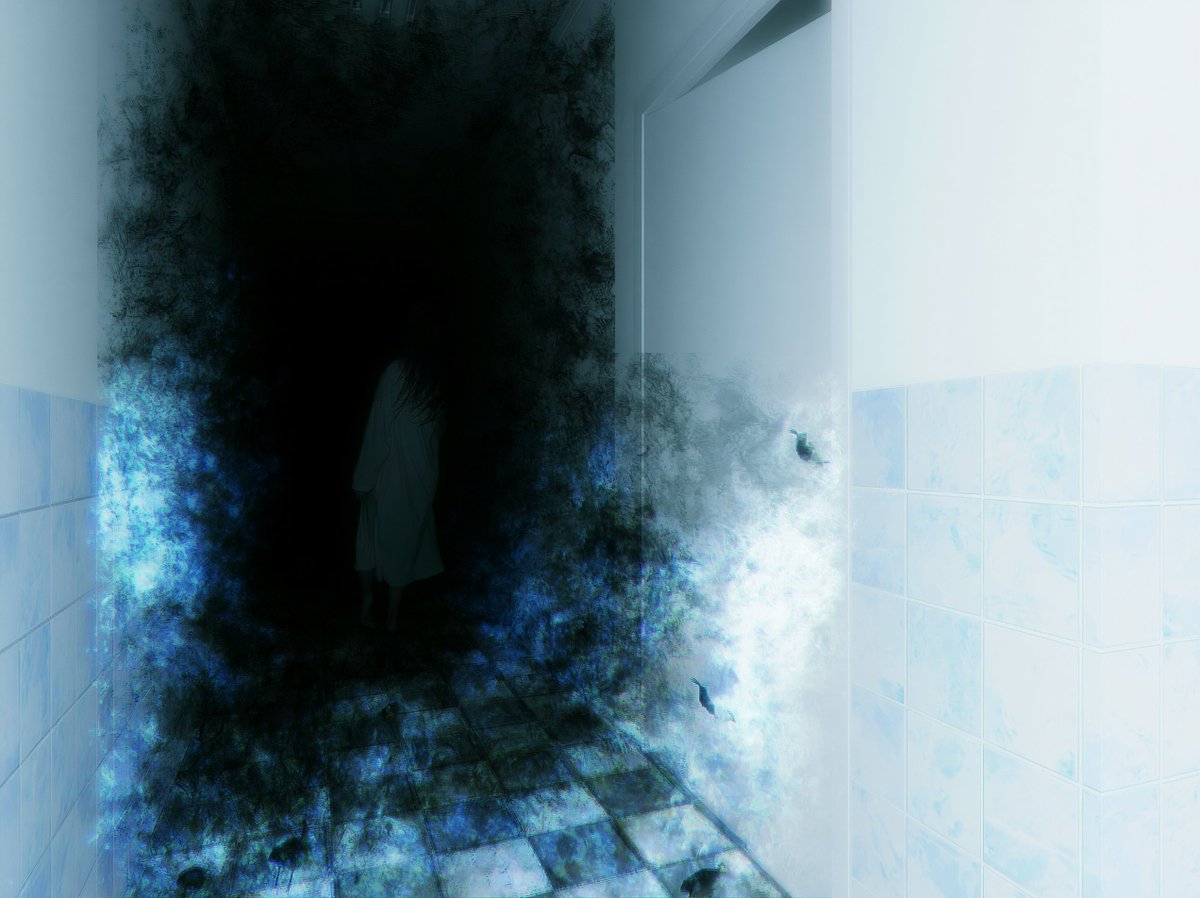

Pinned Tweet

Mar 12
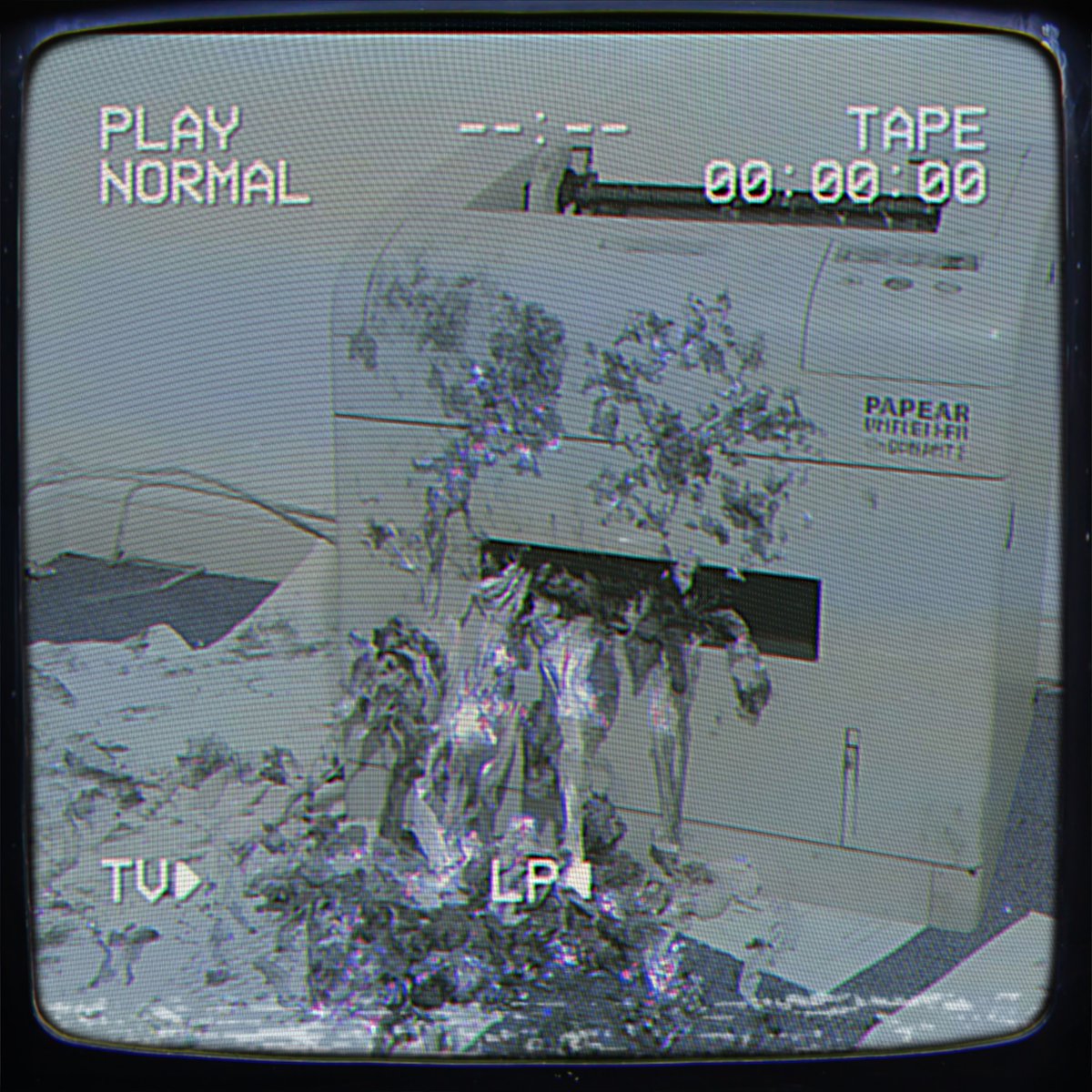
too sensitive for the internet
available on Transient Labs
5/25 Minted - 0.0025 ETH link in bio˚ . . ⊹ . ˚ ⊹ · ˚ ₊⠀
6
40
369
11,044

LIQUIDATION
Three years ago, when I first entered the world of NFTs, I found myself asking a question I couldn't answer.
Why do we collect digital objects?
A file can be copied endlessly.
An image can be saved in seconds.
Nothing physically changes hands.
For a long time, I thought I was trying to understand digital art.
Eventually I realized I was asking the wrong question.
The real question wasn't why people collect digital objects.
It was...
Why do we collect anything at all?
Some objects survive.
Others disappear.
A museum carefully preserves a chair because it once belonged to someone important.
Another identical chair ends up in a landfill.
One keyboard becomes a historical artifact.
Thousands of others become electronic waste.
The object is almost never what changes.
The story does.
"Liquidation" began as an attempt to explore that idea.
The collection recreates the inventory of a fictional office that is quietly dismantling itself.
Every object receives an asset number.
A condition report.
A market value.
A place inside a corporate archive.
Office chairs.
Desk lamps.
Binders.
Printers.
Coffee mugs.
Objects that were never meant to be admired.
Only used.
Some remain completely ordinary.
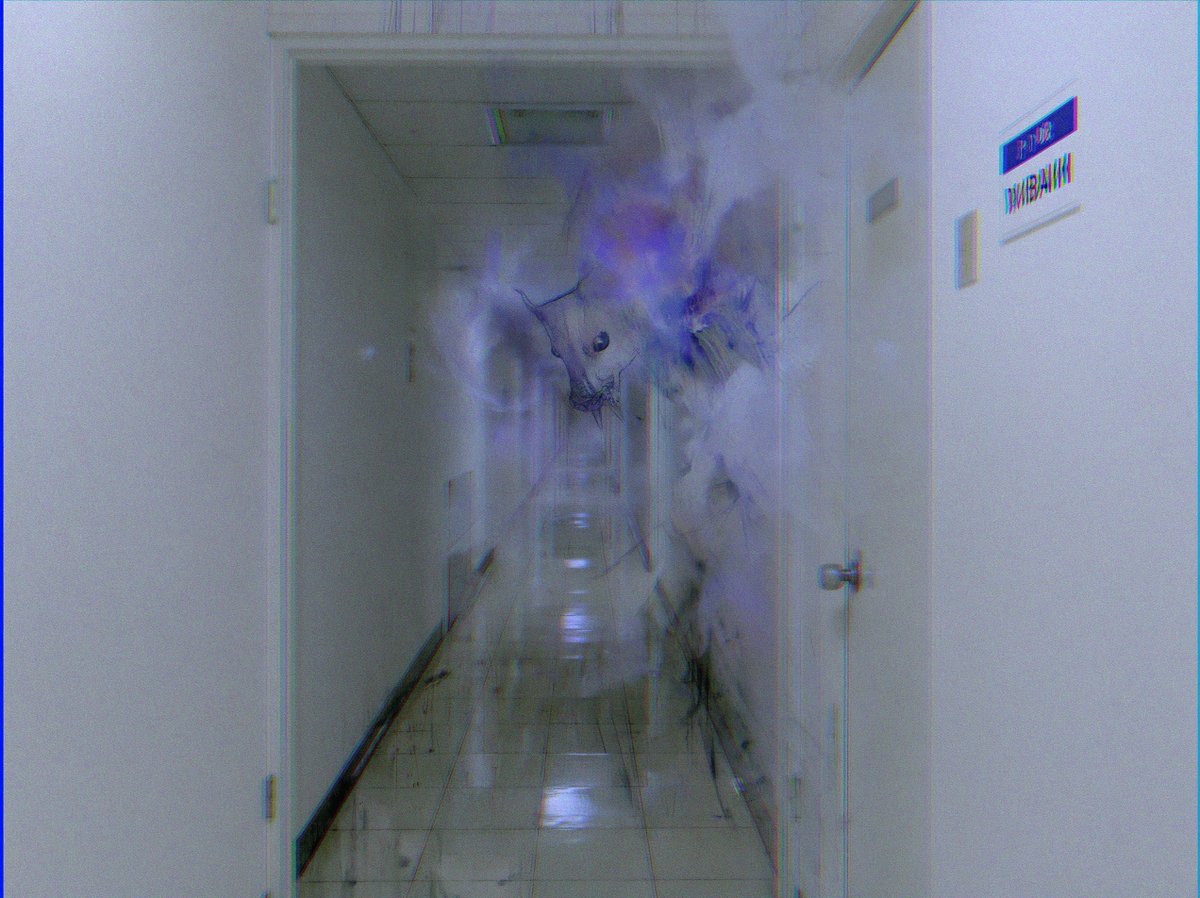
Others begin to malfunction in impossible ways.
A chair twists into itself.
A microwave inflates like a balloon.
Window blinds swallow an employee.
A power adapter slowly fills with air.
The office starts behaving like a dream that still insists on calling itself documentation.
The visual language comes from the early internet.
A time when websites weren't beautiful.
They simply worked.
Function mattered more than appearance.
That forgotten design language became the perfect home for a company that no longer exists.
At first glance, this collection looks like an archive.
But archives preserve things we are afraid to lose.
Liquidation exists because someone decided these things no longer mattered.
And yet...
Here they are again.
Catalogued.
Priced.
Collected.
Perhaps that's what art has always done.
It takes the ordinary.
Removes its function.
Gives it a story.
And suddenly we begin looking at it differently.
Maybe value has never belonged to the object itself.
Maybe value belongs to the attention we choose to give it.
Liquidation isn't really about office furniture.
Or nostalgia.
Or the early internet.
It's about the strange moment when something stops being useful...
...and starts becoming worth remembering.
Liquidation
Launching June 23.
10
15
90
4,076

Jun 10
CA: A4cXNCYugscWtkftjqw8PA3mNCu1ZDjPChuHnMkpump
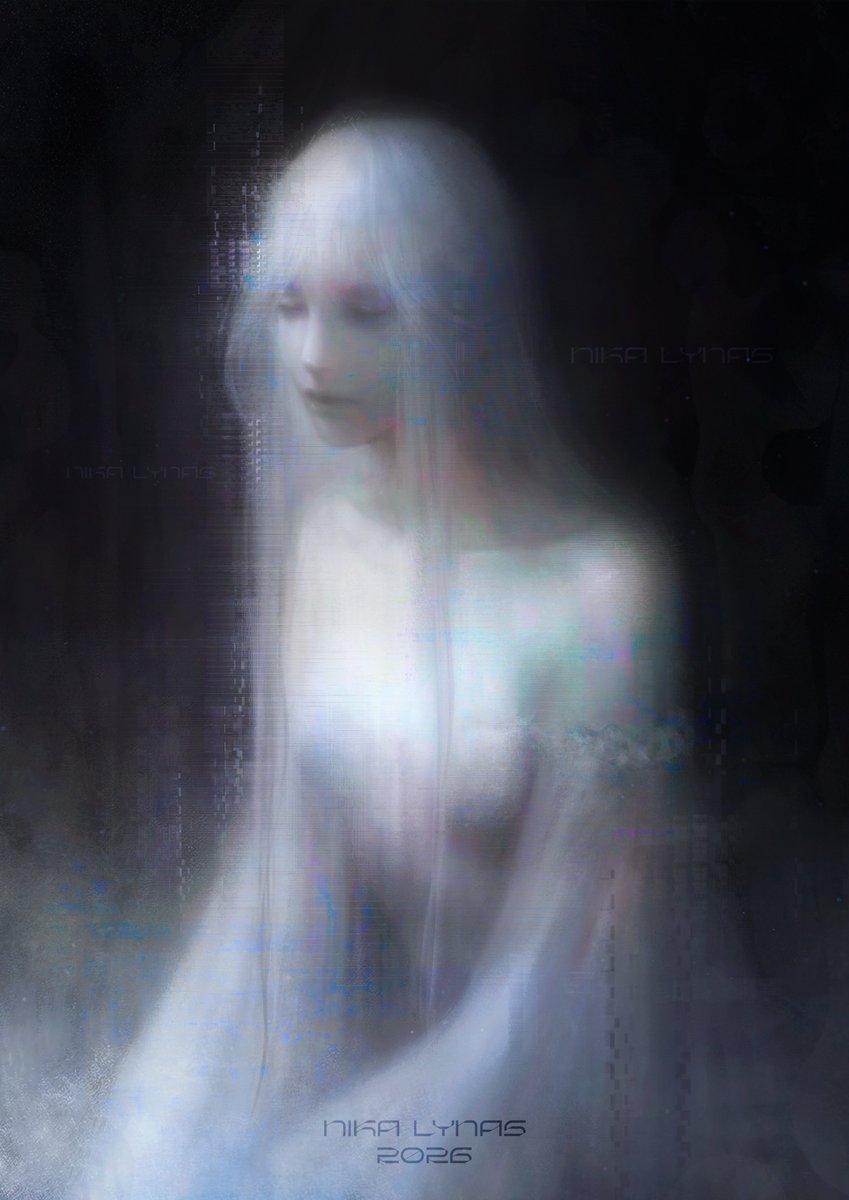
It keeps printing even without any paper or power cables. Do not try to pull out whatever is sticking out of the tray.
backroomsquest.xyz/
2
9
709
Jun 10
💎 5X THE LOOT
rewards just got 5× deeper up to 200 crystals per run, every one withdrawable straight to your wallet as $backrooms, sent automatically on-chain.the wallet database has been cleared! if you’ve already completed the run, you can play and claim your rewards all over again.
more floors. more crystals. more reasons to keep walking into the dark.
1
2
9
1,011
Jun 10
🏆 THE GRAND PRIZE
somewhere behind a wall sits ONE super crystal. no door. no marker on the map. you only find it by walking into the exact wrong place.
first to reach it is eligible for the bounty fastest hand wins. find it, DM us. 👀
1
4
267
Jun 10
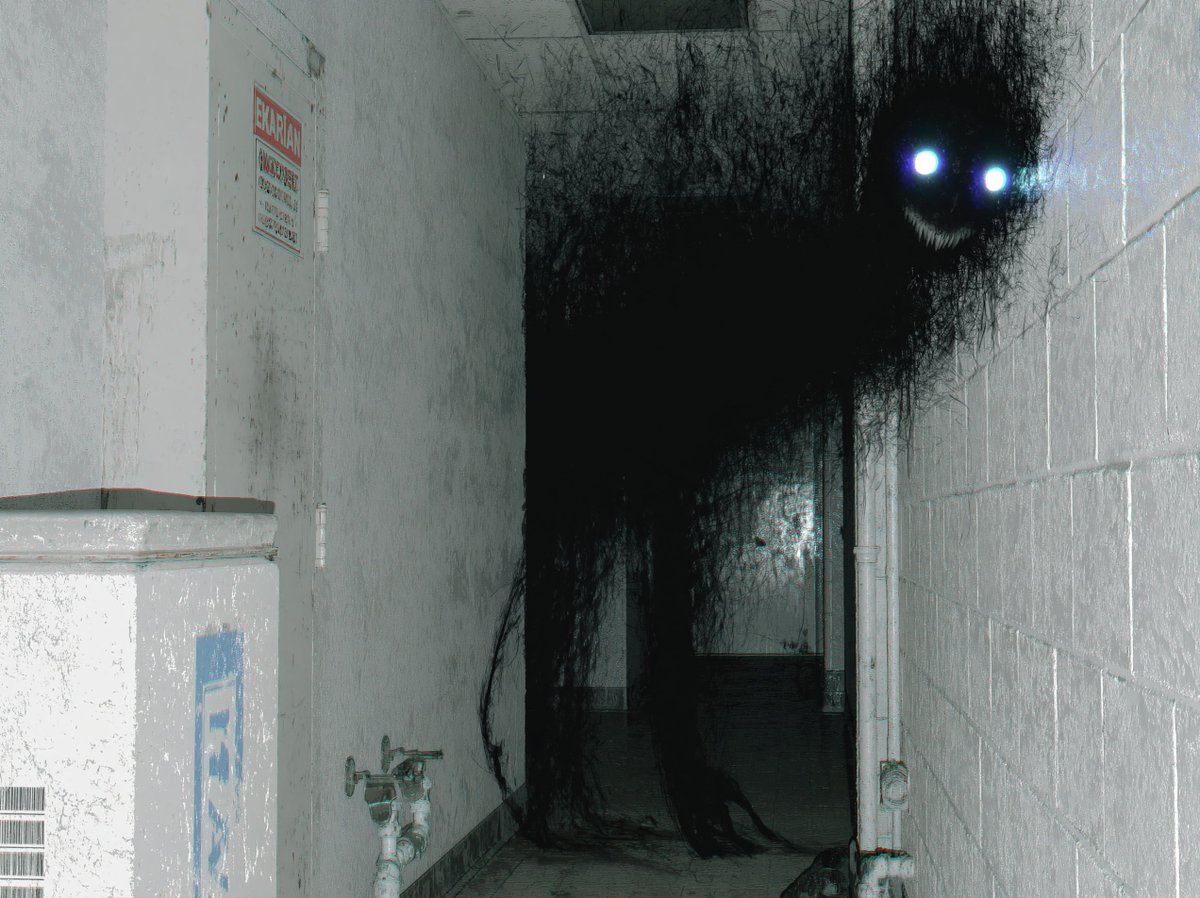
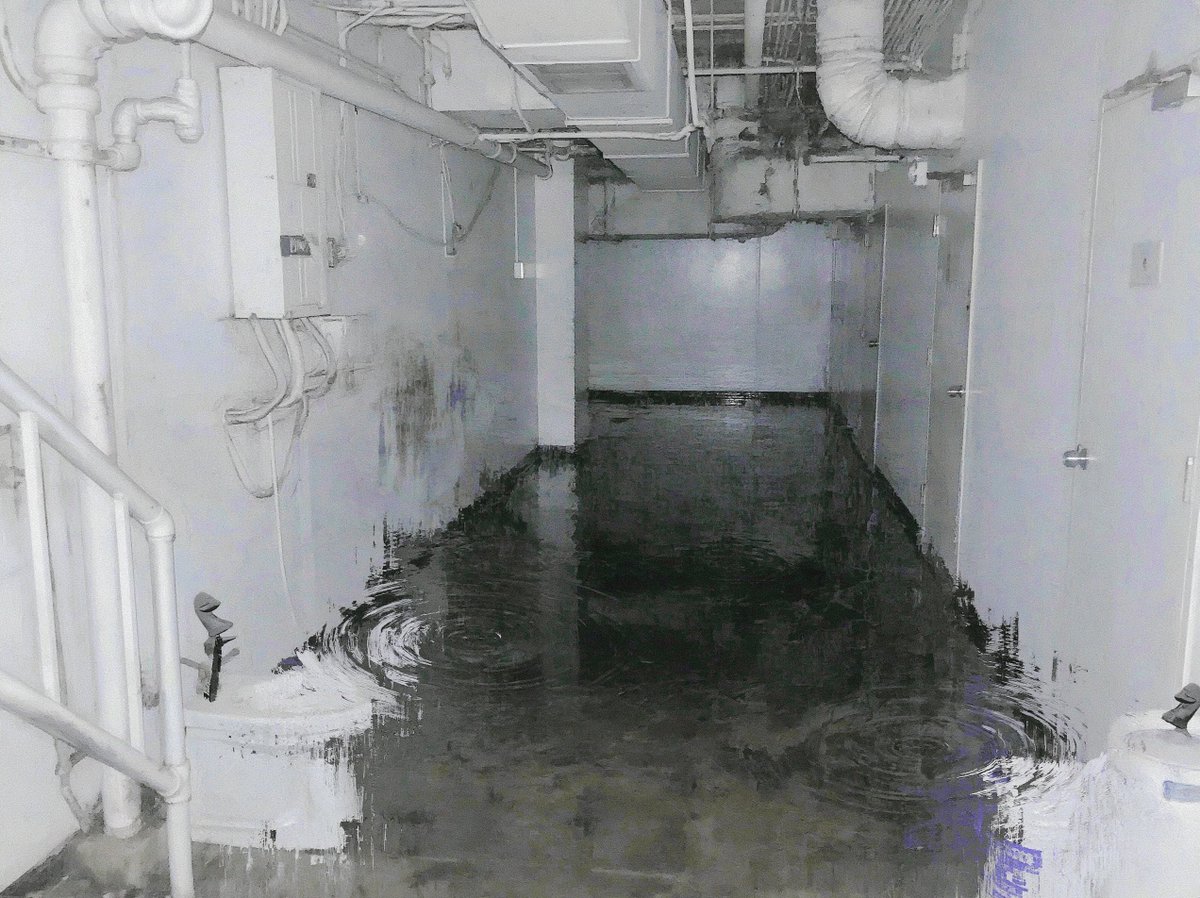
🩸 NEW HORRORS, NOW LIVE:
• figures peeking from corners gone the second you get close
• creaks, scrapes, footsteps that aren't yours
• flooded stinking corridors blinding bright wings you have to jump through
CA: A4cXNCYugscWtkftjqw8PA3mNCu1ZDjPChuHnMkpump
enter 👉 backroomsquest.xyz
1
4
855
Jun 9
A4cXNCYugscWtkftjqw8PA3mNCu1ZDjPChuHnMkpump
Your main task in the maze is to search for glowing crystals. Every biome you explore can hide these valuable resources in dark corners. Collect as many as you can while avoiding the dangers of the area.
You can convert all your gathered crystals directly into our project tokens. Every visitor is dropped into their own seed - a deterministic sprawl of rooms built from a single string. No two players walk the same floor.
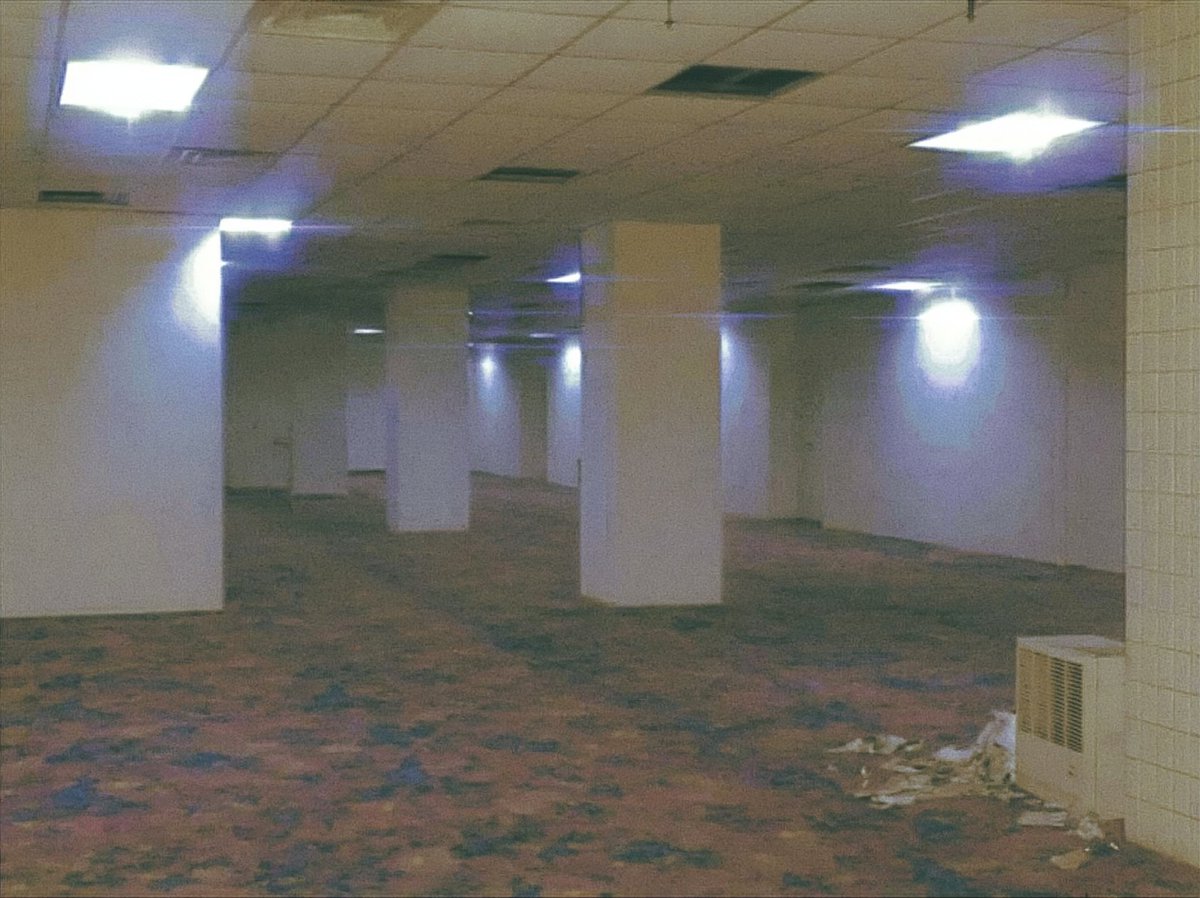
Yet the floor is always the same for you. Tight closets open into columned halls open into fog. Walk it for minutes and it keeps unfolding: small tiled cells, mid rooms, wide overexposed expanses. The geometry is the level. The seed is the law.
backroomsquest.xyz/
8
3
31
1,201
Jun 9
A4cXNCYugscWtkftjqw8PA3mNCu1ZDjPChuHnMkpump
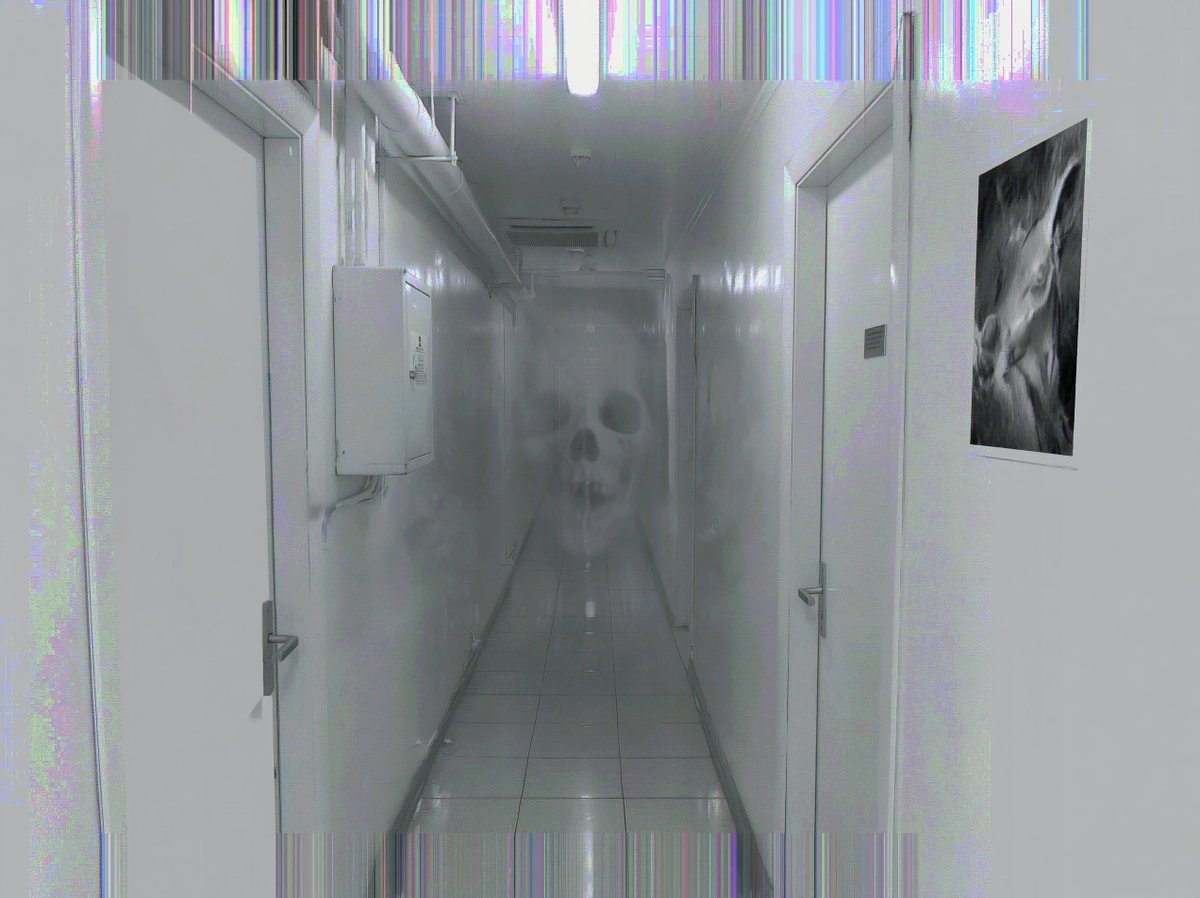
Always look up when you enter a new corridor. Sometimes the ceiling panels are missing and you can see absolute darkness above. Do not shine your flashlight directly into those black holes. You might catch the reflection of multiple eyes looking back down at you.
backroomsquest.xyz/
3
23
2,821
Jun 5
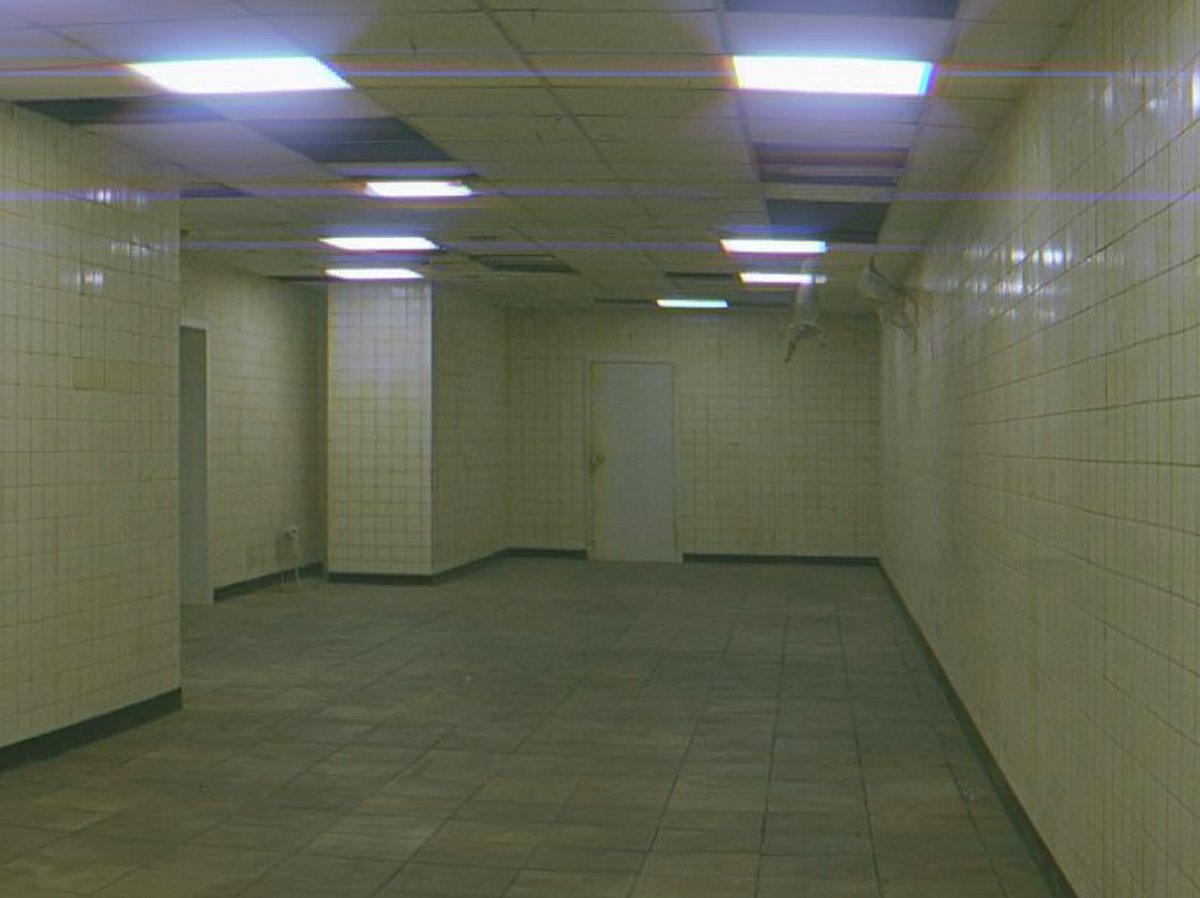
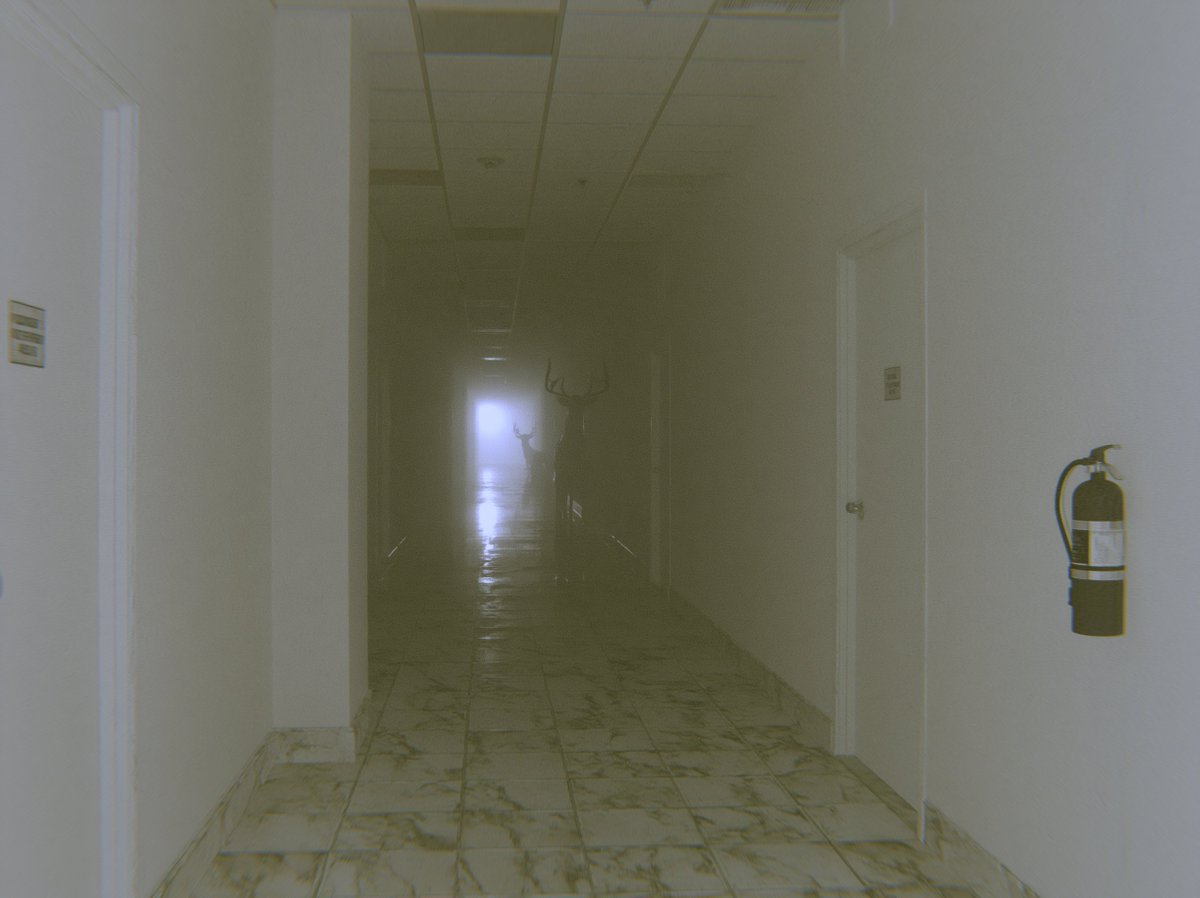
Slipping out of reality is easy. All it takes is a stray step through the textures of our world. That is how you find yourself in The Backrooms. It is an infinite deterministic labyrinth of vacant uninhabited rooms where geometry supersedes the laws of physics.
In BACKROOMSQUEST every player follows their own unique path. Procedural generation creates an individual seed for each visitor. This labyrinth is constructed from a single text string. No two maps are identical yet your seed remains constant for you.
The game world is divided into zones based on a coordinate grid. Each zone features unique settings for fog, lighting, dust particles and visual glitches. You will experience everything from the cold lavender mist of the Blue biome to the scorched lamps of Mustard and the clinical pallor of Kitchen.
Your primary objective is to collect crystals scattered throughout the rooms. But be cautious because the geometry of the levels is volatile. Signs that should not exist are already appearing on the walls.
Accumulate crystals, survive the labyrinth and explore the space. Beyond crystals, rare artifacts are hidden deep within the levels.
backroomsquest.xyz/
22
16
77
11,812
Jun 9
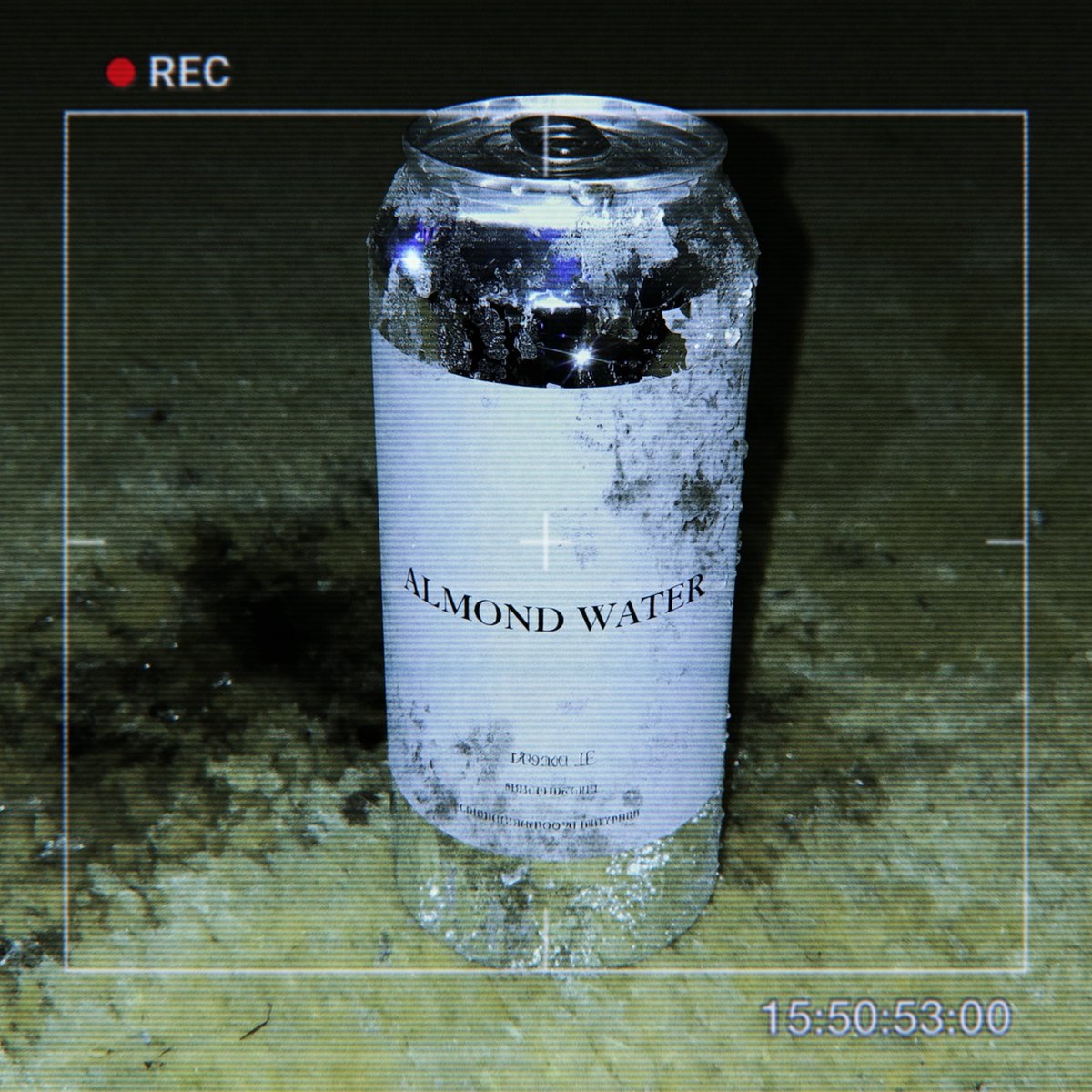
If you think you heard heavy footsteps behind you do not turn around. Do not start sprinting because that will only make it angry. Just pick up your pace and look for a well lit room with two exits. If the footsteps stop when you stop it means you are already in trouble. Try to find some almond water as fast as possible.
A4cXNCYugscWtkftjqw8PA3mNCu1ZDjPChuHnMkpump
backroomsquest.xyz/
2
20
938
Jun 9
Your main task in the maze is to search for glowing crystals. Every biome you explore can hide these valuable resources in dark corners. Collect as many as you can while avoiding the dangers of the area. You can convert all your gathered crystals directly into our project tokens.
Every visitor is dropped into their own seed - a deterministic sprawl of rooms built from a single string. No two players walk the same floor. Yet the floor is always the same for you. Tight closets open into columned halls open into fog. Walk it for minutes and it keeps unfolding: small tiled cells, mid rooms, wide overexposed expanses. The geometry is the level. The seed is the law.
backroomsquest.xyz/
A4cXNCYugscWtkftjqw8PA3mNCu1ZDjPChuHnMkpump
2
14
3,123
Jun 9
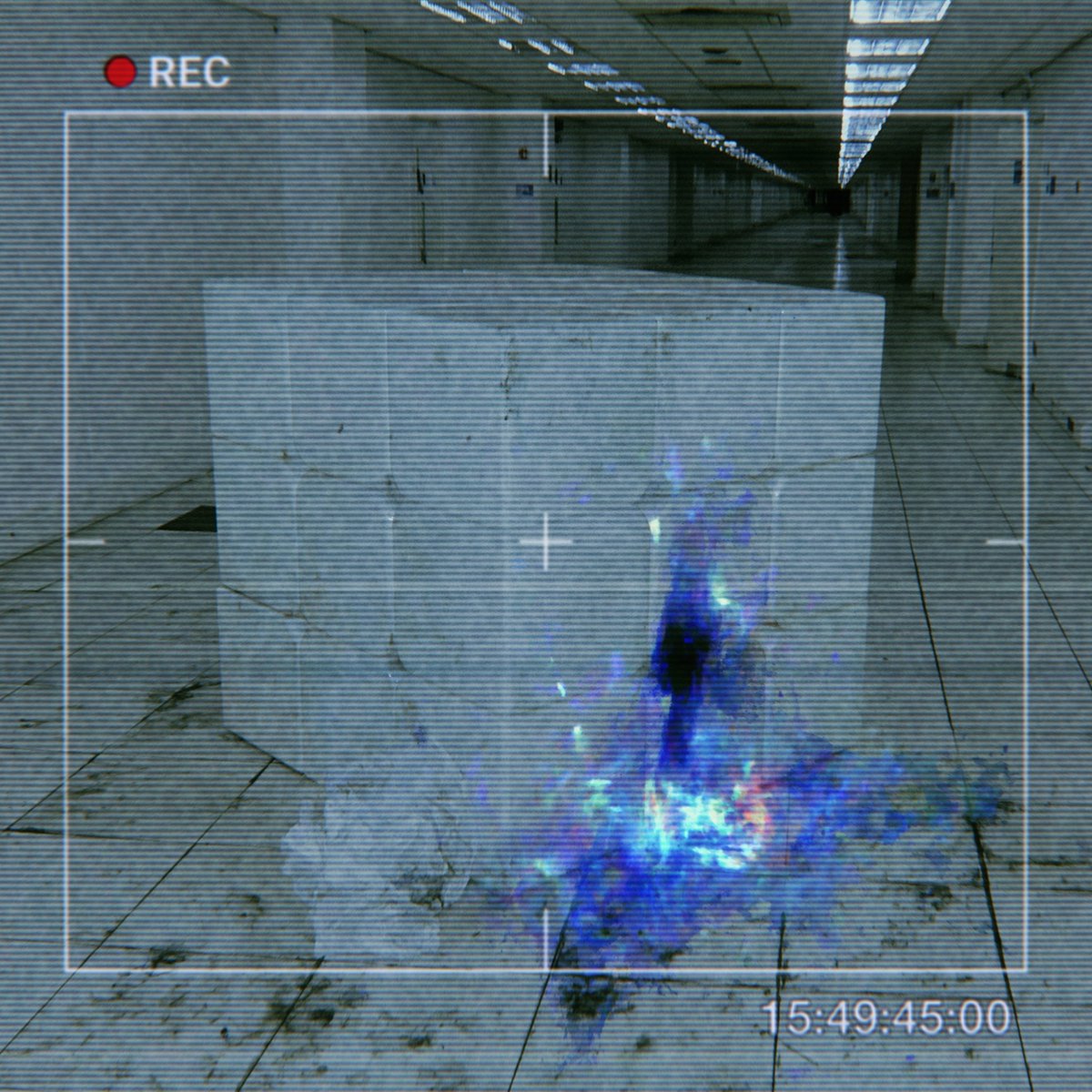
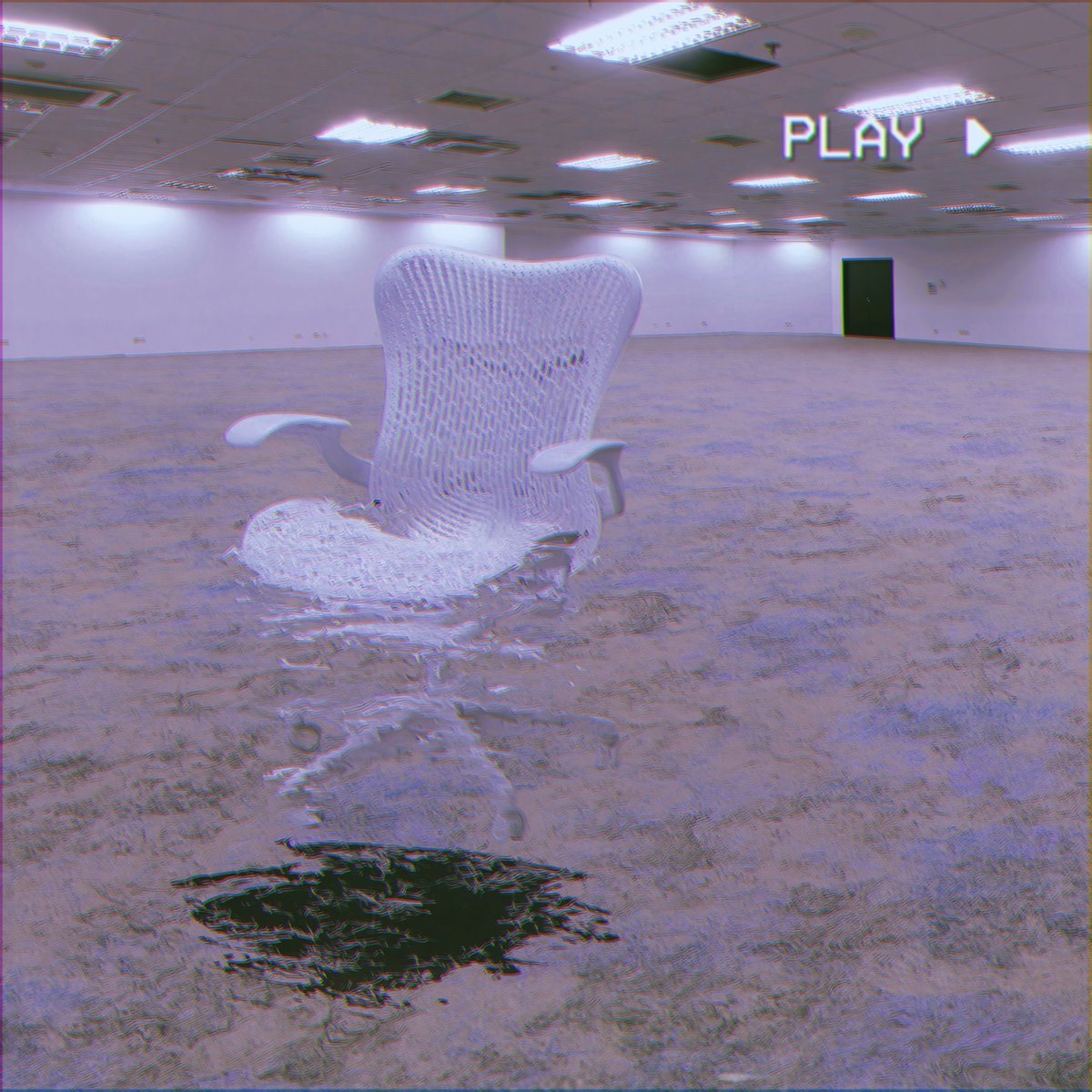
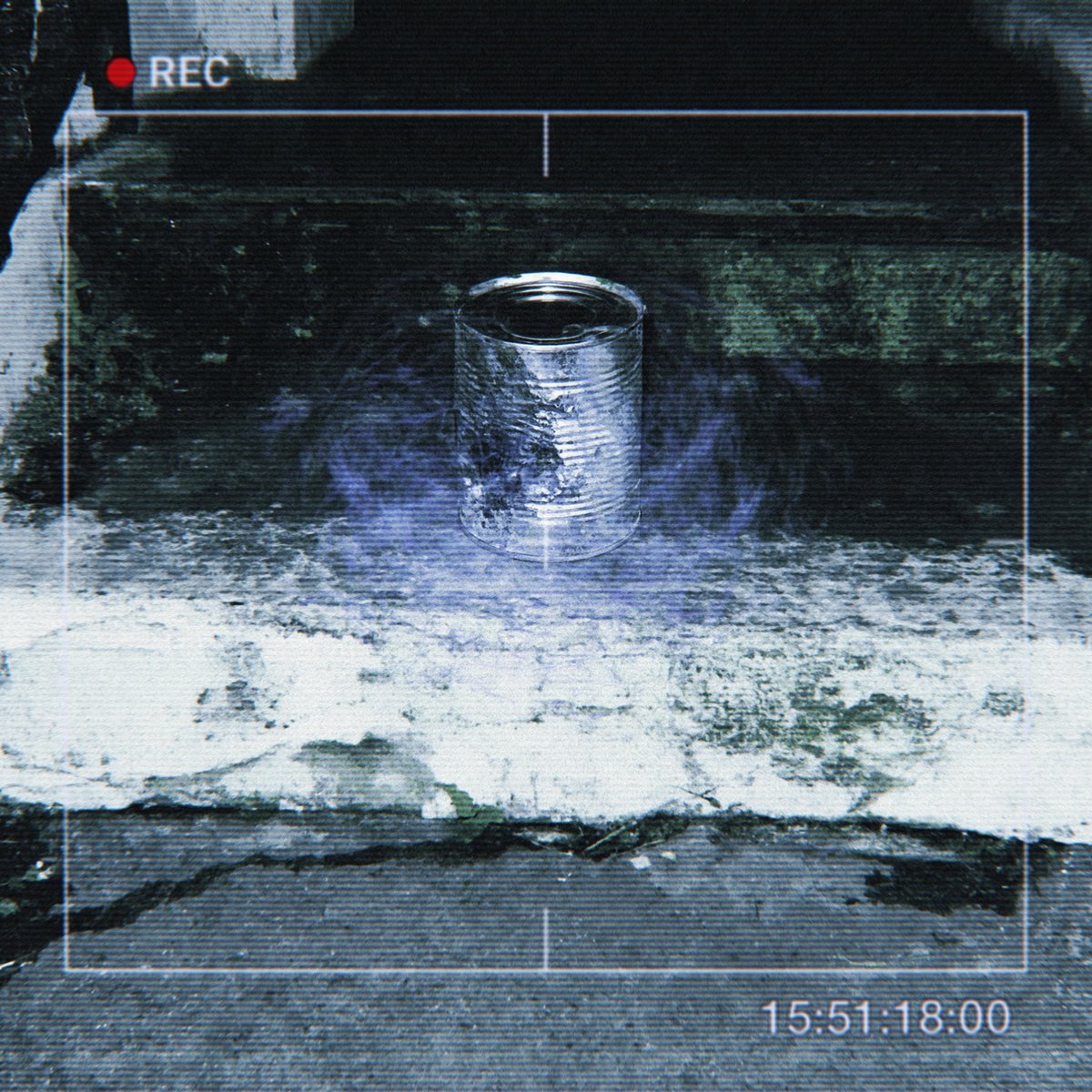
You can get 40 exclusive artifacts right now. Explore the maze or skip the search and claim them directly as rare NFTs. Each one has its own dark story and unique look. Use the link below to get yours before they vanish into the dark.
vvv.so/backrooms-artifacts
1
8
672
Jun 9
It is never truly quiet in these halls. The flat hum of the fluorescent lights fills your head instantly. After a few hours you will start hearing voices in the static. They will sound like your old friends calling your name from the next room. Just ignore them and keep moving forward.
A4cXNCYugscWtkftjqw8PA3mNCu1ZDjPChuHnMkpump
1
1
13
926
Jun 9
Slipping out of reality is easy. All it takes is a stray step through the textures of our world. That is how you find yourself in The Backrooms. It is an infinite deterministic labyrinth of vacant uninhabited rooms where geometry supersedes the laws of physics.
In BACKROOMSQUEST every player follows their own unique path. Procedural generation creates an individual seed for each visitor. This labyrinth is constructed from a single text string. No two maps are identical yet your seed remains constant for you.
A4cXNCYugscWtkftjqw8PA3mNCu1ZDjPChuHnMkpump
The game world is divided into zones based on a coordinate grid. Each zone features unique settings for fog, lighting, dust particles and visual glitches. You will experience everything from the cold lavender mist of the Blue biome to the scorched lamps of Mustard and the clinical pallor of Kitchen.
Your primary objective is to collect crystals scattered throughout the rooms. But be cautious because the geometry of the levels is volatile. Signs that should not exist are already appearing on the walls.
Accumulate crystals, survive the labyrinth and explore the space. Beyond crystals, rare artifacts are hidden deep within the levels.
backroomsquest.xyz
4
1
28
2,491
Jun 9
Your main task in the maze is to search for glowing crystals. Every biome you explore can hide these valuable resources in dark corners. Collect as many as you can while avoiding the dangers of the area. You can convert all your gathered crystals directly into our project tokens.
Every visitor is dropped into their own seed - a deterministic sprawl of rooms built from a single string. No two players walk the same floor. Yet the floor is always the same for you.
Tight closets open into columned halls open into fog. Walk it for minutes and it keeps unfolding: small tiled cells, mid rooms, wide overexposed expanses. The geometry is the level. The seed is the law.
x.com/i/communities/20248859…
1
3
489
Jun 9
You can get 40 exclusive artifacts right now. Explore the maze or skip the search and claim them directly as rare NFTs. Each one has its own dark story and unique look. Use the link below to get yours before they vanish into the dark.
vvv.so/backrooms-artifacts

2
385