
A practical guide to food in the #vegetablegarden and market. Visit Us for great #gardening tips, delicious #recipes, and your #veggiegarden questions.
Joined June 2009
- Tweets 1,143
- Following 224
- Followers 312
- Likes 0
359 Photos and videos

Pinned Tweet

7 Mar 2022
Click below to get 101 tips & our free newsletter:
mailchi.mp/harvesttotable.co…

1
2
23 Jul 2022
As a rule of thumb, water maturing and mature vegetables to at least 18 inches (45cm) deep (use a water meter, dowel, or rod to measure). #vegetablegarden
harvesttotable.com/watering-…
1
21 Jul 2022
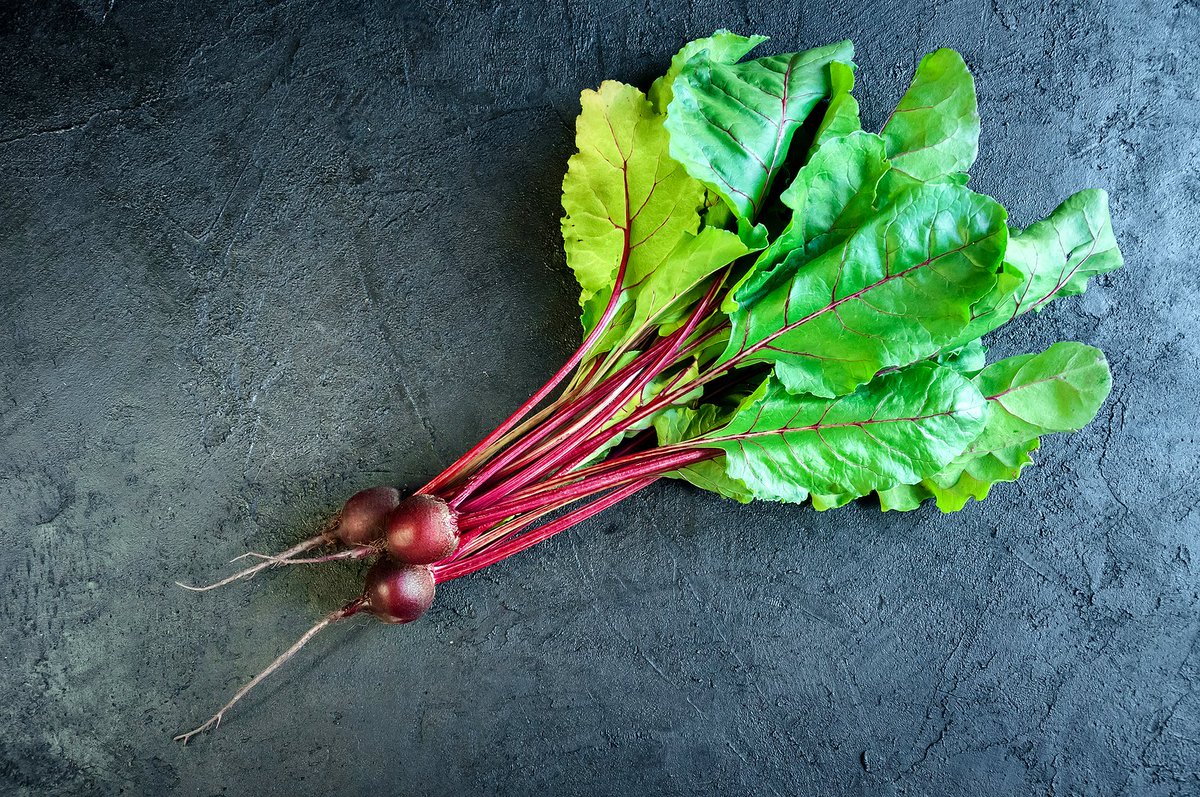
If beet roots are crowded, they will not grow to full size. That’s ok. Marble-size beets are very tasty. You can cook them small together with their greens. #vegetablegarden
harvesttotable.com/harvest-s…
2
19 Jul 2022
Do you know the average first frost date in your area? If it’s early to mid-October—or earlier, now is the time to sow indoors Asian greens, broccoli, Brussels sprouts, cabbage, cauliflower, kale, and Swiss chart. #vegetablegarden harvesttotable.com/planning-…
18 Jul 2022
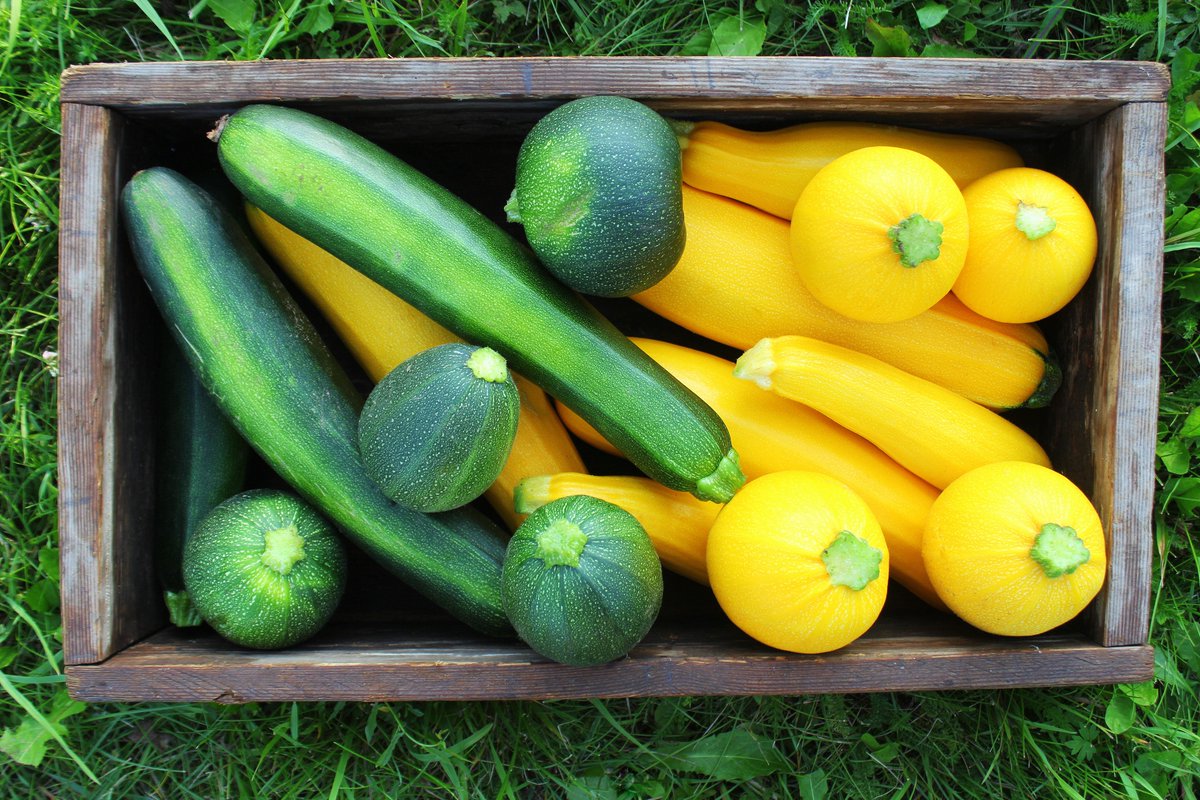
Summer squash and zucchini are the most tender and tasty when picked young, even before seeds form. Pick summer squash when it can fit in the palm of your hand, even with the flower barely collapsed.
1
17 Jul 2022
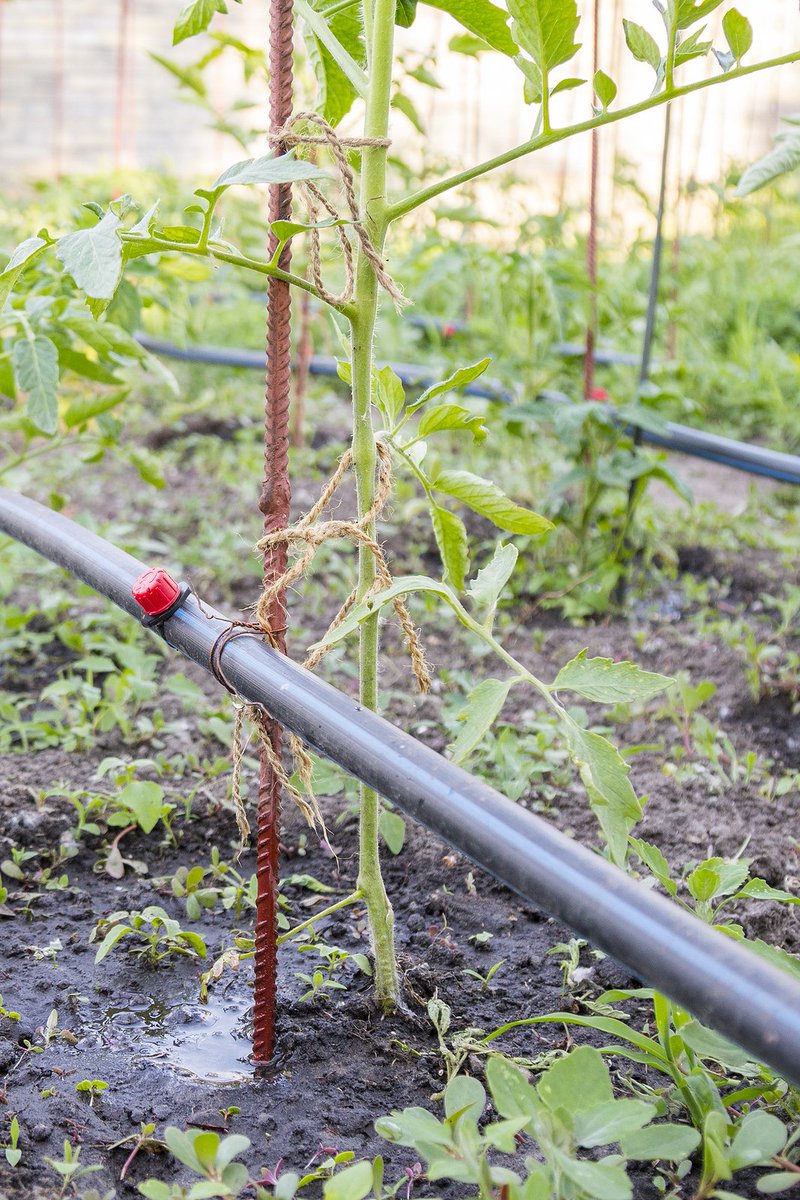
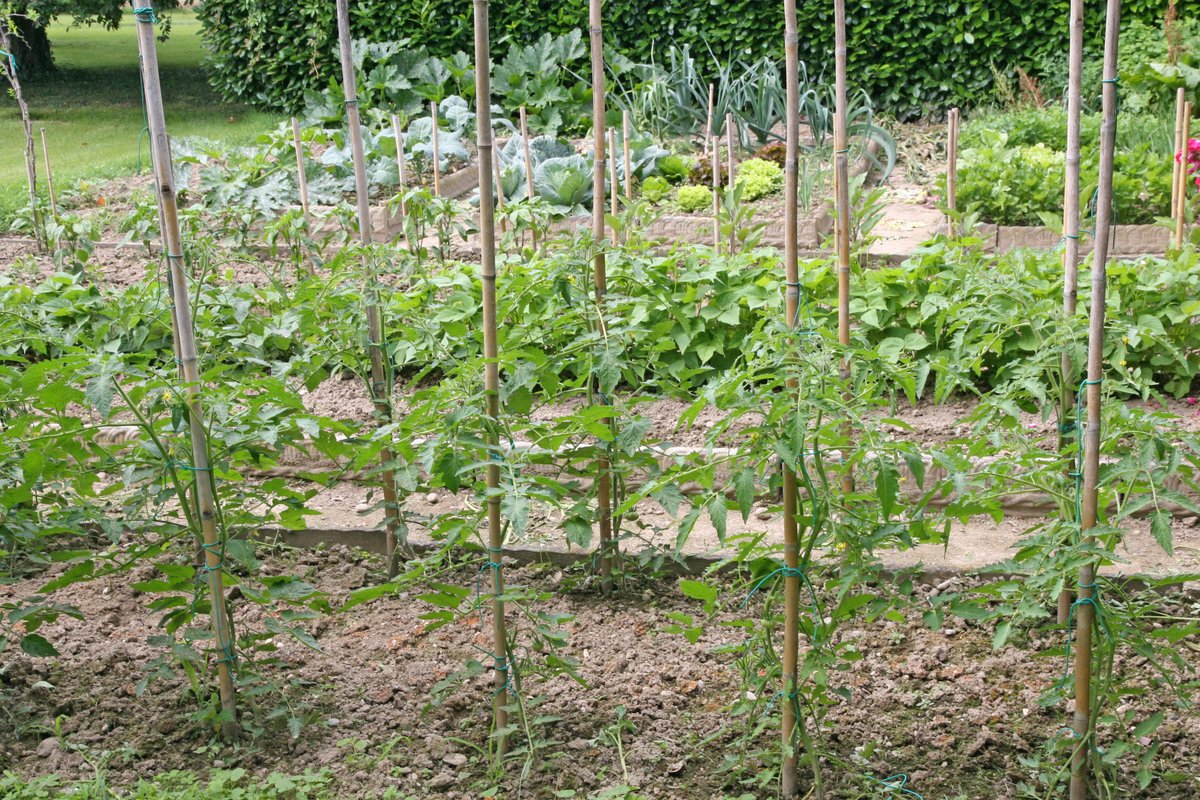
Now is the time to tie up new tomato growth, especially for the largest-growing varieties. Train tomatoes within the support system; this will balance the upcoming weight load. Use elastic garden tape or strips of old cloth. #vegetablegarden
harvesttotable.com/growing-t…
1
1
16 Jul 2022
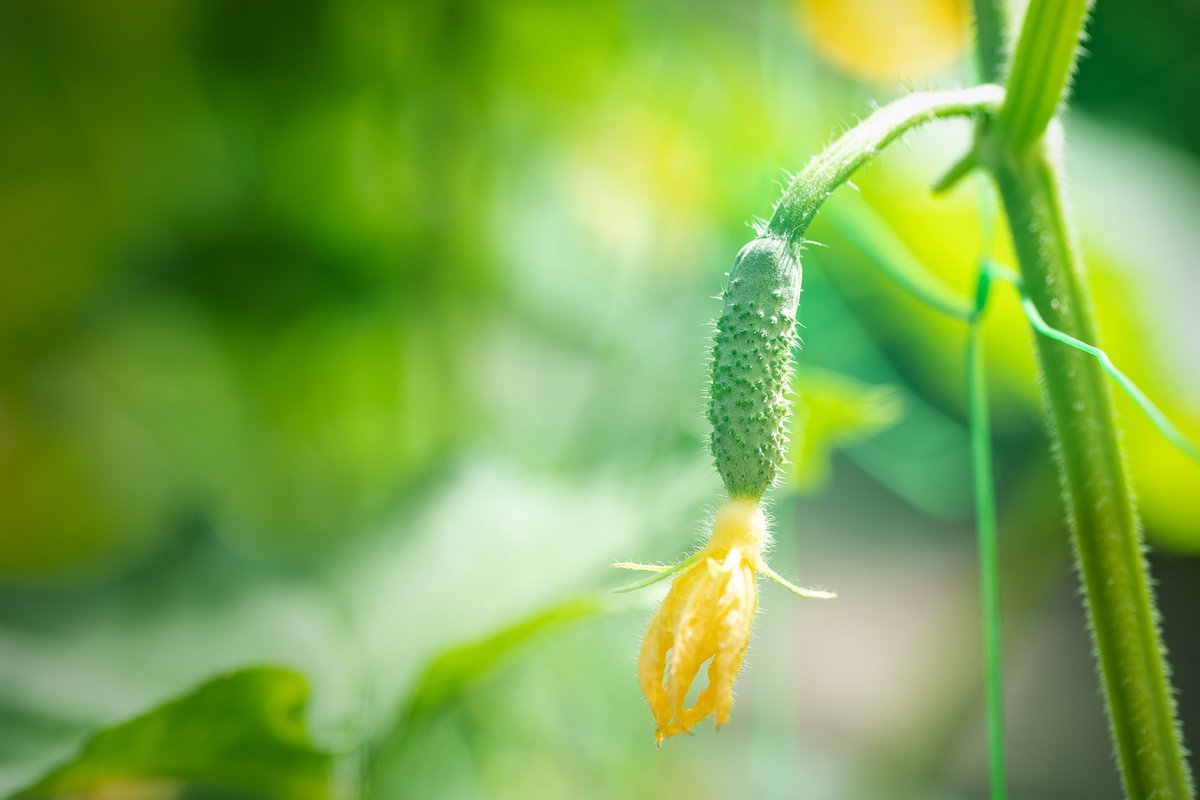
Cucumbers need a steady supply of water—especially after flowers form. Keep the soil just moist. Feed cucumbers with a dilute solution of fish emulsion every 2 weeks from bloom-time to harvest. #vegetablegarden harvesttotable.com/how_to_gr…
1
15 Jul 2022
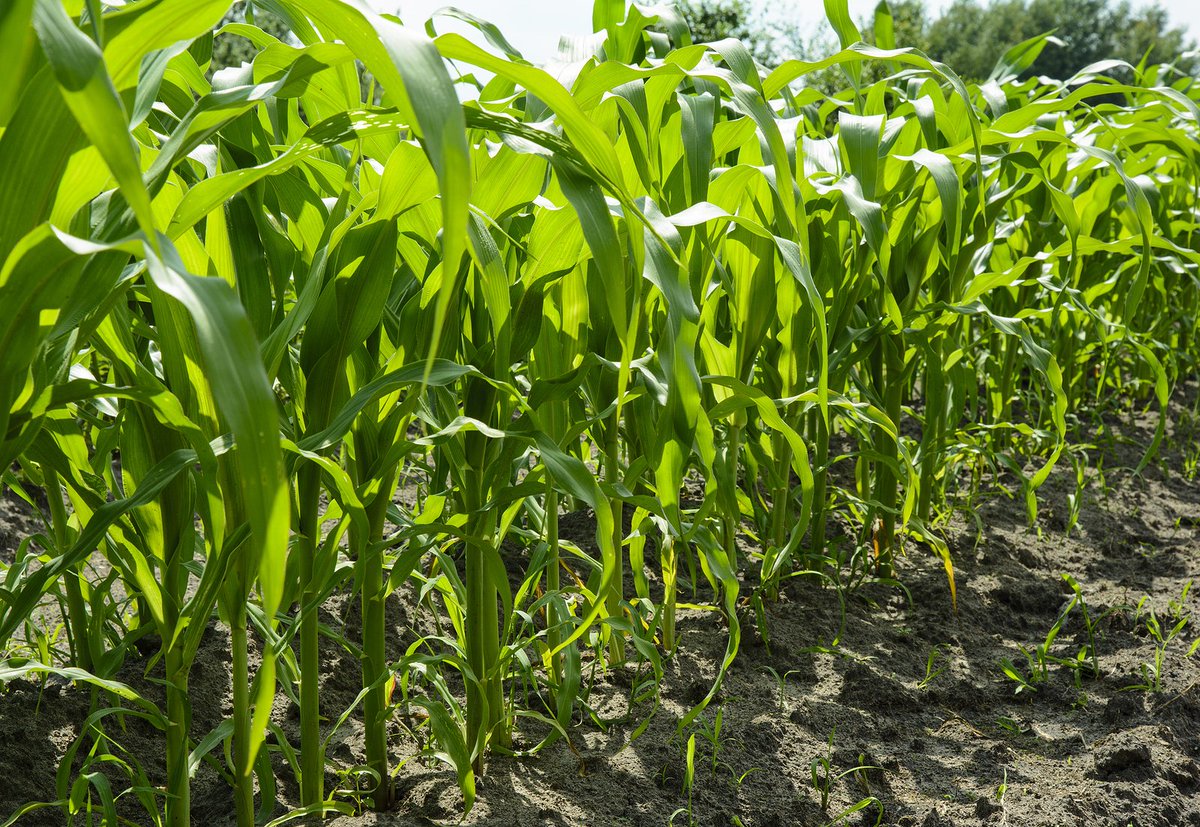
Corn is shallow-rooted. Use a hoe to draw soil up around the base of each corn plant. This is called hilling. Hilling corn anchors the plant, makes the stalk more rigid and able to withstand strong winds when loaded with developing ears. #vegetablegarden
harvesttotable.com/how_to_gr…
12 Jul 2022
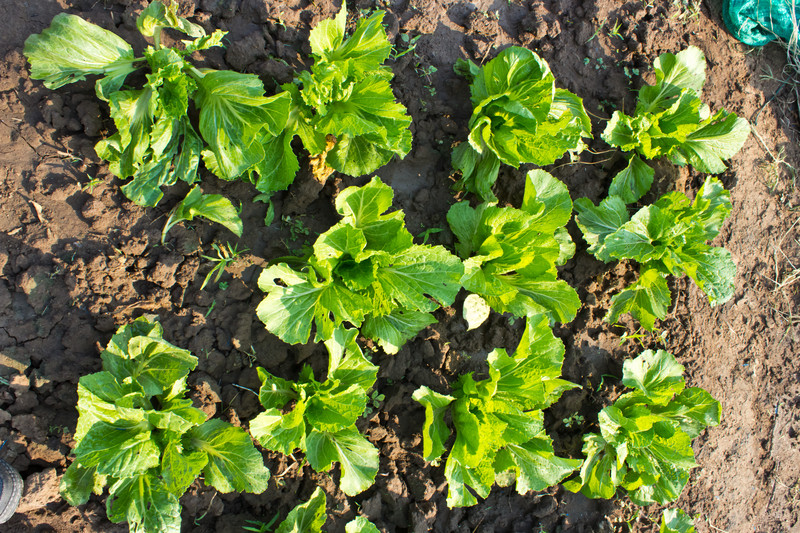
Once the spring lettuce harvest has run its turn the plants under by about 12 inches (30cm) —the depth of a shovel blade. The greens will decompose quickly. Successions for planting now include onion sets, scallions, lettuce, and broccoli.
#vegetablegarden
harvesttotable.com/harvest-s…
1
11 Jul 2022
Herbs planted in mid to late spring should be established now. When herbs are growing vigorously, harvest can begin. Either snip leaves or blossoms as needed. You can take larger harvests to preserve for winter.
harvesttotable.com/how-to-dr…
10 Jul 2022
Tomatoes will not flower when night temperatures are greater than 70°F (21°C). No flowers, no fruit. If the plant looks healthy, continue the regular schedule of water and fertilizer and wait for night temperatures to drop. #vegetablegarden harvesttotable.com/how_to_gr…
1
9 Jul 2022
Crop yields are usually the best and biggest in the first few weeks of production. Check beans, corn, cucumbers, okra, zucchini every other day; check beets, carrots, eggplant, onions, peas, peppers, tomatoes every third day. #vegetablegarden harvesttotable.com/vegetable…
1
8 Jul 2022
Before the 15th, set out the following transplants: beans, cantaloupe, collards, cucumbers, okra, peppers, pumpkins, Southern peas, shallots, squash, tomatoes, and zucchini. #vegetablegarden harvesttotable.com/vegetable…
7 Jul 2022
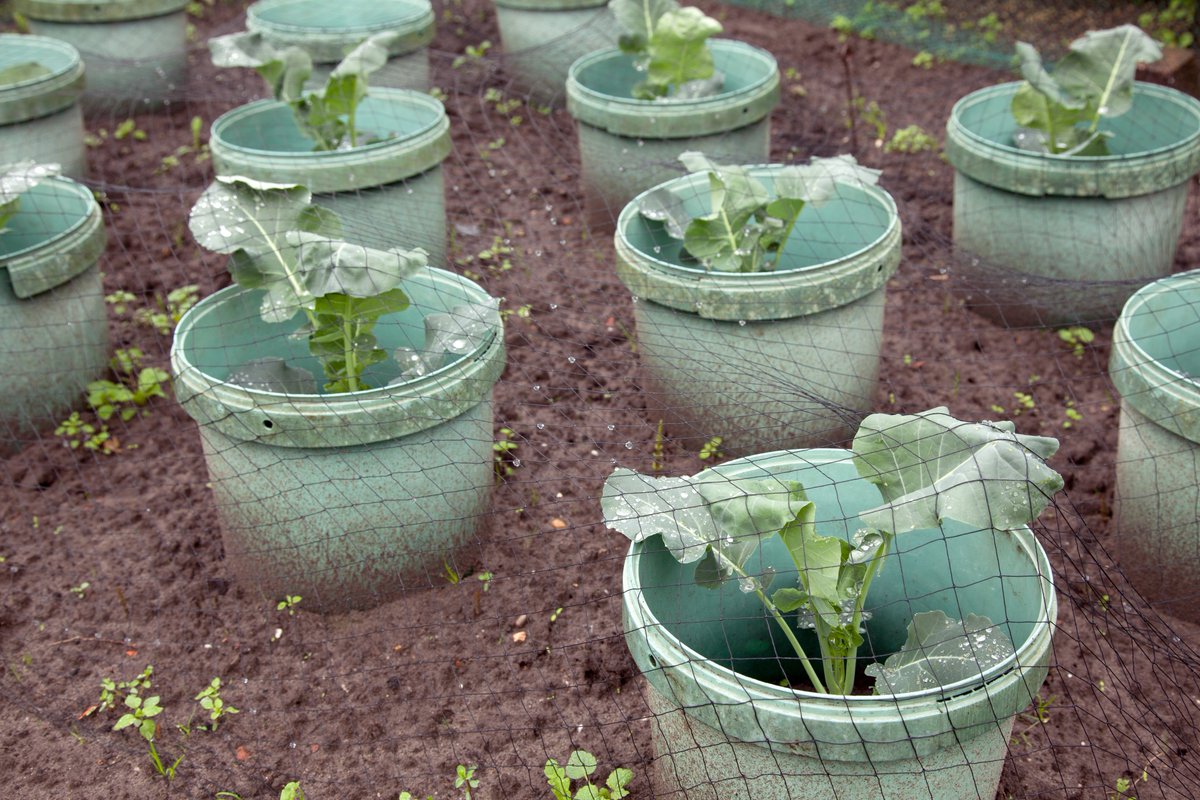
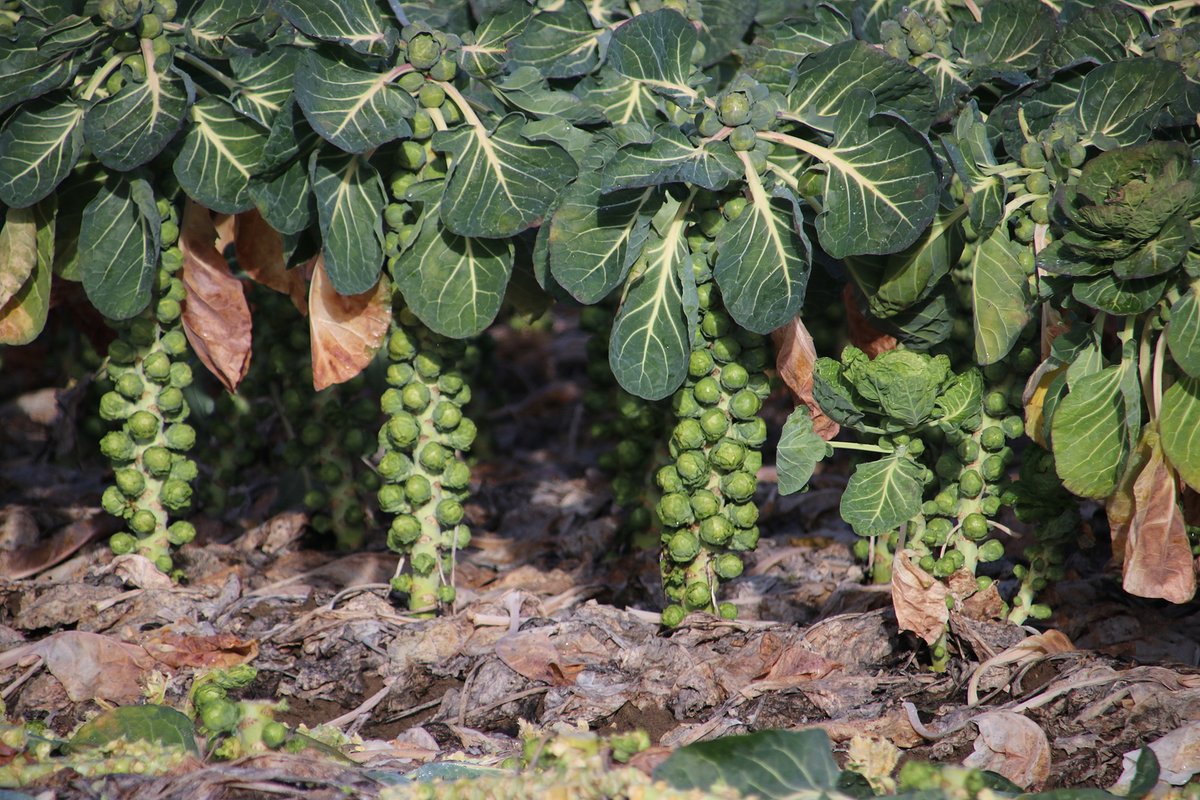
This is a photo of your garden in 100 days. Brussels sprouts reach maturity 80 to 90 days after transplanting and 100 to 110 days after sowing seed depending on the variety. #vegetablegarden
harvesttotable.com/how_to_gr…
4 Jul 2022
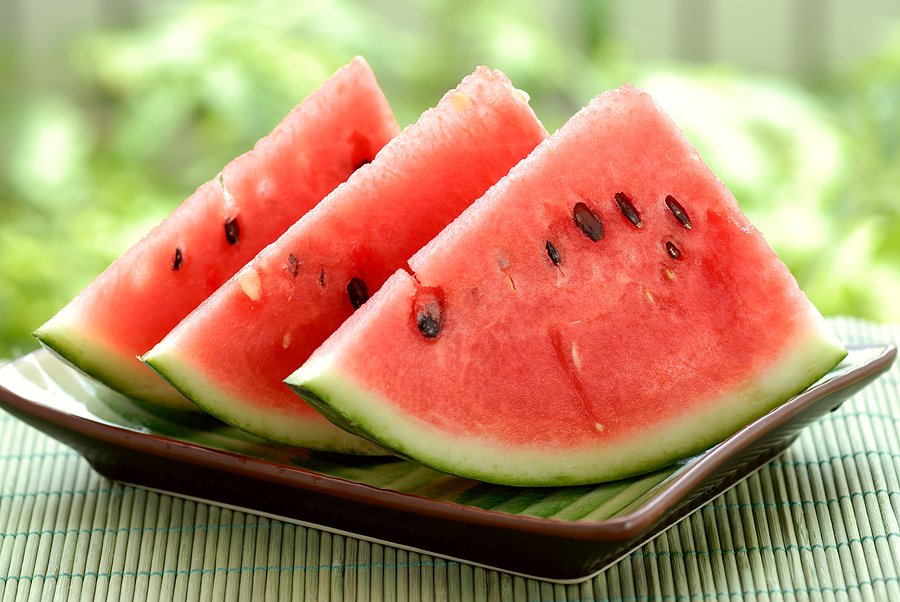
Watermelon Flavor Matches
•watermelon feta cheese red onions
•watermelon kaffir lime vanilla
•watermelon goat cheese
•watermelon salsa (cilantro, a little red onion, fresh green chili)
•watermelon cinnamon crushed pistachio
harvesttotable.com/sliced-wa…
3 Jul 2022
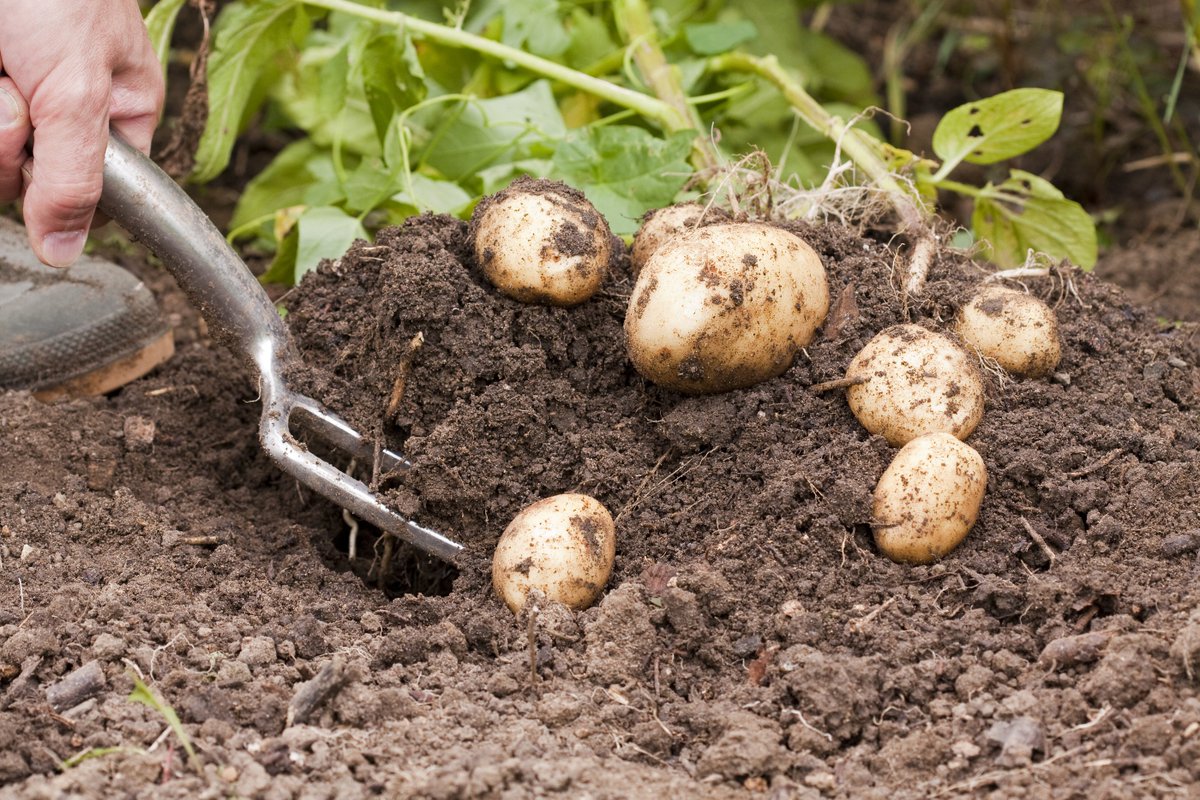
The first potato flowers are an indication that tubers have formed; they are there but still small. Wait another 2 to 3 weeks to begin harvest. When the leaves start to die back, the tubers are pretty much full size. #vegetablegarden
harvesttotable.com/potatoes-…
2 Jul 2022
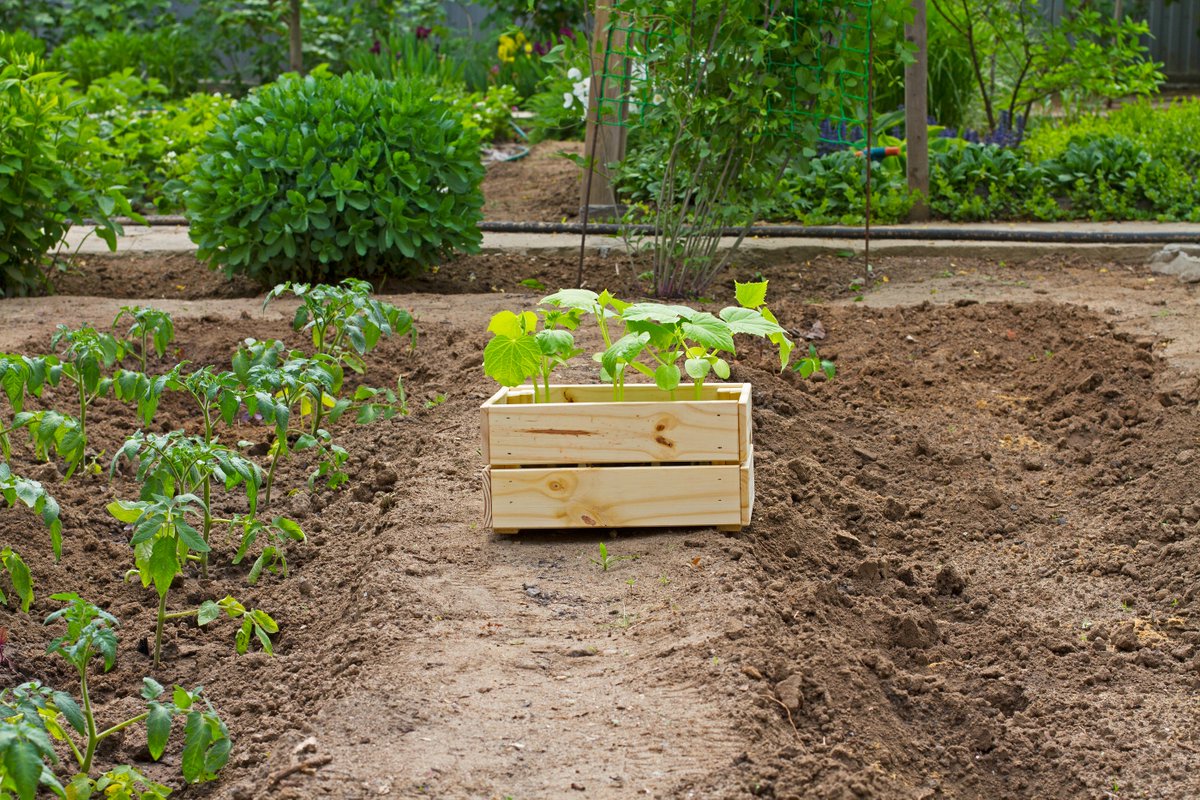
To know when to sow seeds for different vegetables for fall harvest, determine how many frost-free days you have left. If the average date of the first fall frost is about October 15, you have 90 days of frost-free growing weather left. #vegetablegarden
harvesttotable.com/vegetable…
1 Jul 2022
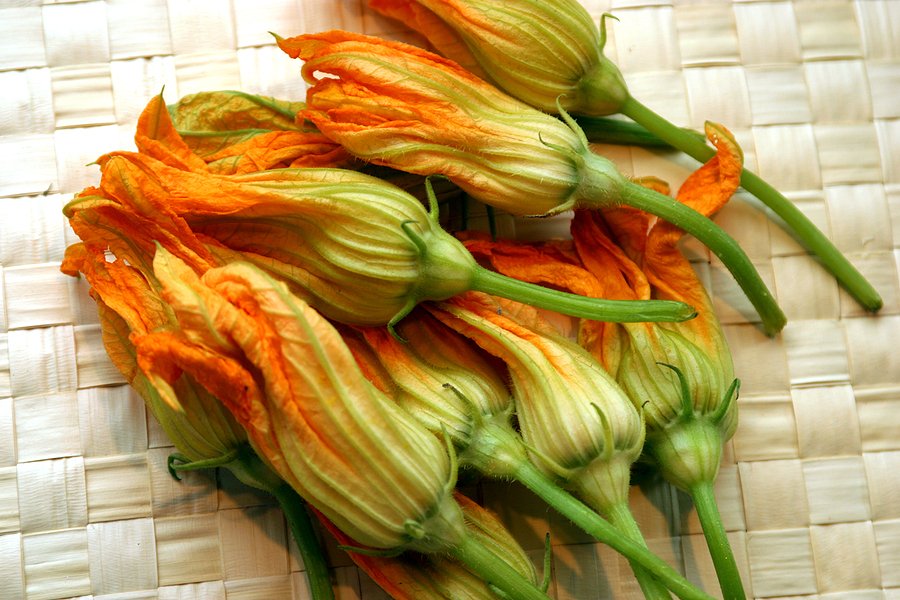
You can harvest and eat both male and female squash blossoms. Be careful not to harvest all of the female blossoms or you won’t get any squash. The first flowers to appear are male. #vegetablegarden How to Cook Squash Blossoms
harvesttotable.com/squash-bl…
30 Jun 2022
Plan succession crops of tender warm-weather crops by looking ahead to the average first frost date in fall. Count back the number of days to maturity for each crop that you want to grow. #vegetablegarden harvesttotable.com/successio…
29 Jun 2022
A tomato sucker is new growth that forms in the V between the original trunk or main stem and a lateral branch. Young suckers can be pinched away; older suckers are best removed with a sharp knife to insure a clean cut. harvesttotable.com/how_to_pr…
27 Jun 2022
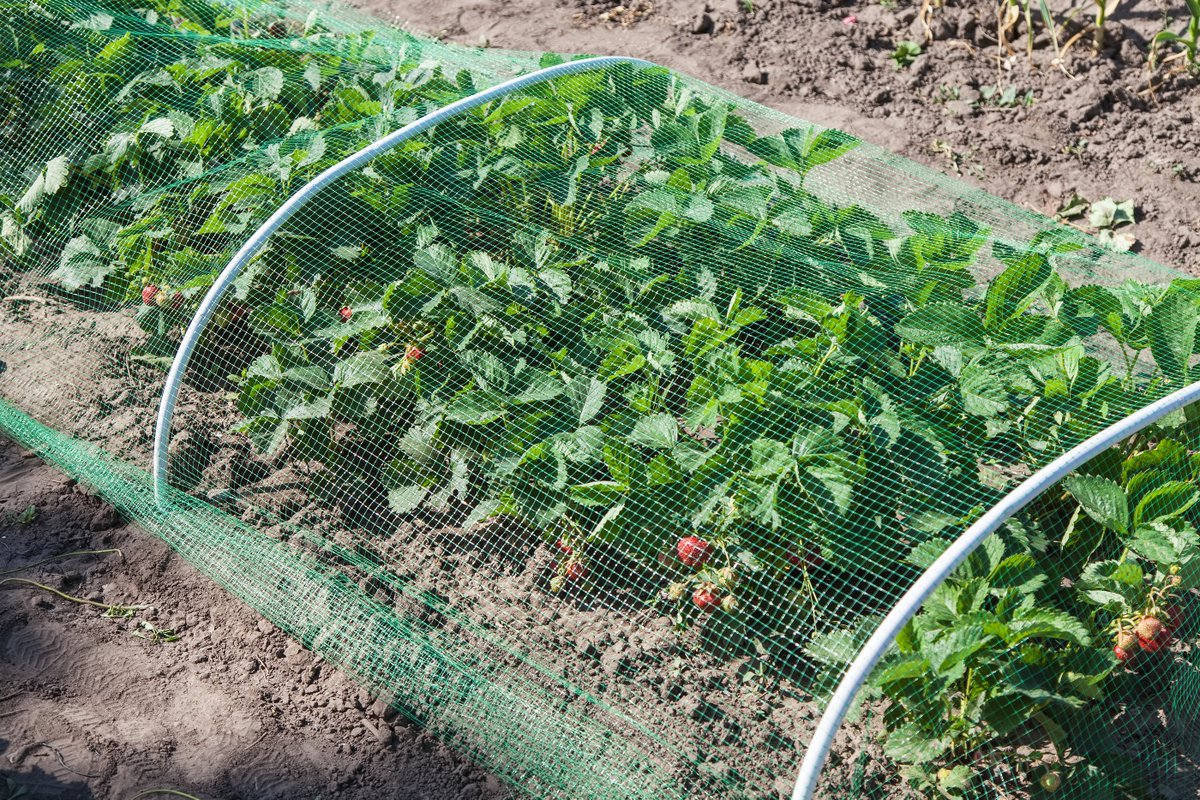
Cover ripening strawberries with netting to protect them from birds. #vegetablegarden harvesttotable.com/how-to-gr…
1