
Raising the standard for crypto investing through index ETFs. Explore $NCIQ for broad crypto exposure. hashdex-etfs.com/NCIQ/prospe…
Joined October 2018
- Tweets 5,039
- Following 551
- Followers 15,466
- Likes 3,163
1,643 Photos and videos









Benchmark excellence meets the crypto opportunity.
Learn more about the Nasdaq CME Crypto Index 👇
hashdex.com/en-US/nasdaq-par…
81
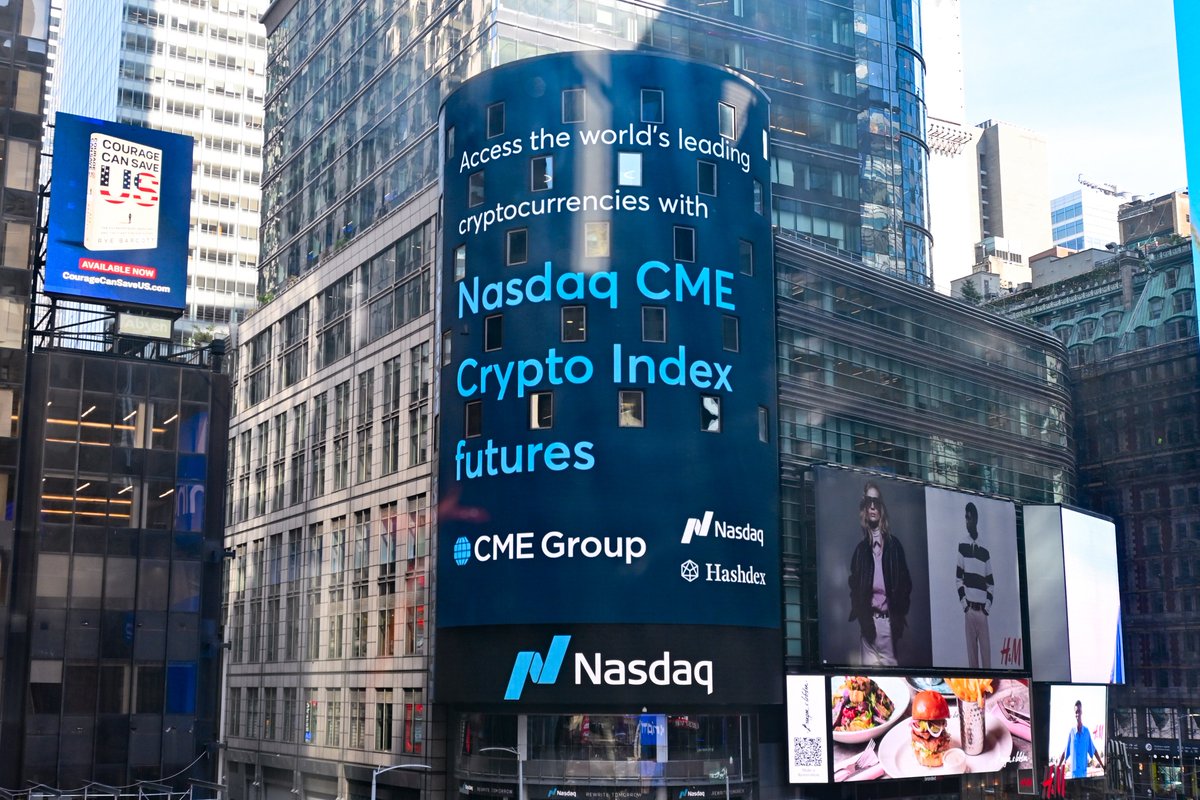
@Nasdaq CME Crypto Index futures are live on @CMEGroup.
A single, regulated contract. Eight assets ($BTC, $ETH, $XRP, $SOL, $ADA, $XLM, $LINK and $BCH). The full crypto market, the way institutional investors access every other asset class.
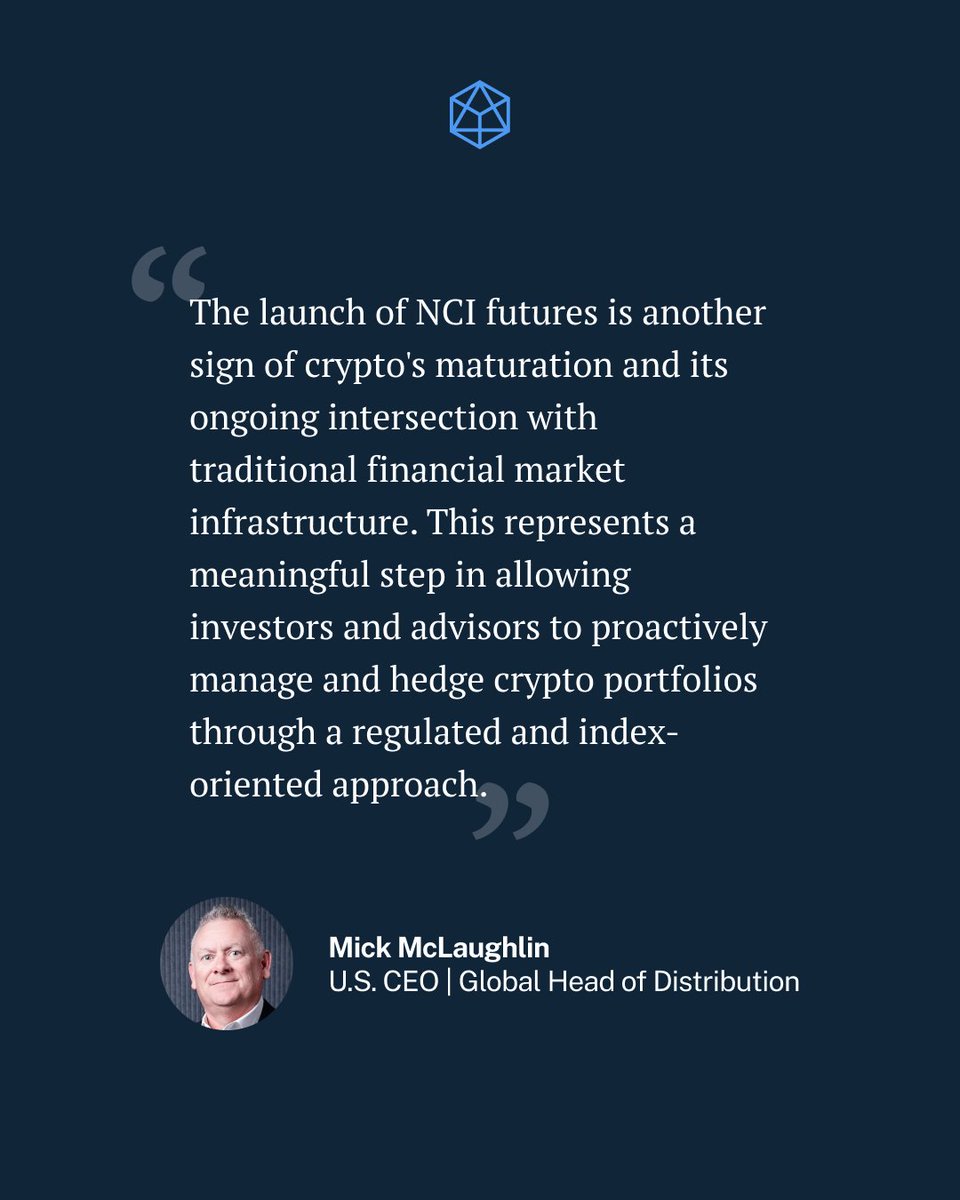
"Another sign of crypto's maturation and its ongoing intersection with traditional financial market infrastructure." — Mick McLaughlin, Hashdex U.S. CEO
#CryptoETF #DigitalAssets #Hashdex
1
1
6
306
Full press release: cmegroup.com/media-room/pres…
1
124
Today, the @Nasdaq tower in Times Square displayed something that tells a bigger story.
Every asset class that has achieved institutional legitimacy: equities, fixed income, commodities, got there through the same three-part infrastructure: a benchmark, products that track it, and derivatives that let professional investors manage risk. That third layer is now in place for hashtag #crypto.
The Nasdaq CME Crypto Index (NCI) was built to be that benchmark for crypto. Hashdex products track it across Brazil, Europe, and the United States. And now, with NCI futures live at @CMEGroup, the derivatives layer is taking shape.
We're proud to have been part of building the index that started it all. The infrastructure is here.
1
1
2
402
The Nasdaq CME Crypto Index doesn't just power futures, it's the foundation behind how investors across US, Europe, and Brazil access diversified crypto exposure through Hashdex. 🌎
Building regulated, index-based products around robust benchmarks like this is exactly what durable crypto adoption looks like.
Learn more: hashdex.com

Our new @Nasdaq CME Crypto Index futures offer a regulated way to gain broad exposure to leading cryptocurrencies. 🚀
Diversify your strategy. spr.ly/6012B8sprI

1
4
448
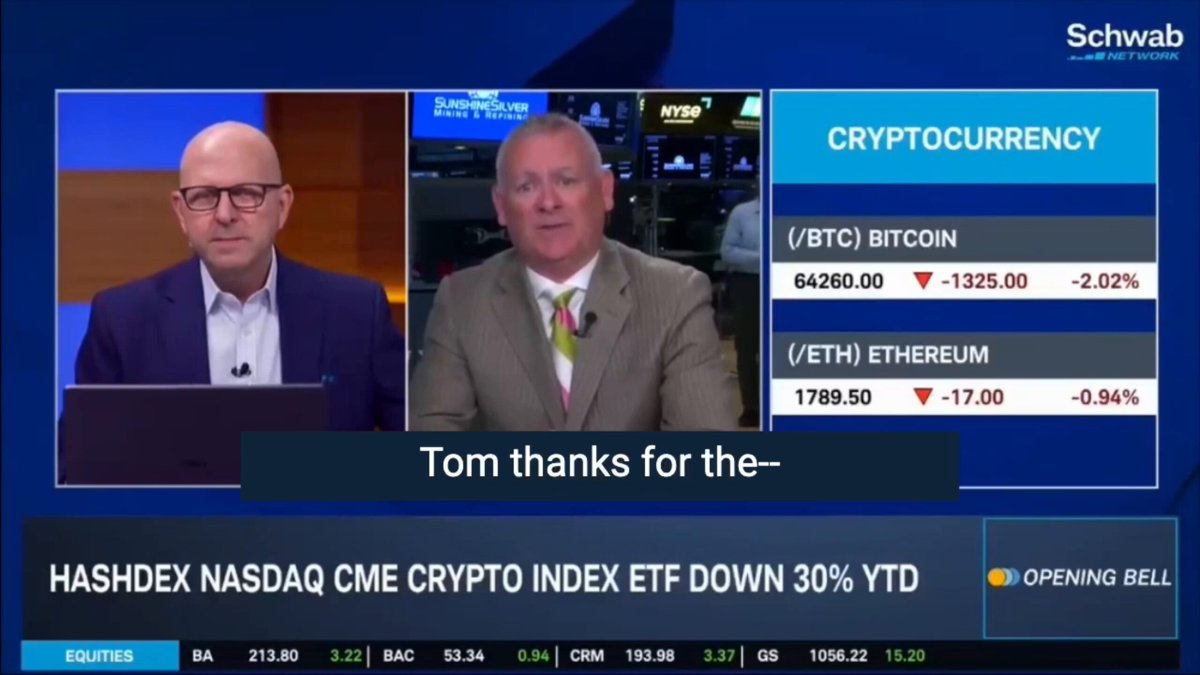
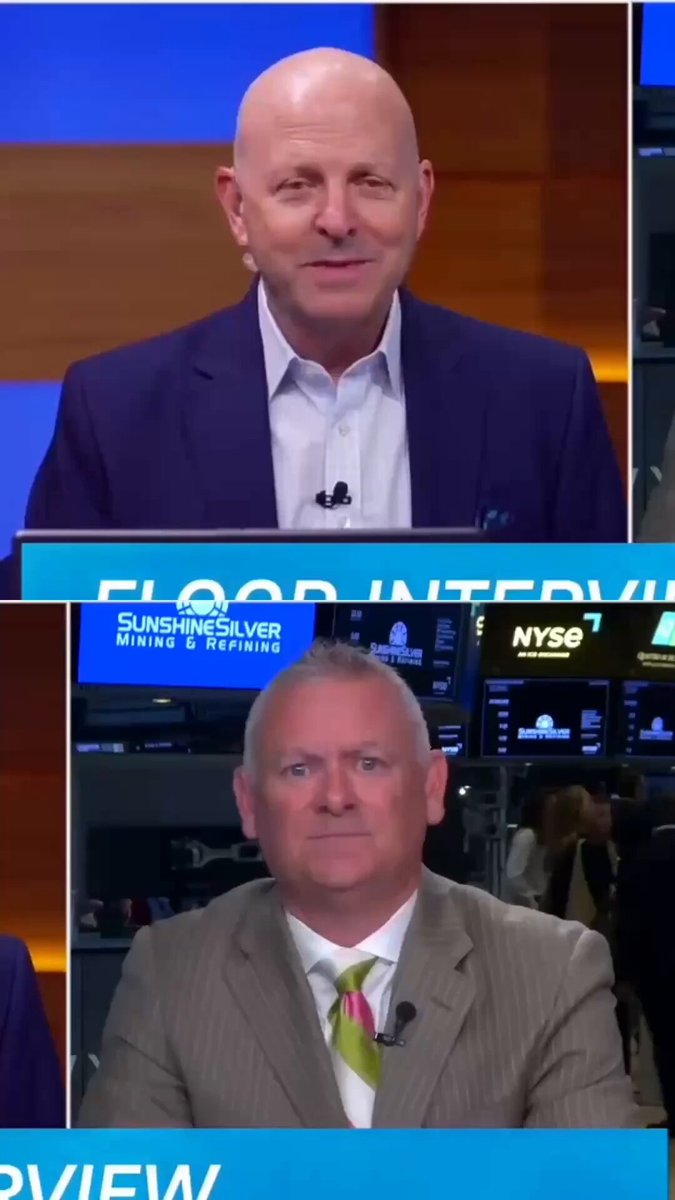
Crypto under pressure. Bitcoin range-bound at current lower levels.
US CEO Mick McLaughlin breaks down what's driving it — live from the NYSE on @SchwabNetwork with @TomWhite_S. 👇
1
2
211
Hashdex retweeted

Jun 4
.@hashdex CEO Mick McLaughlin says bitcoin has been under pressure from several factors, including Strategy selling bitcoin, outflows from bitcoin ETFs, and geopolitical tensions.
On a potential catalyst, he tells @TomWhite_S he’s watching the Clarity Act, which he says could institutionalize the crypto space, provide clarity around jurisdiction, and offer clear direction for market participants.
He also discusses the $NCIQ ETF as a way to gain broad exposure.
For more market news, tune in at: SchwabNetwork.com/?CID=SM:Tw…
1
2
10
975
Hashdex retweeted

Jun 2
The most interesting move in crypto last week came from an asset almost no advisor had on their radar.
Stellar (stellar:native ). DTCC — the clearing utility at the center of U.S. securities markets, custodying over $114 trillion — picked it as the first public blockchain to carry tokenized assets onto an open ledger. The token repriced sharply on the news.
$XLM is a small constituent of the @Nasdaq CME Crypto Index. A rounding error next to bitcoin’s weight. If you were building a crypto allocation by conviction, you almost certainly wouldn’t have owned it. Through a rules-based index, you did… without having to predict that DTCC would validate Stellar’s rails.
This is the part investors push back on. “It’s mostly bitcoin — why carry the long tail at all?” Because that’s where the asymmetry sits. Those assets are small by market cap, so their weight is small — limited drag if they fade out. But if one grows into its target market, the methodology lets it earn its way up… Winners get bigger, Losers drop out. And no one has to call it in advance.
Same week, ethereum:native is taking heat from its own community over the Foundation’s direction. Telling, for anyone who assumed smart-contract platforms were winner-take-all and Ethereum had already won. FWIW I’m optimistic Ethereum works through it… but the whole point of an index is that you don’t have to agree with me.
On June 1 the index reconstituted and added bitcoin cash. The point isn’t bitcoin-cash:native , but that the rules keep working… the set has grown from 2 assets to 8, mostly as U.S. regulatory clarity made more assets eligible. As the market matures, we think that set keeps expanding.
Boring, disciplined, rules-based. That’s the edge.
2
5
377
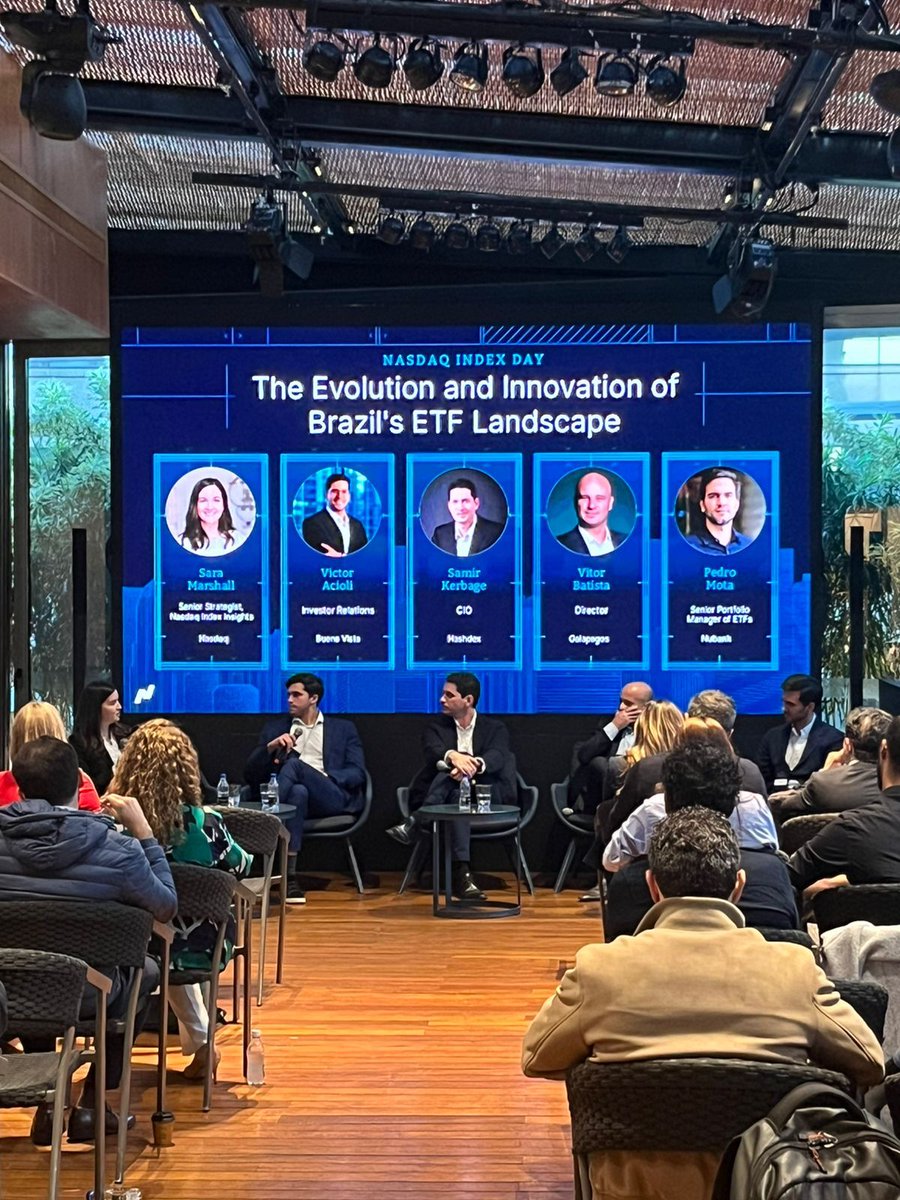
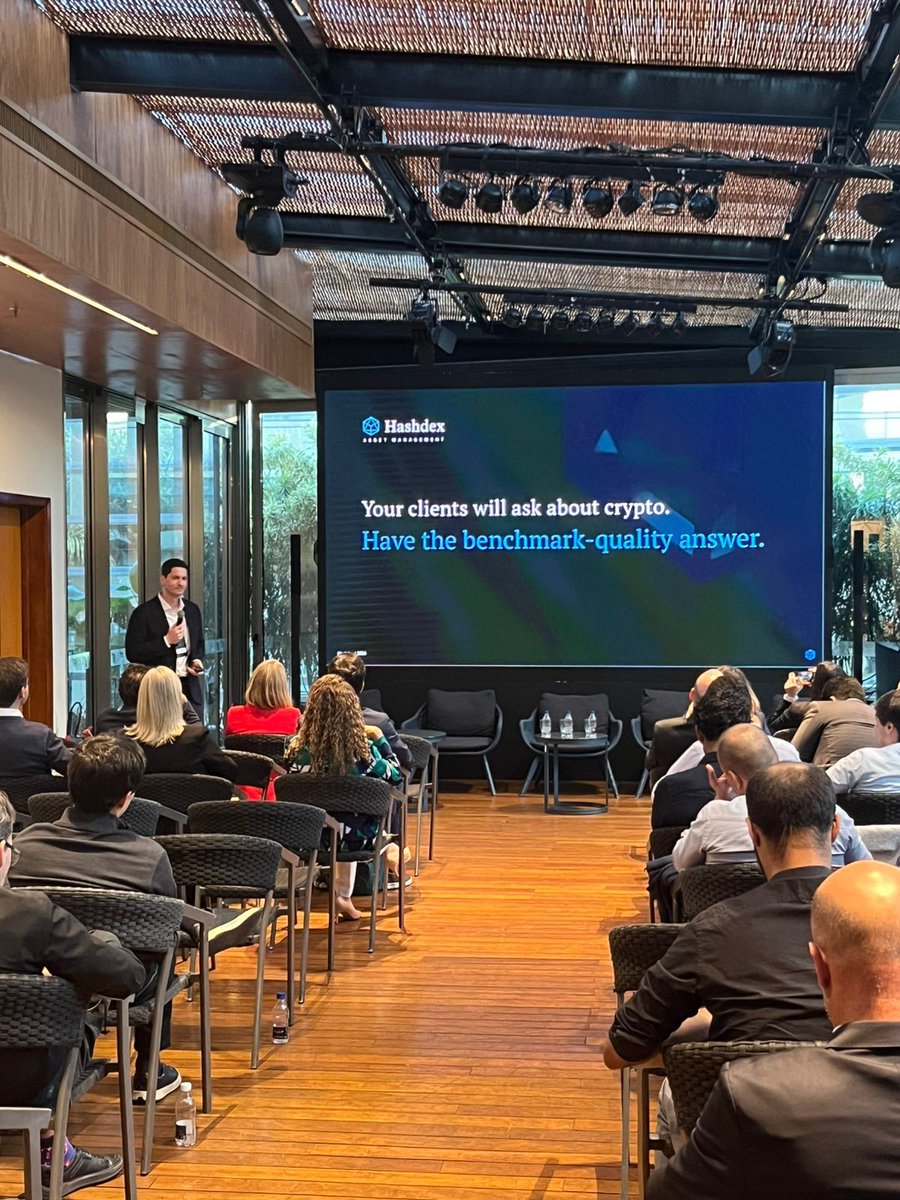
The ETF market has matured. So has the question about crypto.
It's no longer "what is this?", it's "how do I access it intelligently?"
@SamirKerbage at Nasdaq Index Day in São Paulo yesterday, making the case for indexing over picking winners.
Thanks @Nasdaq for the conversation.
1
3
221
@SamirKerbage, CIO Hashdex, breaks down the tension inside the GENIUS Act and what it means for the future of digital dollars. 🧵
w/ @ricedelman
2
1
6
283
The cryptodollar thesis is evolving fast.
Read Samir's full CIO Notes on how geopolitics is strengthening the case for crypto in portfolios 👇
hashdex.com/en-US/insights/g…
#Bitcoin #Stablecoins
100
Hashdex retweeted

What do you actually own when you own tokenized gold?
@khem takes that question to Geneva on June 2, on stage with @hashdex's Bruno Caratori at @allnews_ch's Alternative Investments Insights.
The panel asks whether digital assets are finally ready for institutional portfolios.
tl;dr - YES.
Join us !

2
4
8
258
Crypto prices aren't reflecting the ongoing infrastructure advancements.
Senate market structure vote. Stablecoin adoption climbing. Iran demanding $BTC for Strait of Hormuz passage.
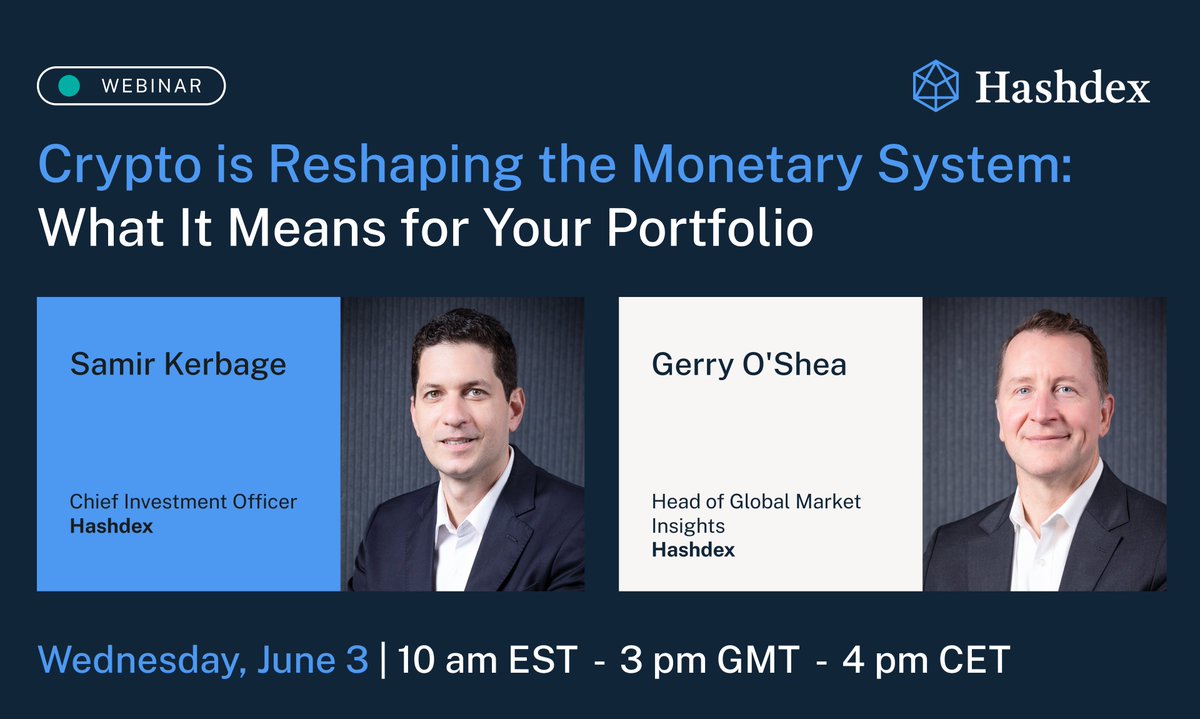
@SamirKerbage and @osheagt break it down Wednesday.
📅 June 3 | 10 am EST → access.hashdex.com/webinar-u…
1
3
133
Hashdex retweeted
May 27
The petrodollar ran the global monetary system for 50 years. The GENIUS Act might be the blueprint for the next one. 🧵
1
3
7
313
The NCI fell 2.6% this week. $BTC briefly broke $77K, triggering $657M in liquidations and the heaviest ETF outflows of 2026.
But beneath the tape, three things kept moving in one direction.
@SamirKerbage breaks it down 🧵
1
1
1
243
CIO's view: This looks like sentiment catching up to a more hawkish Fed, not a break in the thesis.
Range: NCI 3,400–4,200 | BTC $74k–$85k
Full analysis: hashdex.com/en-US/insights/s…
141