Joined June 2016
- Tweets 514
- Following 94
- Followers 381
- Likes 1,716
44 Photos and videos


Pinned Tweet

18 Mar 2025
Please, find us on @bluesky .
I will not support a platform whose owner, an unelected official, is actively and ruthlessly damaging the US government including the NIH.
149
Heczey Lab retweeted

How #scientists make #breakthroughs: a journey to finding a promising method to address #CARTcell challenges in treating #solidTumors. @HeczeyAndras ZP Sumazin, C Rooney, M Brenner @davidsteffin @bcmhouston @TexasChildrens @CAGTHouston @Nature blogs.bcm.edu/2025/01/28/fro…
1
5
8
763
28 Dec 2024
180

Eight years of legal fighting came down to this one moment
nature.com/articles/d41586-0…
4
6
48
19,536
28 Nov 2024
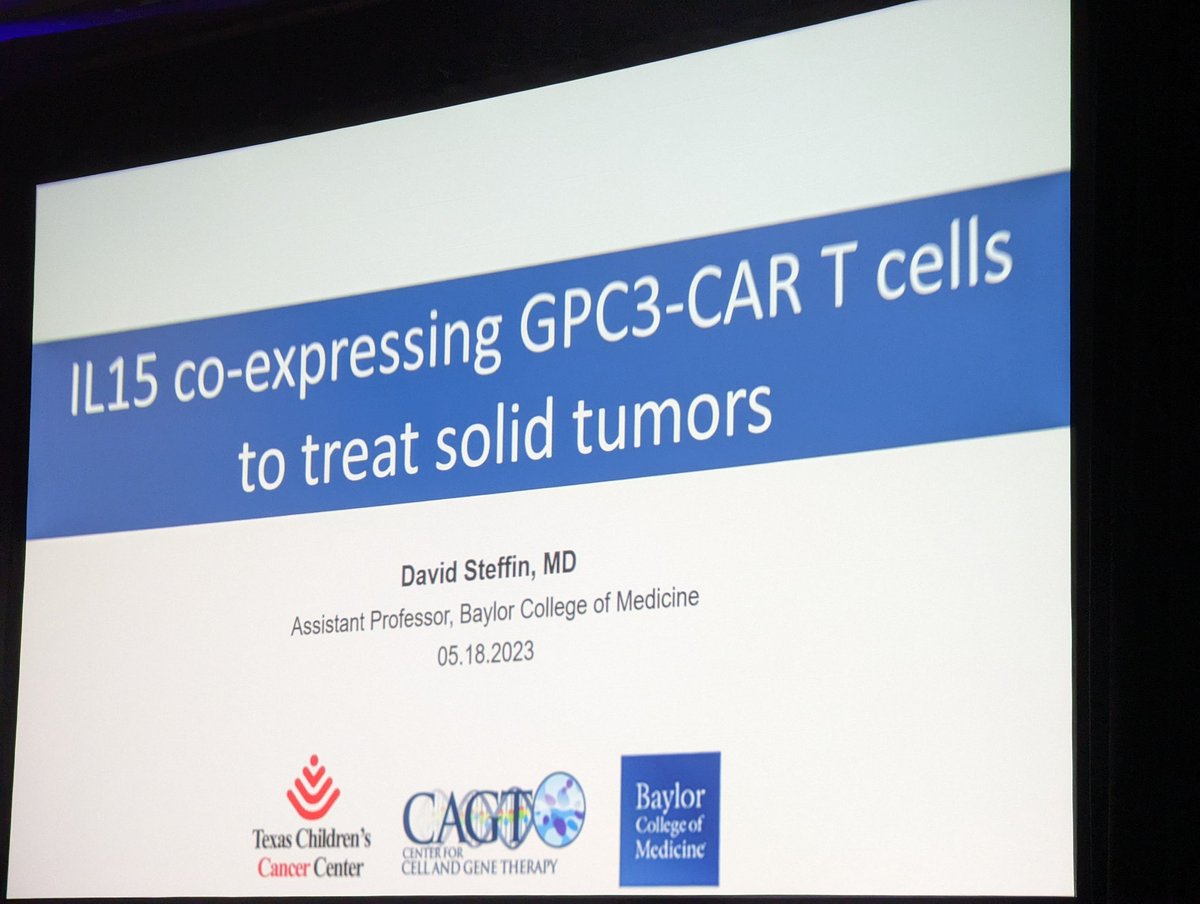
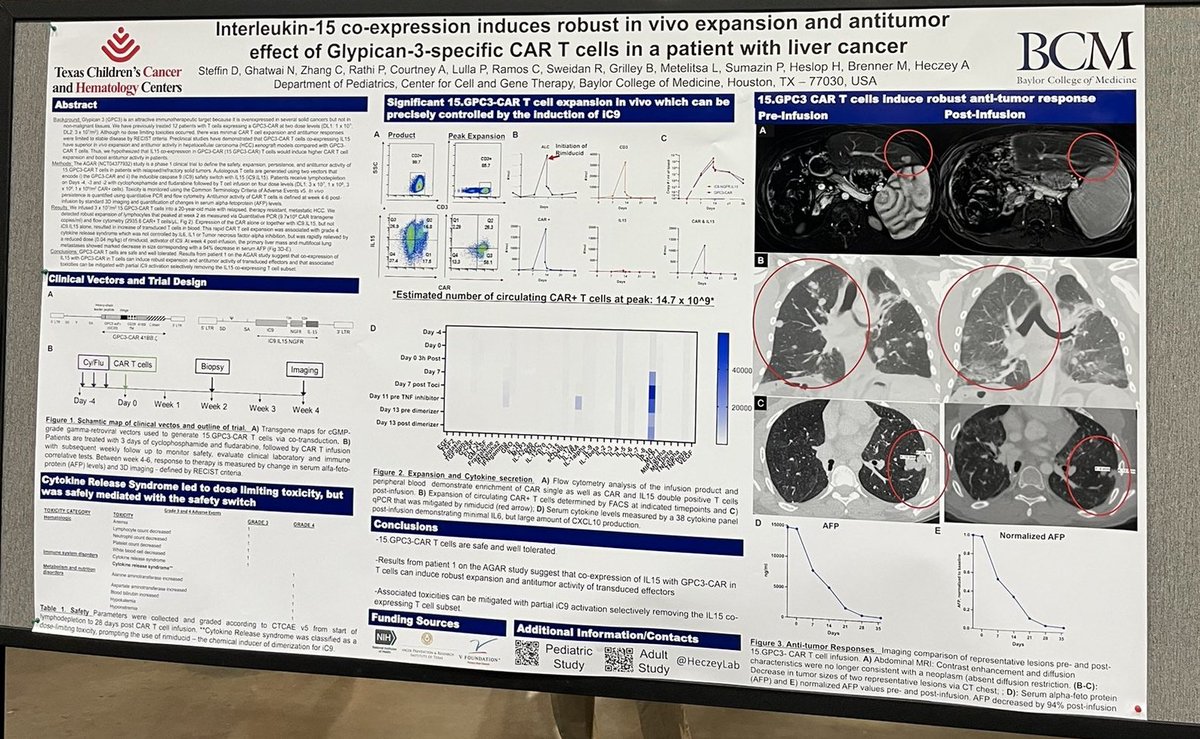
IL15 increases the expansion of CAR T cells and induces antitumor responses in patients with GPC3 solid tumors (i.e. liver cancer).
nature.com/articles/s41586-0…
5
37
142
14,616
28 Nov 2024
Collectively, these results demonstrate that IL-15 increases the expansion, intratumoural survival and antitumour activity of GPC3 CAR T cells in patients.
@NIH @BCMCancerCenter @TexasChildrens @Nature @CPRITTexas
1
2
282
Heczey Lab retweeted

16 Oct 2024
Thrilled to share our latest work on lipid nanoparticle (LNP) delivery of a stable CRISPR-Cas9 ribonucleoprotein (RNP) for in vivo genome editing, now published @NatureBiotech! 🧬
nature.com/articles/s41587-0…
In this paper, we first engineered robust, efficient, and stable CRISPR-Cas9 genome-editing enzymes, iGeoCas9s, through #directedevolution of Cas9 from Geobacillus stearothermophilus (GeoCas9). We then developed an LNP-based delivery platform that successfully encapsulates and delivers iGeoCas9 RNP to various cell lines, achieving high-efficiency genome editing in vitro, including homology-directed repair (HDR) via codelivery of RNP and ssDNA templates. In the end, we demonstrated that different LNP formulations enabled tissue-specific genome editing in the liver and lungs after single intravenous injections of iGeoCas9 RNP–LNP complexes without triggering detectable immune responses. Overall, our results show that stable Cas9 RNP–LNP complexes can be a robust alternative to mRNA–LNP delivery and expand the therapeutic potential of CRISPR genome editing.
Our previous study @CellCellPress illustrated why our engineered iGeoCas9 exhibits dramatic improvements in its genome editing function. The high protein stability and desired negative charge density are the key to the successful development of the LNP delivery strategy for iGeoCas9 RNPs, which outperforms mRNA sgRNA codelivery by LNPs for genome editing. We believe this LNP delivery platform can be further extended to other editing tools, such as base editors and prime editors.
Huge thanks to my collaborators @doudna_lab and in the Murthy lab for making this possible! @igisci @berkeleyMCB
13
54
255
31,350
Heczey Lab retweeted

8 Oct 2024
BREAKING NEWS
The Royal Swedish Academy of Sciences has decided to award the 2024 #NobelPrize in Physics to John J. Hopfield and Geoffrey E. Hinton “for foundational discoveries and inventions that enable machine learning with artificial neural networks.”

979
13,041
32,146
12,690,967
Heczey Lab retweeted
7 Oct 2024
BREAKING NEWS
The 2024 #NobelPrize in Physiology or Medicine has been awarded to Victor Ambros and Gary Ruvkun for the discovery of microRNA and its role in post-transcriptional gene regulation.

538
11,254
27,505
4,691,145
30 Sep 2024
Please, support our efforts at Swim Across America which is raising funds for cancer research.
swimacrossamerica.org/site/T…
I also hope not to drown.... :)
1
1
285
31 Aug 2024
Bayliss' Story: From Inoperable to Cancer-Free texaschildrens.org/content/p…
#Cancer @TCHResearchNews @BCMCancerCenter
1
1
199
Heczey Lab retweeted
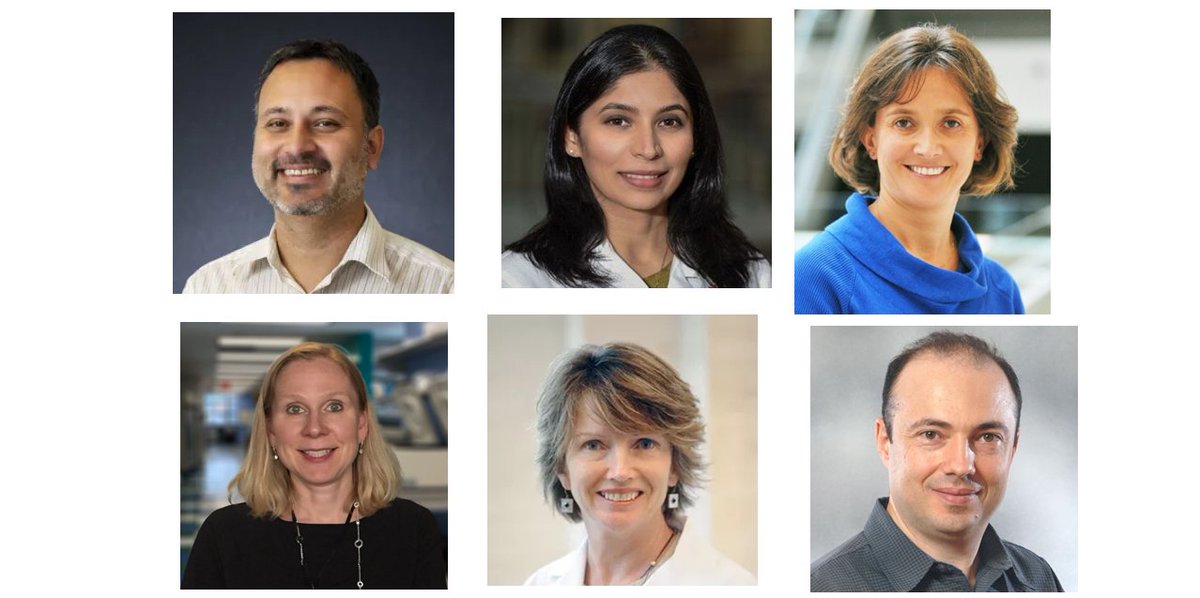
Baylor College of Medicine receives more than $17 million from @CPRITTexas #CancerResearch @BCMCancerCenter @CAGTHouston blogs.bcm.edu/2024/08/22/fro… via @bcmhouston
2
7
28
9,814