
Joined November 2020
- Tweets 15
- Following 102
- Followers 204
- Likes 21
Photos and videos

1 Jan 2025
Advances in recombinant protein production in microorganisms and functional peptide tags academic.oup.com/bbb/article…
2
97
19 Aug 2023
We have two open postdoc positions, one more chemistry the other microbiology- to discover pathways for marine carbon sequestration. uni-bremen.de/universitaet/d…
51
73
9,983
Jan-Hendrik Hehemann retweeted

2 Jan 2023
1/4 What a way to end/start a year. Check out our publication in PNAS on fucoidan exudation by brown algae! pnas.org/doi/10.1073/pnas.22…
2
4
22
2,955
31 Dec 2022
Congrats to @HagiMarine & team showing:
Fucoid brown algae inject fucoidan carbon into the ocean | Proceedings of the National Academy of Sciences pnas.org/doi/10.1073/pnas.22…
3
19
1,806
Jan-Hendrik Hehemann retweeted

15 Sep 2022
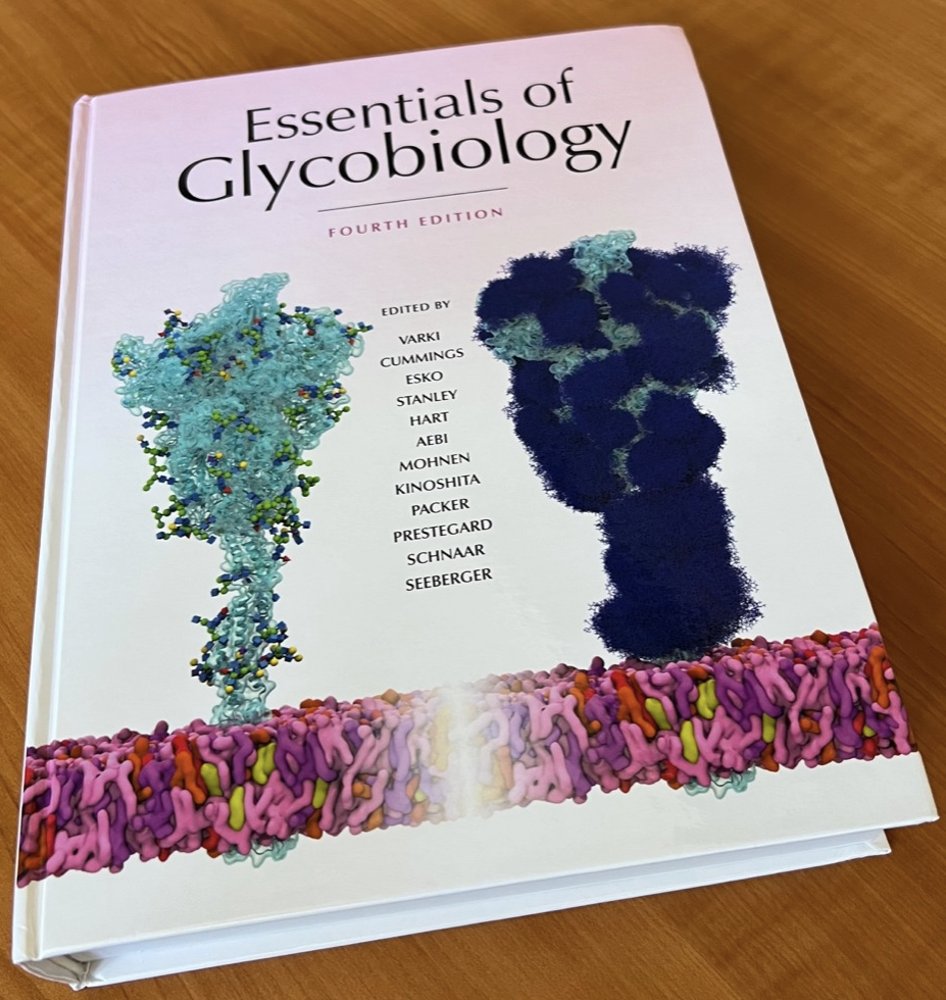
Too many researchers are still ignoring glycans in their studies. To help them learn about the importance of glycosylation, all authors, and editors of the “Essential of Glycobiology” are donating their work to make this e-book free for everybody.
cshlpress.com/default.tpl?ac…
33
432
1,696
24 Mar 2022
1
10
Jan-Hendrik Hehemann retweeted

11 Jan 2022
Wie binden Algen Kohlenstoff in den Ozeanen? Wer das verstehen will, muss sich mit Zucker beschäftigen. Wissenschaftler in der #UBRA forschen seit Langem an Mehrfachzuckern – mit bahnbrechenden Ergebnissen.
@marum_de @MarineMicrobio
idwf.de/-DAA3AC via @idw_online_de
3
3
Jan-Hendrik Hehemann retweeted

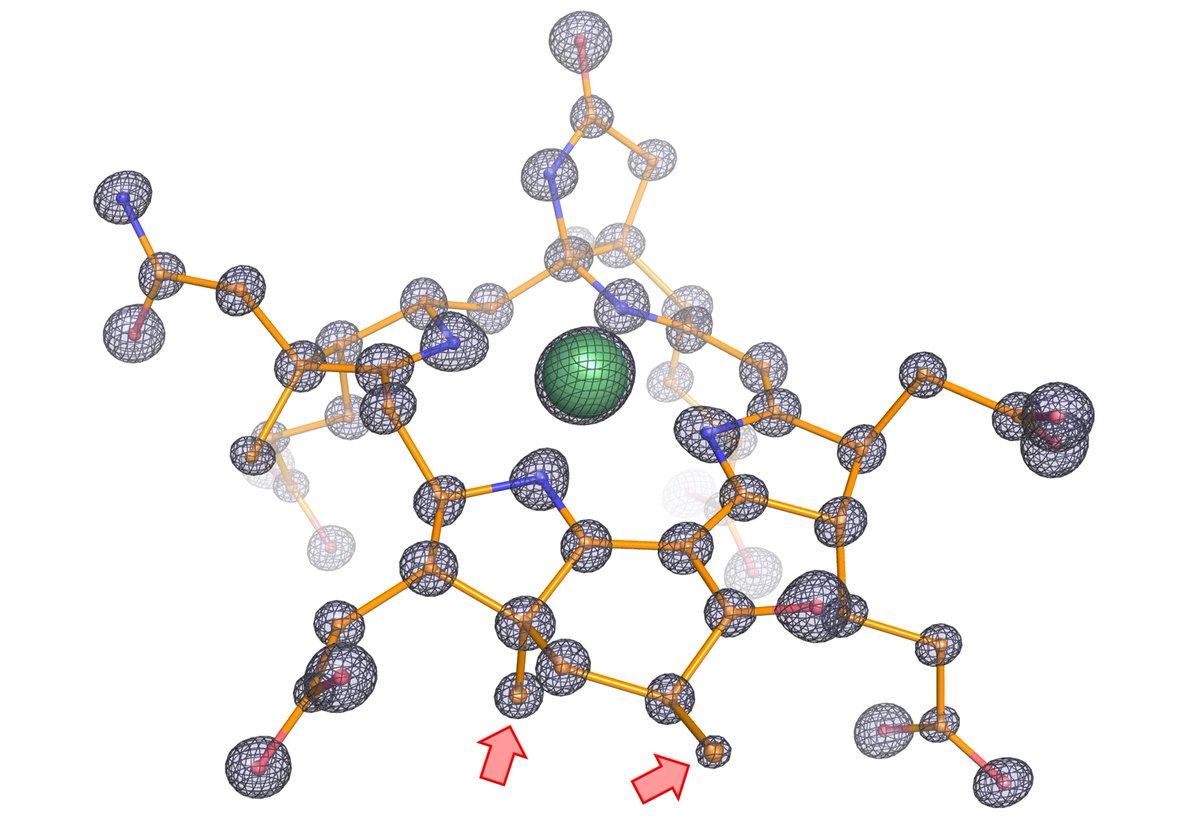
Scientists decode the structure of the enzyme responsible for #anaerobic #ethane fixation, revealing key features for ethane specialization – now @ScienceNews
mpi-bremen.de/en/How-ethane-…
@WegenerGunter @cedricjhahn Tristan Wagner Olivier Lemaire MPI for Terrestrial Microbiology
8
14
Jan-Hendrik Hehemann retweeted
Dissolved Organic Matter in the ocean is very persistent – as revealed in new research by @HehemannJan @MarineMicrobio @marum_de now published in @NatRevEarthEnv
Read here: ad: rdcu.be/cntlC
@ICBM_uol @maxplanckpress @UniBremen

Why does some marine organic matter persist for millennia?⌛️Thorsten Dittmar of @ICBM_uol and colleagues describe how 'emergent recalcitrance' could explain this phenomenon in this new Perspective. 🌊🦠
go.nature.com/3AdRB2f (free to read: rdcu.be/cntlC)
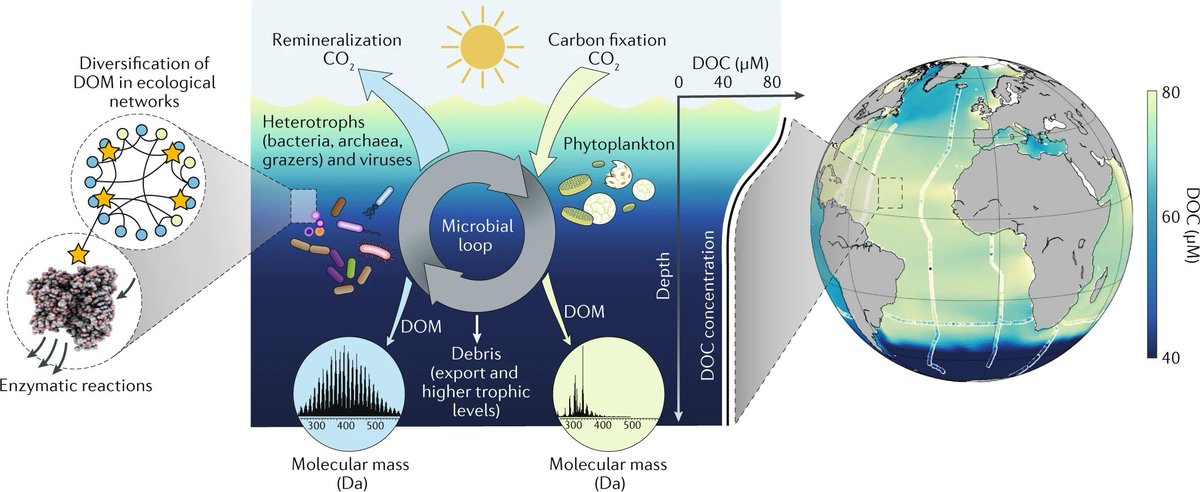
ALT Small-scale processes drive global patterns of dissolved organic matter, showing the marine microbial loop and how a fraction of DOM escapes it. From Dittmar et al. 2021.
5
18
Jan-Hendrik Hehemann retweeted

5 Mar 2021
Gratulation an Prof. Dr. Jan-Hendrik Hehemann zur Heisenberg Professur. Er leitet die #marum #mpibremen Brückengruppe Marine Glykobiologie an der #unibremen und erforscht dort die Relevanz von Algenzuckern in marinen Stoffkreisläufen. #marinescience #meeresforschung #bremen
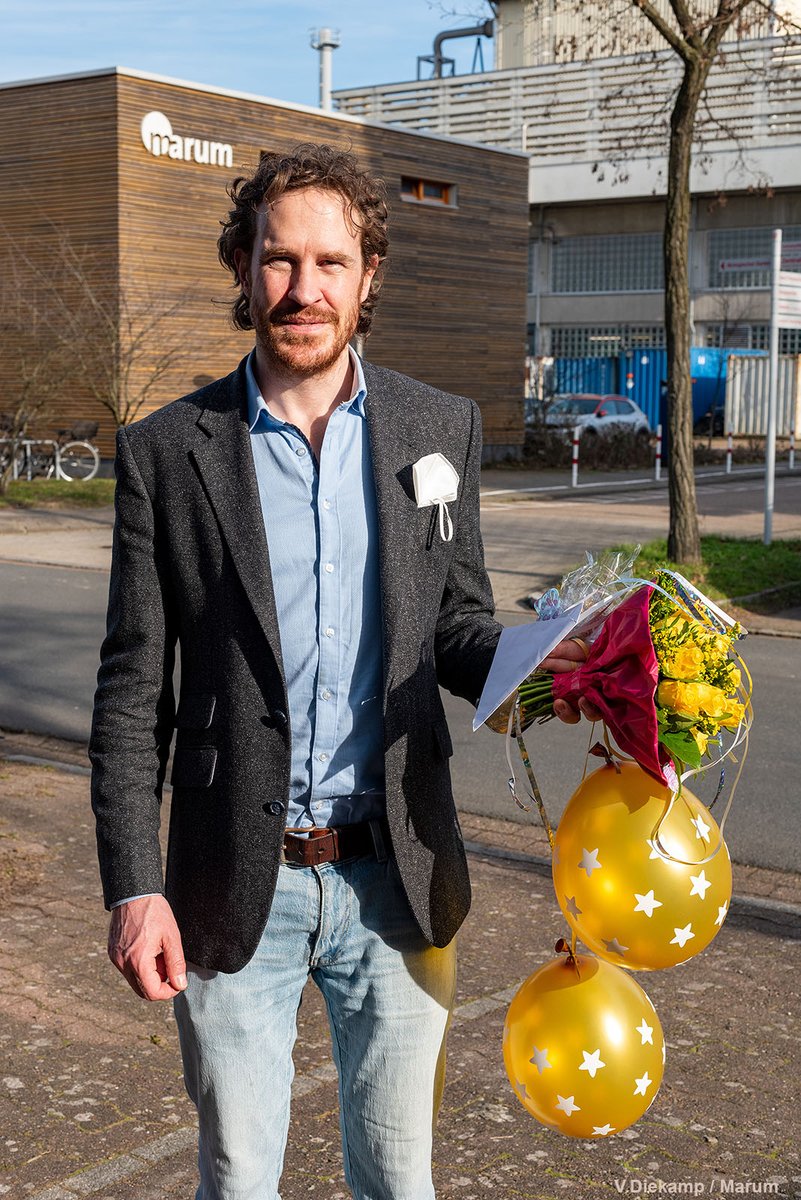
ALT Jan-Hendrik Hehemann
1
3
18
Jan-Hendrik Hehemann retweeted
Congratulations to this well-deserved honor @HehemannJan !👏
We are delighted to share that @dfg_public is supporting our colleague & his team with a Heisenberg Professorship for his excellent wirk with algal sugars.
mpi-bremen.de/en/Algal-sugar…
@marum_de @UniBremen @maxplanckpress
3
15