
xagio.com (AI SEO) | ringrobin.net (Call Tracking) | linksheets.net (Backlink Analysis) | talkwith.team (Communication) | vibestrapped.com (AI Apps Directory)
Joined August 2015
- Tweets 3,017
- Following 801
- Followers 422
- Likes 523
151 Photos and videos





May 7
1
2
43
May 5
Testing X algo. Please COMMENT only if you see me. I think I’m in lowest tier of reach.
2
3
53
Mar 9
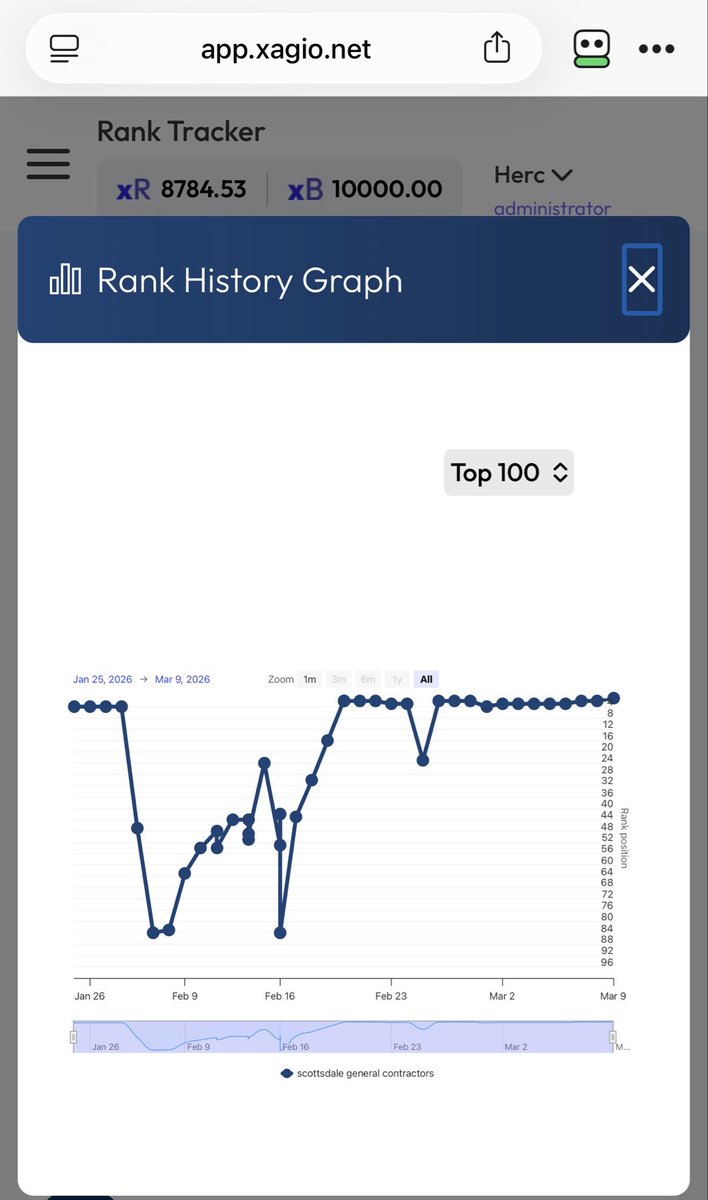
I’ve seen at least 20 new tools come online that say they can build and SEO a website. Not ONE of them had any case study proof.
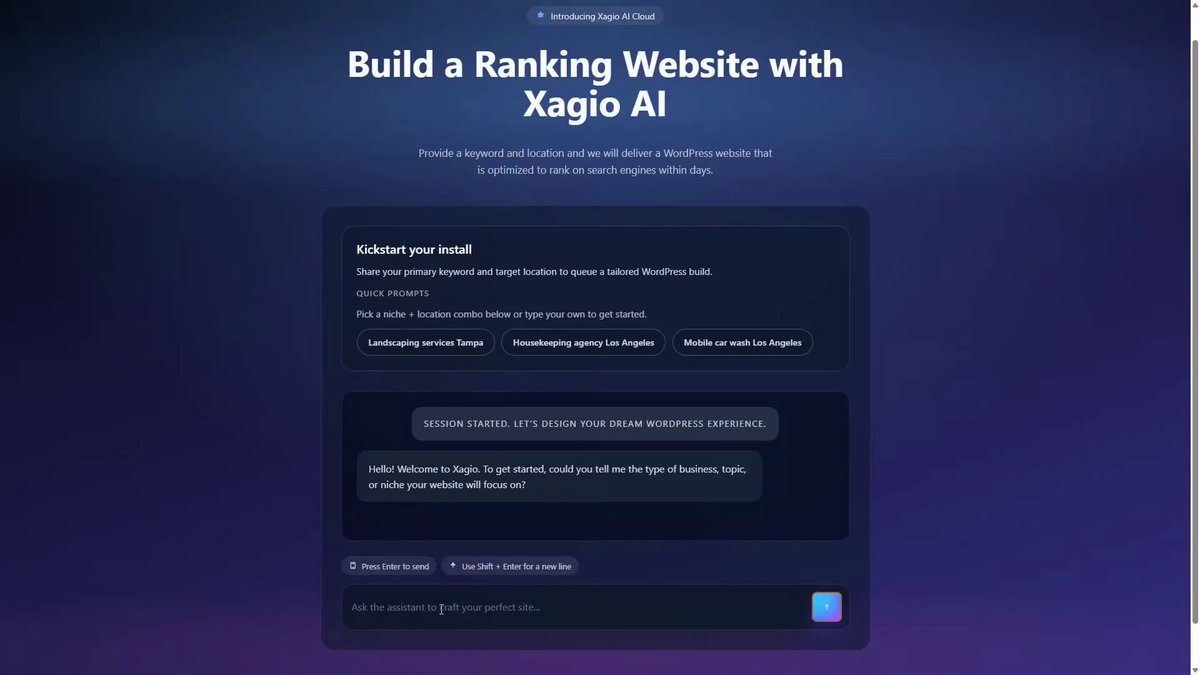
@xagioapp builds optimized Wordpress websites that rank #1 for solid keywords in 24 hours and we’ve got more than enough proof.
Seo maui
Scottsdale General Contractor
Pool builder Davie
Commercial Plumber Austin
Sprayfoam insulation Baltimore
Etc etc etc.
#seo
2
3
74
Herc Magnus retweeted

Feb 21
Google has a FREE tool that shows you EXACTLY how it reads your content, it was around before ChatGPT and most SEOs have never even opened it..
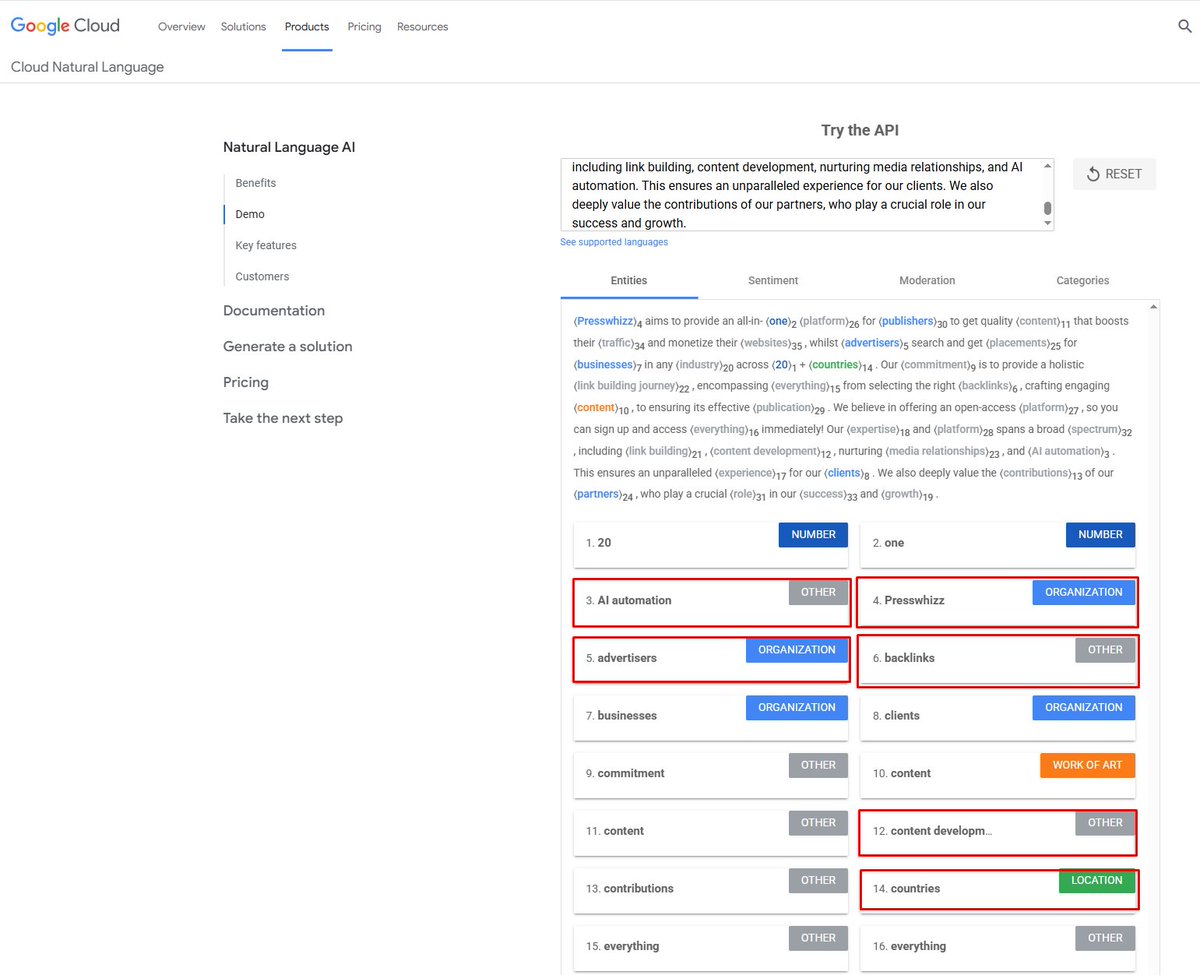
Go to: cloud.google.com/natural-lan… and scroll to the "Try the API" box, then paste in your page content and click "Analyze"
Google will show you:
- Every ENTITY it detected (people, places, brands, concepts)
- The SALIENCE score for each (how important Google thinks that entity is to your page)
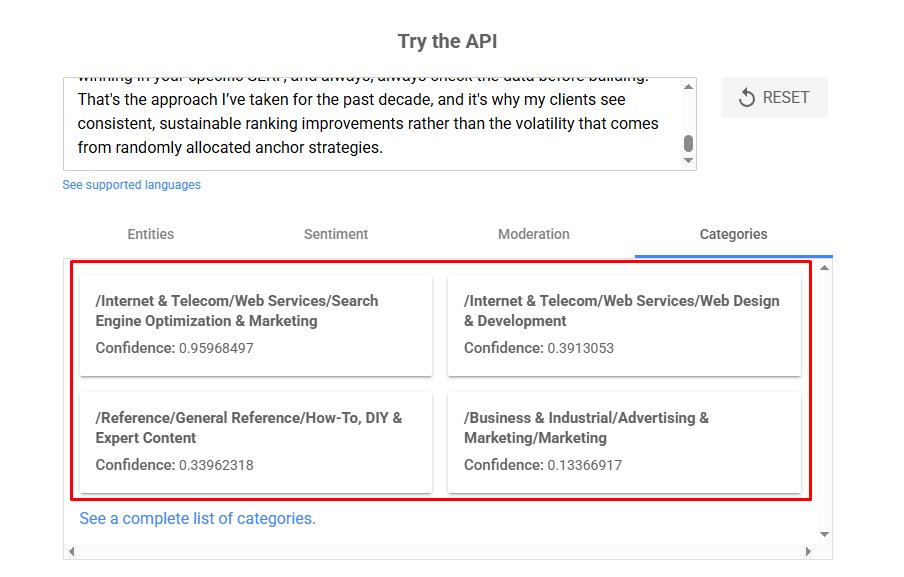
- The CATEGORY it assigned your content to
Now do the same thing with the #1 ranking page for your keyword...
Compare the two. You'll see:
- Entities they mention that you don't (add them)
- Their top entity has 0.85 salience, yours has 0.3, you need to mention your primary topic more prominently and earlier in the content
- How Google categorizes the pages (e.g. My piece is categorized as SEO, HowTo/Expert Content, Marketing and Web Design/Dev, I want it to be the same categorization as the other ranking pages.
You can also just save both of the outputs (Save the page or print as a PDF) and ask AI to compare the two for you with recommendations!
This is literally Google telling you what it thinks your page is about vs what it thinks the page that's outranking you is about. The gap between those two outputs IS your content optimization checklist.
You don't need ANY expensive subscriptions, it literally takes a few minutes per page, and it's the closest thing to seeing your content through the eyes of the algo that exists because it IS Google's own NLP model.
32
101
919
61,156
Herc Magnus retweeted

Jan 11
☠️your vibe coded website is not safe anymore
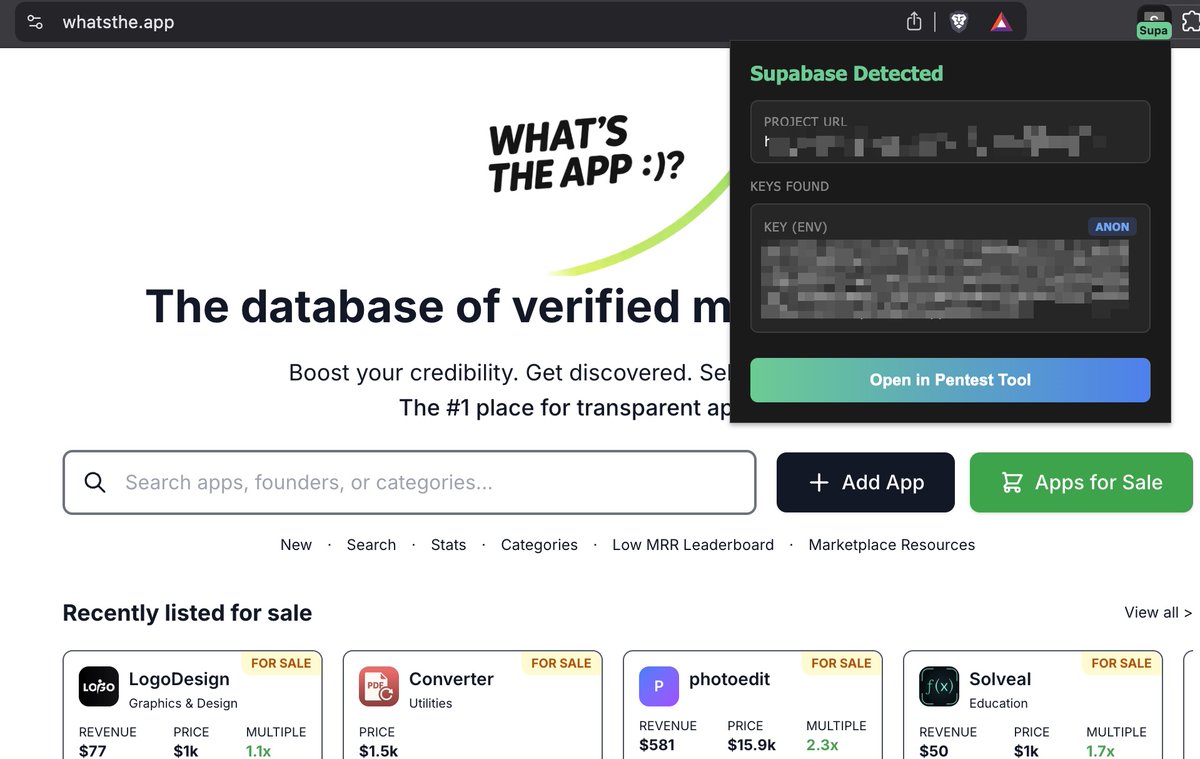
i built a browser extension to extract api keys if the webpage using supabase
it extracts the project id and api keys and scans all the vulnerabilities in my pentest tool with one click
launching the pentest tool soon
218
125
3,352
317,714
Herc Magnus retweeted

Jan 5
I made this post exactly a year ago about my goals for @chatbase for 2025.
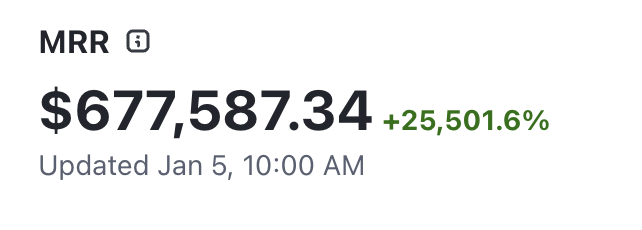
We’re now doing over $8M ARR and growing fast.
We had a lot of wins in 2025 but also made a lot of mistakes.
I think the biggest mistake bootstrapped founders make is acting like a bootstrapped founder for too long.
Always being careful. Hiring slowly. Making sure you don’t spend. Optimizing for profitability. Thinking about how to double instead of how to 10x.
Thinking bigger is actually easier. You cut all the bs. All the small step improvements that don’t really matter.
If I look at the numbers, we’re bigger than many Series B companies now. We have money to operate like we raised.
2026 is the year Chatbase forgets it's bootstrapped. It's the year we scale and take on the giants.
That’s why I’m hiring. In person. In NYC.
Not more developers as coding will be solved. Just have to be smart enought to operate the ai and study how to use it.
I’m hiring for distribution. Sales and marketing. Hungry people who know how to get attention and push product.
Chatbase will be a NYC startup. Close to our customers and competing with giants that we will crush.
2 Jan 2025

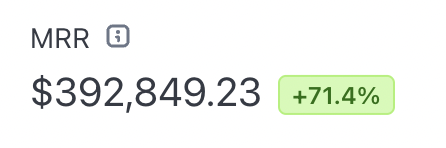
At the start of 2024, I set a goal for Chatbase to reach $1M MRR by the end of the year.
I failed. We're now at $390k MRR. Here is why I think I failed, what I learned, and my plan for this year.
1) I didn't realize how hard hiring is.
I was looking for people I can fully trust, who have common sense, taste, and skills.
These people are extremely rare. I realized that competence is a scarce resource and that common sense is not very common.
And once you find that person, convincing them to join is a different story, especially if they are already "discovered"—i.e., older with more experience, so the market already knows how good they are.
The skill you need as a founder is to be able to find the diamond in the rough, the undiscovered talent. Then you need to be able to convince them to join you. This means you need to have rizz, get used to rejections and "maybes," and be able to communicate why joining you is the best decision of their life.
Then it's a whole new journey after you hire to make sure people stay happy and motivated.
2) I needed to learn how to keep shipping fast with a bigger team.
Our engineering team is now 10 people. That's still not a lot, but you need to be very mindful of what slows you down.
With every new person, meetings become more expensive, more people have to give input even for simple problems, and more mistakes can happen.
I think there is no set process to do things here. Every company does what works for them, which means a lot of trial and error, and a lot of studying what other companies of similar size do.
What I found is that some of the principles for personal productivity still apply to teams: reduce context switching, allow time for deep work, Parkinson's Law, the 80/20 rule, etc.
I think we have now found our collective flow state where shipping is much more straightforward than it was.
But we will probably need to go through the process again once the team grows more.
3) I didn't know how enterprise deals worked.
A lot of people say enterprise deals take a long time because bigger companies move slower.
That's true in most cases, but it's due to a very critical mistake: not talking to the decision maker directly.
If you're talking with a junior product manager, they need to convince their manager, and their manager convinces their manager until it reaches the person who makes decisions.
But by then, all the value is not communicated properly because of all the layers it went through.
You need the convincing to move top-down, not bottom-up. This is much easier to do if you're doing sales yourself as the founder because you will be able to get the attention of decision makers.
The second way it can move faster is by meeting in person.
It's just easier to trust a startup with a core functionality of your product if you meet the founder in person and find that they seem competent and reliable.
4) The friction of making an enterprise change a tool they use.
I didn't realize how hard it is to convince an enterprise to switch to a new tool if they have something that works and their team is used to.
It's much easier to convince them to use something that complements it and shows ROI immediately.
Your goal is to make sure they basically don't have to do any work. You need to communicate that with very minimal effort from their end, they can see value if they use your tool.
After that works, it's a lot easier to convince them to put effort into switching tools that are so ingrained in their business.
That’s why we’re adding support for Salesforce and Zendesk ticketing and live chat for escalations, it removes that friction.
My plan for 2025:
- The hardest part, hiring, is now more manageable. I think we have the team that can get us to our goal. So, more focus on shipping.
- Experiment with doing work trials, Linear has an amazing blog on this.
- Find enterprise design partners and work closely with them to build the exact product they need. If you build a solution that works for one, it will probably work for others.
- More case studies and partnerships with other companies.
- Move to SF, see how beneficial networking with potential customers face-to-face is.
Also, I know I worked hard in 2024, and I am extremely happy with the result. I would be disappointed if I thought the failure was a result of a skill issue. It's not, it's just dealing with unknown unknowns.
This year, it's much clearer what we need to do to hit the goal, which is still the same: $1M MRR.
Very confident we will hit this before 2026.
If you hit all your goals, you're probably not ambitious enough.
168
35
1,077
197,173
Herc Magnus retweeted
1 Dec 2025
I've been building backlinks for 17 years, we'll sell over $4.5M of links this year and I have NEVER seen Google rewarding authority and quality link signals like they are right now... 🔗
With that being said, most SEO folks STILL buy links that do absolutely nothing, because Google neutralizes them.
Here is my EXACT SOP for picking links that will increase your rank, ROI and AI Visibility:
1 - Ignore Metrics, Do Your Due Dilligence.
They are EASILY manipulated, including organic traffic numbers inside Ahrefs & SEMRush.
Double check link profiles, and if the site doesn’t rank anything inside your niche, the link is a pillow, not power.
2 - Page-Level ROI Test
Before buying ANY link, ask:
"How much can this link make me?"
If I'm in an easily attributable niche with high ARPU, then I can budget links quite easily to target money/supporting pages based on price vs. return on increased rank.
3 - Anchor Safety = SERP Reality
99% of SEOs choose anchors based on what they want to rank for. Google ranks pages based on what the SERP is already rewarding.
If the top 10 are using:
- Brand/URL anchors → you use brand/URL
- Soft partials → you use soft partials
- UGC/Parasites dominating → you stay conservative as hell
Your anchor text should mimic the winning pattern (consensus), not fight it...
If competitors have ZERO direct links, then I don't recommend building any directly either unless you have an indiviual link with very strong relevancy and trust signals.
4 - Outbound Link Neighbourhood Check
If a site leaks outlinks to:
- Casinos ❌
- CBD ❌
- Crypto ❌
- Viagra ❌
…and you are NOT in those industries?
Your link is probably going to be devalued.
Google does track link neighbourhoods. If you sit next to trash, you smell like trash...
5 - Indexation & Editorial Health
If a site is:
- Bleeding indexation
- Losing keywords monthly
- Churn-publishing low-quality AI blogs
- Or has 500 new posts and zero rankings…
That’s a sign the domain is flagged.
Every link you place there is born dying.
Power sites GROW.
Zombie sites DRAIN.
6 - Traffic Stability Over 6–18 Months
You don’t want a site that had traffic — you want a site that can KEEP traffic.
Check for:
- Smooth growth ✔
- Seasonal dips that make sense ✔
- No algo update cliffs ✔
- No sudden spikes from programmatic AI garbage ✔
Stability = Trust.
Trust compounds link power.
7 - Internal Link Inclusion (Massively Underrated)
A link from a page with ZERO supporting internals is a weak link.
A link from a page WITH:
→ Internal links from relevant articles
→ A parent topical hub
→ Strong navigational linking
…delivers 3–10× more power.
Context = Equity.
8 - Avoid Orphan Links at ALL Costs
If your paid link: Lives on a dead page
Has NO internal links going IN
Has NO internal links going OUT
Has NO social signals
Has NO backlinks
…it is effectively a nofollow link that you paid for!
Orphan pages = orphan signals.
9 - The AI Visibility Test
If you want to show up in AI Overviews, and model citations: Your links MUST sit inside authoritative context surrounded by semantic entities.
AI models pull from:
- High quality editorial pages ✔
- Topical clusters ✔
- Pages with structured data ✔
- Pages with strong author/entity signals ✔
- UGC authority sites ✔
When it comes to AI, the context around the link now matters more than the link itself.
When it comes to traditional SEO though, at the end of the day…
Most people don’t have a "link building problem"
They have a "link SELECTION problem"
Google isn’t rewarding more links...
Google is rewarding better signals!
If you fix what you build → you fix what you rank.
And link building and link buying is only growing!
That's it for this SOP! But if you want to be in with a chance of winning $250 of FREE backlinks from @PressWhizz , then just RT LIKE COMMENT on this post and I'll pick a random winner at the end of the week 🙌
40
34
232
24,680
Herc Magnus retweeted

29 Nov 2025
Google just accidentally revealed how its AI search systems actually work.
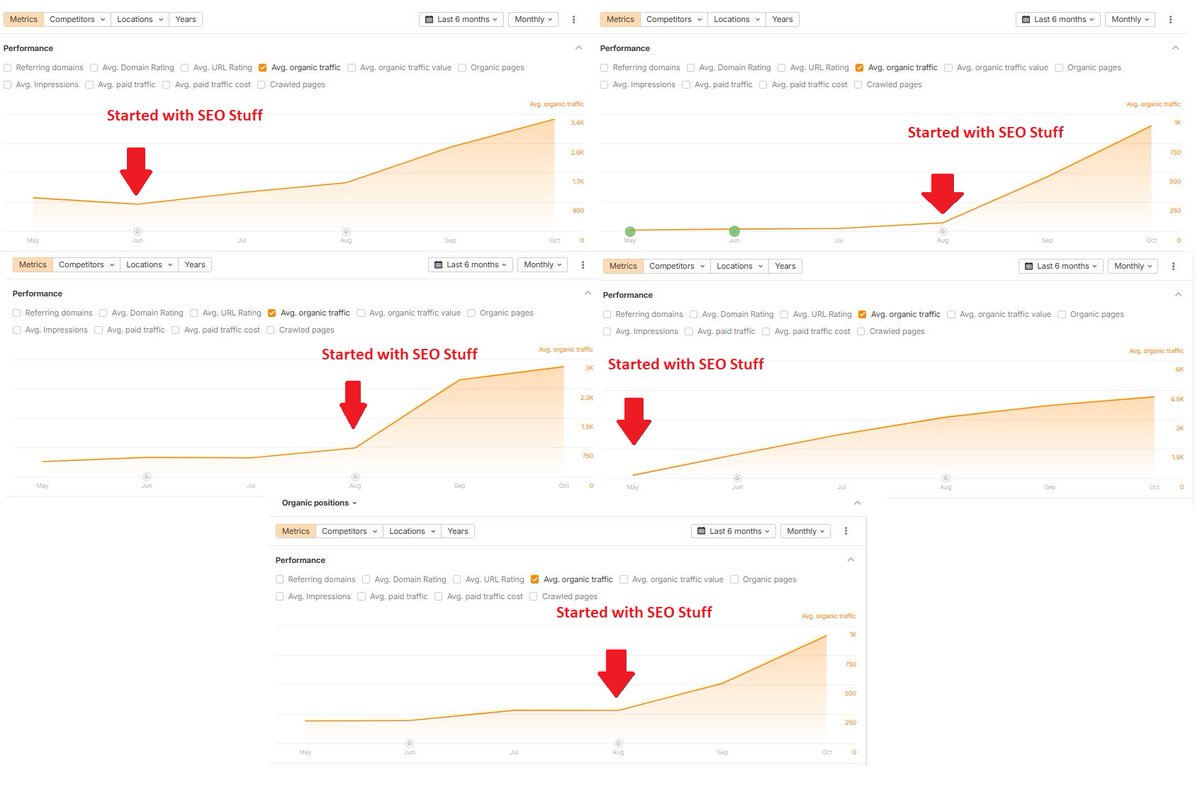
In the process, they validated what SEO Stuff (seo-stuff.com) has been doing all year to get customers more traffic sales from Google's traditional search and AI platforms.
Now that none of it is a secret, let's talk about it.
But before we get into it…
If you want free cheat codes for getting inside ChatGPT, Gemini, Perplexity, and Google AI Mode within the next 30 days, just RT this, follow me, and reply “AI SEO Cheat Codes.” I’ll DM them to you.
You must do all 3 for the DM.
Alright, let's jump into it.
Metehan Yesilyurt, who previously went viral when he expertly analyzed Perplexity's ranking factors, recently broke down Google AI ranking factors in a blog post.
(Link in the replies.)
It was fascinating.
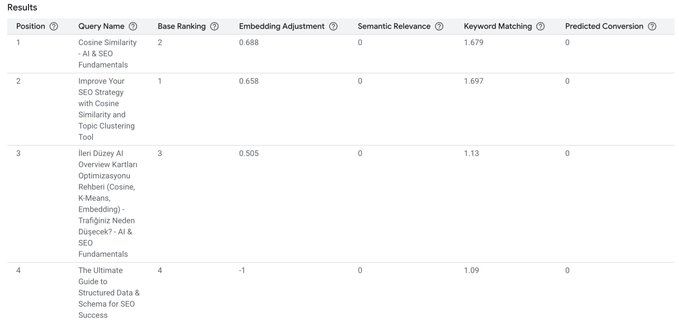
Basically, as noted by Yesilyurt, by selling the underlying infrastructure through a product called Google Cloud Discovery Engine (Vertex AI Search), Google revealed a lot about its AI systems work.
If you understand what Discovery Engine exposes, you understand how Google AI Mode, AI Overviews, and future AI search features are likely ranking and retrieving your content.
I'll talk about the 7 ranking signals below, but I advise you to read the entire blog post I'm linking to because it goes into way more helpful technical detail:
1. Base Ranking
The core algorithm’s initial relevance score.
2. Gecko Score (Embedding Similarity)
Vector similarity between your content and the query.
Semantic match.
3. Jetstream (Cross-Attention Relevance)
A more advanced model that understands negation, contrast, context, and nuance better than embeddings.
4. BM25 Keyword Matching
Kind of self-explanatory. Yes, keyword matching still matters.
5. PCTR (Predicted Click-Through Rate)
A three-tier prediction model:
Tier 1: Popularity
Tier 2: PCTR
Tier 3: Personalized PCTR (unlocked only after 100,000 queries)
6. Freshness
Time-sensitive recency scoring.
7. Boost / Bury Rules
Manual ranking adjustments based on business logic.
This is the most transparent look we’ve ever had into Google’s AI ranking pipeline.
Discovery Engine also exposes the retrieval pipeline:
Max chunk size: 500 tokens (~375 words)
Optional: ancestor headings travel with each chunk
Tables and images get parsed
Layout parser Gemini-enhanced understanding (LLM-augmented indexing)
This means: every important point needs to live inside a 500-token block with clean headings and clear structure.
If your content is one massive wall of text, you're done.
Also, I hate to be the "I told you so" guy on this, but schema matters.
For some reason it has become controversial to say this on social media, but it was obvious and now it is confirmed.
Discovery Engine shows Google processes structured data with three separate flags:
Searchable (affects recall)
Indexable (affects filtering ordering)
Retrievable (affects what the model can output)
These are independent.
Meaning:
A field can influence ranking without being visible, or be visible without influencing ranking.
A massive hint at how Google uses structured data for AI Mode.
Also, Google revealed the 4-stage AI search pipeline
1. Prepare
Query understanding, synonym mapping (time-aware), autocomplete, NLU.
2. Retrieve
Chunking, layout parsing, schema extraction, embeddings.
3. Signal
The 7 signals above.
4. Serve
Gemini 2.5 Flash generates the final answer, applies instructions, safety filters, related questions, and grounding rules.
Traditional Search to AI Overviews to AI Mode are simply different configurations of this same pipeline.
So what does all this mean?
Well, it means you must optimize for three layers at once:
Layer 1: Semantic similarity (Gecko)
Your content needs to clearly match the intent of the prompts you want.
Layer 2: Cross-attention relevance (Jetstream)
Jetstream rewards:
clear definitions
direct answers
contrast statements
“X vs Y”
“Best for ___”
“Without ___”
Layer 3: Chunk-level clarity
Your content must be extractable in 500-token blocks with:
question-based headings
two to three sentence answers
TLDR summaries
clean HTML
factual claims
lists and comparisons
This is exactly what AI systems quote.
And this is exactly why SEO Stuff (seo-stuff.com) works so well in AI search.
The Discovery Engine findings validate the entire SEO Stuff approach from long before this documentation was public.
Let me break down the packages through the lens of Google’s architecture:
SEO Stuff Gold Plan
seo-stuff.com/gold-plan-pack…
10 long-form, comparison-based, extractable articles
Structured in 500-token blocks
Question H2s
Two to three sentence direct answers
TLDR blocks
FAQ schema product schema
3 DR50 backlinks to strengthen entity signals
Gold Plan maps to:
Gecko (semantic match)
Jetstream (cross-attention relevance)
BM25 (keyword match)
Freshness
Entity trust (for Boost/Bury)
This is the fastest path to appearing in ChatGPT, Gemini, Perplexity, and Google AI Mode.
SEO Stuff Premium Content Bundle
seo-stuff.com/premium-conten…
60 comparison-driven articles
Structured to match the exact pattern LLMs extract
Category-defining content
Builds topical coverage entity clarity
Creates a deep corpus for Jetstream embeddings
Premium Bundle maps to:
Retrieval depth
Structured chunking
Ancestor heading clarity
Embedding similarity
AI model grounding
This is how you train AI systems to associate your brand with your category.
SEO Stuff Premium Backlink Bundle
seo-stuff.com/premium-backli…
3 DR50 backlinks from domains LLMs already trust
Reinforces brand consistency across the web
Boosts entity recognition
Backlinks help with:
Base ranking
PCTR (popularity trust)
Boost/Bury eligibility
Entity clarity
This is why so many customers reorder.
It works.
Google is not hiding its AI search architecture.
They literally exposed:
The signals
The ranking layers
The chunk sizes
The parsing logic
The semantic models
The engagement tiers
The answer generation flow
The brands that understand this and structure their content accordingly will run through the next era of search like absolute beasts.
And SEO Stuff (seo-stuff.com) was built specifically to map to this architecture.
If AI is replacing the first click, your content must replace the first impression.
Plain and simple.
If you want cheat codes for getting inside ChatGPT, Gemini, Perplexity, and Google AI Mode within 30 days…
RT this, follow me, and reply “AI SEO Cheat Codes.”
You must do all 3 for the DM.
98
86
339
41,510
29 Nov 2025
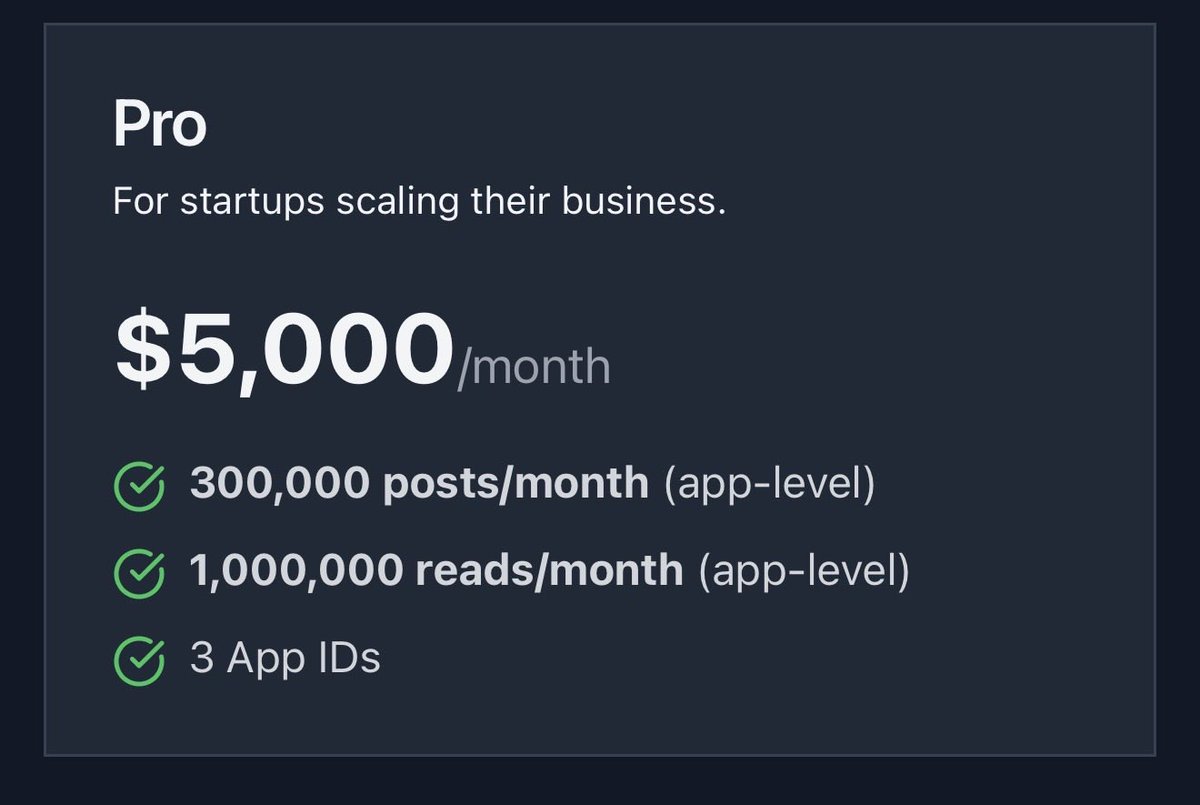
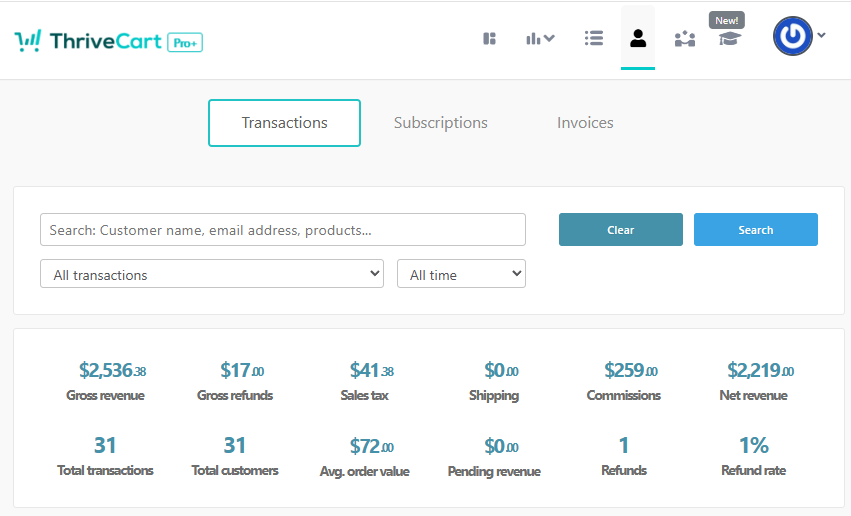
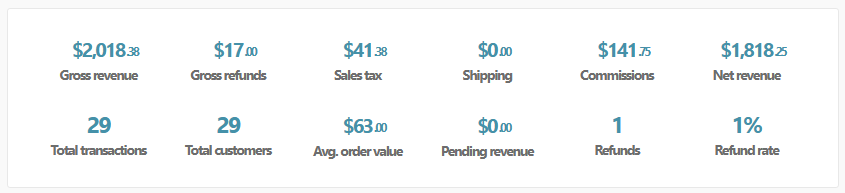
I’m gonna have to buy the $5000/mo xAPI plan soon. I got a winner, I know it.
#buildinpublic
3
6
169
27 Nov 2025
I'm here to DISRUPT! I got 25 years of marketing knowledge, 15 years in SEO, 10 in development. I cannot code, but AI has changed EVERYTHING! I'm a vibe coder now, and I can ship almost as fast as I think.
Ya I'm probably as old as your DAD, and I don't have the same energy or hours to work in a day, but I got EXPERIENCE. I get more done in less time because of it.
I PROMISE you you are going to see more of me on X very soon. You better follow me if you want to see proof.
59
27 Nov 2025
I might not be @marclou but I got some shit comin that's gonna make him take notice.
1
28
27 Nov 2025
I might not be @jackfriks but I got some shit comin that's gonna make him take notice.
I'm also beating him by 1 on the Canadian Olympics at trustmrr.com/country/ca
30
27 Nov 2025
#VibeCoding is SO addictive. I’m on my 7th vibe coded app and this one finally helped me do something I could never pull off before.
My X engagement always sucked.
I had followers but almost no reach, no replies, and no real conversation.
On Monday I had an idea, vibe coded it, shipped it for personal use only, and let it run. In just 4 days my app is live and running.
That's just insane.
What's is even more insane is it WORKS. Not just kinda, but INSTANT WOW.
My app uses AI to handle replies, conversations, and flow on X better than I ever did. It is honestly wild to watch. It does a lot more than that of course for all your snopes that wanna copy me.
In the meantime, I’m seeing more and more people say vibe coded apps suck. I get why they say it.
Most of them DO suck.
But it is not because AI sucks or vibe coding sucks. They suck because the builders are shipping broken stuff that was never ready for real users. They don't know how to take it all the way, ready to SCALE.
I’ve done it too. I’ve shipped way faster than I should have without verifying anything at a real engineering level.
Why? Cause the addictive part is watching ideas come to life as fast as I can think of them, my ADHD brain goes straight into overdrive. But fixing broken functions is not nearly as exciting.
KEEP BUILDING is advice I see often, but is the fastest way to stack bugs instead of progress.
Building enterprise grade software is not about the shiny surface. It is about the organs under the skin. It is the part that keeps an app alive, scalable, reliable, and not dying the moment someone touches it.
AI gave mortal men superpowers.
So now mortal men are building apps. But if don’t actually understand how software works, it is easy to create something that looks polished but cracks instantly.
The only reason my apps land so quickly is because I have ten years of real software development behind me. When I run into real issues, I pass them to my dev team.
Their combined 60 years of experience knows how to build serious products.
But my experience shows when I vibe code. I get better products faster than a person with less effort.
And now that more apps are flooding the market, the pattern is crystal clear.
The 80/20 Principle is in full effect.
- 80% of vibe coded apps suck.
- 20% are insanely good.
The top builders will dominate. They will take the users, the attention, the revenue, the momentum. Everything.
I always taught this in SEO and the analogy is just as true in AI coding.
Give two people the same calculator and the mathematician will always do more with it. It was never about the calculator. It was always about the person using it.
AI is no different. The builders who understand what they are doing will rise to the top. The rest of the eighty percent are just making apps like Lovable rich.
#buildinpublic but only if you know what you are doing :)
1
65
23 Nov 2025
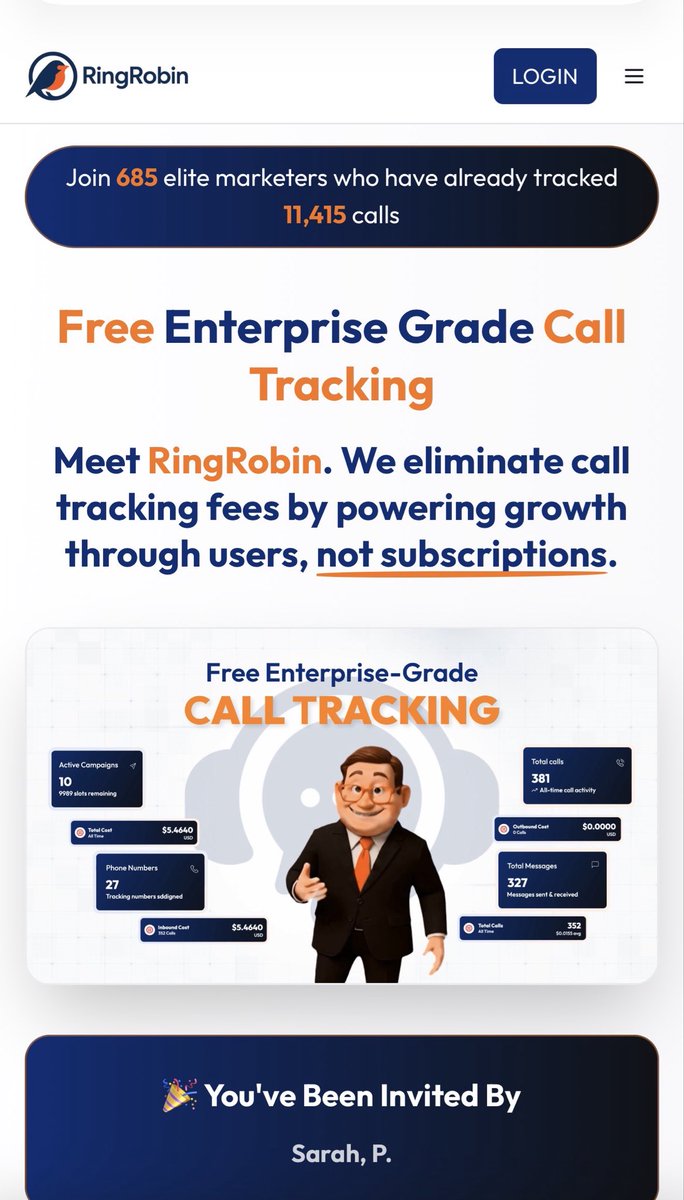
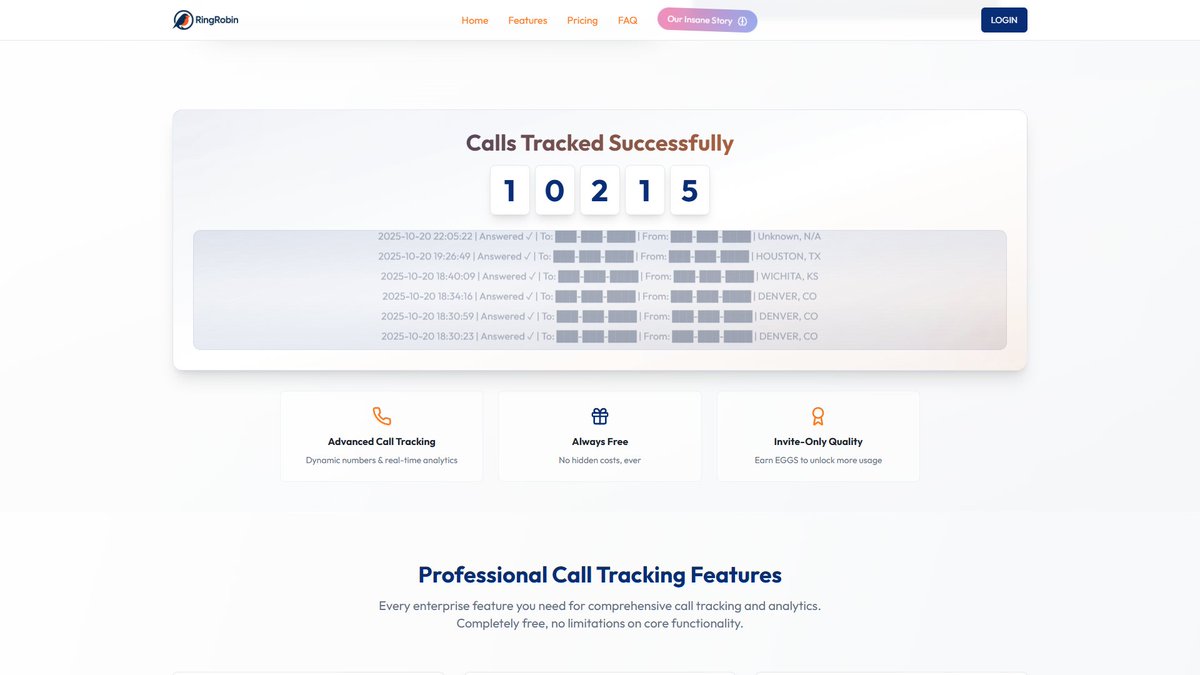
Best vibe coded app so far, Call Tracking app. 11k calls tracked and it’s FREE.
ringrobin.net
#buildinpublic
1
1
2
104
20 Nov 2025
Hey #buildinpublic community, I'm BUSTING my ass off over here and getting zero traction with engagement on X. Tell me what's working for you? I built a wicked directory to help you get more sign ups to your apps, and maybe even flip them.
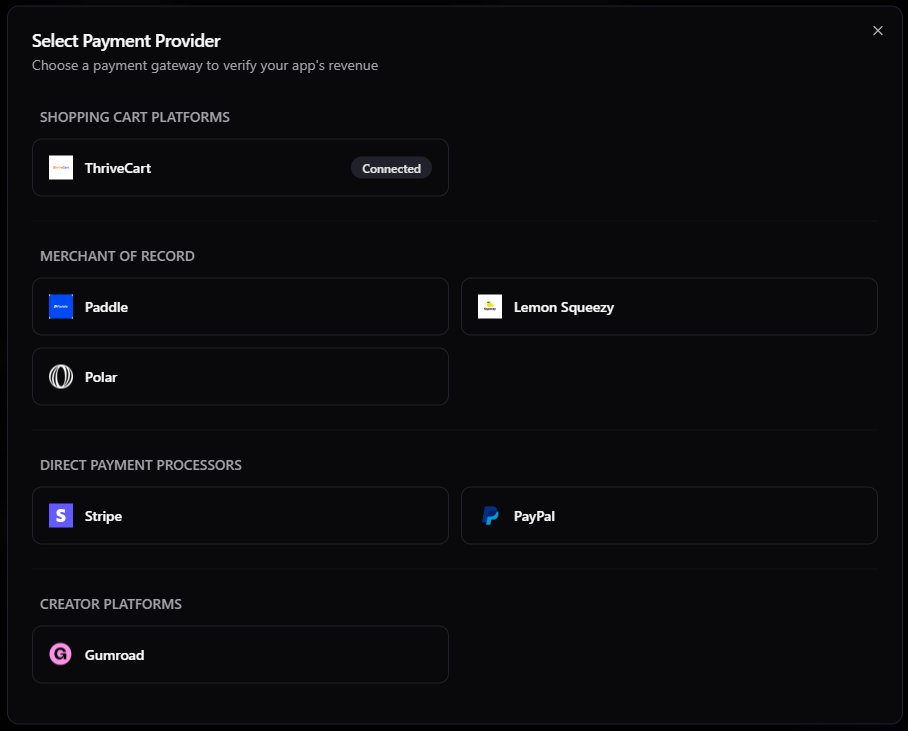
It comes with verified traffic, revenue, internal communication, stats on your app listing and so much more.
If you have an app, the listing is FREE and takes 2 minutes to submit.
Wanna see? vibestrapped.com
1
59
20 Nov 2025
Still paying for call tracking? You won’t after you see this.
Ring Robin gives you enterprise-grade call tracking with zero fees. Yes, completely free.
Get started free: ringrobin.net/a?invite=HF07M…
No subscriptions
No hidden charges
No growth cap
Because Ring Robin grows through its users, not subscriptions.
The secret is Eggs.
Every time you refer someone, you earn Eggs.
Eggs are your in-platform currency that unlock extra campaigns, numbers, domains, analytics, recordings and more.
As you help grow Ring Robin, we expand the limits on your free account. Your success fuels the platform and the platform rewards you right back.
Everything the big providers charge for. Free forever.
Watch the video to see how it works.
#buildinpublic #calltracking #seo #LeadGen
30