
Prof Evol Anthro @DukeU New book ADAPTABLE out March 25/25 Energetics - Human Evolution - Hunter Gatherers hadzafund.org @calorify_health science advisor
Joined August 2013
- Tweets 5,877
- Following 865
- Followers 12,190
- Likes 19,039
240 Photos and videos

Pinned Tweet

23 Oct 2024
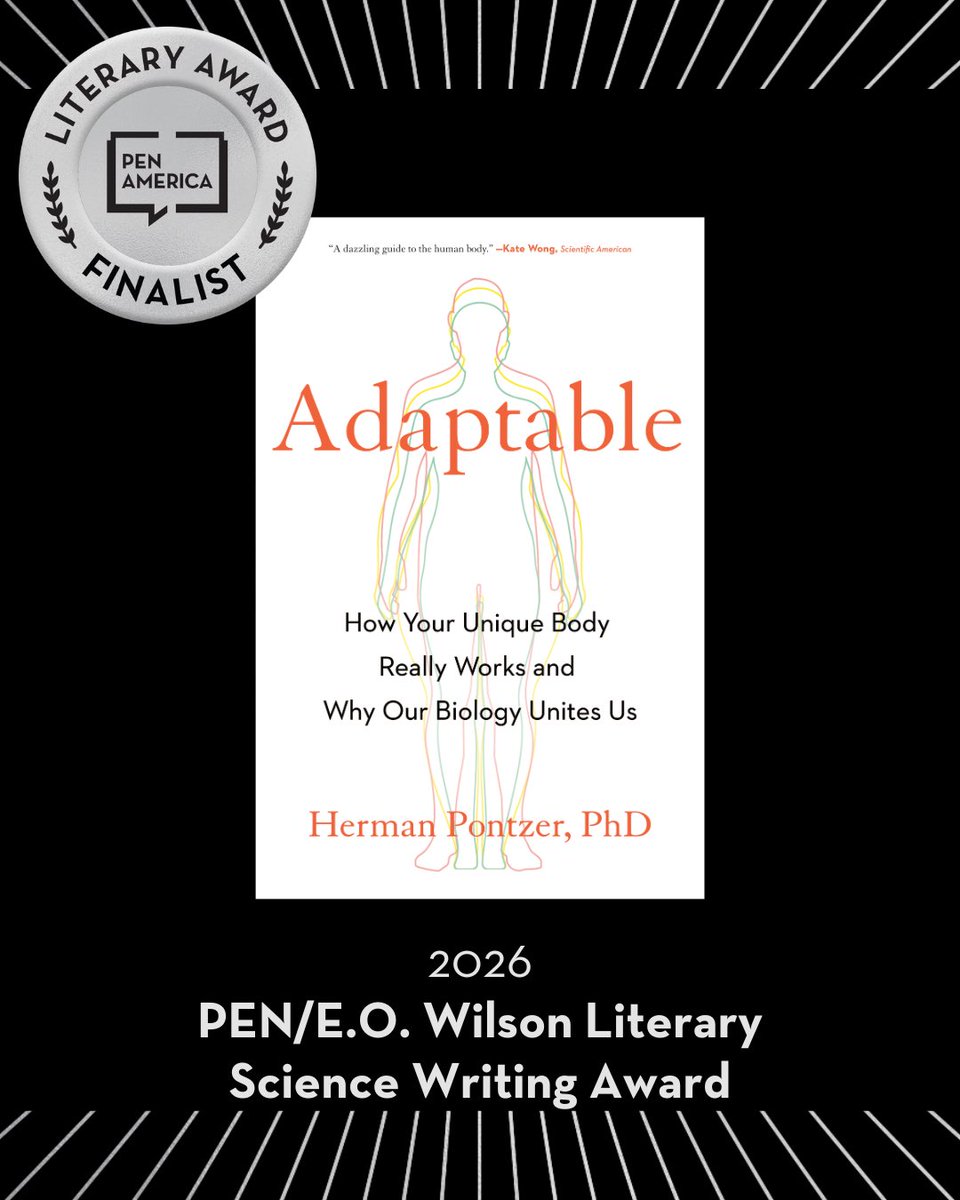
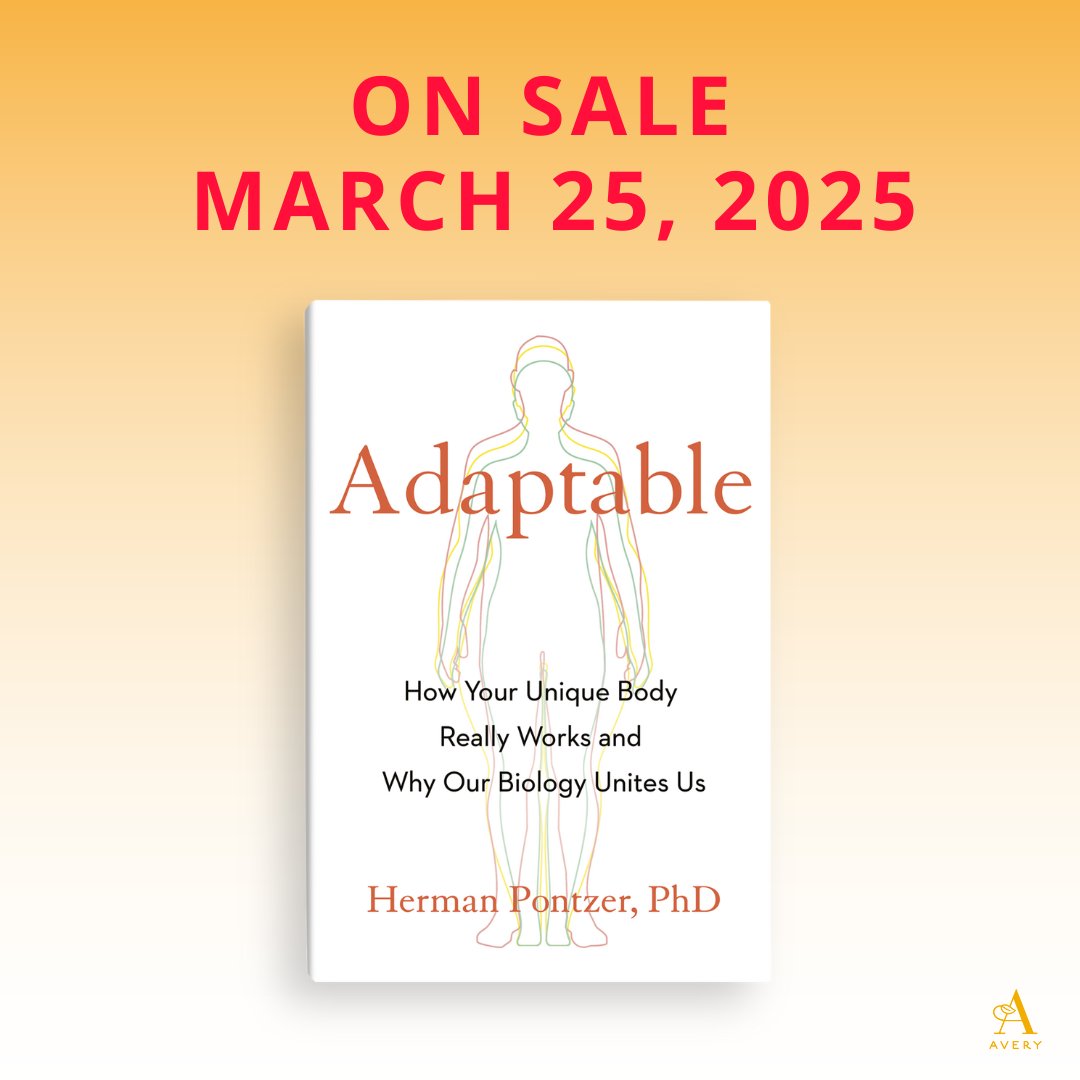
Excited to announce my new book
ADAPTABLE
coming this Spring!
19
39
254
28,710
May 30
Fun human evolution connection: vitamin A poisoning likely killed a H erectus female 1.7 million years ago (they didn’t have twitter docs to save them)
humanorigins.si.edu/evidence…
May 30

Which vitamin overdose can seriously damage the liver?
A) Vitamin C
B) Vitamin D
C) Vitamin A
D) Vitamin B12
Most people think vitamins are always harmless but one can become dangerously toxic if overused.
1
11
1,767
!!Announcing the next round of Isotope Grants for DLW projects!!
Successful proposals get free isotopically enriched water for human DLW studies. Proposals due Sept 1. Details & application here: sites.duke.edu/pontzerlab/dl…
1
9
993
Mar 26
Honored to be elected a @aaas Fellow! More important than ever to promote solid science and communicate it widely.
trinity.duke.edu/news/duke-p…
3
3
40
1,945
Herman Pontzer retweeted

Mar 25
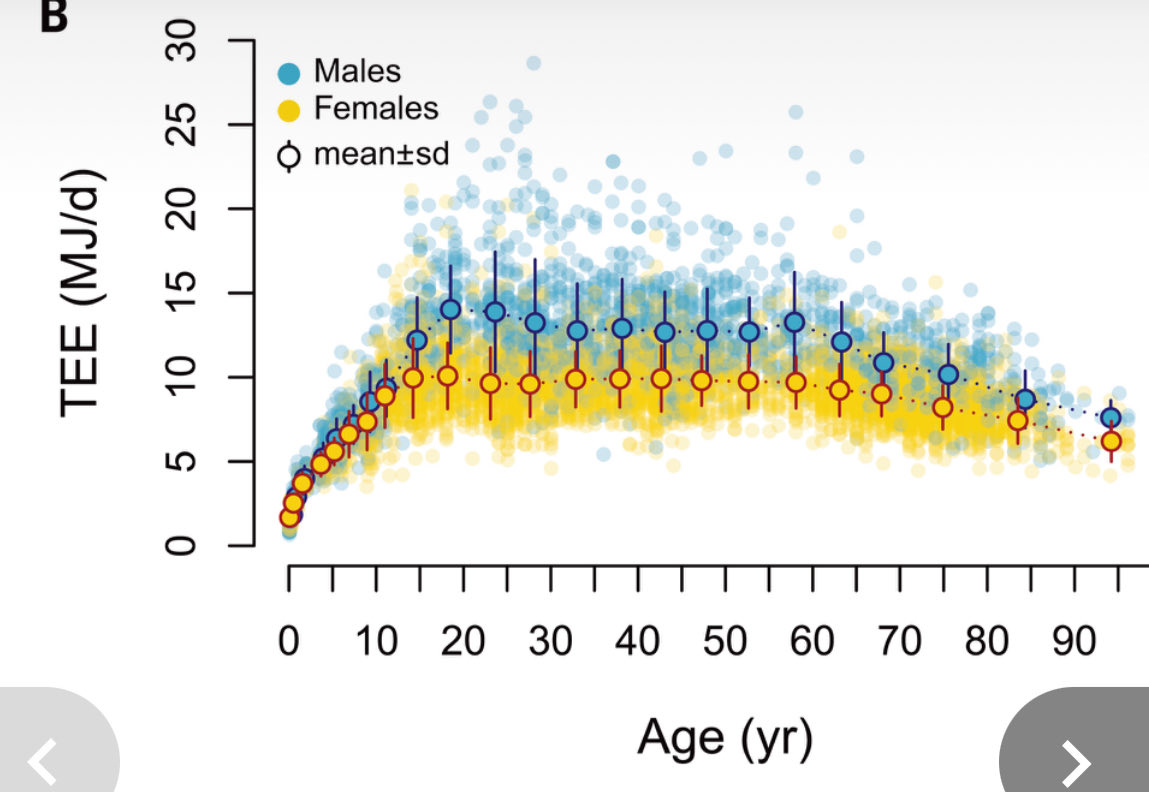
In this episode, evolutionary anthropologist Dr. Herman Pontzer (@HermanPontzer) of the world's leading researchers on human metabolism and energy expenditure at Duke University—joins the show to share what decades of fieldwork with the Hadza hunter-gatherers of Tanzania have revealed about how our bodies really work. We explore what hunter-gatherers actually eat (spoiler: it's not the all-meat paleo diet you've been sold), why the healthiest hearts ever measured belong to a community whose staple foods are unrefined carbohydrates, and the shocking finding that the Hadza—despite walking up to 19,000 steps a day—burn no more calories than sedentary Americans. Dr. Pontzer explains his groundbreaking "constrained energy" model and why your body quietly reallocates energy from inflammation, stress hormones, and reproductive functions when you exercise more, rather than simply burning extra fuel.
We also dive into Dr. Pontzer's landmark Science paper on metabolism across the human lifespan, which upends the popular belief that a slowing metabolism causes middle-age weight gain. The data from over 6,000 people show that your metabolic rate holds remarkably steady from your mid-20s all the way into your late 50s—meaning diet, not metabolism, is what's really driving the obesity crisis. Dr. Pontzer shares practical takeaways: prioritize minimally processed foods, get your fiber and protein, and stop blaming your metabolism for weight gain. The conversation closes with a powerful reflection on what modern life has lost—community, presence, and a healthier relationship with time—drawn from his years living among the Hadza. Dr. Pontzer also introduces his new book Adaptable, a guide to understanding human biology through the lens of evolution.
Timestamps
00:00 Introduction to Human Metabolism and Energy Expenditure
02:35 Hunter-Gatherer Diets: What Do They Really Eat?
09:38 The Role of Honey in the Hadza Diet
10:25 Translating Evolutionary Diets to Modern Contexts
12:14 Health Status of Hunter-Gatherers
14:50 Lipid Profiles and Heart Health in Hunter-Gatherers
19:26 Adaptations of Arctic Diets: The Inuit Example
21:45 Variability in Animal Source Foods Among Hunter-Gatherers
24:29 Debunking Dietary Myths
29:11 Energy Expenditure and the Hadza
32:58 Metabolism Across the Lifespan
42:07 Nutritional Insights from Hunter-Gatherers
47:14 Lessons from the Hadza: Community and Time
50:14 Introducing 'Adaptable': Understanding Human Biology
4
7
44
4,151
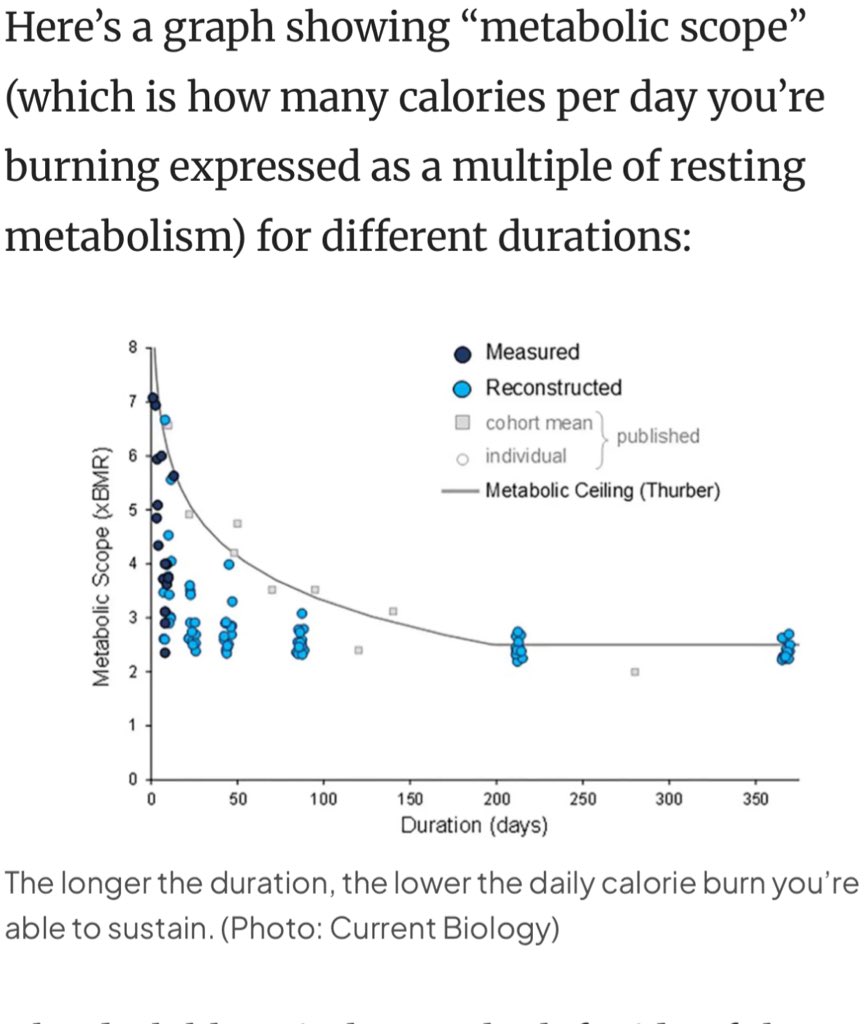
Yes, people training for ultras burn more energy each day than normies. We’ve shown that too:
cell.com/current-biology/abs…
Mar 7

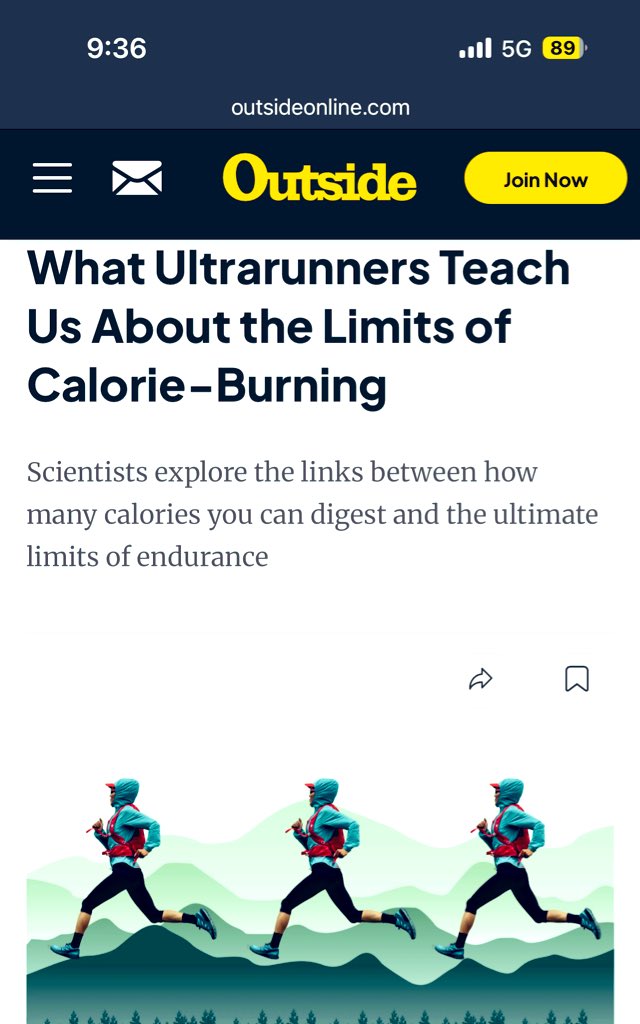
It’s crazy that ultramarathoners training 60-80 miles per week burn MORE calories than sedentary individuals. Is it tho?
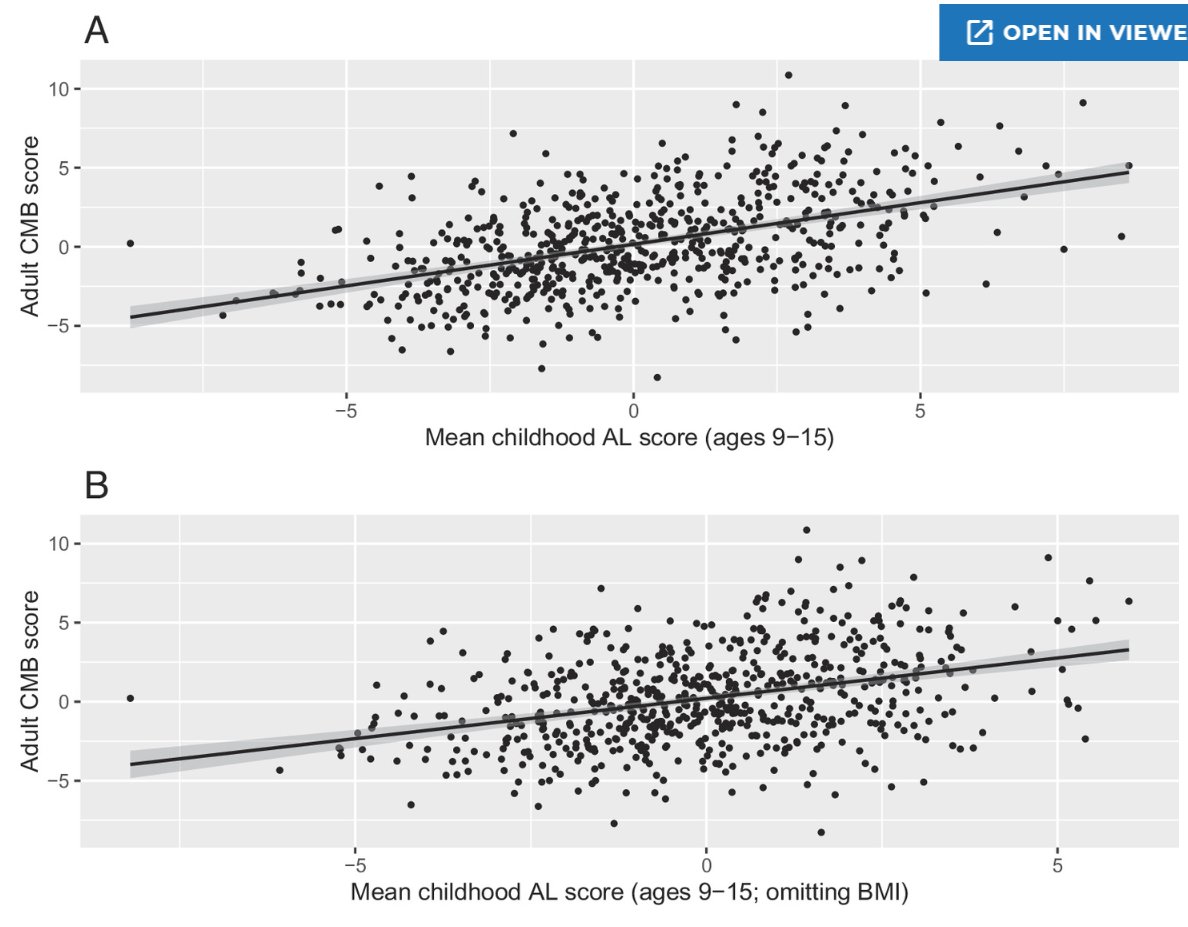
pnas.org/doi/10.1073/pnas.25…
1
1
20
4,884
Feb 11
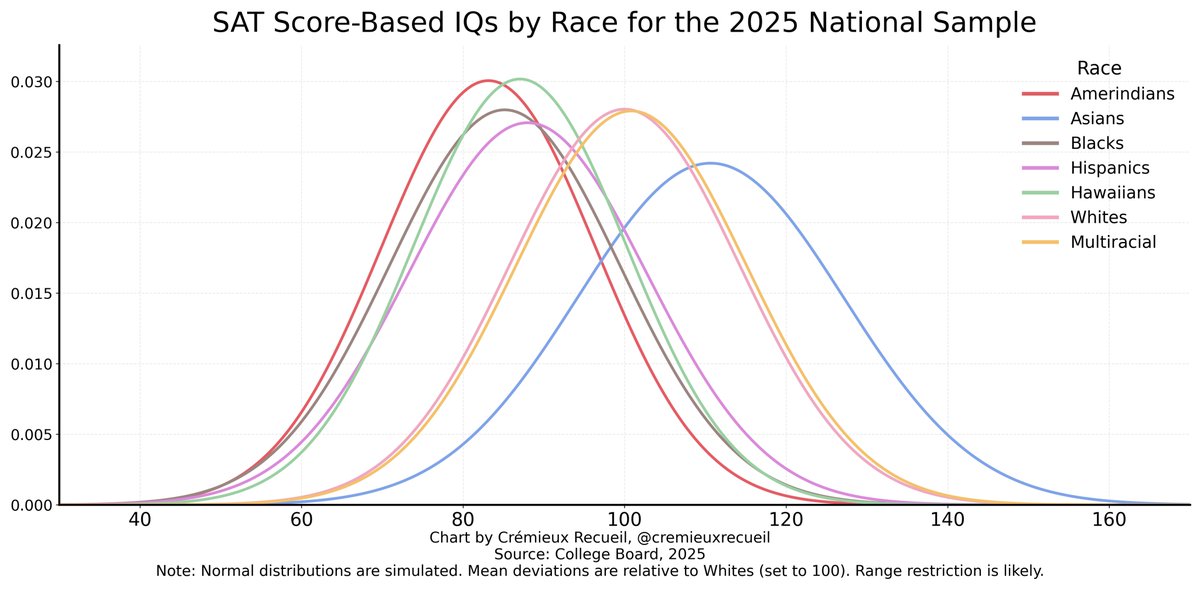
This kind of “race science” for grades or IQ is why everyone should read #Adaptable
Group diffs on tests tell us nothing about underlying biology - but that’s how they’re used.
Feb 11

We now have SAT and ACT data for 2025!
How's that data look? Let's start with the SAT, split by race.
8
3
24
6,641
Feb 10
Excited to see this. Heard a great talk recently by @DanielJDrucker on the many positive non-weight-loss related effects of GLP1s. Receptors for GLP1 are everywhere! Lots more to discover
3
4
34
3,889
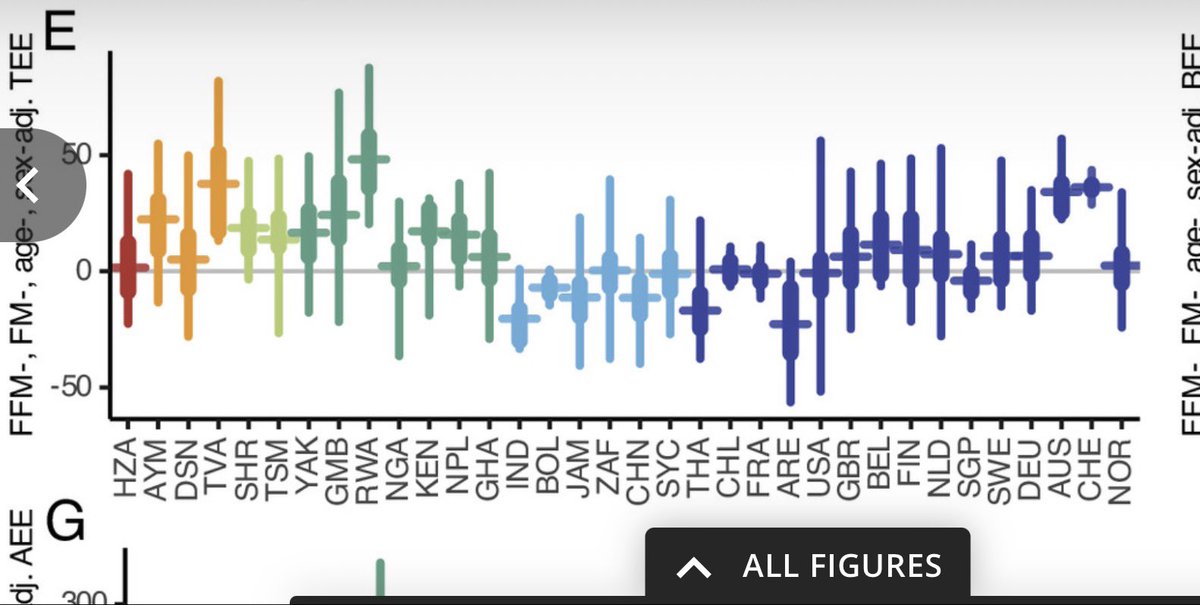
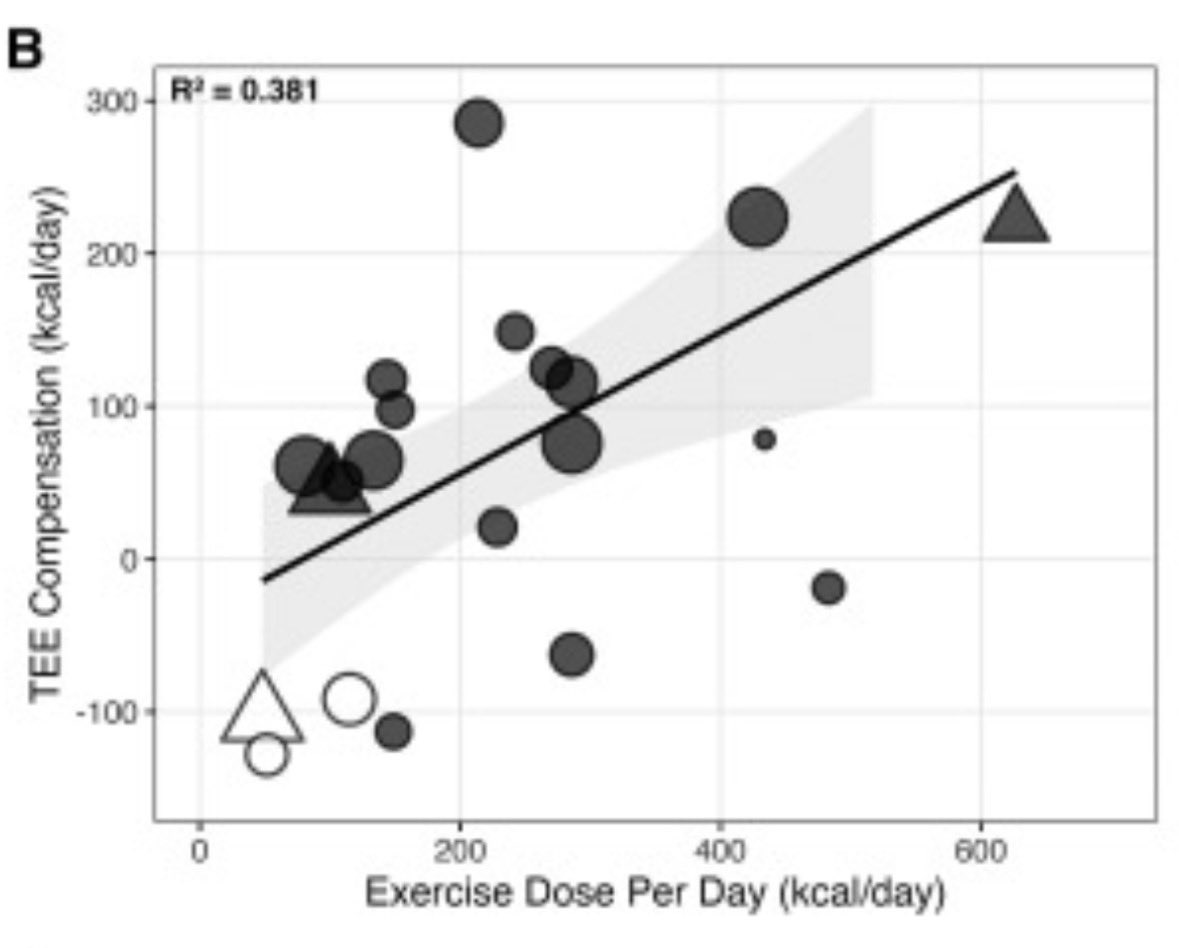
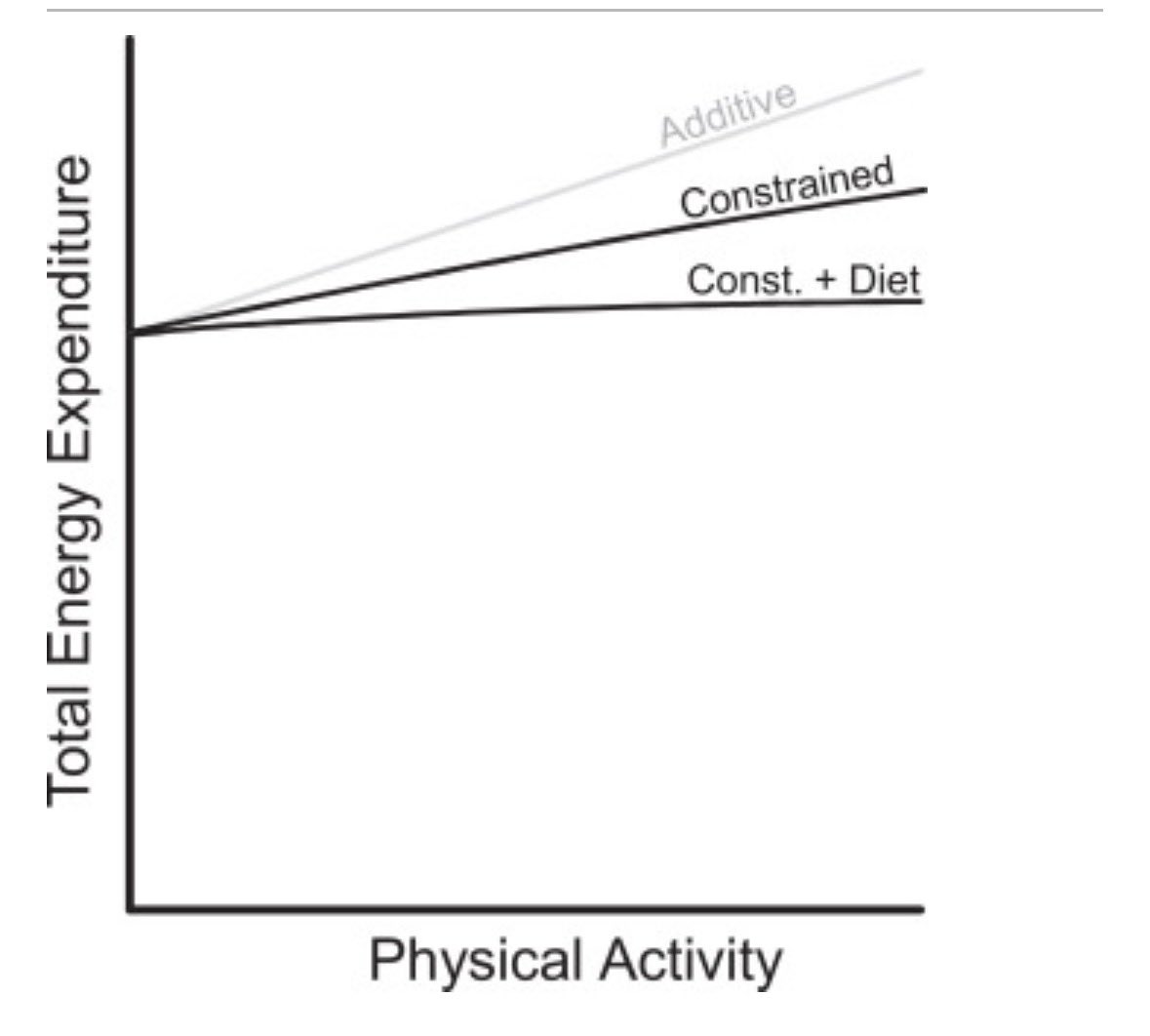
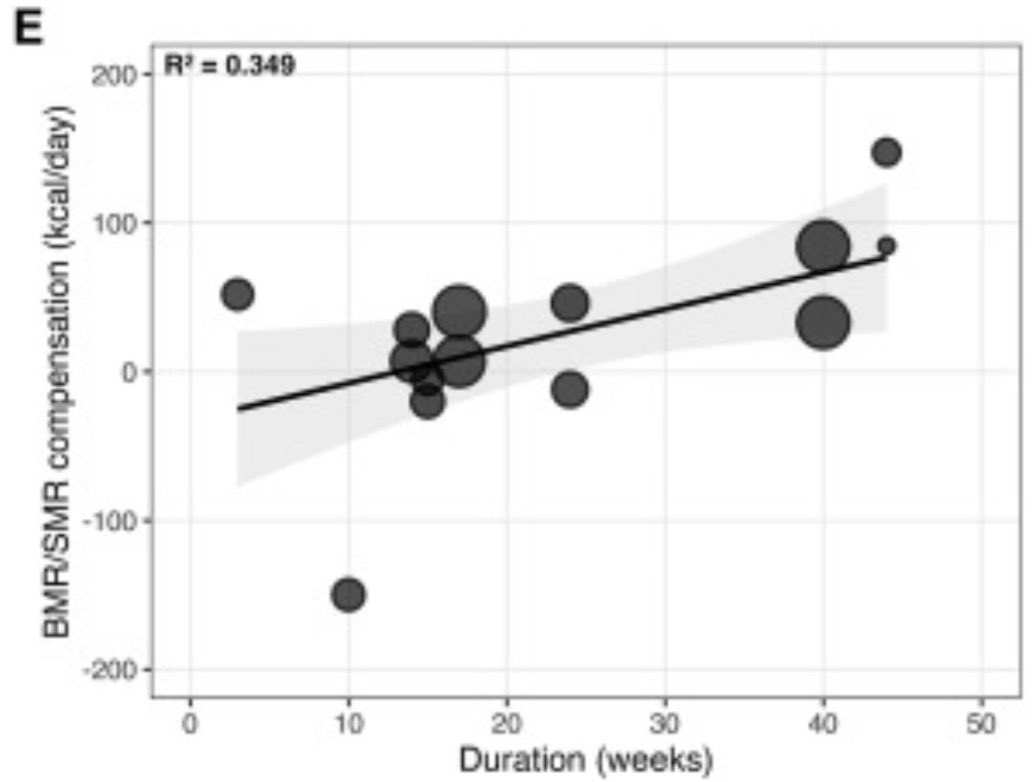
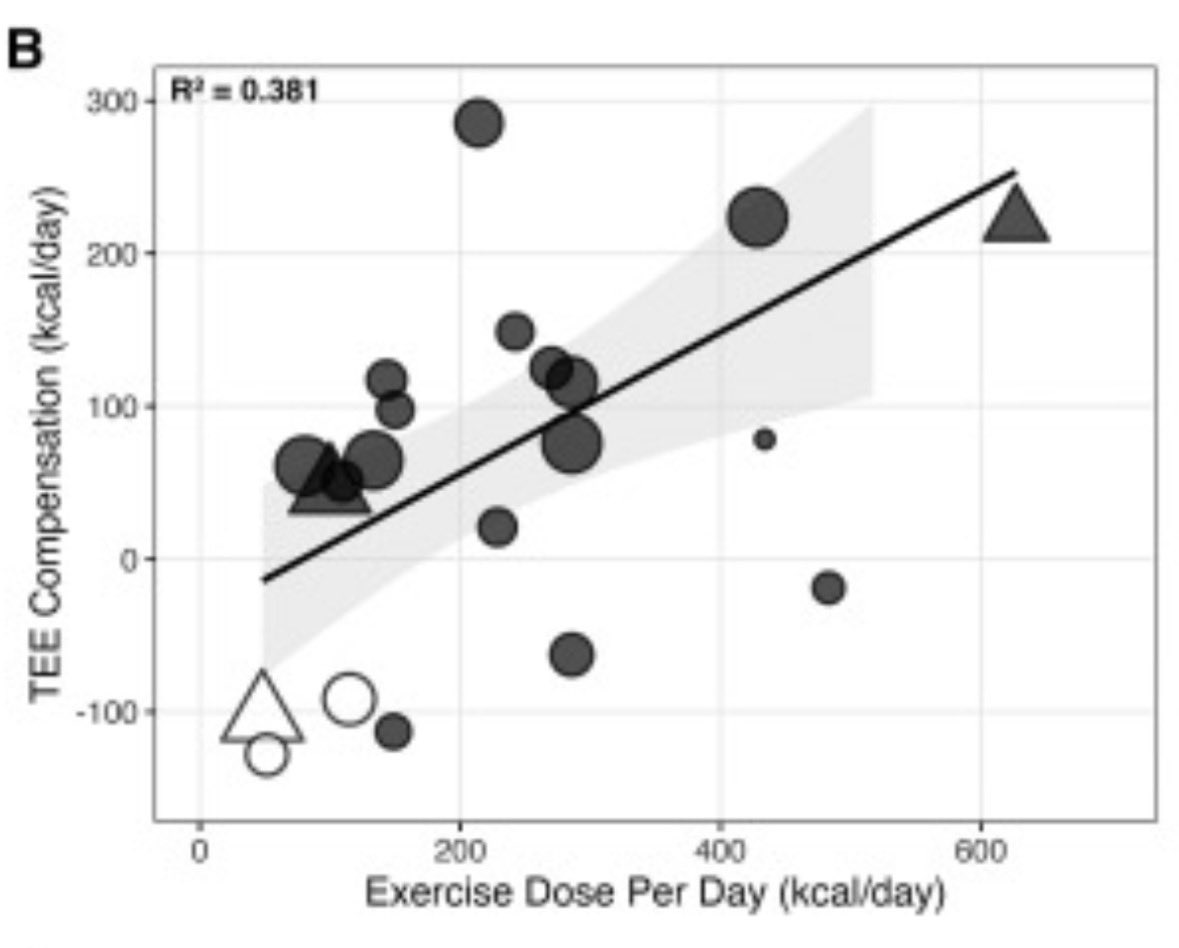
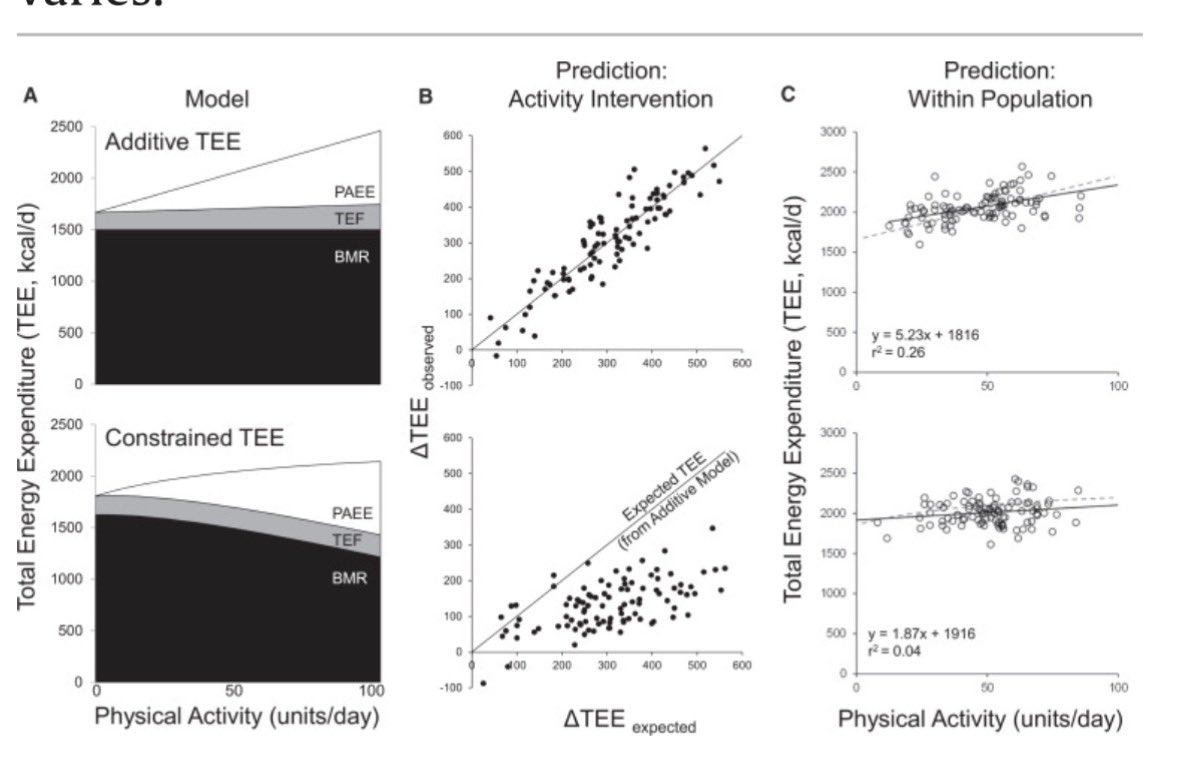
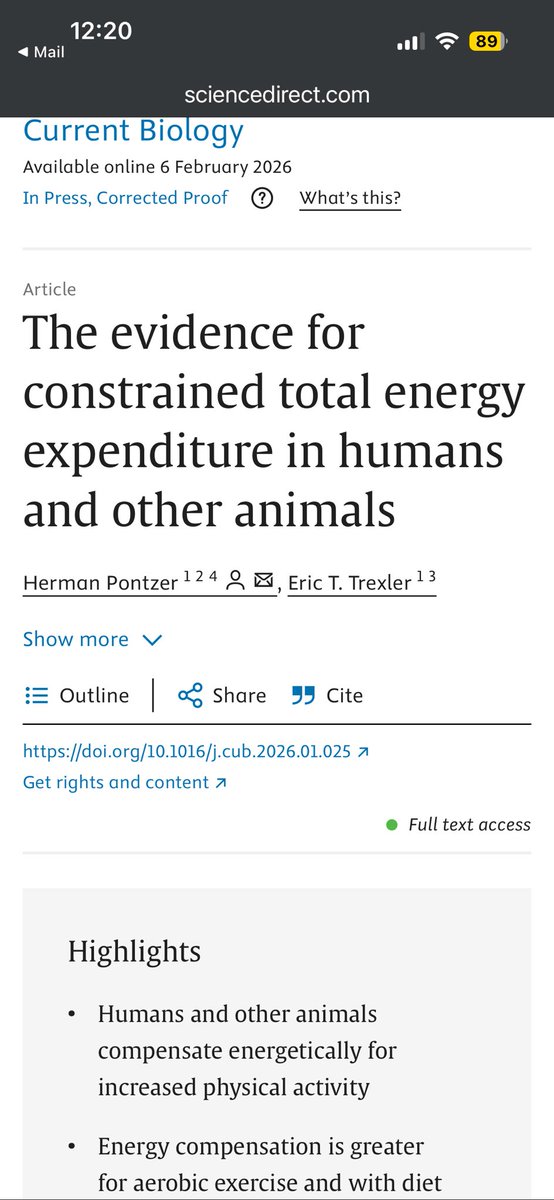
New paper updating the Constrained Energy model w @EricTrexler @CurrentBiology & testing vs Additive model. Punchline: clear evidence for Constrained TEE. Link below
9
35
230
180,606
Lots more detail in the paper! Please have a read. Also some great coverage by @newscientist @mjflepage
newscientist.com/article/251…
3
1
21
2,769