70 years of excellence in technical translation & localization for industrial equipment and medical devices. Multilingual solutions for global markets.
Joined January 2025
- Tweets 249
- Following 67
- Followers 25
- Likes 39
79 Photos and videos



Jun 11
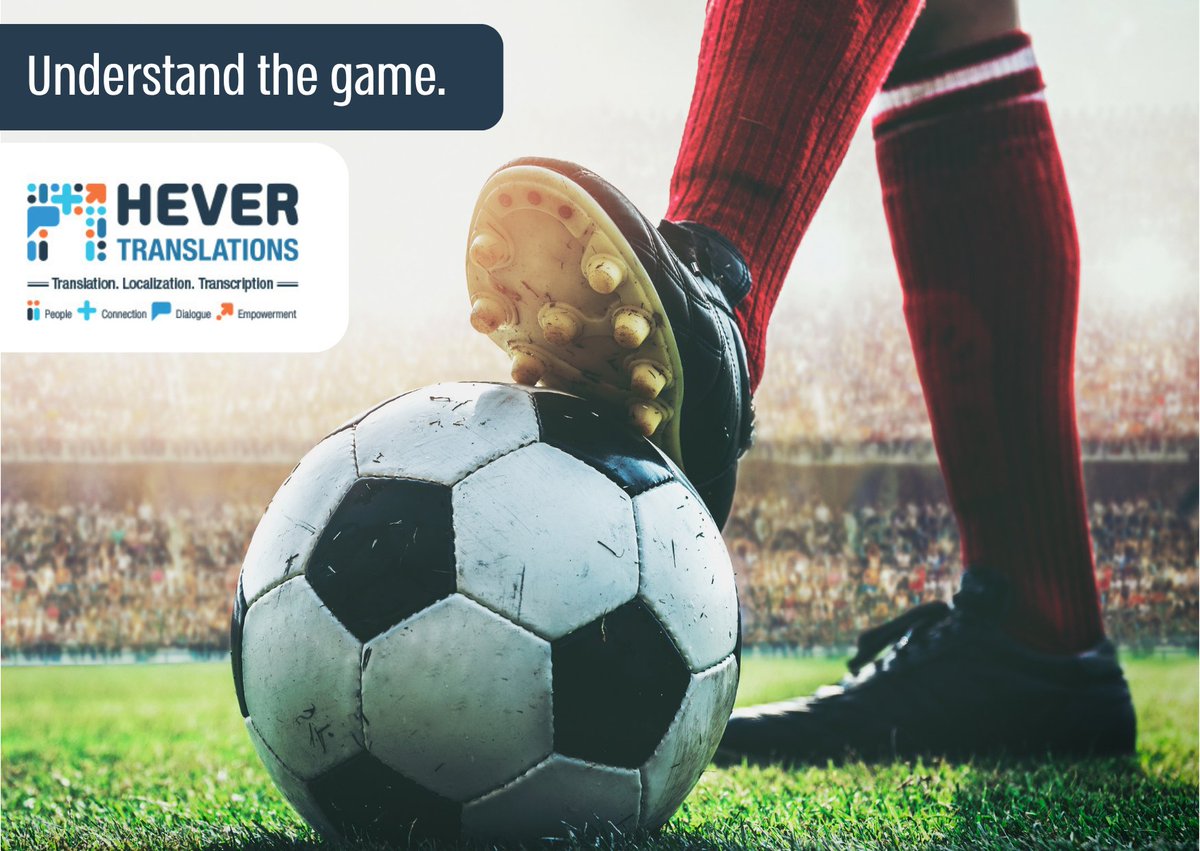
48 teams. 3 host countries. Dozens of languages.
Tomorrow marks the opening of the first FIFA World Cup in history to be hosted by three countries simultaneously – the United States, Mexico, and Canada. One of the world's largest multicultural and multilingual gatherings.
And yet, for 90 minutes, no one needs a translator.
Everyone holds their breath before a penalty kick.
Everyone shouts the moment the ball hits the net. 😱
Or one second later,
when there's a broadcast delay and the neighbors ruin the suspense. 👿
And when someone misses a crucial chance?
Let's just say that swear words are probably the most universal language there is. 🤬
Because sport, like language, brings people together.
Sometimes, it even does so without words.
But the moment the whistle blows and emotion turns into words – interviews, press conferences, broadcasts, subtitles, and content in dozens of languages reaching billions of people – someone has to make sure nothing gets lost in translation.
That's exactly where language professionals come in: understanding the words, the culture, the moment, and everything in between.
Hever Translations – We understand language. We understand culture. We understand people.
And what language comes out first when there’s a heartbreaking miss?
32
Behind every major national project, there is someone pressing Record
When we think about the Metro project, we think about tunnels, stations, trains, urban planning, and a dramatic change in the way we will use public transportation in the coming years.
But before this future goes underground, it passes through something far less shiny, yet far more critical: discussions in meeting rooms.
These days, we continue to support one of the most significant initiatives in Israel’s history - the Metro project - by providing recording and transcription services for the professional meetings, discussions, and sessions held throughout the process.
Dozens of officials, planners, consultants, professionals, and public representatives take part in a complex process that will shape public transportation in Israel for many years to come. Within this, accurate documentation is not “just another protocol.” It is what enables continuity, transparency, precision, and decision-making based on accessible, clearly documented information.
Because in projects like these, especially when billions of shekels, millions of residents, and decades ahead are involved, every word matters.
We are proud to be part of the work taking place behind the scenes, and to contribute our expertise where language, structure, and precision become infrastructure in their own right.
Sometimes, history is being written in meeting rooms. We are there to make sure it is documented, too.
hever.short.gy/transcribe-re…
1
2
9
May 28
Reinventing Words –Ahead of Hebrew Book Week
In 1926, publisher Bracha Peli set up book stalls along Rothschild Boulevard in Tel Aviv. It was the very first "Hebrew Book Day" - the moment that would eventually grow into Hebrew Book Week, marking its 100th anniversary this year.
But Peli wasn't only out to sell books. She was presenting a budding Hebrew language that was just beginning to emerge.
A century later, behind every translated book on those stalls lies one of the most common myths: that translation is simply transferring words from one language to another.
And we know firsthand that literary translation is not copying, but re-creating.
Think of a translator who hits a brilliant pun, a musical turn of phrase, or a cultural nuance with no equivalent in the target language. Translate it word for word, and the meaning slips away. Sometimes the translator's job is to move away from the original, precisely in order to stay true to the author's emotion and intent. Sometimes, even to invent something new.
Take Voldemort, from Harry Potter. His name is a puzzle the author planted for translators: "Tom Marvolo Riddle" rearranges into "I am Lord Voldemort." Every translator in the world had to rebuild that anagram from scratch in their own language. In Hebrew, Gili Bar-Hillel reinvented his middle name - "Tom Vanderolo Riddle" - so the letters spell out "I am Lord Voldemort" in Hebrew, too.
And that's the whole magic. ✨
Next time you flip through a translated book at the fair, take a look at the translator's name too. Behind every sentence that reads effortlessly stands someone who cracked the puzzle so the book would feel exactly that way.
We're curious: what's your favorite translated book - one whose translation felt simply perfect? Tell us in the comments!
hever.short.gy/תרגום-ספרותי
1
3
15
May 20
On Shavuot, we read the Book of Ruth.
At the heart of the scroll are four Hebrew words — one of the most translated declarations in human history.
"עַמֵּךְ עַמִּי, וֵאלֹהַיִךְ אֱלֹהָי."
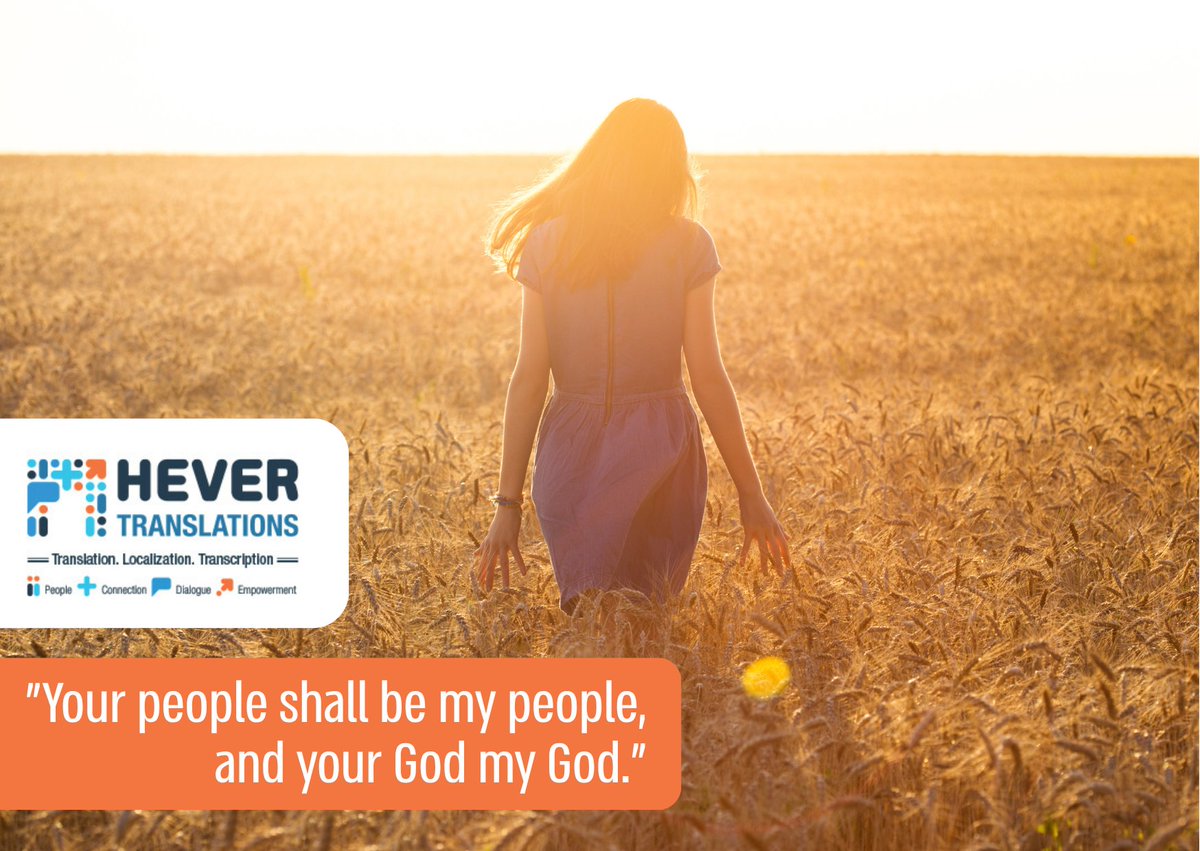
"Your people shall be my people, and your God my God."
Bethlehem, around three thousand years ago.
Naomi, an Israelite woman who has lost her husband and both her sons in a foreign land, returns home, devastated.
With her, two Moabite daughters-in-law.
"Go," she tells them. "Return to your mothers' homes."
One kisses her goodbye, but the other doesn't move.
And then come the four words.
Ruth the Moabite, though she is a stranger, a widow, poor, and from a despised people, doesn't say "I'll come with you," or "I'll live with you." She says: "Your people shall be my people, and your God my God."
With great wisdom, she mirrors Naomi's possessive pronouns, stepping into her language — literally.
Because Ruth's story is not just another story of migration — it is a story of belonging.
And that's something only the most precise words can convey.
A good translator knows: a precise word is the difference between foreignness and home.
Three generations after those words were spoken, David, King of Israel, was born.
Happy Shavuot!
hever.short.gy/hever
2
18
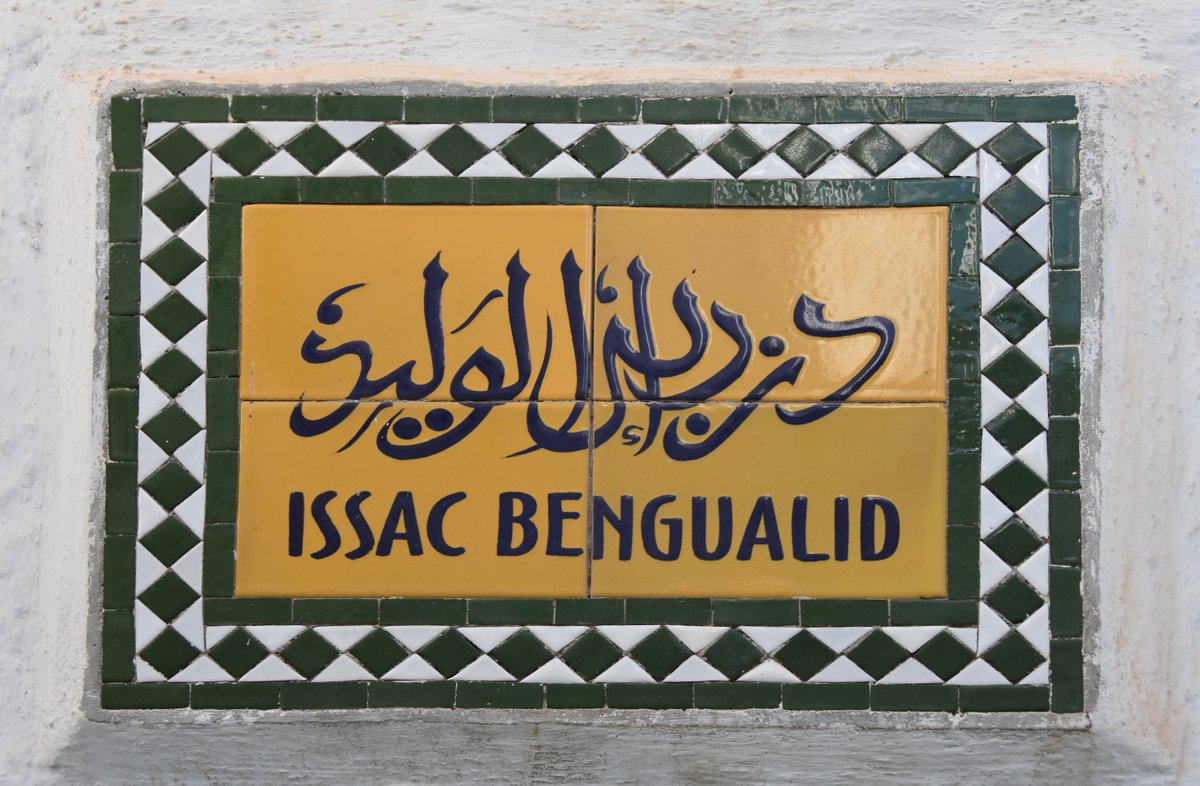
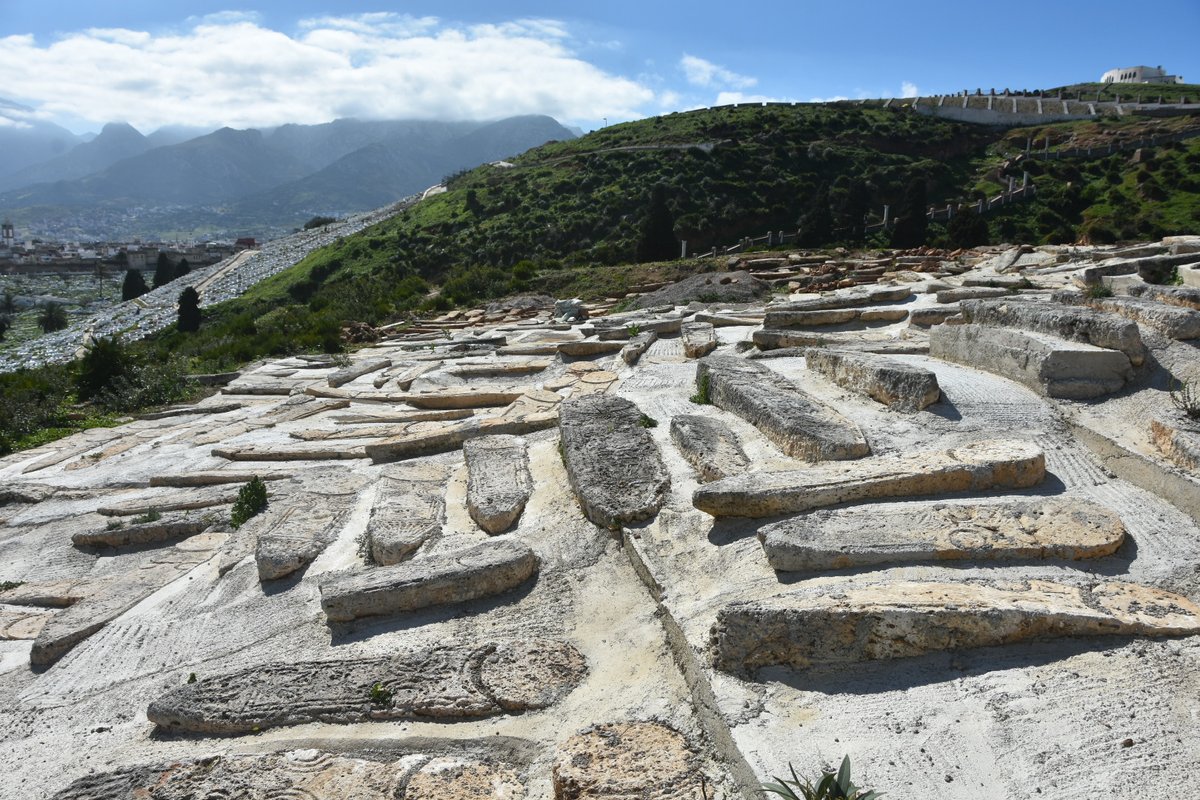
Only a few hundred speakers of Haketia still remain worldwide.
The Judeo-Spanish dialect of northern Morocco, Haketia evolved through centuries of cultural exchange, blending 15th-century Castilian Spanish, Biblical Hebrew, Moroccan Arabic, and French into a language deeply tied to the history of the communities that spoke it.
Truly understand it requires more than vocabulary alone.
It requires an understanding of culture, context, and shared memory.
Once a year, in Tetouan, it comes back to life.
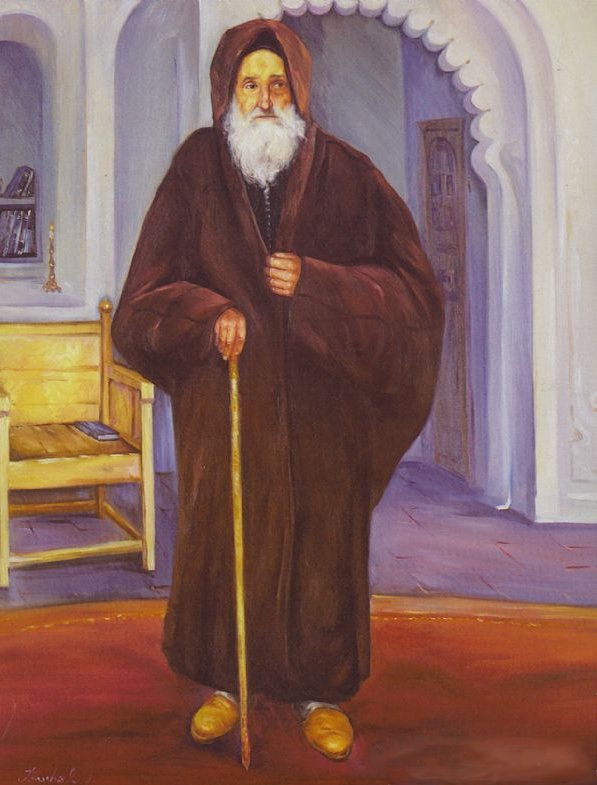
During the annual hilula of Rabbi Yitzhak Ben Walid — a 19th-century kabbalist whose family was expelled from Spain in 1492 — traditional piyutim are sung in Haketia at his tomb. Rabbi Ben Walid authored Vayomer Yitzhak, a collection of rabbinic responsa still studied today.
This year, around 100 participants from the Jewish communities of Casablanca, Tangier, and Tetouan attended the event, including our own Tomi Valny, a Project Manager at Hever Translations who lives and works remotely from Morocco — and is among the very few Jews still living in the city.
Professional translation is rarely just about words.
Canadian French is not the same as Moroccan French. British English is not identical to American English. A software interface that feels natural in Spain may feel completely foreign in Mexico.
In Haketia, that complexity is visible on the surface. In many other languages, it simply hides more quietly.
At Hever, we understand language.
We understand culture.
We understand people.
Thank you, Tomi, for the photos, the stories, and the inspiration.
k5f4qz.short.gy/global-bridg…
3
19
Apr 30
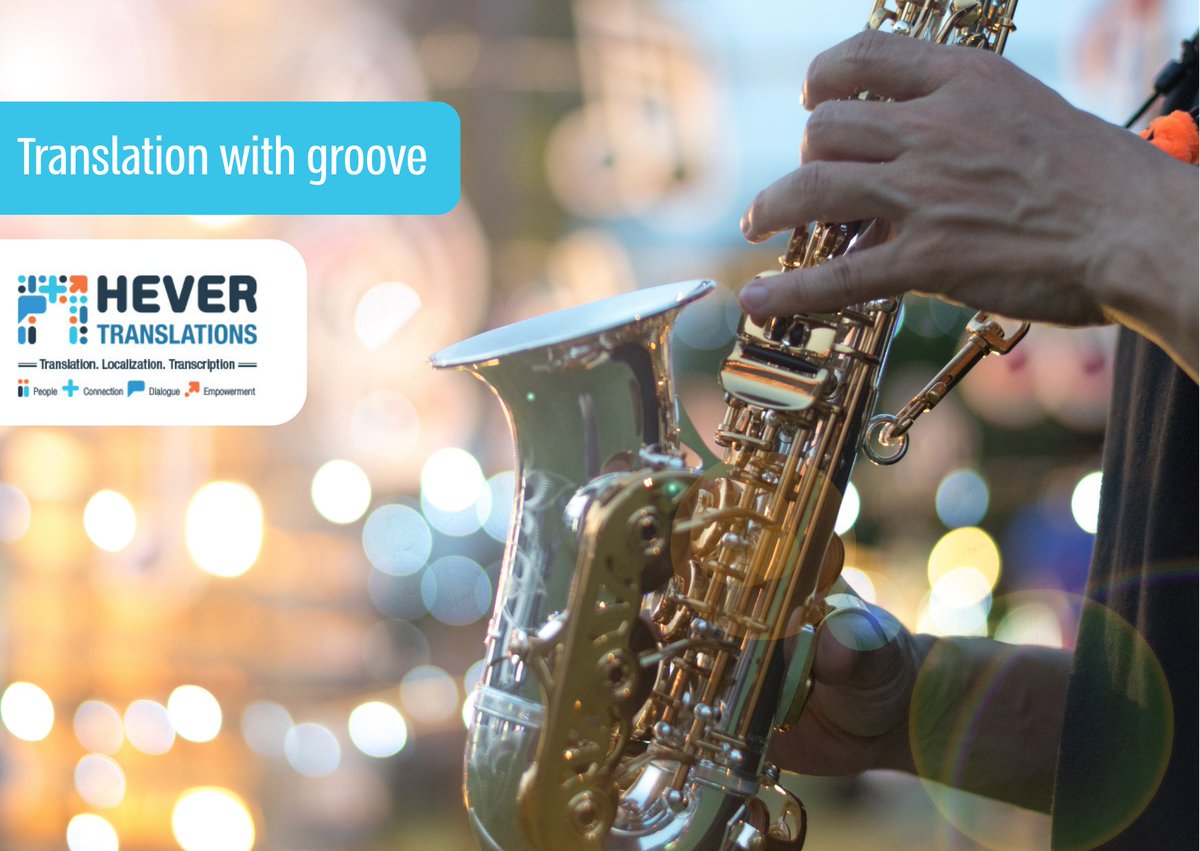
Today, the world marks International Jazz Day 🎷
15 years after UNESCO declared it a day dedicated to music that crosses borders, cultures, and languages.
Jazz is often called a “universal language.”
Everyone can feel it. Not everyone can translate it.
Try translating words like:
swing, groove, riff, scat, blue note.
You can explain them.
You can even find dictionary equivalents.
But truly translating them?
That’s a whole different story.
Because swing isn’t just “swaying,”
and groove isn’t just “rhythm.”
These are words that live inside culture and history.
Inside the body. Inside context.
And that is exactly where the difference lies between literal translation
and translation that understands the melody behind the words.
Jazz did this all over the world:
In Brazil, it became bossa nova.
In France, it coupled with the chanson.
In Israel, it found a local voice of its own.
That is localization in its most beautiful sense:
the same basic language, but in every place — with a slightly different soul.
And that is exactly what we do best:
we carry context. Culture. Intention. Rhythm.
To wrap things up, here’s a little jazz piece that proves even two simple words can be almost impossible to truly translate:
Miles Davis – So What 🎧
youtube.com/watch?v=zqNTltOG…
Hever Translations.
We understand language. We understand culture. We understand people.
2
267
Apr 23
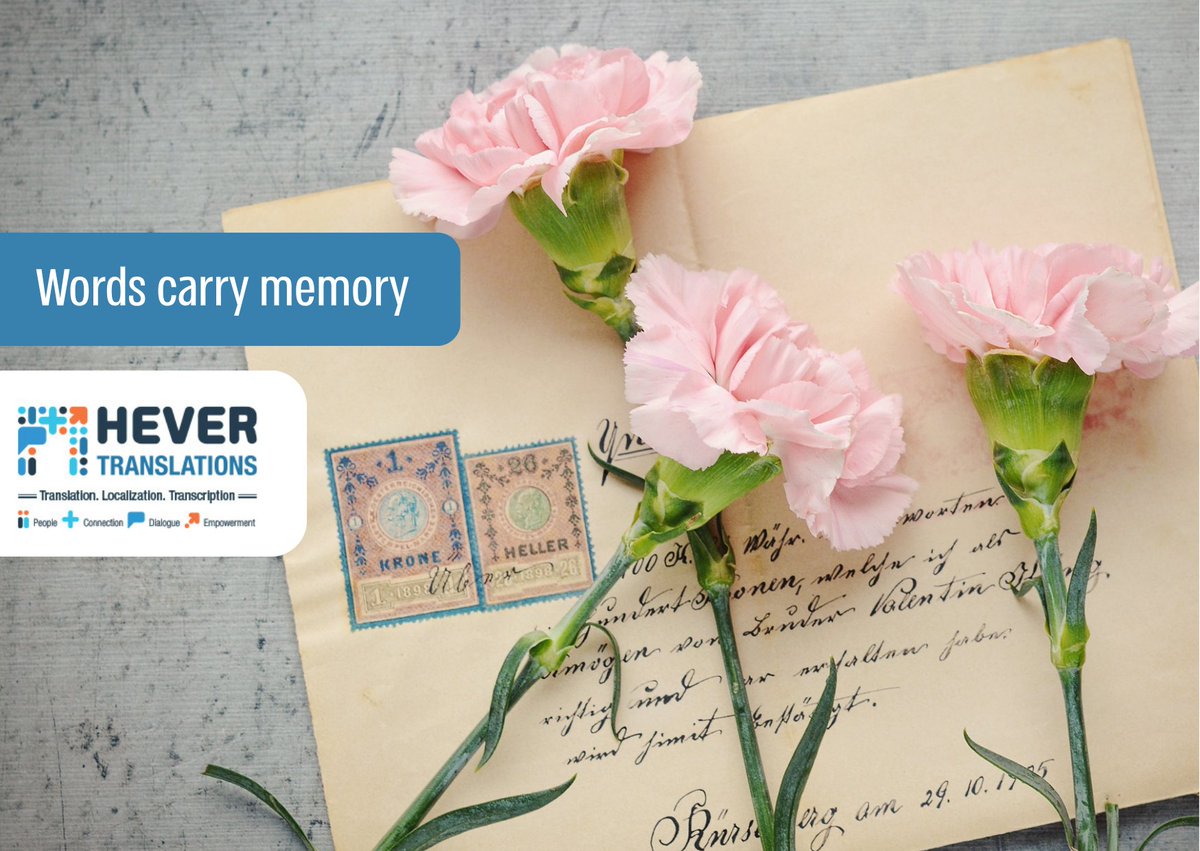
The day after Independence Day brings with it a different kind of quiet – one that sharpens not only the contrast with the noise, but also the meaning that resonates within it.
A few years ago, we worked on a translation project for the World Zionist Organization, centered around a personal letter by the late Staff Sergeant Adi Leon, written before he entered Gaza, with the quiet awareness that he might not return.
At moments like these, translation stops being a technical task. It becomes a process of careful, deliberate decision-making: how to preserve a personal voice without "improving" it, how to convey emotion without overloading it, and where to consciously choose not to intervene, so as not to disrupt what is already whole.
The challenge is not only linguistic accuracy, but fidelity to the original – because in texts like these, every choice shapes how the story will be read and understood in another language. Our goal was not to rewrite, but to carry the text forward, clearly and precisely, in a way that honors the original.
On a day like this, it's easy to remember that these stories are not just memories. They are part of what holds language, culture, and people together. We are proud to take part in projects like this – to be there in both the defining moments and the quiet ones – as part of the story of the State of Israel since 1956.
May his memory be a blessing.
2
14
Apr 13
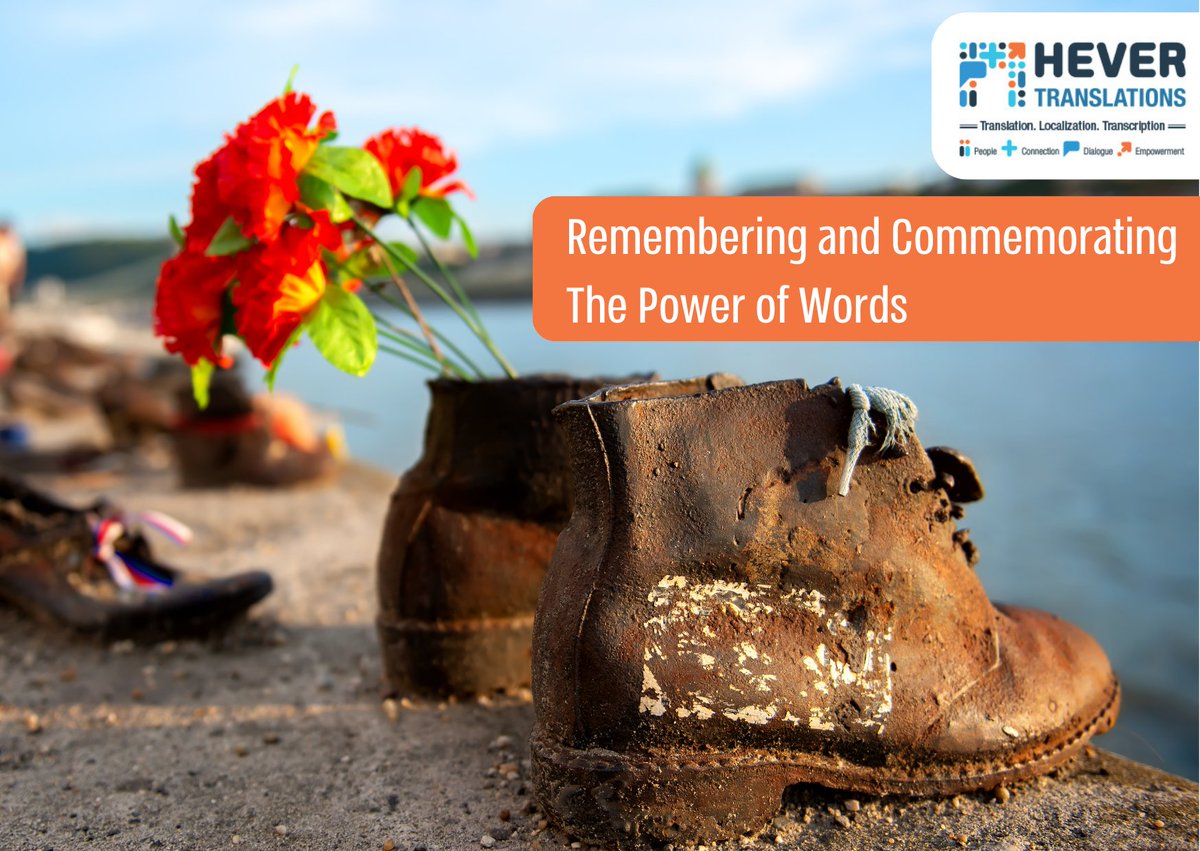
Holocaust Remembrance Day | When a single word preserves the truth
When a Holocaust survivor sits down to share their testimony, they speak in their own language - the language of the heart, the one in which they lived, loved, and dreamed before the war.
But for the world to understand, these words must be translated. Precisely. Responsibly. With no room for mistakes.
At Hever Translations, we know this firsthand.
Having played a central role in the transcription and the Eichmann trial proceedings, we understand that every syllable matters. There, at Beit Ha’am in Jerusalem, we learned that translating Holocaust testimony is not just a technical task - it is an act of national responsibility.
When we transcribe diaries, testimonies, and official records, we don’t just translate words.
We preserve nuance, identity, and the human story.
An inaccurate term or a wording that strays from the original doesn’t just harm the text - it harms the truth.
Today, we bow our heads in memory of the victims.
We remain committed to our professional and moral duty: to document, to translate, and to keep the truth alive, for the past and for the future.
We remember. We do not forget.
hever.short.gy/hever
1
13
Mar 17
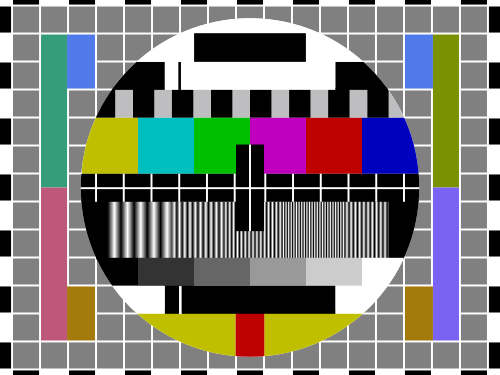
In the past, when the screen switched to this image, we all knew the broadcast was done.
But this image wasn’t meant to send us a message. It was a Test Card, designed to check that everything on the TV screen was working properly:
The circle – is to see if the image stretched or distorted
The grid – is to verify that everything is properly aligned
The black-and-white bars – check for sharpness and resolution
The grayscale – illustrates contrast
The bright colors – used to detect color deviations (for example, if red looks orange, something’s off)
In other words, this isn’t just an image. It’s a language.
A language that speaks to the television.
Every small detail is a quality check in of itself.
The same goes for translation. It’s not enough for a text to simply “work.”
You need to make sure the meaning is preserved, the tone is accurate, and the text truly speaks to people in their own language.
At Hever Translations, we don’t just translate words.
We fine-tune the entire picture so your message looks and sounds exactly as it should.
k5uneg.short.gy/tX8zeA
1
2
19
This year, International Women’s Day feels a little different.
As we talk about women’s rights and the progress made over the past century, it’s hard not to think about the women who are on the front lines today – pilots, combat soldiers, police investigators, and many others taking part in the ongoing security effort.
But the path that led to this point was not always obvious. Sometimes significant changes begin in the small details – a word added to a law, a phrasing that redefines what is possible, or a door opened to those who were previously not allowed to walk through it.
That was the case in 1995, when Alice Miller led a legal battle that ultimately opened the Israeli Air Force pilot training course to women.
A small change in the wording of the rules became a major opportunity for future generations of women that followed.
In our latest Hever Translations newsletter, we gathered several stories about the connection between language, translation and women’s rights – from AI systems translating gender, to hashtags that became global movements, and the different ways cultures mark International Women’s Day.
Read more:
hever.short.gy/cjP7nU
1
3
17
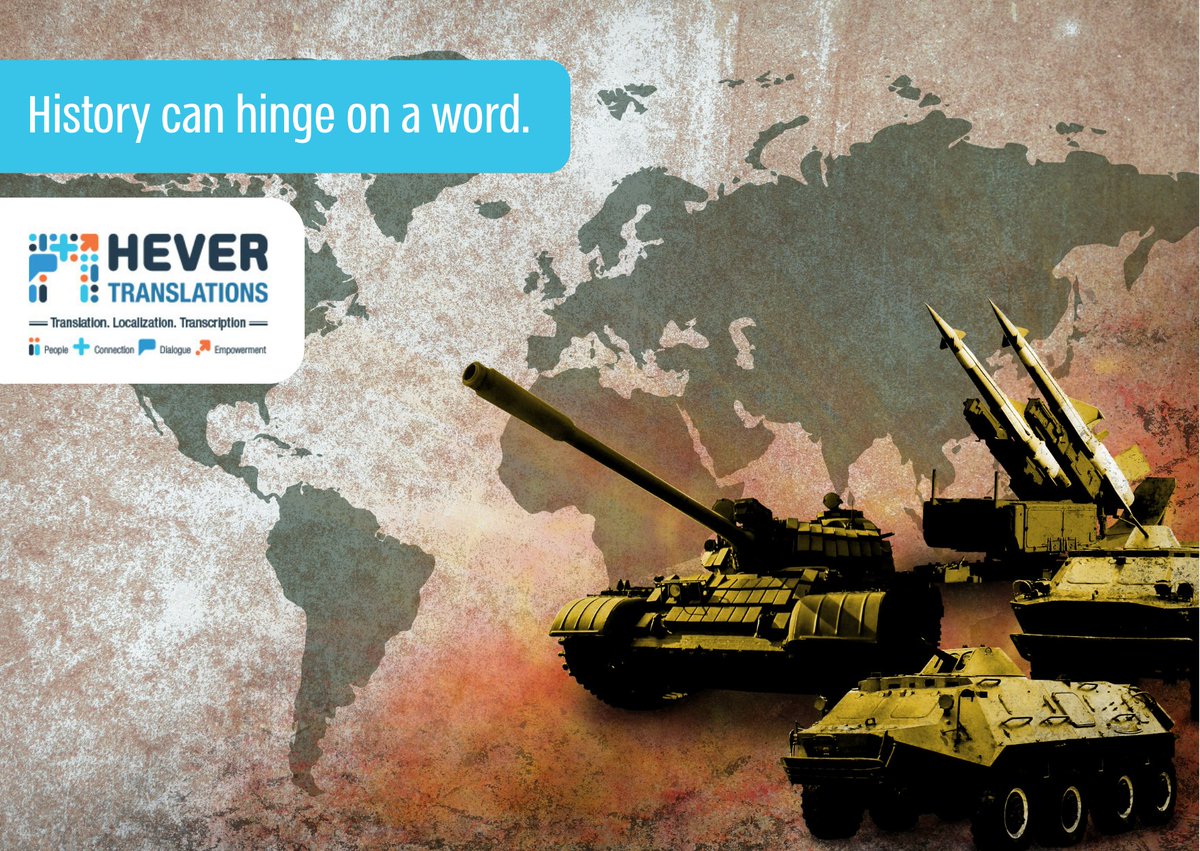
Sometimes the difference between war and peace is a single word.
In July 1945, Japan’s response to the Allied ultimatum included just one word:
mokusatsu.
It is a small Japanese word with several possible meanings:
to ignore,
to respond with silence,
or simply: no comment at this stage.
In the tense world of war, political pressure, and diplomacy, such nuances do not always survive the journey between languages.
The translation that circulated internationally was interpreted as a dismissive refusal to surrender.
A few days later —
Hiroshima.
Nagasaki.
This may be one of the most striking examples of how words are never just words.
Sometimes, they become strategic weapons.
That is precisely why, in times of war, every leader’s statement, every piece of intelligence, and every diplomatic message must be accurate down to the finest nuance.
In our new article, we set out to explore the work of the “silent warriors” — translators.
How did language shape battles during World War II?
Why was the Cold War “hotline” between the United States and the Soviet Union designed for written messages rather than speech?
And who are the professionals today sitting behind headsets, catching nuances that no AI system can fully grasp?
Read the full article:
hever.short.gy/GnqBlA
1
2
14
Feb 23
Some professions get all the credit.
Others work quietly.
Good translation is in the second category - like sound design in a film that's so natura and on point it doesn't even register.
But if something about the sound is just a bit off? Everyone notices.
Take, for example, the English word “Liability” in a financial report. Does it specifically mean a liability or is it an obligation or a risk?
In Hebrew, the equivalent term can sometimes carry a more positive connotation, closer to “responsibility.”
In an ESG report, that kind of confusion could lead an investor to read a risk as an opportunity.
Currently, we’re assisting several companies and financial institutions with both yearly statements and ESG reports - in Hebrew and English, simultaneously, under particularly tight deadlines (and in heels!)
We coordinate across teams, update each version in real time, and deliver a single flawless product – as if that file had been built in English from scratch..
And when the report goes live, no one reading it is concerned with the translation.
They focus on numbers, performance, strategy.
And that's exactly the way it should be.
hever.short.gy/NAyfb7
1
1
10
Feb 15
How do you say “All-Star” in Hebrew?
That's a trick question - you don’t!
But we do say block (hasima).
As well as timeout (psak zman).
And a dunk?
Sometimes it’s just a dunk.
Sometimes it’s a “hammer.”
(But never a “patish.”)
That’s the point.
Some words travel.
Some words get localized for a more familiar touch.
And some stay a little exotic, because that’s what gives them that extra oomph.
Tonight, as Deni Avdija steps onto the NBA All-Star Game court, no one's worrying about the language.
When it’s done right – it just works.
Localization isn’t a matter of referring to a dictionary.
It’s knowing your audience and making sure the right words just flow naturally.
Best of luck, Deni 🙌
May the message land – especially at 3AM in Israel.
Want to get your message across in another language?
hever.short.gy/hever
2
3
19
Feb 11
23 billion dollars isn’t just a number. It’s a language.
23 billion dollars.
That's how much Google paid to acquire Wiz, a deal that reminds us that money talks – and loudly.
But in the financial world? Money doesn’t talk. It’s withdrawn.
And now it’s reporting season.
CFOs are moving fast. Investors are reading between the lines. Regulators are checking that all the i's are dotted and the t's are crossed.
There’s no room for "approximately" in a financial report.
You have EBITDA / Diluted EPS / Fair Value Adjustments.
And each of these terms must be translated correctly and according to standard.
IFRS is not US GAAP, just as Revenue is not always Income.
A small wording mistake can change how a report is interpreted.
How a text is interpreted can change a decision.
And decisions are, sometimes, worth billions 😉
This is where true expertise comes in:
Financial translation isn’t a linguistic service.
It’s a layer of control. A layer of precision. A layer of accountability.
For 65 years, we’ve been translating financial reports for public and private companies, with translators who double as economists, and with multi-stage quality control, and a deep understanding of standards, business context, and regulation.
Need your reports to be up to snuff in every language?
👉K5F4qZ.short.gy/financial-tr…
1
3
30
Jan 22
One Product. Two Audiences. And the text? Like night and day
We recently worked on two projects for the same medical product.
One brochure for healthcare professionals.
Another, almost identical in content, for patients.
Sounds simple? It’s anything but.
The version for medical staff required translating complex clinical concepts, precise terminology, and language aligned with protocols and research.
The version for patients? A whole different story: clear, calming, accessible language. No overload – but also no compromises on accuracy.
Two texts.
One team of physician-translators.
Two completely different languages, because the audience is different.
And that’s the heart of quality medical translation:
It’s not just what you write. It’s who you write it for.
When you understand your audience, keep the highest standards of accuracy, and meet them where they are, translation truly becomes a bridge between worlds.
📌 Need to translate a medical, clinical, or marketing document?
One that speaks the right language, whether it's for patients, doctors, or regulators?
We've got exactly the right skillse to make that happen.
hever.short.gy/medical-trans…
2
12
Jan 14
At Hever Translations, we have lots of love to give (and some of us also have fluff).
In honor of National Dress Up Your Pet Day
(a day to celebrate our furry companions – outfits optional),
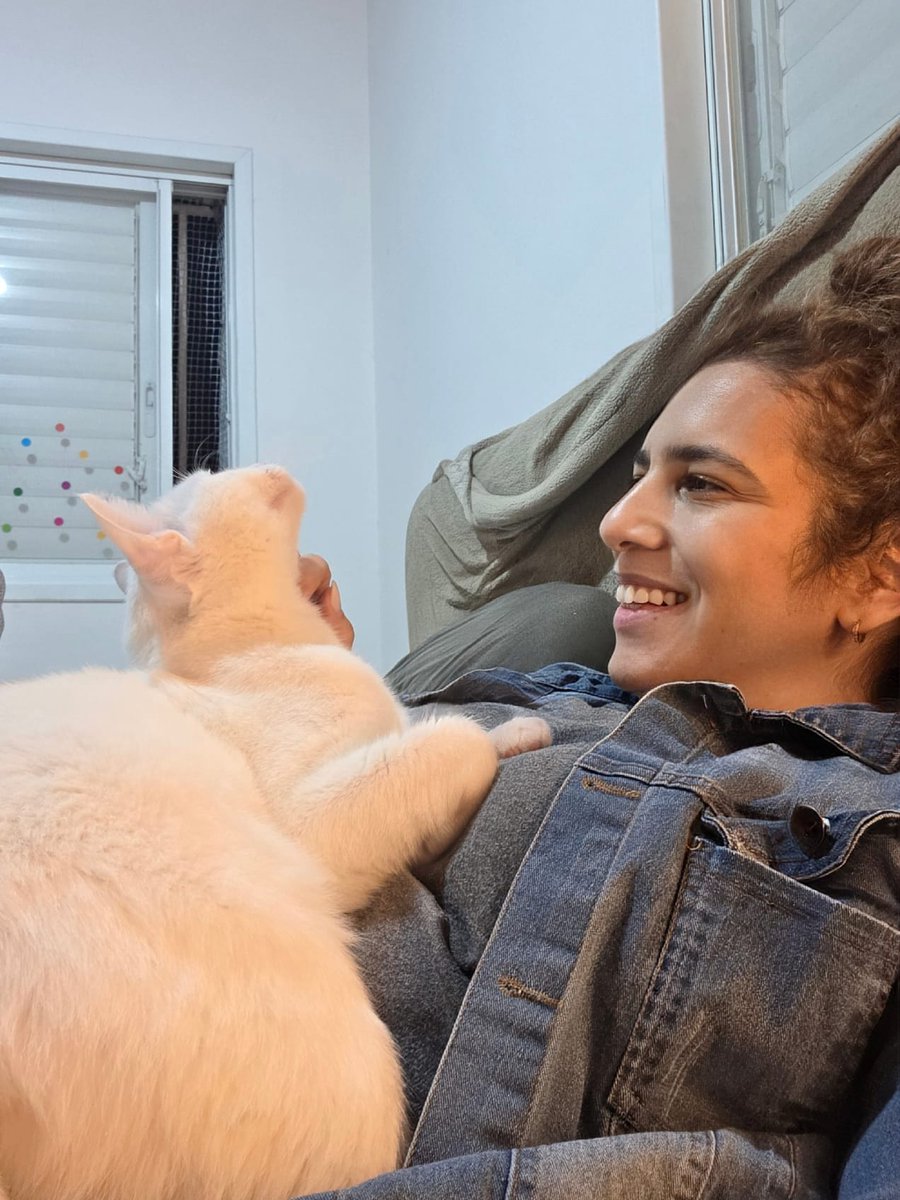
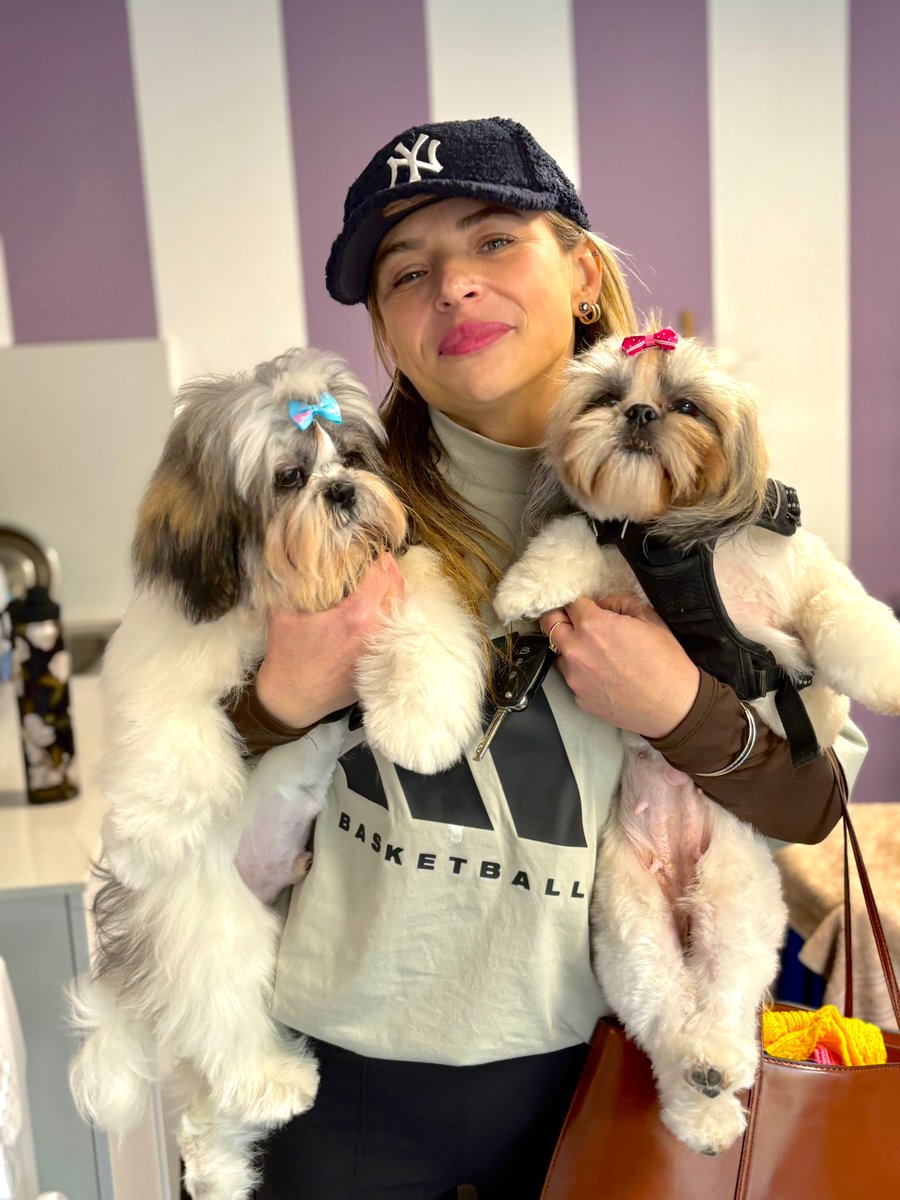
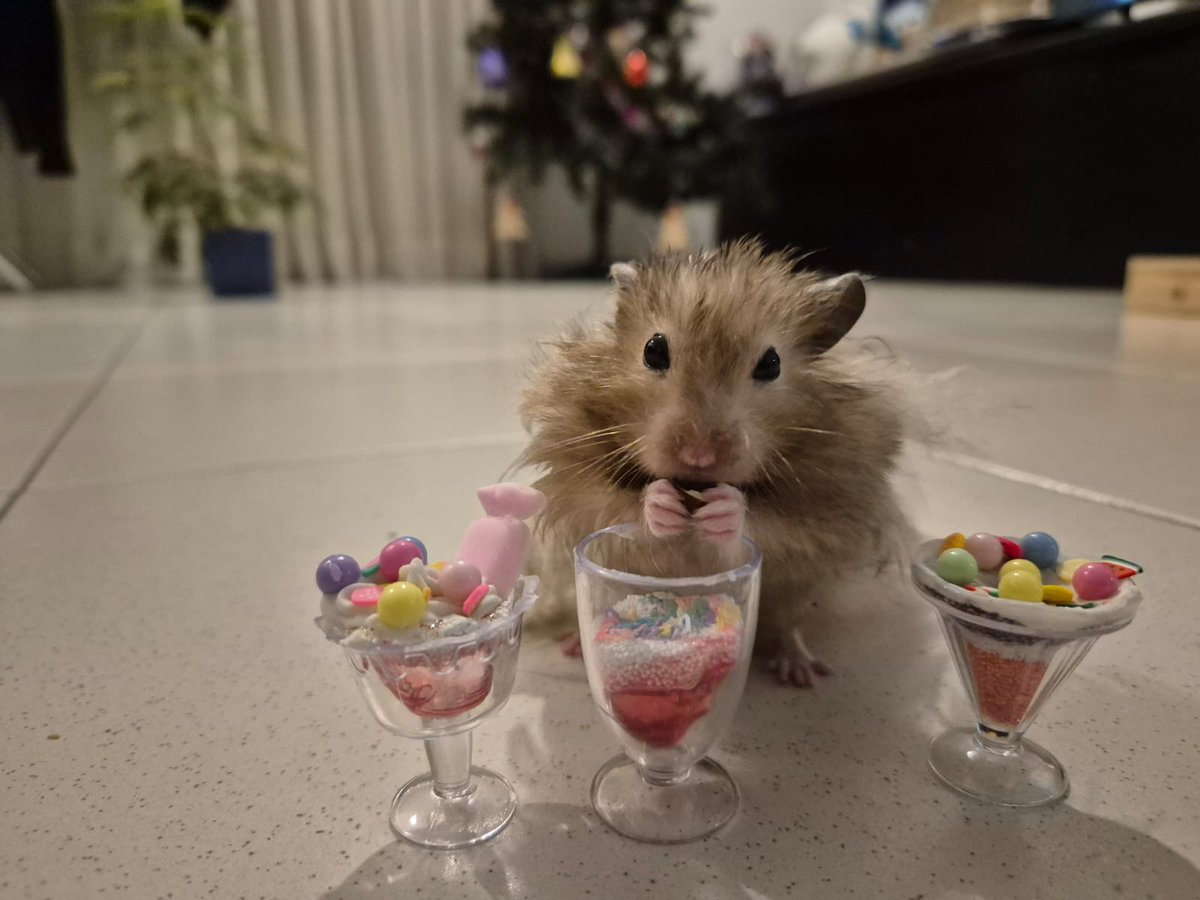
we’d like to introduce some lesser-known members of our team:
the ones with fur, whiskers, and full permission to sit on the keyboard.
We thought about dressing them up.
They vetoed the idea.
So we went with the natural look...
Meet the humans behind the words –
and the fluffy sidekicks who stick with us through it all.
We’ll get back to translating in just a sec.
First, we need a little snack break (and some well-deserved pets 🐶😻🐭). Because behind every great translation… there's probably a cat on the laptop.
hever.short.gy/hever

2
3
23
2026 – a fresh page.
Or, better yet: a whole new document!
One that’s written, edited, refined –
and ready to go the distance.
We've always begun our journey with the written word.
Each year, we learn a new term or novel distinction, or encounter
a client seeking a sharper, more refined message.
Because sometimes, all it takes is the right sentence –
one that explains it all, makes new connections, or opens unexpected doors.
So what's our New Year's wish?
We hope for a year of clarity, connection, and kindness.
With people who understand you – even without translation.
In 2026, we’ll keep doing what we do best:
Parsing texts, translating meaning,
and making sure your message comes across – even between the lines.
📌 Curious what truly smart, AI-powered translation looks like?
Discover our new services for 2026 >> hever.short.gy/hever
2
22