
Investigative journalist for @the_ins_ru. Tracking sanctions evasion, arms smuggling & hidden wineries of Russia's elite across Europe.
Joined March 2014
- Tweets 2,515
- Following 482
- Followers 291
- Likes 19,138
616 Photos and videos
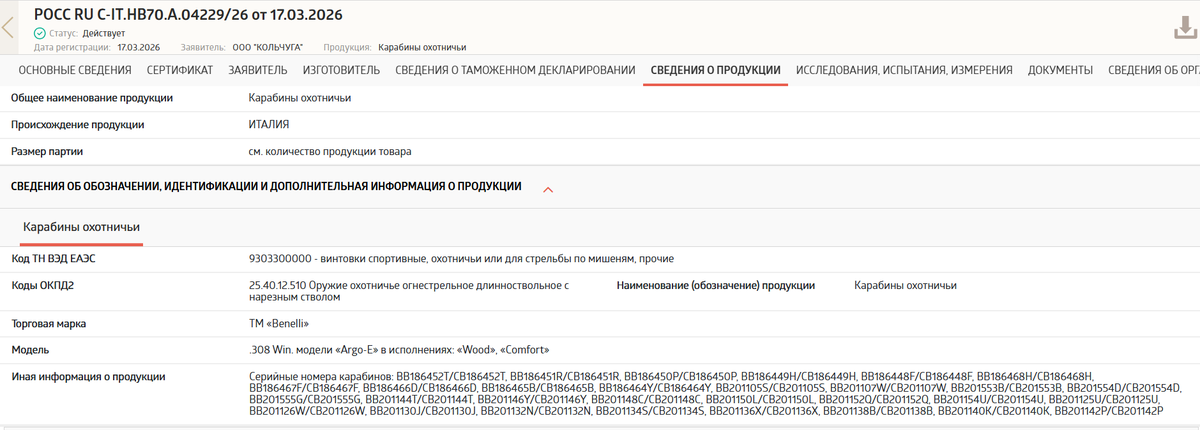

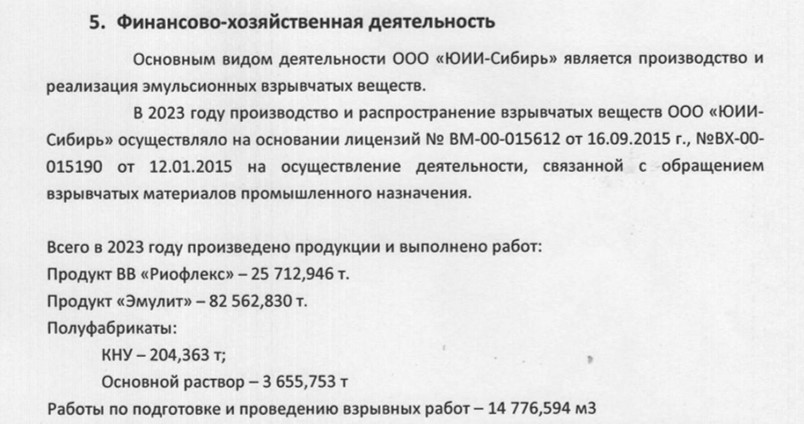
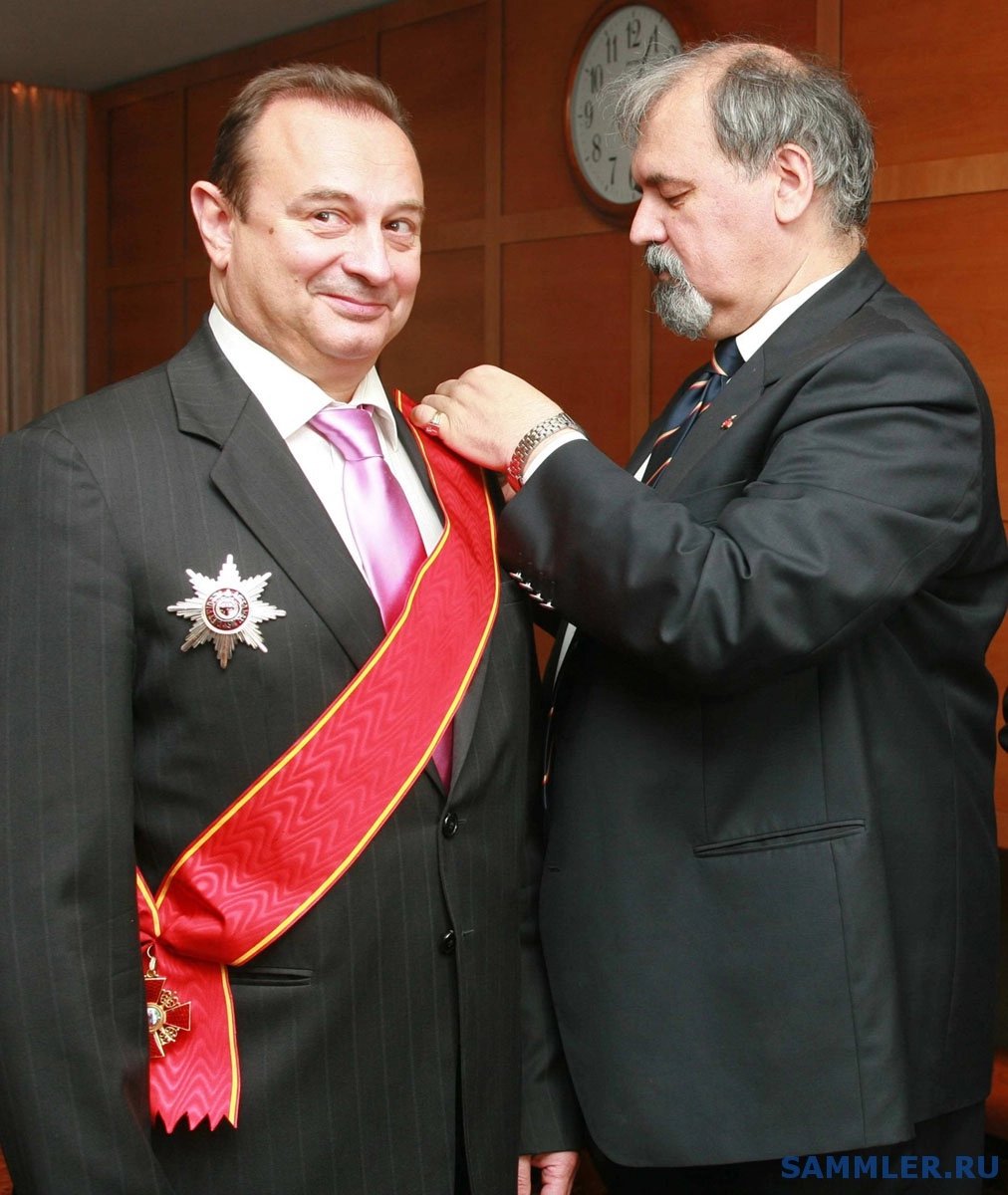


Pinned Tweet

15 Aug 2025
Unfortunately, the real situation is quite the opposite, and European taxpayers keep subsidising Russian oligarchs.
E.g., Dmitry Medvedev's winery received over 90 thousand euros from EU funds during the three years of the war.
theins.press/en/inv/284032
1
5
1,093
Jun 3
Despite EU sanctions banning RT, a network of Russian-linked organizations is screening an RT film in Pamplona on June 11 at "Espacio Creativo Ana Pagola" — a venue that receives EU public funding.
Has anyone heard of sanctions control?
#SanctionsEnforcement #EUSanctions
1
68
Jun 3
The RT The propaganda film "Segunda Infancia" ("Second Childhood") being screened in Pamplona whitewashes the kidnapping and indoctrination of Ukrainian children by Russia — the very crime for which the ICC issued arrest warrants against Putin and Maria Lvova-Belova.
1
65
Jun 13

Hemos conseguido que se cancele la proyección de la película 😉
14
Jun 12
The wines of Putin, Patriarch Kirill, and Yuri Kovalchuk received a bunch of awards at the @concoursmondial
The competition even included seven Crimean wineries: the organizers simply listed the occupied peninsula as a separate country.
theins.ru/news/293661
1
81
Jun 8
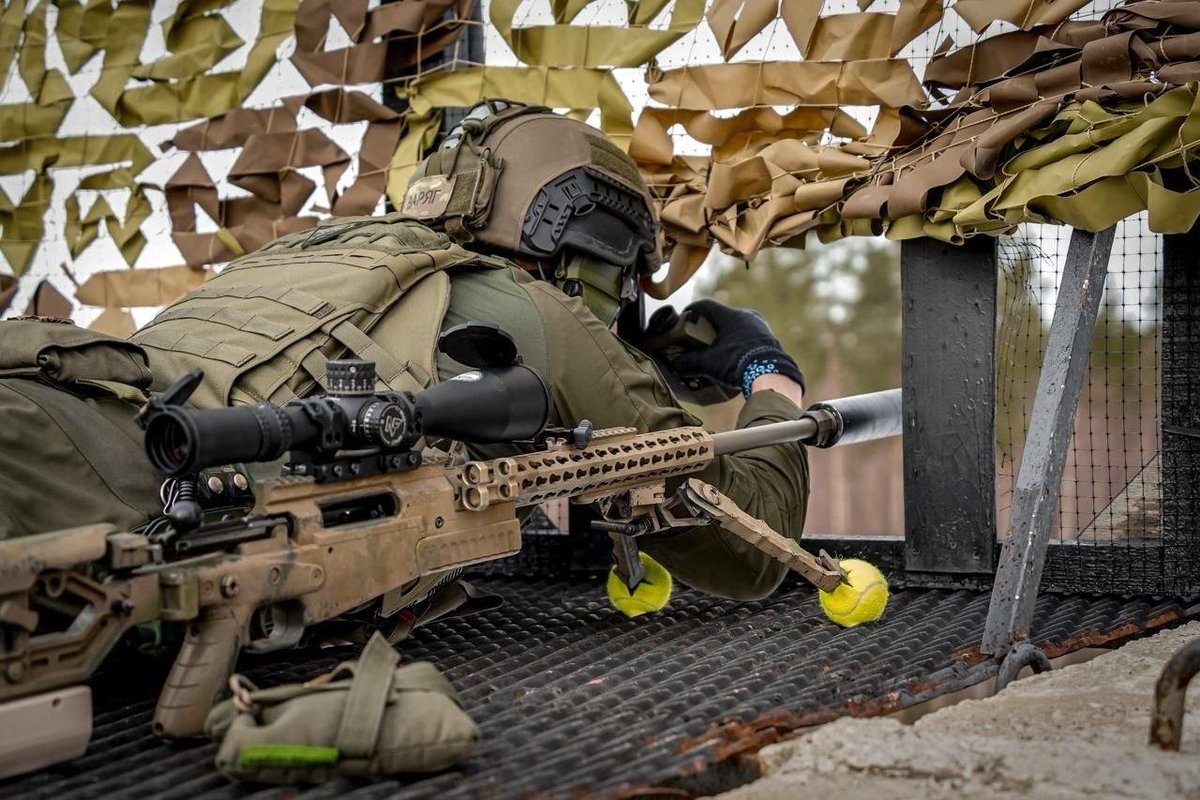
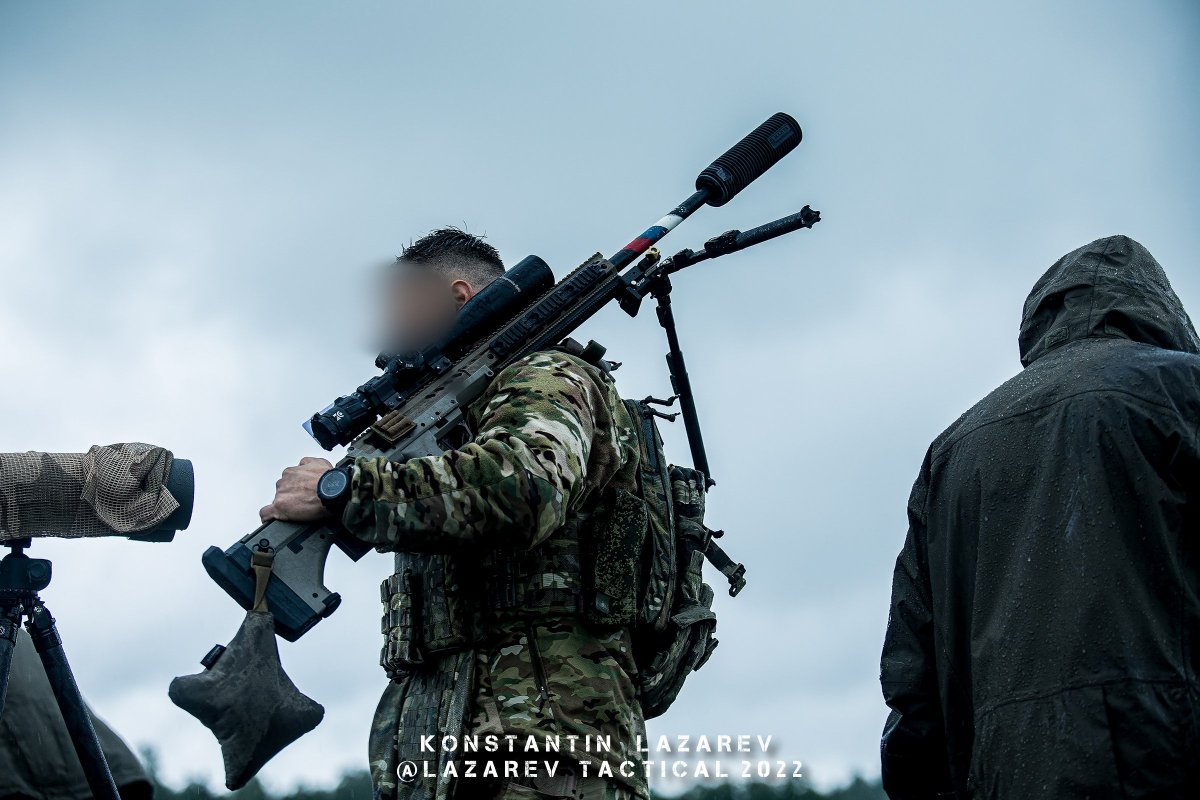
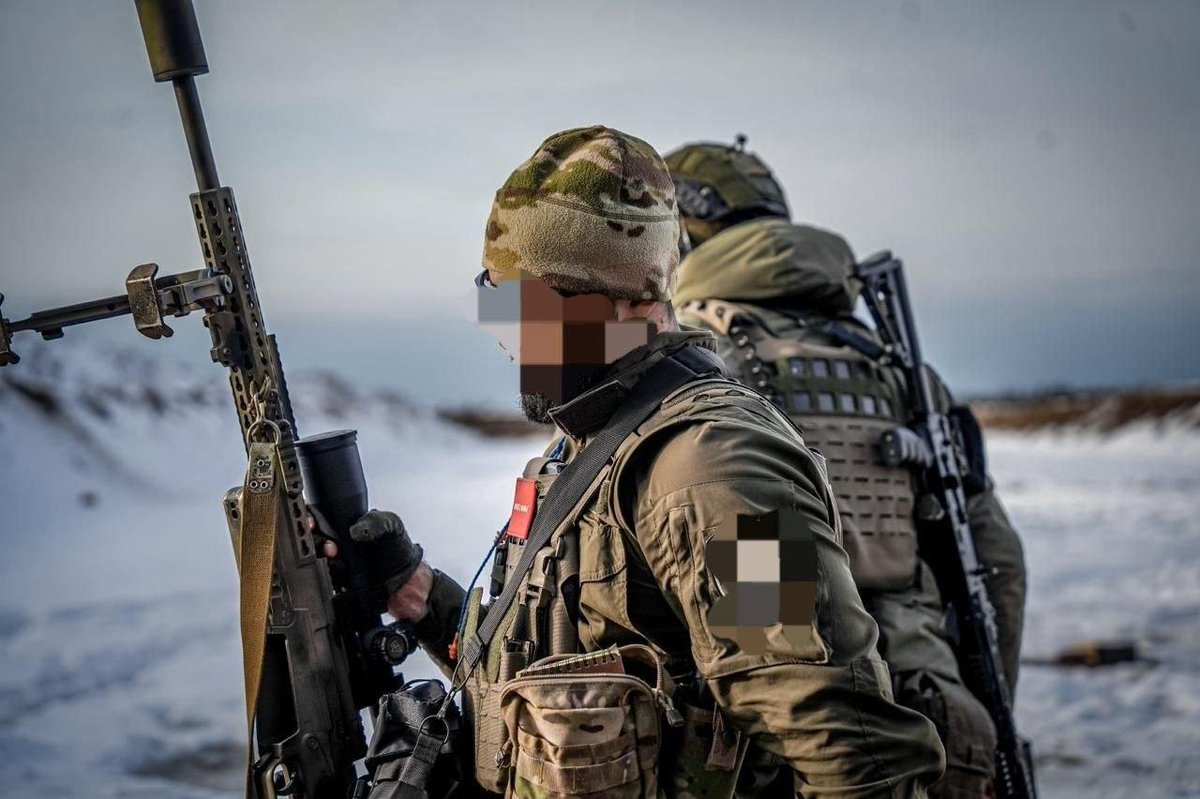
Rosgvardia special forces troops with 🇬🇧 Accuracy International AXMC sniper rifle and 🇺🇸 NightForce scope.
Stage III of the “Eternally Alive” shooting tournament, March 2026. Source: t.me/okspn/44733
Has anyone heard of sanctions control?
29
Sergei Panov retweeted

Jun 8
щас первый раз в жизни попрошу у вас помощи в виде доната (оч страшно). дело вот какое:
мы хотим легализовать однополые браки в Латвии. (тред)
в прошлом году европейский суд вынес решение: все страны обязаны признавать браки, заключенные в ЕС. но, как обычно, есть нюанс...
1/7

18
54
481
29,316
May 24
May 11: Spanish Foreign Minister José Manuel Albares called for the creation of a unified European army, saying that Europe should no longer be dependent on the US.
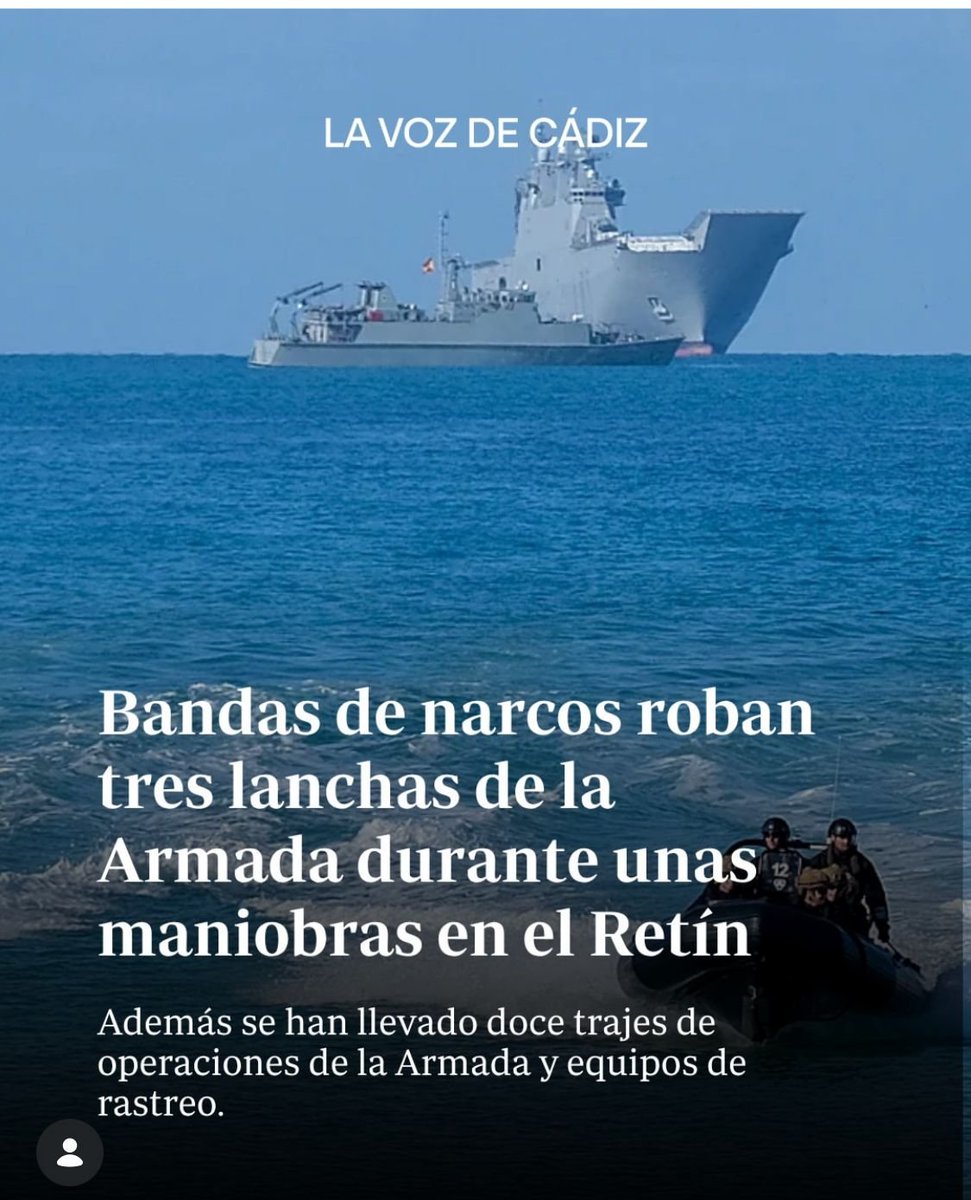
Also on May 11: drug traffickers stole three semi-rigid inflatable boats belonging to the Spanish Navy.
May 23

España ha pasado de vigilar el Estrecho a montarles un Decathlon anfibio al narco. Solo faltó que al irse les sellaran el ticket del parking y les dijeran: “gracias por confiar en Defensa”. La próxima maniobra la puede dirigir Amazon Logistics. 👇diariodecadiz.es/noticias-pr…
1
170
May 23
Россия является самым дружественным Армении государством. И чтобы доказать свою дружбу, российские власти запретили ввозить коньяки четырех армянских заводов, армянские цветы и минералку Джермук.
61
Sergei Panov retweeted

May 13
Канадская разведка пришла к производителю винтовок Cadex, которые используют снайперы ВС РФ, после расследования The Insider и GlobalNews storage.googleapis.com/plmrp…
18
178
923
30,817
May 13
Following reports by @globalnews and @InsiderEng regarding the use of Canadian rifles by Russian snipers, Canadian intelligence officials visited the Quebec-based manufacturer.
May 12

Canadian intelligence officers visited Quebec firearms manufacturer after its sniper rifles turned up in Russia. globalnews.ca/news/11841340/…
1
3
4
816
May 10
Under the cover of news about May 9, Russia has begun the de jure annexation of South Ossetia.
kommersant.ru/doc/8652910
1
1
60
May 5
There is only one hantavirus in the world that is transmitted from human to human.
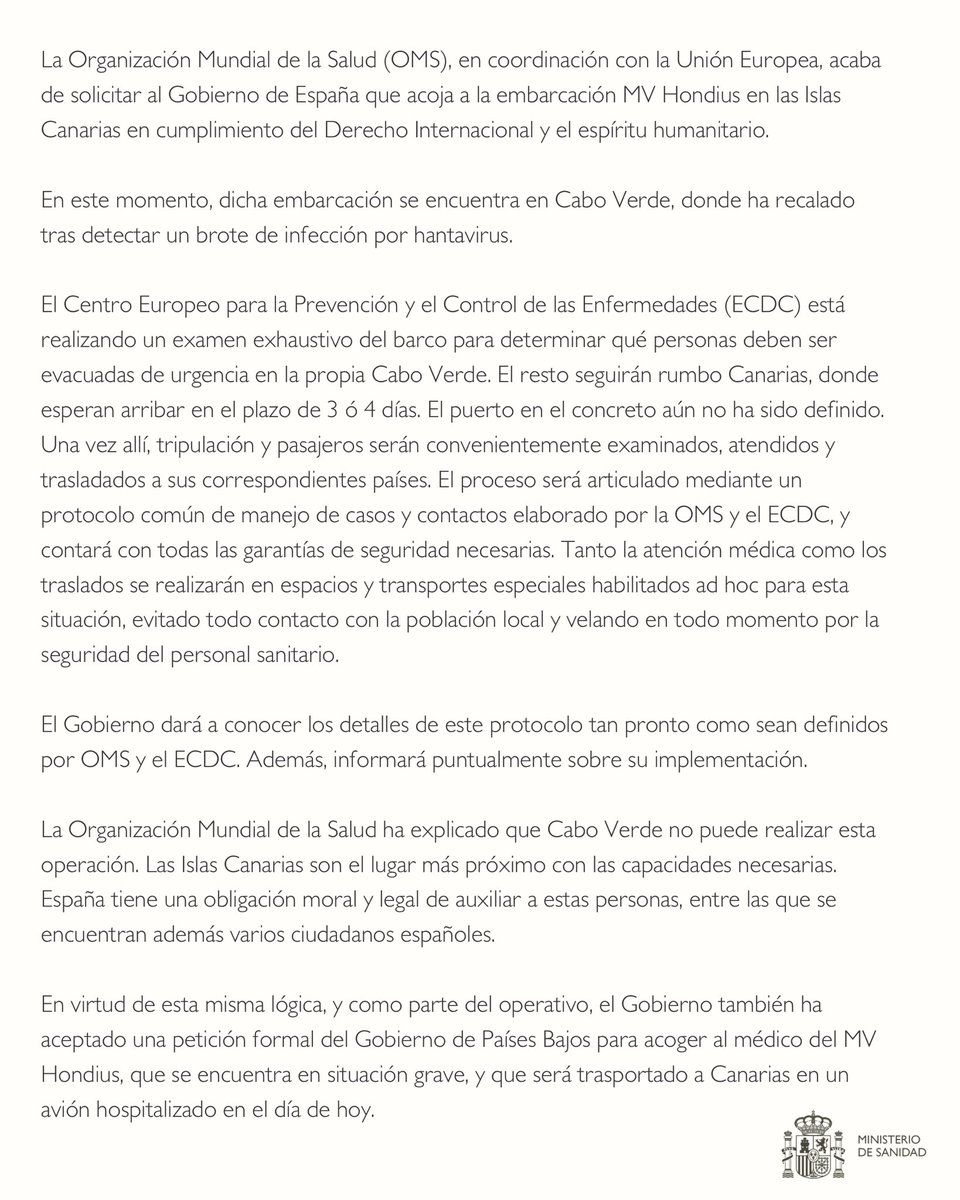
Aboard the MV Hondius, one man has already died and five others have been infected; the ship is heading to Spain.

España acogerá la embarcación MV Hondius en las Islas Canarias en cumplimiento del Derecho Internacional y el espíritu humanitario.
195
Sergei Panov retweeted

Apr 24
The past two weeks saw two significant news stories. Both stories evidence the Russian microelectronic sector’s growing interest in – and risk appetite for adopting - Chinese-origin IP. Both stories have flown under the radar so far as I can tell, so I want to take the opportunity to give my thoughts on what I think is a pretty significant trend.
Yesterday, CNews reported that Russian microelectronics investor Tramplin Electronics had invested more than one billion rubles in a bid to develop a new server processor, known as Irtysh, based on Chinese-origin chip architecture. Last week CNews separately reported that Russian chip major Element had obtained rights to chip design IP from Shijiazhuang Tonhe Electronics, which makes chips for the aerospace and defense sectors. The latter development builds on reports from last summer that Element had set up subsidiaries in China and Taiwan with the aim of producing chips in those jurisdictions.
Such dealings w/China industry point to stresses in Russia’s microelectronics sector. Sanctions/export controls have tangled the acquisition of the equipment necessary to enhance Russia’s fab capabilities. Russia’s access to qualified, high-tech engineering talent is under stress. China, by contrast, has made progress in growing its semiconductor fabrication capabilities and relevant talent pools. For the Russian microelectronics sector and its stakeholders, engagement with their Chinese peers is probably a necessary compromise. Even so, it’s not a great sign for Putin’s “technological sovereignty” aims when the Russian microelectronics has to lean on Chinese IP. Nationalistically inclined observers within Russian society and state structures will likely be especially unhappy.
The deals at issue are likely just facets of a broader engagement whose most significant manifestation would be Chinese fabs producing Russian-designed chips or analogues of western chips, including those already used in Russian weapon systems. Alternatively, Element and Tramplin might be looking to backfill demand from electronics-intensive sectors of the Russian civilian economy, though that scenario appears is unlikely given the Kremlin’s prioritization on the ongoing war effort in Ukraine. Indeed, Ukrainian hackers reportedly gained access to a Minpromtorg call this week in which participant bemoaned the volume of foreign, and especially Chinese, materials and components used in Russian drones – including plastic and copper.
The idea that Russia might incorporate Chinese chips into its more advanced weapon and C2 systems any time soon is strange to consider. But these are strange times.
cnews.ru/news/top/2026-04-23…
cnews.ru/news/top/2026-04-17…
cnews.ru/news/top/2025-07-11…
cnews.ru/news/top/2026-02-04…
kyivpost.com/post/74379
15
36
3,810
Apr 18
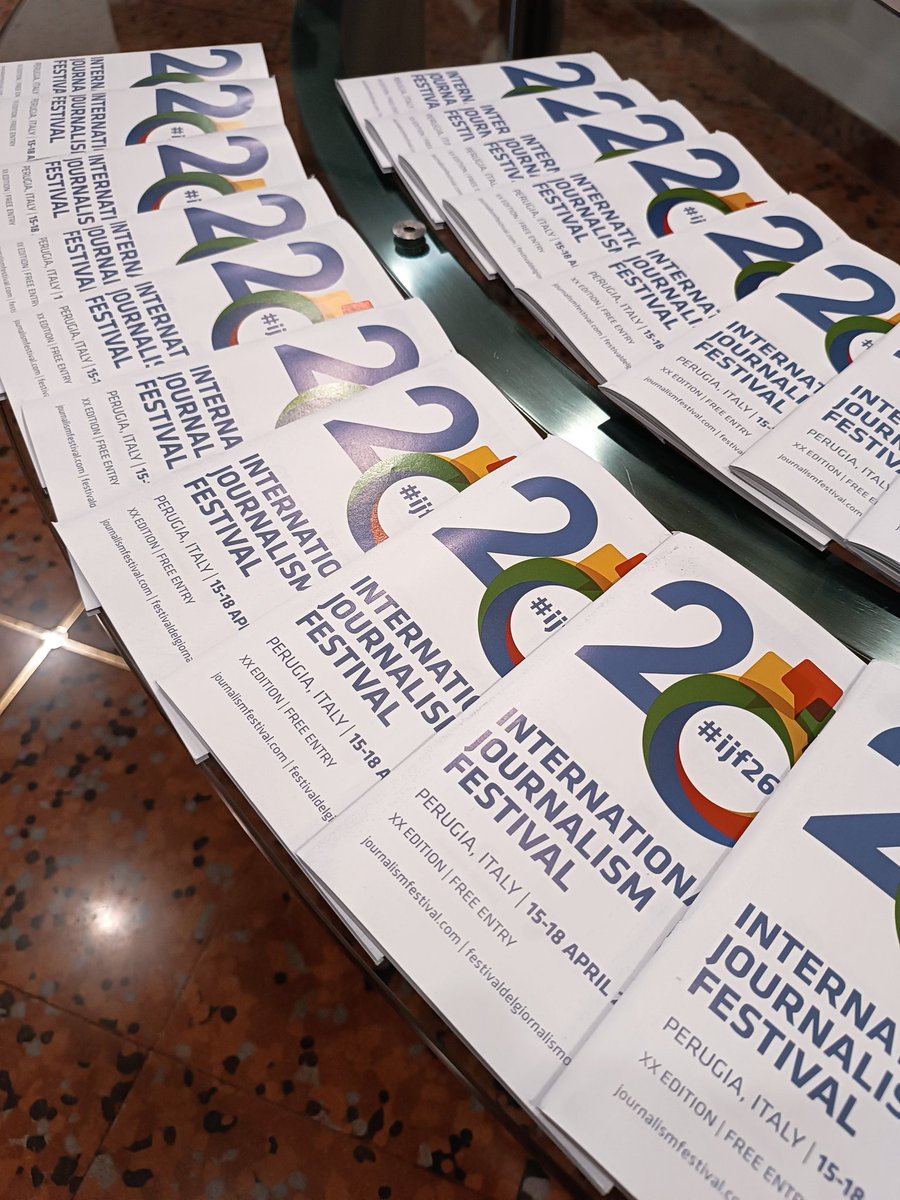
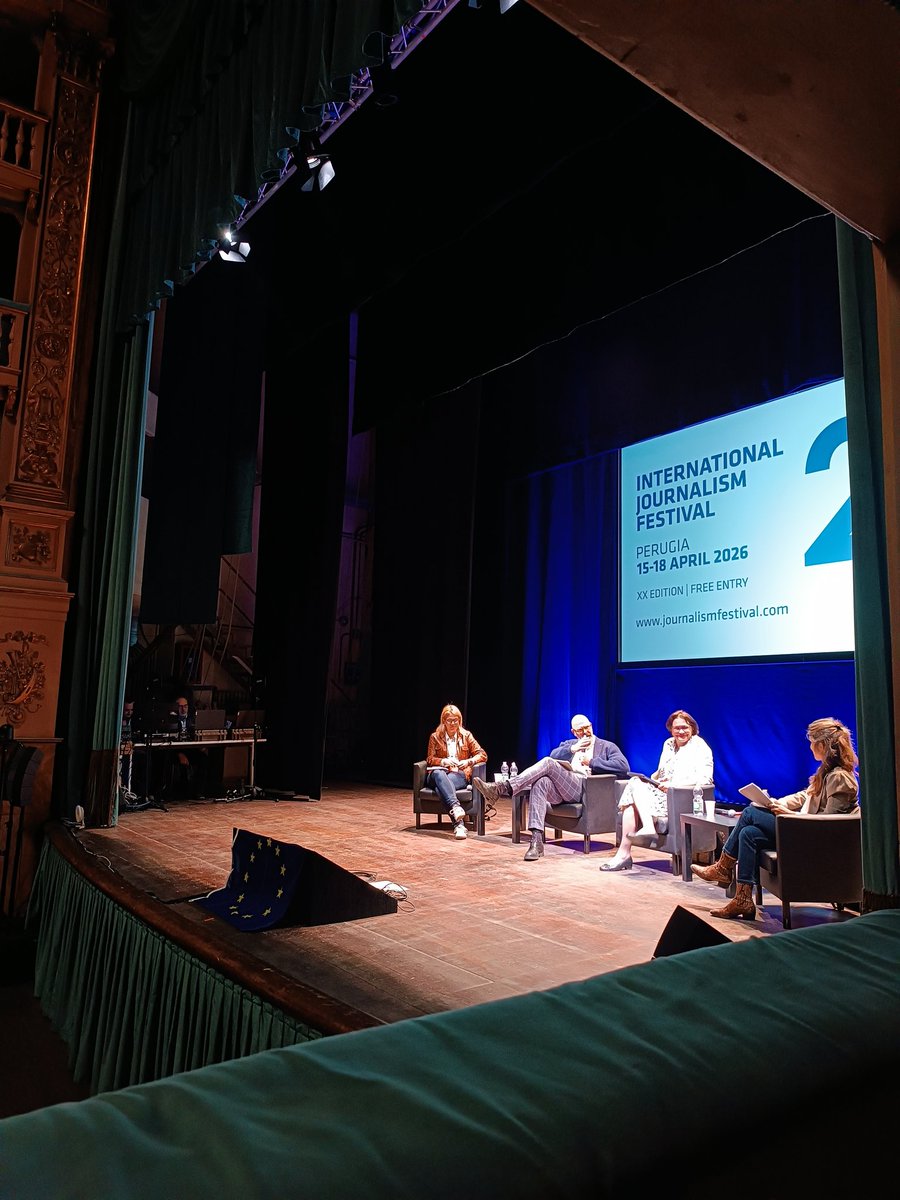
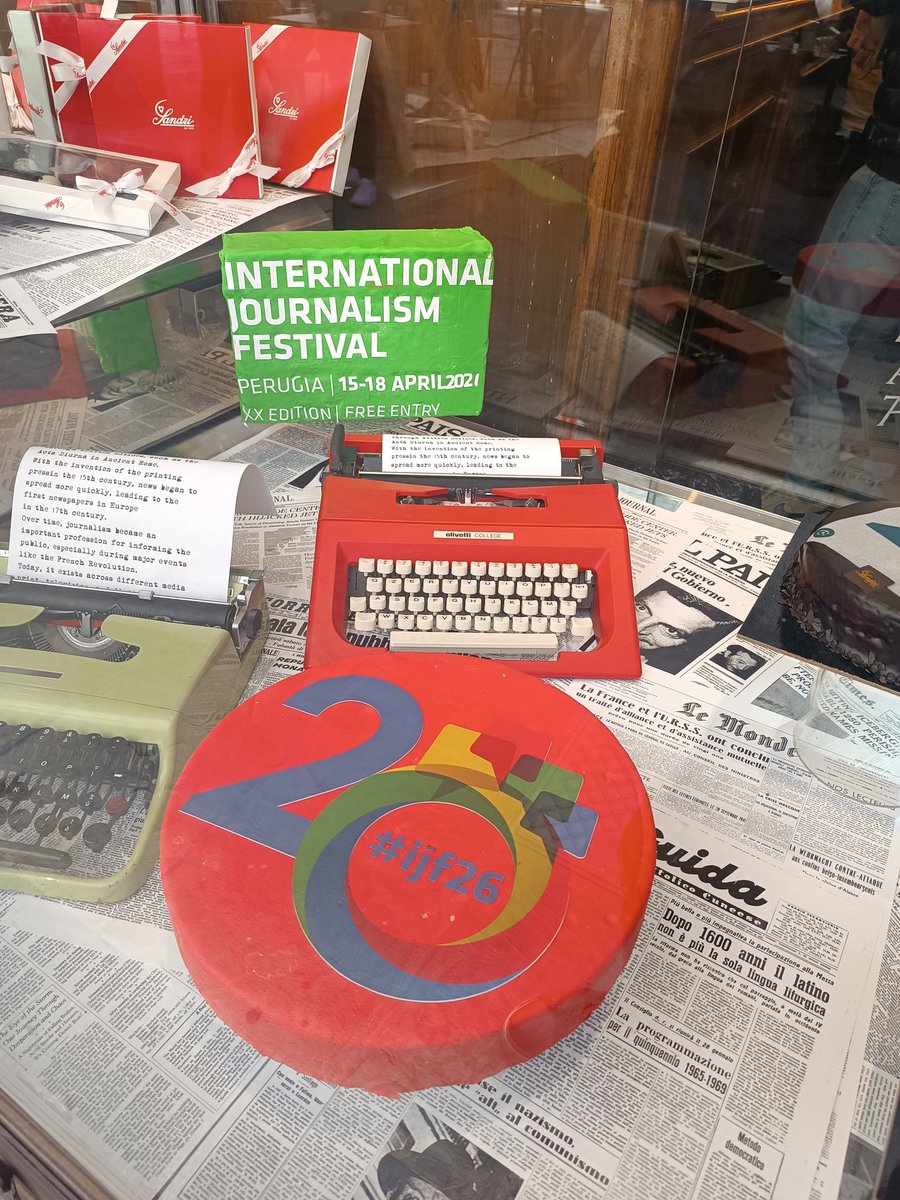
Four days at #IJF26 in Perugia:
✅ sharpened OSINT skills
✅ reunited with colleagues from across the globe
✅ gained a few kilos
1
87
Sergei Panov retweeted

Apr 14
⚡ Even after the start of the full-scale invasion, a Czech industrial group reportedly continued servicing machinery used by Russia’s main tank and artillery plants.
united24media.com/latest-new…
3
94
168
3,917
Sergei Panov retweeted

Чешская корпорация Alta продолжила поставлять станки производителям российских танков и артиллерии после вторжения РФ в Украину. Об этом говорится в расследовании The Insider и Voxpot currenttime.tv/a/cheshskaya-…
1
10
27
1,905
Apr 13
Дочерние предприятия чешской корпорации Alta, а также завод, переоформленный на адвоката чешской фирмы, обслуживают станки главных производителей российских танков и артиллерии.
Совместное расследование @the_ins_ru и @Voxpot
Apr 13

Российские предприятия чешской корпорации Alta продолжают обслуживать российских производителей оружия — расследование storage.googleapis.com/plmrp…
1
5
601
Sergei Panov retweeted

Apr 12
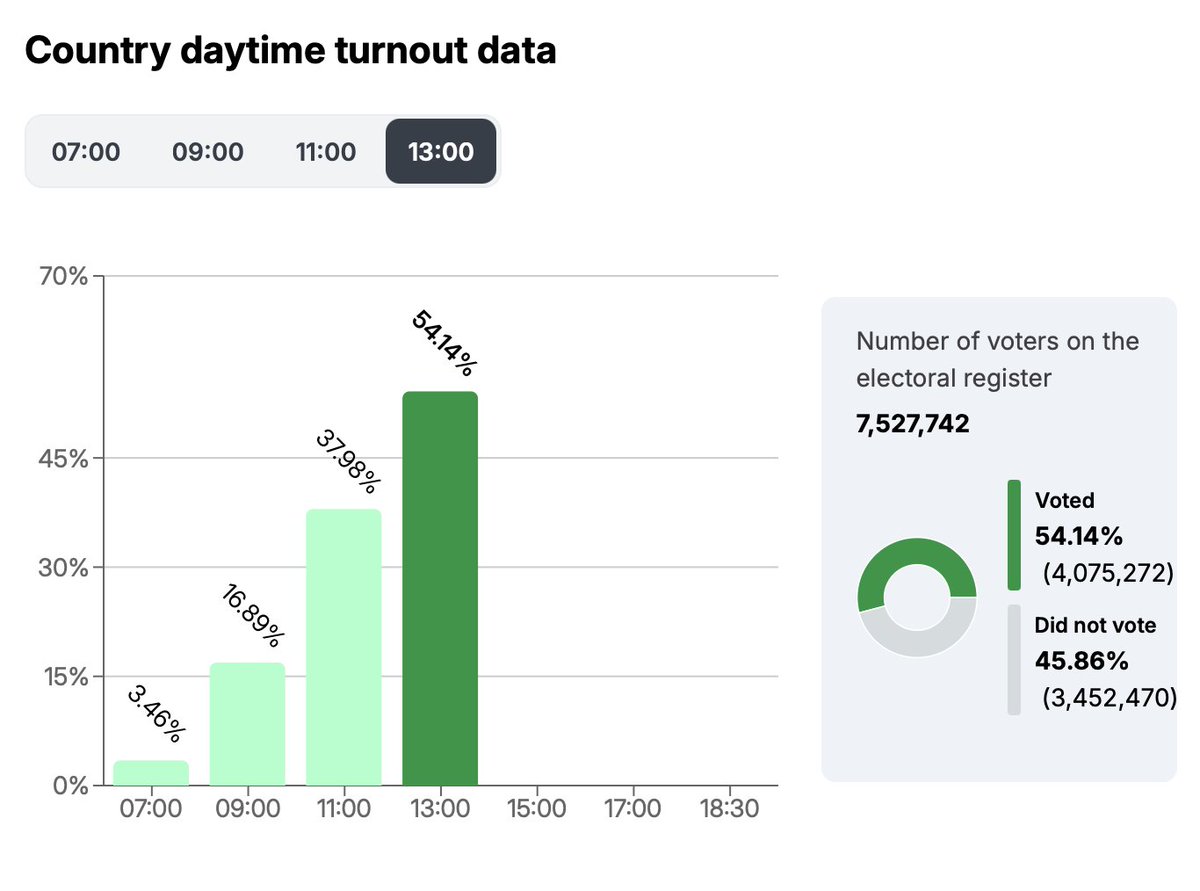
💥🇭🇺🗳️ WOW! 54.14% turnout by 1pm in Hungary’s historic election (vs 40.01% in 2022), where voters could end Viktor Orbán’s 16-year rule. Massive participation, in line with independent pollsters’ predictions – who also predicted a massive opposition win. Polls close at 7pm.
38
407
1,606
115,103
Apr 8
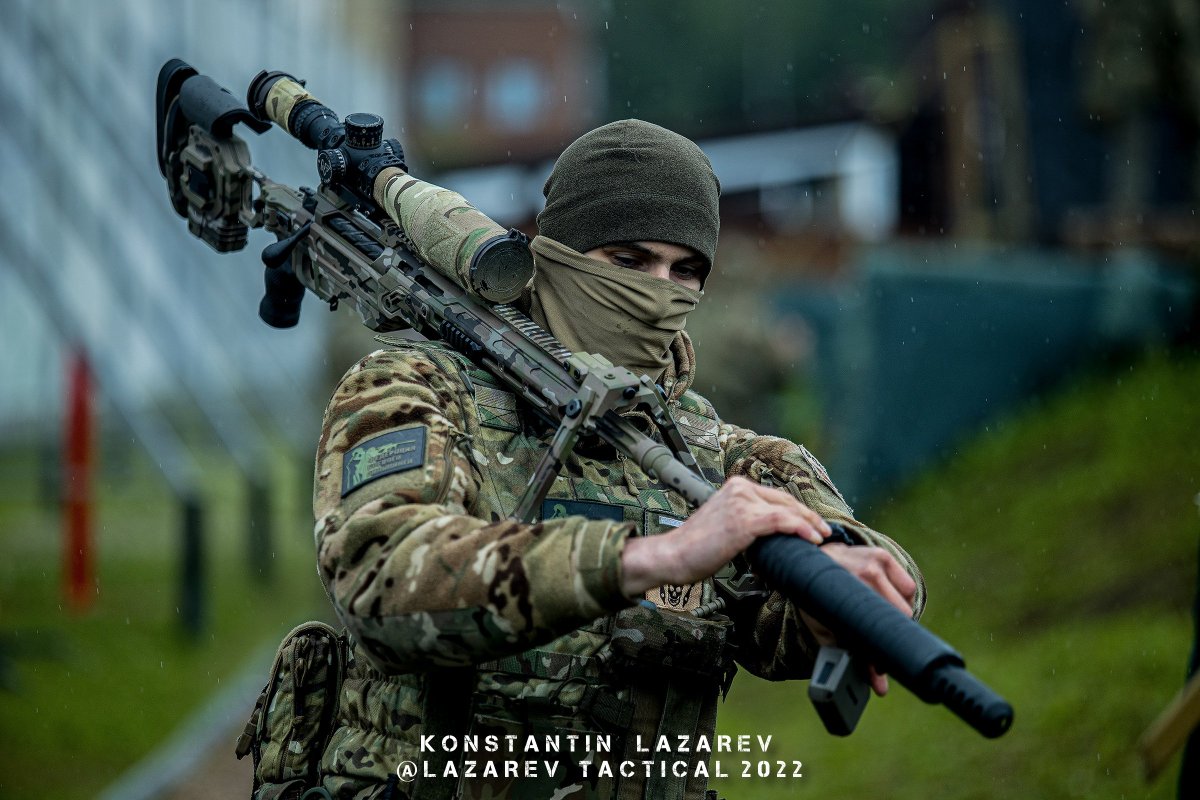
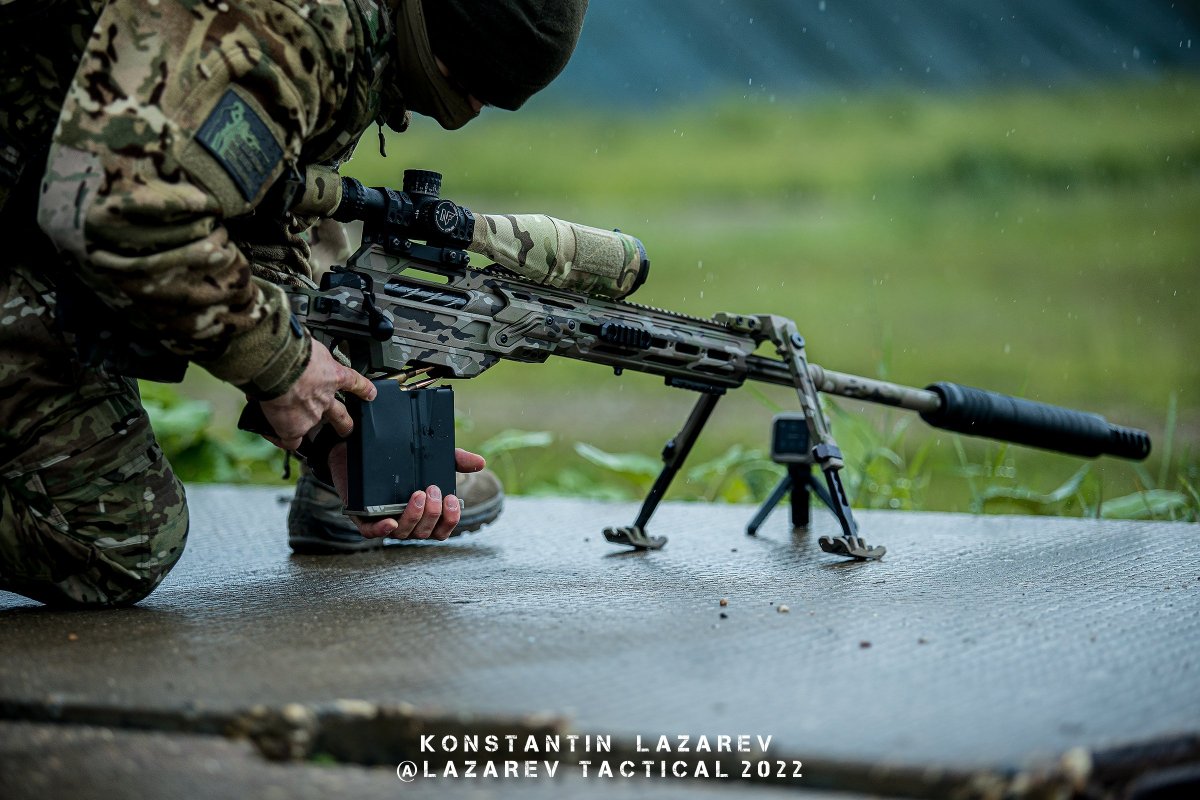
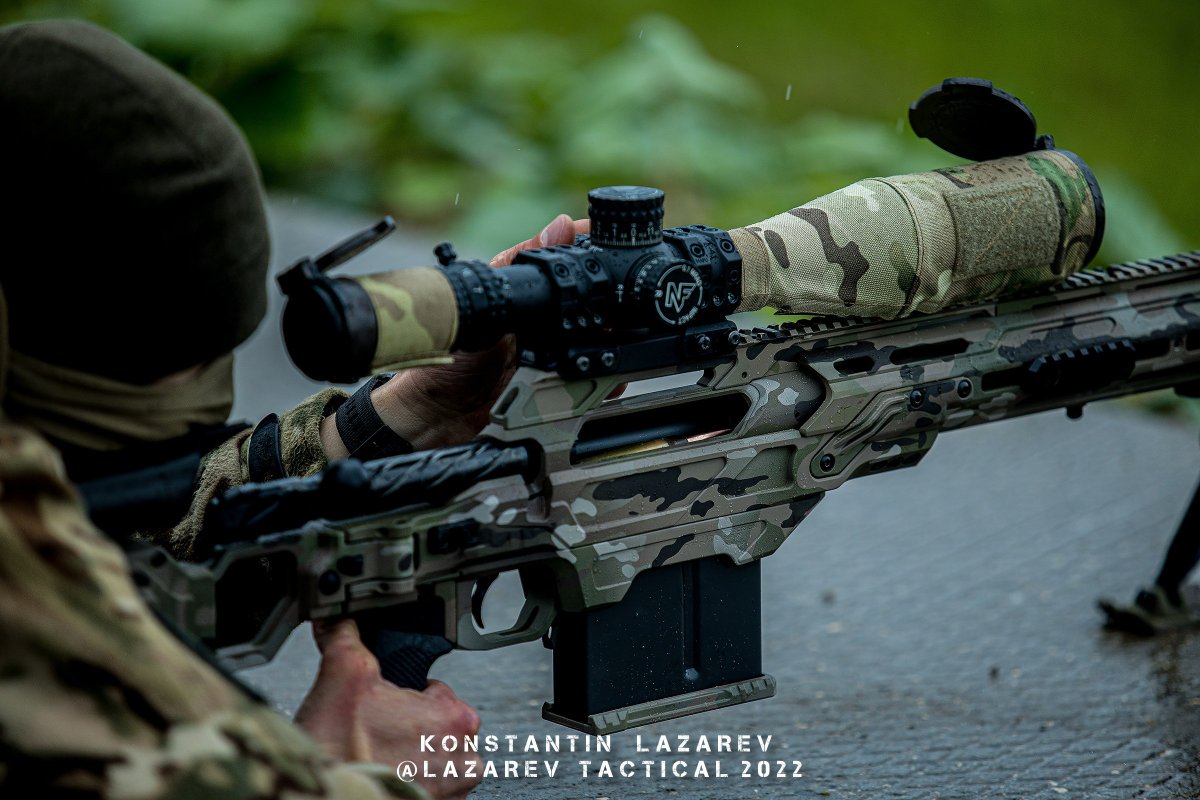
Снайпер ВС РФ с канадской винтовкой CDX-40 SHDW и американским прицелом Nightforce на турнире по армейской тактической стрельбе, организованном Главным Управлением Боевой Подготовки ВС РФ. Июнь 2025 года.
1
911
Apr 8
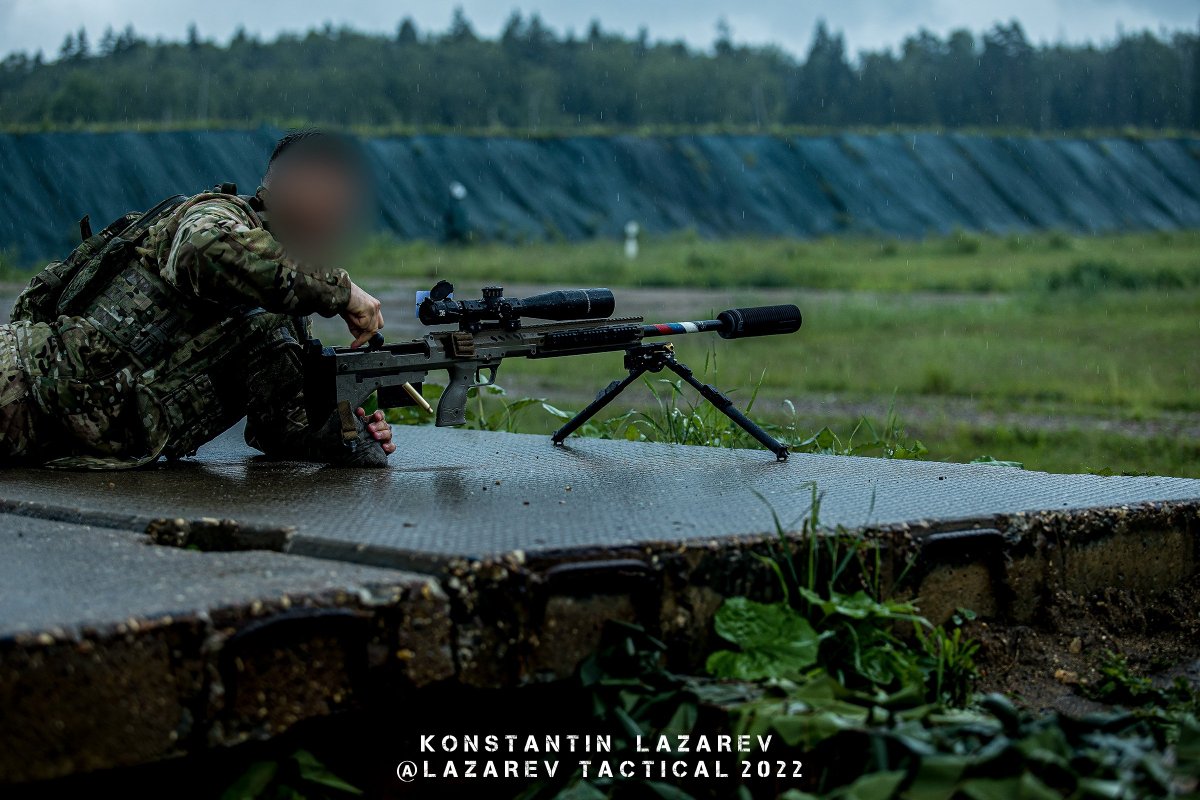
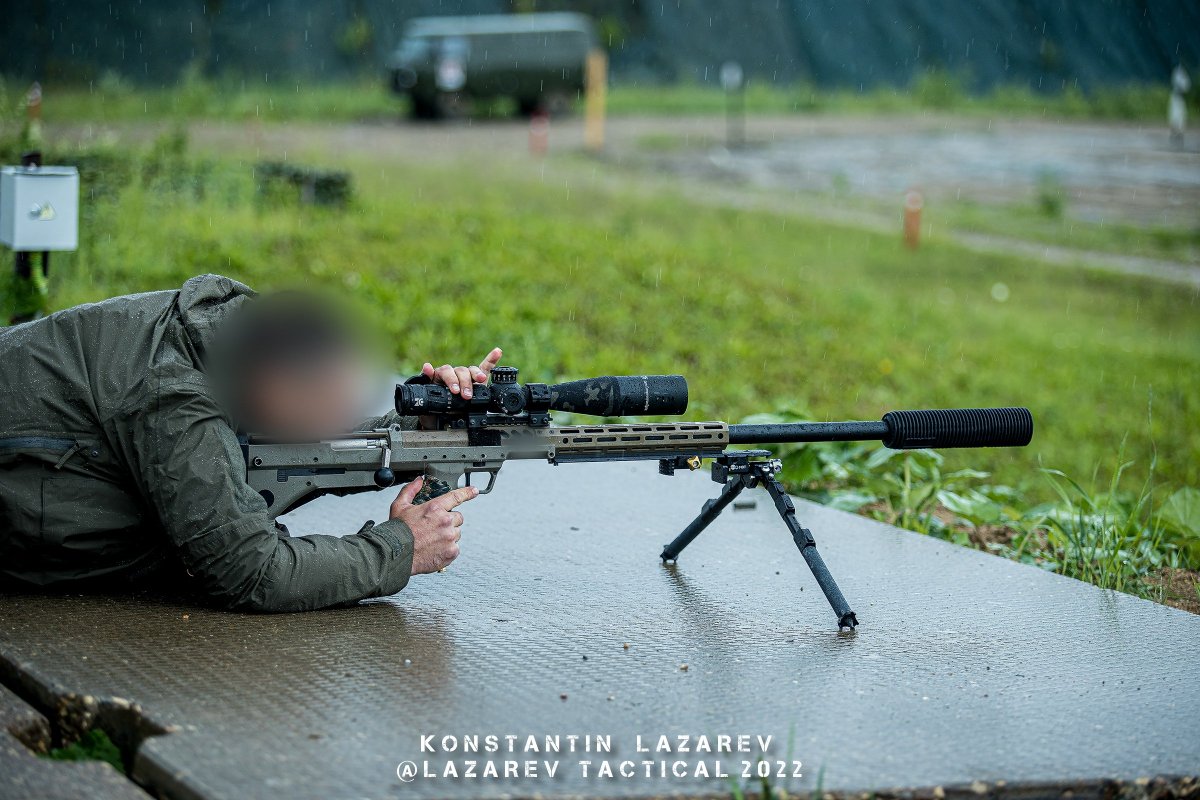
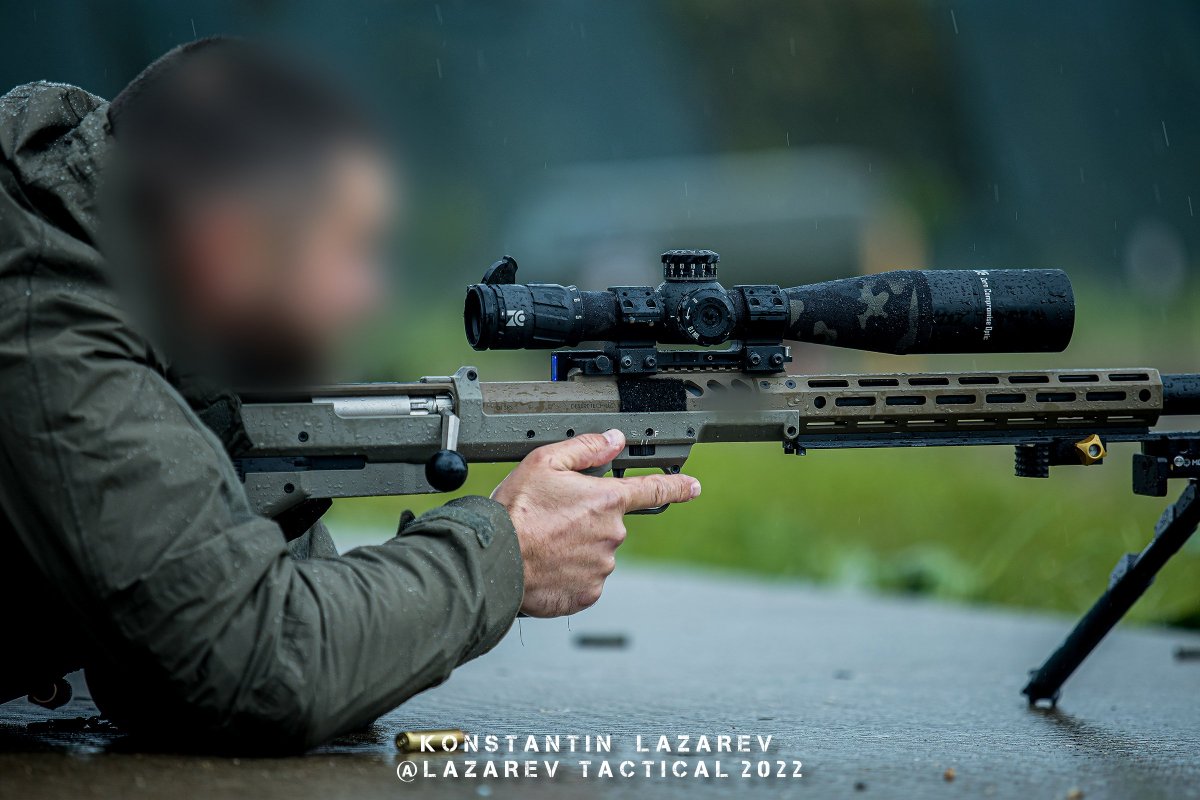
Снайперы ВС РФ с американскими винтовками Desert Tech и австрийскими прицелами Zero Compromise. Те же соревнования июня 2025 года.
80