
Joined January 2020
- Tweets 111
- Following 1
- Followers 84
- Likes 23
82 Photos and videos

26 Jan 2024
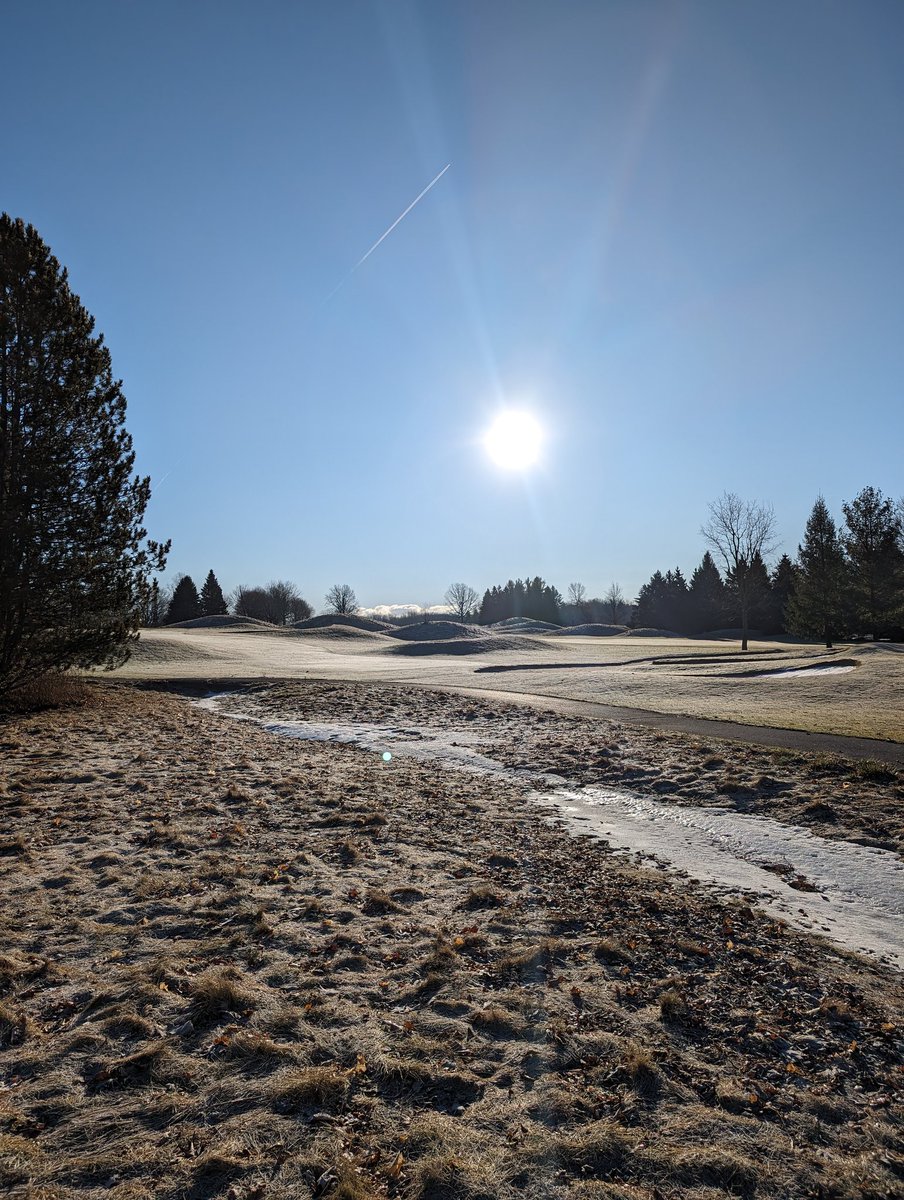
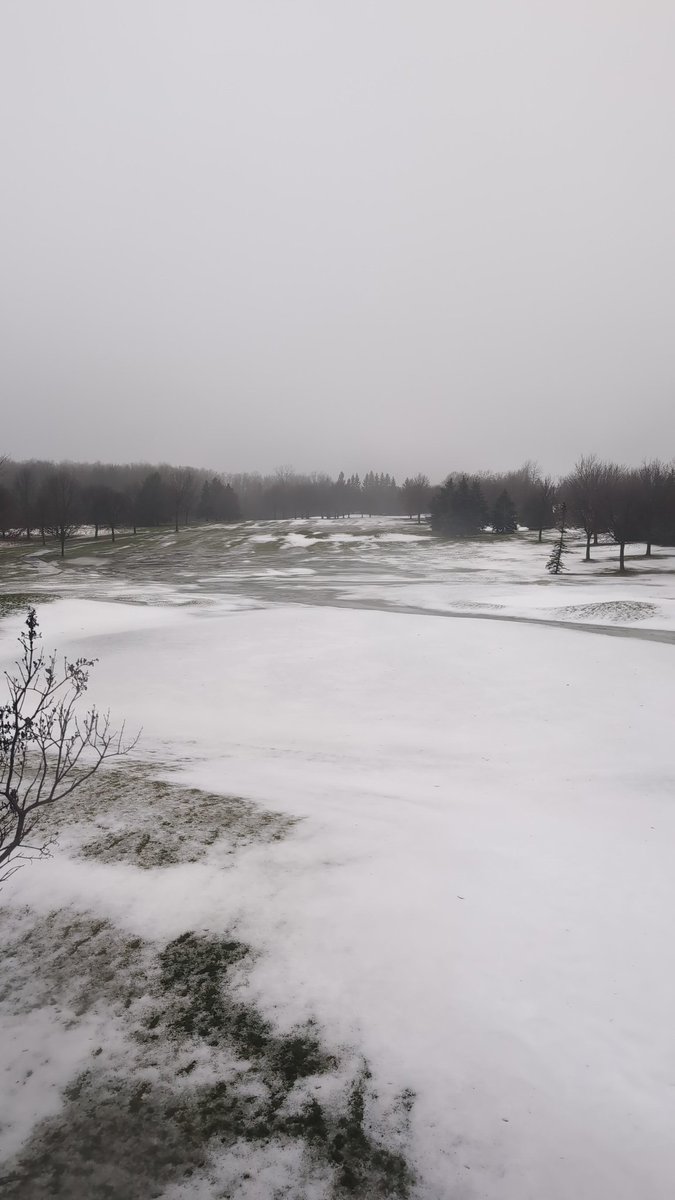
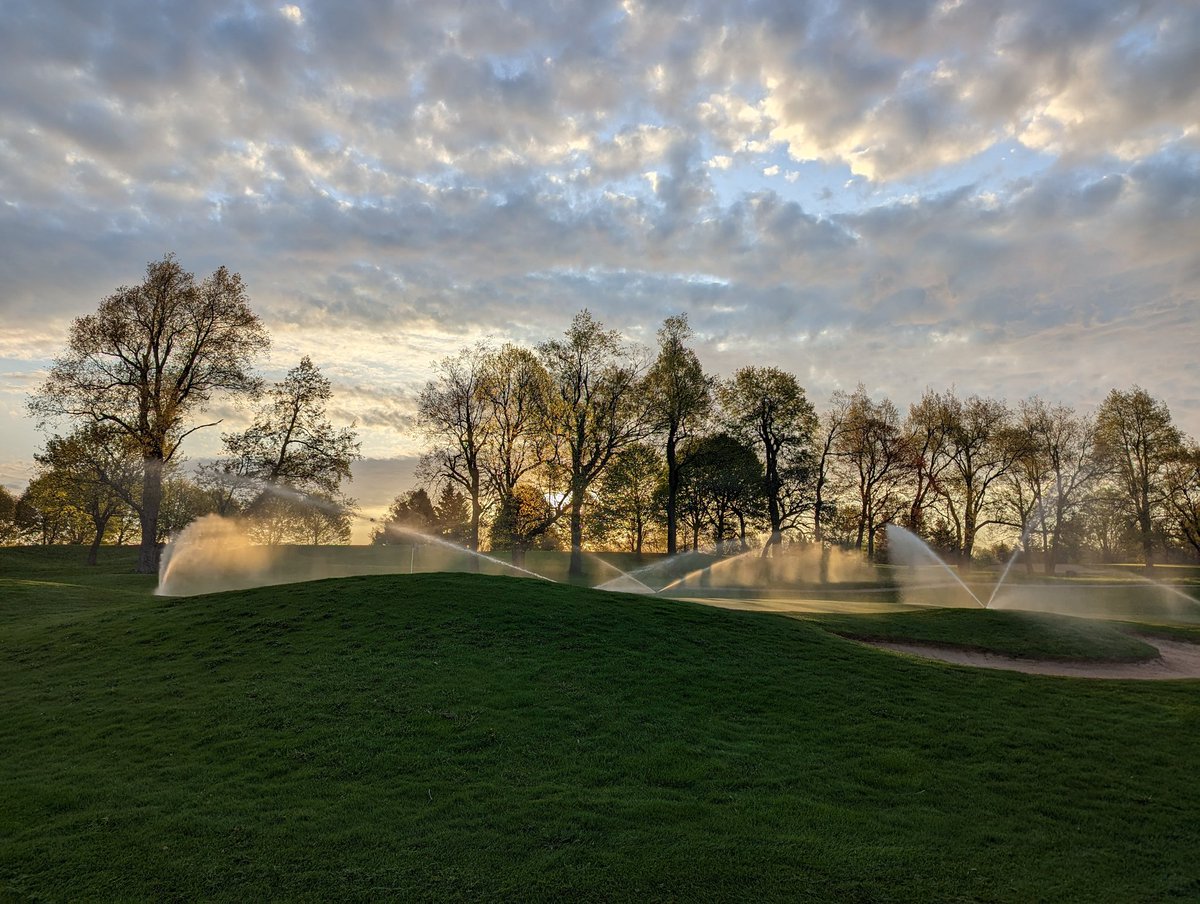
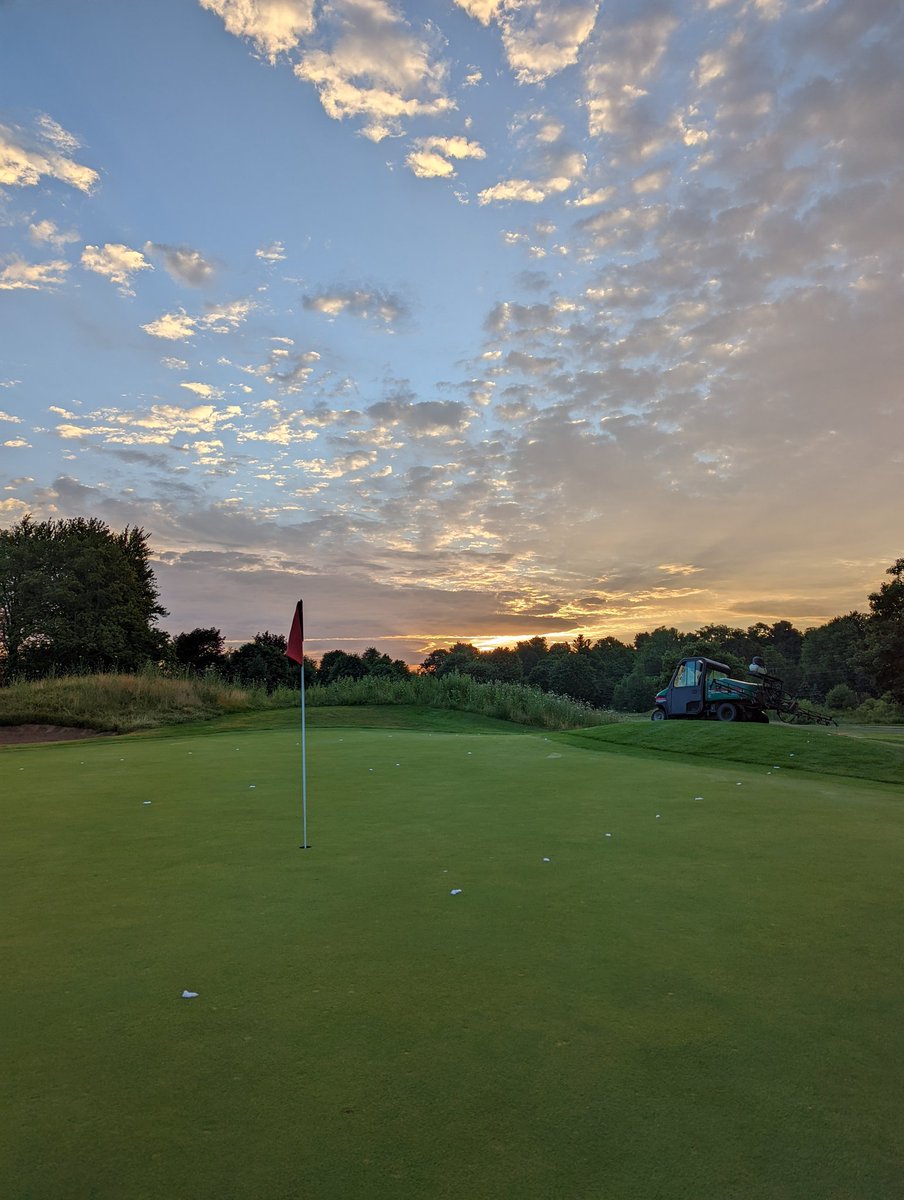
A little melt but don't like the look of all that ice
66
11 May 2023
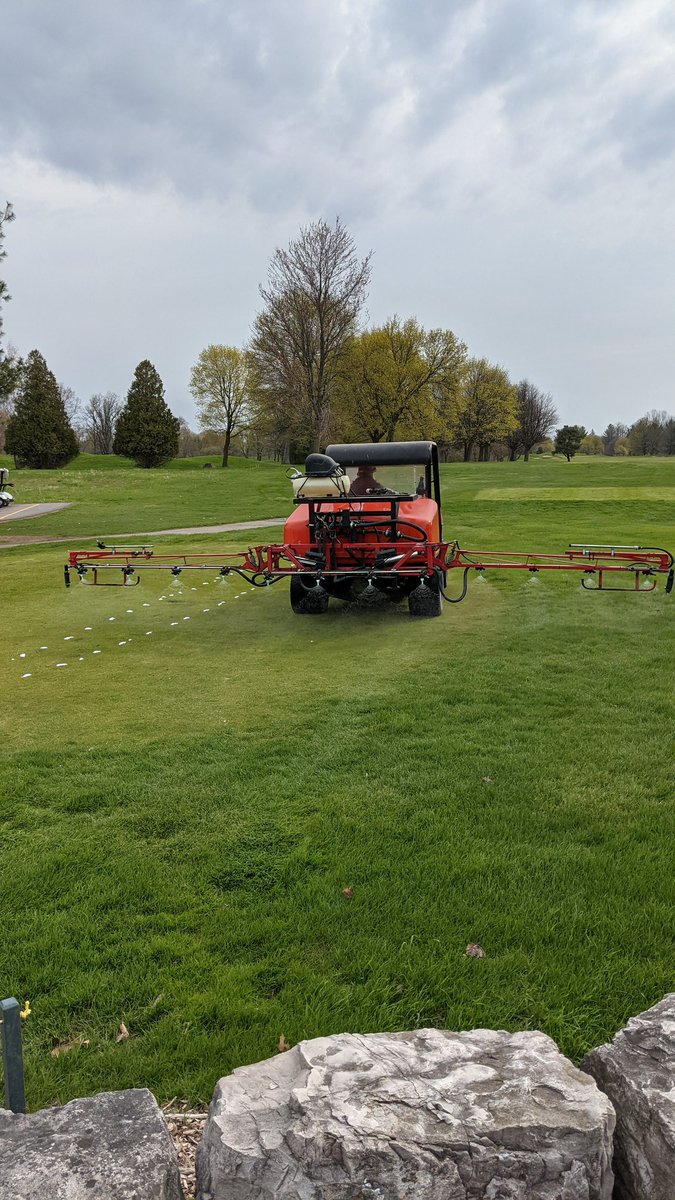
Applying wetting agents to the New Course greens today.
2
415
Hidden Lake Turf retweeted

11 Apr 2023
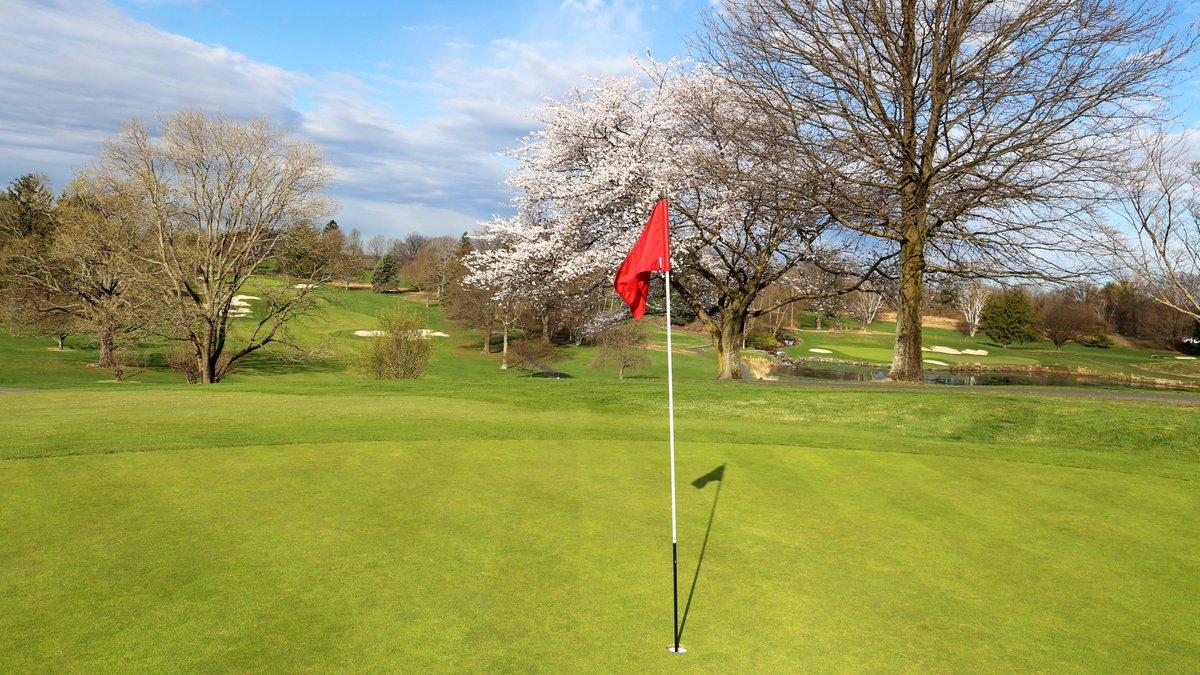
We all get excited for spring golf, but there can definitely be some ups and downs when it comes to course conditions. It’s a time of transition, so try to be patient as courses get into shape 👉bit.ly/3KmIZfP
3
27
68
16,588
Hidden Lake Turf retweeted
1 Apr 2023
Golf courses in many areas can be vulnerable to damage in early spring because of soft conditions and slow grass growth. If you take a golf cart, be extra careful 👇
1
44
103
22,494
Hidden Lake Turf retweeted
15 Mar 2023
Bunker sand will never be totally consistent throughout a golf course, there are simply too many variables involved 👇
12
102
225
68,651
Hidden Lake Turf retweeted
24 Nov 2022
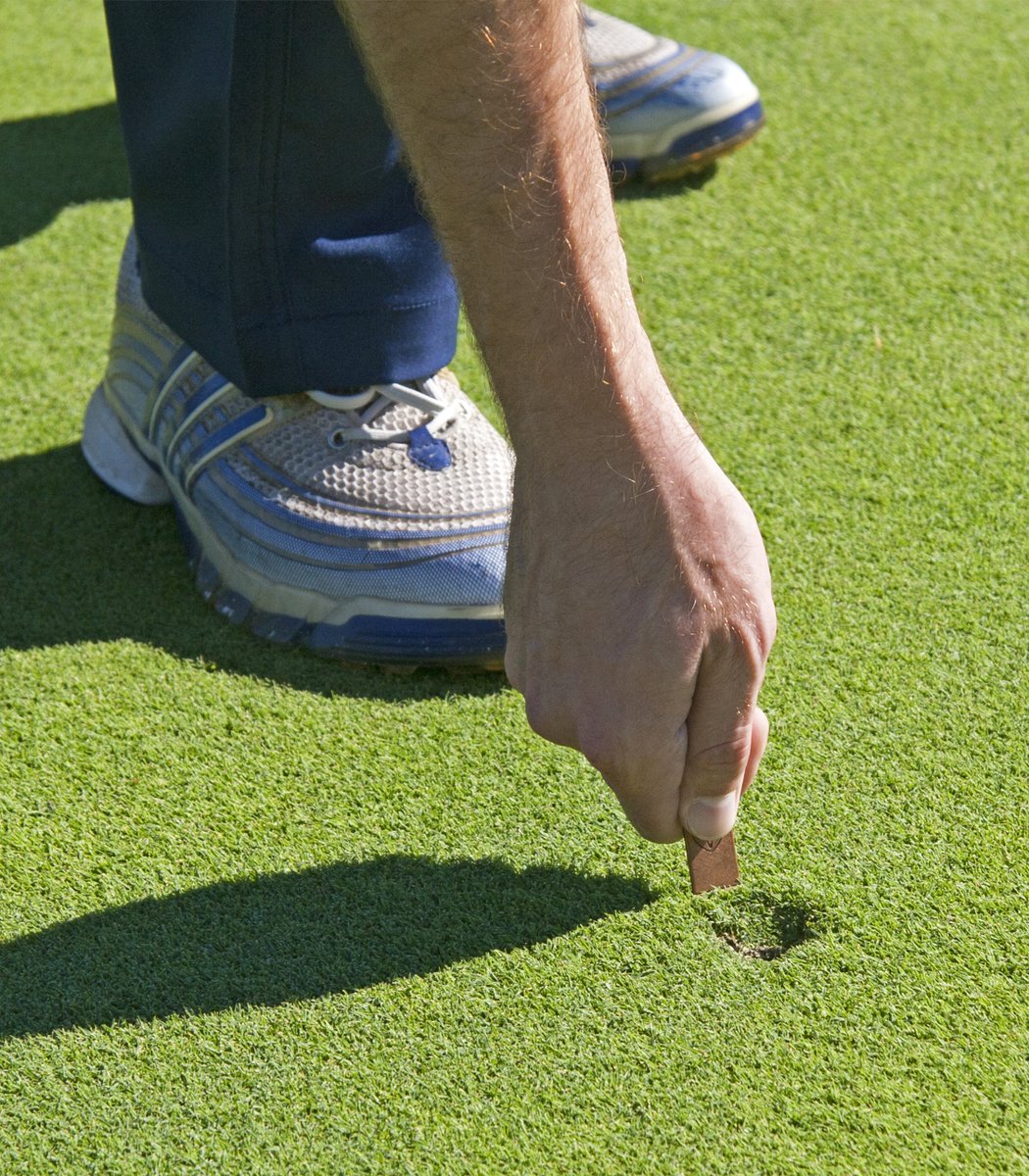
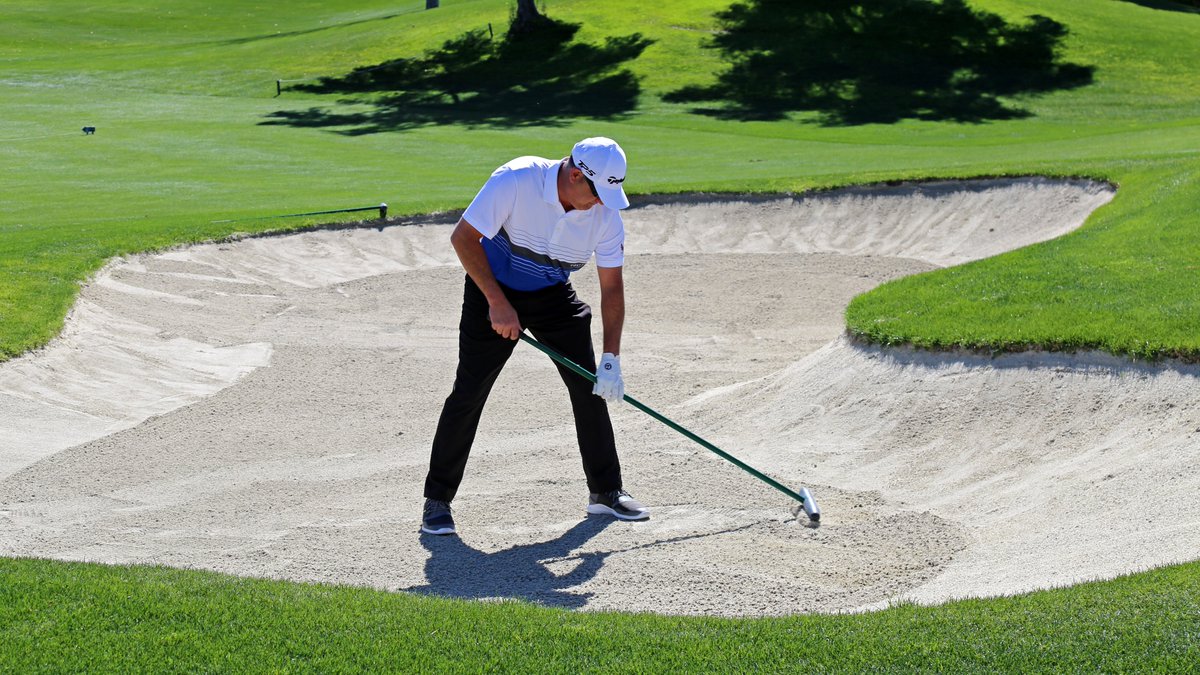
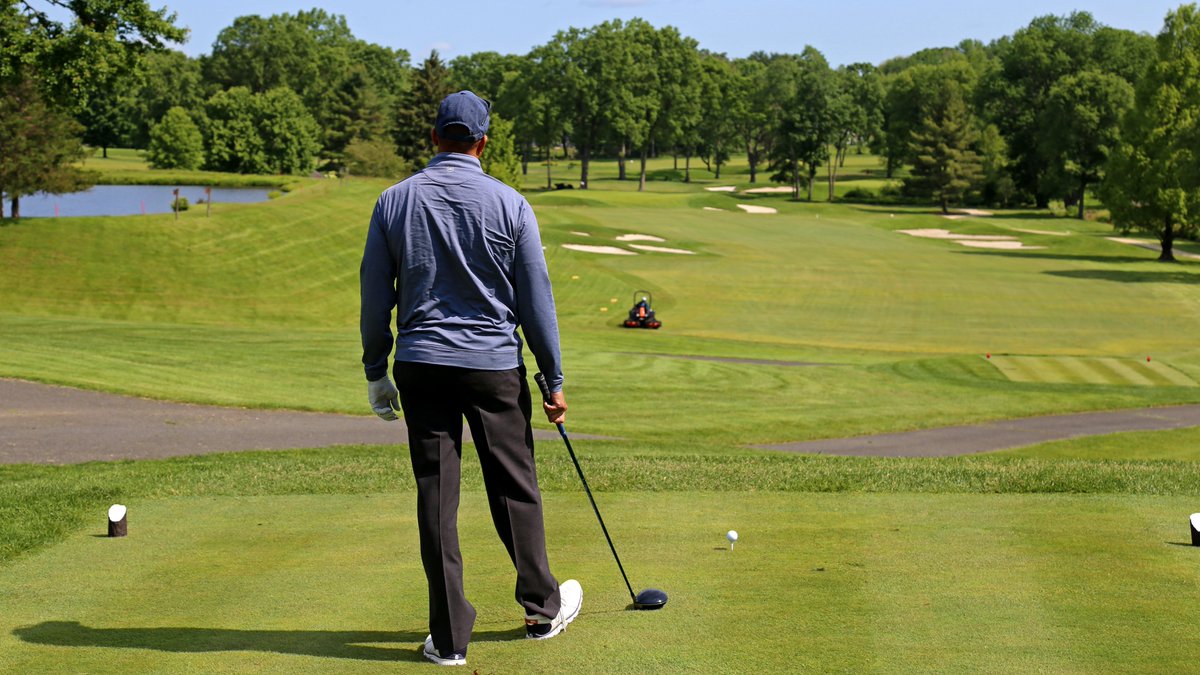
Today we give thanks for all the golfers that fix their ball marks and divots, rake bunkers, obey traffic signs, and wait for the maintenance staff to reach a safe area before hitting #Thanksgiving2022 #happythanksgiving
14
157
530
Hidden Lake Turf retweeted
3 Nov 2022
Unfortunately, frost season has arrived in many parts of the country. Here's why your morning tee time might be delayed.
30
72
Hidden Lake Turf retweeted
20 Oct 2022
With fewer staff available for course maintenance, superintendents are using various techniques to reduce the time and money spent on bunkers so they can focus those resources on other areas. Here are some ways how:
2
24
70
11 Oct 2022
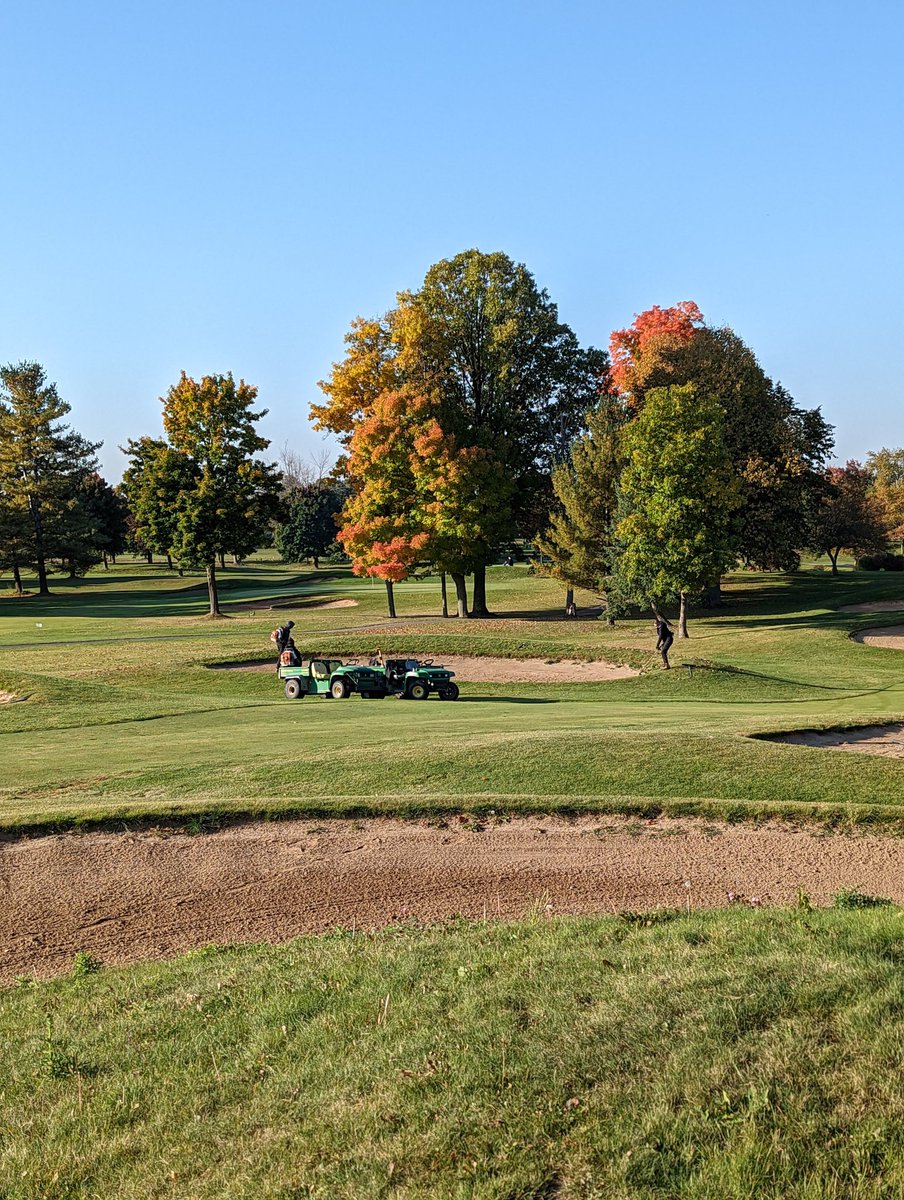
Some of our summer students requested to return during their reading week and pick up some hours. We are line trimming some bunkers and tidying the course up before winter. Must be doing something right. 👍
3
Hidden Lake Turf retweeted
1 Oct 2022
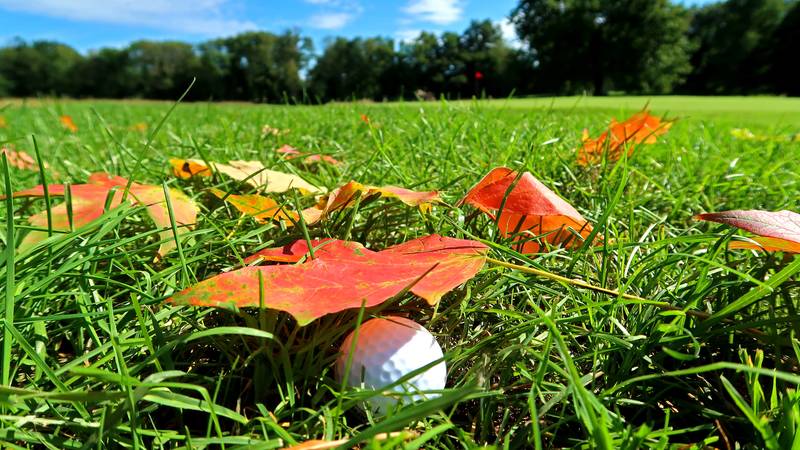
Fall is a great season for golf, but it's also a time of transition that brings many changes to course conditions. Here's 5⃣ things you need to know as the leaves begin to fall and frost delays start making a comeback👉 bit.ly/3F0bQ60
17
41
18 Aug 2022
👍👍
18 Aug 2022

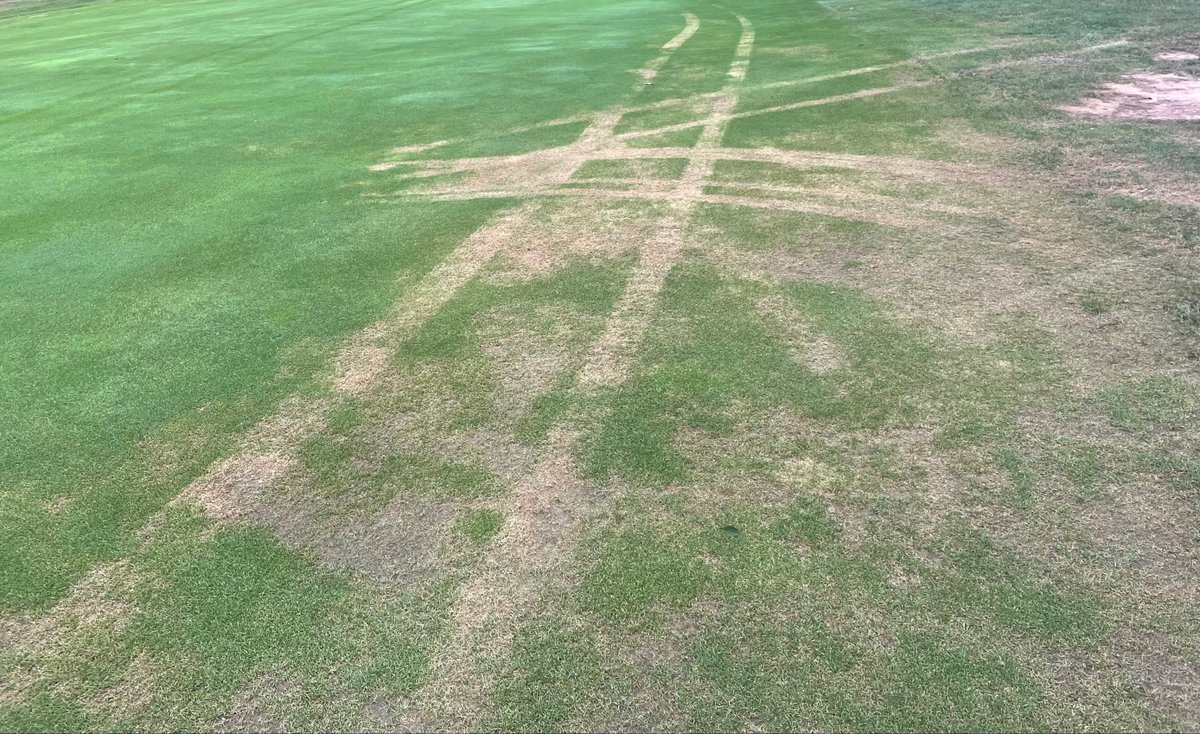
Unfortunately, turf damage from carts driving through drought-stressed areas has been a common observation this year. As you drive through the course, avoid areas that look worn out or stressed. In some cases, cart restrictions may be needed to prevent damage.
22 Jul 2022
👍
22 Jul 2022
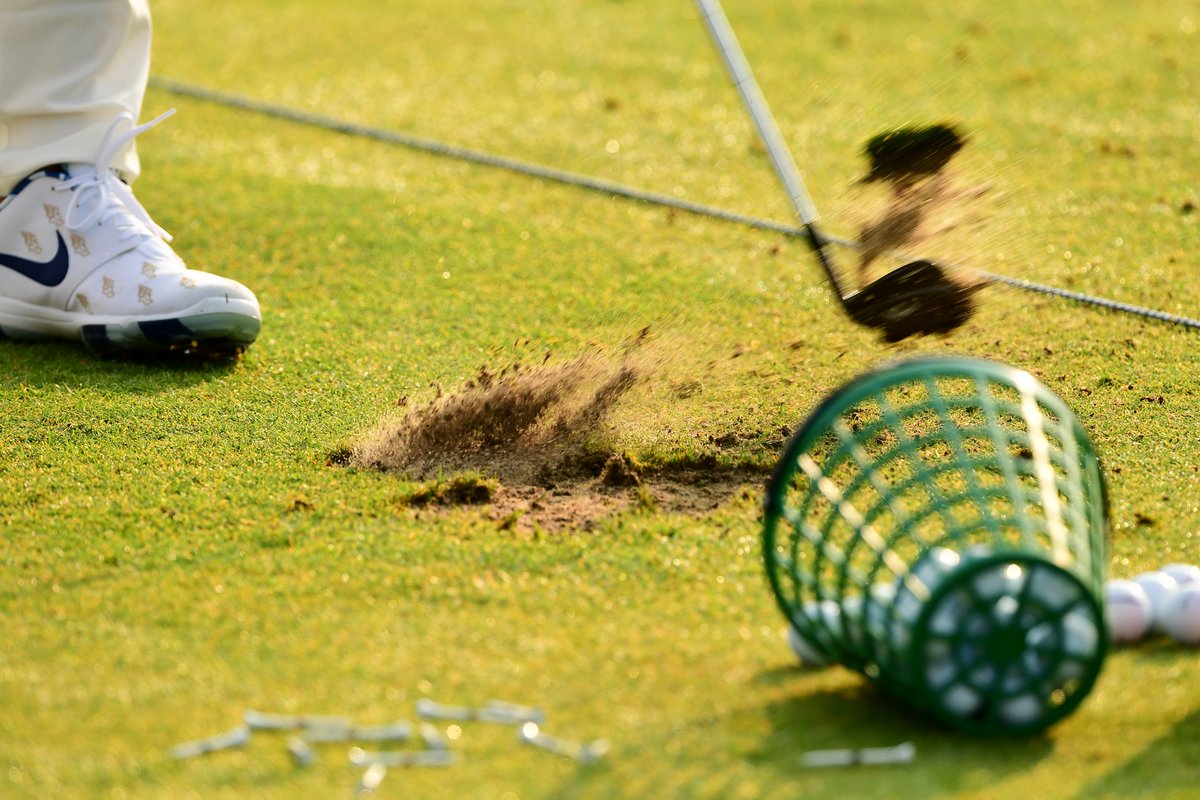
Practice areas can take a beating during the busy summer months. Fortunately, there are things golfers can do to help these important areas stay in the best shape possible. Here are 5⃣things golfers can do to protect the practice areas ➡️bit.ly/3uTrkFC
Hidden Lake Turf retweeted
9 May 2022
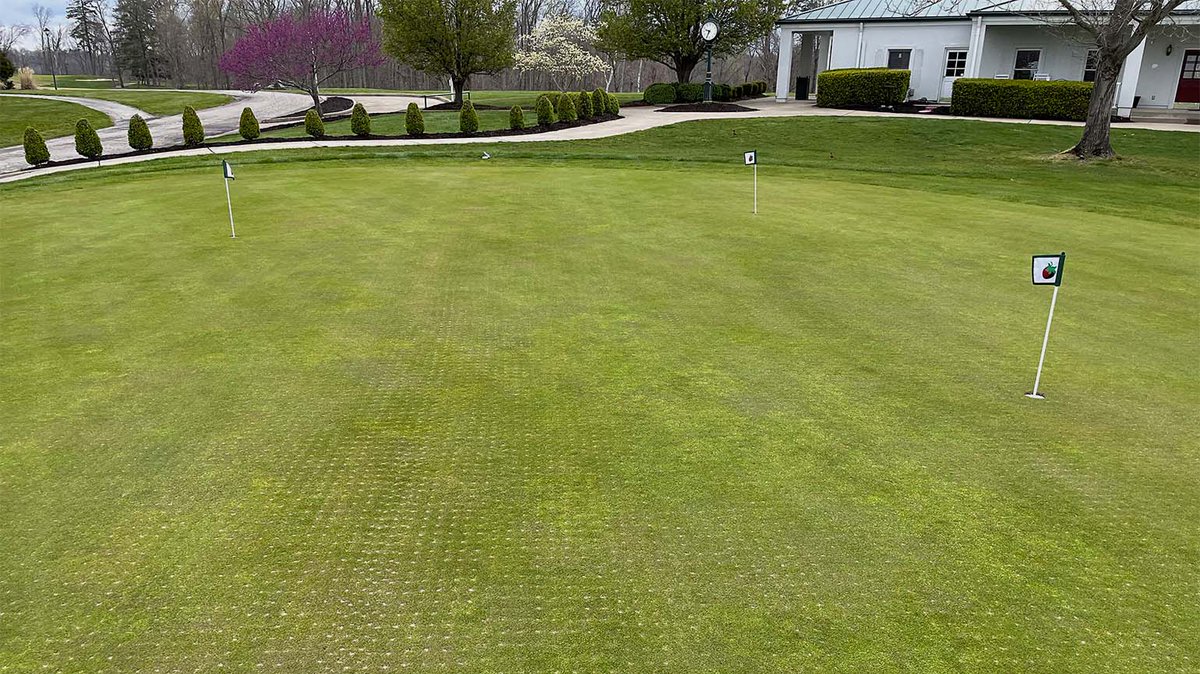
Chilly temperatures this spring have been frustrating for golfers & superintendents in many parts of the U.S. Grass has been slow to get growing and cold weather is hindering recovery from spring aeration. Patience is needed until warmer weather arrives 👉bit.ly/3N19x5X
1
55
108