
Joined January 2025
- Tweets 3,848
- Following 687
- Followers 632
- Likes 18,694
1,438 Photos and videos










Pinned Tweet

Feb 16
🚀 Introducing Smarana - a spaced repetition layer for mastering algorithm patterns.
> Track problems across LeetCode, Codeforces & more.
> Get smart review schedules.
> Build streaks & earn XP.
> Save notes & solutions for long-term recall.
> Plus: a Chrome overlay that shows your notes right on the problem page.
- Stop grinding. Start compounding.
🔗 smarana.io/
5
6
30
2,151
HiddenNeuron retweeted
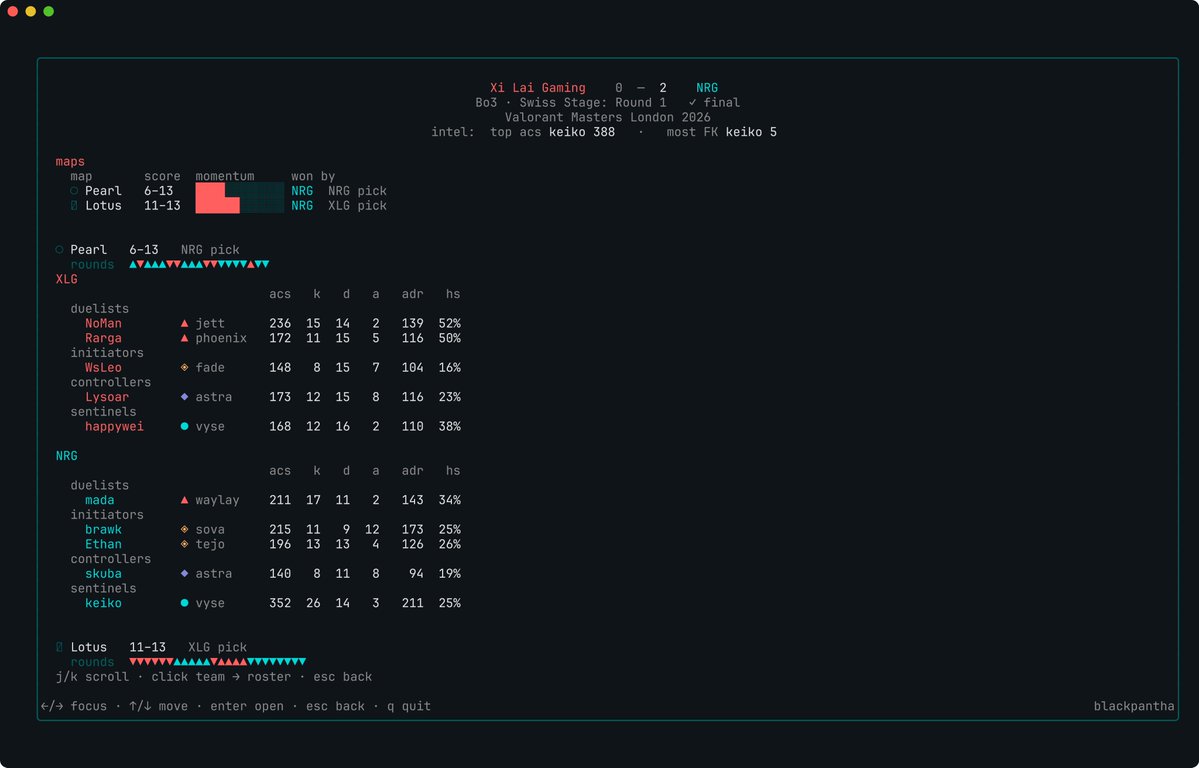
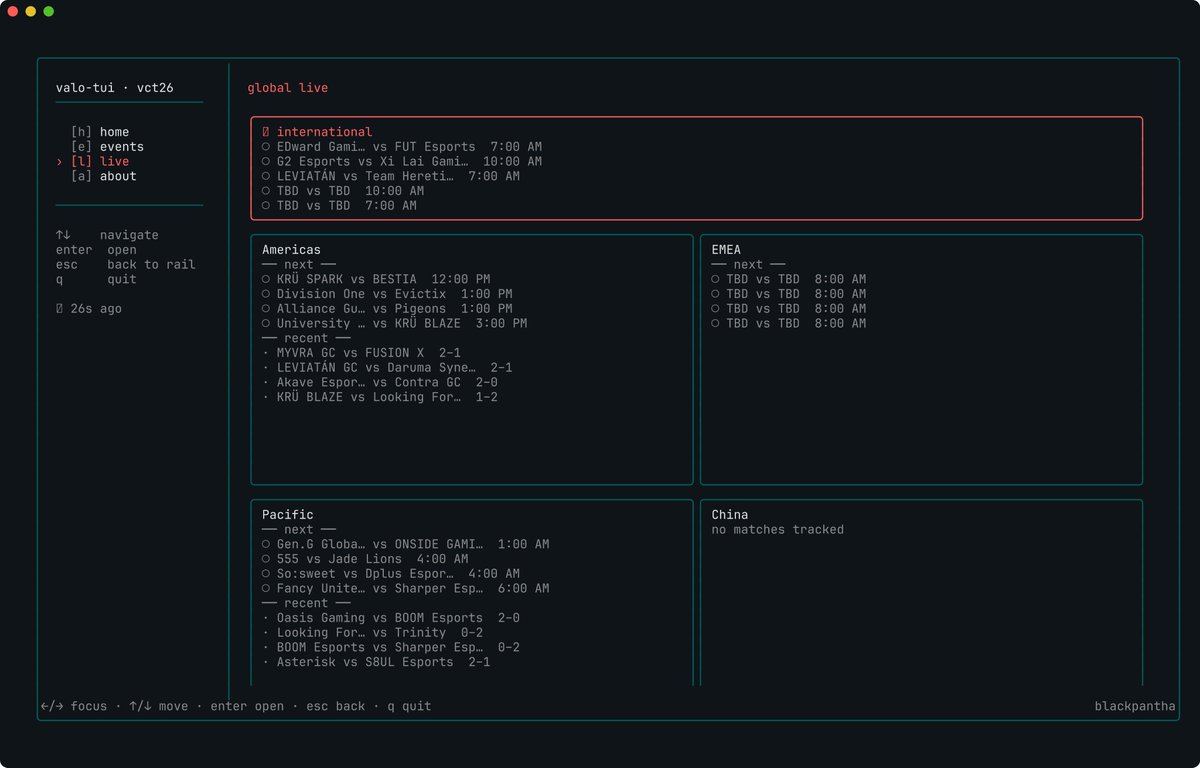
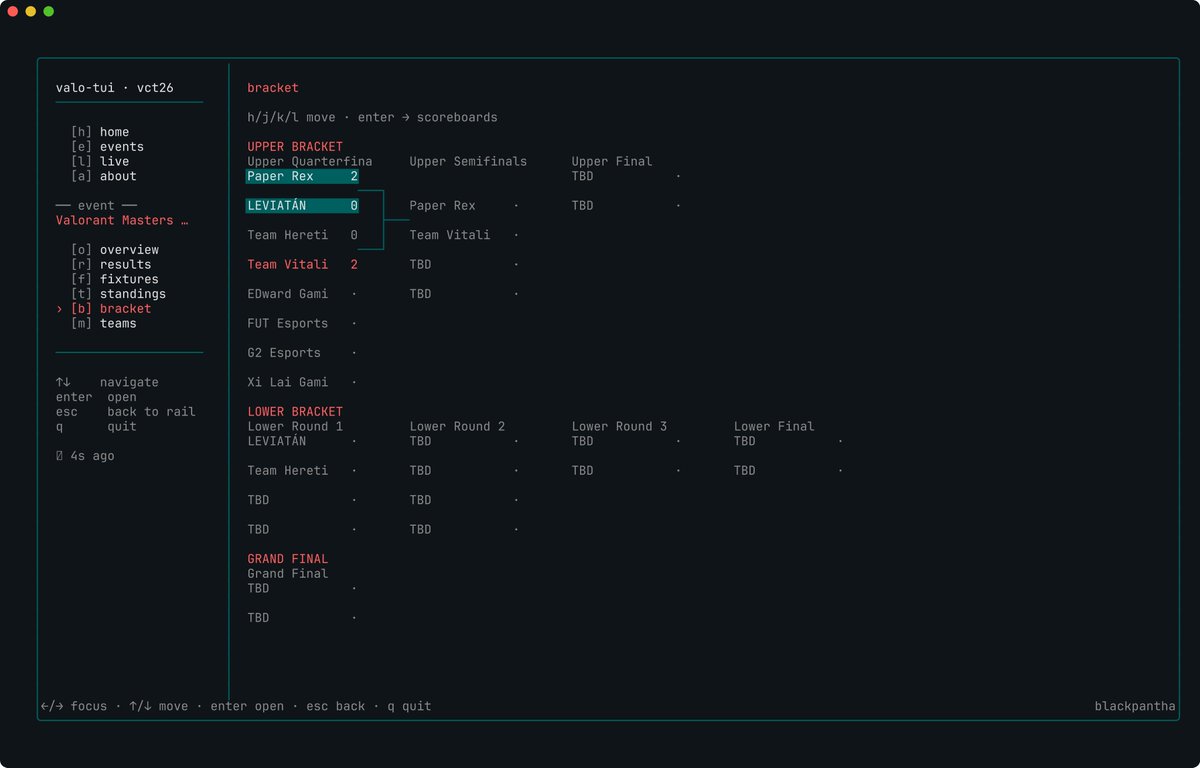
good use of free will: I built a terminal UI to watch Valorant esports from my terminal
no app, no login, no install
just run:
ssh valo.black-pantha.com
the best part is that it’s deployed on my own home server, running from my Proxmox homelab
you can see live scores, brackets, standings, rosters, and match stats, all in the terminal
do check it out, press q to leave
github repo - github.com/jashkarangiya/val…
3
2
23
276
Jun 13
FAFO: Homelab Edition #7
today was a big one.
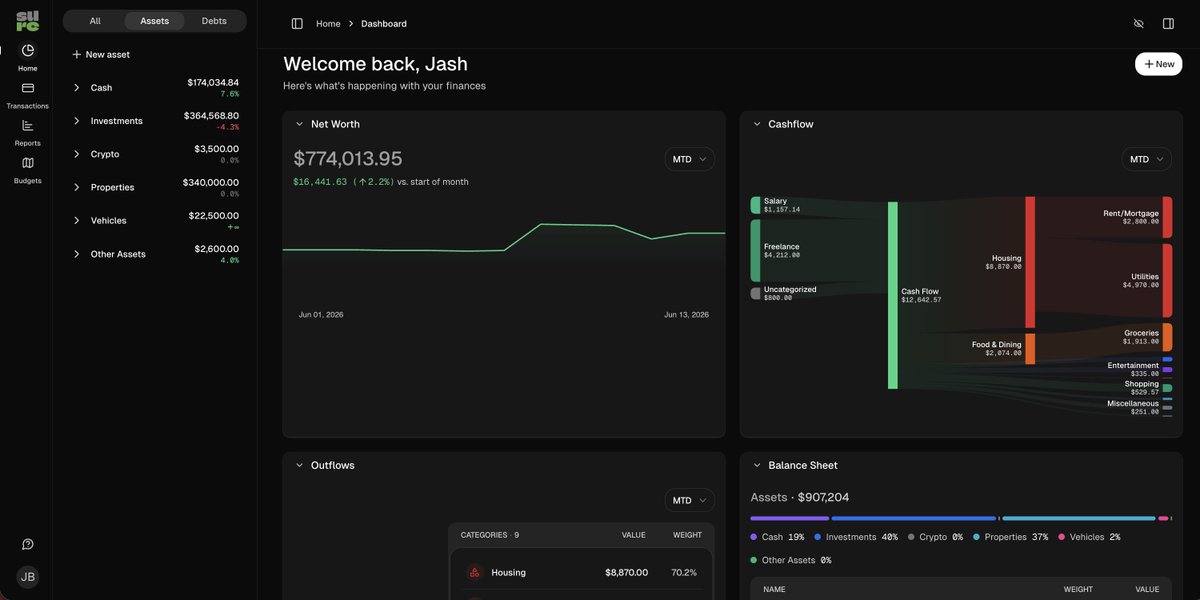
i set up sure on my homelab, and this is the first service that actually made me think "okay, i'm going to use this every single day."
it's basically a finance app, but running on my own server. i connected it through plaid, added my cards and accounts, and now everything lives in one place. the part i didn't expect to like as much is that it also supports connecting to ai through a token, which makes it way more useful than i thought it'd be. and it just works.
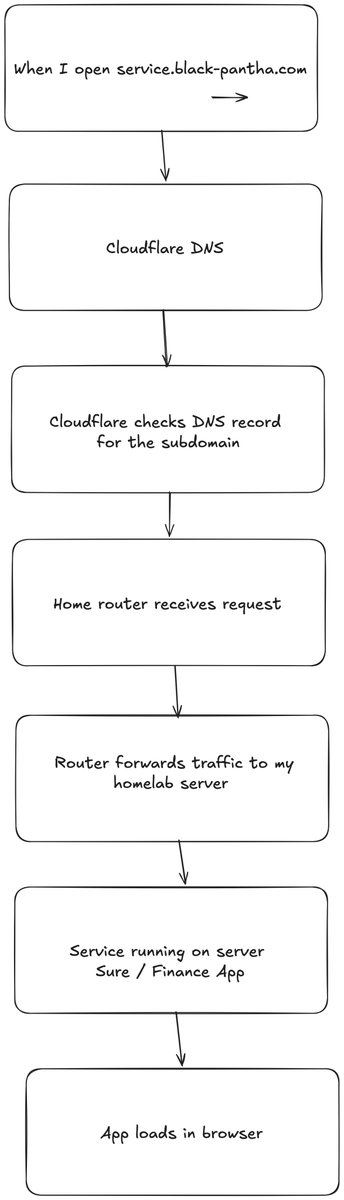
i also finally sorted out my domain today. instead of memorizing ip addresses and ports, i can reach my services through clean subdomains like:
service.black-pantha.com
this took way more work than i planned for, but it was 100% worth it. proper subdomains make the whole homelab feel cleaner, and honestly more real.
day 7 progress: sure is up and running, finance tracking is set up, the ai connection works, and my services are now reachable through subdomains.
this was probably the most useful homelab day so far. not just something i spun up to learn, but something i'm actually going to use in daily life.
Jun 11

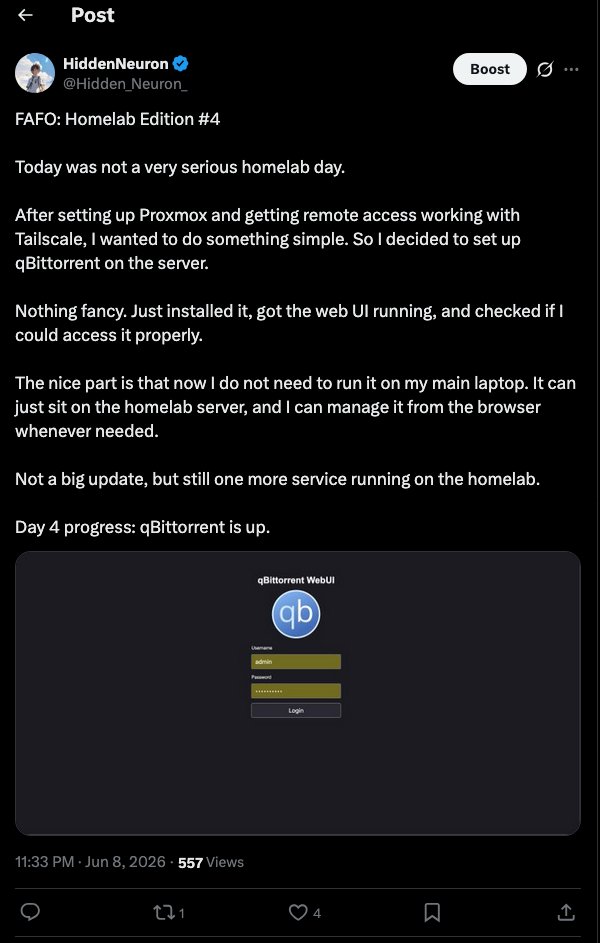
FAFO: Homelab Edition #6
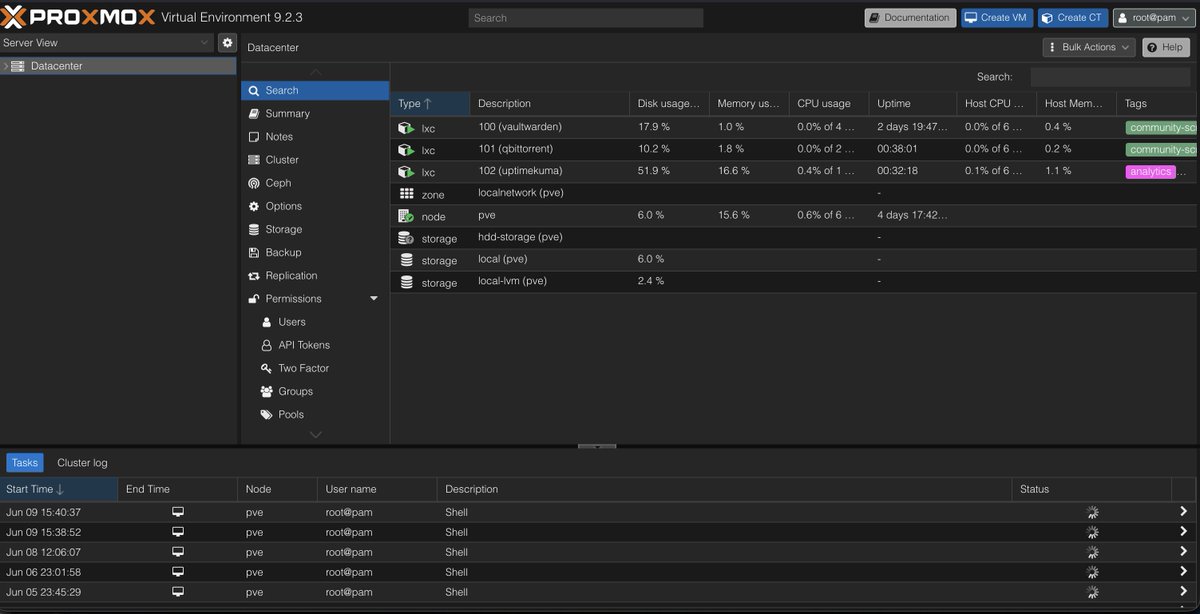
Today, I set up Uptime Kuma on the homelab.
And honestly, I realized pretty quickly that I probably did this a little too early.
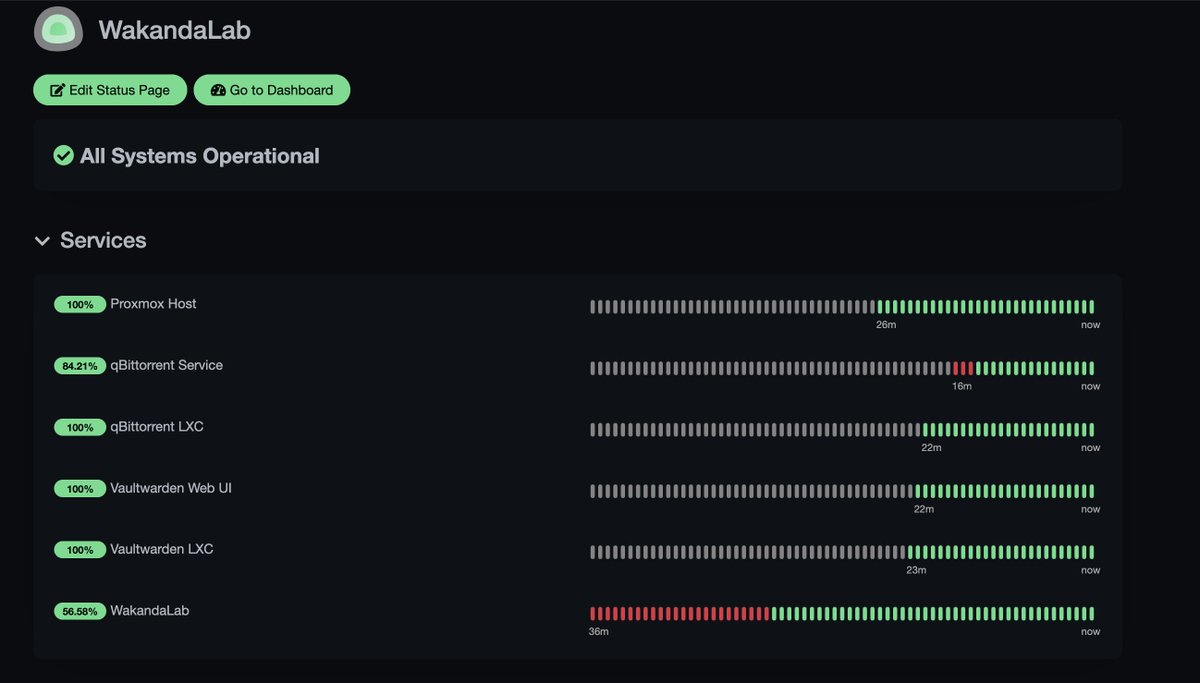
Uptime Kuma is basically a self-hosted monitoring tool. In simple terms, it helps you keep track of whether your services are running or down. You can add services to it, and it will keep checking them in the background.
The funny part is, I do not even have that many services running yet.
So right now, Uptime Kuma is mostly monitoring the small things I have already set up, but this probably would have made more sense later, once the homelab had more apps and services running.
Still, it was useful to understand how monitoring works.
Now I can see the status of my homelab services from one dashboard instead of manually checking each one.
Day 5 progress: Uptime Kuma is up.
2
8
219
Jun 13
Anthropic after any canon event
Jun 13

As a result of a US government directive, we are suspending access to Claude Fable 5 for all users. You can continue to use all other Claude models.
Here’s what this means for you:
Across Claude products, new sessions will run on your selected default model or Opus 4.8, and existing Fable 5 sessions will end with an error.
On the Claude Platform, requests to Fable 5 will also return an error. Please update your integrations to other Claude models.
We know this is a disruption to your workflows; we appreciate your patience and support.
1
7
171
Jun 12
got most my work done in the bus, the project is almost ready. now time to sleep for while and work again
10
125
Jun 11
perfect example of "when something is free you are the product"
dronexl.co/2026/06/09/pokemo…
4
65

Jun 11
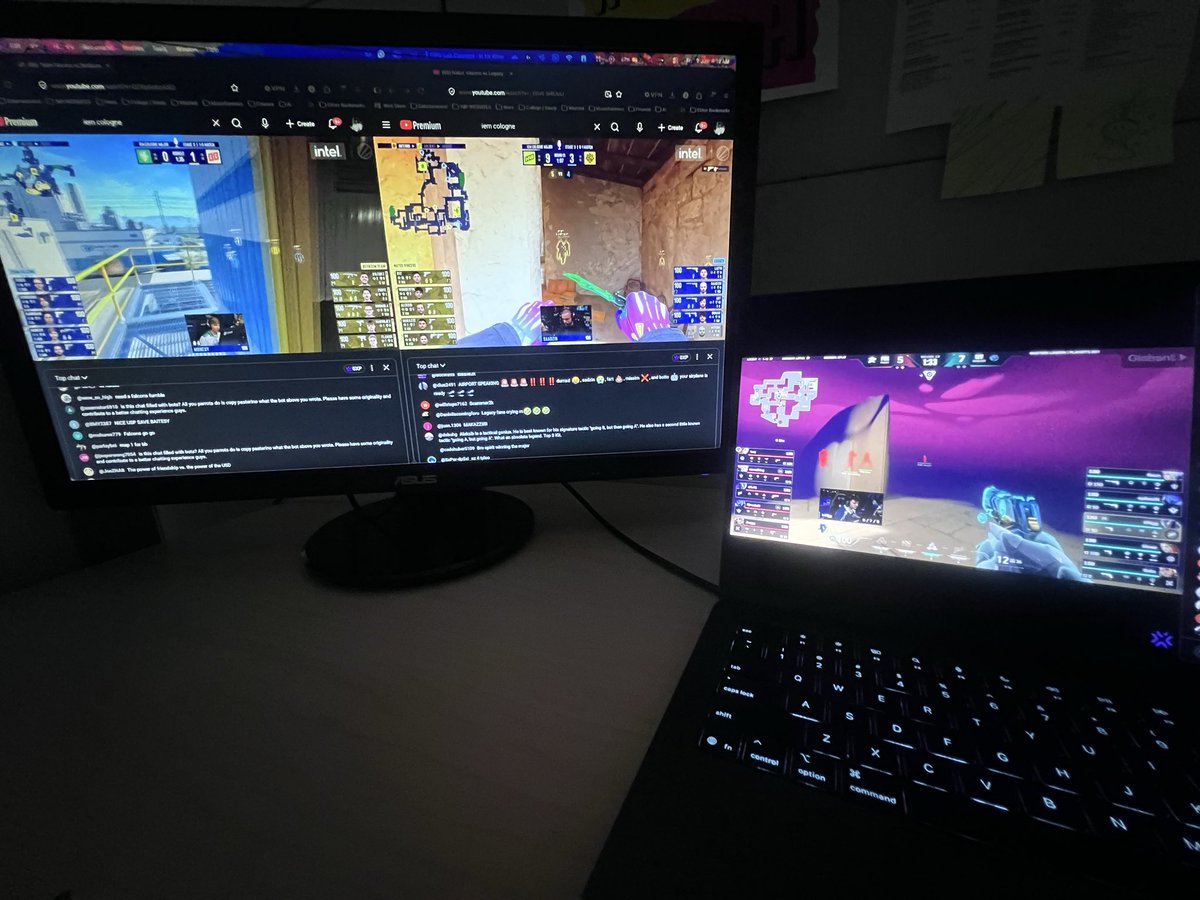
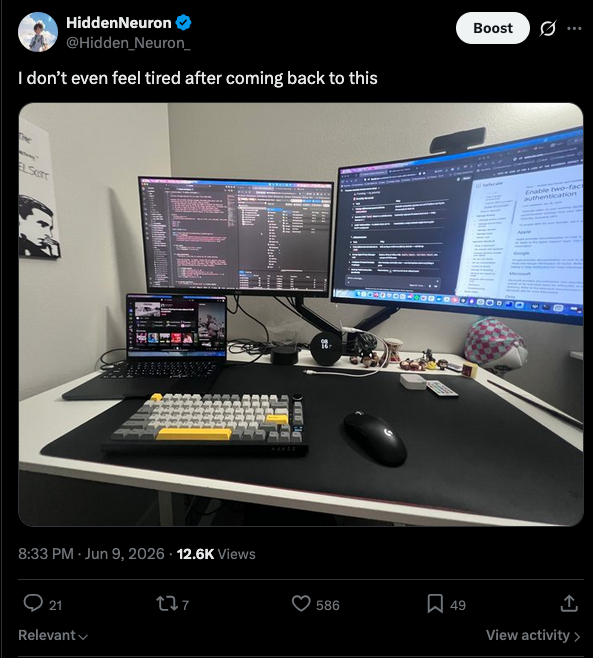
my setup post gets more love than the actually useful stuff i’m working on.
not blaming people. feeds reward what looks good instantly.
don’t hate the people, hate the game.
1
1
24
468