
Joined January 2025
- Tweets 1,866
- Following 2,262
- Followers 850
- Likes 476
581 Photos and videos


Persecution of Hindus retweeted
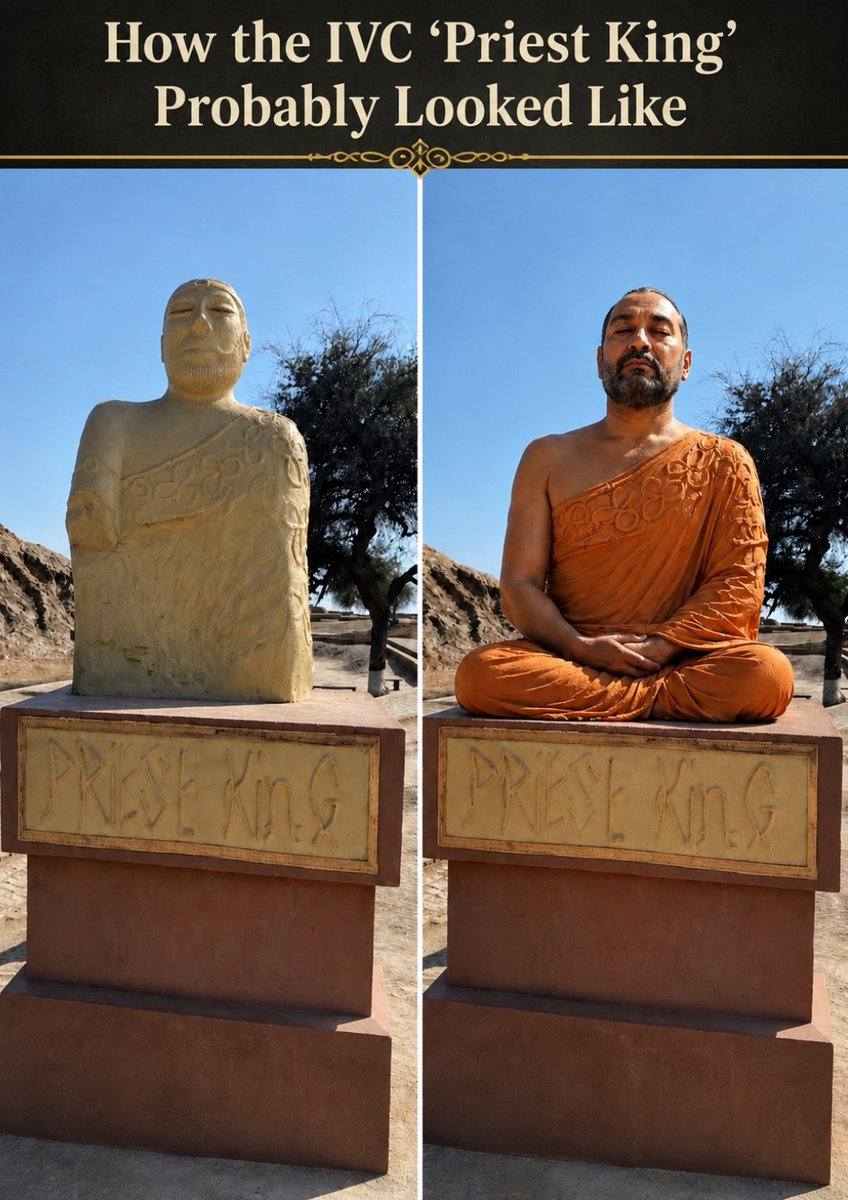
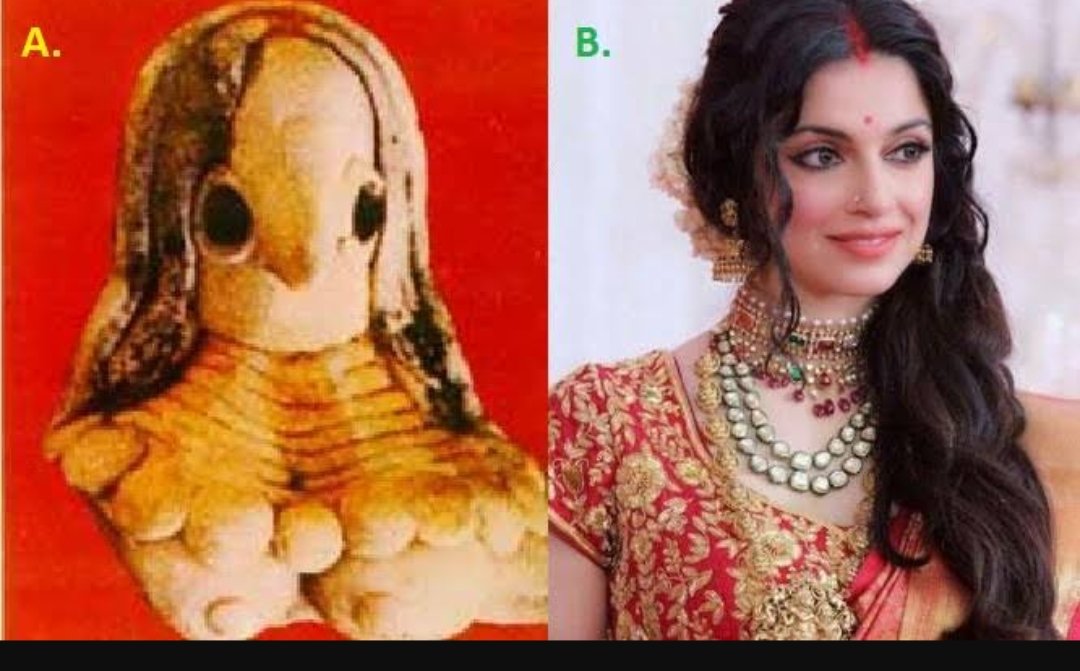
IVC was Vedic Hindu.
2
20
159
Persecution of Hindus retweeted
India gave them independence, but they returned the favour with hate.
1
1
11
Persecution of Hindus retweeted

Sarasvati did not disappear.
It walked east.🔥
The Greatest Migration in Ancient India Was Not Into India—It Was Within India!
School textbooks are wrongly teaching ancient India as the passive recipient of foreign migrations.
But what if one of the greatest migrations in Indian history happened inside India itself?
The drying of the Sarasvatī did not end a civilization.
It relocated it.
Sarasvati started declining in 2200 BCE.
The descendants of the Mature Harappans did not vanish in 2200 BCE. They moved eastward and carried their traditions with them.
Consider the evidence:
• King Kuru ruled in the Sarasvatī region during the Mature Harappan age.
• His descendant Pradīpa shifted toward the Yamunā.
• Śantanu later ruled on the Gaṅgā at Hastināpura.
A similar pattern appears in the Ikṣvāku lineage:
• Sagara belonged to the Sarasvatī region.
• Aṃśumat settled along the Yamunā (Aṃśumatī).
• Bhagīratha shifted toward the Gaṅgā (Bhagīrathī).
• Later generations - Aja, Dasaratha and Rama - established Ayodhyā.
This is migration history in action.
It preserves a memory of one of the largest ecological migrations in South Asian history.
As the Sarasvatī weakened after the 4.2 kyr aridity event (~2200 BCE), populations gradually shifted eastward into the Ganga basin.
The Rāmāyaṇa and Mahābhārata represent the continuation of the Mature Harappan world in a new geography.
The people who built the cities of the Sarasvatī became the ancestors remembered in India's great epics.
Sarasvati Sindhu Civilization did not collapse but continued to reach us as Ramayana & Mahabharata!🔥

5
31
92
3,501
Persecution of Hindus retweeted
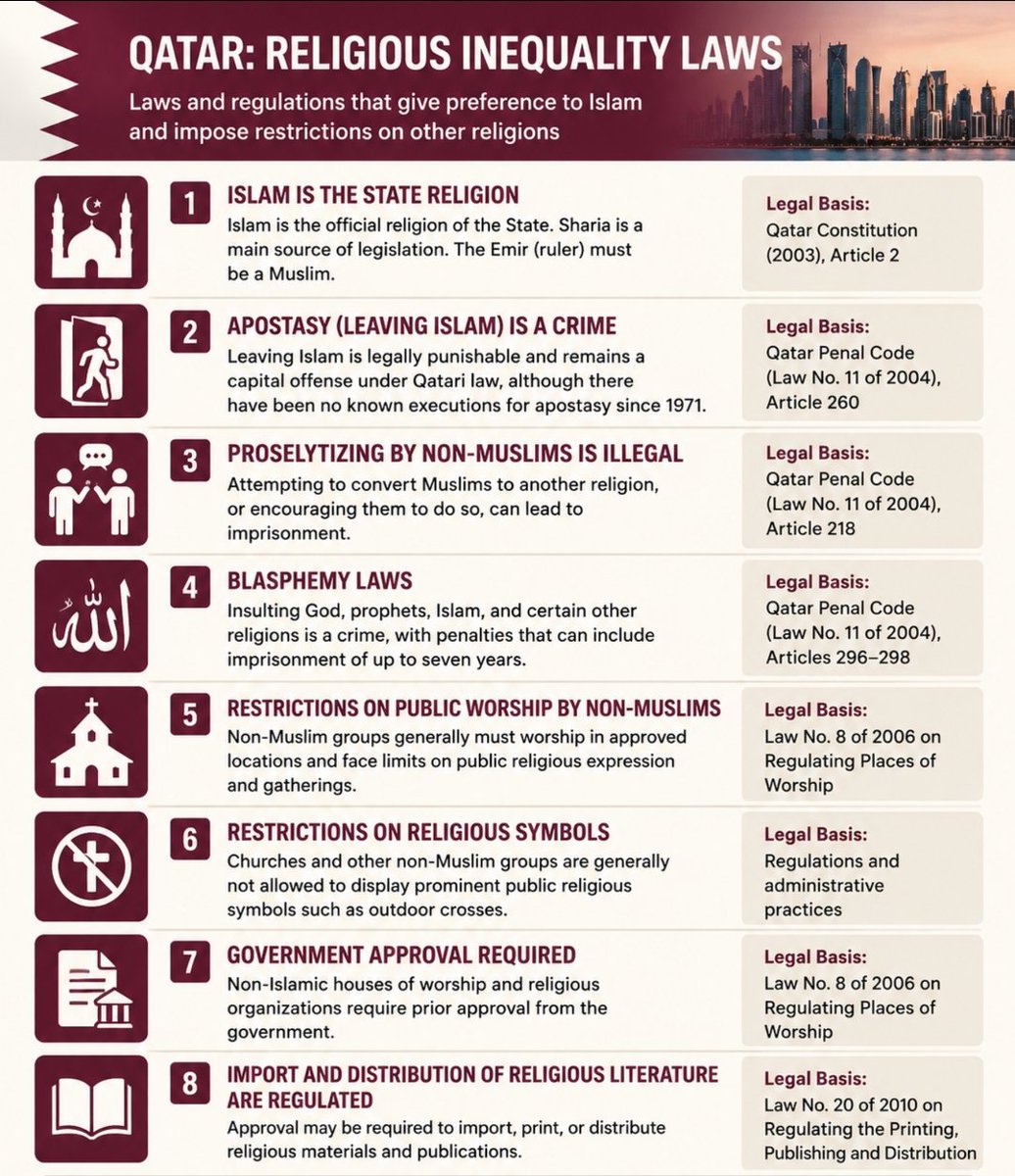
Qatar has legal inequality.
1
1
37
Persecution of Hindus retweeted
Indus flows through India before it enters Pakistan. 😅
1
2
28
Persecution of Hindus retweeted
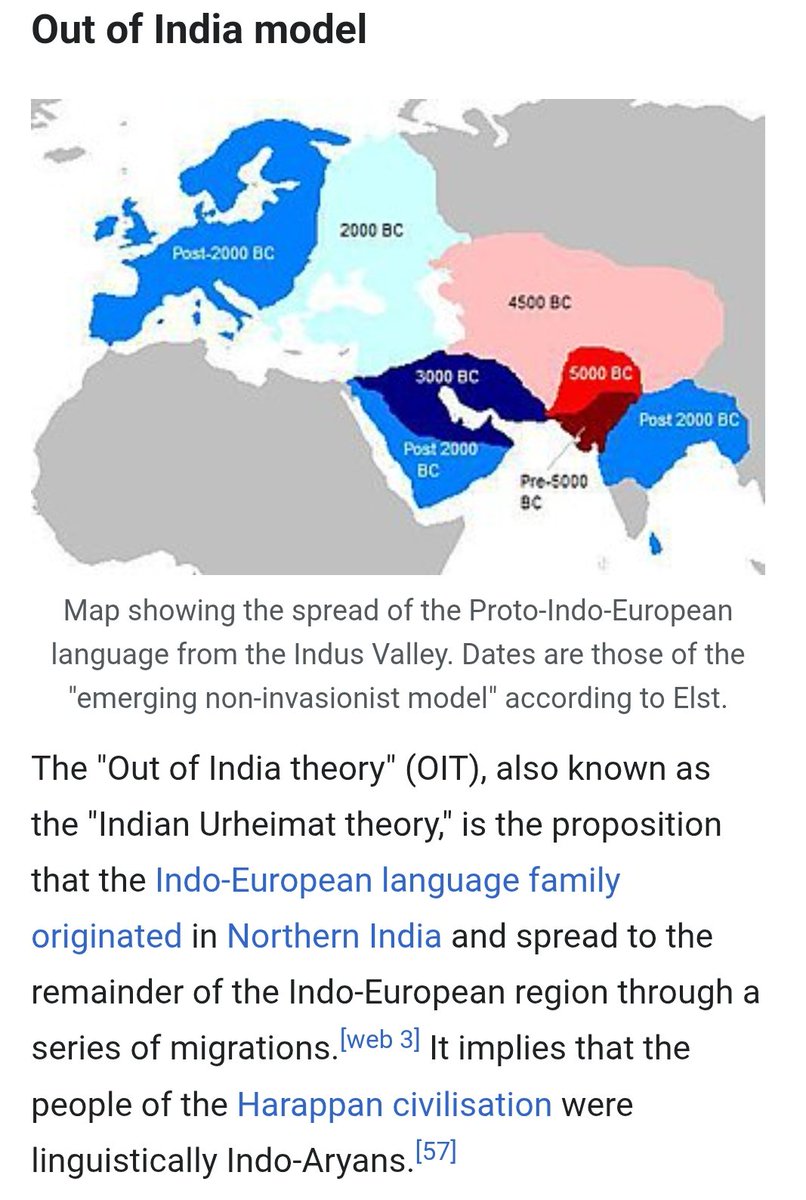
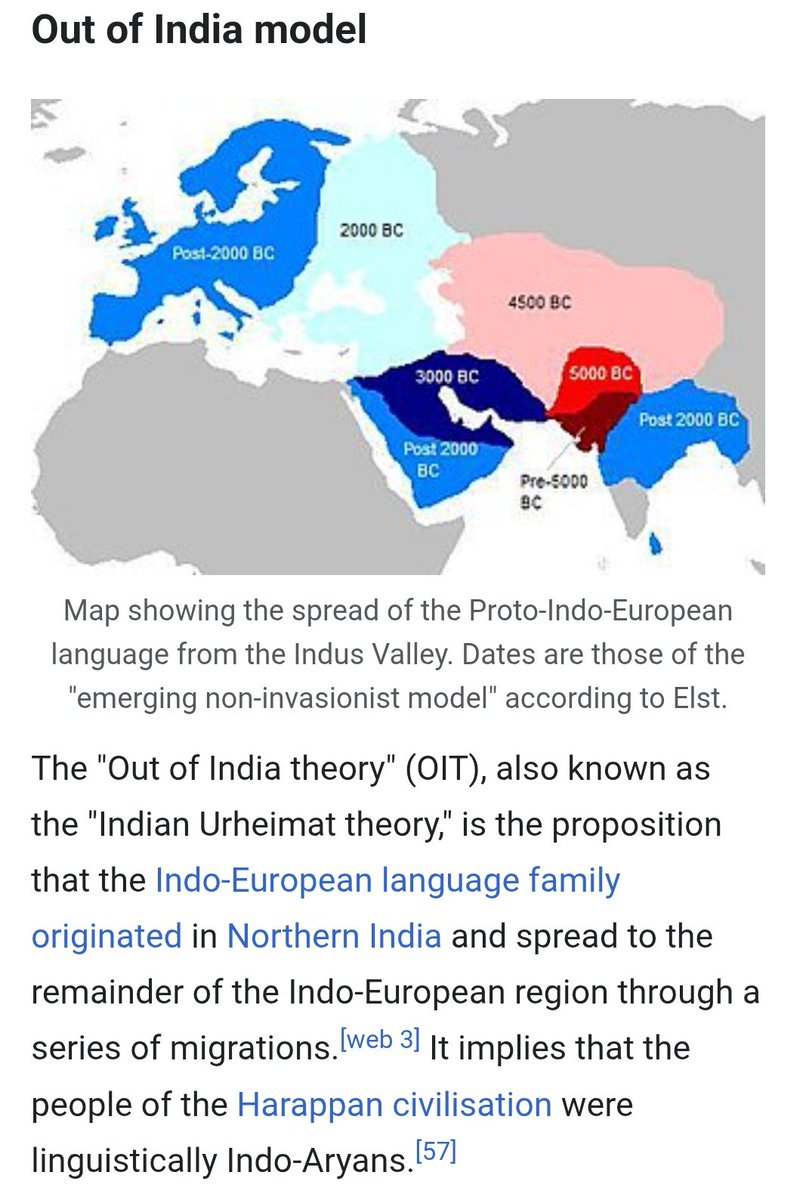
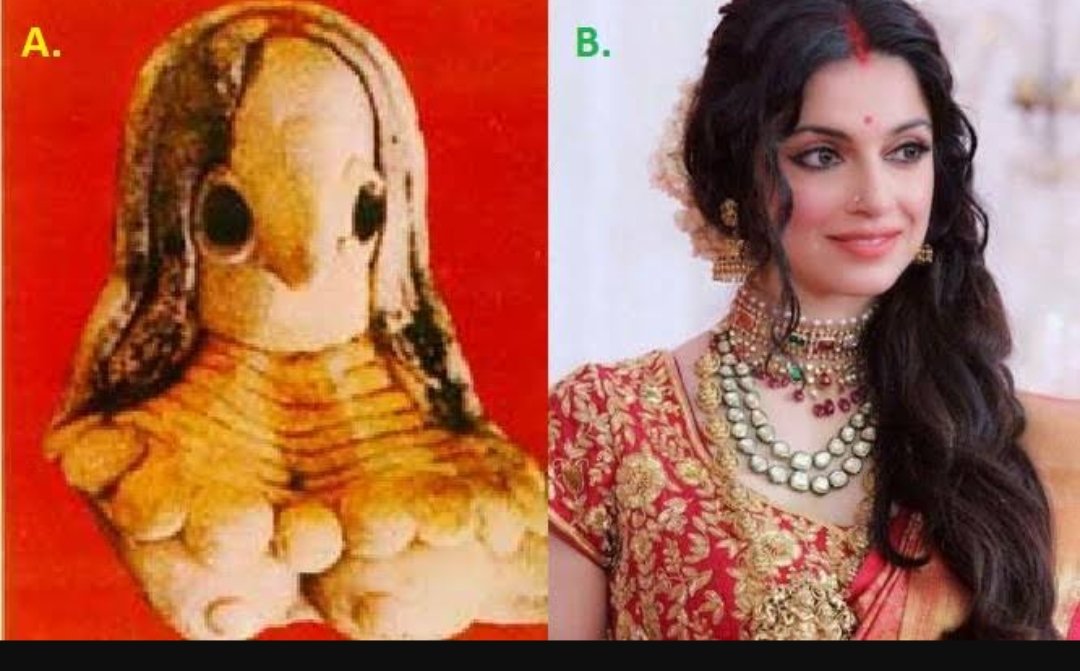
Aryans want from india to steppe not from steppe to india.
1
1
14
Persecution of Hindus retweeted
IVC is Vedic Hindu civilization, no it's not older than Hinduism.
2
52
422
Persecution of Hindus retweeted
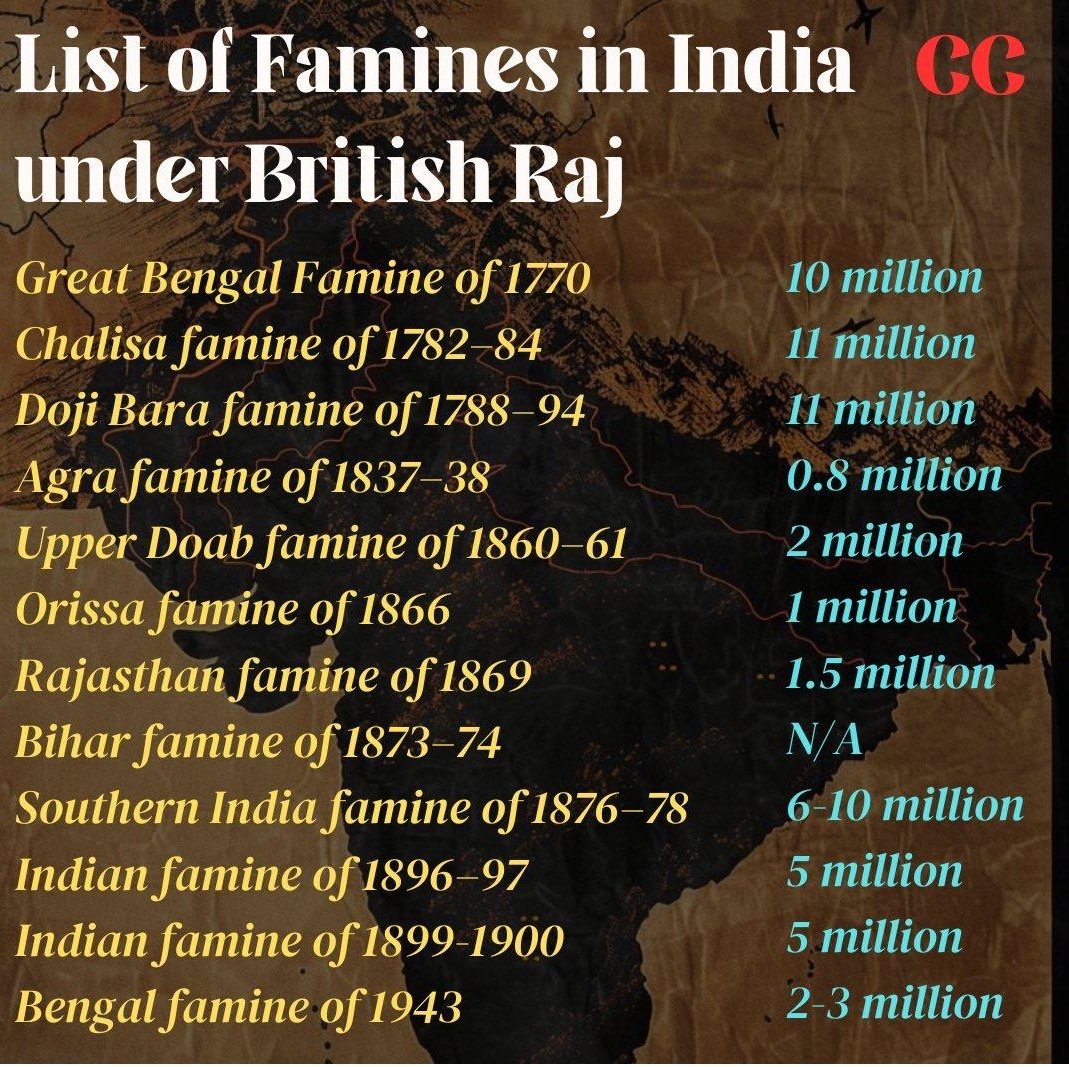
Destruction of India under the British!
1
1
6
Persecution of Hindus retweeted
Doesn't make up for the death amn
2
4
57
Persecution of Hindus retweeted
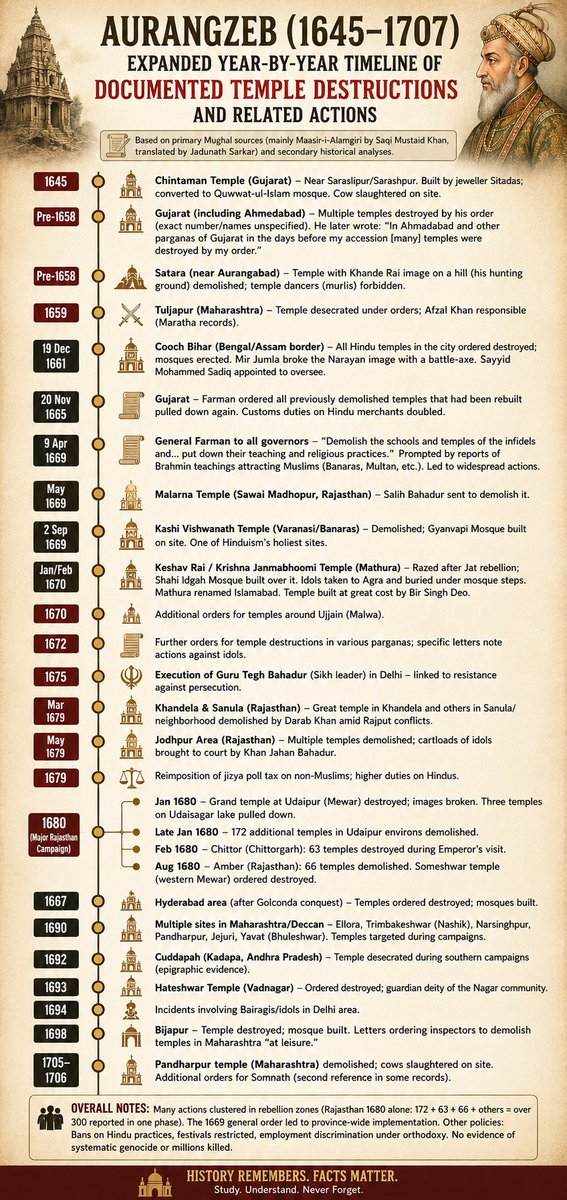
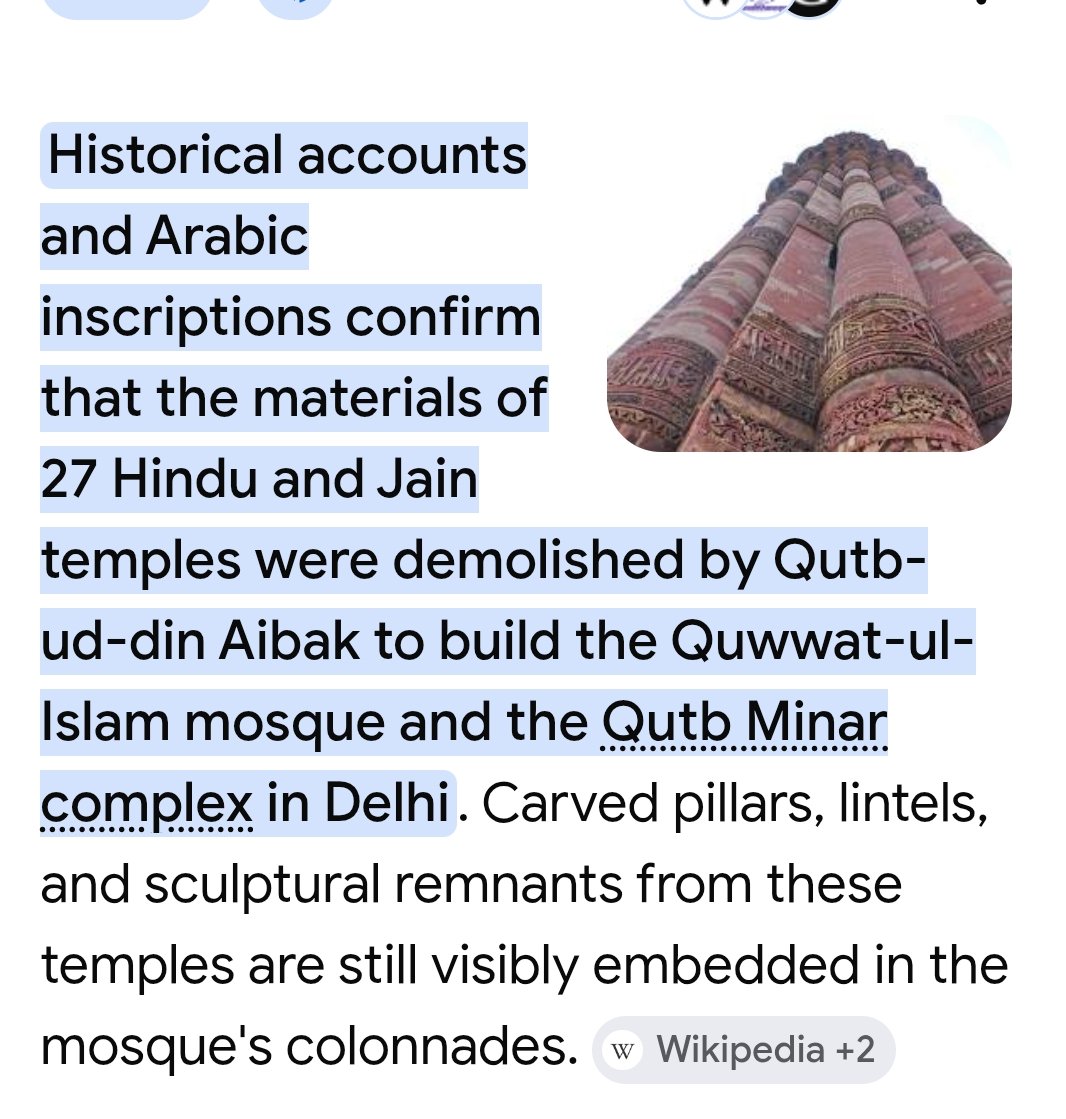
Qutub ud din aibak destroyed a Hindu Jain temple complex and built a mosque using that material.
Hindus and Jains had their temples in the same area meaning that they could get along very well.
And Islamists attacked and destroyed all religions indiscriminately.
No need to construct some revisionist history.
1
5
151
1,363
Persecution of Hindus retweeted
Then Hindus adopted secularism denying themselves the hegemony over the vast land. Also retained most of population while Pakistan religiously cleansed the minorities.
A far more simpler explanation is kafir-phobia.
2
2
17
974

Persecution of Hindus retweeted
Because they suffer from a condition called kafirphobia. And if they can't blame kafirs for something, they don't care.
2
13
313
Persecution of Hindus retweeted
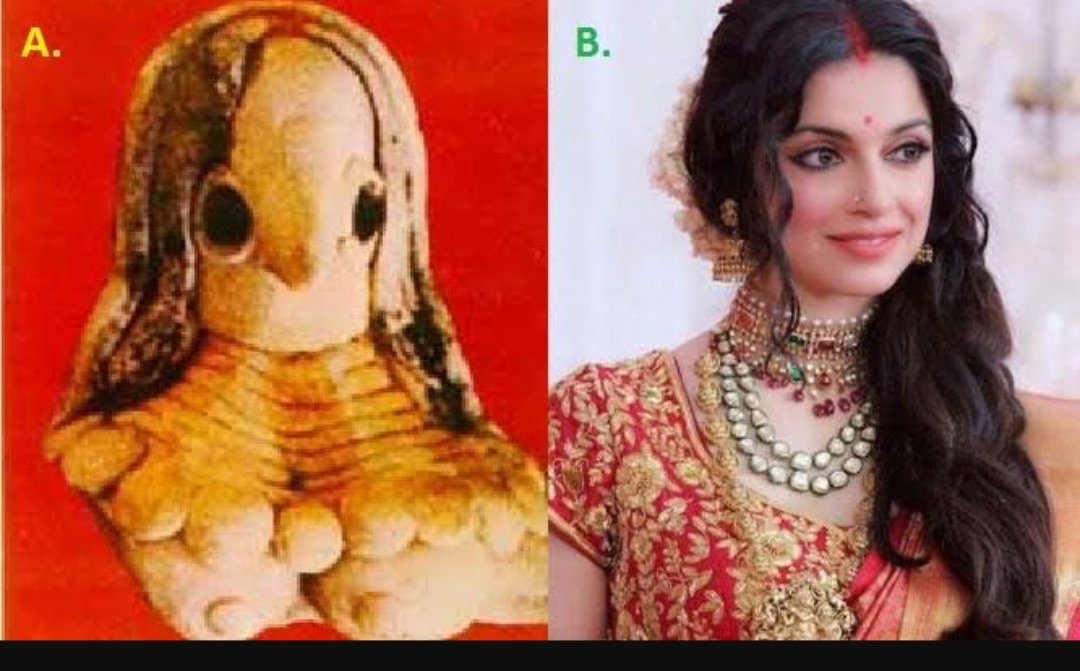
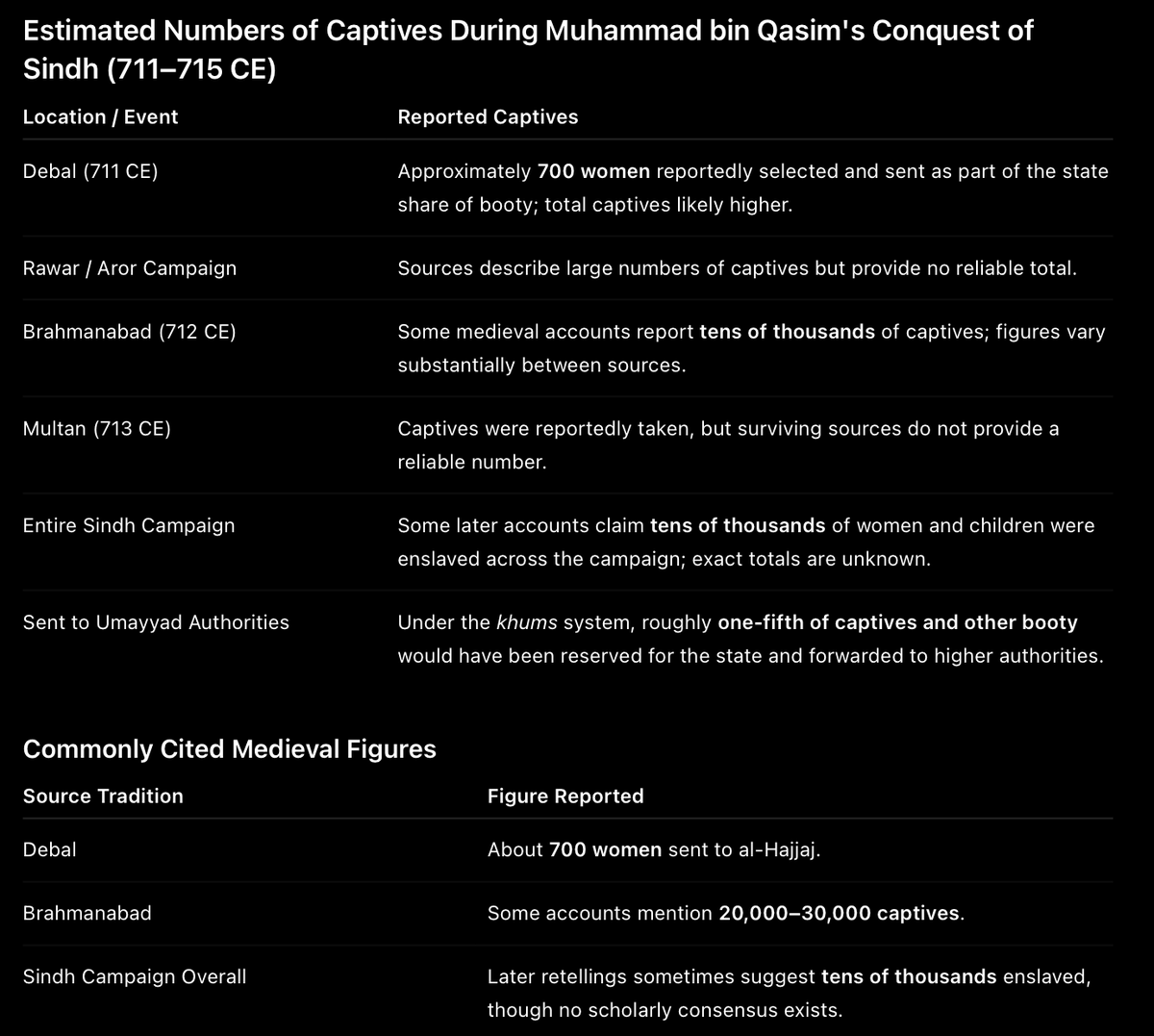
Is this love Jihad?
1
1
3
1,169
Persecution of Hindus retweeted
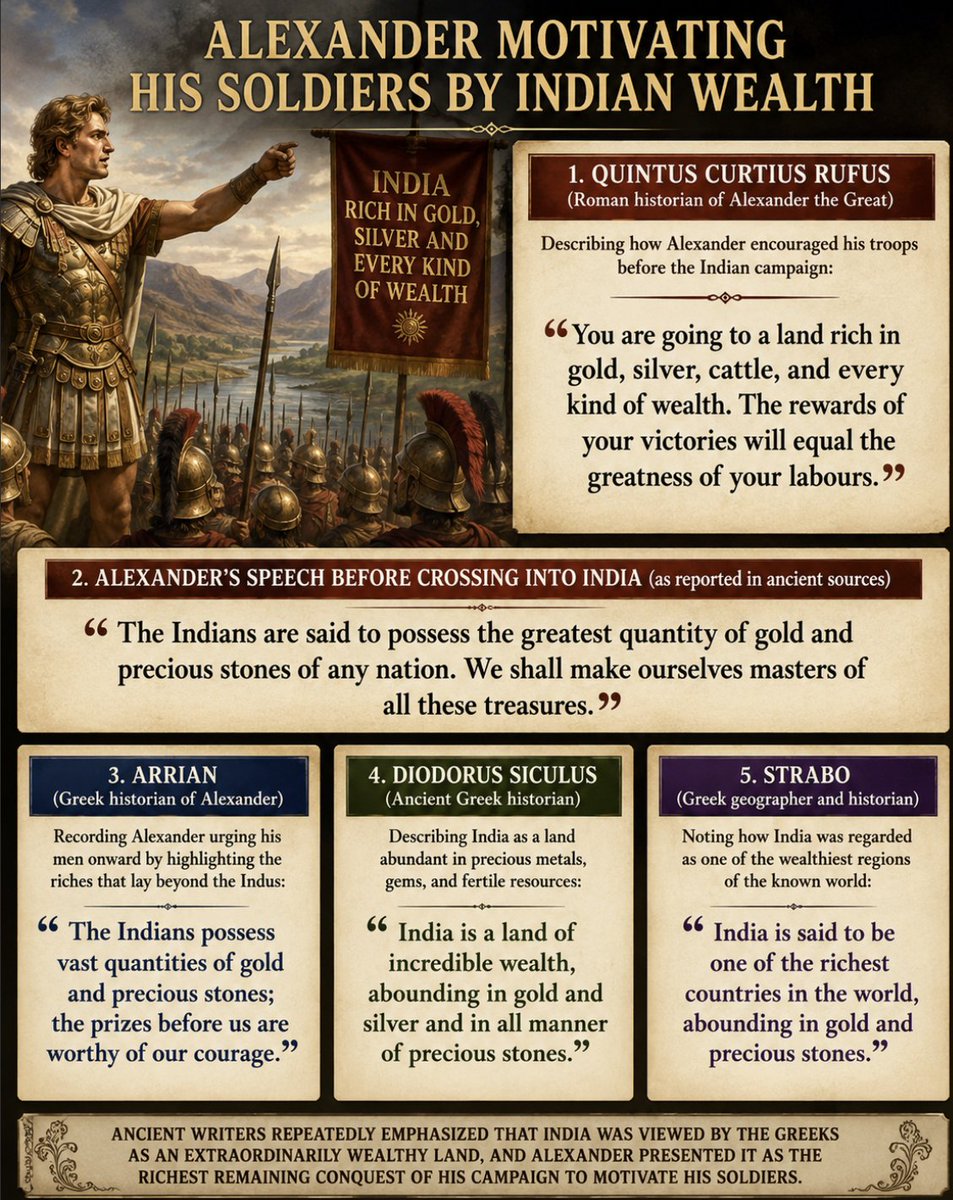
Hindu India was richer than you can imagine. Then some looters came along.
1
1
66
Persecution of Hindus retweeted
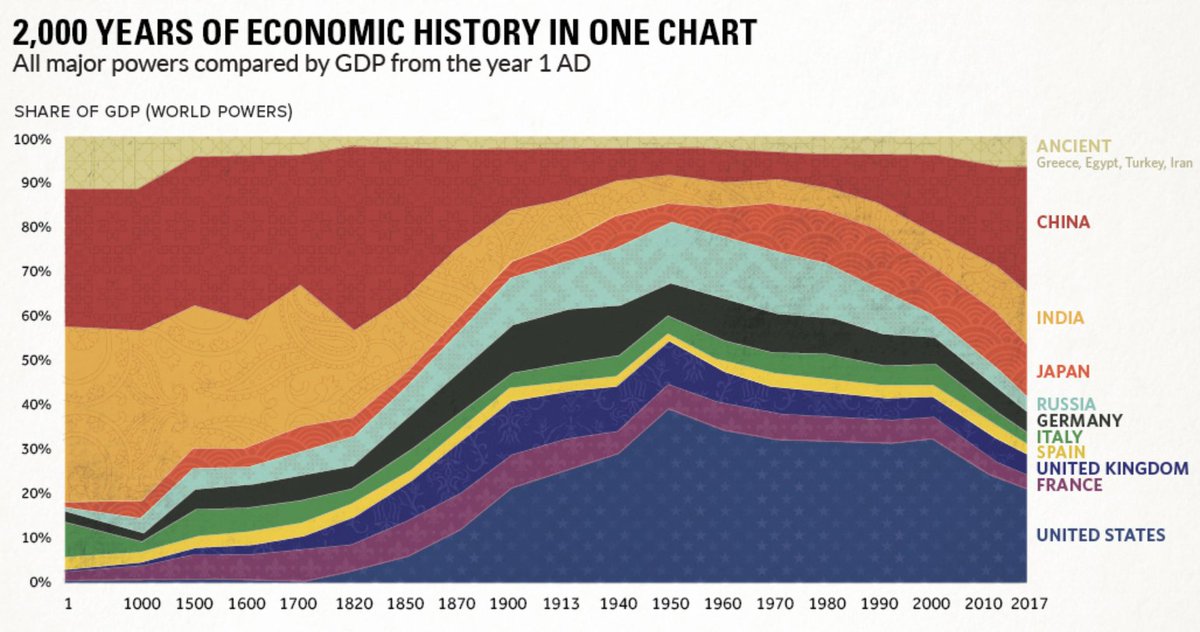
We were the richest economy of the world when your people were still cave men.
Then the religion of 'peace' and religion of 'love' showed up in India.
3
1
2
85
Persecution of Hindus retweeted
Why did Jaats dig up the grave of Mughals then?

1
14
792
Persecution of Hindus retweeted
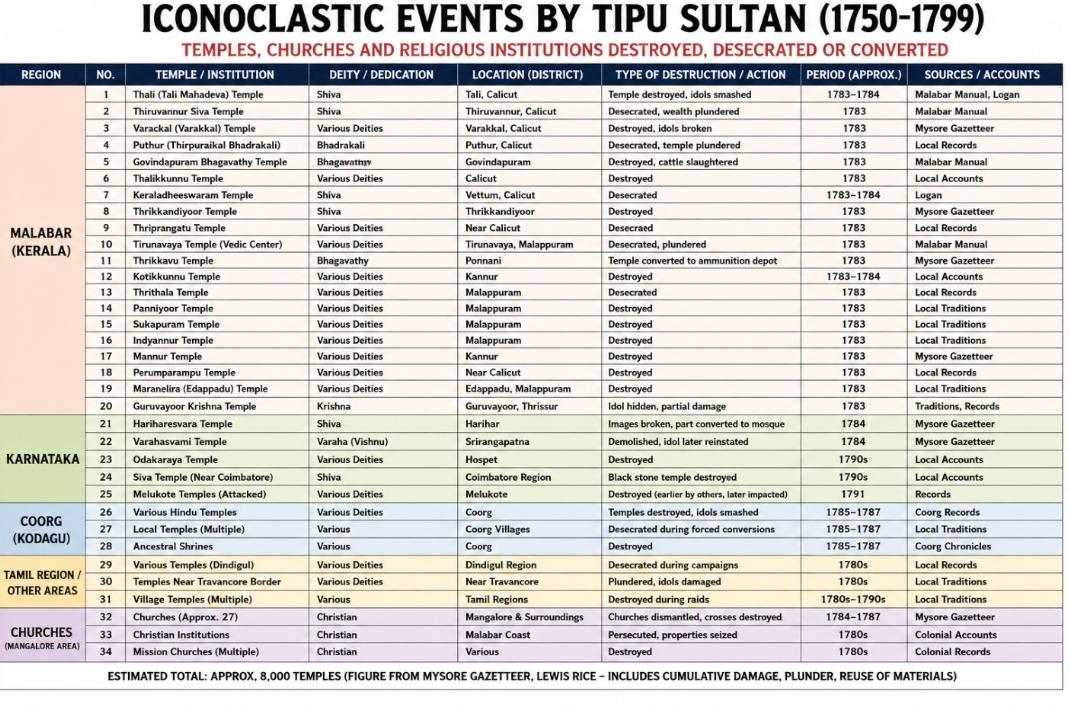
This is only a partial list. Tipu the barbarian spent his entire life destroying temples and churches.
1
2
139
Persecution of Hindus retweeted
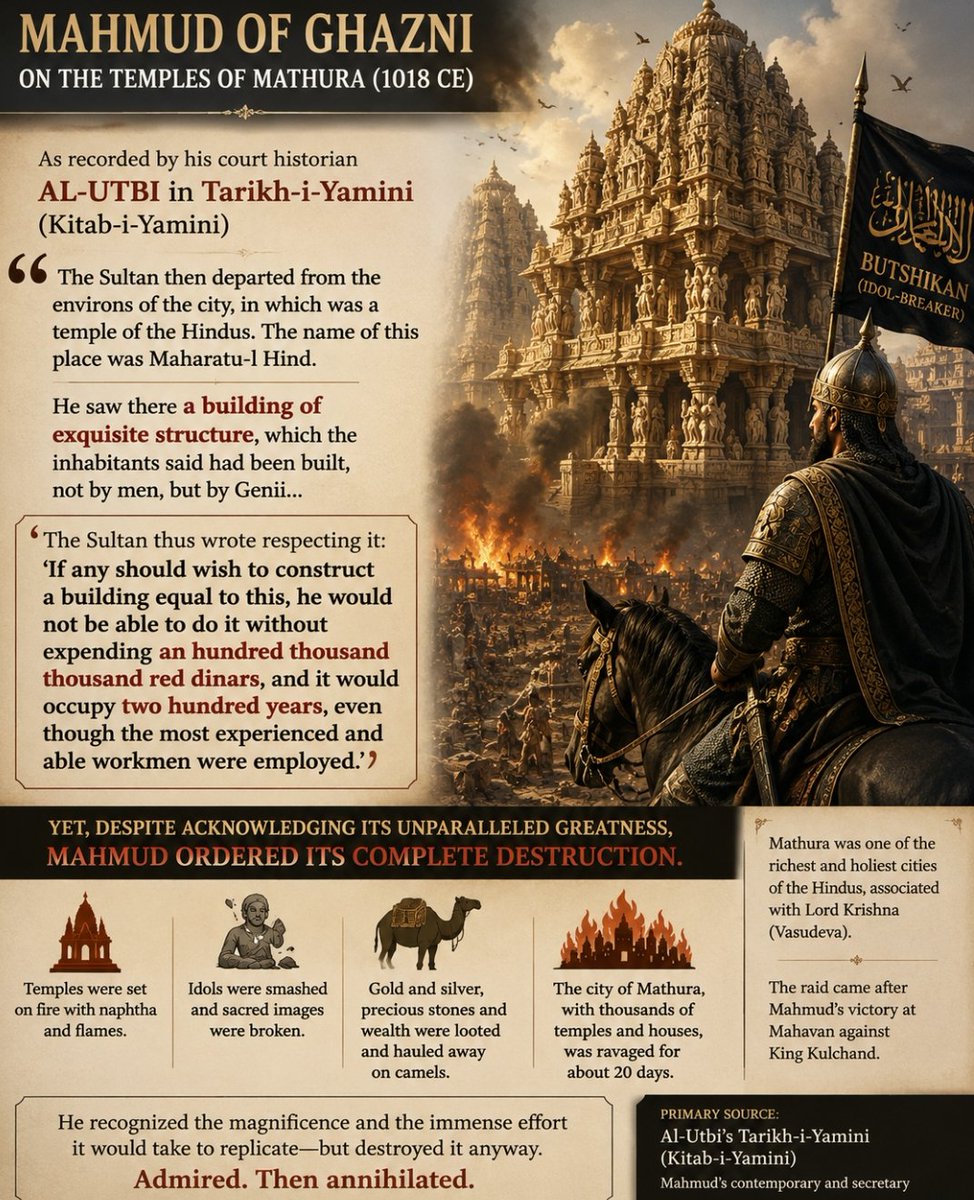
Your ancestors destroyed some cool stuff as well!
6
1
10
489