Ancient history for people who zoom in. Artifacts, ruins, inscriptions, maps, and the debates behind them.

Joined August 2011
4,770 Photos and videos
Pinned Tweet
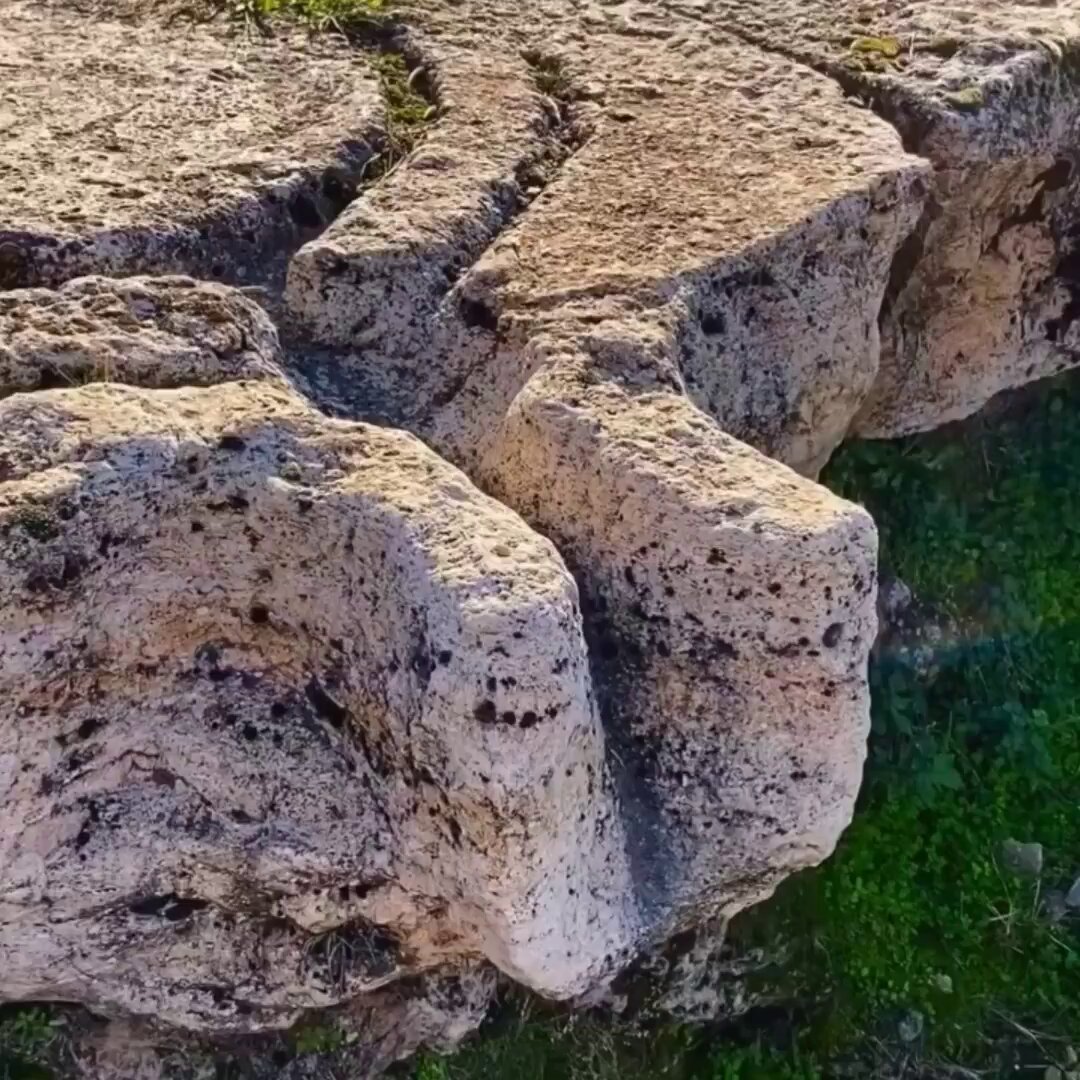
Ancient Olive Oil Workshop of Hierapolis, 1st–3rd century AD. These carved circles and channels are part of an olive oil production installation in ancient Hierapolis, modern Denizli. Olives were crushed with heavy stone rollers, then pressed to separate oil from water. The channels directed the liquid into collection areas where the oil could settle before storage. A process that supplied households, trade, and daily life across the Roman Mediterranean.
5
34
288
12,224
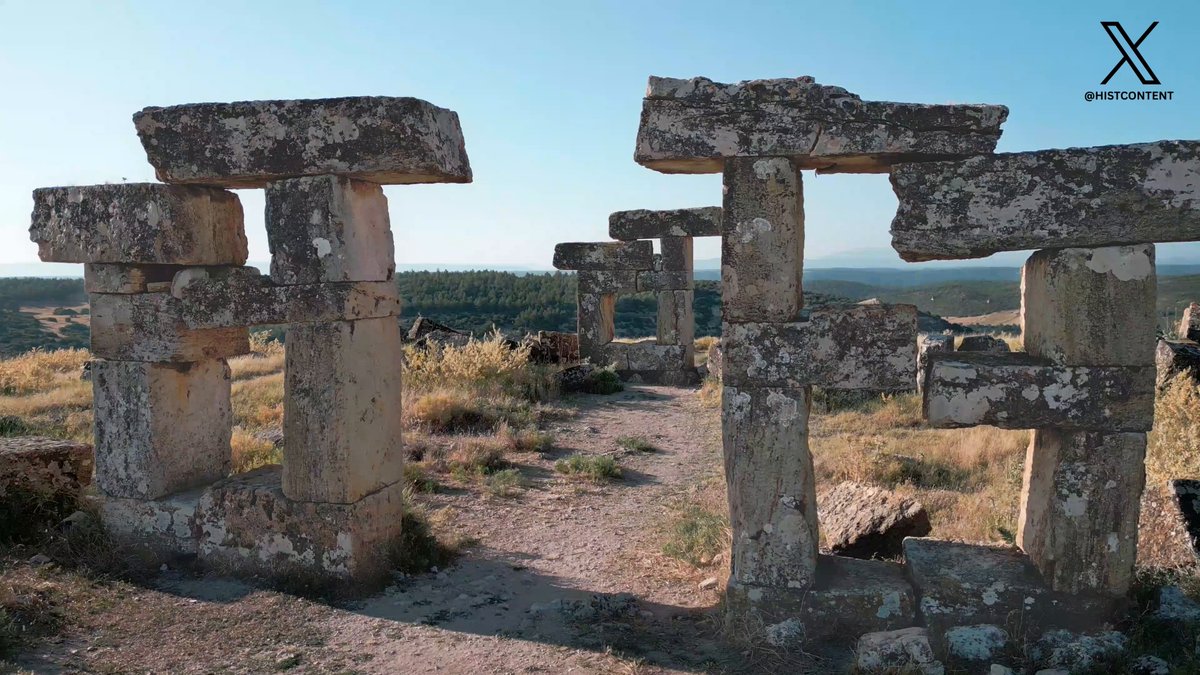
Ancient City of Blaundus, 3rd century BC–Byzantine Period. Blaundus carried traces of several worlds at once: Hellenistic foundations, Roman architecture, and later Byzantine occupation. Excavations have revealed streets, temples, public buildings, rock-cut spaces, and evidence of long-term urban life in inland western Anatolia.
2
5
45
1,061
History Content retweeted
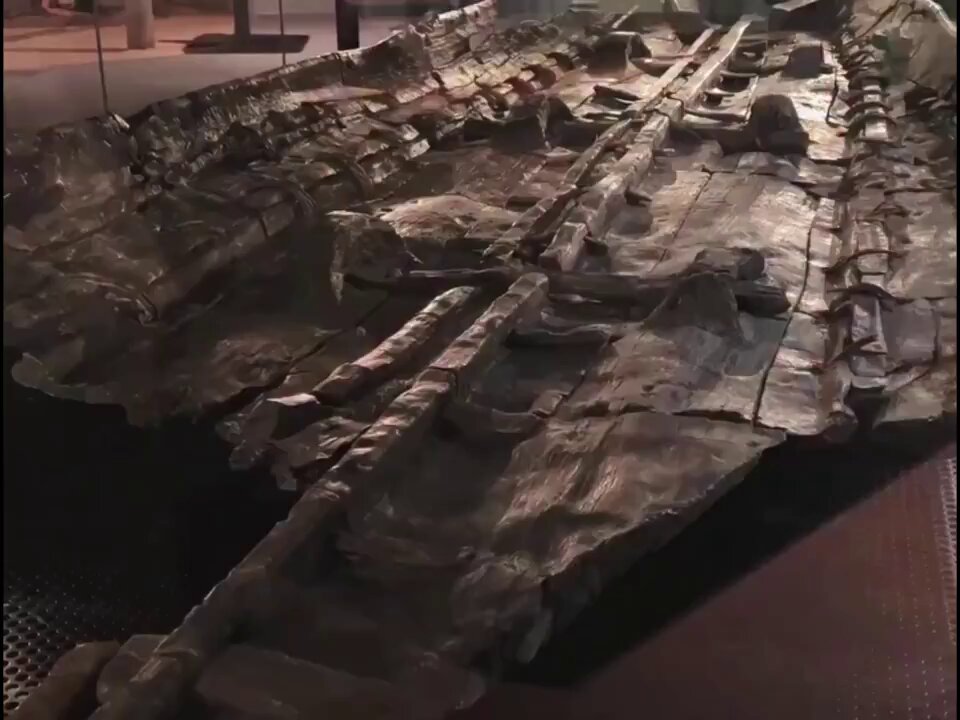
Roman River Ship, Aquileia — c. 1st–2nd century AD. For nearly two thousand years this timber survived underwater conditions that protected it from rapid decay. Now conservators work millimeter by millimeter using controlled cleaning, soft tools, and environmental monitoring. Water preserved the ship. Air became the challenge. x.com/AncientHistoryL/status…

2
8
65
1,738
History Content retweeted
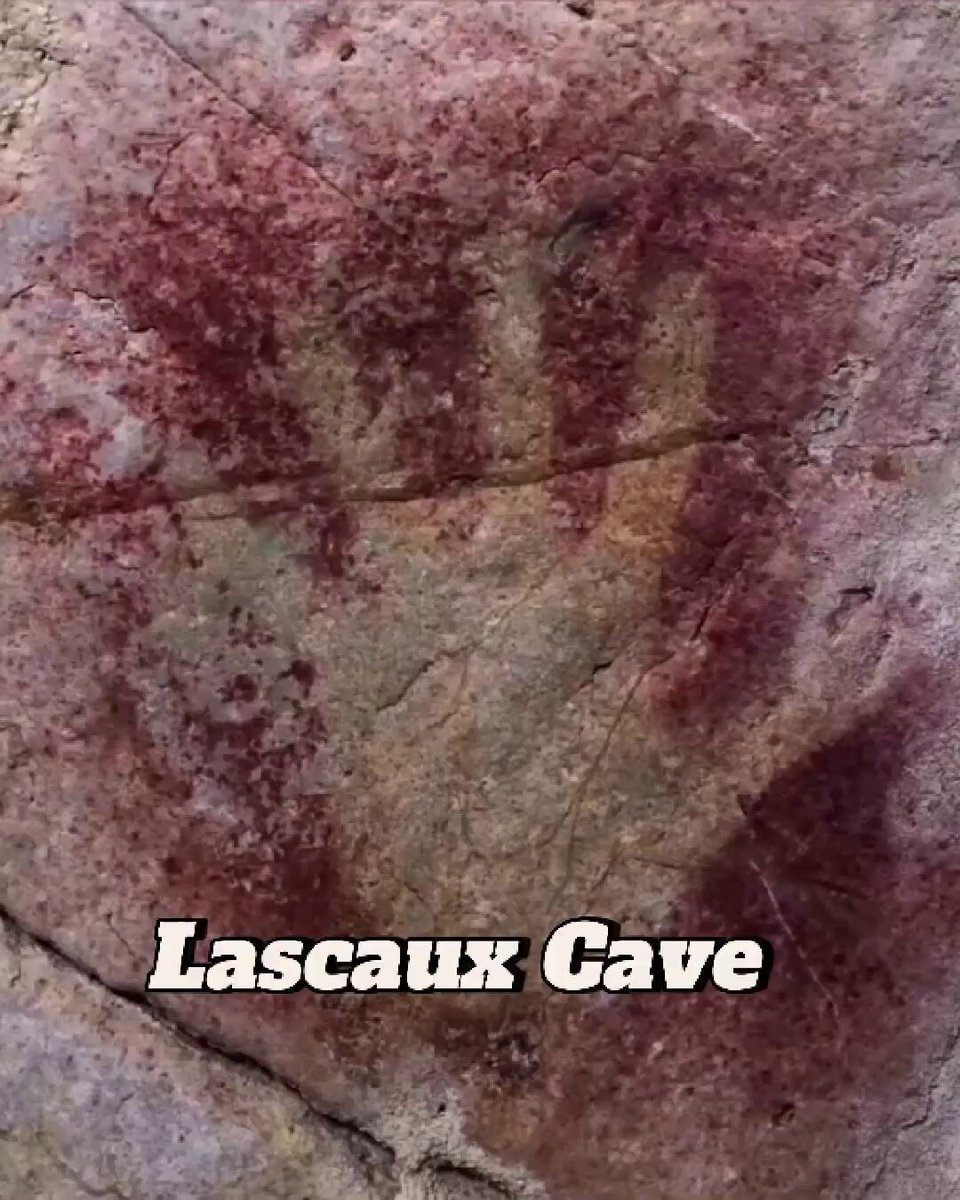
Lascaux’s paintings are about 21,000 years old yet the technique feels precise. Artists used a limited palette: red from hematite, yellow from goethite, and black from manganese oxides or charcoal. With a few pigments and uneven limestone, they created animals full of movement.
9
28
271
7,876
History Content retweeted
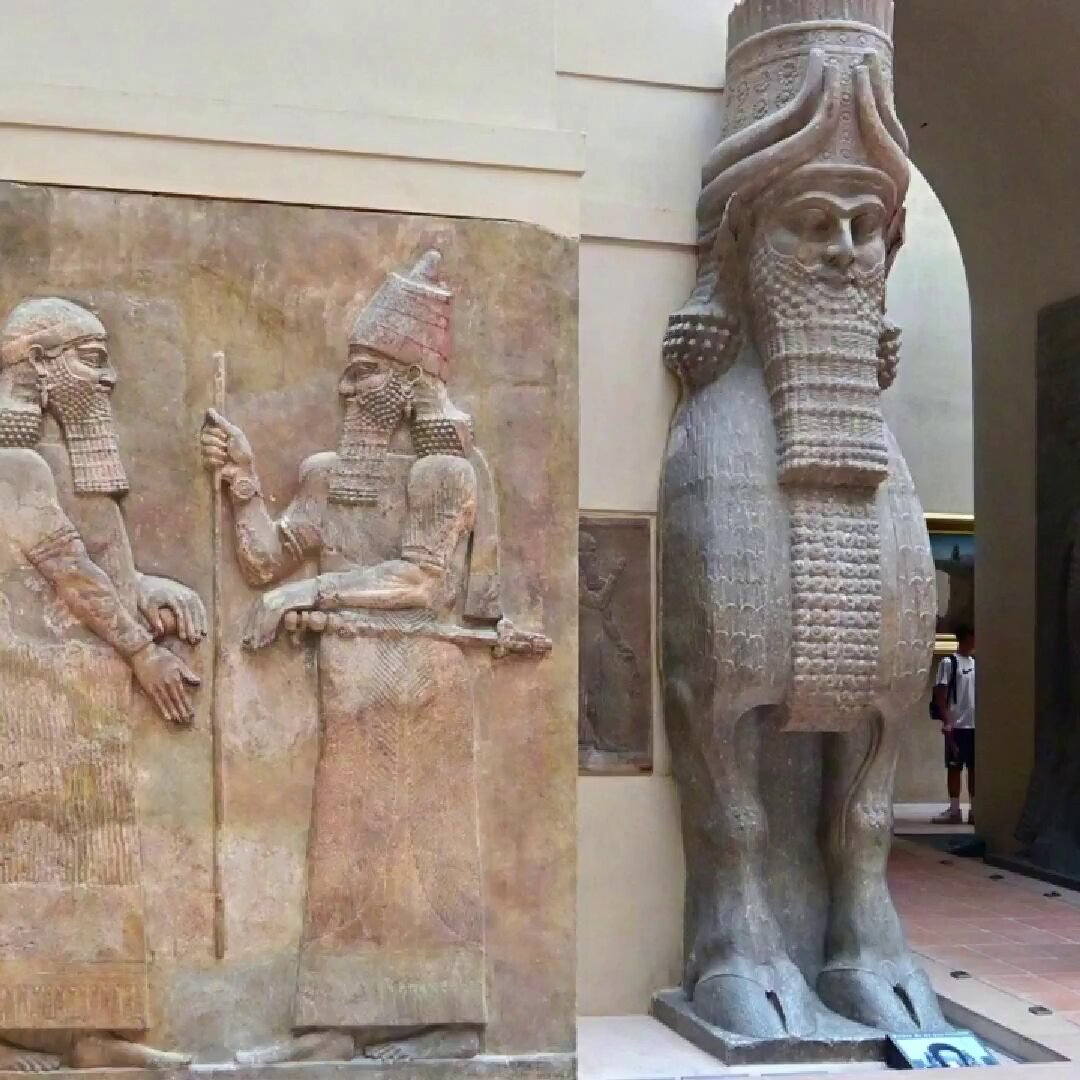
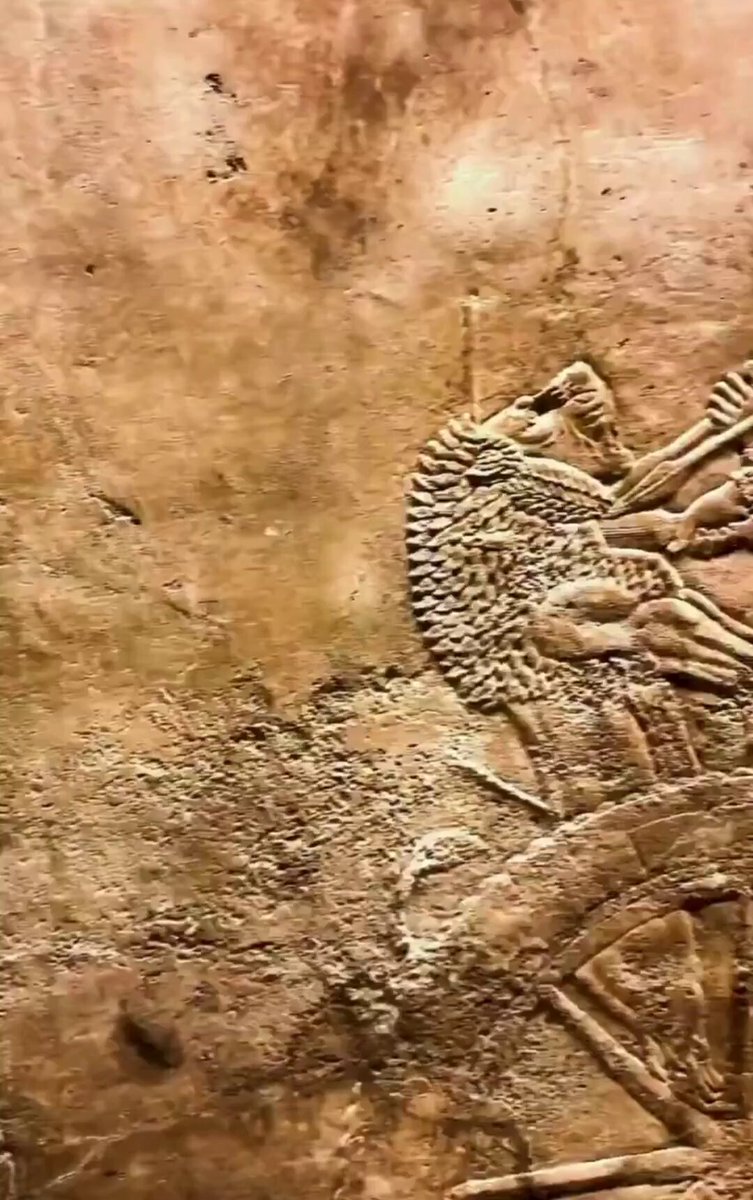
Khorsabad was one of Assyria’s boldest royal projects. Sargon II built a new capital, filled it with monumental palace art, then died in 705 BC. Soon after, the political center shifted toward Nineveh.
5
25
204
4,571
History Content retweeted
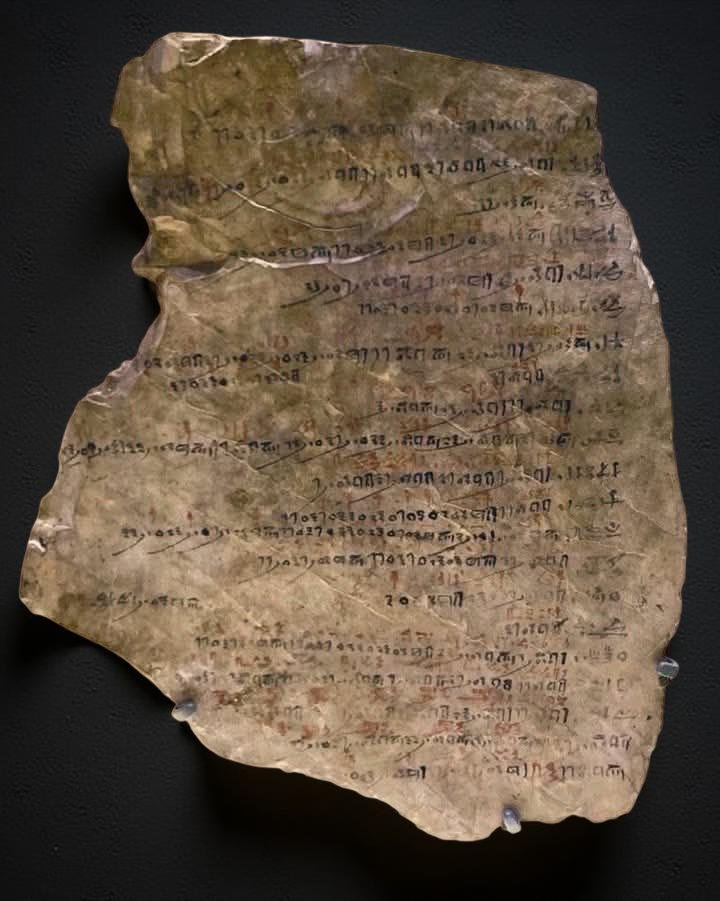
A worker is sick. Another has family duties. Another is absent because of a scorpion sting. This 3,200-year-old register from Deir el-Medina turns ancient Egyptian labor history into something personal, practical, and surprisingly familiar.
4
10
53
1,712
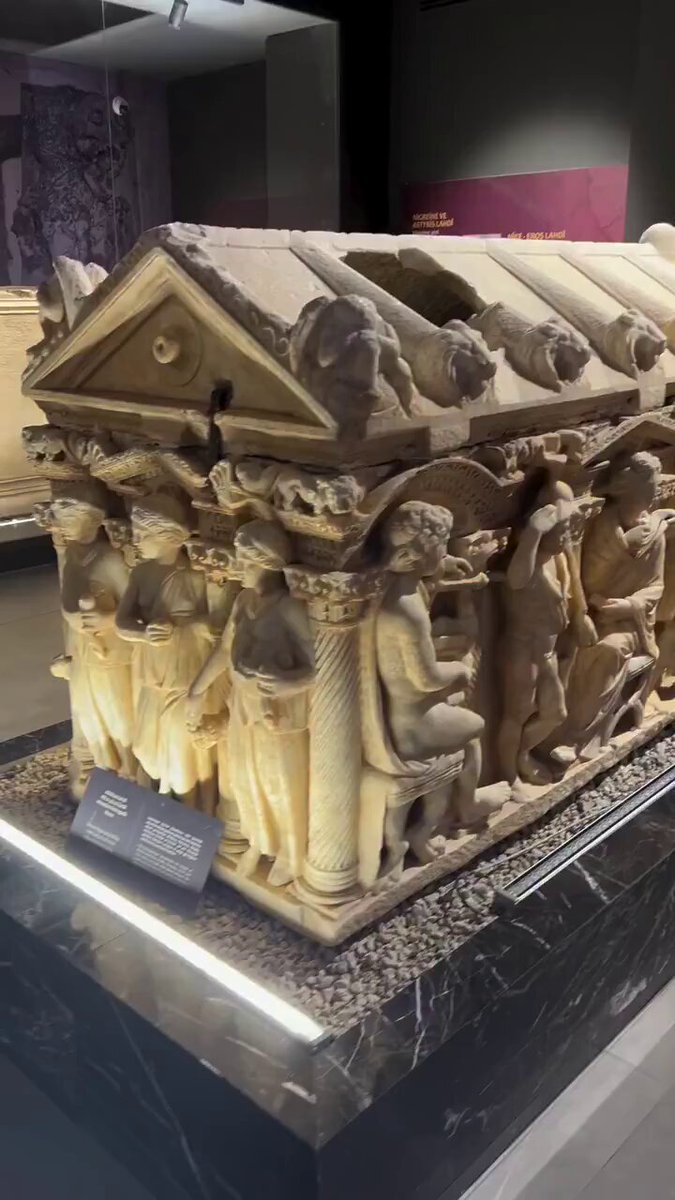
Nicaea Achilles Sarcophagus, 2nd–3rd century AD. Nicaea, today İznik, was an important Roman city in Bithynia. This sarcophagus shows how local elites used Greek epic, Anatolian marble, and Roman funerary fashion in one burial object.
4
11
87
2,519
History Content retweeted
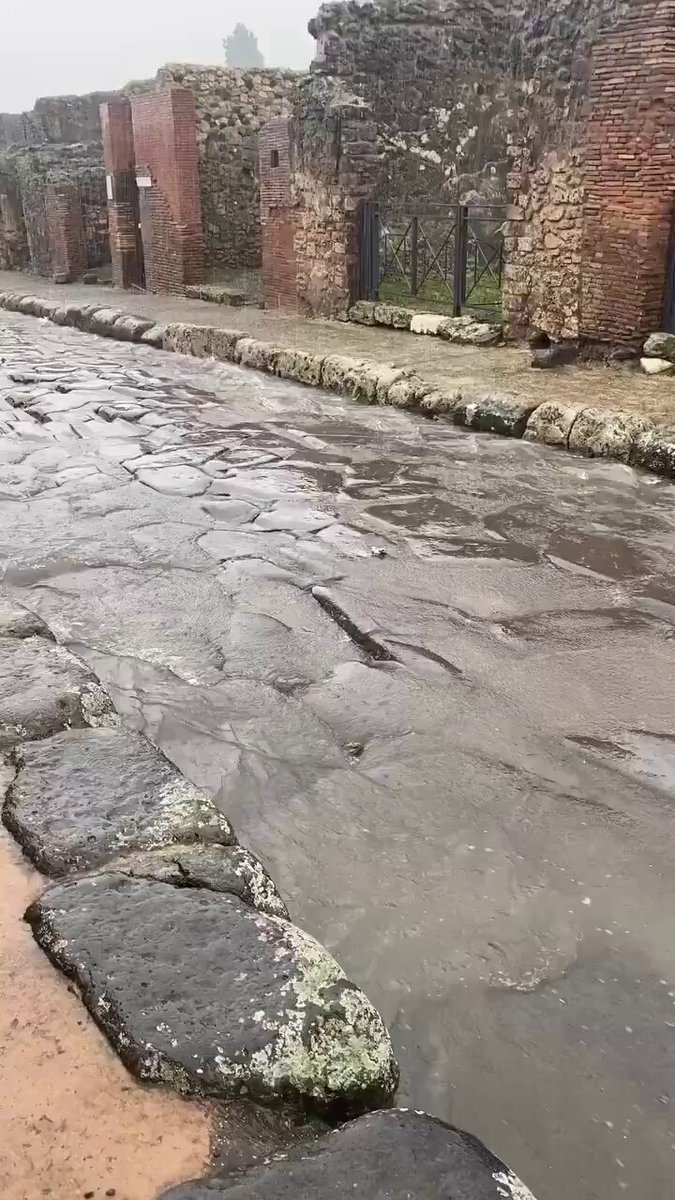
Pompeii, before the 79 AD eruption. These raised blocks were practical Roman street design. They let pedestrians cross above rainwater, fountain overflow, mud, and street waste while carts still moved through the gaps. Ancient urban planning was often more practical than people expect.
5
36
356
16,967
History Content retweeted
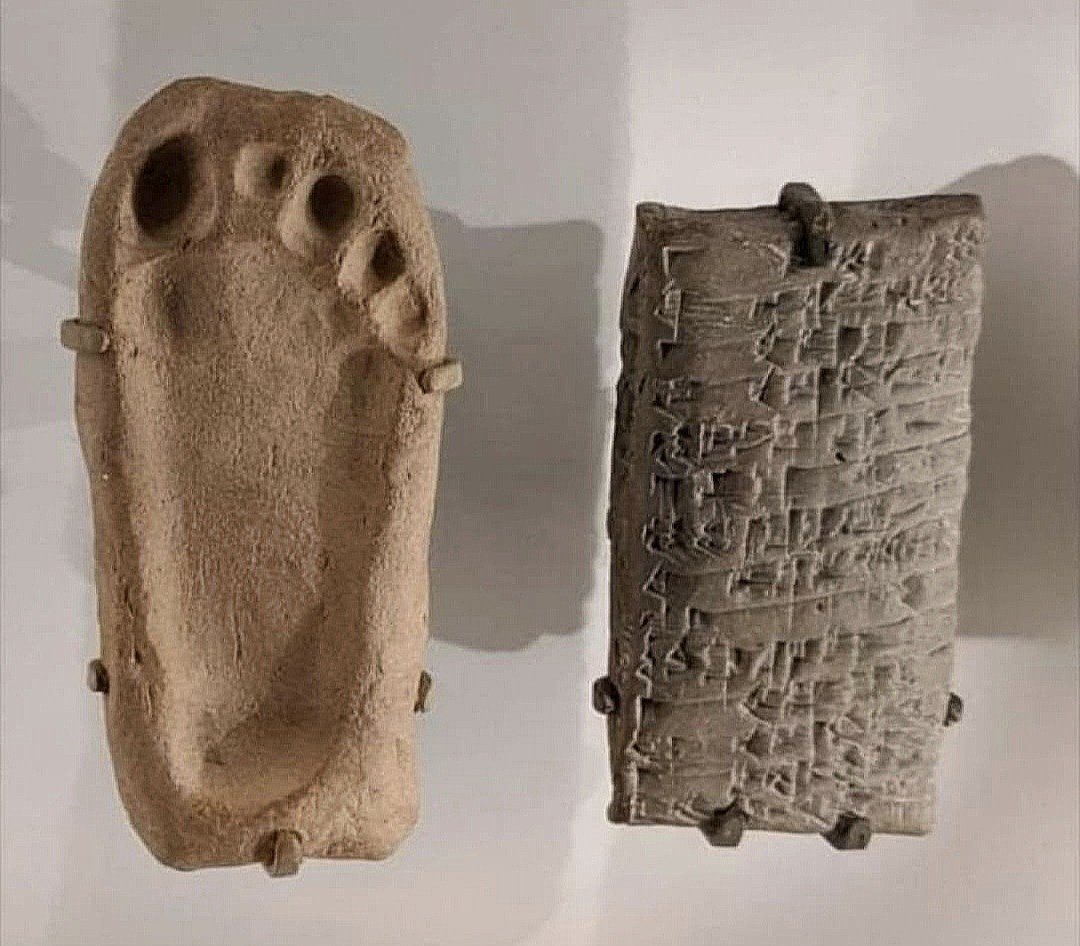
A baby stepped into clay nearly 4,000 years ago, and the mark survived. Nippur, southern Iraq, ca. 2000–1595 BC. The toes are the whole story: identity before ink, paper, or passports. Would you call this a document, a memory, or both?
2
9
100
2,939
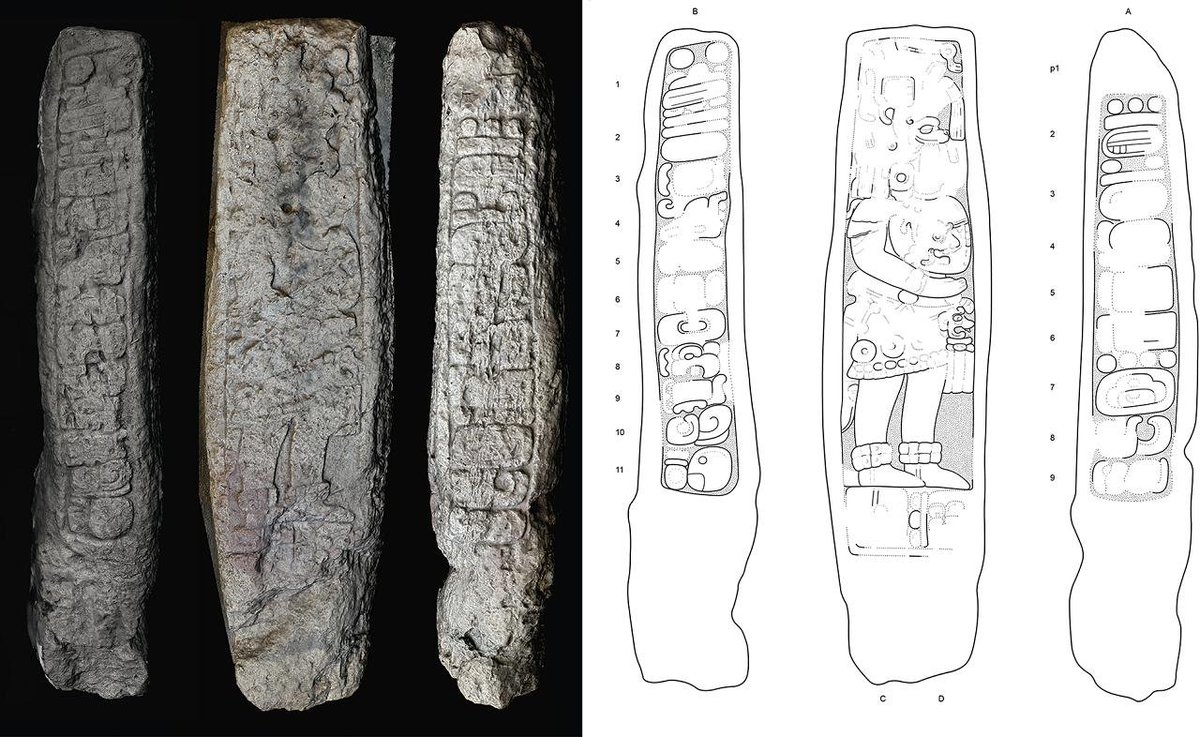
Stela 46 may rewrite early Maya history. If the reading is correct, this damaged monument from El Palmar carries a Long Count date from AD 180, 112 years before Tikal’s famous Stela 29. But the controversy is clear: how much should we trust a date recovered from a badly worn stone through 3D modeling?
4
8
68
3,054
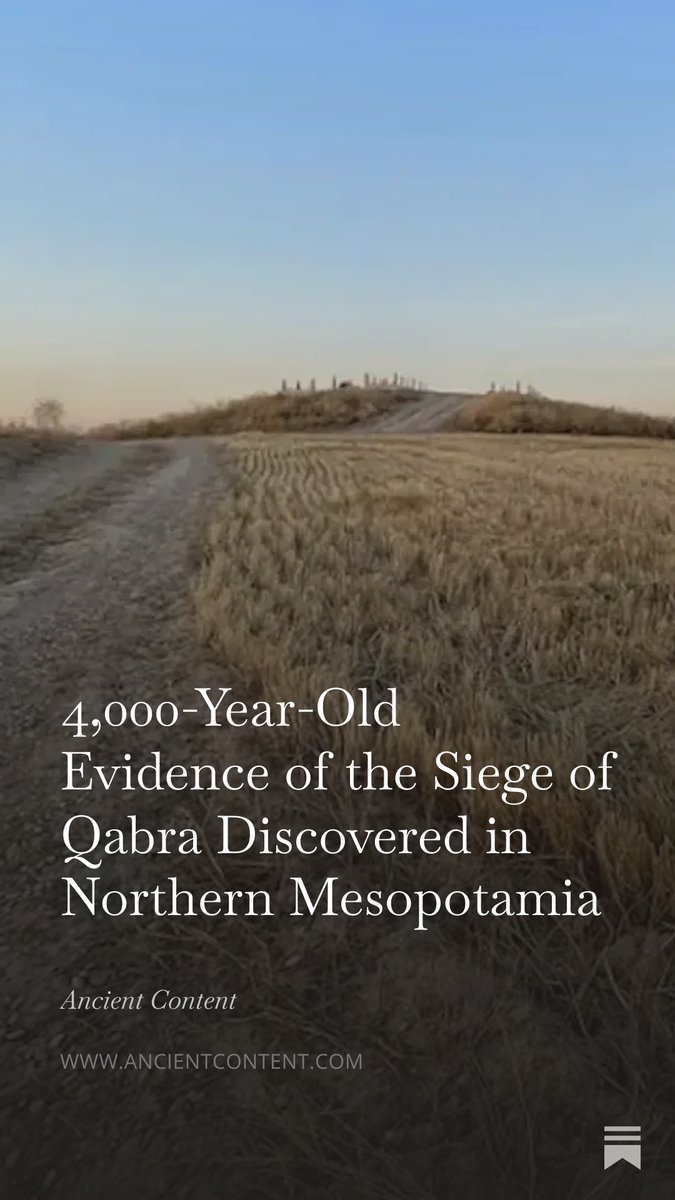
Archaeologists in northern Mesopotamia uncovered evidence that may reveal the siege of ancient Qabra around 4,000 years ago. At Kurd Qaburstan, they found cuneiform tablets, sealings, burned destruction layers, collapsed buildings, and human remains..
Archaeologists in northern Mesopotamia uncovered evidence that may reveal the siege of ancient Qabra around 4,000 years ago. At Kurd Qaburstan, they found cuneiform tablets, sealings, burned destruction layers, collapsed buildings, and human remains. A rare look at Bronze Age warfare beyond royal texts.
5
31
1,207
History Content retweeted
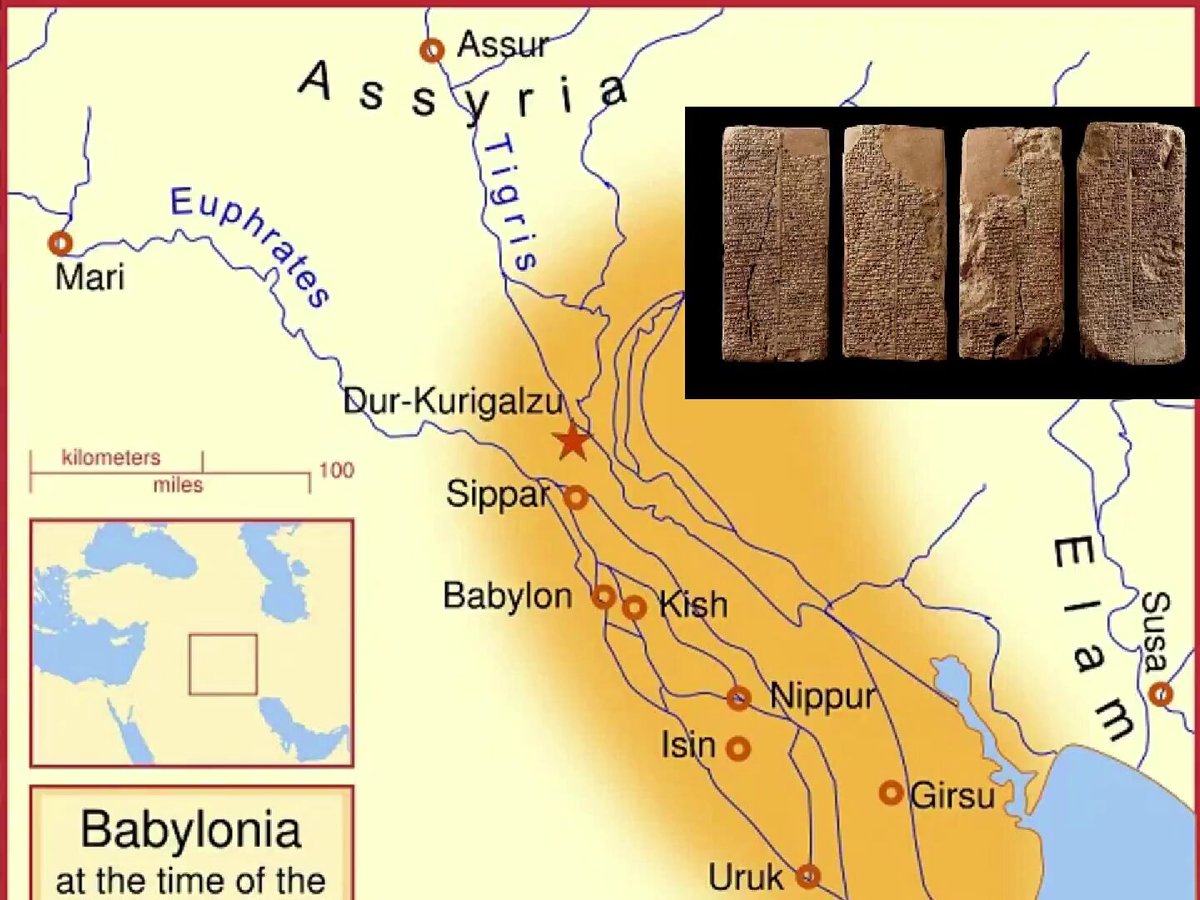
The Kings Who Ruled Before the Flood
6
27
109
4,415
History Content retweeted
Archaeologists have identified a rare prehistoric cave near Fureidis, south of Haifa. Dated to around 400,000 to 250,000 years ago, the site contains Lower Paleolithic flint tools, handaxes, animal bones, and evidence of water activity. The discovery adds important data on early human occupation in the Levant. x.com/AncientHistoryL/status…

2
9
53
1,612